Rare is a word buyers throw around too easily. On a coachbuilt car it has an actual definition, and I use it carefully: a body of which one, or a small handful, is known to survive, with the paper to prove it. Everything else is uncommon, which is a different and lower category. The distinction matters because rarity is one of the few things in this market that reliably moves a number, and I would rather tell you the truth about which cars earn that word than let a seller's catalog copy decide it for you.
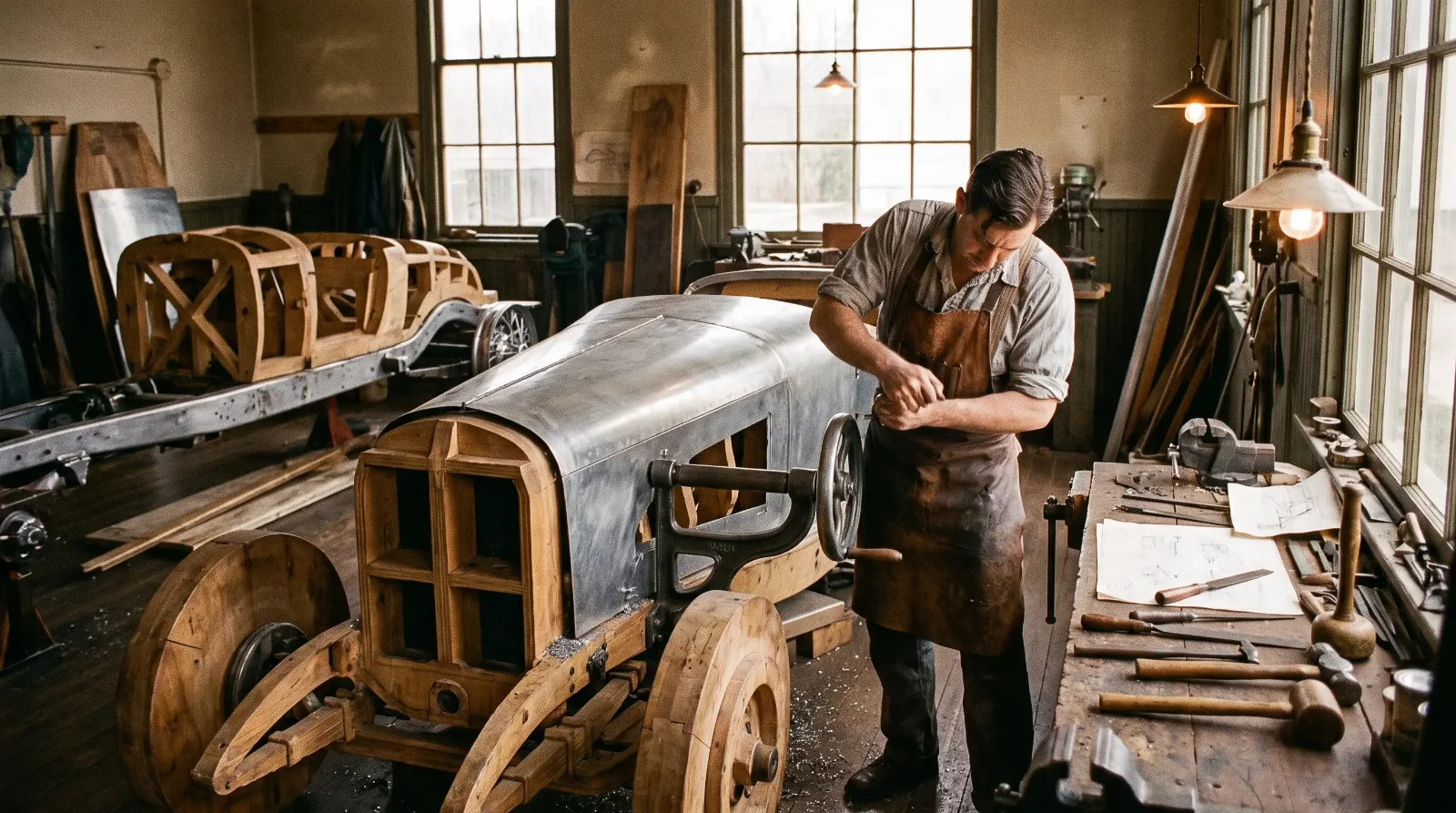
For the mechanics of how a coachbuilt car gets built and priced in the first place, more on rare coachbuilt cars lays out the groundwork. Here I want to walk through what actually made certain bodies scarce, and which names come up when serious collectors talk about the rarest survivors.
What makes a body genuinely rare
Three things create real rarity. The first is a one-off commission, a body built to a single client's order and never repeated. The second is a design that was expensive or difficult enough that only a few buyers could justify it, so the coachbuilder built two or three and moved on. The third, and the ugliest, is attrition. Plenty of coachbuilt bodies that were not especially rare when new became rare because most of the run was scrapped, wrecked, or rebodied over the following decades, and only a handful survive today.
That third category catches people out. A model that had a production run of thirty examples is not automatically common just because thirty were built. If twenty-six of them are gone, the survivors are as rare as a true one-off, even though the original commission was not. Rarity, for my purposes, describes the surviving population, not the number that once left the coachbuilder's shop.
The names that come up
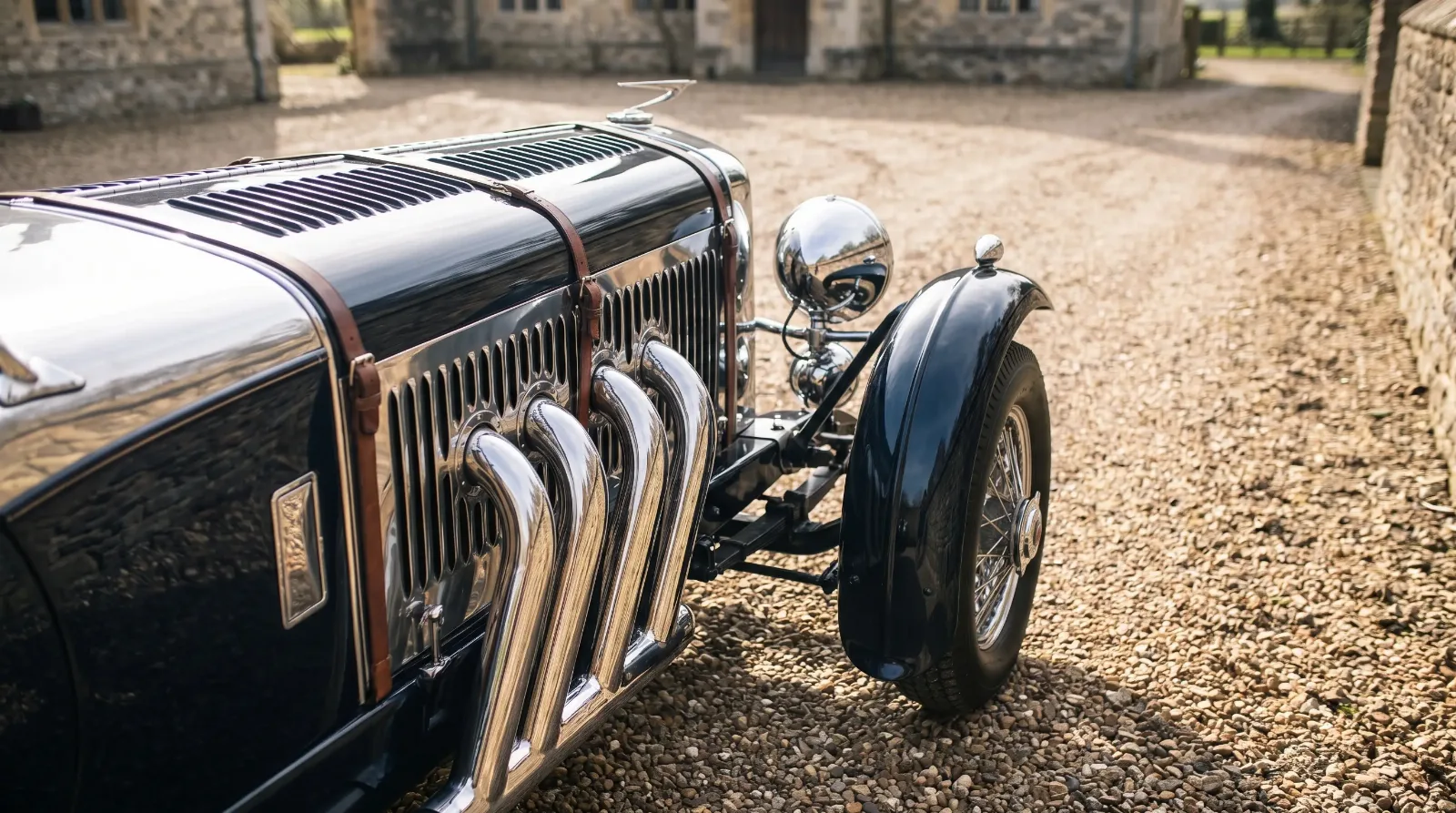
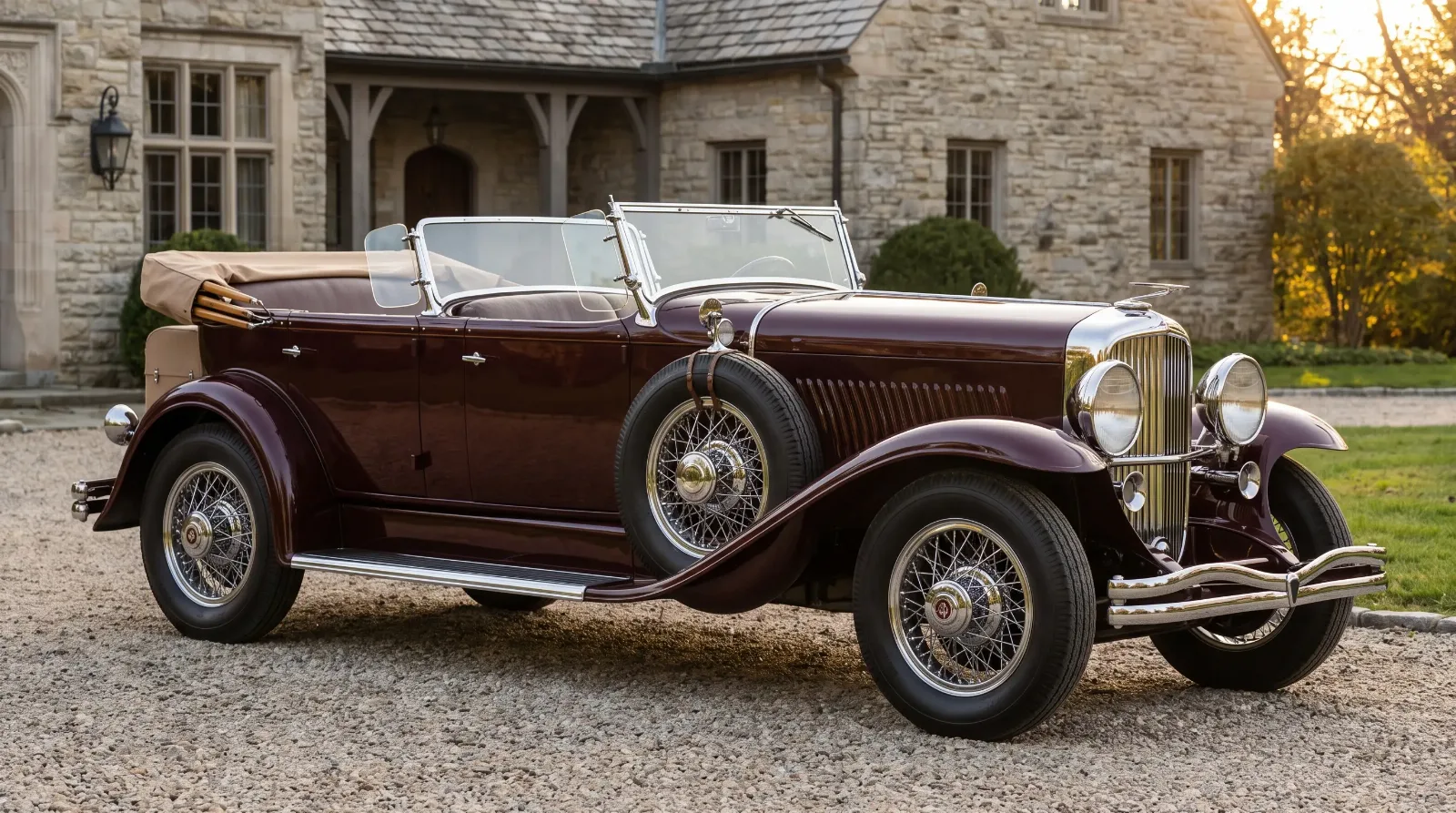
A handful of cars anchor most conversations about coachbuilt rarity. The Duesenberg SJ speedsters bodied by Murphy, of which only a few genuine examples survive, sit near the top of any list. Figoni et Falaschi's most extreme designs on Talbot-Lago and Delahaye chassis, the flowing teardrop bodies collectors call "goutte d'eau," were built in single digits for some variants. Certain Packard Twelve and Cadillac V16 bodies by Dietrich and Fleetwood exist as documented singles, a specific body number tied to a specific original owner and never repeated on another chassis.
| Car | Coachbuilder | Known surviving examples |
|---|---|---|
| Duesenberg SJ speedster | Murphy | A small handful, exact count disputed among marque historians |
| Talbot-Lago T150C teardrop coupe | Figoni et Falaschi | Roughly a dozen survive of about sixteen built |
| Packard Twelve one-off town car | Dietrich | Single documented example |
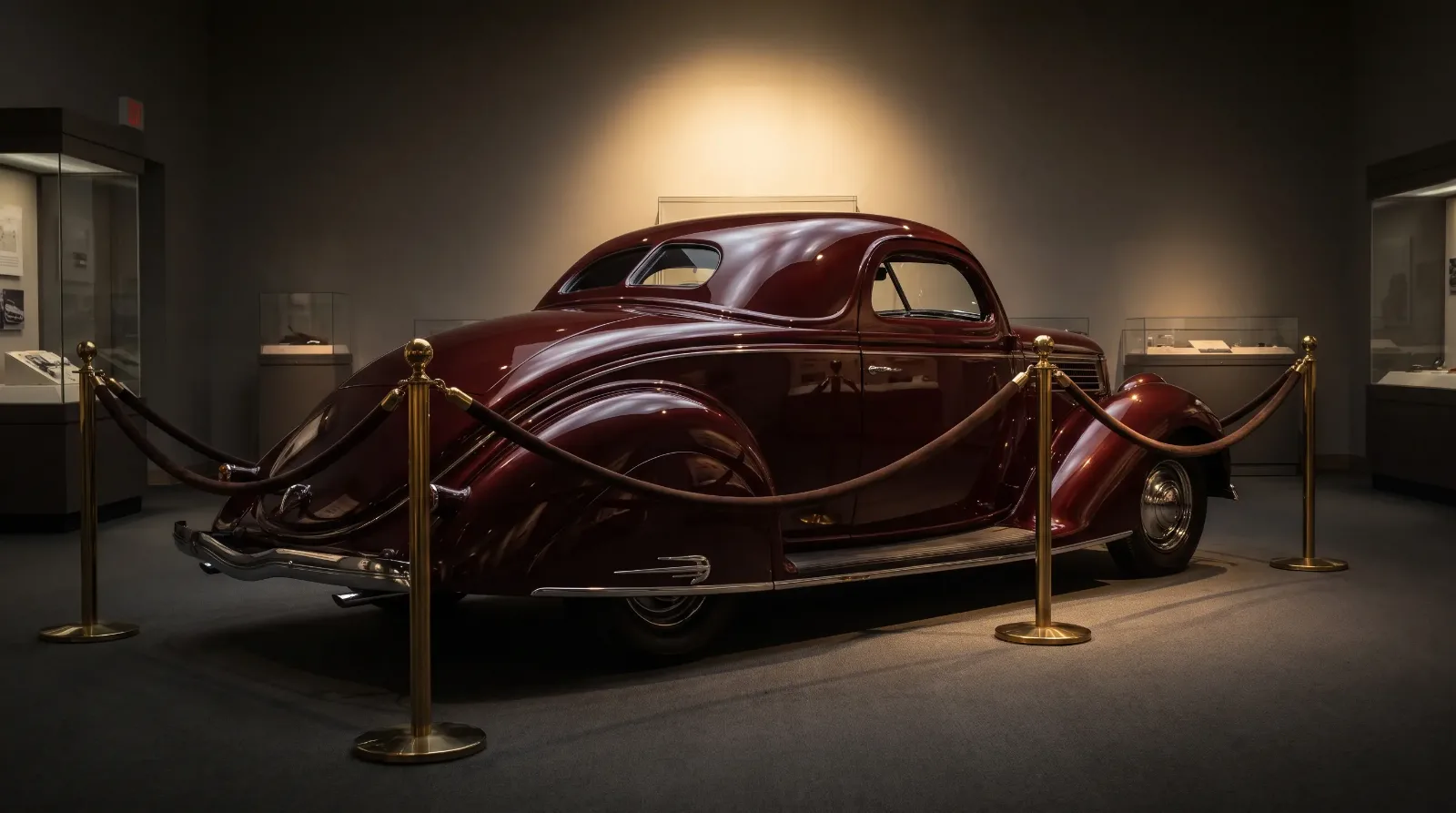
| Cadillac V16 Aerodynamic Coupe | Fleetwood | A small number of the eight V16-chassis examples are known today |
I keep the survivor counts soft on purpose. New examples occasionally surface out of long-term storage, and a count that looked settled for years can change with one barn find. What does not change is the documentation standard behind each number, which is the real work of calling a car rare rather than just repeating what the last auction catalog said.
Beyond the marquee names, there is a second tier of rare coachbuilt cars that rarely makes headline auction coverage but matters just as much to a serious collector, cars where a smaller or regional coachbuilder built a single body on a top-tier chassis for a local client. These do not carry the name recognition of Murphy or Figoni et Falaschi, so they sell for less at the top end, but the survivor counts on some of them are just as thin. I have appraised cars from coachbuilders most buyers have never heard of where exactly one example is known to exist, full stop, and the scarcity is every bit as real even though the market has not caught up to it in price.
Why rarity alone does not set the price
I have appraised cars that were genuinely rare and worth less than a more common sibling in better condition with cleaner records. Rarity raises the ceiling. It does not guarantee the car reaches it. A one-off body with a broken ownership chain, a repaint that erased original details, or a restoration that took liberties with the design will sell for a fraction of what the same body would bring fully documented and correctly restored. Buyers pay for the story as much as the scarcity, and a rare car with a thin story is a harder sell than a common car with an airtight one.
"Rare gets you a phone call from a serious buyer. It does not get you their number. That still comes down to condition, paperwork, and whether the car can survive someone else checking your homework."
— Marcus Feld
Provenance owned by history
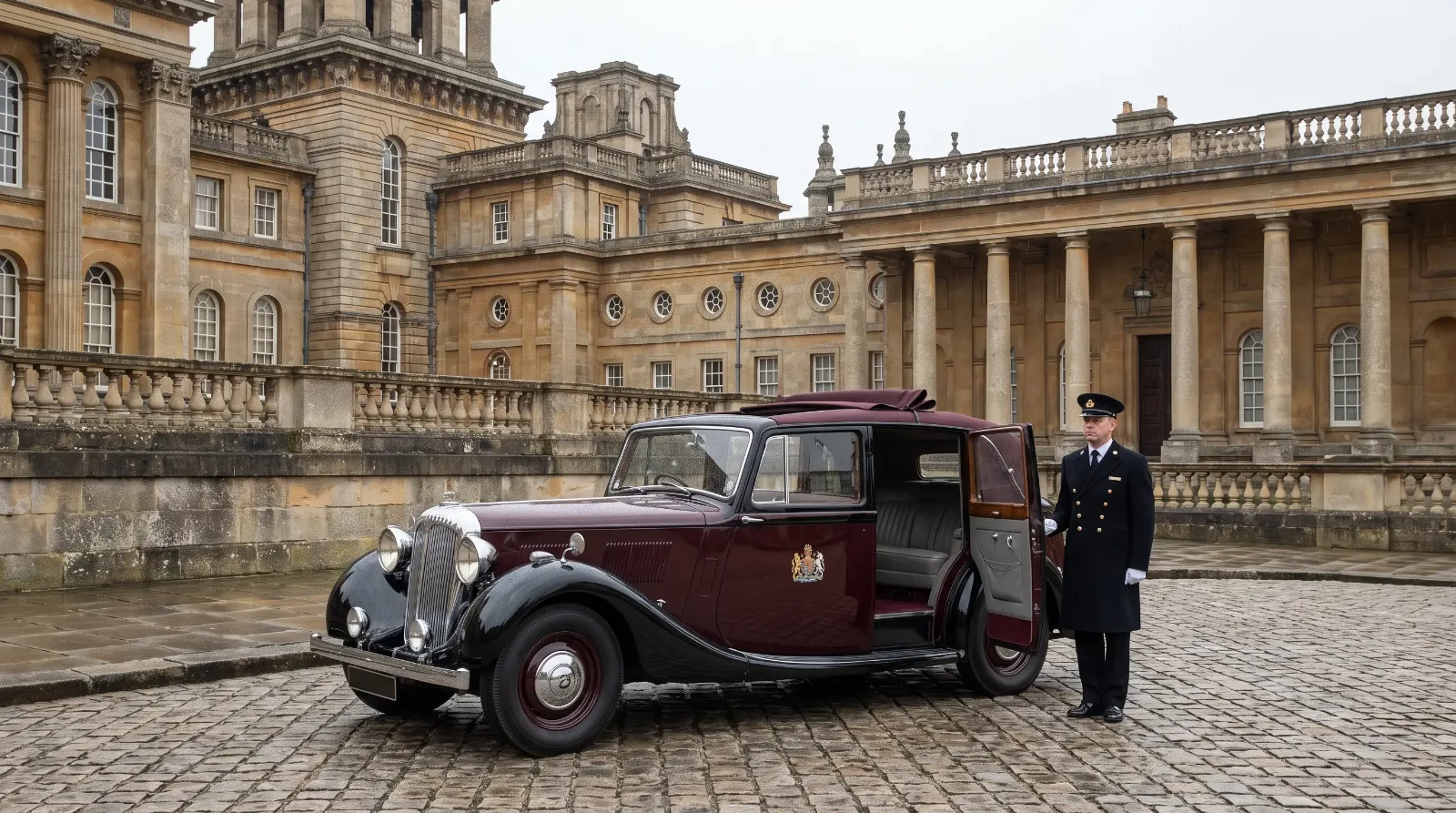
Some of the rarest coachbuilt cars carry an extra layer of interest because of who owned them first. A one-off body commissioned by a head of state, an industrialist, or a member of a royal household tends to be documented unusually well, since those buyers left paper trails that ordinary customers did not. That kind of ownership history is its own subject, and worth a look if you want to see how far provenance can push a valuation. read on for a closer look at cars built for exactly that tier of buyer.
If you want the fuller picture of the era these cars came out of, including the broader market they sit inside, the golden age of the automobile is the place to start.
The bottom line I give clients is simple. Rare is a real word, not a marketing word, and it earns its place in a valuation only when the paperwork backs it up. A survivor count of one or two means nothing if you cannot prove the car in front of you is that survivor.
Sources and notes
- Wikipedia: Duesenberg Model J production and speedster bodies
- RM Sotheby's - 1938 Talbot-Lago T150C SS Teardrop Coupe by Figoni et Falaschi
- Ultimate Car Page: Talbot-Lago T150C SS Figoni et Falaschi Teardrop Coupe
- Wikipedia: Cadillac V-16 and the Aero-Dynamic Coupe
- New Cadillac Database: 1933 V16 survivors
- Duesenberg Registry: Model SJ Beverly by Murphy