
Park an El Camino and a Ranchero side by side from the same era and the el camino vs ranchero styling philosophy reveals itself before either engine turns over. These were never just two trucks competing on horsepower and bed capacity. They were two different ideas about what a hybrid vehicle should look like, and both companies stayed remarkably consistent to their own logic across two decades of redesigns. Chevrolet treated the El Camino as a Chevelle first, a truck second, borrowing every styling cue from its passenger-car sibling almost year for year. Ford treated the Ranchero as its own thing wearing borrowed bones, giving it distinct trim, distinct badging, and, in its later years, an identity pulled toward personal-luxury cars rather than the mid-size sedan it was actually built from.
Two Design Philosophies: El Camino and Ranchero Looks
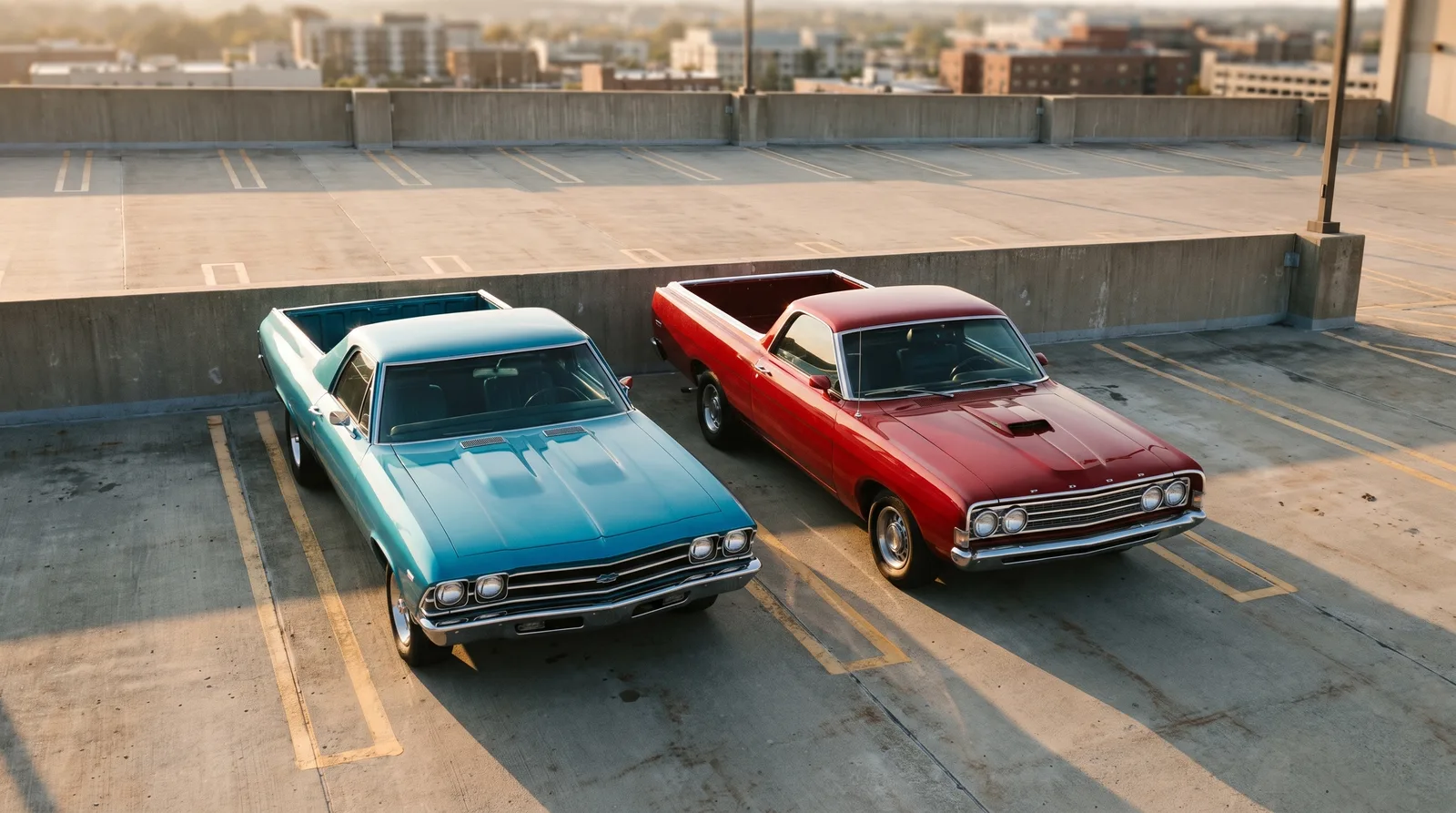
The El Camino always looked like a Chevelle wearing a bed, while the Ranchero always reached for a slightly more formal identity of its own, a design divide that shaped both nameplates for two decades.
Chevrolet's Chevelle-first approach
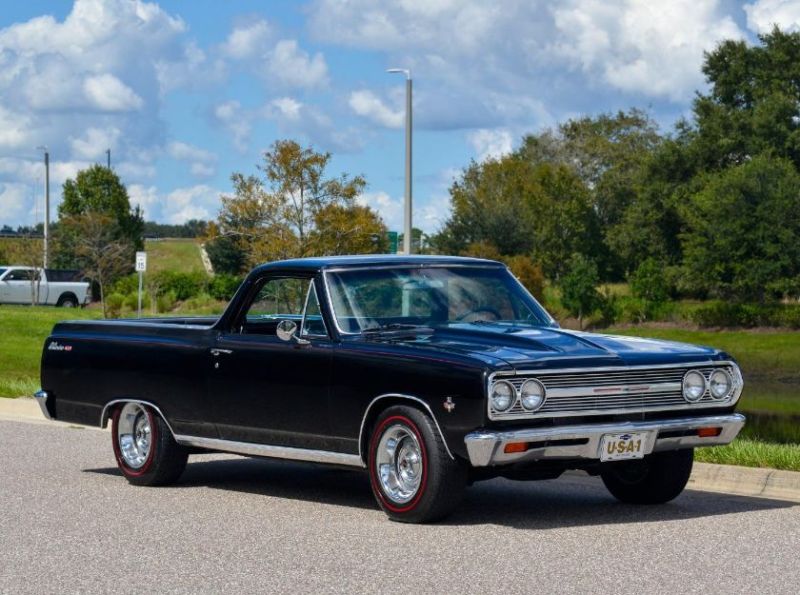
You can see the Chevelle-first approach most clearly in how little the El Camino ever tried to distinguish its face or profile from the passenger car sitting on the same showroom floor. The coke-bottle hips that defined the 1968 through 1972 Chevelle carried straight onto the El Camino's flanks without modification. The Colonnade look of 1973 arrived on both at once. Even the badges, SS396 or SS454, were shared language lifted directly from the sedan and coupe lineup. Chevrolet was betting that buyers wanted a truck that looked like it belonged in the same family as the car they might have cross-shopped, not a vehicle with its own separate visual story.
Ford's push toward a more formal, distinct identity
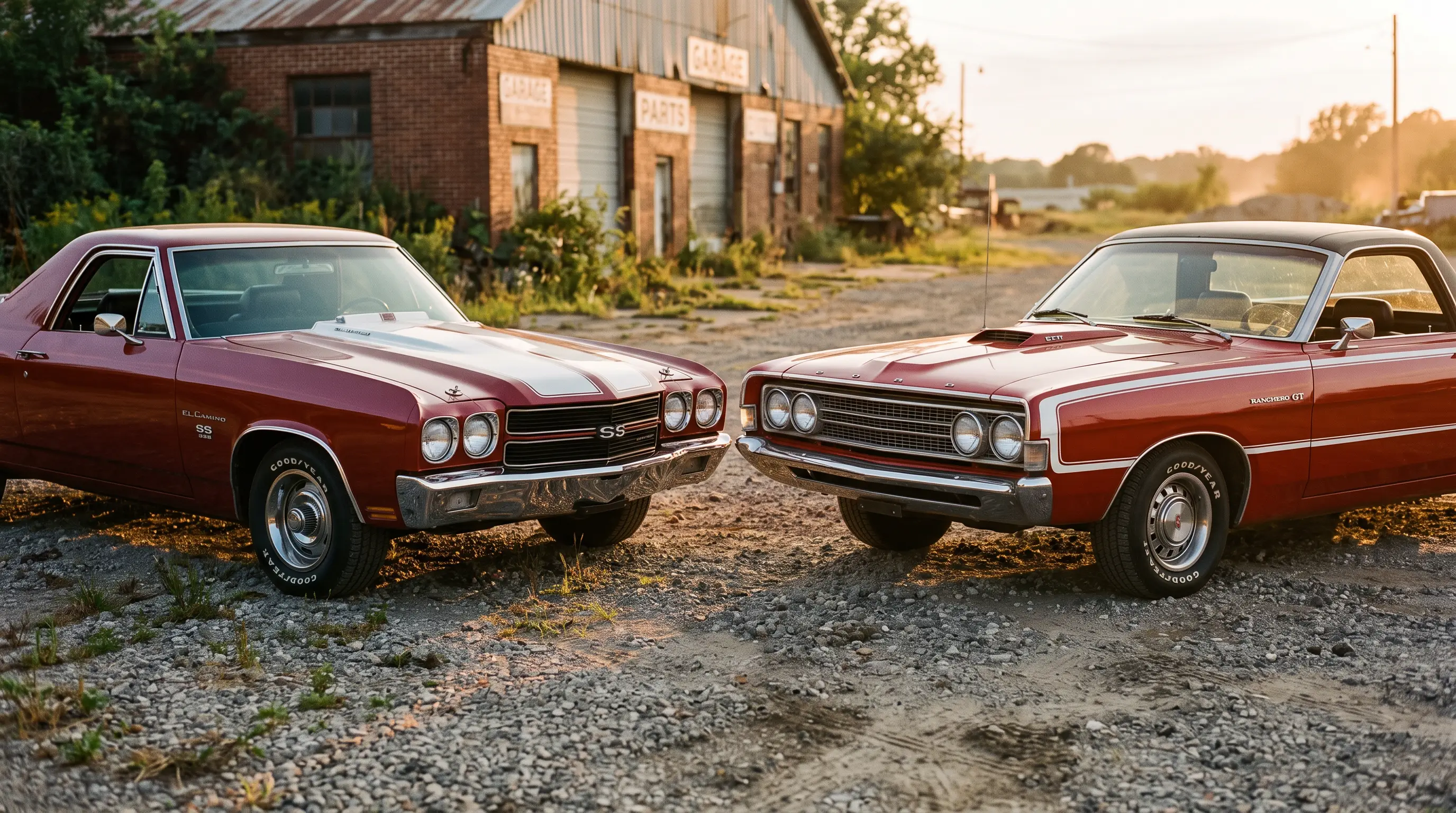
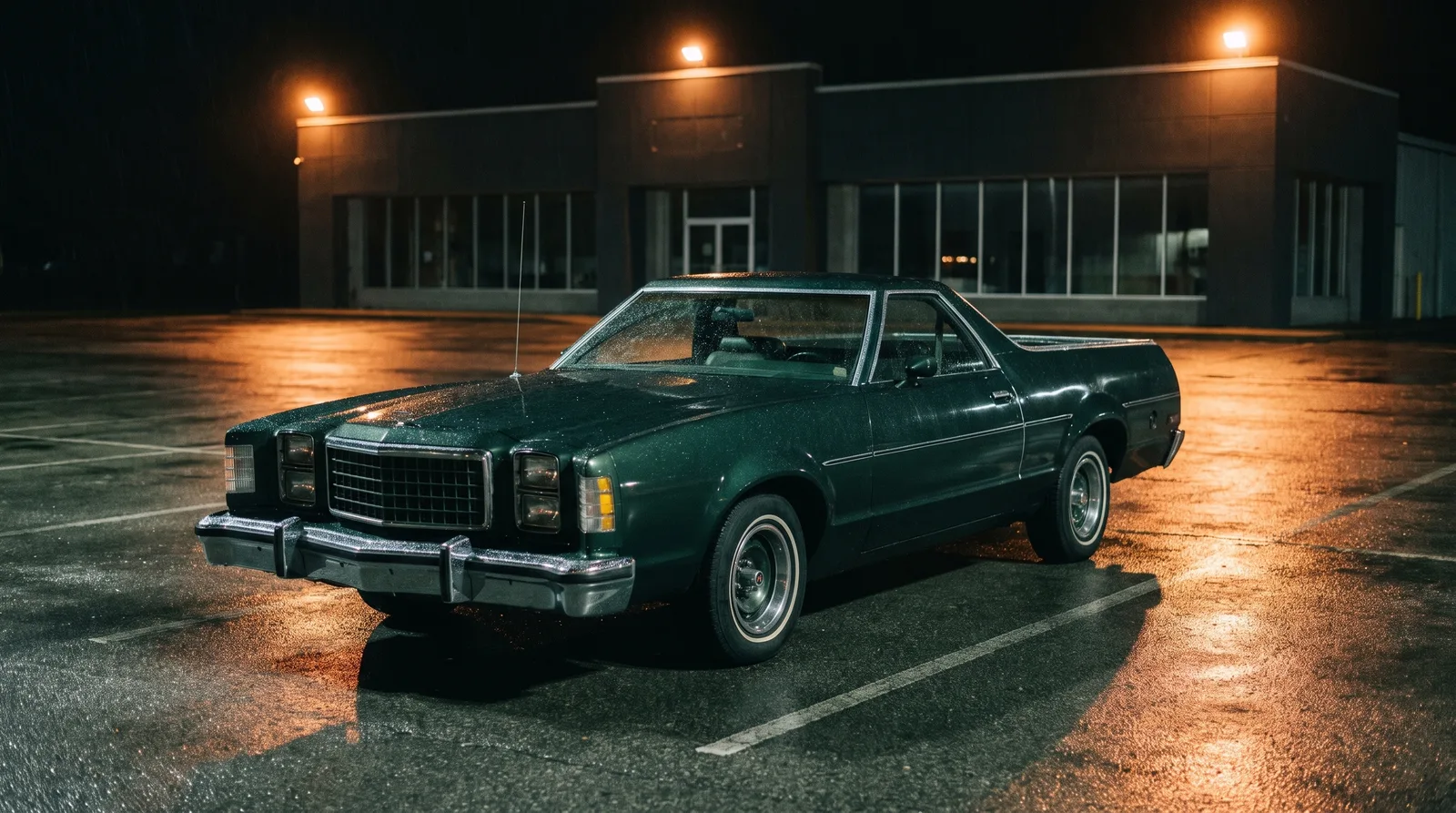
Ford's Ranchero, meanwhile, kept reaching for a slightly more formal, slightly more finished presentation than its donor car. Where the El Camino wore the same grille and the same trim badges as the Chevelle it was built from, the Ranchero often carried a GT package, striping, or later a Squire wood-grain treatment that gave it a distinct showroom presence rather than simply looking like a Fairlane or Torino with a bed grafted on. That distinction became sharpest in the LTD II years, when the Ranchero adopted a formal grille and brougham-adjacent trim more associated with personal-luxury coupes than with a Fairlane sedan, a styling direction the El Camino never really pursued on the same scale.
| Era | El Camino styling approach | Ranchero styling approach |
|---|---|---|
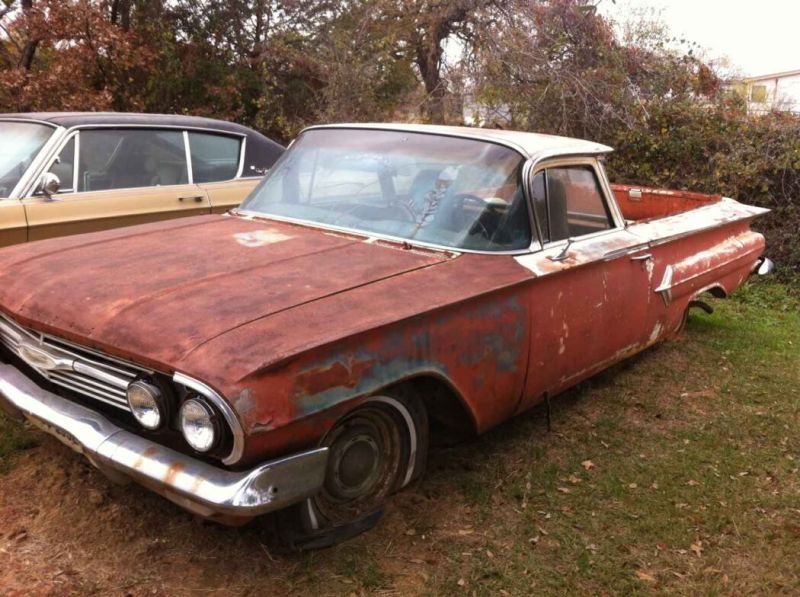
| 1959-60 | Full-size, shared tailfins with Impala/Biscayne | Full-size Ford, distinct two-tone treatments |
| 1964-72 | Direct Chevelle sheet metal and badging | Fairlane/Torino based, own GT trim identity |
| 1973-77 | Colonnade Chevelle, minimal separation | Torino then LTD II, formal grille direction |
| 1978+ | G-body, Conquista and custom trim options | Discontinued after 1979 |
Paint, wheels, and the details that gave the philosophy away
Color and trim strategy deserves its own mention, because both companies used paint and stripe packages to signal intent in ways that pure sheet metal shape could not. The El Camino's SS packages relied on black-out hoods and simple, bold stripe treatments lifted straight from the Chevelle SS parts bin, a visual shorthand that told anyone on the street exactly which passenger car this truck was borrowing its reputation from. The Ranchero's GT and later Squire trim packages took a more varied approach, mixing performance-oriented striping in some years with wood-grain paneling in others, a range of visual languages that reflects how Ford kept experimenting with what kind of buyer the Ranchero should visually appeal to rather than settling on one consistent story the way Chevrolet did with the El Camino.
Wheel and tire packages tell a similarly consistent story. Chevrolet's SS-optioned El Caminos wore the same Rally wheel designs offered on the Chevelle SS, right down to the trim ring and center cap details, reinforcing the shared-identity approach at every visual level. Ford varied its Ranchero wheel offerings more across the GT, Squire, and later LTD II eras, sometimes drawing from Torino GT parts and sometimes from broader Ford passenger-car wheel options depending on the specific model year and trim combination. That inconsistency was not a design failure so much as a reflection of a nameplate that never stopped negotiating its own visual identity the way the El Camino, anchored firmly to Chevelle style from the start, never really had to.
Rear-end treatment across both nameplates offers one final, easily overlooked point of comparison. The El Camino's tailgate and taillight design consistently mirrored whatever the contemporary Chevelle station wagon or sedan was doing, keeping the truck's rear view instantly recognizable as part of the Chevrolet family lineup. The Ranchero, especially in its later Torino and LTD II years, developed taillight and bumper treatments that occasionally diverged from its passenger-car sibling entirely, giving the truck a rear-end identity that was sometimes closer to a dedicated model than a badge-shared derivative. That small, often unnoticed detail is, in miniature, the entire styling philosophy divide summarized in a single body panel.
"The El Camino always looked like it was borrowing someone else's good clothes. The Ranchero always looked like it was trying to dress a little nicer than its own family. Neither approach was wrong, they just answered different questions."
- Nora Beckett
What the custom scene did with both bodies
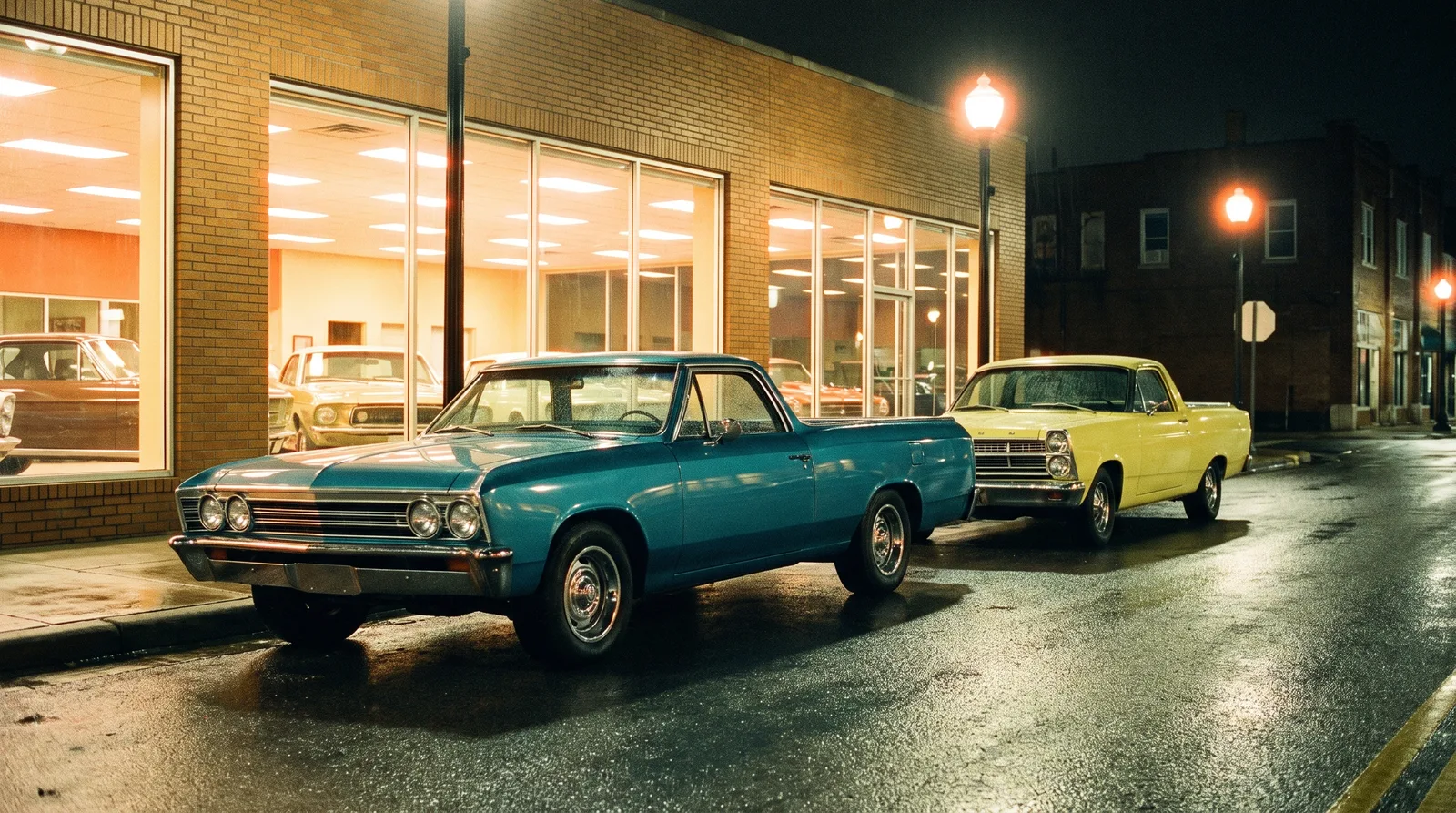
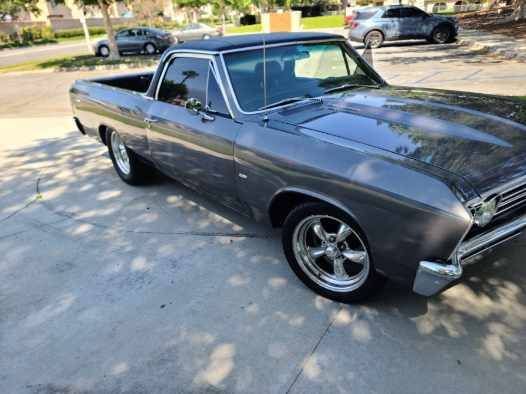
What both companies shared, despite their different approaches, was a willingness to let the custom and lowrider scene reinterpret each truck entirely on its own terms. Neither the El Camino's Chevelle-borrowed lines nor the Ranchero's more distinct GT presentation was designed with lowered stances, custom paint, or hydraulics in mind, yet both bodies proved remarkably adaptable to that treatment once builders got their hands on them. The long, flat bed sides and the wide, uninterrupted rear quarter panels that Chevrolet and Ford each engineered for practical cargo reasons turned out to be exactly the canvas custom painters wanted, a happy accident neither design team could have planned for in the 1960s.
There is something almost domestic about how differently these two companies handled the same basic proposition. Chevrolet's approach reads like a family that dresses its children in matching outfits regardless of the occasion, consistent, recognizable, unpretentious. Ford's approach reads like a family member who always wants to be seen as a little more put-together than the rest of the household, reaching for formality even when the underlying platform did not ask for it. Both instincts produced trucks that people genuinely loved, and both instincts left a visual fingerprint that collectors and stylists still read clearly decades later, even on cars that have been repainted, lowered, or customized past their original factory appearance.
Neither the El Camino nor the Ranchero ever fully committed to being just a truck or just a car. That in-between quality is exactly what their respective design teams leaned into, each in its own direction, and it is why both trucks still photograph as something more interesting than either a plain sedan or a plain pickup, six decades on. For readers who want to trace how these styling choices intersected with engine options and sales strategy across the full rivalry, our complete history lays out the year-by-year record in full. And if this discussion of factory design language has you looking at these trucks with fresh eyes, it is worth taking a moment to browse classic El Camino listings and see how many of these era-specific styling cues, from Chevelle-shared badges to Conquista trim, still survive intact on the market today.
Sources and notes
Related Reading

Automotive features writer and photographer who tells the human stories behind the cars, from show fields to cross-country road trips.
Related Listings - Chevrolet El Camino




Comments
Be the first to comment on this article.