
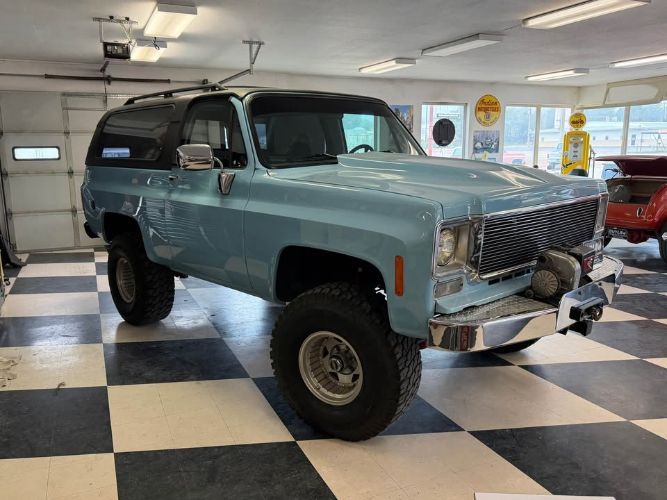
I've had guys roll a 1973 K5 into my shop and call it a convertible because the previous owner cut the roof off. That's not what we're talking about here. The k5 blazer 1972 last full convertible story is about a factory design, not a garage modification, and understanding the difference is the whole point of why 1972 matters to anybody who actually cares about what these trucks were built to be.
Car Features
6 min read
1972 and the Last of the True Convertible K5
1972 closed out the only four years Chevrolet ever built a genuine factory removable-top K5, and a builder explains why that distinction matters more than the market often gives it credit for.
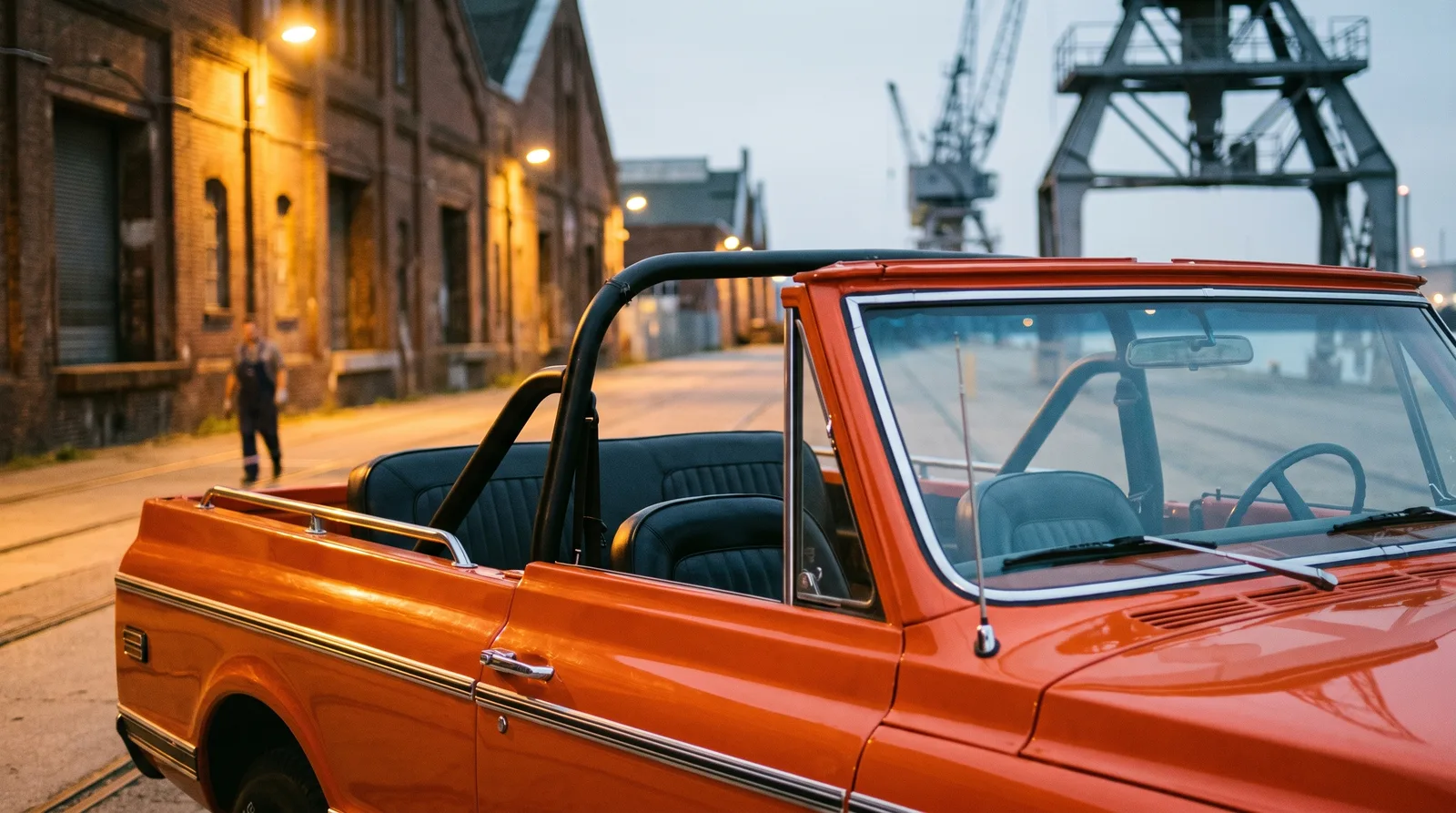
What "convertible" actually meant on a factory K5
From 1969 through 1972, the K5 Blazer came from Chevrolet with a genuinely removable fiberglass hard top, bolted to a half-cab body structure that left the rear section open when the top came off. That's a factory-engineered system, with mounting points, weatherstripping, and body design all worked out by GM's engineers to make top removal a real, intended feature rather than an aftermarket hack. A soft top was also available for buyers who wanted an even more open-air experience. Either way, the truck was designed from the ground up around the idea that the roof was optional equipment, not a permanent structural element. That ended after 1972. For readers who want the full context on that model year specifically, read the background covering everything else that made 1972 significant.
1973 killed the concept for good
When GM redesigned the K5 for 1973, they moved to a full-length, fixed-roof cab shared more closely with the pickup line. That decision made sense from a manufacturing and structural standpoint. A one-piece fixed cab is stiffer, cheaper to build at volume, and easier to seal against water and noise than a two-piece removable system. But it also meant the factory convertible K5 was gone for good, and it never came back in any later generation of full-size Blazer or Jimmy. If you want a genuine factory K5 with a removable roof, your window is exactly four model years wide, and 1972 sits at the very end of it.
Period-correct versus a poseur build
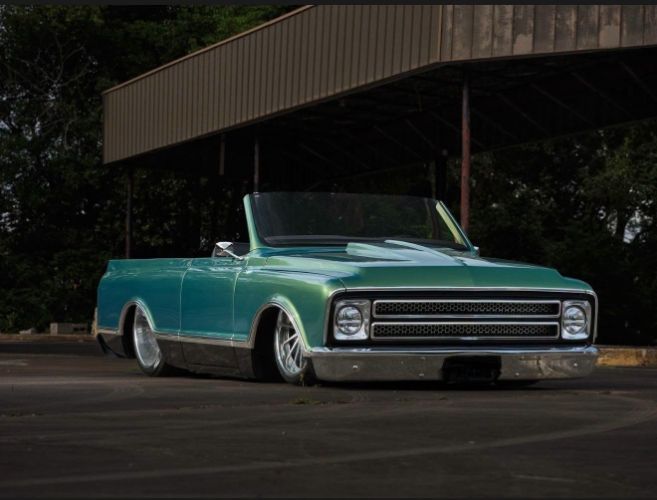
Here's where I get particular. There's a real difference between a 1972 K5 with its original, matching removable top still on the truck, and a later squarebody that's had its fixed roof hacked off to chase that same open-air look. Both might photograph well. Only one of them is actually a factory convertible K5. I've seen plenty of "convertible" squarebodies at shows, and some of the bodywork is genuinely impressive, but calling that truck a convertible the same way you'd call a real 1972 a convertible is stretching the term past what it should mean. If you're paying convertible-K5 money, you should be buying a truck that was engineered for the job from day one, not a cut-and-shut project wearing the label.
| Feature | 1969-1972 K5 (factory convertible) | 1973+ squarebody K5 |
|---|---|---|
| Roof design | Removable hard top / soft top | Fixed, full-length cab |
| Body structure | Half-cab | Full-length cab, pickup-derived |
| Factory convertible option | Yes | No |
| Removal process | Bolted, two-person factory design | N/A |
"I don't care how clean the cut line is. If GM didn't engineer it to come off, it's a modified truck, not a factory convertible. Own that distinction, don't hide from it, and price it honestly."
- Jim Vasquez
What to actually look for on a real 1972
A genuine 1972 convertible K5's value lives or dies on whether the original top, mounting hardware, and body structure are intact and correctly matched to the truck. Decades of use and storage mean a lot of these tops got damaged, replaced, or simply separated from the trucks they came with, so a buyer chasing this specific model year needs to confirm the top on the truck is actually the top that belongs to it, not a mismatched replacement sourced from a different year or a reproduction piece. That verification work is tedious, and it matters more here than on almost any other part of the K5 market, because the removable top is the entire reason a 1972 commands the attention it does.
Engine choice matters too, and 1972 buyers looking at the full picture of what came under the hood that year should check out our coverage on the subject, since the drivetrain options tell you as much about the truck's intended use as the body style does.
For readers who want to go deeper on the mechanical side of the 1972 model year, that story is worth a look too, since engine options and body style decisions from this era were closely linked.
Why the distinction matters beyond nostalgia
Some guys will tell you the convertible-versus-fixed-roof argument is just nostalgia talking, that a well-built cut-roof squarebody drives and looks close enough to the real thing that the distinction doesn't matter to anybody but purists. I disagree, and not just on sentimental grounds. A factory removable top was engineered with specific mounting points, reinforced body structure around the cab opening, and weatherstripping designed for repeated removal and reinstallation. A truck that wasn't built that way from the factory doesn't have those reinforcements in the same places, which means the structural integrity of a cut-roof conversion is a genuinely different engineering proposition than a factory convertible, regardless of how good the bodywork looks from ten feet away. That's not nostalgia. That's just understanding what you're actually buying, and it's exactly the kind of detail that separates a documented 1972 from a project truck wearing borrowed styling cues.
Why this window won't get any easier to buy into
Every year that passes, the population of genuinely original 1972 convertible K5s gets smaller, not larger. Tops get damaged beyond economical repair, bodies rust past the point of honest restoration, and more of the surviving trucks end up parted out or modified beyond recognition of their original configuration. If the factory convertible concept matters to you the way it matters to me, buying sooner rather than later, and buying documented rather than hoping for the best, is the only real strategy that makes sense. Anyone serious about finding one should shop classic K5 Blazer listings and look specifically for trucks that can prove their top is original to the vehicle. A little patience here goes a long way, and it's a lot cheaper than buying the wrong truck and finding out later.
Sources and notes
Related Reading

About the author
Jim Vasquez
Southern California hot rod and custom car builder with roots in the traditional kustom kulture scene.
Related Listings - Chevrolet Blazer
Comments
Be the first to comment on this article.