
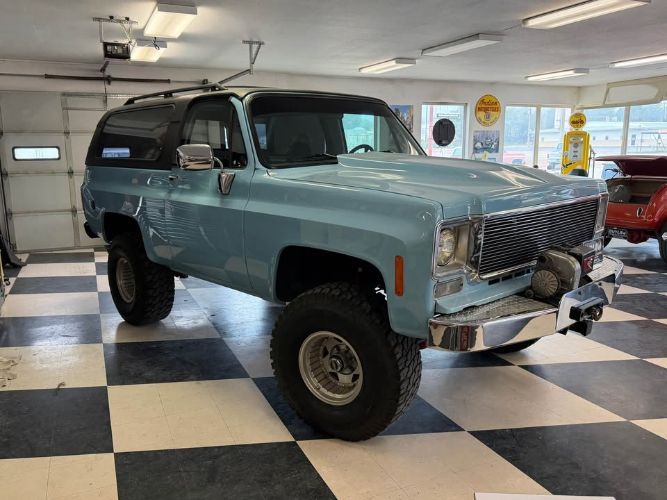
A 1972 K5 Blazer built to base specification and one built with the CST package are, functionally, the same truck under the skin. Spend ten minutes with both side by side, however, and the difference in intent becomes obvious. The k5 blazer 1972 cst trim package represents Chevrolet's clearest early statement that the Blazer was not just a working vehicle competing with the Bronco and Scout. It was also, for the right buyer, a genuine passenger vehicle worth dressing up.
Car Features
6 min read
The 1972 CST Package: Comfort Meets the K5
The 1972 CST package pushed the K5 Blazer toward comfort and appearance for the first time, and verifying an original one today requires paperwork, not just polish.
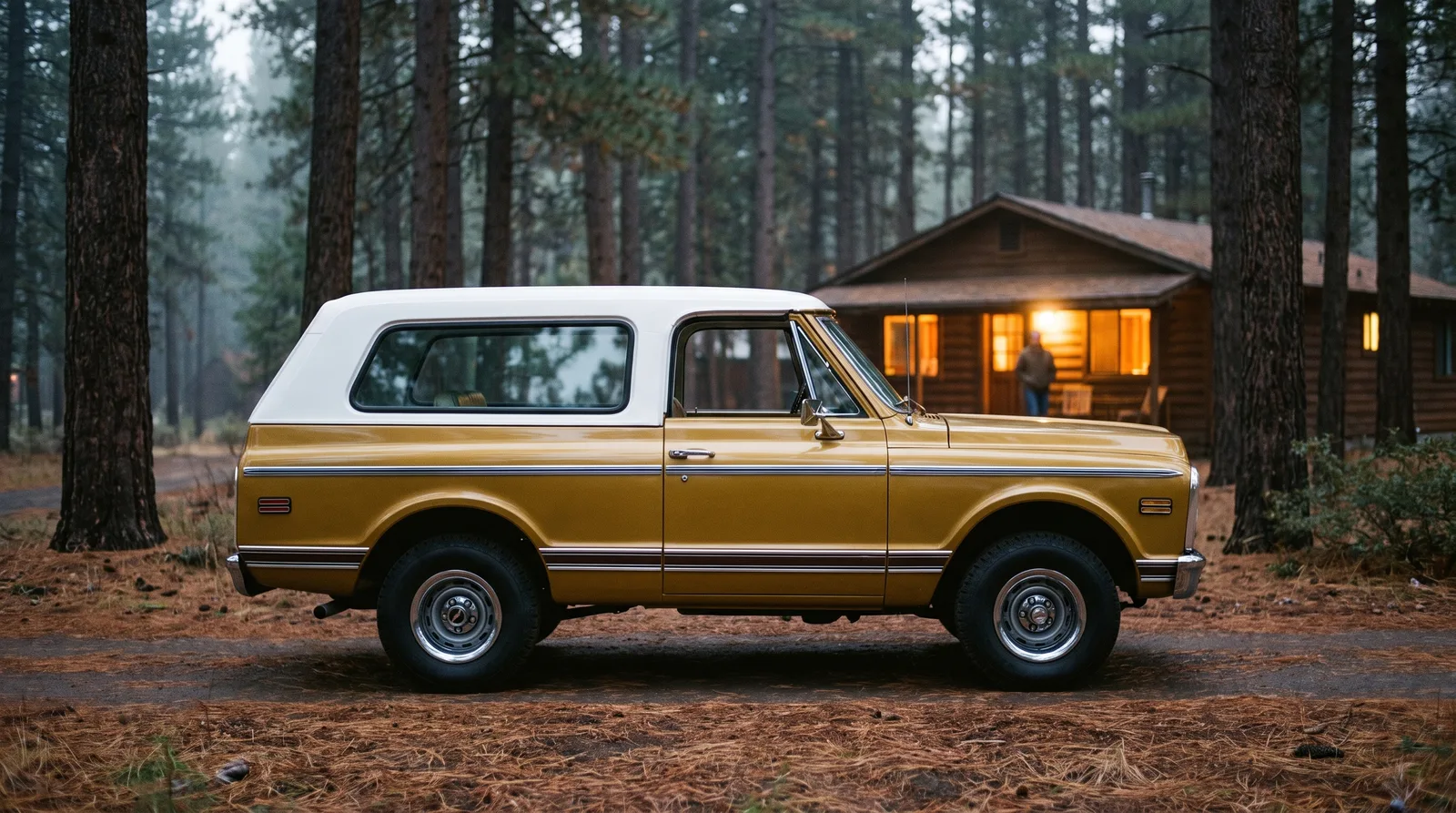
What CST actually meant on a 1972 order form
CST stood for Custom Sport Truck, a designation Chevrolet applied across several of its truck lines through the late 1960s and into the 1970s, not exclusively on the Blazer. On the 1972 K5, choosing the CST option added a defined package of comfort and appearance upgrades over the standard truck: additional exterior brightwork, upgraded upholstery choices, added sound deadening, and interior trim intended to soften the truck's otherwise utilitarian character. It was, in period terms, the closest thing to a luxury option Chevrolet offered on the early Blazer platform, aimed squarely at buyers who wanted four-wheel-drive capability without giving up every comfort feature they would expect from a passenger car of the same era.
The CST package sits within a larger story about how the first-generation K5 evolved across its four model years before the 1973 redesign changed the platform entirely. Readers looking for that full arc should consult our complete history of the 1972 model year for the surrounding context.
Reading a CST truck as a period artifact
Approaching a surviving 1972 CST Blazer the way a researcher approaches any period artifact means paying attention to details that a casual buyer might overlook entirely. The specific upholstery pattern and material offered under the CST package differed from base-trim cloth or vinyl, and correctly identifying an original CST interior requires comparing surviving trim tags, factory literature, and known original color and material combinations rather than trusting a repaint or reupholstery job at face value. The same discipline applies to exterior brightwork. CST trucks carried specific chrome and trim pieces that base trucks did not, and decades of parts swapping across the used truck market means a modern seller's claim of "CST trim" should be verified against documentation rather than accepted on appearance alone.
Why documentation matters more on CST trucks
Because the CST package added real value to a 1972 K5 Blazer when new, and continues to add real value on the collector market today, it has also historically been one of the more commonly misrepresented options on surviving trucks. A base-trim Blazer can be dressed up with reproduction or salvaged CST trim relatively easily, which means a buyer relying purely on visual inspection risks paying a CST premium for a truck that never left the factory with the package. The only reliable way to confirm originality is through the truck's build sheet, dealer invoice, or a trim tag decode cross-referenced against known 1972 production codes. Absent that documentation, a buyer is making an educated guess, not a verified purchase.
| Element | Base 1972 K5 | CST-equipped 1972 K5 |
|---|---|---|
| Upholstery | Standard cloth/vinyl | Upgraded CST-specific trim |
| Exterior brightwork | Minimal chrome | Additional CST trim pieces |
| Sound deadening | Base level | Increased insulation package |
| Market positioning | Work-oriented | Comfort and appearance oriented |
| Verification method | N/A | Trim tag, build sheet, dealer records |
"Every CST claim I take seriously starts with paperwork, not paint. I have seen beautifully restored trucks wearing trim that never came on that specific vehicle, and the owner genuinely believed otherwise because someone told them so years earlier."
- Sarah Whitfield
Comparing CST to what came before and after
Placing the 1972 CST package in context requires looking at both directions on the timeline. Earlier first-generation Blazers, particularly the 1969 launch trucks, offered a narrower range of comfort and trim choices, reflecting a market that had not yet fully proven demand for a dressed-up four-wheel-drive vehicle. By the time the CST option reached its most developed form in 1972, Chevrolet had four model years of sales data suggesting real buyer appetite for exactly this kind of package, which is part of why the 1973 redesign carried the comfort-focused trim concept forward into the squarebody generation under new nomenclature. Viewed this way, the 1972 CST Blazer functions as a hinge point in the model's development, closing out the original body style while previewing the direction the entire product line would take for the next two decades. Researchers and collectors who understand that context tend to value CST-equipped 1972 trucks not just for their comfort features, but for what they represent in the larger arc of how utility vehicles were marketed and understood during this period.
CST's place in the K5's broader design story
The CST package matters historically because it signals a shift in how Chevrolet, and by extension the entire segment, thought about four-wheel-drive utility vehicles during the early 1970s. What started as a rugged alternative to a pickup truck was, by 1972, being actively marketed toward buyers who wanted that capability without sacrificing the comfort expectations of a contemporary passenger vehicle. That shift did not happen overnight, and the CST option on the 1972 K5 is one of the clearest documented steps in that direction, predating the far more comfort-focused SUVs that would dominate the market decades later. Understood correctly, a CST Blazer is not just a nicer truck. It is physical evidence of an industry-wide transition that was only just beginning to take shape.
That framing also explains why appraisers and researchers tend to treat well-documented CST trucks differently from base-model Blazers even when the two share an identical drivetrain and body. The value is not purely aesthetic. It is historical, tied to a specific and verifiable moment when a working vehicle manufacturer decided comfort and capability were not mutually exclusive selling points. A 1972 CST Blazer preserved with its original interior, trim, and supporting paperwork intact is, in effect, a physical record of that decision, and it should be catalogued and valued with the same rigor a museum piece would receive, not simply priced as a nicer-looking version of a common truck.
For collectors specifically hunting a documented, original CST-equipped 1972 K5 Blazer, patience and verification matter more than speed. Buyers ready to start that search seriously should find a classic K5 Blazer and prioritize sellers who can produce supporting paperwork over those relying on appearance alone.
Sources and notes
Related Reading


About the author
Sarah Whitfield
Third-generation classic car collector specializing in pre-war American and European coachbuilt automobiles. Researcher and concours enthusiast.
Related Listings - Chevrolet Blazer

Comments
Be the first to comment on this article.