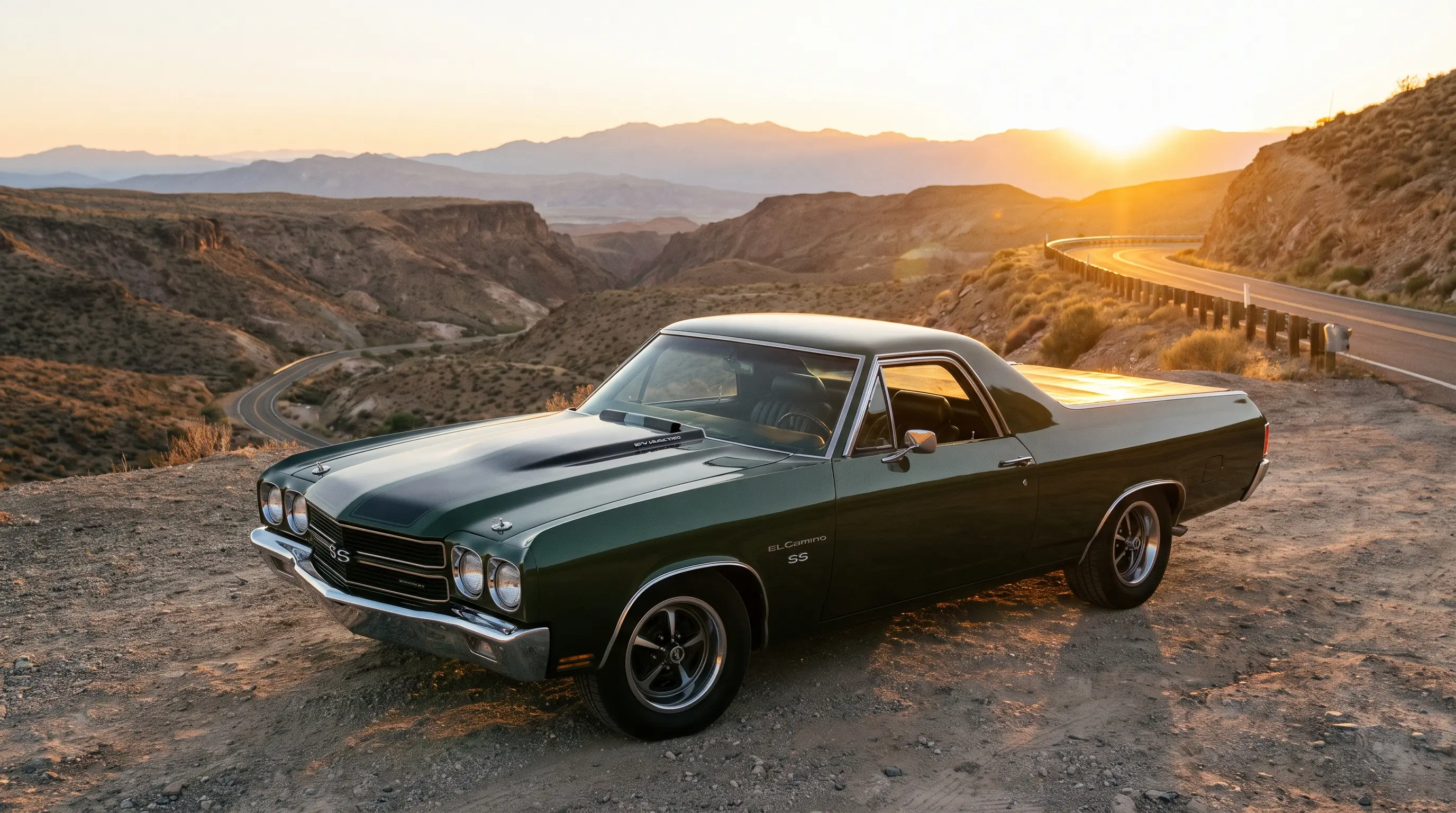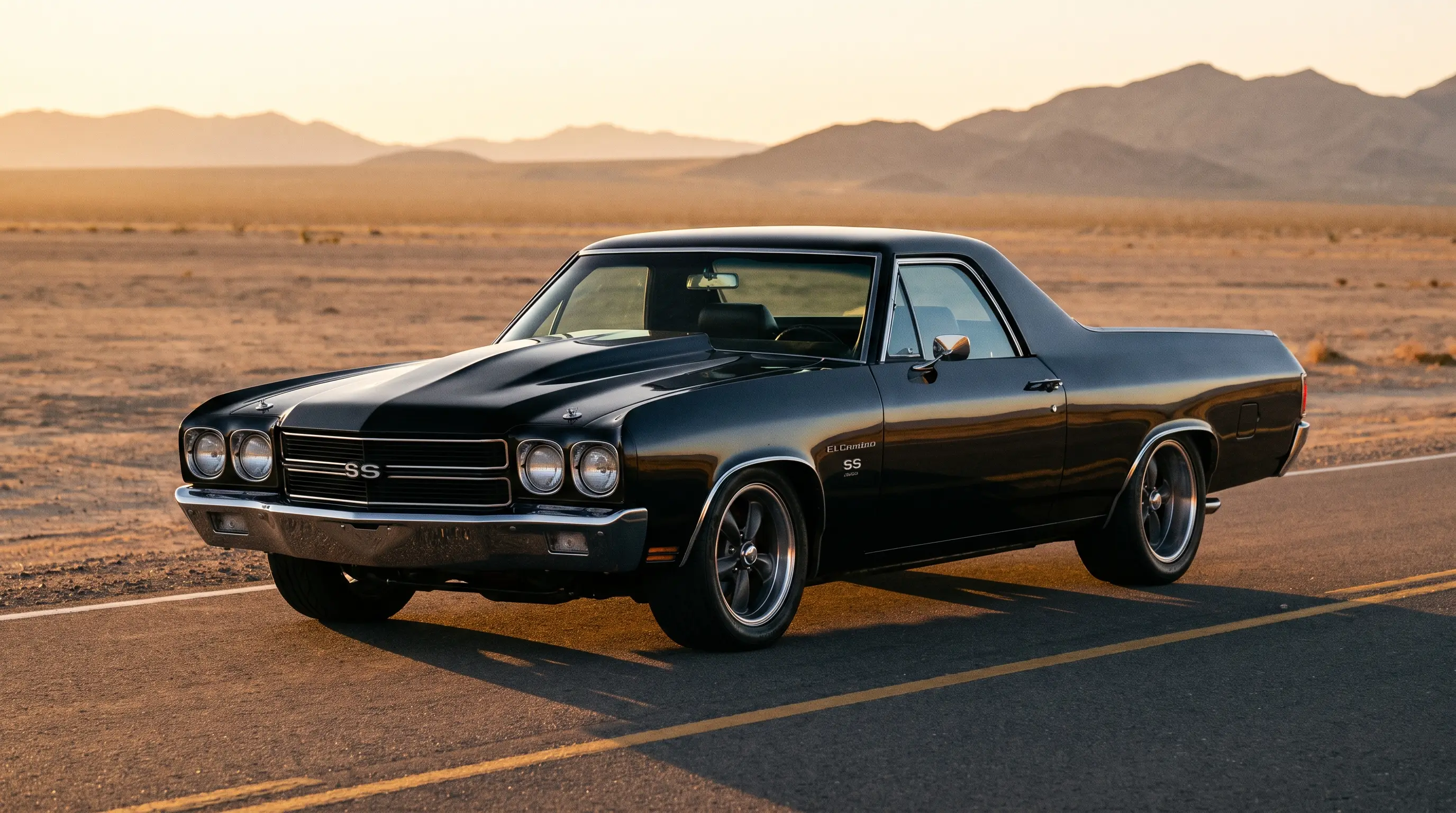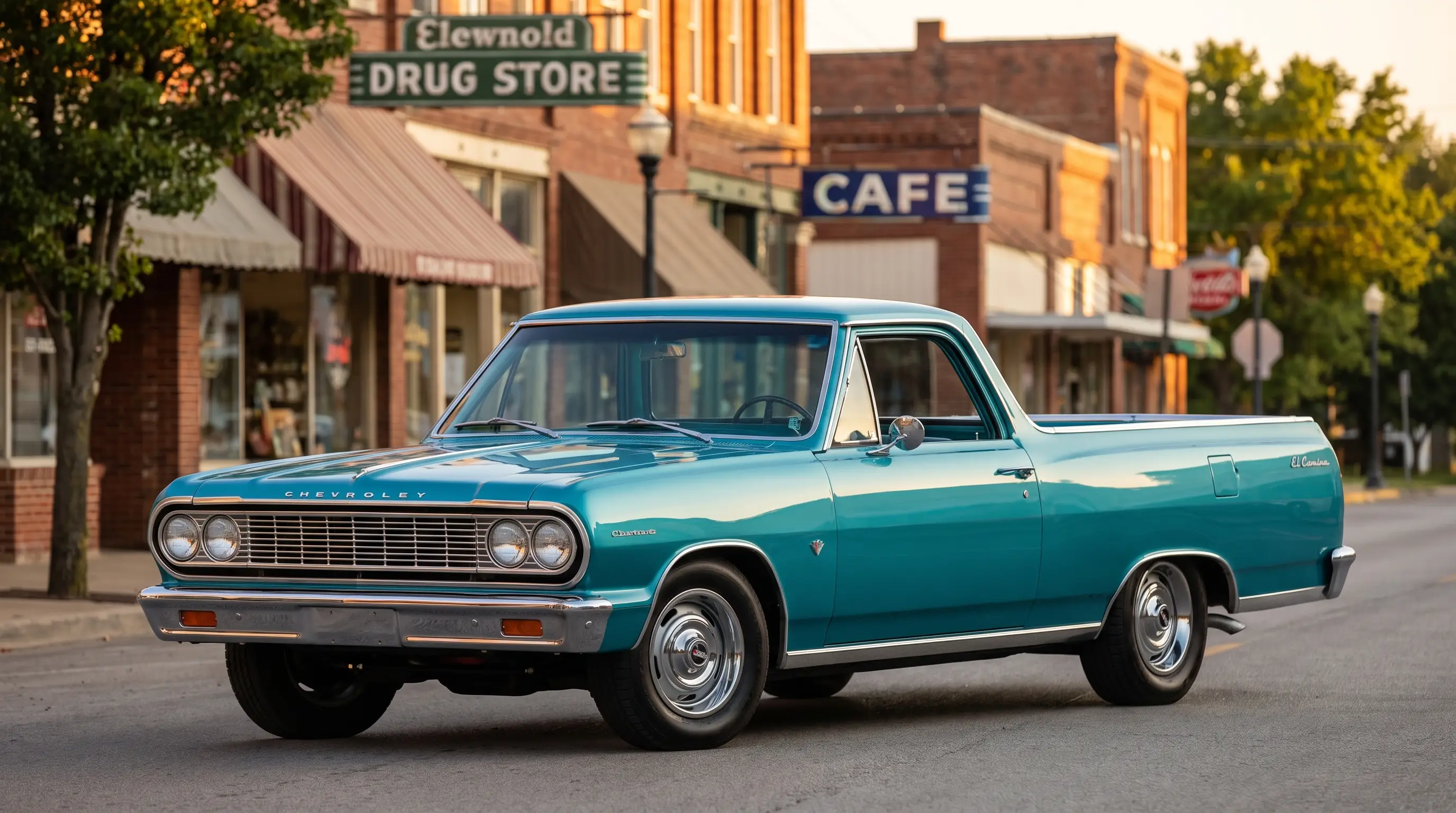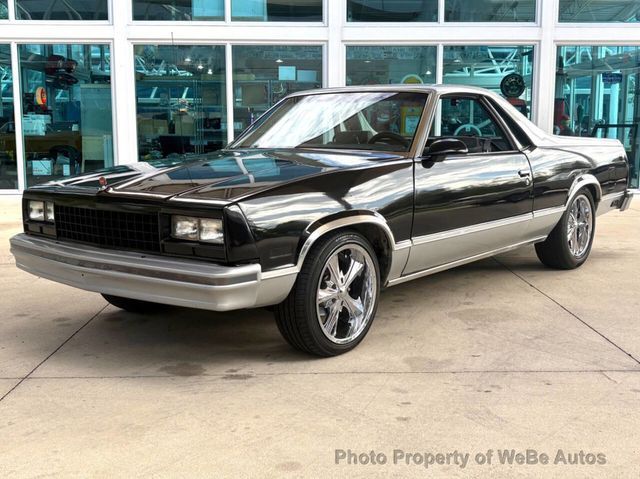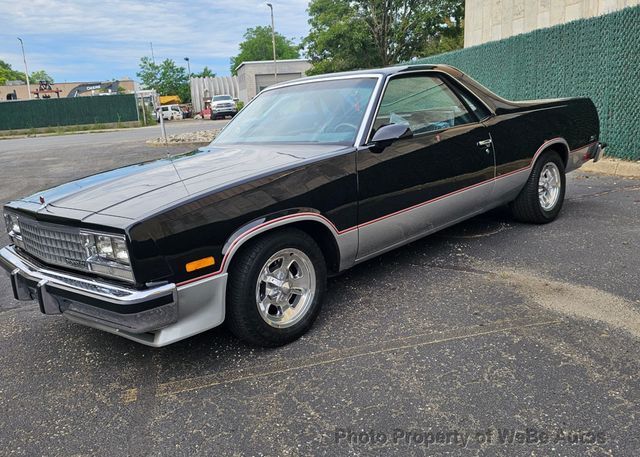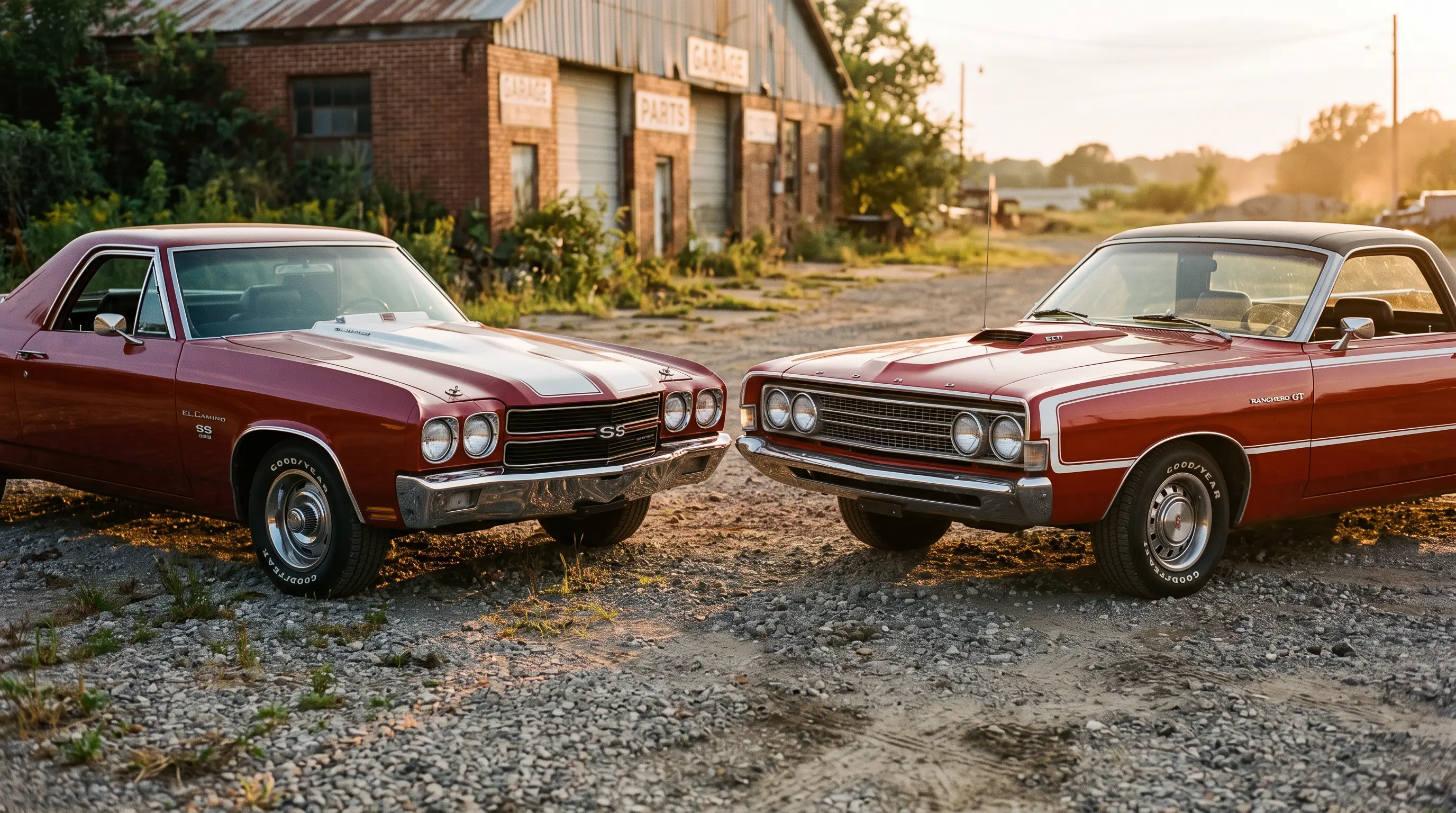
There is a diner outside Bakersfield where, most Saturday mornings, you will find a Ford Ranchero and a Chevrolet El Camino parked nose to tail in the same gravel lot, their owners drinking bad coffee and arguing the same argument their fathers argued. One man swears Ford invented the whole idea and everybody else just copied it. The other man points out, correctly, that his car outlived the Ford by the better part of a decade. Neither will concede a thing. That friendly stalemate is the heart of the el camino vs ranchero debate, and it has been running since Eisenhower was in office.
It is a good argument because both men are right about something. Ford did get there first. Chevrolet did last longer. And the space between those two facts is a story about how two of America's biggest carmakers chased the same strange idea, the car that thinks it is a pickup, for more than twenty years.
Ford drew first blood
The Ranchero arrived for 1957, and it beat the El Camino to market by two model years. Ford took a full-size wagon, lopped off the back, and gave America a vehicle that drove like a car and carried like a light truck. The concept was not born in Dearborn. Ford Australia had been building a car-based utility, the ute, since the 1930s, and the idea of a working vehicle with passenger car comfort had proven itself down there long before it crossed the Pacific. Ford simply brought a familiar Australian recipe to a new market.
Chevrolet watched the Ranchero for two years before answering. When the El Camino appeared for 1959, it was a direct response, a full-size car-based pickup built on Chevrolet's passenger platform and wearing the flamboyant styling of the era. So the opening round of the rivalry was clear. Ford led, Chevrolet followed, and the pattern of one company reacting to the other was set from the very beginning.
If you want the full Chevrolet side of the ledger, we have more on the chevrolet el camino and its many lives. But the rivalry only makes sense when you keep both cars in frame at once, because for most of their existence each was defined partly by what the other one was doing.
Two companies, two strategies
What makes the el camino vs ranchero story interesting is that the two cars rarely sat still in the same place at the same time. Ford, after launching on the big platform, moved the Ranchero down to the compact Falcon for 1960, chasing economy and thrift just as Chevrolet was pulling its full-size El Camino off the market entirely. For a couple of years the two barely competed head to head at all. One had gone small, the other had gone away.
Then the lines crossed again. Chevrolet brought the El Camino back for 1964 on the intermediate Chevelle, a mid-size platform that split the difference between compact and full-size. Ford eventually followed the El Camino up into the intermediate class, repositioning the Ranchero on the Fairlane platform for 1966 and then the related Torino for 1968. By the late 1960s the two were finally fighting on the same ground, both mid-size, both offering V8 muscle, both selling the same fantasy of a workhorse you would actually want to drive on a date.
The muscle era is where the rivalry got loud. Chevrolet had its SS396 cars, and Ford answered with Ranchero variants carrying its own big V8s and performance trim. This was the period both nameplates are most remembered for, and it is where the bench-racing gets most heated. The Chevrolet camp will point you toward the peak of the breed, and there is another one worth knowing if you want to understand just how serious the El Camino got at its high-water mark. Ford loyalists have their own heroes from the same years, and neither side has ever agreed on a winner.
Culture, not just cars
Part of why this rivalry endures is that both cars became cultural objects rather than just transportation. The El Camino, especially, worked its way into music, film, and a certain roadside American iconography that the Ranchero never quite matched in the popular imagination. Say the words to almost anyone and the El Camino conjures a specific picture, a little bit outlaw, a little bit working class, a little bit cool in a way that was never planned by any marketing department.
The Ranchero has its devotees, and they are fierce, but it has always carried a slightly quieter reputation. Some of that is timing. The Ranchero left the stage first, in 1979, while the El Camino kept going into the middle of the 1980s and stayed in front of the public longer. A car that is still being sold when a generation comes of age tends to lodge deeper in the collective memory than one that bowed out earlier. Longevity bought the El Camino a cultural head start it has never surrendered.
Both cars, though, share the same underlying charm, and it is worth naming. They are honest contradictions. They promise utility and deliver style, or promise style and sneak in utility, and that tension is exactly what makes people love them. A pickup is a tool. A coupe is a toy. The cartruck is both and neither, and that refusal to pick a lane is the whole appeal.
You can hear the difference in how owners talk about their cars. Ask an El Camino owner what he uses it for and he will grin and tell you he does not really use it for anything, which is the point. Ask a Ranchero owner the same question and you will often get a longer answer, a story about a father who ran a business, a car that hauled feed or tools or furniture, a working history that came with the vehicle. The two nameplates attracted slightly different tribes, and those tribes have carried their attitudes into the collector world. The El Camino crowd tends to lean toward show and attitude. The Ranchero crowd tends to lean toward preservation and use. Neither is wrong. They are just two ways of loving the same odd idea.
There is a geography to it as well. Both cars were built in numbers large enough that they scattered across the whole country, but they took root differently in different places. In the Southwest and California, the El Camino became a fixture of a particular street culture, a canvas for paint and stance and personal expression that had nothing to do with hauling anything heavier than a stereo. The Ranchero, quieter by nature, more often stayed close to the working world it was born into. Those regional flavors still shape which car you are likely to meet at a given show, and they add a texture to the rivalry that the raw sales figures never capture.
Who lasted, who left, and why it matters
The blunt scoreboard fact is the one the Chevrolet man at the diner keeps in his back pocket. The Ranchero ended production in 1979. The El Camino continued into 1987. By the finish, the El Camino had simply outlasted its rival, and it wore the crown of the last car-based pickup standing in the American market for years after Ford had left the field.
But longevity is not the same as victory, and this is where the Ford man gets his say. The Ranchero was first, it defined the format for the American buyer, and for long stretches it was the more thoughtfully positioned of the two, sliding between platforms to chase whatever the market wanted. If the El Camino won on endurance, the Ranchero can claim it won on invention. Both trophies are real. That is why the argument never ends.
| Point of comparison | El Camino | Ranchero |
|---|---|---|
| First model year | 1959 | 1957 |
| Final model year | 1987 | 1979 |
| Origin of concept | Response to the Ranchero | Inspired by the Australian ute |
| Platform path | Full-size, then intermediate revival | Full-size, compact, then intermediate |
| Muscle-era badge | SS396 and later SS trim | GT trim with 390 and 428 Cobra Jet V8s |
| Cultural footprint | Broad, music and film presence | Devoted but quieter following |
How to think about the rivalry today
For a collector or an enthusiast, the good news is that you do not actually have to choose. The two cars are close enough in spirit that owning one deepens your appreciation of the other, and cross-shopping them at a show is half the fun. The El Camino generally commands more attention and, at the top of the market, more money, driven by its cultural profile and the muscle-era reputation of the best SS cars. The Ranchero often represents better value for a buyer who cares more about the driving and the history than the badge on the crowd's lips.
The rivalry also tells you something about how the American industry actually worked. These two cars are a decades-long conversation between Ford and Chevrolet, each move answered by a counter-move, each repositioning a reaction to the other. Read together, they are a better lesson in mid-century product strategy than any single car could be alone. That is the real reward of studying them side by side rather than in isolation.
Values track the culture more than the mechanicals, which surprises people who expect the market to be purely rational. A well-known El Camino from the muscle years can pull money that a comparable Ranchero of the same period simply does not, and the gap has less to do with what the cars do than with what they mean. The El Camino got the songs, the movie cameos, and the street-culture halo, and the market pays for all of that whether or not it shows up in a dyno chart. The savvy buyer notices this and sometimes turns it into an opportunity, because a Ranchero can deliver most of the same experience for meaningfully less outlay. In a rivalry driven by feeling, the underdog is often the value.
"The el camino vs ranchero fight has no clean winner, and that is exactly why it has lasted so long. Ford invented the idea and Chevrolet perfected the legend. Both of those things are true, and both camps are stuck loving a car the other guy loves just as much."
- Patrick Walsh
The argument that outlived both cars
Back at the diner, the coffee has gone cold and neither man has moved an inch. That is the point. The El Camino and the Ranchero stopped rolling off assembly lines decades ago, but the conversation they started is still going in gravel lots and show fields all over the country. Two companies, one strange idea, and a rivalry that outlived the vehicles that created it.
If the debate has you leaning one way, the honest move is to go look at the metal for yourself. You can browse classic El Camino listings and see what the market makes of the Chevrolet side of the story, then find a Ranchero to stand next to it and settle the thing in your own driveway. Just do not expect to win the argument. Nobody ever has.