
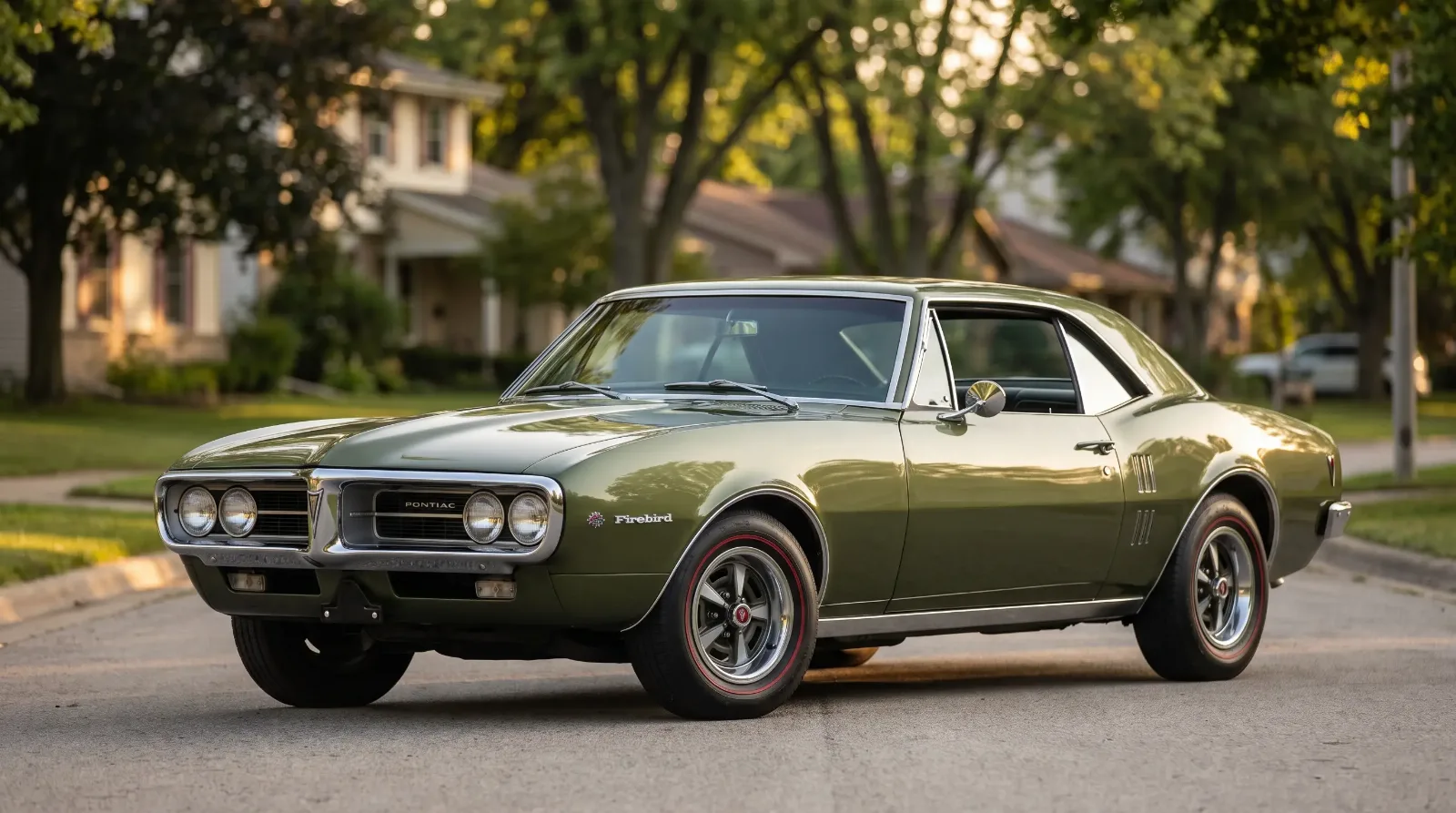
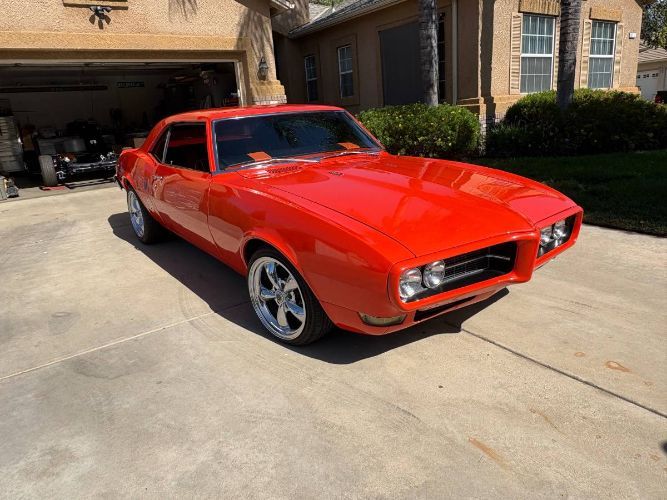
The 1968 Firebird is often described as a carryover year, a quiet pause between the car's 1967 launch and the more dramatic 1969 restyle. That description undersells it. Pontiac's engineers spent 1968 rebuilding parts of the Firebird that customers would never notice, because Washington had just told every American automaker what a new car had to include starting January 1 of that model year. The 1968 Firebird was the first version of the car built entirely under those rules, and that fact shaped it more than any styling decision Pontiac made on its own.
Car Features
6 min read
The 1968 Firebird: Federal Rules Reshape It
The 1968 Firebird looked like a carryover, but new federal safety standards forced real engineering changes underneath, from steering columns to marker lights.
A model year built around new federal rules
The National Traffic and Motor Vehicle Safety Act had passed in 1966, and by the 1968 model year its early Federal Motor Vehicle Safety Standards were mandatory across the industry, not just for Pontiac. Every Firebird built for the 1968 model year had to comply, and that meant real engineering changes rather than a badge update. Pontiac's product planners didn't get to treat 1968 as a rest year even if the sheet metal looked familiar at a glance.
What makes this worth remembering is how invisible most of the changes were to a buyer walking the showroom floor. Nobody cross-shopped a Firebird against a Camaro because of its steering column design, but that column, and a dozen other new pieces, were non-negotiable parts of building a legal 1968 firebird for sale in the United States.
What Washington required for 1968
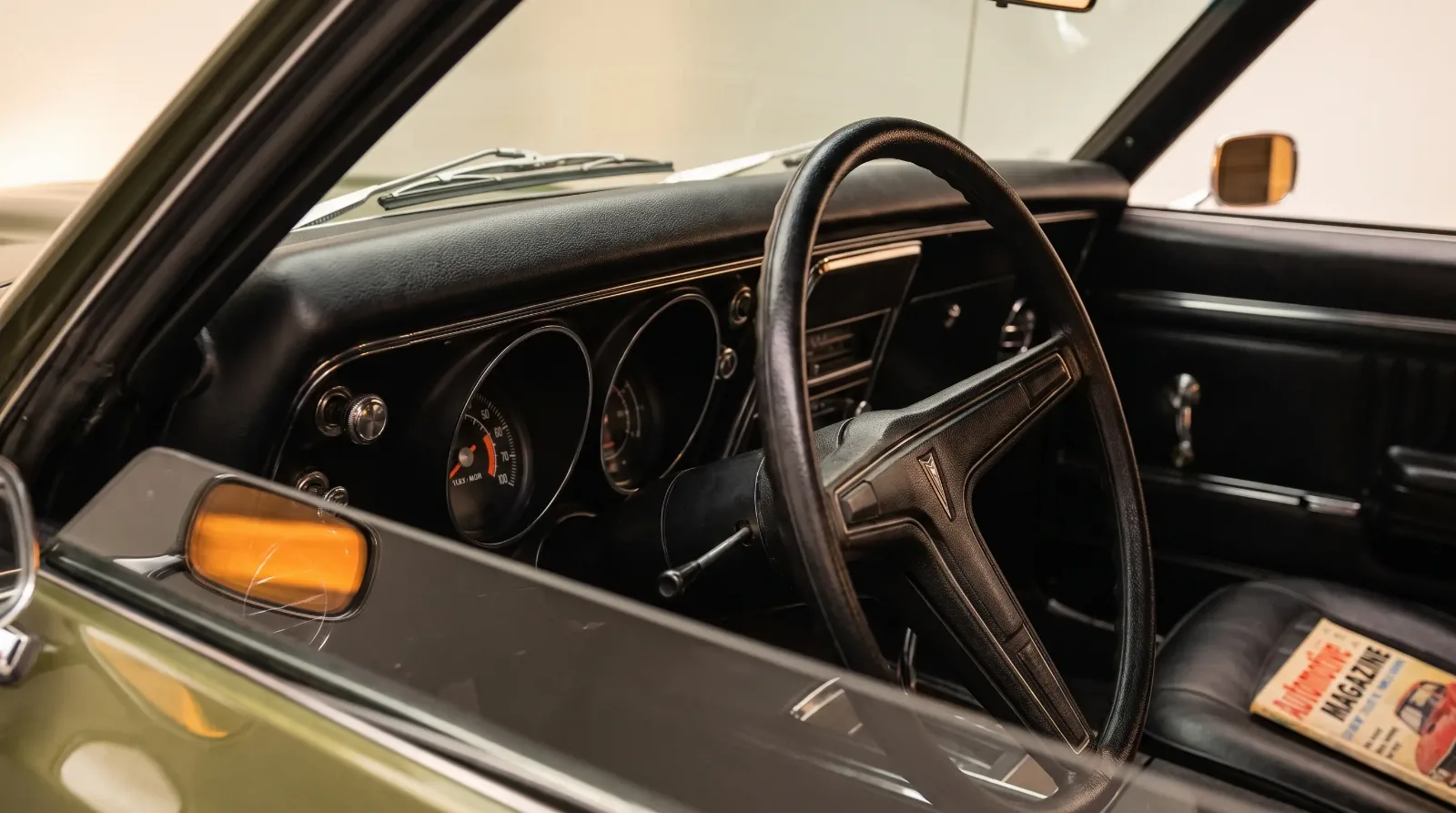
Side marker lights, front and rear, arrived on the 1968 Firebird as a direct result of the new standards, giving the car amber lenses up front and red lenses out back that hadn't existed on the 1967 model. An energy-absorbing steering column replaced the earlier rigid design. Front outboard shoulder belts became available, four-way emergency flashers were required, and interior components that a driver's head might strike in a collision needed padding they hadn't carried before. None of this came from Pontiac's styling studio. It came from a federal mandate that every manufacturer had to meet by the same date, and Pontiac folded it into the Firebird without slowing production.
The dual master cylinder brake system is worth singling out on its own, because of what it did in a failure. A single-circuit master cylinder meant a leak anywhere in the hydraulic system could take out braking at all four wheels. Splitting the system into separate front and rear circuits meant a leak on one side left the driver with a weaker pedal instead of no pedal at all. GM had already rolled dual master cylinders out across its 1967 model year lineup, including the newly launched Firebird, ahead of FMVSS 105 formally requiring the split system nationwide from January 1, 1968, but the 1968 model year is when that safeguard became a fixed part of federal law rather than an early adopter's head start.
Styling changes that came along for the ride
Alongside the mandated items, Pontiac made a few changes of its own choosing. Vent windows disappeared from the front doors in favor of Astro Ventilation, a flow-through system that let GM simplify the door structure while claiming better airflow through the cabin. The grille texture changed, the parking lamps were revised to accommodate the new marker lights, and interior trim saw small updates. None of it was a redesign. Anyone cross-referencing body panels between a 1967 and a 1968 Firebird will find far more in common than not, which is exactly why the 1967-69 Firebird gets discussed as a single three-year generation rather than three unrelated cars.
Engines: six cylinders to Ram Air II
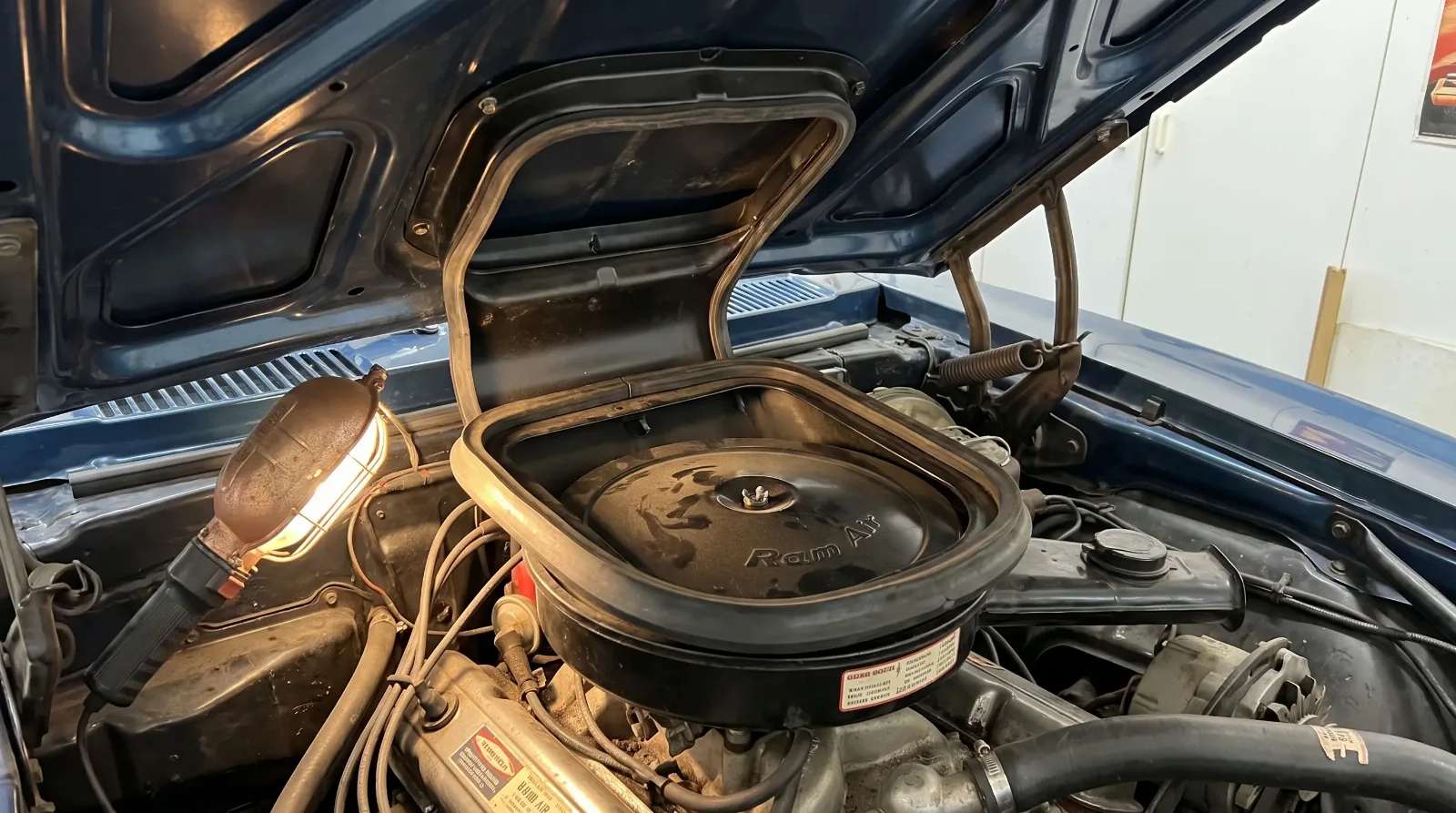
The base engine remained the overhead cam 250 cubic inch six, a Pontiac-specific design that set the brand apart from Chevrolet's Camaro under the skin even though the two cars shared a platform. Above the six sat a pair of 350 cubic inch V8 options and the 400 cubic inch V8 in standard and HO tune. Mid-year, Pontiac introduced Ram Air II, a revised version of the round-port cylinder head engine that replaced the earlier Ram Air setup and pushed the ceiling of what a Firebird buyer could order from the factory.
Ordering a 1968 Firebird meant working through a build sheet that had grown noticeably longer than the one Pontiac offered in 1967. Buyers picked their engine, then layered on options that ranged from a Hurst-shifted manual to power front disc brakes, a combination that mattered more than it might sound given how much heavier a 400-equipped car was over its front wheels than the base six. A dealer walking a customer through that sheet in the fall of 1967 was really walking them through a car built to a different federal standard than the one on the lot the year before, even if neither of them thought about it in those terms at the time.
| Engine | Displacement | Notes |
|---|---|---|
| OHC six | 250 cid | Base engine, Pontiac's own overhead cam design |
| V8, base and HO tune | 350 cid | Mid-range V8 options |
| 400 V8 and 400 HO | 400 cid | Carried over performance tune from 1967 |
| 400 Ram Air II | 400 cid | Mid-year update, round-port heads, replaced the original Ram Air setup |
Total 1968 Firebird production landed at 107,112 units across the lineup, split between 90,152 coupes and 16,960 convertibles, a modest gain over the car's debut year despite the mid-cycle engineering work required to meet the new federal standards. That's a detail worth sitting with. Pontiac grew Firebird sales in a year when it was also absorbing an unplanned round of federally mandated changes, which speaks to how well the car had already found its market.
"People assume 1968 was Pontiac coasting on the 1967 design. Read the actual engineering bulletins from that period and you find a team quietly rewriting the steering column, the wiring for marker lights, and half a dozen other systems, all while keeping the car looking almost the same on the outside."
Tom Ramirez
Where 1968 sits in the three-year run
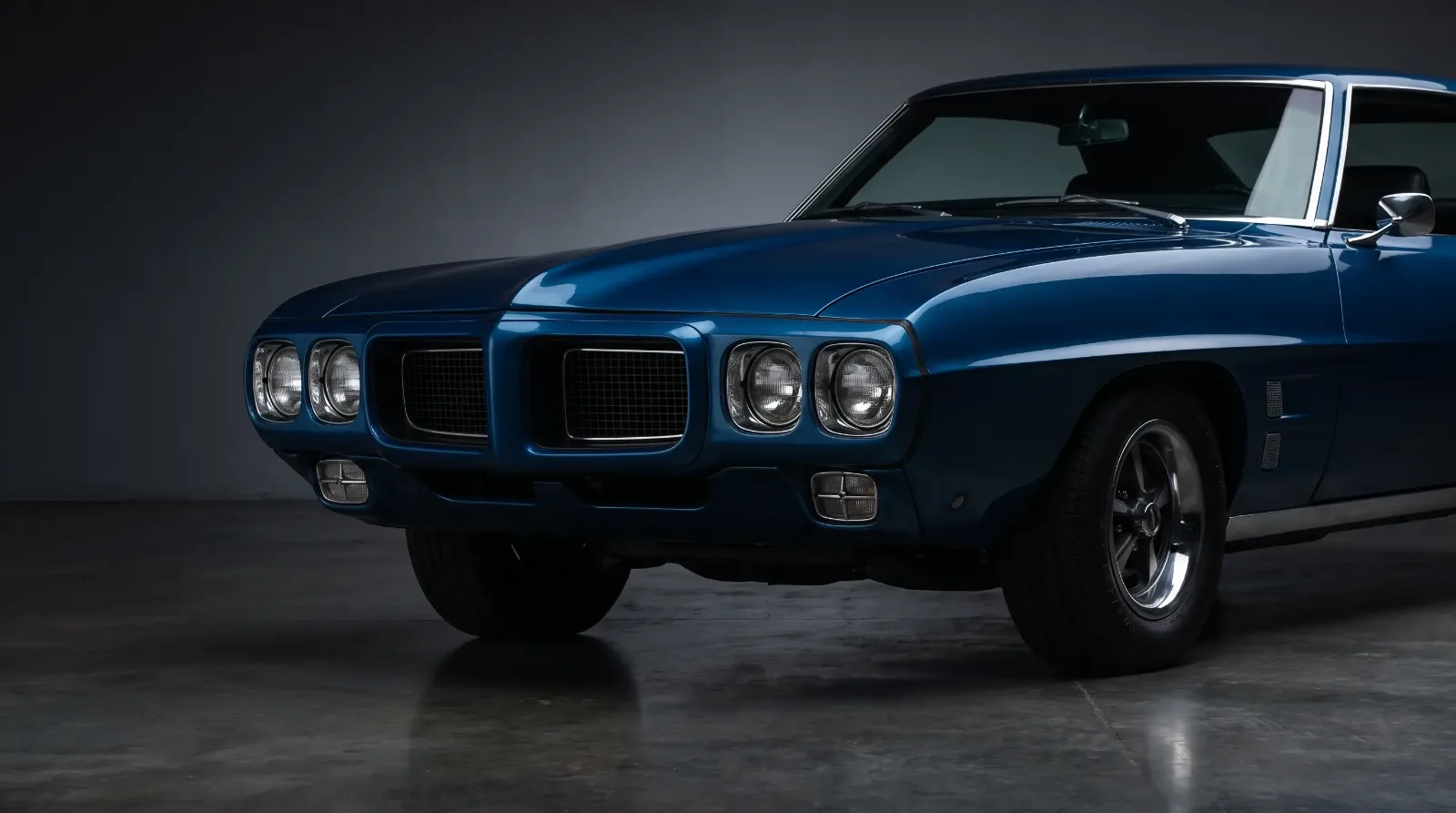
The 1968 Firebird is best understood as the compliance year, the model that absorbed a wave of federal requirements without losing the identity Pontiac had established a year earlier. It set up the more visible restyle that followed. For a closer look at what Pontiac changed once the safety mandates were already handled, a companion piece covers the Endura nose and the rest of the 1969 update that came directly after this transitional year.
Sources and notes
Related Reading
Have a
Pontiac Firebird
for Sale?
Reach thousands of serious classic car collectors across the US.
Sell It Here →
Are You a Classic Car Dealer?
List your full inventory and connect with targeted classic car buyers.
Join as a Dealer →
#pontiac firebird
#pontiac 400
#ram air ii
#first-generation Firebird
#1968 Firebird
#federal safety standards

About the author
Tom Ramirez
Corvette researcher and historian based in Bowling Green, Kentucky. Two decades documenting Corvette production history from original factory records.
Related Listings - Pontiac Firebird




Comments
Be the first to comment on this article.