
Ask ten guys at a cruise night what killed the muscle car and eight of them will blame the same stretch of years. The Firebird malaise era gets tossed around like a punchline, and the Pontiac Firebird sat right in the middle of it, running smog pumps, single exhaust, and compression ratios that would have embarrassed a 1969 car. I've had more than a few of these on the lift over the years, and the truth is more complicated than the number stamped on the window sticker.
Car Features
6 min read
Surviving the Malaise Era
The Firebird malaise era gets a bad reputation, but a detuned 400 with honest maintenance still makes a smart, affordable way into Trans Am ownership.
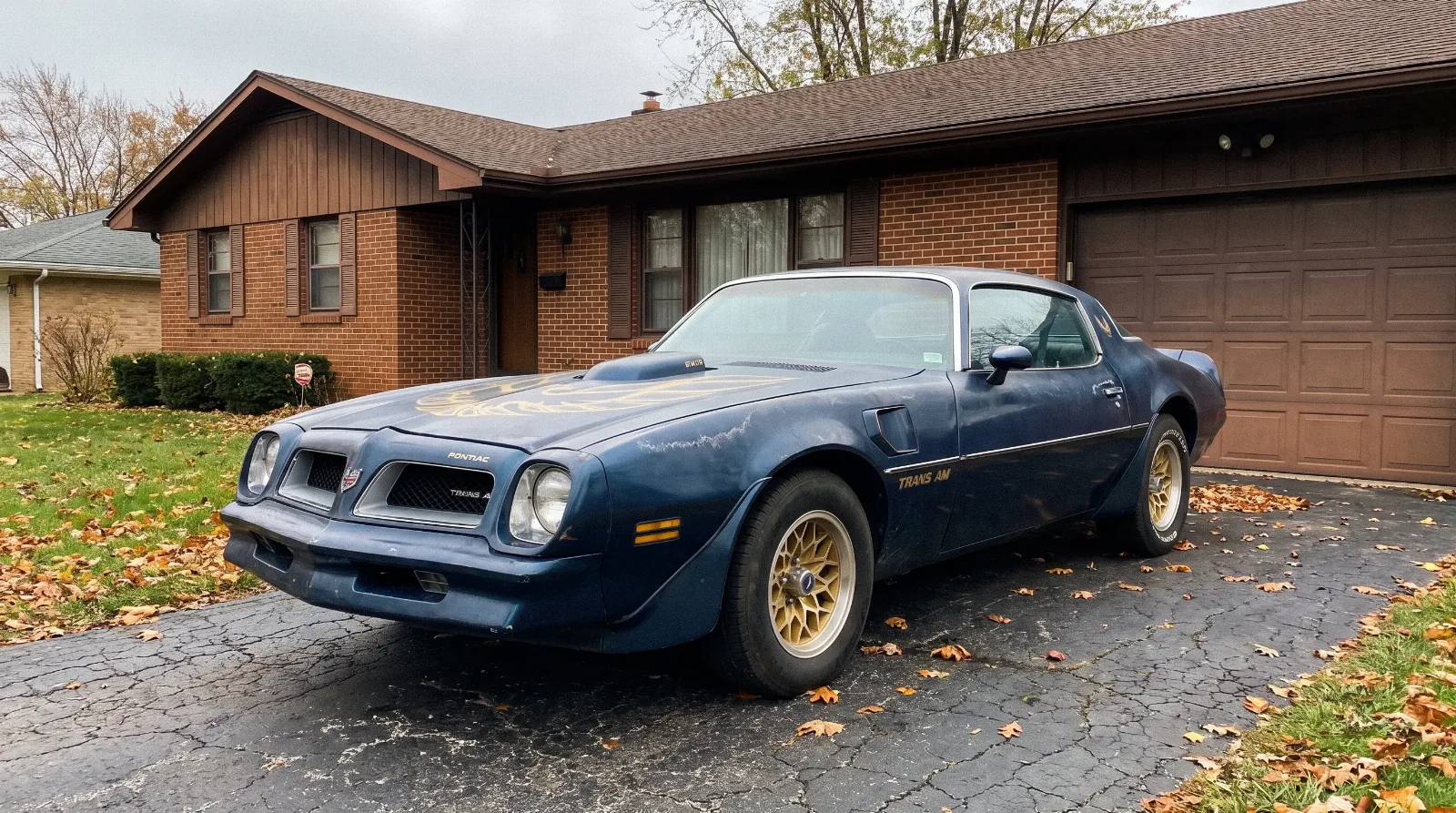
What actually changed under the hood
Start with the compression drop. Emissions rules pushed GM to cut compression across the board starting in 1971, and by the time you get to a 1975 or 1976 Firebird, the engines are running numbers that would have been considered a stock daily driver's compromise a few years earlier. Add the catalytic converter, which showed up on Pontiac's line in 1975 and meant unleaded fuel only, plus a single exhaust setup on most engines where dual pipes used to be standard. Every one of those changes bleeds power. None of them individually killed the car, but stacked together they add up to something that feels gutless compared to what came before.
The other piece nobody talks about enough is the switch from gross to net horsepower ratings in 1972. A lot of the drop on paper wasn't the engine losing power, it was Detroit finally rating engines the way they actually ran, with accessories and full exhaust attached instead of on a dyno stripped down to bare essentials. That doesn't mean the malaise era cars were secretly strong. It means the gap between a 1970 sticker and a 1975 sticker looks worse than it actually was, mechanically speaking.
Where the horsepower really went
By the mid 1970s, the 400 cubic inch Pontiac V8 in a Trans Am was rated at 185 horsepower for 1975 and 1976, down from 225 horsepower just two years earlier in 1974. The 455 held on a bit longer as an option before Pontiac phased it out after 1976, and even that engine was down well over 50 horsepower from its early 1970s peak by the time it left. Then in 1977 Pontiac brought in the W72 option on the 400, rated at 200 horsepower that year and bumped to 220 horsepower for 1978 and 1979, which gave buyers something that actually pulled instead of just sounding good at idle.
What I want buyers to understand is that these aren't broken engines. They're detuned on purpose, built to pass a smog test in a country that had just discovered the words fuel economy and emissions standard in the same sentence. A malaise era 400 with decent compression, a healthy timing curve, and a exhaust system that isn't collapsed inside itself will still move a Firebird down the road with authority. It just won't embarrass a 1970 Ram Air IV, and it was never going to.
| Engine | Years offered | Approximate net horsepower |
|---|---|---|
| 400 cid V8 (standard TA) | 1974-1977 | 180-225 hp |
| 400 cid W72 V8 | 1977-1979 | 200-220 hp |
| 455 cid V8 | 1974-1976 | 200-250 hp |
| 301 cid V8 (base Firebird/Formula) | 1977-1979 | 135-150 hp |
Why the Trans Am kept selling anyway
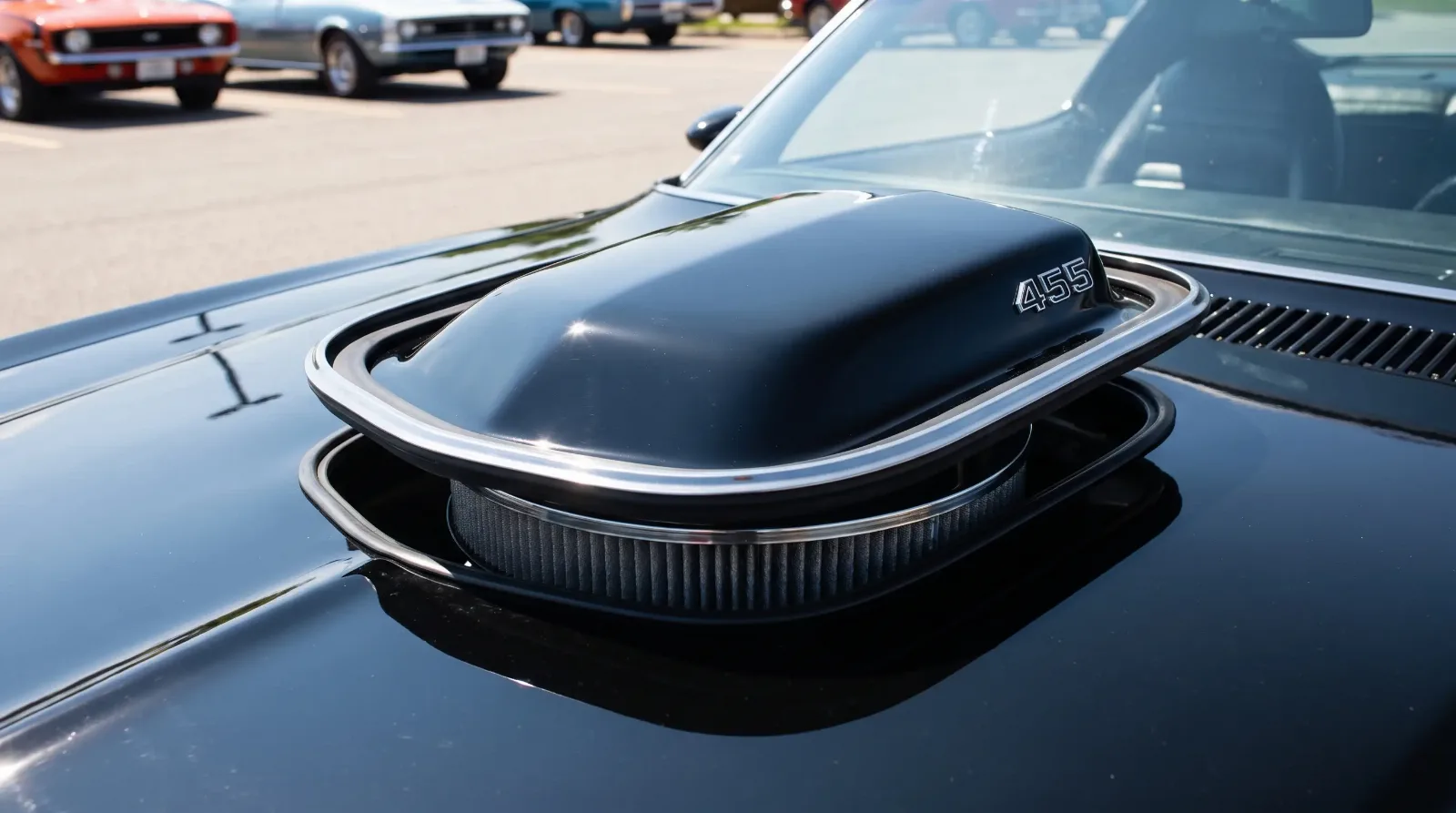
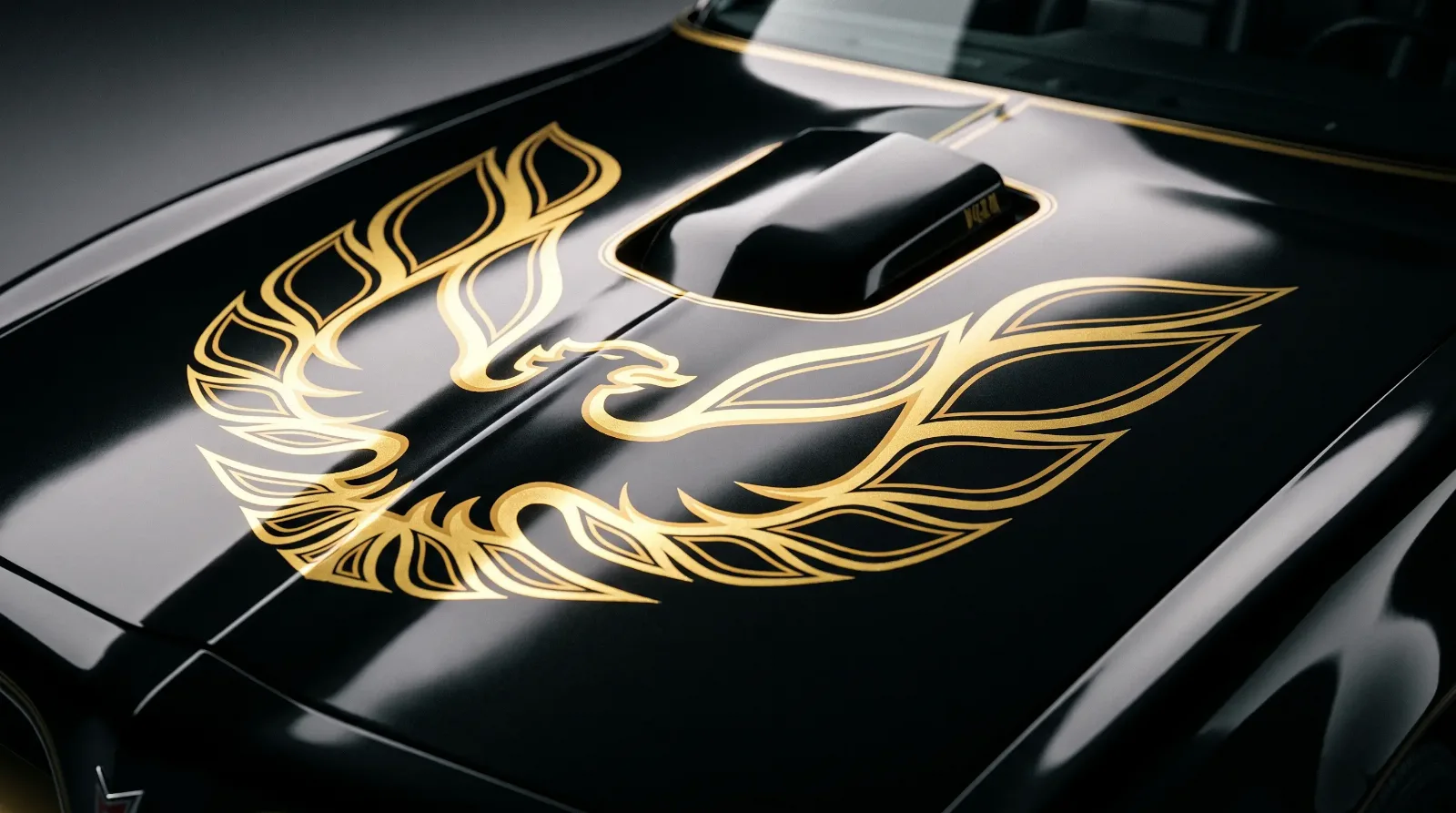
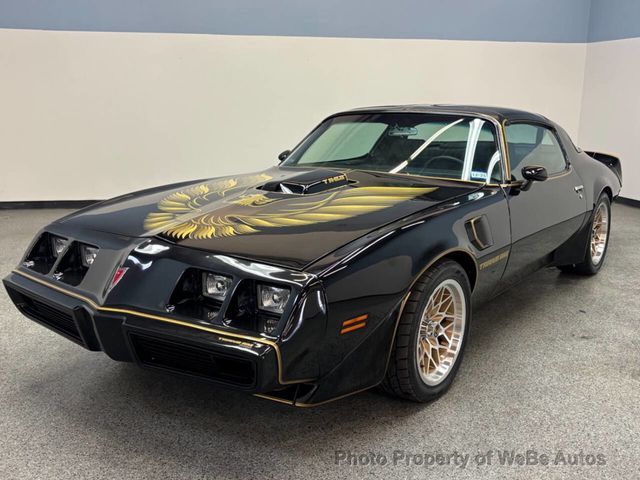
Here's the part that surprises people who weren't around for it. Firebird sales, especially Trans Am sales, didn't collapse during the malaise era. They climbed. A lot of that credit goes to styling and marketing rather than the spec sheet. The shaker hood scoop, the screaming chicken hood decal, and later the Bandit movie connection gave the car an identity that had nothing to do with quarter mile times. People bought the image and the stance, and Pontiac leaned into that hard because the horsepower story wasn't going to sell itself.
Insurance also played a quiet role. Muscle car surcharges from insurers in the early 1970s had pushed a lot of buyers toward cars that looked fast without carrying the underwriting penalty of a genuinely fast one. A detuned 400 in a Trans Am body threaded that needle. You got the look, the noise, and a monthly premium your dad's insurance agent could live with.
What to actually check before you buy one
If you're shopping a malaise era Firebird today, the mechanical concerns are less about horsepower and more about decades of neglect. These cars were cheap used iron through most of the 1980s and 1990s, which means plenty of them got the emissions equipment gutted, the catalytic converter pulled, or a carburetor swapped by somebody who wasn't documenting anything. That's not a deal killer for a driver, but it matters for value and for knowing what you're actually looking at.
"Guys come to me apologizing for owning a malaise era car like it's something to explain away. I tell them the same thing every time. It's a real Firebird, built by the same factory, wearing the same body, and it'll teach you more about honest maintenance than a numbers matching Ram Air car ever will, because nobody's going to baby a 200 horsepower 400 for you."
Mike Sullivan
The verdict on buying malaise era
I don't think these years deserve the reputation they get. Are they the fastest Firebirds Pontiac ever built? Not close. But they're honest cars from a genuinely difficult period for the entire American auto industry, and they're a lot cheaper to buy into than the early cars from the definitive Firebird era that everybody's chasing right now. If you want a Trans Am you can actually drive without worrying about every stone chip on a numbers matching Ram Air IV, a well sorted 1975 or 1976 car with a healthy 400 is a smart way in.
For more on how Pontiac dug its way out of this stretch, check out the next story in this set, which covers the styling change that arguably did more for Firebird sales than any engine update from these years.
Sources and notes
- Hitman's Pontiac Trans Am Site - W72 Pontiac 400
- History Repeats Itself for This Pontiac Firebird Trans Am 455 HO - Hagerty Media
- All About The Engines That Powered The 1977 Pontiac Firebird - SlashGear
- 1977 Pontiac Firebird Trans Am and Formula - HowStuffWorks
- 1976 Pontiac Firebird Trans Am - HowStuffWorks
- Pontiac Firebird - Wikipedia
Related Reading
Have a
Pontiac Firebird
for Sale?
Reach thousands of serious classic car collectors across the US.
Sell It Here →
Are You a Classic Car Dealer?
List your full inventory and connect with targeted classic car buyers.
Join as a Dealer →

About the author
Mike Sullivan
Detroit-area muscle car enthusiast and restoration specialist with three decades of hands-on experience working on American iron.
Related Listings - Pontiac Firebird
Comments
Be the first to comment on this article.