
The 1969 Ford Bronco rarely gets its own headline. It sits between the widely photographed early trucks and the more famous 1970s color years, and casual histories tend to skip straight past it. That is a mistake. The ford bronco 1969 changes were not flashy, but they mark the point where Ford quietly turned a fresh idea into a truck built for the long haul, and the production record backs that up better than any brochure copy from the period.
Car Features
7 min read
The Quiet Updates That Defined the 1969 Bronco
The 1969 Ford Bronco skipped a redesign in favor of quiet running changes to trim, interior, and drivetrain. Here is what actually changed and why it matters to collectors.
A model year built on correction, not reinvention
By 1969, Ford had three full seasons of dealer feedback and warranty claims to work from. Rather than restyle the Bronco, engineering and product planning spent the year fixing what owners had actually complained about. That is a less romantic story than a redesign, but it is the more accurate one, and it is the story documented in Ford's internal production and parts records for the period.
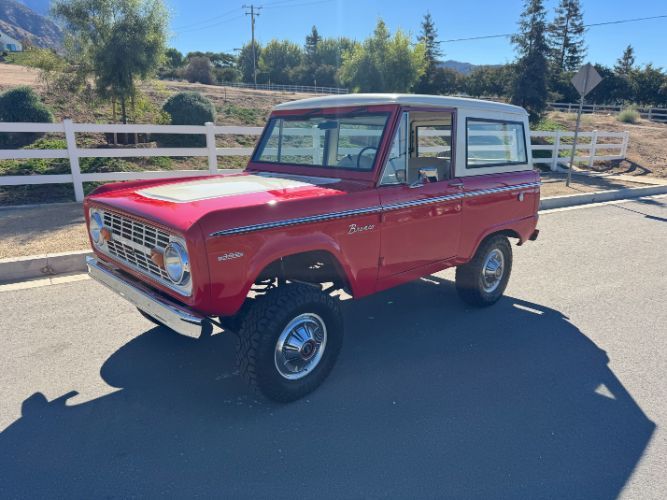
The Bronco's basic shape, its 92-inch wheelbase, and its dedicated ladder frame carried over unchanged. What Ford adjusted sat underneath the surface: trim hardware, interior details, and running gear refinements that made the truck more livable without touching the exterior stampings a buyer would recognize from 1966.
Interior and trim updates that mattered more than they looked
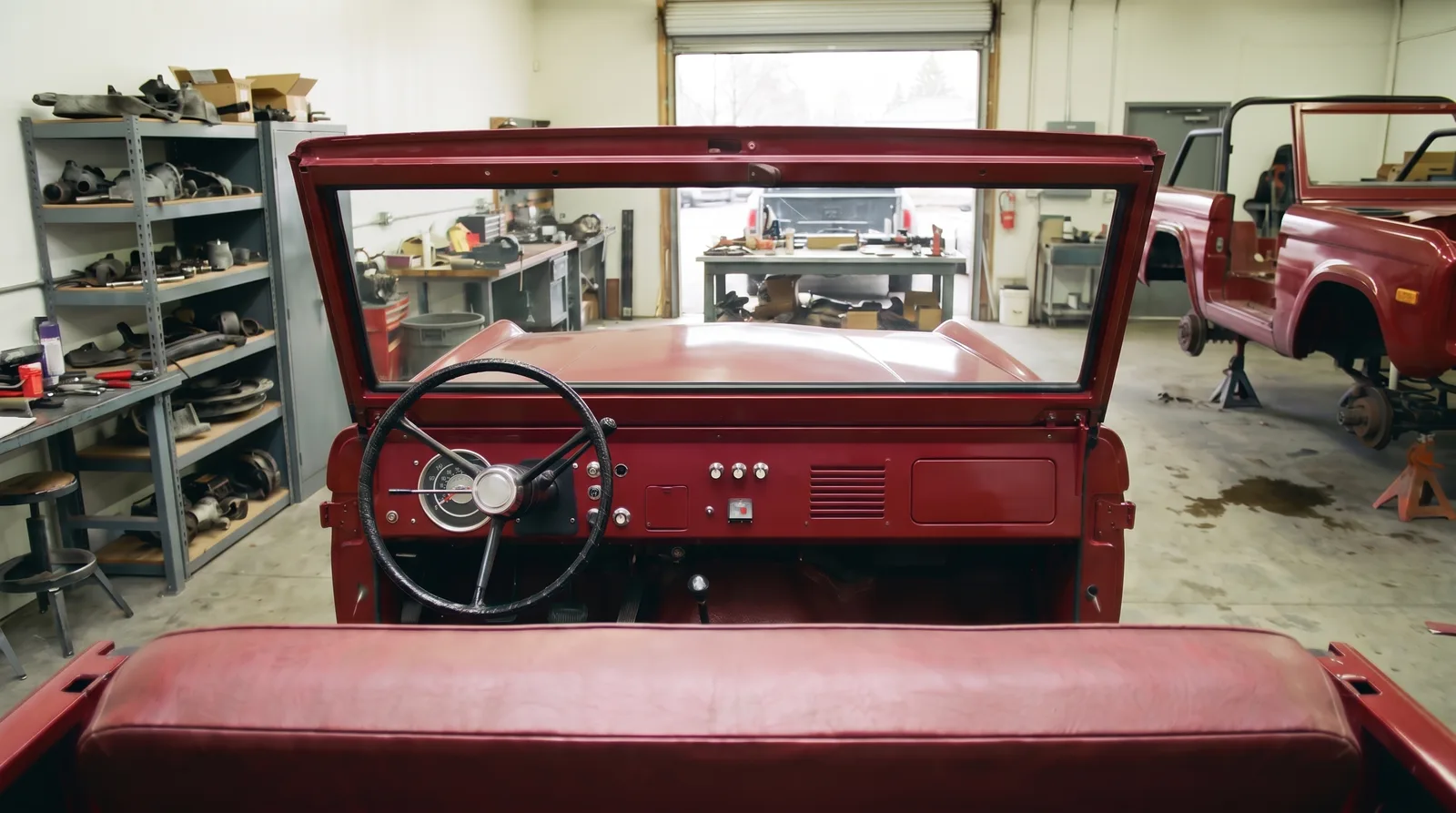
Inside the cab, Ford revised upholstery patterns and made incremental changes to the dash layout and switchgear, the kind of updates that rarely appear in period road tests but show up clearly when you compare parts catalogs year over year. Exterior trim saw similar quiet attention, with badge placement and color offerings shifting to keep the Bronco competitive against the International Harvester Scout and the newly arriving Chevrolet Blazer.
None of this was dramatic. It did not need to be. A buyer cross-shopping Ford's little truck against its rivals in 1969 was looking for confidence that the vehicle had been sorted out, not for a new face. Ford's approach delivered exactly that kind of confidence, even if it never got much credit in the enthusiast press at the time.
Running gear refinements under the skin
Mechanically, 1969 continued the steady maturation of the drivetrain lineup that had begun with the 289 V8 option and would carry into the 302 the following year. Axle and suspension components saw running changes intended to improve durability under the kind of use Bronco buyers actually put the truck through, from ranch work to weekend trail runs. Readers curious about how that drivetrain evolution played out have a full account in a related story covering the V8 transition in detail.
Ford's parts bulletins from the period show a company still learning what its own truck needed, adjusting bushings, brackets, and fasteners in small ways that rarely made it into sales literature but mattered enormously to an owner putting real miles on the vehicle.
Why the quiet year still matters to collectors
Originality hunters treat 1969 Broncos with particular respect precisely because the changes were incremental. A well-documented 1969 truck tells you something about how Ford's assembly process worked at a granular level, and parts that look identical to a 1968 or 1970 component often are not, right down to casting numbers and bracket shapes. Anyone restoring a Bronco from this exact model year needs to pay close attention to these details, since substituting a part from an adjacent year can throw off an otherwise correct build.
That level of nuance is exactly what makes 1969 rewarding to study rather than skip. For a full accounting of the model year, including the broader context these changes sit inside, see the 1969 ford bronco history, which lays out the complete picture beyond just the running changes covered here.
"The 1969 Bronco is a case study in how a manufacturer actually learns. Nothing about it screams for attention, and that is the point. Ford was listening to its own truck."
- Tom Ramirez
What to look for if you are shopping this exact year
Buyers targeting a 1969 specifically, rather than treating the early Bronco years as interchangeable, should pay attention to trim tags, interior upholstery patterns, and drivetrain casting numbers, since these details separate a correctly documented 1969 from a truck that has been mixed and matched over decades of ownership. Original build sheets and Marti-style documentation, where available, remain the most reliable way to confirm exactly which running changes a given truck left the factory with.
Trucks from this model year turn up regularly in the marketplace, and buyers serious about finding one should start by looking at current Broncos for sale now, where inventory changes often enough to be worth checking back on rather than waiting for the perfect listing to appear once.
Reading a 1969 build against later model years
The value of studying a single quiet model year closely is that it teaches you how to read the whole production run more carefully. Once you know what changed between 1968 and 1969, and again between 1969 and 1970, you start noticing details on any Bronco you inspect that a casual buyer would miss entirely. A door hinge, a switch style, a bracket shape, these small things carry real information once you know what to compare them against.
That kind of literacy pays off directly at the negotiating table. A seller who cannot explain why a particular part on their truck does not match known 1969 production is either unaware of their own truck's history or hoping the buyer will not ask. Either way, the informed buyer walks away with better leverage, and often a fairer price, than someone relying on a listing description alone.
The 1969 model year rewards this kind of scrutiny more than most because so little of what changed was visible from ten feet away. Everything that matters is close to the surface once you know where to look, from fastener types to interior trim codes, and none of it requires specialized tools to verify, just patience and a reference source you trust.
How dealers and buyers actually experienced these changes
It is worth remembering that almost none of the running changes covered here were advertised to the customer walking into a Ford dealership in 1969. Salespeople sold the Bronco on its capability, its versatility, and its price point relative to the Scout and other rivals, not on a bulletin about revised bushing specifications. The changes documented in Ford's internal paperwork were an engineering conversation, not a marketing one, and that gap between what the factory knew and what the customer heard is common across the entire auto industry, not unique to this truck or this year.
That gap is exactly why a publication like this one exists. Sales brochures tell you what a company wanted you to believe about a vehicle when it was new. Parts records and production data tell you what the company actually did. Reading both together, rather than relying on either alone, produces a far more accurate picture of what a 1969 Bronco actually is, and that accuracy pays off directly when it comes time to buy, restore, or simply appreciate one of these trucks for what it really represents in Ford's history.
Sources and notes
Related Reading

#classic truck restoration
#Ford Bronco
#Bronco history
#1969 Ford Bronco
#production changes
#Bronco collectors

About the author
Tom Ramirez
Corvette researcher and historian based in Bowling Green, Kentucky. Two decades documenting Corvette production history from original factory records.
Related Listings - Ford Bronco



Comments
Be the first to comment on this article.