
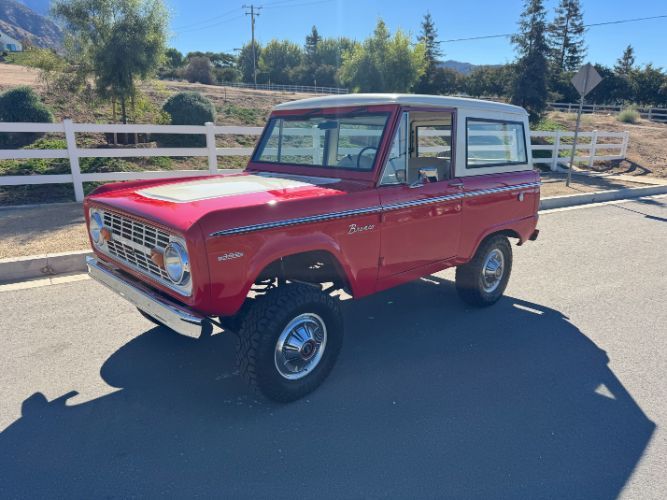
The ford bronco 1969 suburban appeal story does not fit the usual narrative about this truck. Most histories focus on trails, ranches, and off-road clubs. But Ford's own dealer records and regional sales patterns from 1969 tell a quieter story: a meaningful share of Broncos that year were bought by families who lived on paved streets, in developments with sidewalks, who wanted one vehicle that could handle a snowstorm on the way to work and a weekend trip to the lake without complaint.
Car Features
6 min read
How the 1969 Bronco Won Over Suburban Families
Factory records and dealer advertising from 1969 show the Bronco was never just an off-road specialist, it was marketed to suburban families from the start.
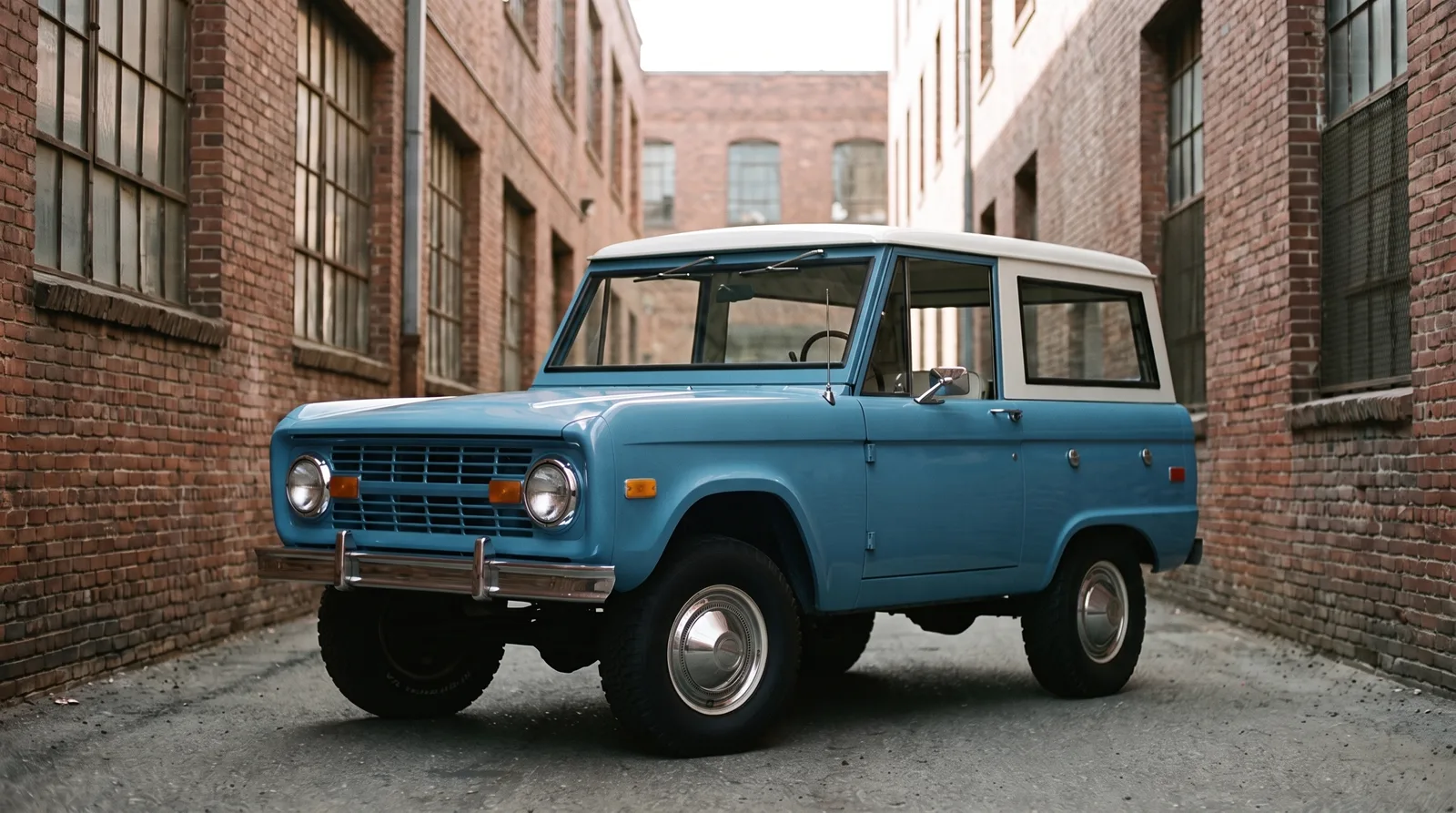
A second car that did not act like one
By 1969, postwar suburbs across the northern half of the country had matured into communities where winter driving was a real problem for anything short of a four-wheel-drive vehicle. Standard family sedans of the era struggled on unplowed streets, and a growing number of households were looking for a second vehicle that could handle snow, ice, and the occasional gravel road to a cabin. The Bronco, with four-wheel drive standard on every model, filled that gap in a way full-size trucks and imported wagons did not.
Ford's regional sales literature from this period, preserved in dealer archives, shows the Bronco being cross-promoted alongside station wagons rather than only against Jeep's CJ line. That positioning was deliberate. Ford understood that a share of Bronco buyers were not ranchers or hunters at all, but suburban parents who wanted reliable winter mobility and the occasional weekend at a ski area or state park.
The wagon body did the heavy lifting
The enclosed wagon variant, as opposed to the half-cab pickup, is central to this part of the Bronco's story. It offered rear seating, a lockable cargo area, and a shape that did not look out of place parked in a driveway next to a Country Squire. Families could fold the rear seat for cargo, load skis or camping gear through the tailgate, and still drive the kids to school on Monday morning.
Ford's own build data for the model year shows the wagon body outselling the half-cab pickup nationally, a pattern that lines up with a buyer base leaning toward personal and family use rather than strictly commercial or agricultural duty. The wagon was, in effect, doing double duty as both a utility vehicle and a family car, and Ford's dealer network in suburban markets leaned into that positioning hard.
The 302 V8 and a smoother ride mattered here too
The 1969 model year brought the 302 cubic inch V8 to the Bronco lineup, replacing the 289. For a suburban buyer, that change meant a truck with enough power to merge onto a highway confidently and tow a small boat or camping trailer without straining. Combined with the coil-spring Mono-Beam front suspension, a Ford engineering solution that gave the Bronco a noticeably smoother ride than the leaf-sprung competition from Jeep and International, the 1969 Bronco was more tolerable as daily transportation than its rivals. That ride quality is a detail often lost in later retellings that focus only on the truck's trail capability, but Ford's own engineering notes from the period make clear that ride comfort was treated as a genuine selling point, not an afterthought.
A misconception worth correcting
It is tempting to assume the Bronco's suburban following came later, once the model gained a reputation through motorsport and popular culture. The factory record does not support that timeline. Regional dealer sales figures and period advertising from 1969 itself show family-oriented marketing already well established by the fourth model year, years before the Bronco's broader cultural profile grew. The suburban buyer was not a later discovery. That buyer was part of Ford's plan from early on, even if enthusiast histories have tended to overshadow that fact with trail stories.
"Ford's product planners knew exactly who was cross-shopping a Bronco against a station wagon in 1969. The factory paperwork shows a company selling practicality to families, not just capability to hunters."
- Tom Ramirez
Where this pattern showed up strongest
The suburban Bronco buyer was not evenly distributed across the country. Dealer sales data and regional advertising archives point to particular concentration in the snow belt suburbs ringing Chicago, Detroit, and Minneapolis, as well as the growing Denver metro area, where winter road conditions and easy access to mountain recreation made a four-wheel-drive family vehicle an easy sell. In these markets, Ford dealers frequently bundled the Bronco with snow tire packages and roof rack accessories aimed squarely at weekend skiers rather than trail riders.
In warmer suburban markets, the appeal shifted but did not disappear. Families in the growing suburbs of Southern California and Arizona bought Broncos less for snow and more for lake access, desert weekend trips, and the simple practicality of a vehicle that could handle an unpaved road to a rental cabin without drama. The common thread across all these markets was the same: a family wanted one vehicle that could do ordinary suburban duty most of the week and something more demanding on a weekend, and the 1969 Bronco was built to answer both needs without asking the owner to compromise on either one.
What this means for the model's legacy
Understanding the ford bronco 1969 suburban appeal reshapes how we should read the truck's broader history. It was never purely a specialist off-road vehicle competing in a narrow niche. It was a genuinely versatile family vehicle that happened to also excel off pavement, and that dual identity is a large part of why it built such a durable following. Collectors researching a specific 1969 Bronco today sometimes uncover exactly this kind of provenance, a suburban family car rather than a ranch or trail truck, evidenced by original upholstery in good condition, low modification history, and service records from a neighborhood Ford dealer rather than a rural garage.
To get the whole picture of how the 1969 model year came together at the factory, including the production and design decisions behind it, the fuller account fills in the details this piece leaves out. And for buyers who want to see what is currently available, it is worth taking time to shop classic Bronco listings and compare documented histories, since a Bronco with a clean suburban past can be just as desirable to today's collectors as one with a ranching pedigree.
The suburban Bronco buyer of 1969 was not chasing a trend. They were solving a practical problem, winter mobility and weekend flexibility in one vehicle, and Ford built a truck that solved it well enough to keep that buyer coming back for decades. That is a factory record worth remembering the next time someone insists the Bronco's family following was invented decades after the fact by marketing departments looking for a new angle. The paperwork says otherwise, and paperwork is the historian's job to trust over legend.
Sources and notes
Related Reading

About the author
Tom Ramirez
Corvette researcher and historian based in Bowling Green, Kentucky. Two decades documenting Corvette production history from original factory records.
Related Listings - Ford Bronco
Comments
Be the first to comment on this article.