
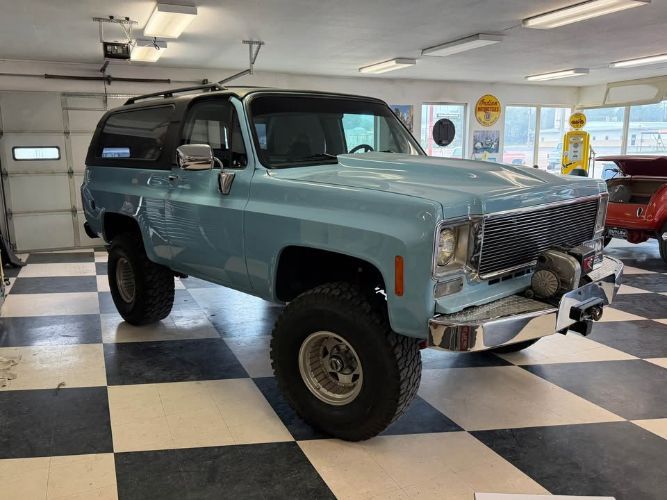
Park a 1971 and a 1972 K5 Blazer side by side and most people, including plenty of longtime truck owners, will struggle to tell them apart at a glance. That is not a knock on either truck. It is simply the nature of a platform that GM refined incrementally rather than redesigned outright between those two model years. The k5 blazer 1972 vs 1971 comparison rewards close attention precisely because the differences are subtle rather than dramatic, and understanding them matters more to a serious buyer than most casual observers assume.
Car Features
6 min read
1972 Versus 1971: The Subtle Final-Gen Changes
A 1971 and 1972 K5 Blazer look nearly identical at a glance, but trim details, options, and final-year status separate them more than most buyers expect.
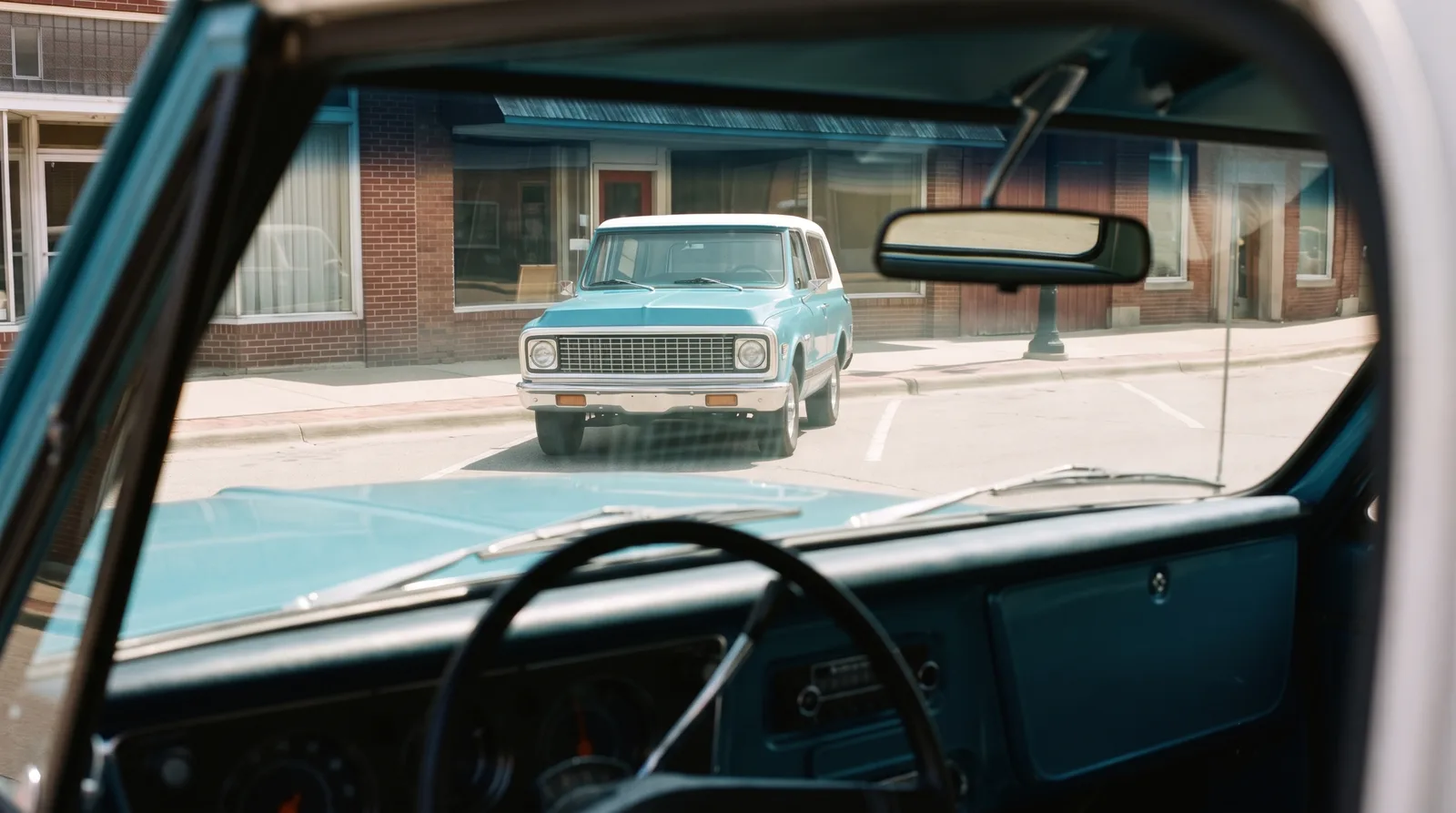
Why these two years look nearly identical
By 1971, the K5 Blazer had already been in production for three model years, and Chevrolet had largely settled the platform's core design language: the fully removable hard top, the open body beneath it, the general exterior proportions. Rather than introduce a major visual redesign for 1972, GM used the final year of the first generation to make targeted running changes, the kind that show up in trim details, options availability, and minor mechanical refinements rather than a fresh sheet metal stamping. That approach was common practice across the industry at the time, and it means the visual gap between 1971 and 1972 is genuinely narrow compared to, say, the gap between 1972 and the redesigned 1973 model. For the fuller story of what made 1972 specifically significant within that narrow window, where this started lays out the complete context.
Where the real differences show up
The differences between the two model years live mostly in details that require either documentation or a trained eye to spot. Trim badging saw minor revisions between the years, and specific option packages, including variations within the CST lineup, were adjusted slightly as Chevrolet responded to what had and had not sold well the previous season. Emissions-related equipment also began tightening industry-wide heading into the early 1970s, and buyers comparing a 1971 and 1972 truck closely may find small differences in underhood componentry tied to that broader regulatory shift, even when the base engine displacement options remained consistent across both years. None of these changes were dramatic enough to constitute a new generation, but collectively they are enough that a knowledgeable buyer can usually date a truck correctly without relying on the title alone.
Why the premium for 1972 exists despite the similarity
Given how close the two trucks are mechanically and visually, it might seem strange that 1972 commands a real premium over 1971 in the collector market. The explanation has less to do with any single feature difference and more to do with 1972's status as the final year of the entire first-generation design. Buyers are not just paying for whatever specific running changes happened that year. They are paying for the truck that closes out the original body style before the 1973 redesign, which kept a fully removable top through 1975 but changed nearly everything around it. That final-year premium is a pattern seen across plenty of other collector vehicle categories, and the K5 Blazer is no exception.
| Aspect | 1971 | 1972 |
|---|---|---|
| Body style | Full-length removable top, open body | Full-length removable top, open body |
| Trim badging | Prior-year specification | Minor revisions |
| CST package details | Earlier configuration | Refined configuration |
| Generation status | Third year of four | Final year of four |
| Collector premium | Lower | Higher, tied to final-year status |
"I've had owners insist their truck must be a 1972 because it 'feels' more finished, and then the trim tag says 1971. The differences are real, but they are not something you can eyeball with confidence. You have to check the documentation."
- Tom Ramirez
What this means for a buyer choosing between the two
For a buyer deciding between a well-documented 1971 and a comparable 1972, the practical driving experience will be nearly identical, which means the decision usually comes down to budget and how much the final-year distinction matters personally. A 1971 in excellent condition, correctly documented and mechanically sound, is arguably a smarter buy for anyone who wants the first-generation K5 experience without paying the specific premium attached to 1972's final-year status. On the other hand, buyers building a collection around historical significance, or planning to hold the truck long-term as an appreciating asset, may find the 1972 premium justified by its unique position as the closing chapter of the original design.
Either way, verifying the actual model year through trim tags and documentation should come before any decision based on visual inspection alone, since the two trucks are close enough in appearance that an honest mistake, or a dishonest misrepresentation, is entirely possible without that extra step.
What appraisers actually look for when dating a truck
Beyond the trim tag itself, experienced appraisers cross-reference several data points before confirming a K5's exact model year, particularly on trucks where paperwork is incomplete or where a prior owner's memory does not quite match the documentation. VIN decoding remains the most authoritative source, but it works best alongside supporting evidence: dealer invoices, original window stickers when they survive, and even period service records that reference specific parts or campaigns tied to a known model year. When those sources disagree, which happens more often than buyers expect on a truck that has changed hands several times, the VIN takes precedence, and any seller unwilling to make that number available for verification should be treated as a red flag rather than an inconvenience. This kind of diligence matters more between 1971 and 1972 specifically than it does across years with more obvious visual differences, simply because there is less to go on from appearance alone.
Buying with confidence across either model year
Whether the target is a 1971 or a 1972, the fundamentals of a smart purchase stay the same: verified documentation, an honest inspection of the removable top and body structure, and a clear understanding of what specific options and trim the truck actually carries versus what a seller claims it carries. Buyers who do that homework tend to come away satisfied regardless of which of the two closely related model years they end up choosing. Those ready to compare available trucks directly should look at what is currently on the market. Interested buyers can browse a classic K5 Blazer for sale and weigh a verified 1971 against a verified 1972 side by side before deciding which final detail matters most to them. The right answer depends entirely on what each individual buyer values, and there is no wrong choice between two trucks this closely related.
Sources and notes
Related Reading

About the author
Tom Ramirez
Corvette researcher and historian based in Bowling Green, Kentucky. Two decades documenting Corvette production history from original factory records.
Related Listings - Chevrolet Blazer
More in Car Features

Comments
Be the first to comment on this article.