
Every Bronco club meeting eventually gets to the same argument, usually started by whoever brought the cooler. Somebody claims the Ford Bronco settled the score with Jeep in Baja back in the early seventies, somebody else says Jeep never really lost anything that mattered, and by the time the burgers are done everyone has picked a side without checking a single result sheet. I have sat through that argument more times than I can count, and the honest answer is more interesting than either camp wants to admit.
Car Features
7 min read
Bronco vs Jeep in the Desert Racing Wars
The old club argument over who really won Baja, Ford or Jeep, is closer and messier than the folklore suggests, and both trucks earned their reputations honestly.
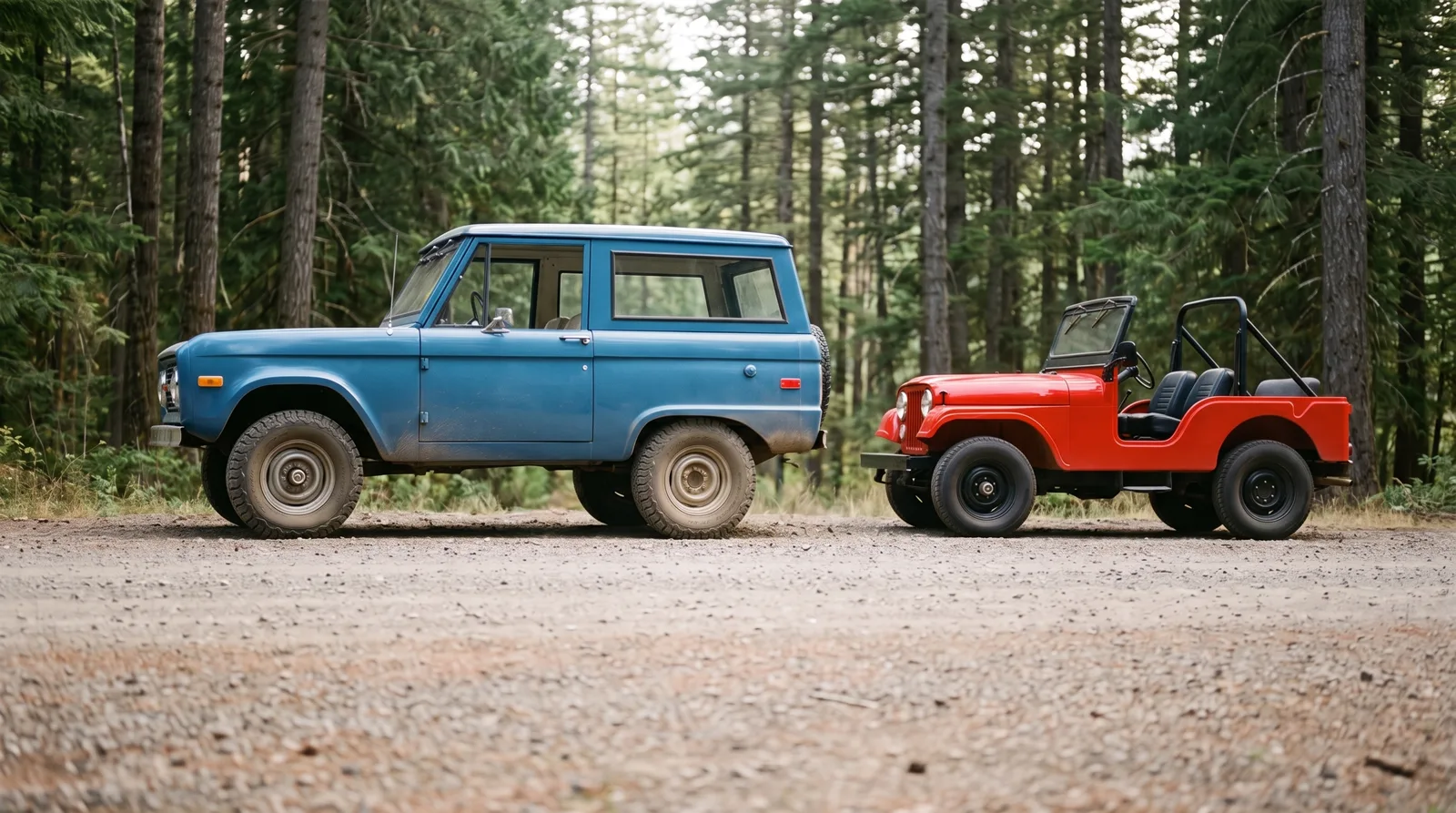
Two trucks that were not built for the same job
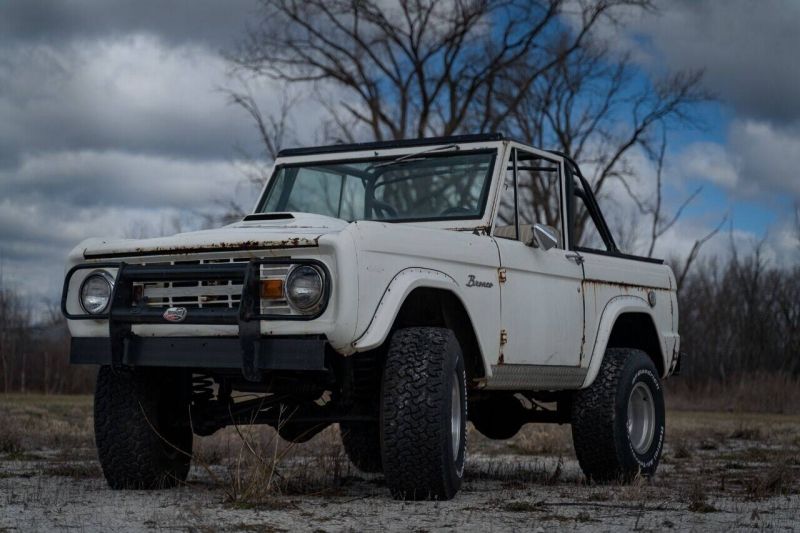
The Ford Bronco showed up in 1966 aimed at the same buyer Jeep had owned for decades, the rancher, the hunter, the guy who wanted a compact 4x4 that could get him off pavement without needing a second vehicle for daily driving. Jeep's CJ-5 had a head start measured in years, not months, and a reputation built during two world wars and a couple more decades of civilian sales on top of that. Nobody cross-shopping a new truck in a Ford showroom in 1966 thought they were buying into a future desert racing rivalry. That part came later, and it came from the racetrack, not the sales floor.
What changed things was Mexico. The Mexican 1000, the race that eventually became the Baja 1000, opened its doors to anything with four wheels and enough gas money to get to the start line, and both Ford and Jeep entrants showed up looking to prove something. Ford had Bill Stroppe's shop turning Broncos into serious competition trucks. Jeep had a mix of factory interest and privateer teams running CJ-5s and other early Jeep-based rigs. Neither side had a clean advantage on paper.
Where the Bronco actually pulled ahead
In the early Baja races, Broncos built by Stroppe's team started collecting class wins and strong overall finishes that got real attention from the motorsport press of the day. The truck's V8 power, reasonable ground clearance, and Stroppe's suspension and reinforcement work gave it an edge in the kind of high speed desert running the Mexican 1000 rewarded. Jeep's CJ-5, with its shorter wheelbase and four-cylinder or inline-six power depending on the year, was tough and capable in technical terrain but gave up ground when the course opened up and speed mattered more than crawling ability.
That is not the whole story though, and anyone who tells you Jeep simply got run off the desert is skipping the parts that do not fit the narrative. Jeep-based entries, including modified CJs and later the Jeepster and Commando platforms, kept finishing races and kept winning their classes through the same period. The rivalry was real, but it was closer and messier than the folklore around Big Oly and Parnelli Jones tends to suggest.
"Ask ten Bronco owners who won Baja in any given year and you will get six different answers and at least one fistfight over dessert."
- Wayne Coburn
The community kept the argument alive longer than the results did
What actually cemented the Bronco versus Jeep rivalry in the public imagination was not a single trophy, it was decades of owners on both sides retelling the story at swap meets, in club newsletters, and eventually on internet forums. Ford leaned into it with the Baja Bronco special edition, a street-legal truck dressed up to look like the race cars, and that marketing move did more to plant the rivalry in buyers' heads than any individual finish did. If you want the full arc of how that program came together, the whole picture covers the Stroppe side of it in detail.
Jeep owners, for their part, had their own long memory of a truck that had been proving itself in mud and rock since before Ford built a single Bronco. That kind of pride does not fade just because a rival had a good run of races in the early seventies. It is part of why the argument at the club meeting never really gets settled. Both trucks earned loyalty the hard way, and both camps have decades of evidence to point to depending on which years and which categories you want to count.
What actually matters if you are shopping today
None of this history changes much about what makes a good used truck today, but it does change what people are willing to pay for one. A Bronco with a documented tie to the Baja racing program, even a loose one, tends to draw more interest than an otherwise identical truck without that story attached. Jeep CJ buyers see the same effect with documented desert racing history on their trucks. The rivalry did not just sell magazines in 1971, it still moves prices at auction more than fifty years later.
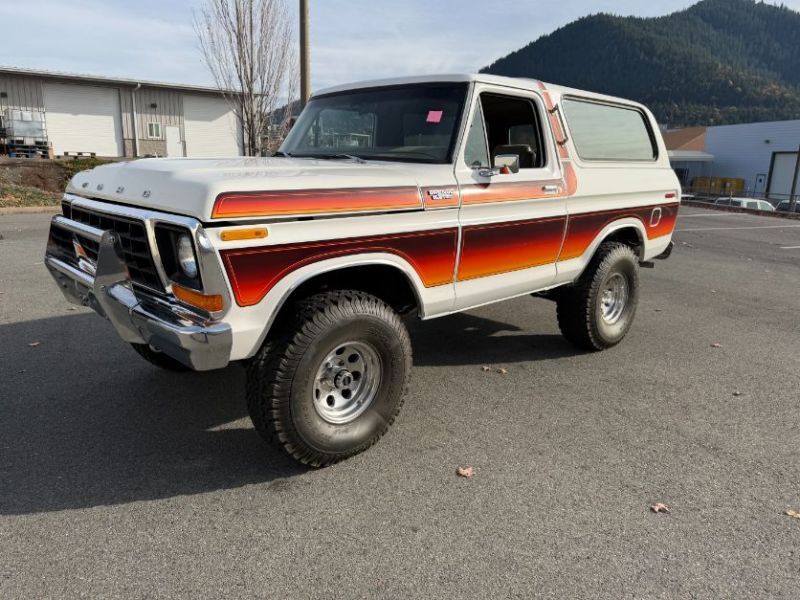
If the history has you leaning toward the Ford side of that old argument, the market for early Broncos is active enough that patience usually pays off. You can start by browsing what is available right now and see if you can find a classic Bronco that fits what you are after, whether that is a clean driver or a project with some of that old desert pedigree still intact.
Either way, the next time someone at a club meeting insists their truck definitively won the argument fifty years ago, do yourself a favor and let them have it. The rivalry was never really about who was faster in 1971. It is about two trucks that earned their reputations honestly, in the dirt, and owners who have been arguing about it ever since because the argument itself has become part of the tradition.
Why the argument never really has a winner
I have owned both a Bronco and a CJ-5 at different points in my life, which probably disqualifies me from settling anything here, but it did teach me something the magazines from that era mostly skipped over. The Bronco's advantage in open desert running came from a wider stance and a longer wheelbase that let it settle into a rhythm at speed. The Jeep's advantage showed up the moment the terrain got tight, where its shorter turning radius and lighter weight let a good driver thread lines a Bronco simply could not take. Neither truck was universally better. They were built around different assumptions about what off-road driving actually looks like, and Baja happened to be a course long enough and varied enough that both approaches got their moment to shine.
That is also why club folklore tends to remember whichever truck a given owner's father or grandfather actually drove. If your family ran Broncos in the seventies, you grew up hearing about Stroppe's trucks and Big Oly. If your family ran Jeeps, you grew up hearing about CJ reliability and how little maintenance those trucks needed between service stops on a long race. Both stories are true. They just describe different trucks solving the same problem in different ways, and fifty years later the argument still has enough evidence on both sides to keep the cooler conversation going well past dark.
Sources and notes
Related Reading
Have a
Ford Bronco
for Sale?
Reach thousands of serious classic car collectors across the US.
Sell It Here →
Selling a classic? Here's how: sell my classic car
Are You a Classic Car Dealer?
List your full inventory and connect with targeted classic car buyers.
Join as a Dealer →

About the author
Wayne Coburn
Longtime Corvette owner, judge and club figure who knows the cars, the records and the people behind them.
Related Listings - Ford Bronco
Comments
Be the first to comment on this article.