
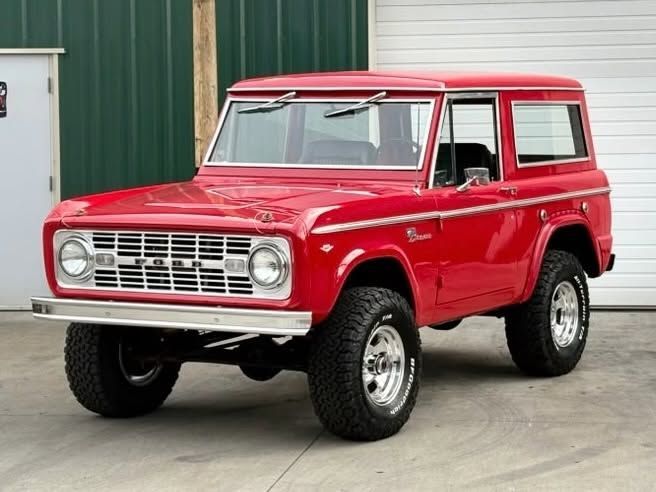
Nobody brags about owning an XLT. That is kind of the point. The ford bronco xlt trim was the truck most people actually bought, not the one that shows up on magazine covers, and I have wrenched on enough of them over the years to respect what Ford got right with the middle trim on a full-size Bronco. It was not flashy. It was not stripped down either. It was the truck that made sense.
Car Features
7 min read
The XLT Bronco and Its Everyman Appeal
The XLT was the trim most Bronco buyers actually chose, and it remains the smartest pick today for anyone who wants to drive their classic instead of babying it.
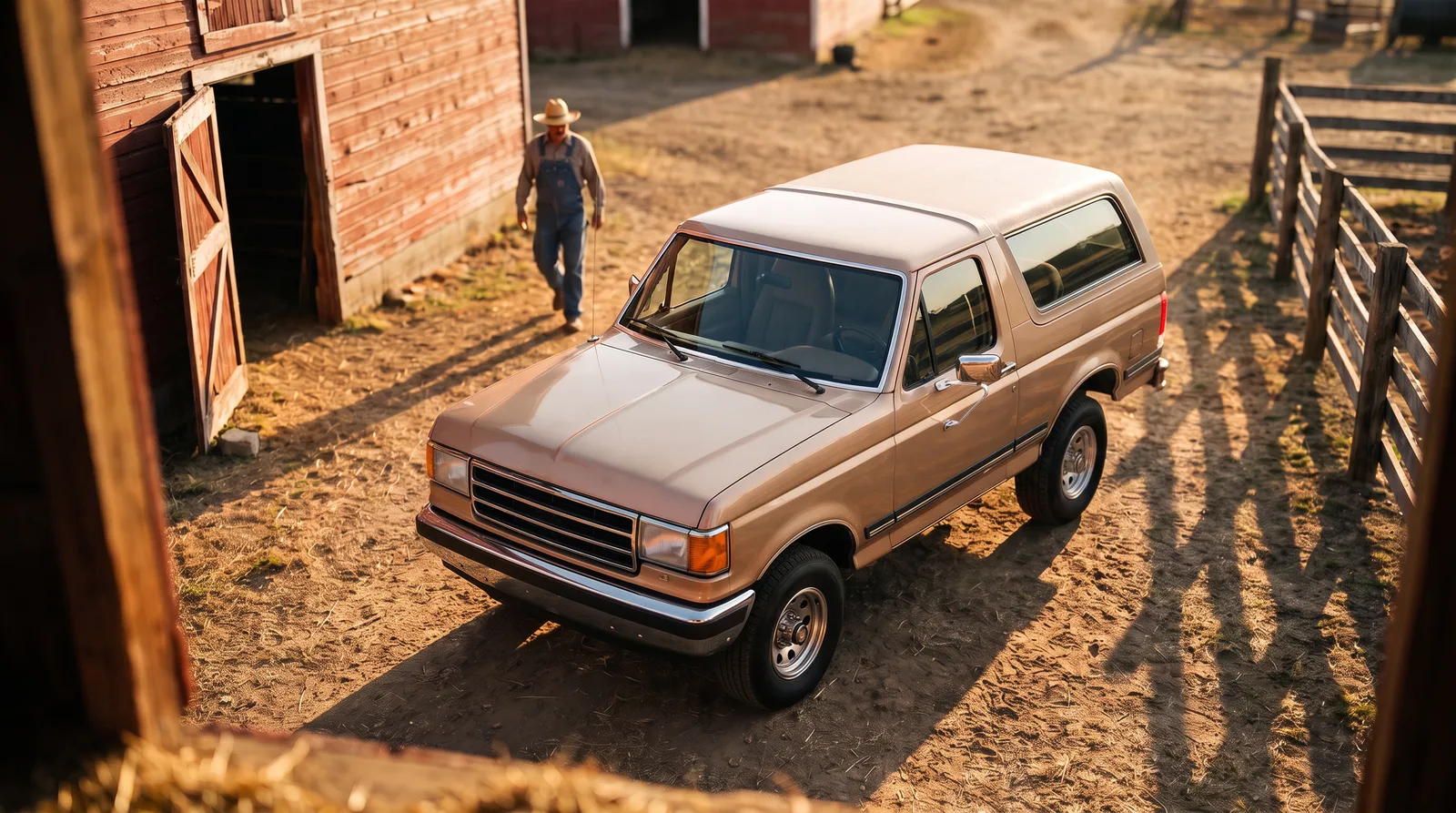
The trim nobody talks about because everybody owned one
Ford's full-size Bronco lineup, starting in 1978 and running through 1996, generally offered a base Custom trim, the XLT in the middle, and eventually the dressed-up Eddie Bauer or Silver Anniversary packages above that. The XLT sat right where most buyers wanted to be. It added carpet where the base truck had rubber mats, better cloth seats instead of vinyl, chrome trim on the outside instead of black plastic, and a handful of convenience options that made a work truck livable for a family. It did not try to be a luxury vehicle. It tried to be a comfortable one, and for a huge share of Bronco buyers in the eighties, that was exactly the right amount of nice.
I think that is why so many surviving Broncos on the road today wear XLT badges. Base trucks got worked hard on ranches and job sites and a lot of them did not survive to see collector status. The top trims got babied by buyers who never took them off pavement, so plenty of those exist too, but they carry price tags that put them out of reach for a guy who just wants something honest to drive on weekends. The XLT split the difference. It was nice enough that an owner might keep it clean, but common enough and affordable enough used that people still drove them, which means parts availability and shop familiarity are both better on an XLT than on rarer trims.
What actually changed between XLT model years
The XLT package moved with the rest of the lineup through Ford's mid-cycle updates. Early bullnose trucks, 1980 through 1986, had a boxier front end and simpler trim. The 1987 restyle brought smoother composite headlights and a cleaner dash, and the XLT trim on those later trucks got a bit more standard equipment as Ford competitors like Chevrolet kept raising the bar on interior comfort. By the early nineties an XLT Bronco typically came with power windows and locks, air conditioning, and a decent stereo as either standard or a one-box option, which was a real step up from the base truck's rubber floor and hand crank windows.
Under the hood, trim level did not dictate engine choice the way it might on a car. You could get an XLT with the 302 V8 or step up to the 351, and later trucks offered fuel injection across the board once Ford moved away from carburetors in the late eighties. So do not assume XLT badging tells you anything about what is actually powering the truck. Check the fender tag or the door data plate if you want the real answer, because dealers mixed and matched engine and trim options depending on what a buyer wanted and what was sitting on the lot.
| Trim level | Typical seating | Standard flooring | Common upgrades |
|---|---|---|---|
| Custom (base) | Vinyl bench | Rubber mat | Minimal, work-truck spec |
| XLT | Cloth bench or buckets | Carpet | Chrome trim, better sound insulation |
| Eddie Bauer / top trim | Premium cloth or leather | Color-keyed carpet | Two-tone paint, badging, alloy wheels |
Why the XLT makes sense as a daily collectible
I get asked all the time what trim to buy if someone wants a Bronco they can actually drive instead of trailer to shows. My answer is almost always XLT. You get a comfortable cabin without the fragile leather and delicate two-tone paint that top trims carry, and the mechanicals are identical to every other full-size Bronco of the same year, so there is nothing exotic to source when something breaks. Parts stores still stock most of what these trucks need, and any shop that has touched an F-150 from the same era can work on the Bronco without much translation, since the two shared a huge amount of running gear.
"An XLT is the smart buy. You are not paying a premium for badges you will baby, and you are not stuck with a stripped truck that rides like a farm implement. It is the trim that lets you actually use the thing."
- Mike Sullivan
What the badge actually told a dealer's lot
Back when these trucks were new, the trim walk on a dealer lot mattered more than people remember now. A salesman could point at a base Custom truck, then walk a customer three spots over to an XLT and make the upgrade feel obvious just by touching the seat fabric. Cloth over vinyl is not a subtle difference to sit in, and carpet under your boots instead of a rubber mat changes how a truck feels within about five seconds of climbing in. Ford knew this, which is why the XLT package existed at every full-size Bronco price point rather than being reserved for a single special year. It was the volume trim precisely because it made the walk-up sale easy without pushing the sticker price into territory that scared off a family buyer.
That same logic explains why so many surviving trucks split the difference between plain and fancy. A rancher buying a work truck for the property did not need chrome trim and carpet, so he bought the Custom and used it hard. A family cross-shopping a Bronco against a Suburban or a K5 Blazer wanted it to feel like a real vehicle their kids would ride in comfortably, so they leaned toward the XLT almost by default. The trim was not aspirational the way Eddie Bauer badging was. It was practical, and practical trucks tend to get driven rather than preserved, which is part of why finding a truly clean XLT today still takes some looking even though Ford built plenty of them.
What to check before you buy
Rust is the real enemy on any bullnose or later full-size Bronco, XLT or otherwise. Check the rocker panels, the rear wheel wells, and the floor pans under the carpet, because carpet hides a multitude of sins that a base truck's rubber mat would have made obvious years ago. Look at the frame near the rear leaf spring mounts too, a spot that tends to rust from the inside out on trucks that spent winters in salt country. Mechanically these are simple trucks and a competent inspection will tell you almost everything you need to know within an hour.
If you want the background on how the full-size Bronco developed across its whole run, from the 1978 introduction through the final 1996 trucks, our complete history covers the changes year by year. And if you are ready to go shopping, you can browse classic Bronco listings and see what is out there right now. Just do yourself a favor and lean toward an XLT if you want a truck you will actually drive instead of one you will worry about every time it rains.
Sources and notes
Related Reading
Have a
Ford Bronco
for Sale?
Reach thousands of serious classic car collectors across the US.
Sell It Here →
Selling a classic? Here's how: compare the places to sell classic cars
Are You a Classic Car Dealer?
List your full inventory and connect with targeted classic car buyers.
Join as a Dealer →
#Ford Bronco
#Ford truck history
#full-size bronco
#Bronco XLT
#classic 4x4 trim levels
#buying a classic Bronco

About the author
Mike Sullivan
Detroit-area muscle car enthusiast and restoration specialist with three decades of hands-on experience working on American iron.
Related Listings - Ford Bronco
Comments
Be the first to comment on this article.