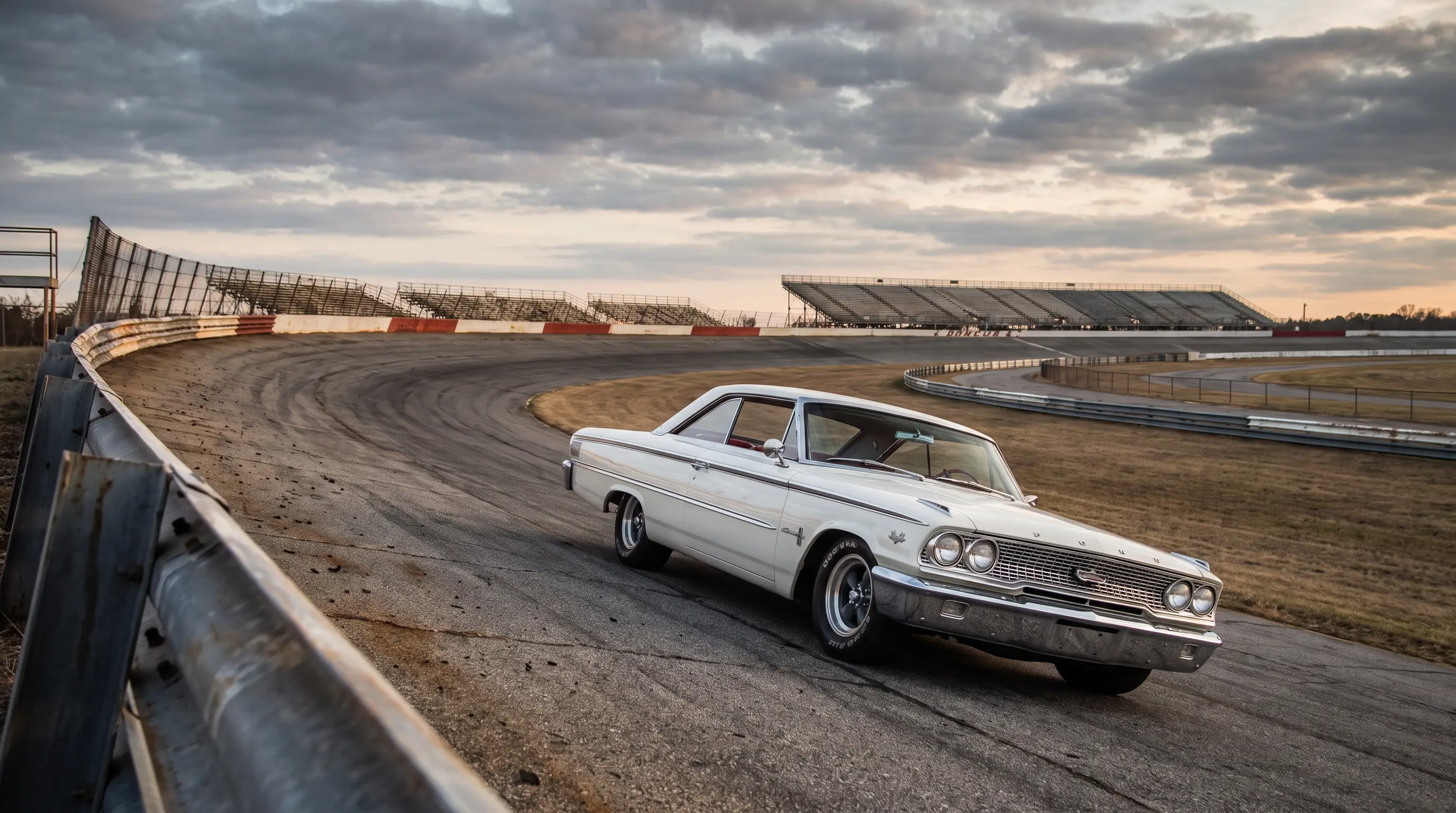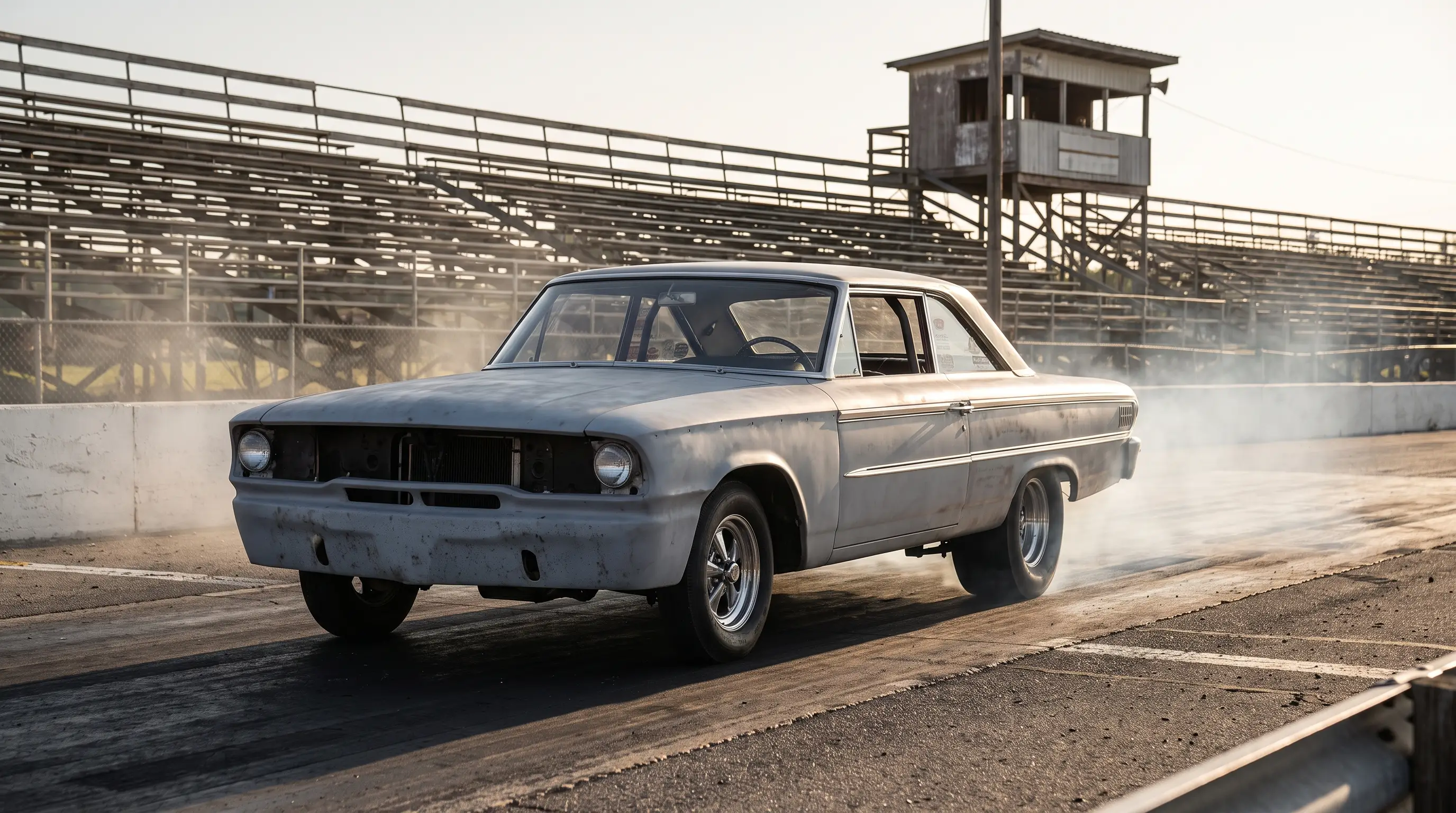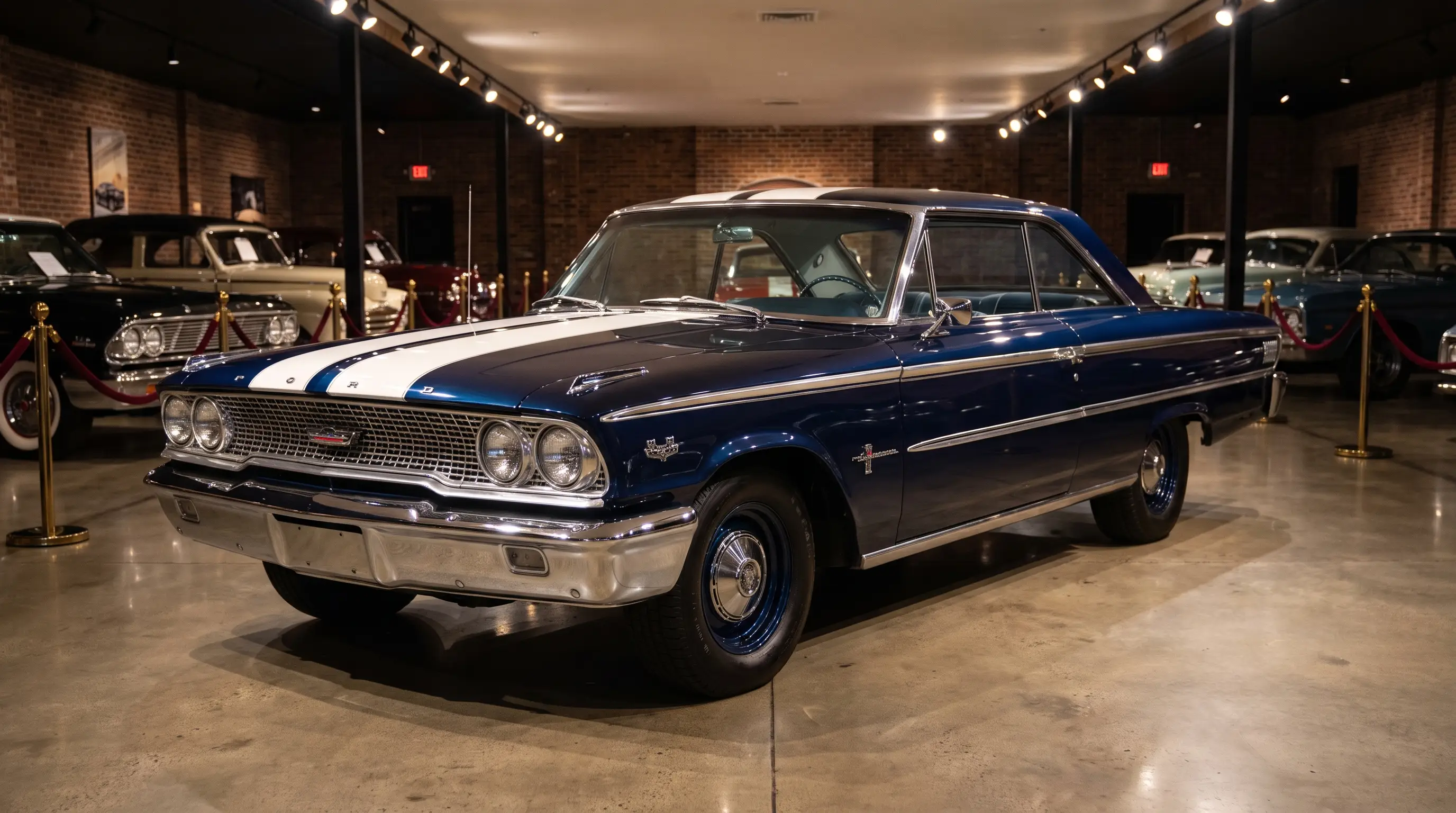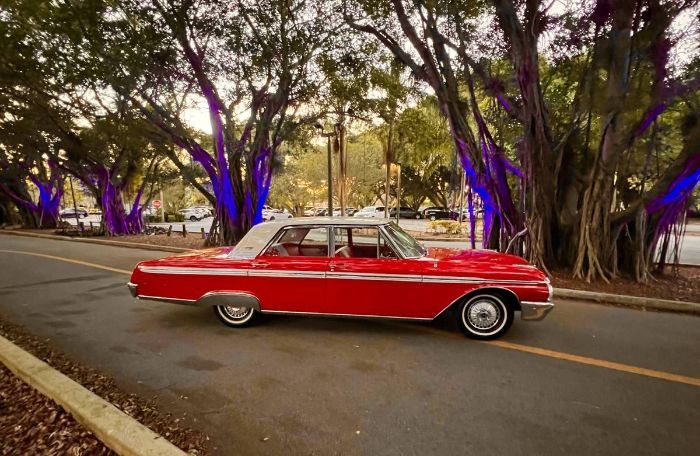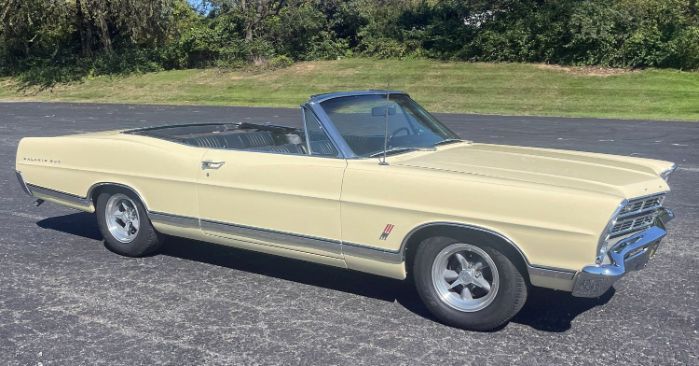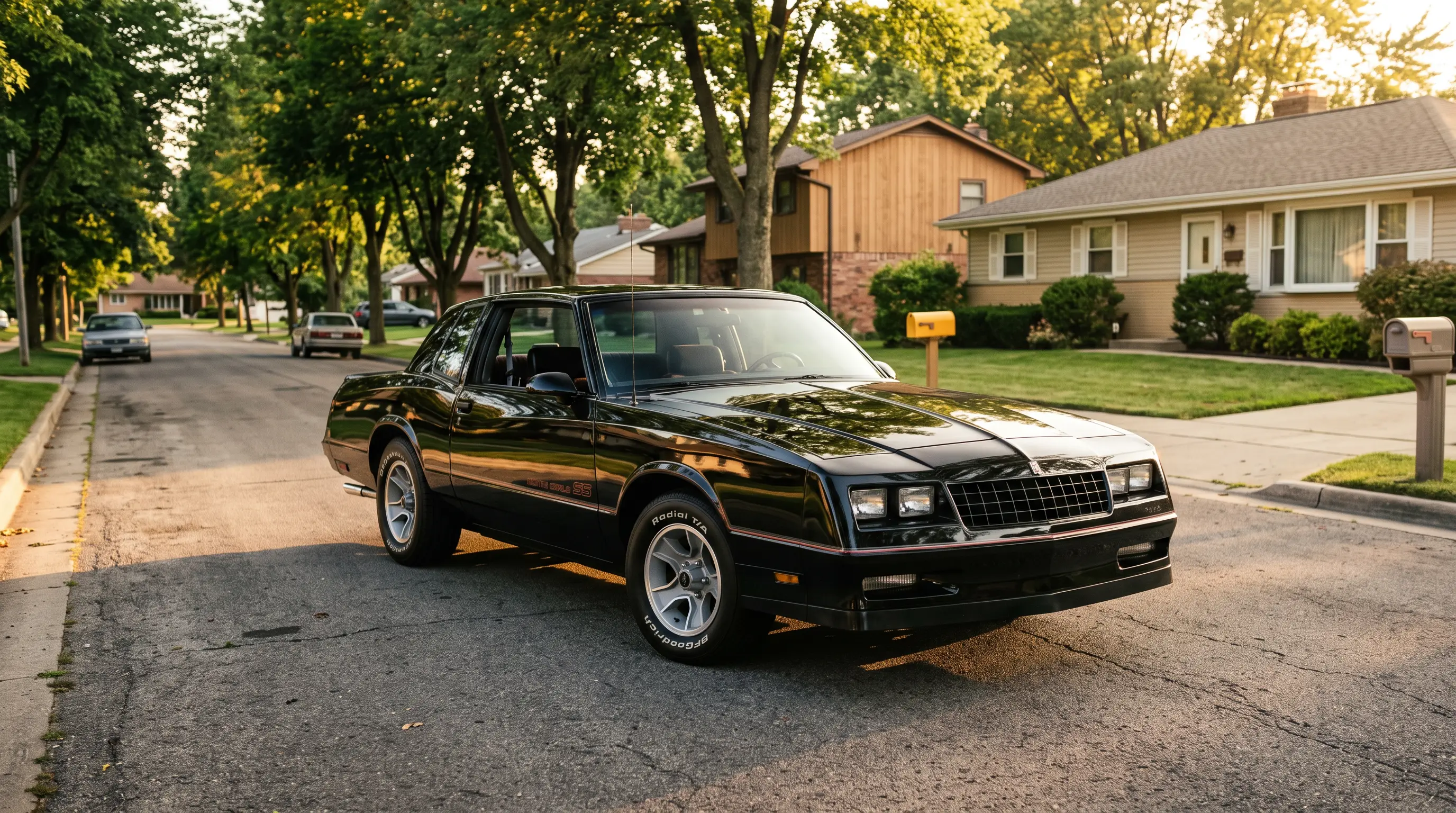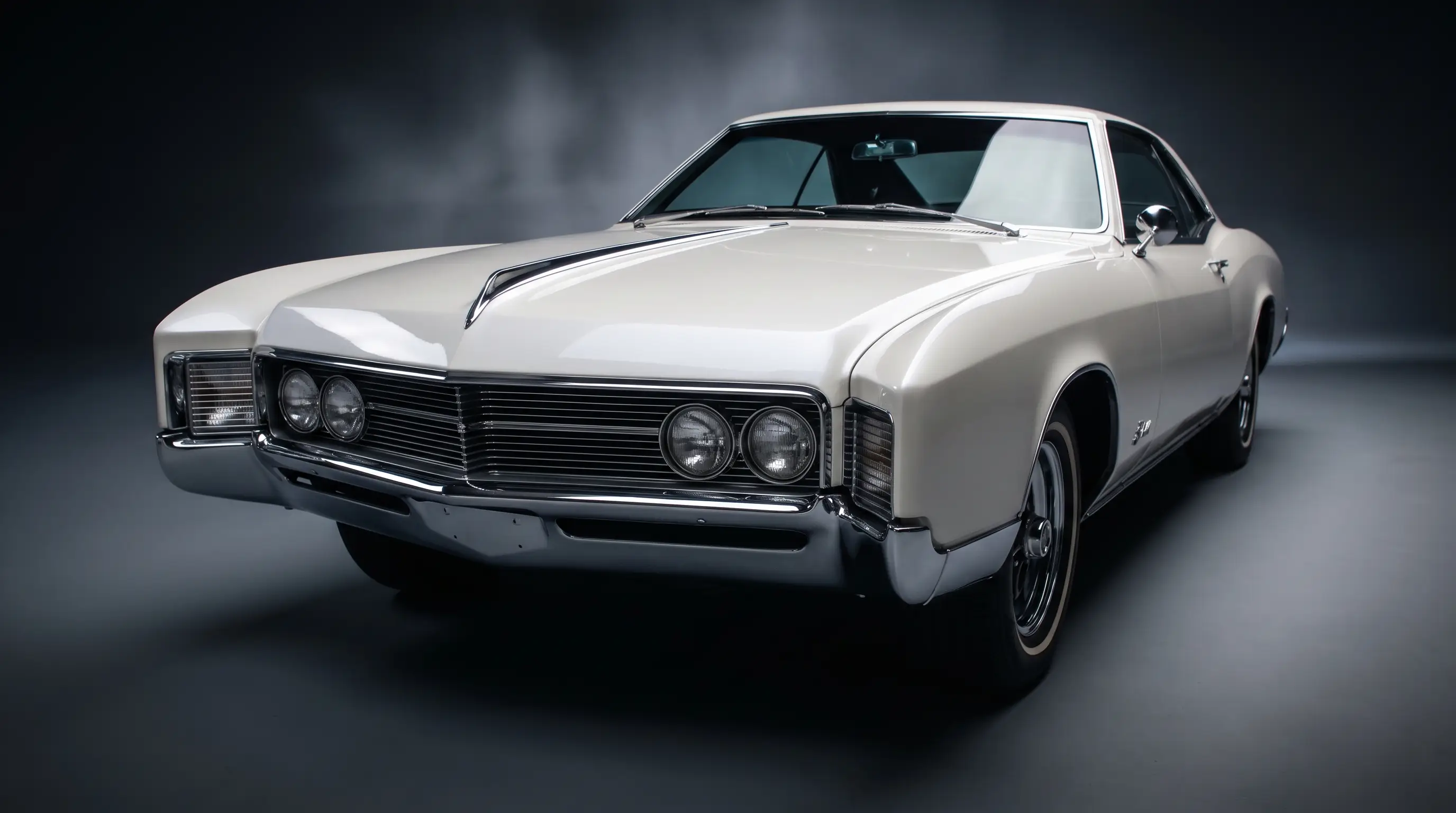
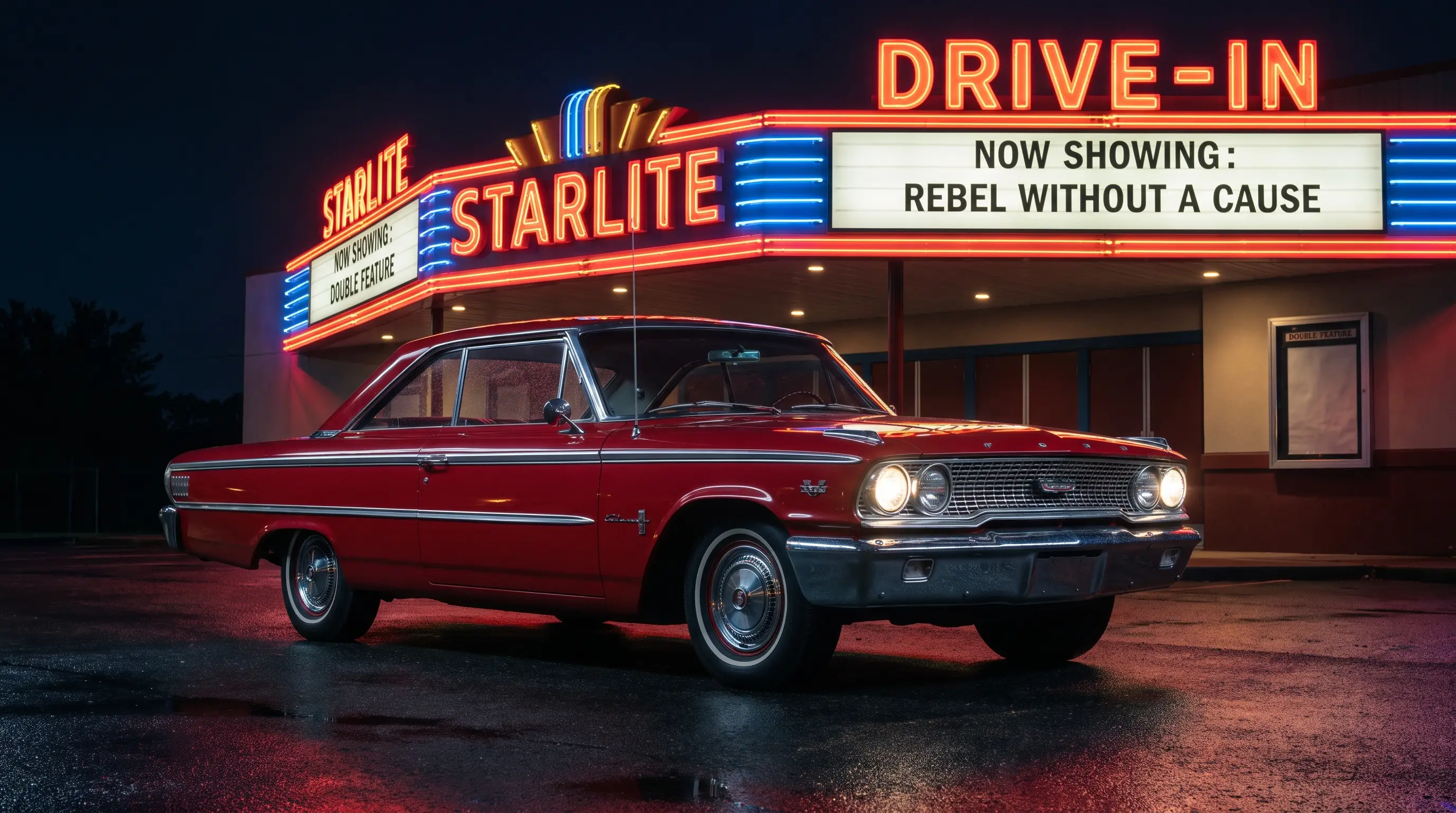
There is a particular sound a 1963 Galaxie's door makes when it shuts, a solid, unhurried thunk that belongs to a specific decade, and the ford galaxie 1963 in pop culture story is really about how that sound, that shape, and that presence kept showing up in the background of American life long after the model year itself had passed. Cars from this era do not just get remembered for horsepower figures. They get remembered because someone's father drove one, or because a camera happened to catch one parked at the curb of a scene that mattered.
On screen and in the background of memory
The full-size Ford of the early 1960s shows up across film and television from the period not usually as a star, but as the honest furniture of everyday American scenes, parked outside diners, idling at curbs, driven by characters who were never meant to be noticed for their cars at all. That is its own kind of cultural footprint, quieter than a hero car's, but arguably more truthful about what the Galaxie actually was to most of the people who bought one new. A 1963 Galaxie shows up in exactly that kind of period-dressing role in Oliver Stone's 1991 film "JFK," a minor background presence rather than a starring one, which is precisely the kind of appearance most 1963 Galaxies actually made on screen.
Law enforcement fleets across the country ran full-size Fords through this era as well, which means the Galaxie's silhouette became, for an entire generation, simply what a police cruiser looked like from a distance on a highway shoulder. That association, ordinary as it sounds, shaped how the car sits in people's memory just as much as any NASCAR trophy did.
Music, radio, and the sound of a decade
Songs of the era rarely name a specific trim level, but the era's car culture music, surf tunes, early muscle car anthems, drag strip odes, all shared a soundtrack with whatever was actually in driveways at the time, and the Galaxie, as one of Ford's best selling full-size cars of the period, was squarely part of that backdrop. Radio ads for the Galaxie themselves are a small artifact of pop culture in their own right, upbeat, brassy, built around phrases like Total Performance that Ford's marketing department worked hard to plant in the public imagination that year.
What strikes people looking back now is how ordinary the car's cultural presence actually was in 1963. It was not yet a nostalgia object. It was simply what America drove, what America raced, and what America saw parked outside its own front door, and that ordinariness is exactly what gives it weight decades later.
From daily driver to remembered icon
The gap between how a car is experienced when new and how it gets remembered decades later is where a lot of the emotional pull of this hobby actually lives. A 1963 Galaxie owner in period was not thinking about legacy. They were thinking about getting to work, taking a family on vacation, maybe hearing that this was the year Ford's racing program had something to prove. It is only with distance that the car becomes a symbol of an entire moment, big engines, a booming economy, a country that still measured progress partly in horsepower and chrome.
That shift from utility to icon happens slowly and then all at once, usually around the point when the people who remember the car as new start telling their grandchildren about it. Club gatherings today are full of exactly that kind of storytelling, someone's grandfather's Galaxie, a family road trip remembered fifty years later in more detail than most of that decade's actual headlines.
| Cultural Presence | Detail |
|---|---|
| Screen appearances | Frequent background presence in early-1960s film and TV settings |
| Law enforcement | Full-size Fords widely used in period police fleets |
| Marketing tagline | "Total Performance," adopted 1962, tied to Ford's 1963 racing push |
| Modern presence | Fixture at classic Ford and NASCAR heritage club events |
"I think about the cars that never got a starring role, the ones just sitting in the background of a scene, more than the famous ones sometimes. That's where you find what a decade actually looked like."
- Nora Beckett
The advertising itself became a kind of artifact
Ford's print and television advertising for the 1963 Galaxie leaned hard into the same racing narrative that was playing out on Sunday afternoons, showing the car in motion, often with copy that name-checked Total Performance directly or referenced NASCAR success without needing to spell out every detail for a public that was already following along. Those ads are collected and studied today by a small but dedicated group of automotive advertising historians, not because the copywriting was especially brilliant by modern standards, but because it captured a specific moment when a car company's racing program and its Monday morning sales pitch were speaking with genuinely the same voice.
Dealership showroom displays from the period sometimes incorporated racing themes directly, banners referencing recent wins, photographs of factory drivers, a level of overt racing tie-in marketing that feels almost quaint compared to how heavily branded modern motorsport sponsorship has become. It worked, in its era, precisely because it felt authentic rather than manufactured, a genuine reflection of what Ford's engineers and drivers were actually accomplishing that season rather than a marketing department's invention layered on top of an unrelated product.
Why the ordinary story still resonates
What keeps the 1963 Galaxie alive in cultural memory is not a single famous appearance, it is the accumulation of small, honest ones, a car that was simply present everywhere a story about that year happened to be told. That kind of quiet ubiquity is harder to romanticize than a hero car chase scene, but it may be the more honest form of legacy, a car remembered for having simply been there, in driveways and parking lots and the edges of photographs, while the country changed around it. There is something almost democratic about that kind of remembrance. It does not require a single dramatic moment on film or in song, only a persistent, unglamorous presence across enough ordinary scenes that the shape of the car quietly worked its way into how an entire generation pictures its own childhood, or its parents' younger years, without most of them ever being able to say exactly where they first noticed it. That is a different kind of legacy than a famous chase scene earns, quieter and harder to point to directly, but arguably more durable, because it is stitched into ordinary memory rather than tied to a single reference point that fades once the original audience moves on. For the deeper history behind that year, our 1963 ford galaxie retrospective covers the full context this cultural footprint grew out of.
If a piece of that era belongs in your own driveway, there are Galaxies for sale now worth a look, cars that carry a little of that ordinary, everywhere presence with them still.