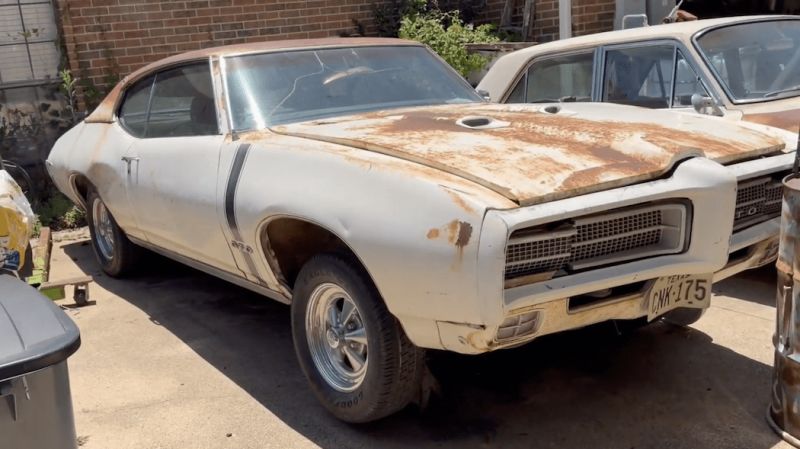
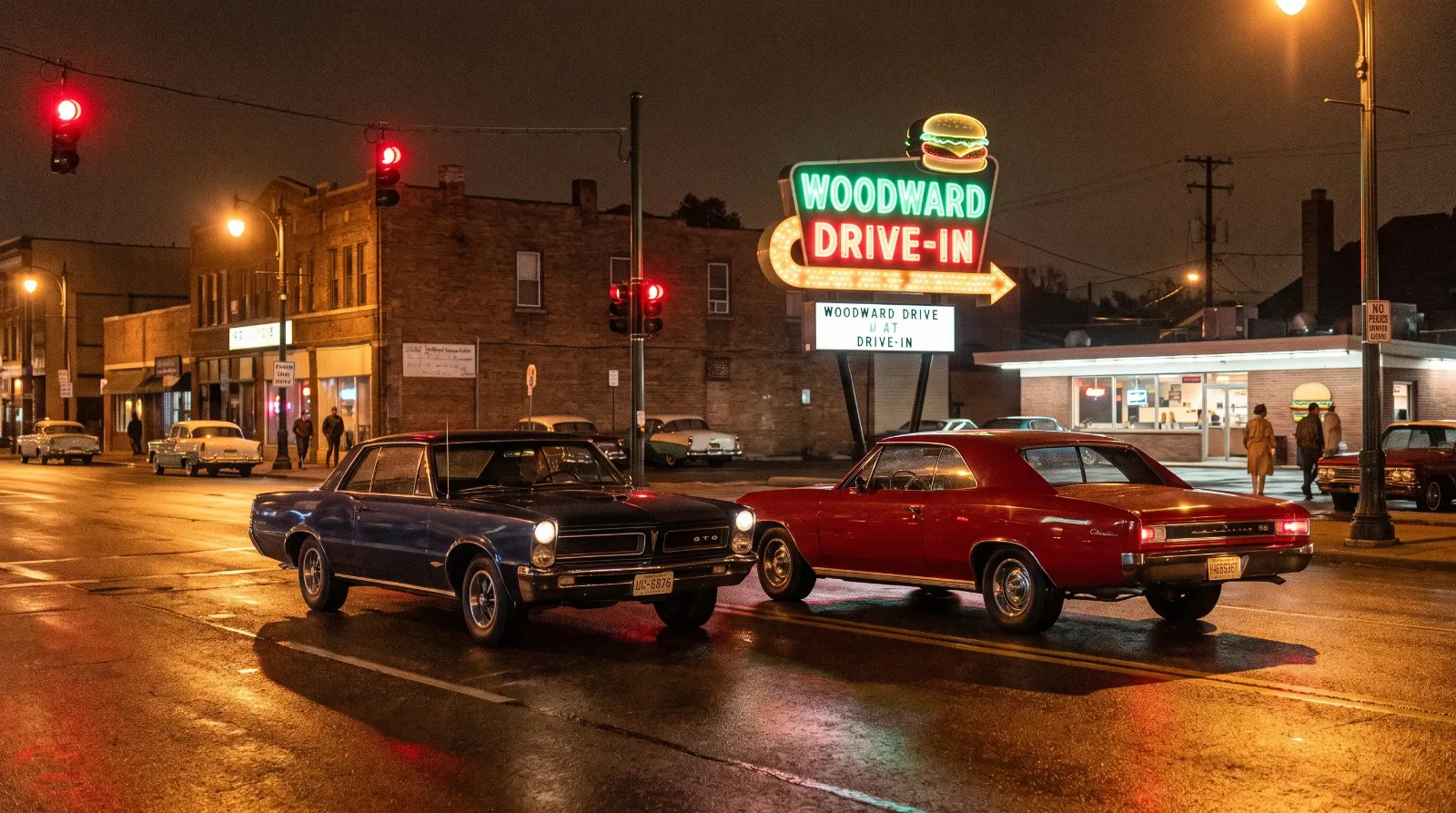
The lights change at Woodward and Ten Mile, and for a second nothing happens at all. Then two sets of headers open up at once, and the sound rolls down the strip mall storefronts like weather moving in. Somewhere behind a plate glass window a waitress at a drive-in restaurant doesn't look up. She's heard it a thousand times already this summer. This was Woodward Avenue on a Friday night in the mid-1960s, and a new Pontiac option package was about to become part of its permanent soundtrack.
A road built for exactly the wrong reason
Woodward Avenue runs northwest out of downtown Detroit, wide and straight through a string of suburbs that had grown up fast alongside the auto industry itself. It wasn't built for racing. It was built as an ordinary commercial corridor, the kind lined with drive-ins, gas stations, and parking lots that gave restless teenagers somewhere to park and be seen. But a wide, well-lit, mostly flat road running for miles through the heart of the industry that made the cars is exactly the kind of road that gets used for something its planners never intended.
Where the GTO went to settle its arguments
By the time the GTO reached dealer lots in the fall of 1963, Woodward already had a culture built around it, cruising in loops between drive-ins, informal races staged at stoplights, results argued about for weeks afterward in high school parking lots and drive-in booths. The GTO didn't create that culture. It arrived into a scene that had been building for years around whatever the Big Three's engineering departments happened to be building fastest that season. What the GTO did was give that scene a new favorite, a car cheap enough for a young buyer to actually own and strong enough to matter when the lights changed.
A win on Woodward carried a different kind of weight than a win at a sanctioned drag strip. There was no timing light, no official record, nothing but two drivers and whoever happened to be standing at the curb to watch. That informality is exactly what made it matter so much to the people involved. A dealership's marketing claims could be disputed. A stoplight win in front of a crowd that had seen it happen couldn't.
The unwritten rules everybody understood anyway
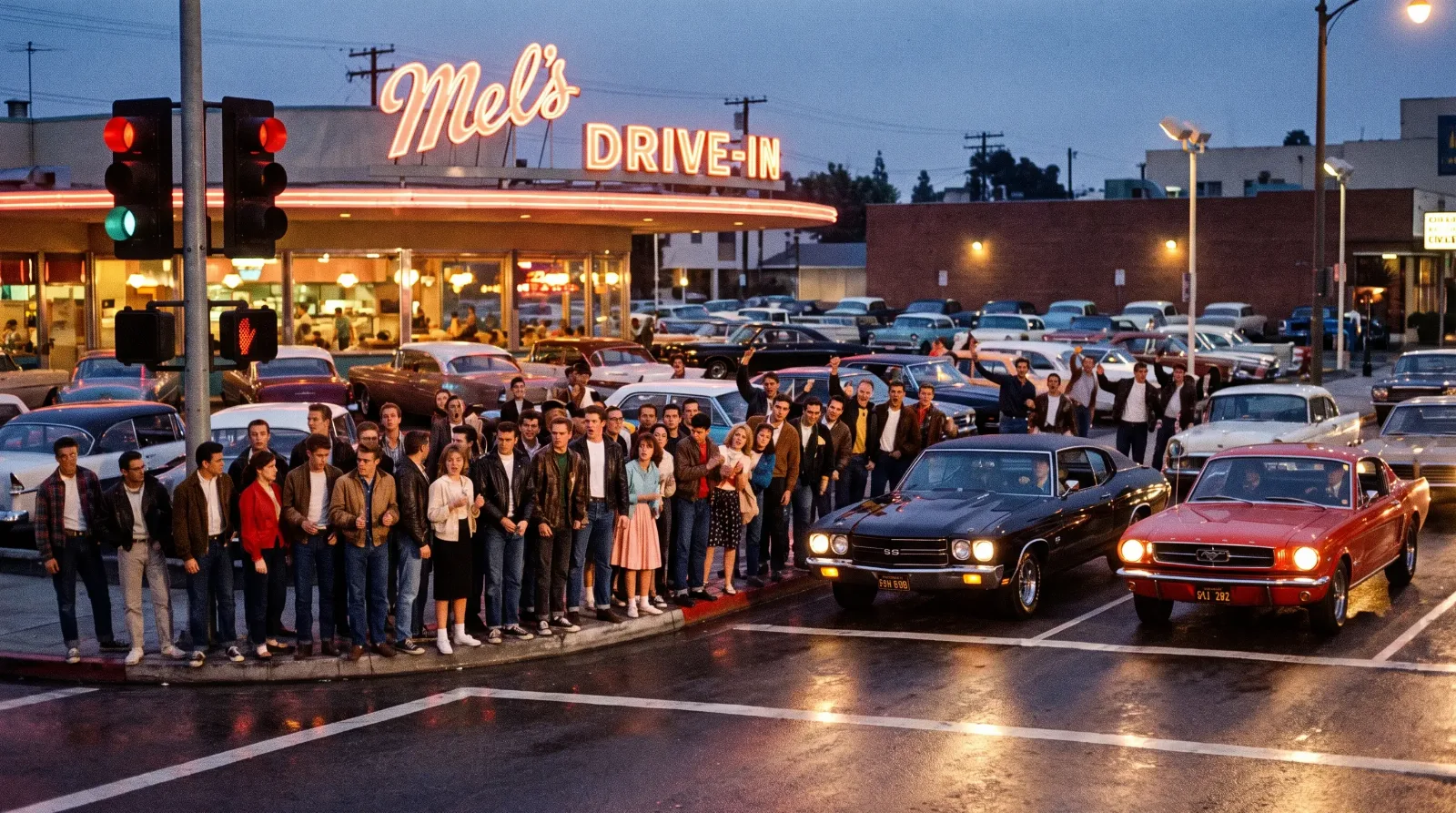
Nobody printed a rulebook for what happened at a Woodward stoplight, and that was the point. Two cars pulled up even. A nod passed between drivers, sometimes through an open window, sometimes just a look in a mirror. The light changed, and whatever happened next was final, no protest, no rematch clause unless both sides agreed to one later. A driver who tried to jump the light too early got called on it by the crowd at the curb before either car had even crossed the intersection. It was a code enforced by an audience, not a sanctioning body, and it worked precisely because everyone involved wanted it to keep working. Break the unwritten rules too many times and a driver stopped getting nods altogether, which on a street where reputation was the entire currency, was its own kind of punishment.
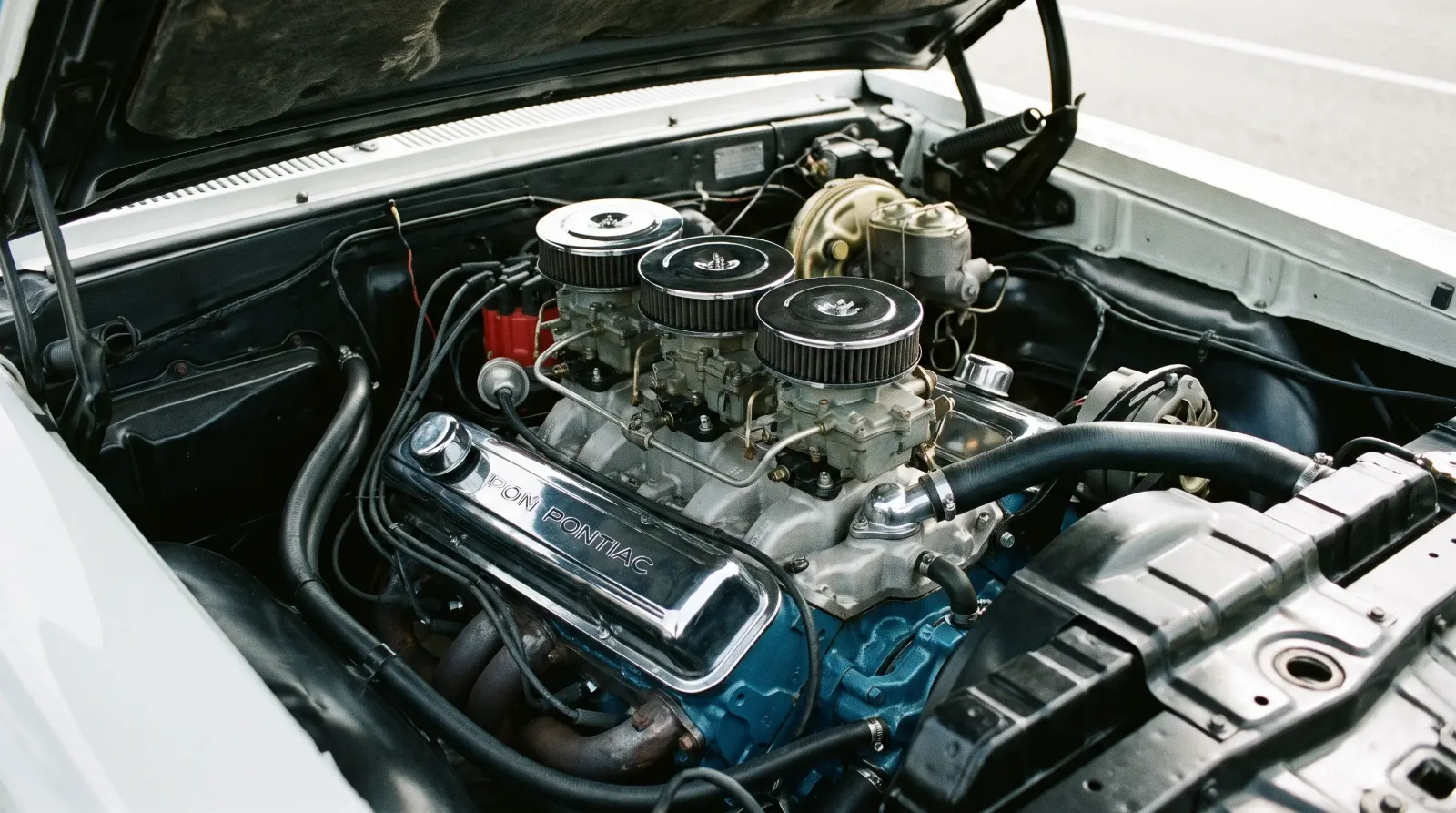
The cars themselves gave away more than their owners intended. A GTO riding a little low in the back, a set of tires with more rubber showing than the fender well needed, an exhaust note that didn't quite match the factory literature, these were the tells regulars learned to read at a glance. Half the fun of standing at a drive-in on a Friday night was guessing which cars were exactly what they looked like and which ones were hiding something under the hood that the factory brochure never mentioned.
What the drive-ins actually looked like
Places like the Totem Pole and the Ted's drive-ins became fixed points on a moving map of a scene that had no official address. Cars circled through, parked, circled again. Word about who was running what, whose engine had just come back from a machine shop, whose father didn't know what was under the hood, moved faster through those parking lots than any newspaper could have carried it. A GTO parked under a drive-in's lights wasn't just transportation. It was a claim being made in public, one that would eventually have to be tested.
The claim mattered because Detroit itself was watching, in a sense. Engineers from the same companies building these cars lived in these same suburbs. Some of them raced there too, on their own time, in cars they'd built on the clock a few miles south.
"You can stand on that stretch of Woodward today, decades later, and something in the air still remembers what it was. It's not nostalgia exactly. It's more like the street itself learned a rhythm back then and never quite forgot it, even after the cars that taught it to that rhythm were gone."
— Nora Beckett
What happened when the police showed up
Woodward wasn't lawless, whatever the legend has grown into over the decades. Local police in the suburbs along the corridor knew exactly what was happening at those stoplights, and they responded the way any department policing a busy commercial road full of teenagers would, with citations, with the occasional impound, with officers who came to recognize the same cars and the same drivers week after week. That enforcement didn't stop the racing so much as push it into a rhythm of its own, drivers who knew which nights brought more patrol cars, which stretches saw closer attention, which hours were quieter. The relationship between the street racers and the police became its own kind of unspoken negotiation, neither side able to fully stop what the other was doing, both aware the arrangement could shift at any moment.
That tension is part of why Woodward's reputation carries a rougher edge than a simple nostalgia piece about cruising culture usually captures. It wasn't sanctioned. It wasn't safe. Drivers who did it knew they were taking a risk beyond just losing a race, and that risk is part of what gave a win its weight in the first place.
A culture the GTO helped define and then outlived
The scene on Woodward didn't belong to any one car or any one manufacturer, and it outlasted the GTO's own run through the muscle car era by decades, eventually formalized into the Woodward Dream Cruise that still draws crowds every August. But the mid-1960s stretch when the first GTO was still new belongs to a specific, unrepeatable moment: a road that was never meant for racing, full of cars that were never quite legal to race on it, and a whole generation that decided the argument was worth having anyway.
The GTO's reputation wasn't only built on the street. It was built just as much on the page, in a magazine test that turned a factory option package into a cultural flashpoint. Read on for how Car and Driver's 1964 coverage of the GTO reached readers who'd never seen Woodward Avenue at all.