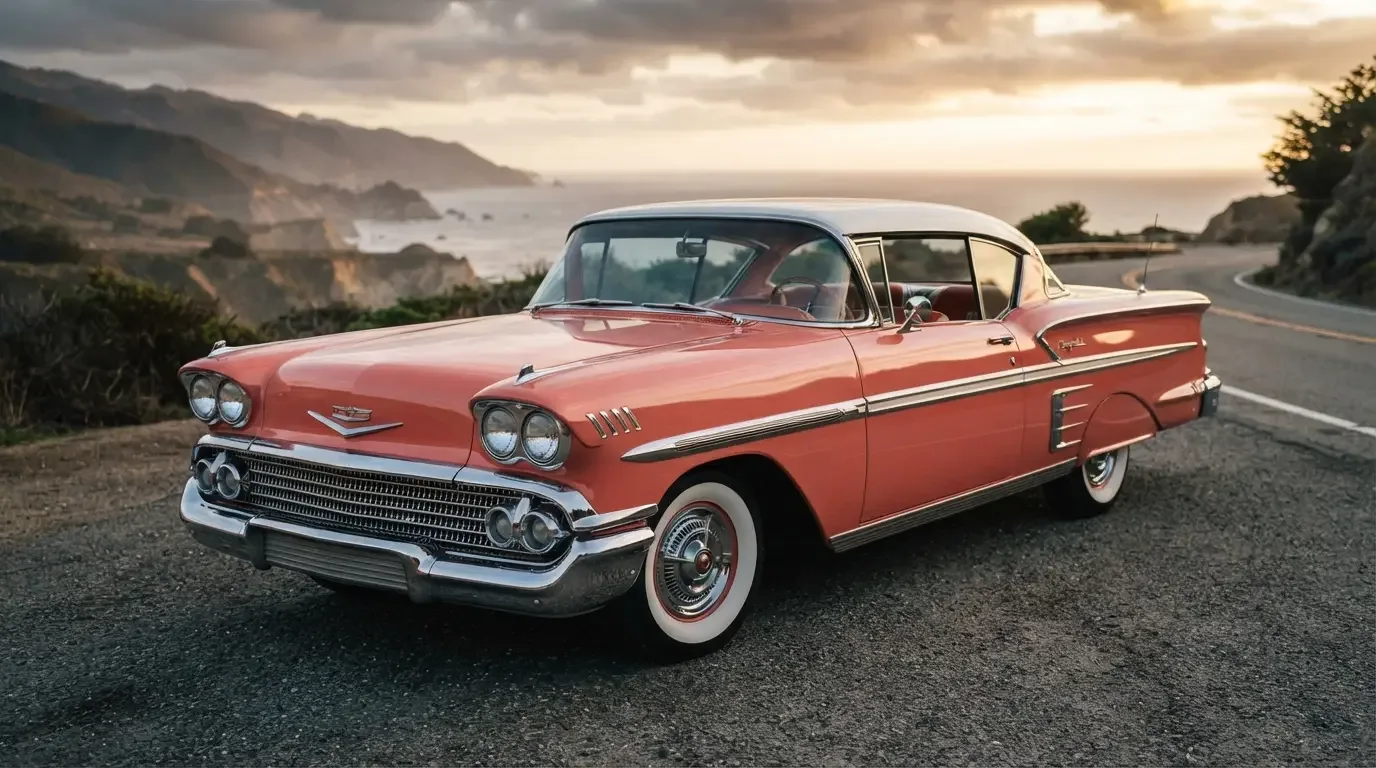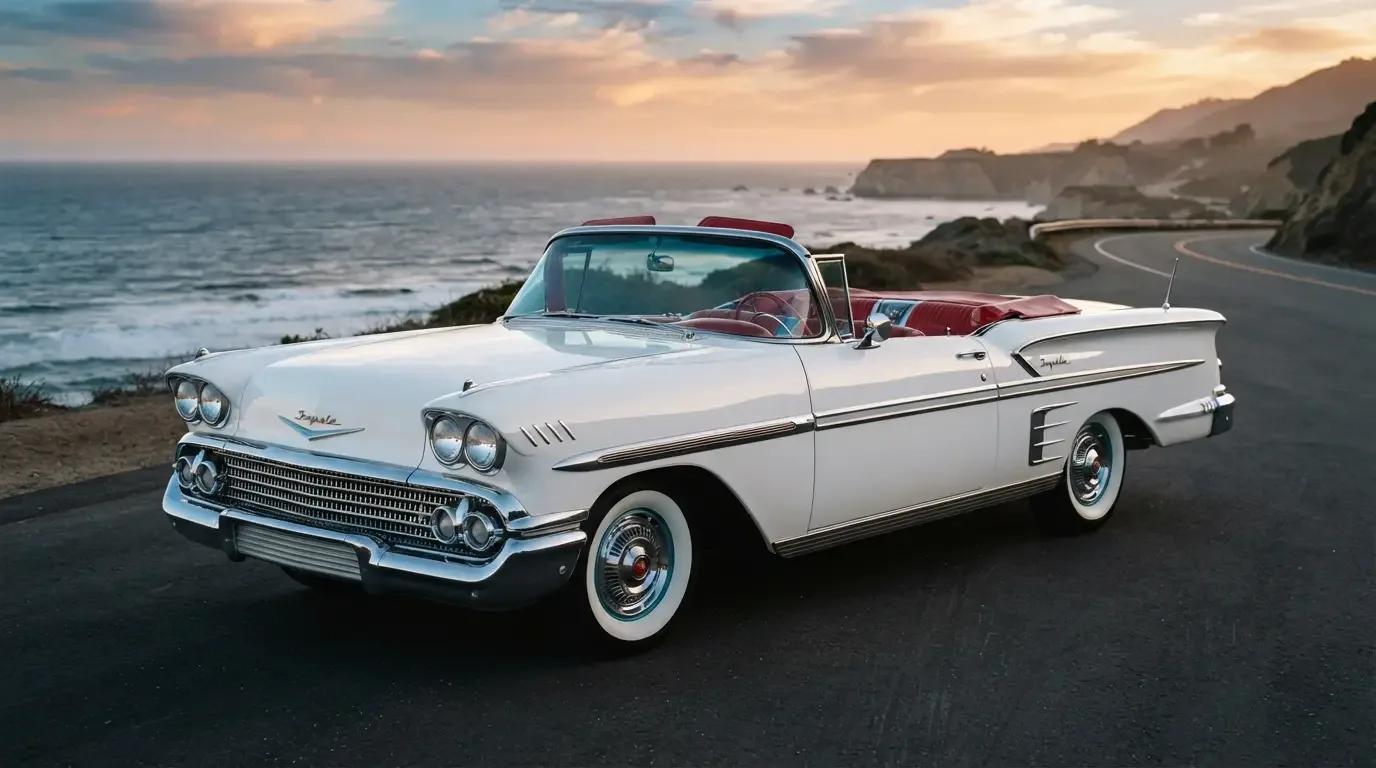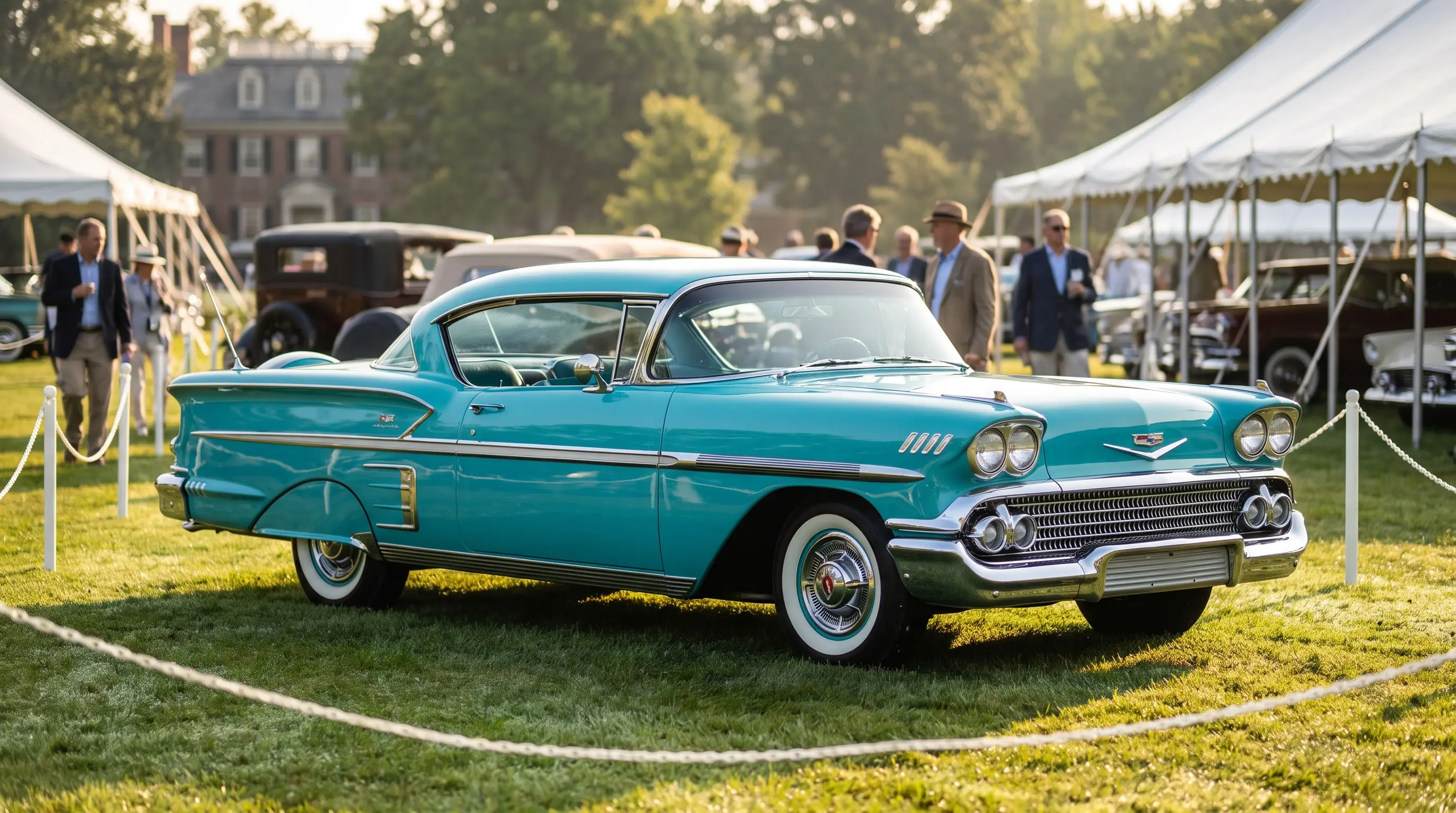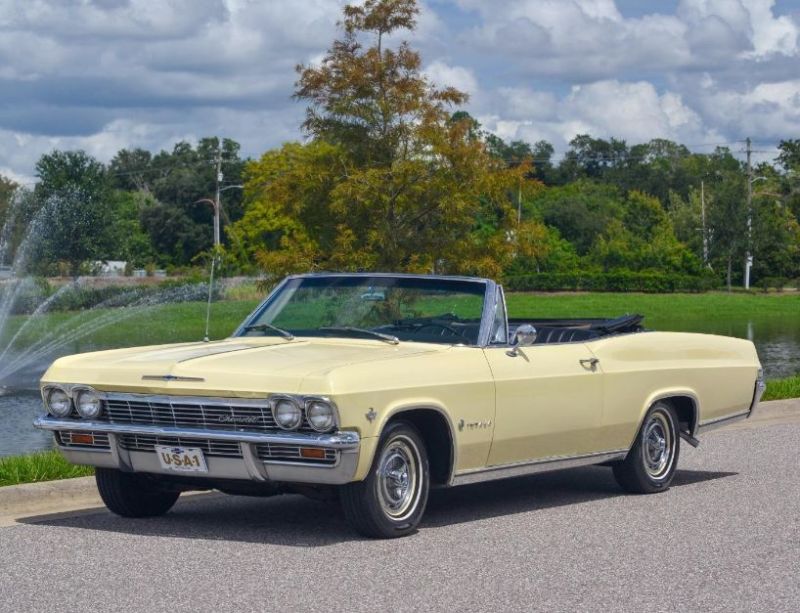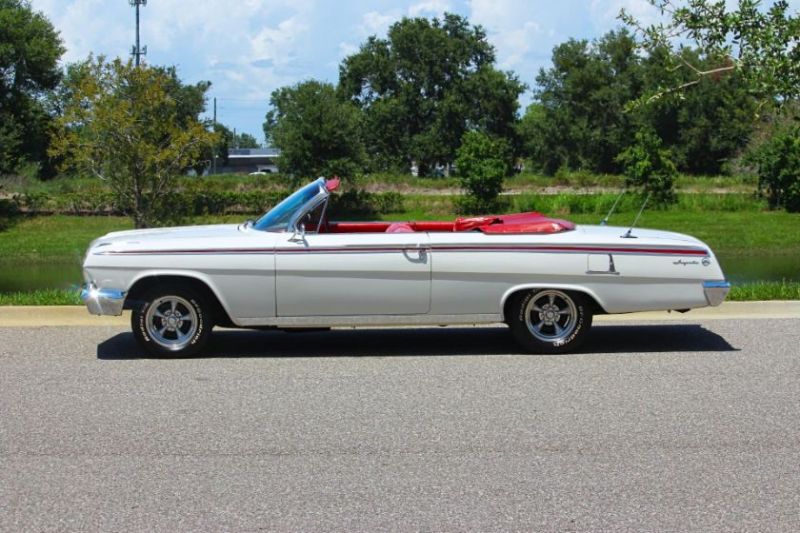
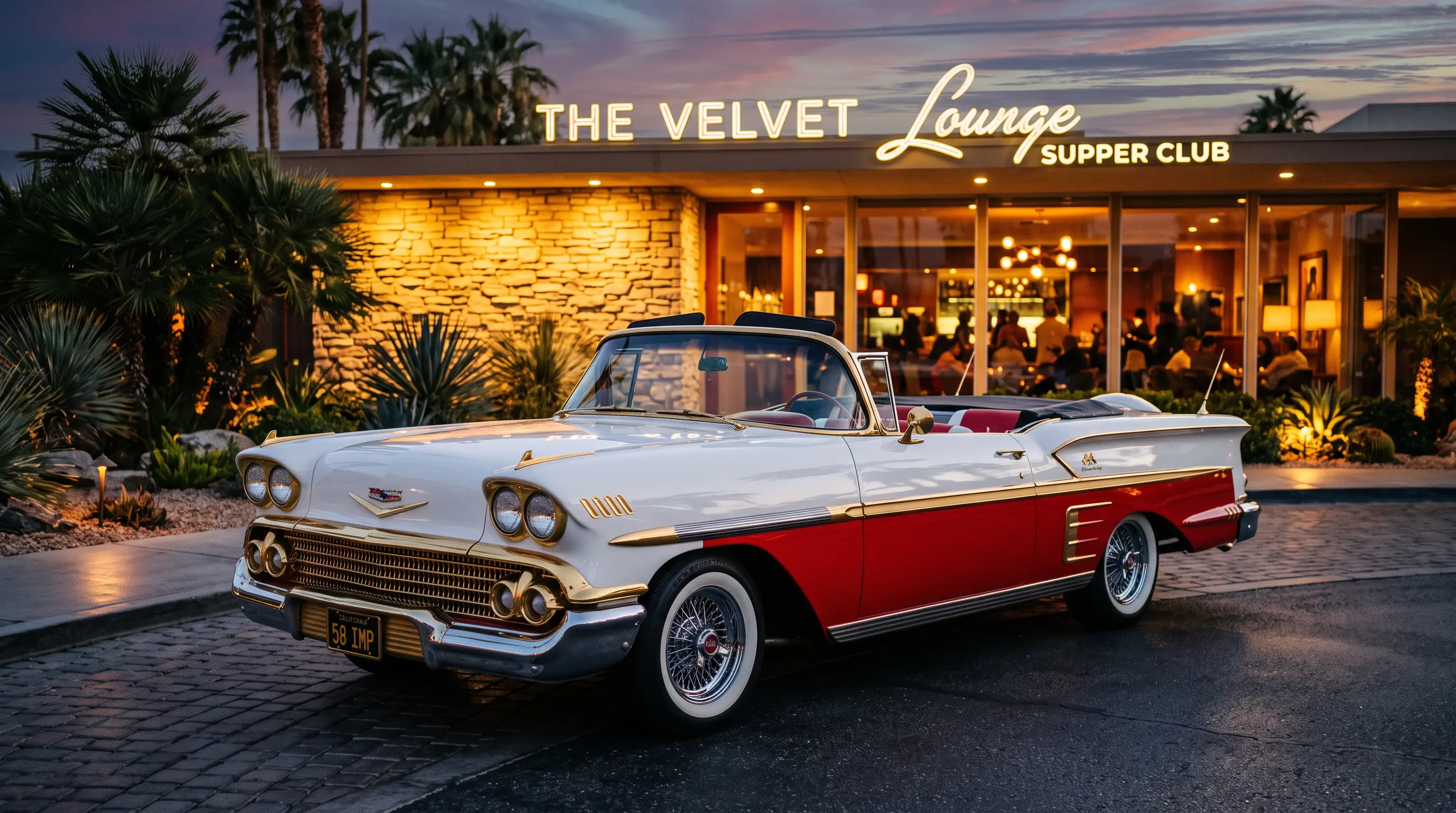
I once sat in a garage with an old club member named Harold while he told me about buying his first 1958 Impala secondhand in the mid-1960s, already used but still gleaming, and how his neighbors treated it like he had brought home a small yacht. That reaction, he swore, was not exaggeration. The 1958 impala luxury pitch worked exactly as Chevrolet intended, convincing an entire generation that a full-size Chevrolet could sit right up against a Buick or an Oldsmobile without apology.
A car built to answer a specific question
Chevrolet introduced the Impala for 1958 as a top trim level on the full-size Bel Air platform, and the goal was not subtle. The company wanted an answer to the growing personal luxury segment that Ford and General Motors' own upmarket divisions were courting hard. Rather than build an entirely new nameplate from scratch, Chevrolet dressed its biggest, most comfortable body in extra brightwork, distinctive rear styling, and a plusher interior, then let the name Impala do the work of signaling that this was not just another Bel Air off the same line.
What actually separated it from a standard Bel Air
Harold's own car had the details that made the difference obvious once you knew to look. Triple taillights on each side instead of the standard pair. A distinct roofline on the hardtop coupe. Extra chrome trim running the length of the body, and an interior that leaned harder into two-tone color combinations than the standard full-size Chevrolet offered. None of it was radical engineering. It was styling and trim doing the job of luxury, and it worked because Chevrolet applied those details with real discipline rather than piling on chrome indiscriminately.
| Feature | Standard Bel Air | 1958 Impala |
|---|---|---|
| Taillights per side | Single unit | Triple unit design |
| Roofline | Standard hardtop | Distinct wider rear roof treatment |
| Trim level | Base to mid | Top trim on the full-size platform |
| Body styles offered | Multiple | Sport Coupe and convertible only in 1958 |
Why the luxury pitch actually landed with buyers
Harold's neighbors were not wrong to notice the car. Chevrolet's timing here mattered as much as the styling. Postwar prosperity had put real money in the pockets of buyers who, a decade earlier, would have considered a Chevrolet strictly a practical, working choice. By 1958 those same buyers wanted a car that photographed well in the driveway and said something about their standing without forcing them to pay Cadillac or Buick money to get there. The Impala gave them exactly that, a full-size body with genuine road presence, dressed just enough to feel special without the price tag of stepping up a division.
The earlier origin of that whole idea, and how Chevrolet arrived at putting a luxury trim on top of the Bel Air rather than building something new, is covered in where this started, which lays out the planning decisions behind the launch.
"Harold did not buy a Bel Air with extra chrome. He bought a car that made his whole street look twice, and that is exactly what Chevrolet was selling in 1958."
- Wayne Coburn
The naming decision that made all the difference
None of this works without the name itself doing real marketing labor. Impala carried an exotic, fast, graceful image before a single customer ever sat in one, and Chevrolet leaned on that association hard in period advertising. A car called the Bel Air Deluxe would have communicated something entirely different, more of an upgrade than a statement. Impala suggested something distinct, almost a species apart from the ordinary Chevrolet lineup, and that naming instinct proved sound enough that Chevrolet spun it off into its own full model range within a year.
The full story behind how Chevrolet landed on that particular name, and what almost got used instead, is worth reading in another one worth knowing if you want the background on that decision.
What Harold's car tells us now
Every time I hear a club member talk about a 1958 Impala, the story circles back to the same basic point Harold made decades ago sitting in that garage. The car did not need to out-engineer anything from Buick or Oldsmobile. It just needed to look and feel like it belonged next to them, at a price and from a badge that most families already trusted. Chevrolet threaded that needle carefully in 1958, and the fact that people still talk about that specific model year, rather than lumping it in with every other full-size Chevrolet of the period, tells you the pitch worked exactly as designed.
Anyone chasing that same feeling Harold described can go look at what is actually available today. You can browse classic Impala listings and see how many of those original luxury touches, the triple taillights, the trim, the two-tone paint, survived intact on cars still on the market six decades later.
What a club member looks for before believing a "1958 Impala" claim
I have seen plenty of cars at swap meets wearing 1958 Impala badging that were not actually built as one. Because the Impala started life as a trim package rather than a standalone series, verifying an original example takes more than glancing at the emblem on the trunk lid. Harold taught me to check the cowl tag first, since the trim code there confirms whether a car left the factory as a genuine Impala or as a Bel Air someone dressed up later with reproduction trim. The triple taillight housings themselves get reproduced too, so their presence alone does not settle the question the way a documented cowl tag does.
That kind of caution is not paranoia, it is just experience talking. A car that started life as a plain Bel Air and got dressed up decades later to look like the flashier trim level is still a nice car, but it is not the same car Harold's neighbors were staring at from their porches in the 1960s, and pricing should reflect that difference honestly.
Why this one model year still gets talked about
Plenty of full-size Chevrolets from the late 1950s have faded into general nostalgia, remembered as a decade rather than a specific year. The 1958 Impala avoided that fate because it did something genuinely new for the brand rather than just iterating on the previous year's design. Club gatherings still treat that first Impala differently from the Bel Air it was built on, and the conversation around it always circles back to the same idea Harold kept repeating in that garage: it was the year Chevrolet decided a full-size car from their own lineup could hold its head up next to anything from the luxury divisions, and buyers believed them.