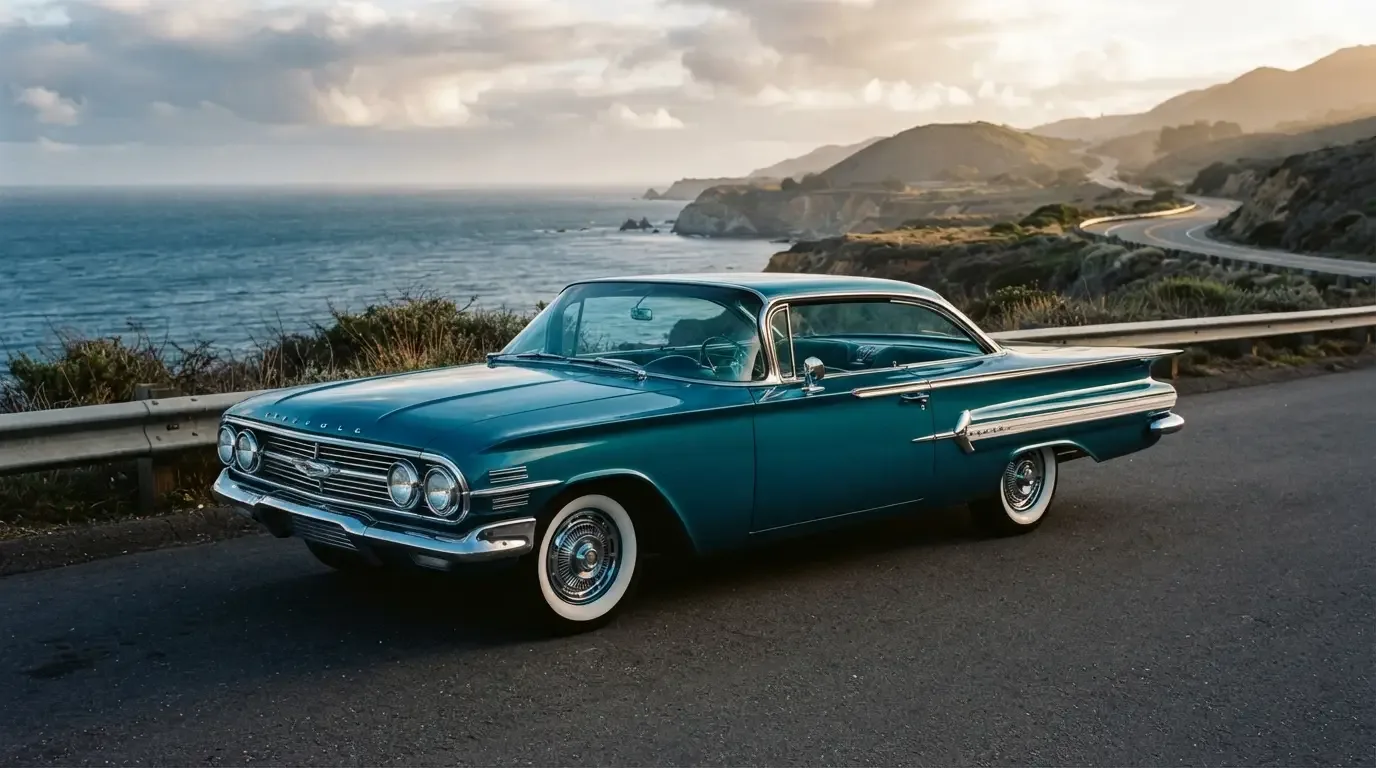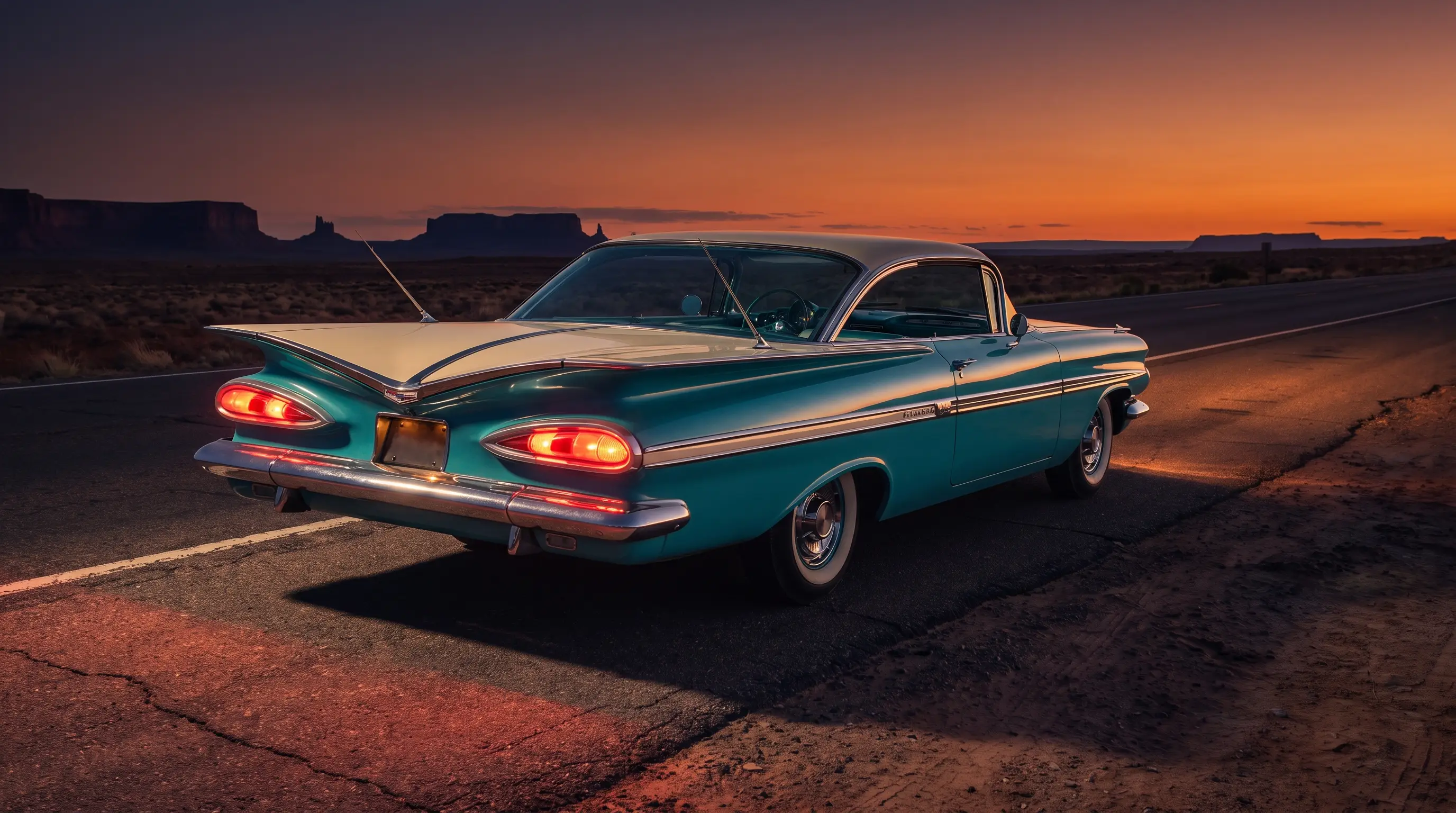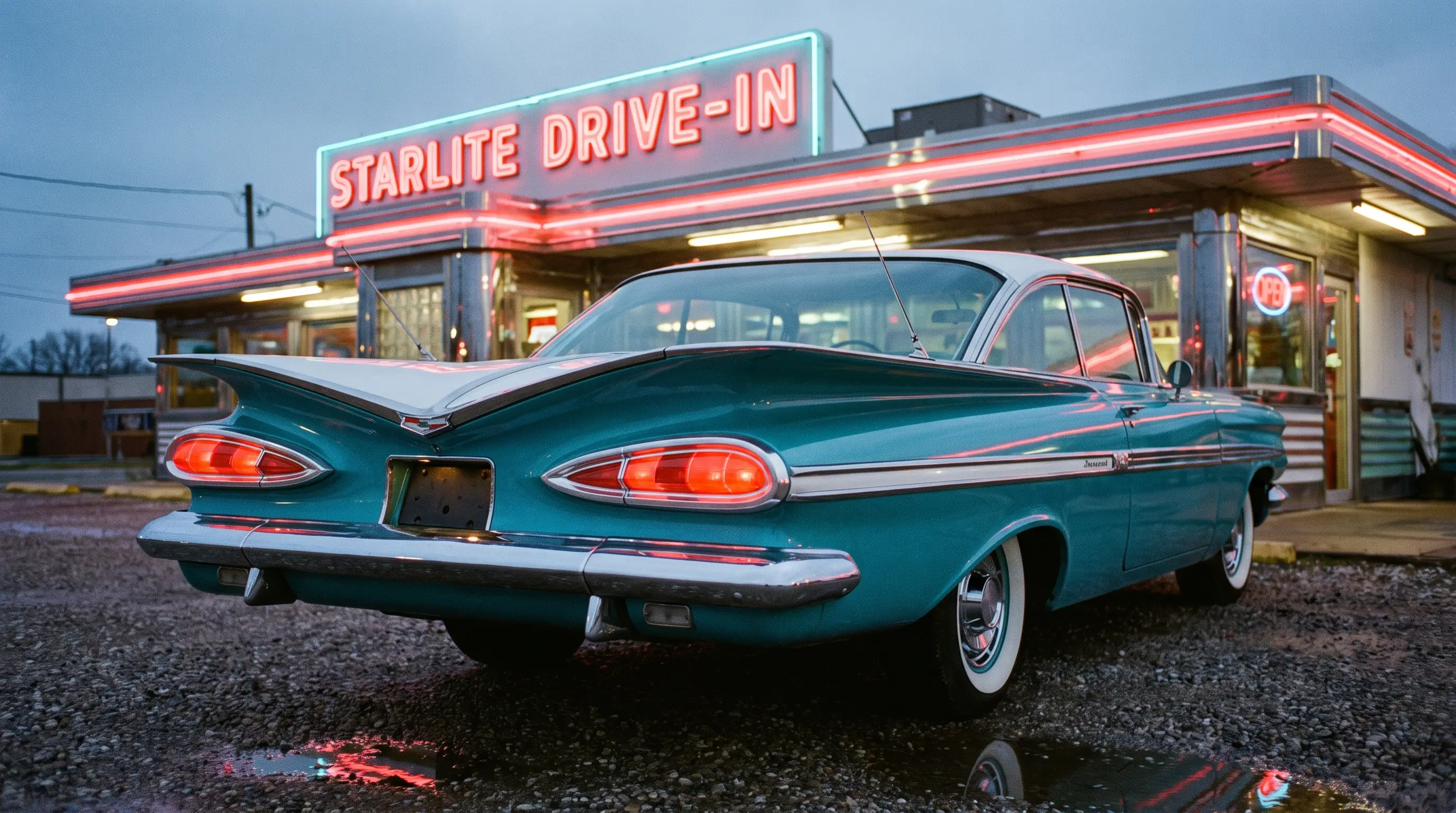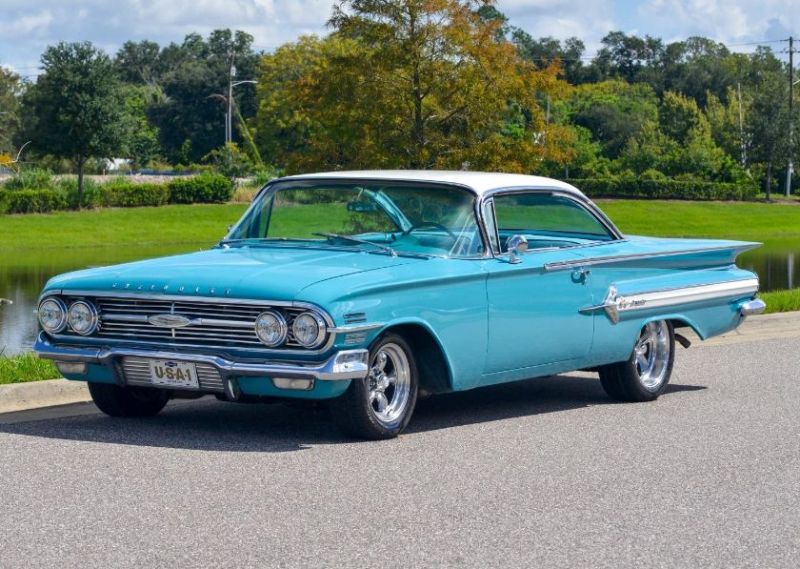
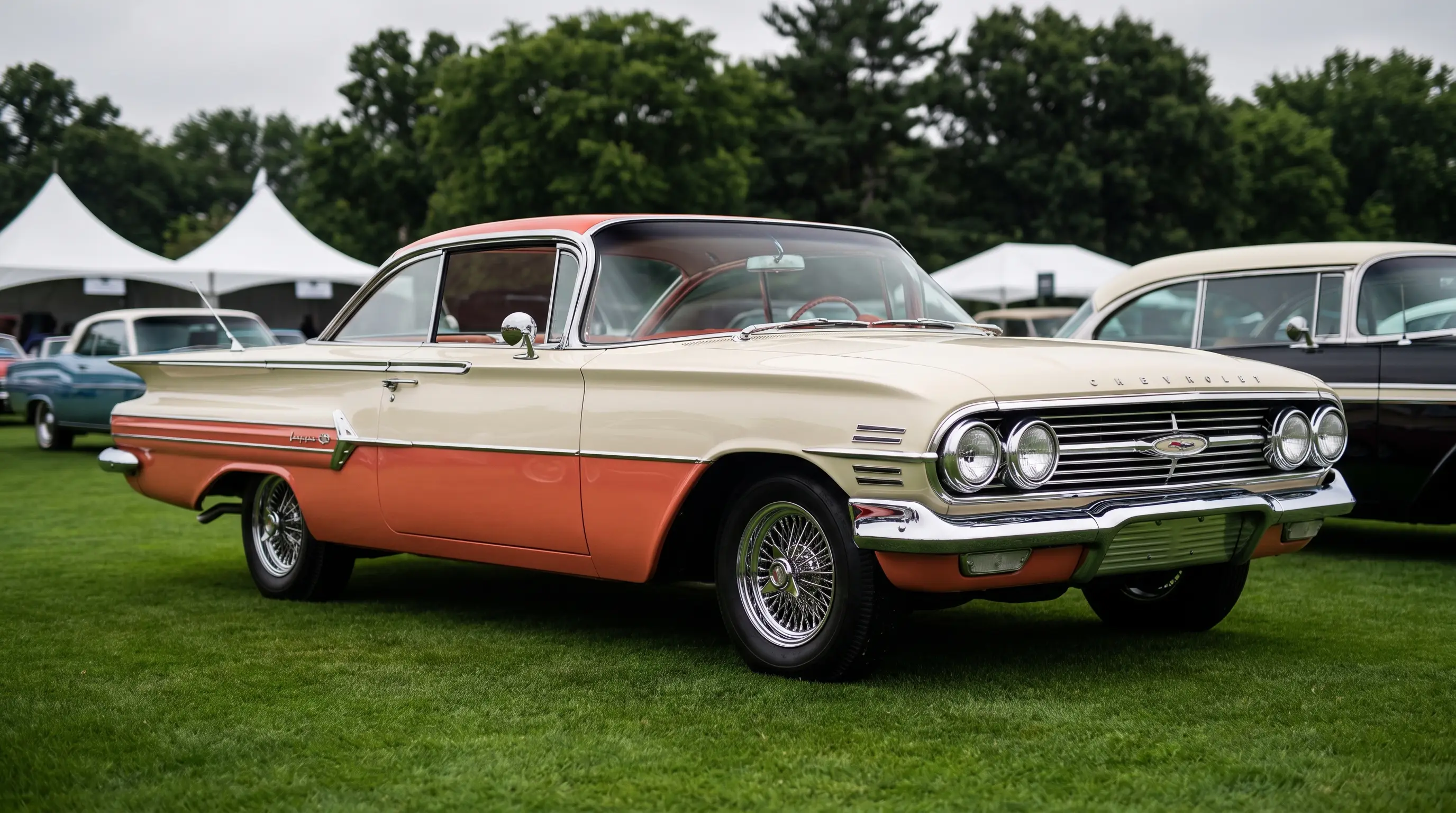
Ask a casual observer to name a collectible Chevrolet from this era and most will say 1959, because that is the model year with the famous batwing rear and the reputation. Ask someone who has actually bought and sold these cars, and a different answer starts to surface. The 1960 impala collectible case is quietly stronger than most buyers assume, and the reasons come down to scarcity of attention rather than scarcity of cars.
The overlooked second act
The 1960 Impala shares its basic engineering with the 1959 model, riding on the same wheelbase and using largely the same drivetrain options, but wearing a calmer, more resolved version of the previous year's dramatic rear styling. Because 1959 gets the historical spotlight as the debut year, 1960 has spent decades in its shadow, treated by casual buyers as the less interesting follow-up rather than as its own distinct collectible.
That shadow is exactly what creates opportunity. Fewer buyers are actively hunting 1960 Impalas specifically, which means less competitive bidding at auction and more patient, rational pricing in private sale listings. A collector who understands the platform and does not need the bragging rights of owning the "first year" car can often buy comparable quality and comparable driving experience for less money by choosing 1960 over 1959.
What actually drives value in this specific model year
Body style remains the single biggest lever, exactly as it is across nearly every full-size American car from this period. The convertible sits at the top of the market, the two-door Sport Coupe hardtop follows, and the four-door variants trade at a meaningful discount to both. Within any given body style, engine choice matters next. Cars ordered with the optional 348 cubic inch big block, especially in higher output tune, command a premium over standard small block cars, because performance-oriented buyers specifically seek out the bigger engine's rarity and reputation.
Documentation is the third lever, and it is the one buyers most often underweight when evaluating a 1960 Impala. A build sheet, a Protect-O-Plate, or clear title history confirming matching numbers moves a car meaningfully above an undocumented example in similar cosmetic condition, because it removes the guesswork a buyer would otherwise have to price into the deal.
Reading the risk side of the equation
Every collectible car purchase carries downside risk, and the honest way to evaluate a 1960 Impala is to weigh that risk directly rather than get swept up in styling nostalgia. The biggest risk is buying a car whose cosmetic restoration outpaces its structural condition, since a car that looks flawless in photographs can still hide frame rust, poor prior repair work, or a non-original drivetrain that only becomes apparent on a proper inspection. That risk exists regardless of model year, but it is worth flagging specifically here because 1960's relative obscurity means fewer independent inspectors and appraisers have deep, specific experience with this exact model year compared to the more heavily documented 1959.
Liquidity is the second risk worth naming plainly. A rare, well-documented convertible will always find a buyer relatively quickly because demand for that specific combination is deep and consistent. A base four-door sedan, even in excellent condition, sits in a thinner market and may take considerably longer to sell at a price the owner considers fair. Buyers should be honest with themselves about which category their prospective purchase falls into before committing capital.
"I do not buy nostalgia. I buy condition, documentation, and liquidity, in that order, and I price the risk of what I cannot verify. The 1960 Impala checks those boxes just as well as the 1959, most buyers just have not done the comparison."
- Marcus Feld
Regional and market timing effects
Where and when a 1960 Impala sells matters more than most first-time buyers expect. Regional collector car markets vary in their appetite for full-size cruisers from this era, with some markets showing stronger demand for convertibles specifically while others favor the two-door hardtop as a more practical daily-usable collectible. Auction timing matters too. A well-documented car entered into a themed sale focused on late-1950s and early-1960s Detroit iron will typically draw more informed, motivated bidders than the same car listed in a general mixed-era sale where buyers may not appreciate the specific nuances that separate a strong 1960 Impala from a merely average one.
Sellers who understand this timing effect can meaningfully improve outcomes simply by choosing the right sale channel and season, independent of anything they do to the car itself. Buyers can use the same knowledge in reverse, watching for strong 1960 Impala candidates that come up in less specialized sales where competitive bidding may be thinner than it would be in a dedicated marque auction.
Where this fits the broader Impala story
None of this happens in a vacuum. The reason 1960 lives in 1959's shadow traces back to the styling decisions Chevrolet made across both model years, decisions covered in depth in coverage of where this started, the original launch of the Impala as its own distinct series. Understanding that origin story explains why the market values the two years the way it does, and it gives a collector the context to argue, credibly, that the discount on 1960 relative to 1959 is larger than the actual quality or rarity gap justifies.
A practical buying framework
For a buyer specifically considering a 1960 Impala as a collectible, the framework is straightforward. Prioritize documentation over cosmetic polish. Understand which body style tier the specific car sits in, and price expectations accordingly rather than assuming every 1960 Impala trades near the convertible ceiling. Get an independent structural inspection regardless of how good the paint and chrome look, since cosmetic condition and structural condition are frequently unrelated on a car this age. And treat the current gap between 1959 and 1960 pricing as an opportunity rather than a reason to avoid the less famous year.
Buyers ready to act on that framework can start by comparing what is actually available. Current listings to shop classic Impala listings offer a real snapshot of how body style, engine option, and documentation are affecting asking prices across this exact model year right now, which is a far more useful reference point than any general price guide figure.
The quiet collectible
The 1960 Impala will probably never fully escape the shadow of its more famous predecessor, and that is fine. It does not need to. What it offers instead is a genuine collectible car, mechanically and structurally on par with the 1959, wearing a more resolved design, and trading at a discount driven mostly by attention rather than merit. For a buyer thinking in terms of long-term value rather than bragging rights, that is exactly the kind of gap worth exploiting.