Nineteen fifty nine was the year Detroit stopped negotiating with restraint. Every domestic manufacturer pushed fins, chrome, and glass further than the year before, but even in that company, 1959 impala flamboyant styling stood apart. This was not a subtle refresh of the previous year's shape. It was a wholesale reimagining of what a full-size Chevrolet could look like, and it made every prior Impala, including the 1958 original, look almost conservative by comparison.
An all new body, not a facelift
General Motors gave its entire full-size lineup a completely new body for 1959, and Chevrolet's version of that redesign leaned harder into the wide, low, wing-flanked look than perhaps any other division's execution that year. The Impala rode on a wider track than its predecessor, sat lower to the ground, and wrapped its greenhouse in far more glass than the 1958 model offered. None of that alone would have earned the flamboyant label. What did was the rear end.
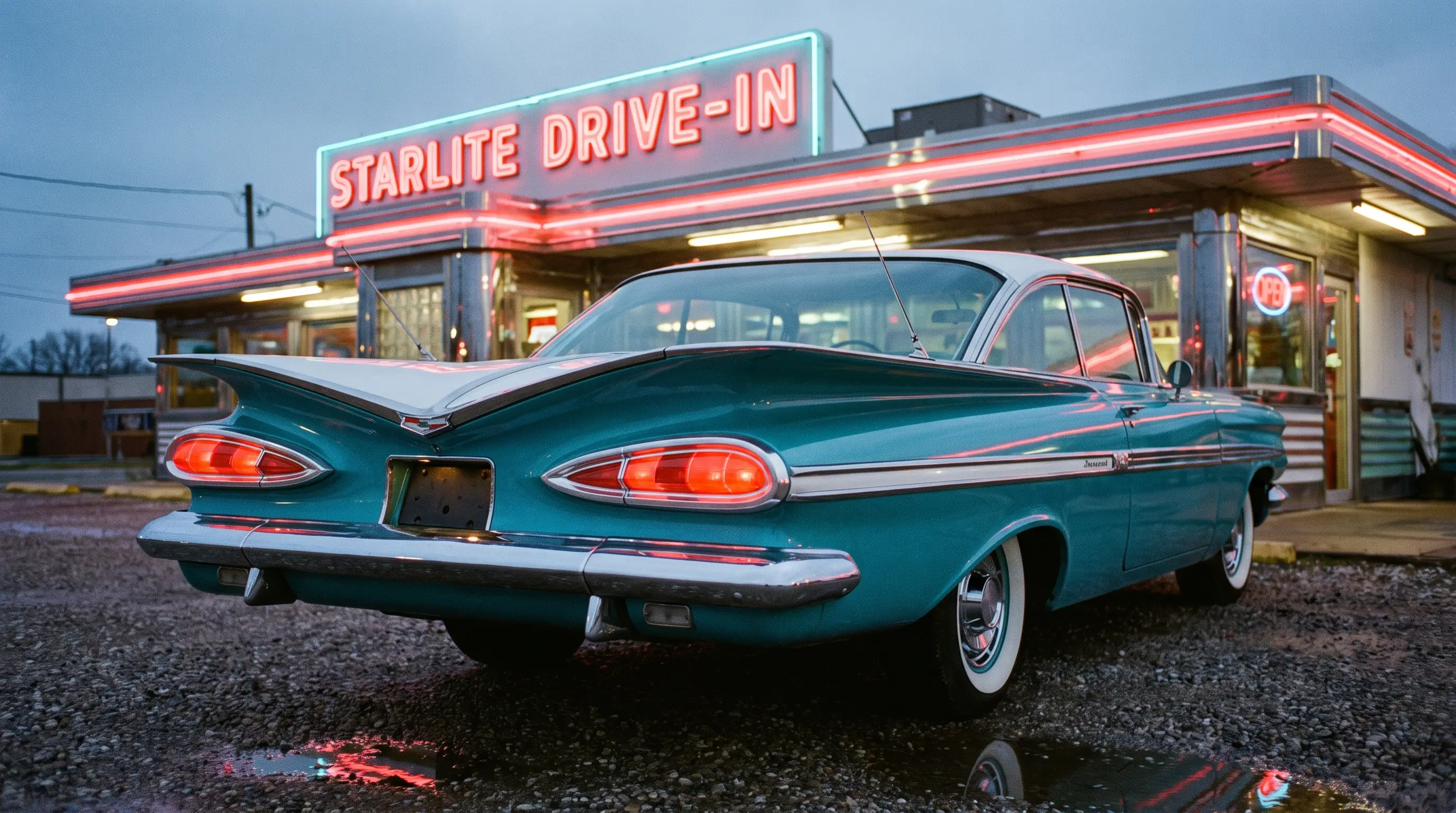
Chevrolet abandoned the vertical taillight stacks and modest fins that had defined the marque for years and replaced them with a wide, horizontal rear deck flanked by cat's eye taillights set into gull-wing shaped fenders that swept outward rather than upward. The design became known informally as the batwing, and it remains one of the most instantly recognizable rear-end treatments in American automotive history, arguably more distinctive than anything Chevrolet had produced before or has produced since.
Why the styling went this direction
The 1959 redesign happened under real competitive pressure. Chrysler's "Forward Look" cars, with their soaring tailfins, had embarrassed GM's more conservative 1957 and 1958 lineups in showroom comparisons, and General Motors responded with a companywide mandate to push styling further than it ever had. Chevrolet's stylists, working against that mandate, chose a horizontal rather than vertical fin treatment, a decision that set the Impala apart even from its Cadillac and Buick corporate siblings, which leaned into more traditional upward-swept fin shapes that same year.
That horizontal choice is part of why the 1959 Impala reads as more futuristic than gaudy to modern eyes. Where Chrysler's finned cars from the same period can look dated in a specifically late-1950s way, the Impala's wide, low, wing-like rear end has aged into something closer to timeless, a design so confident it did not need height to make its statement.
Color as part of the flamboyance
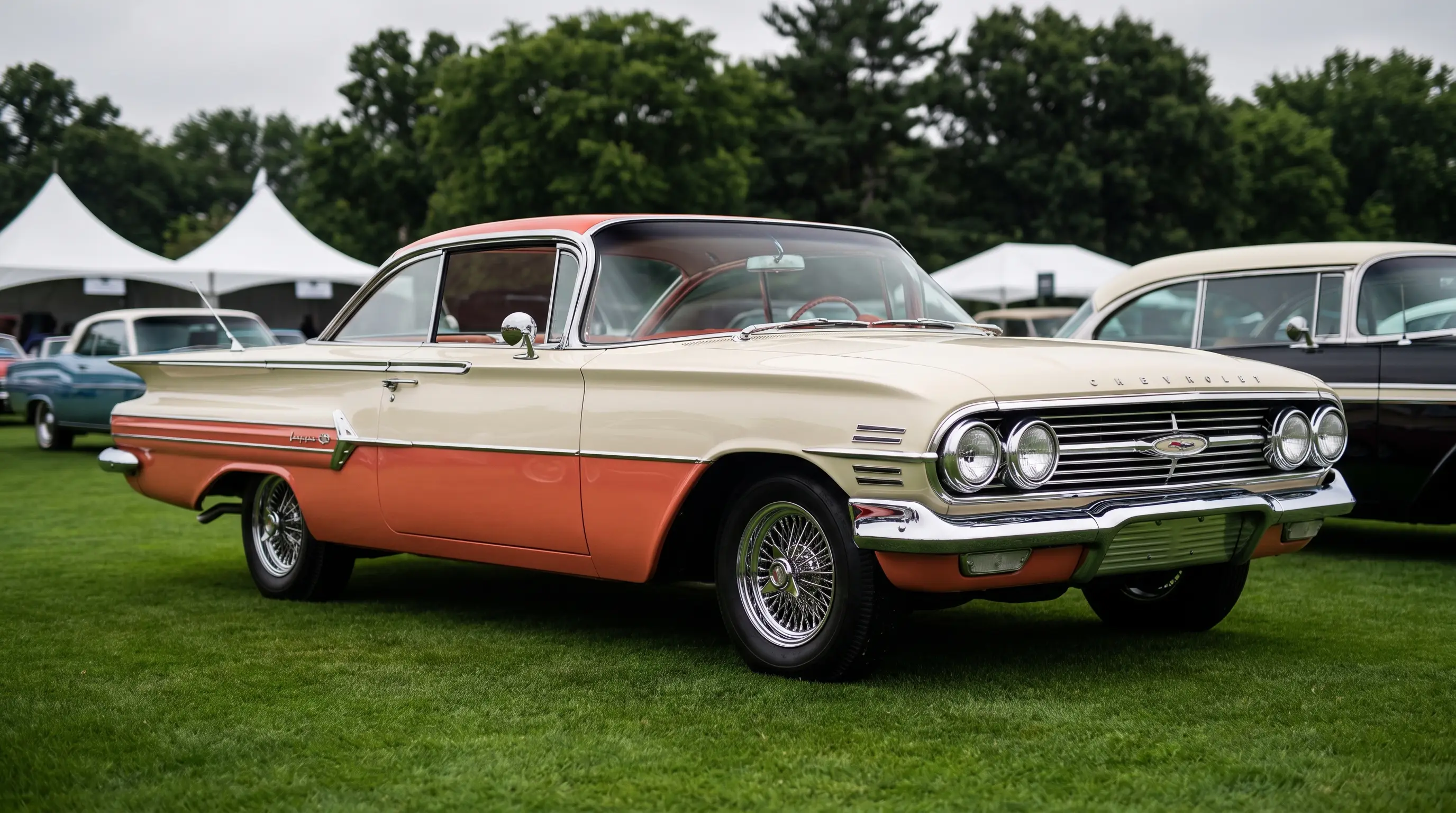
Styling was only half the story. Chevrolet's 1959 color palette embraced the same confidence as the sheet metal, offering hues with names that leaned into the era's optimism, alongside two-tone combinations specifically engineered to accentuate the batwing rear and the car's broad, flat hood. A two-tone 1959 Impala, painted to highlight the horizontal creases running the length of the body, could look like an entirely different car than the same shape finished in a single somber color, which is exactly why period brochures photographed the Impala almost exclusively in bold two-tone schemes.
This color strategy reflected a broader cultural moment. America in 1959 was optimistic about technology, space, and the future in a way that shows up directly in how manufacturers marketed their cars that year. The Impala's styling and palette were not accidents of individual designers working in isolation. They were a coordinated statement about what the future was supposed to look like, filtered through Detroit's chrome and steel.
"You cannot separate the 1959 Impala's styling from the moment it was born into. This was a car designed to look like it belonged in tomorrow, not today, and that ambition is exactly what makes it read as flamboyant even now, six decades later."
- Sarah Whitfield
How the competition compared
Placing the 1959 Impala next to what Ford and Chrysler were selling that same year sharpens the point. Ford's full-size lineup stayed relatively conservative for 1959, leaning on cleaner, more restrained lines that read as almost timid next to Chevrolet's batwing rear. Chrysler went the opposite direction, pushing its tailfins taller and sharper than ever, a vertical answer to the same competitive pressure Chevrolet was responding to. The Impala's horizontal, wing-like solution split the difference in an unexpected way, dramatic enough to compete with Chrysler's theatrics but resolved enough not to tip into the almost cartoonish territory some of that year's finned Mopars reached.
That middle path is part of why the 1959 Impala aged better than either extreme. Ford's restraint looked forgettable within a few years once bolder designs became the norm, and Chrysler's soaring fins eventually read as a period-specific exaggeration. The Impala's batwing found a design language distinctive enough to be remembered specifically, without relying purely on height to make its case.
How 1960 walked it back
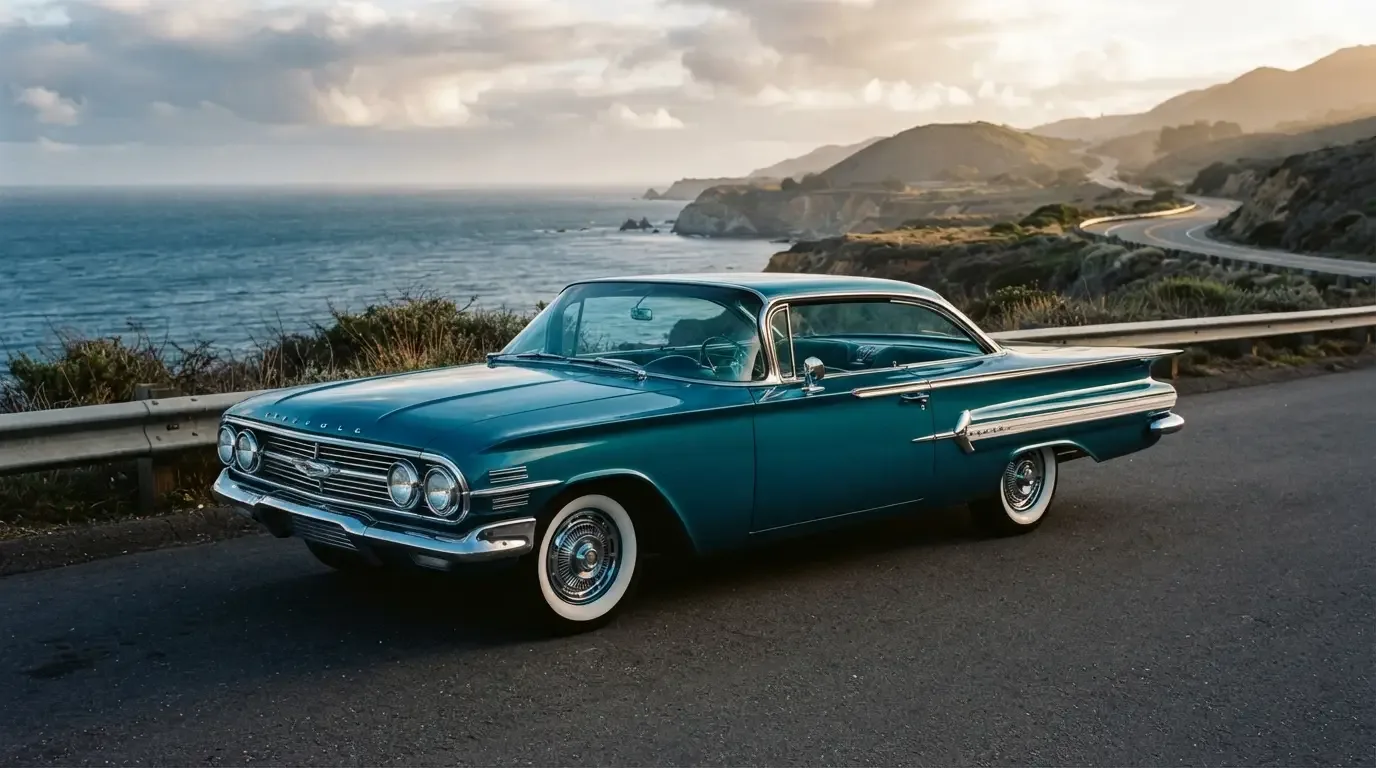
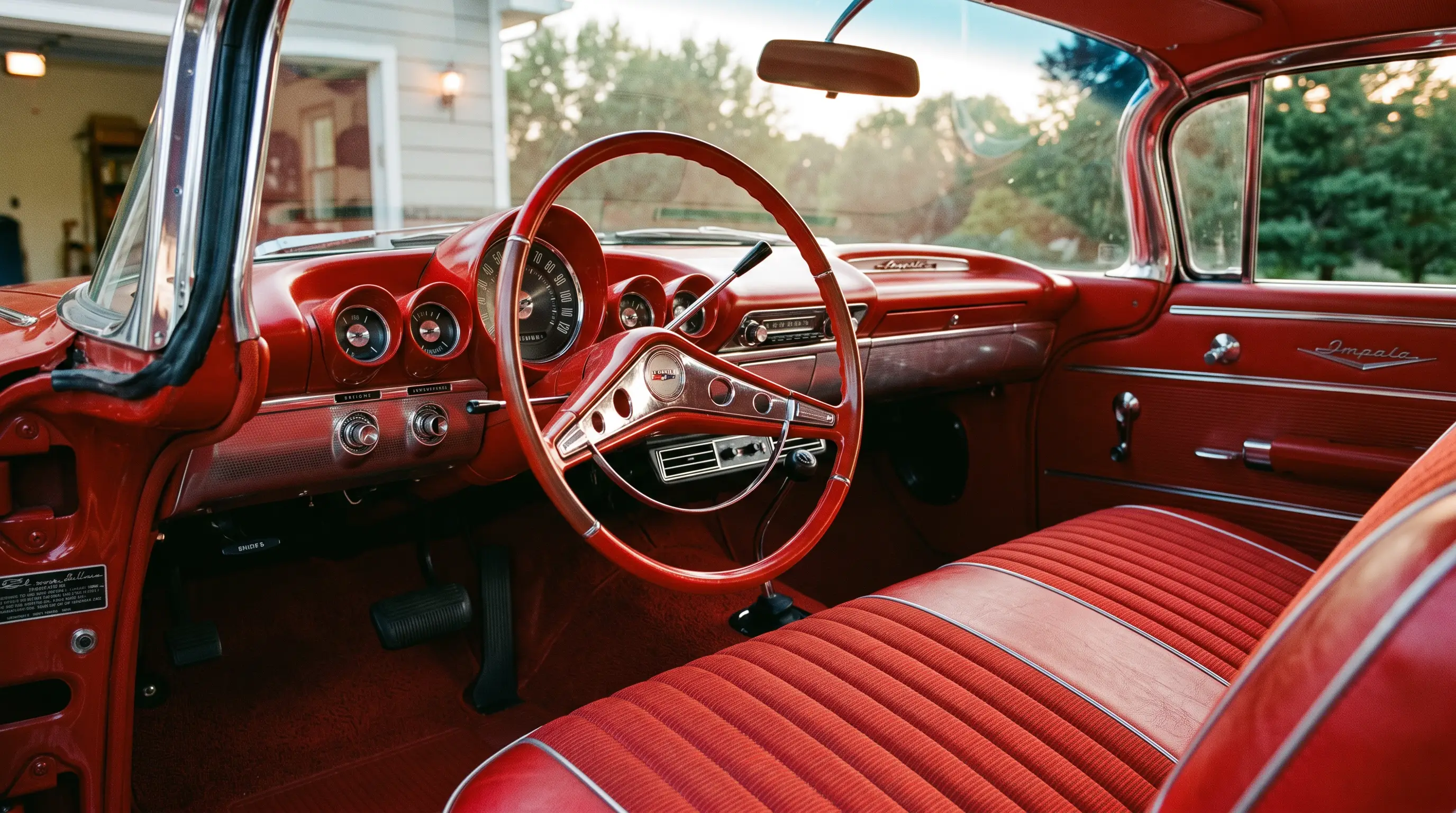
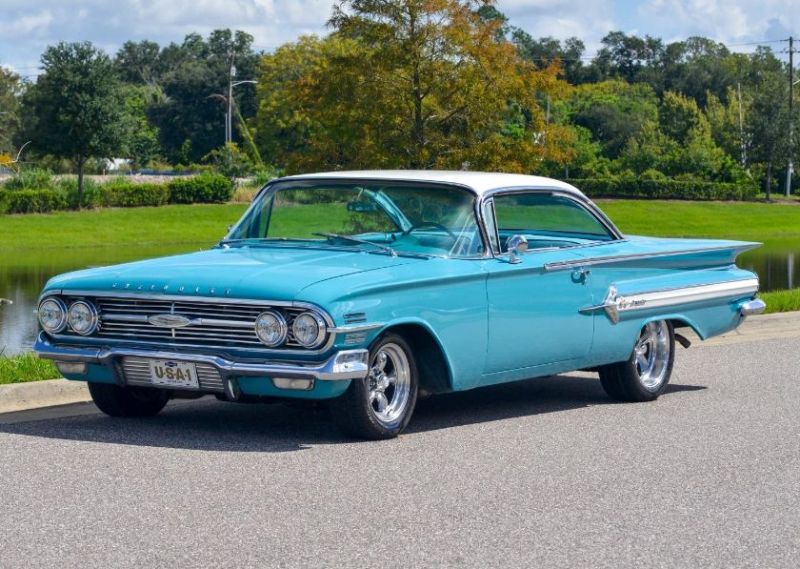
Chevrolet's own styling department seemed to sense that the 1959 design had pushed close to its limit, because the 1960 model year toned the rear treatment down considerably, rounding off the sharpest edges of the batwing and simplifying some of the more theatrical chrome work. That restraint the following year is, in its own way, evidence of just how bold the 1959 execution had been. Manufacturers rarely pull back on a design language unless they believe they went further than the market wanted.
Readers curious about how that toned-down follow-up year performed, and how the two model years compare directly, should read the whole picture covering both the 1959 debut and its more conservative successor.
Why this styling still resonates
Modern collectors gravitate toward the 1959 Impala precisely because so few cars from any era commit this fully to a single, cohesive design idea. The batwing rear was not a compromise between competing internal design factions. It was a fully realized statement, executed without the hedging that softens most mass-market vehicle designs. That confidence is rare, and it is a large part of why the 1959 Impala remains one of the most sought-after full-size American cars of its decade among collectors who specifically want a design that makes an unambiguous visual statement.
For anyone who has come around to wanting one of these cars in their own garage, it is worth taking a look at what is currently on the market. You can find a classic Impala and compare how the 1959 design, in all its flamboyant glory, is trading against its more restrained 1960 sibling today.
A design that defined a decade's end
The 1959 Impala arrived at the exact hinge point between the 1950s and the 1960s, and its styling captured both eras at once, the exuberant chrome-heavy optimism of the outgoing decade and a hint of the cleaner, more integrated design language that would come to define the years ahead. Few American production cars manage to feel like a genuine turning point rather than just another model year. The 1959 Impala is one of them, and that is exactly why the word flamboyant still fits it better than any other single description.