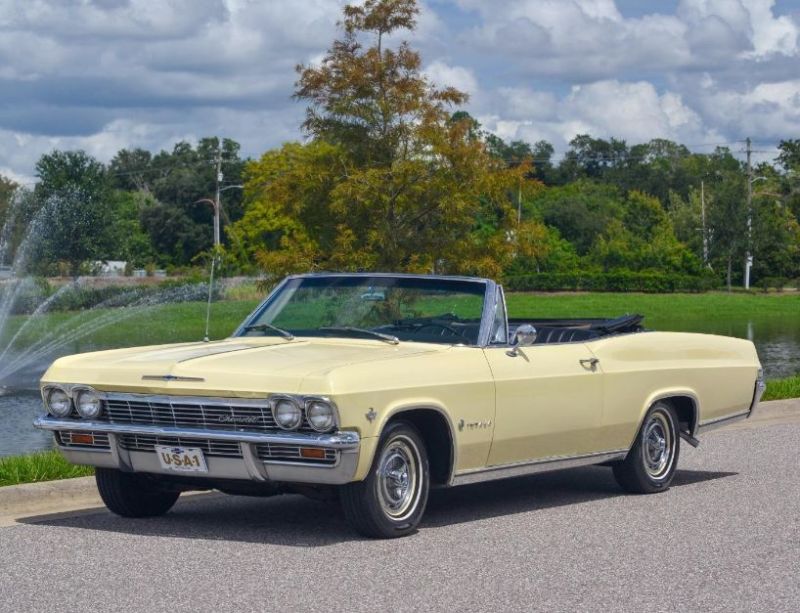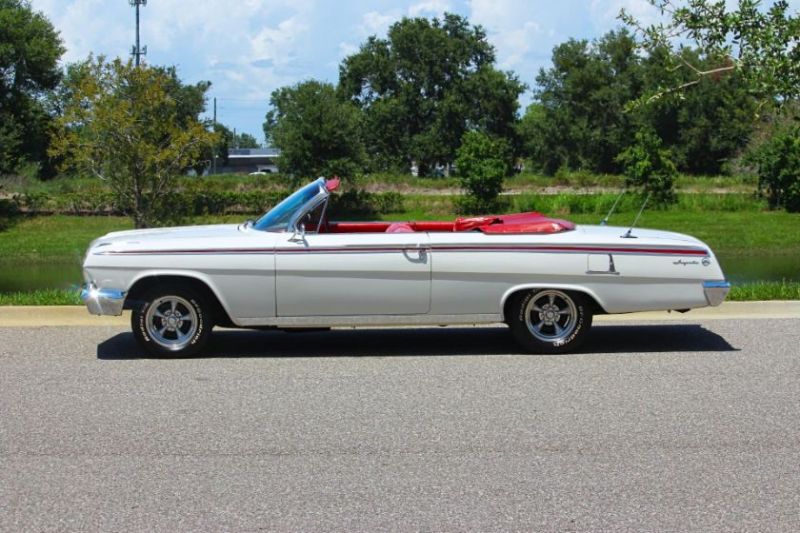
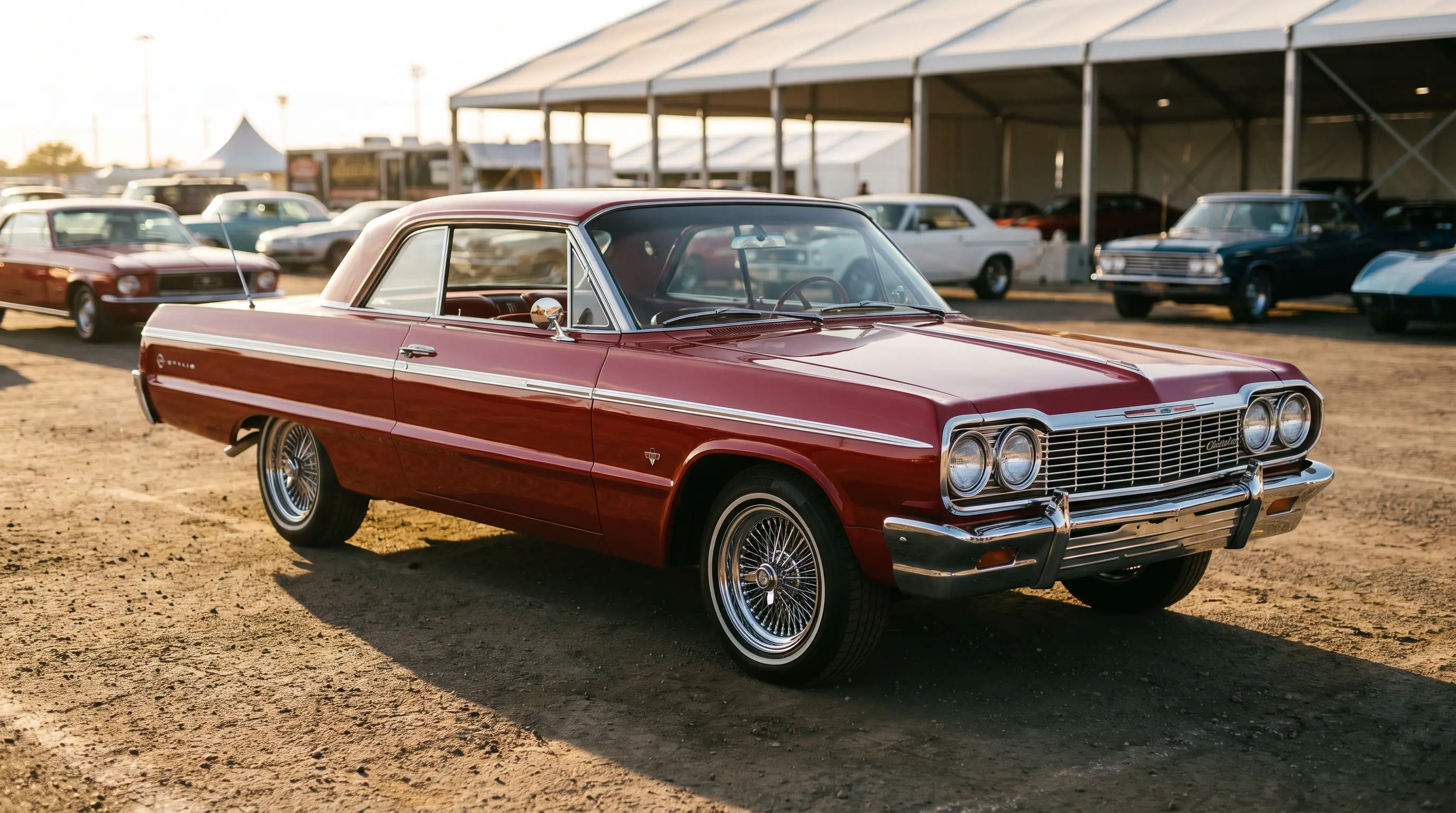
Ask five people what a 1964 Impala value should be and you will get five different numbers, most of them anchored to whatever sale they happened to see last on an auction broadcast. That is not how appraisal actually works. Value on these cars breaks down into four factors that matter far more than nostalgia: condition, documentation, liquidity, and downside risk. Get those four right and the number takes care of itself.
Appraisal work on this generation of Impala is not guesswork dressed up in confident language. It is a repeatable process applied consistently, car after car, and the buyers who skip steps in that process are the ones who end up surprised, usually not pleasantly, a year or two after the purchase.
Condition, and what it actually costs to fix
Condition grading on a 1961 to 1964 Impala is not just cosmetic. A car that looks clean in photos can hide rust in the trunk floor, the rear frame rails, or the lower quarter panels, all common failure points on these unibody-adjacent full-size Chevrolets after six decades. A proper inspection means getting underneath the car, checking floor pans with a magnet, and pulling back carpet if the seller allows it. Paint and chrome condition matter for eye appeal, but structural integrity is what determines whether a restoration budget is five figures or six.
Engine and drivetrain condition carries separate weight from body condition. A numbers-matching 409 in need of a rebuild is still a more valuable asset than a running non-original small block, because the rebuild cost is knowable and finite while the loss of matching-numbers status is permanent. Buyers consistently underweight this distinction, paying too much attention to whether a car currently runs and not enough to whether what is under the hood actually belongs there.
Documentation: the multiplier nobody prices correctly
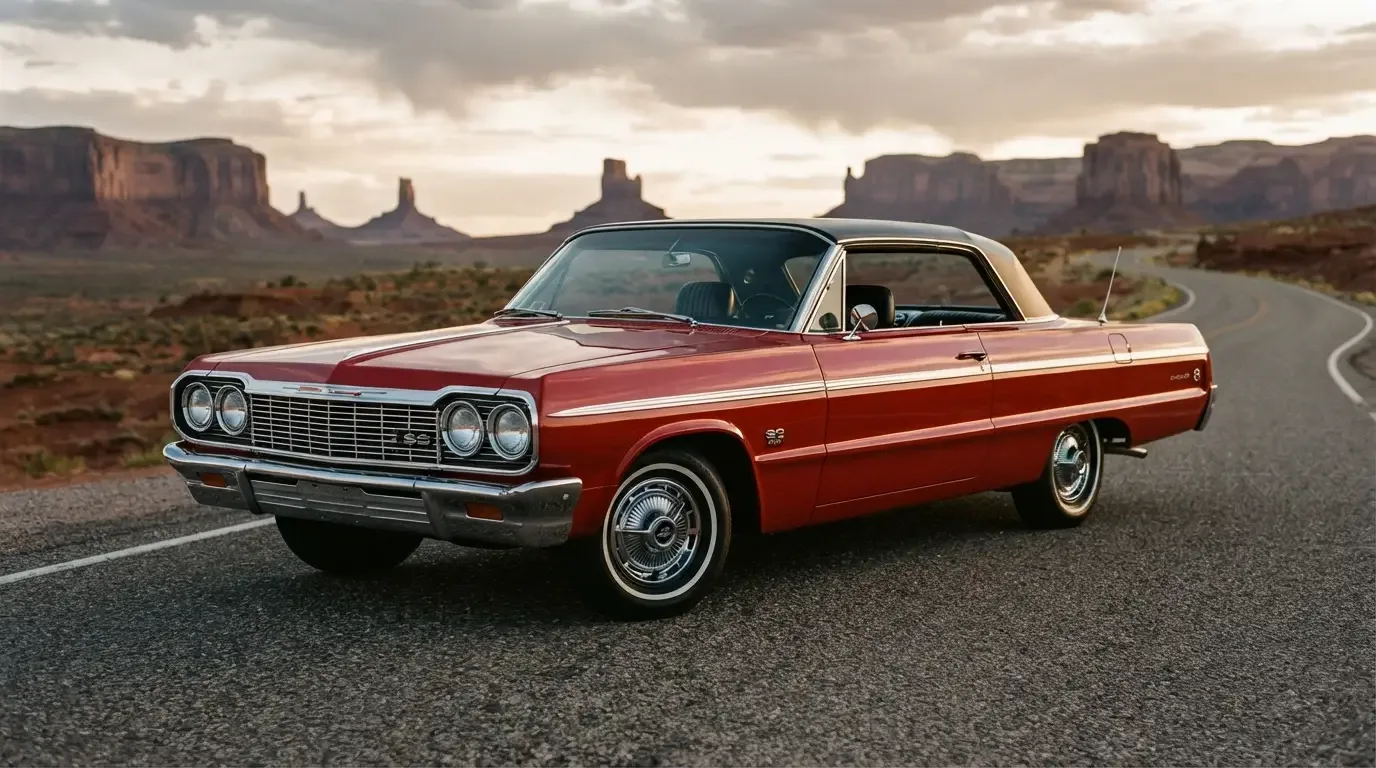
Two visually identical 1964 Impala SS cars, same color, same options, same overall condition, can sell for meaningfully different prices if one carries a build sheet, Protect-O-Plate, and clean title chain and the other has none of it. Documentation does not just prove originality. It removes doubt, and doubt is what suppresses bidding at auction and stalls private sale negotiations. A car with full paperwork sells faster and closer to top-of-market. A car without it sits, gets relisted, and eventually sells at a discount to a buyer willing to accept the uncertainty.
Appraisers weight documentation heavily for exactly this reason. It is not sentiment. It is risk reduction, and risk reduction has a dollar value that shows up consistently across enough transactions to treat as a real market signal rather than a collector preference.
| Value driver | Effect on price |
|---|---|
| Matching-numbers 409 | Significant premium over replacement engine |
| Full build sheet and Protect-O-Plate | Faster sale, closer to top-of-market price |
| Structural rust in floor or frame rails | Major deduction, often exceeds cosmetic repairs combined |
| Convertible body style vs hardtop | Meaningful premium due to lower original production |
Liquidity: how fast can you actually sell it
Value on paper means little if a car cannot be sold at that price within a reasonable window. Liquidity for 1961 to 1964 Impalas varies sharply by configuration. A well-documented SS convertible with a desirable engine will move quickly at major auctions because demand is broad and buyers actively hunt for exactly that combination. A plain four-door sedan, even in excellent condition, has a thinner buyer pool and may sit on the market considerably longer regardless of how fairly it is priced.
This is a distinction buyers often ignore until they need to sell. A car that is fun to own but hard to move is not necessarily a bad purchase, but it changes the calculation around holding period and exit strategy. Anyone buying with resale in mind should weigh liquidity as seriously as condition and documentation, not as an afterthought.
Downside risk: what can go wrong after the sale
Every appraisal should account for downside, not just upside. The realistic risks on these cars include hidden rust surfacing after purchase, an engine represented as numbers-matching that turns out not to be, and a restoration quality that looks better in photographs than in person. A buyer who skips a pre-purchase inspection to save a few hundred dollars is gambling against repair costs that can run into the tens of thousands if the car has structural problems.
Downside also includes market risk. Values for this generation of Impala have been generally stable, but stable is not the same as guaranteed. Buyers treating these cars purely as an investment vehicle rather than something they intend to actually enjoy owning are taking on a risk profile that a straightforward collector, buying primarily to drive and preserve the car, does not carry in the same way.
Insurance and storage costs deserve a place in this same downside calculation, even though buyers rarely think about them until after the purchase is complete. Agreed-value collector insurance policies are widely available and generally reasonable for cars in this price range, but the premium still needs to be weighed against expected use. A car stored indoors and driven only to shows carries a very different risk and cost profile than one intended for regular weekend use, and that distinction should factor into the purchase decision the same way engine condition or documentation does.
"Every number I put on a car has a downside baked into it. If someone tells you a price with no acknowledgment of what could go wrong, they are selling you confidence, not an appraisal."
- Marcus Feld
Putting it together before you buy
For context on how this generation of Impala developed across its four model years, and why certain configurations became more desirable than others, where this started lays out the full history behind the cars being appraised here. That background matters because value does not exist in a vacuum. It is built on the same production and design decisions Chevrolet made decades ago, filtered through what has survived and what buyers want today.
Before making an offer on any 1961 to 1964 Impala, run the four-factor check: verify condition with an in-person or professional inspection, confirm documentation against the car's actual VIN and body tag, assess how quickly you could realistically resell this specific configuration, and price in the realistic downside rather than assuming best-case outcomes. Buyers ready to compare current asking prices against this framework can shop classic Impala listings and apply the same four questions to every car under consideration.
None of this framework requires a professional appraiser's license to apply. It requires discipline, a willingness to ask uncomfortable questions of a seller, and a refusal to let enthusiasm for a nice-looking car override the basic checks that separate a sound purchase from an expensive lesson. The cars themselves have not changed in decades. The buyers who do well on them are simply the ones who priced condition, documentation, liquidity, and downside honestly before signing anything.
Sources and notes
- 1964 Chevrolet Impala Configurations - Hagerty Valuation Tools
- Start Saving Your Pennies for a 1961-64 Chevrolet Impala - Hagerty Media
- 1962 Chevrolet Impala Valuation - Hagerty Valuation Tools
- Impala Engine Options: 1964 - Chevy Hardcore
- 1958-90 Impala and Passenger Car Production Figures - Classic Industries
- Chevrolet Impala - Wikipedia