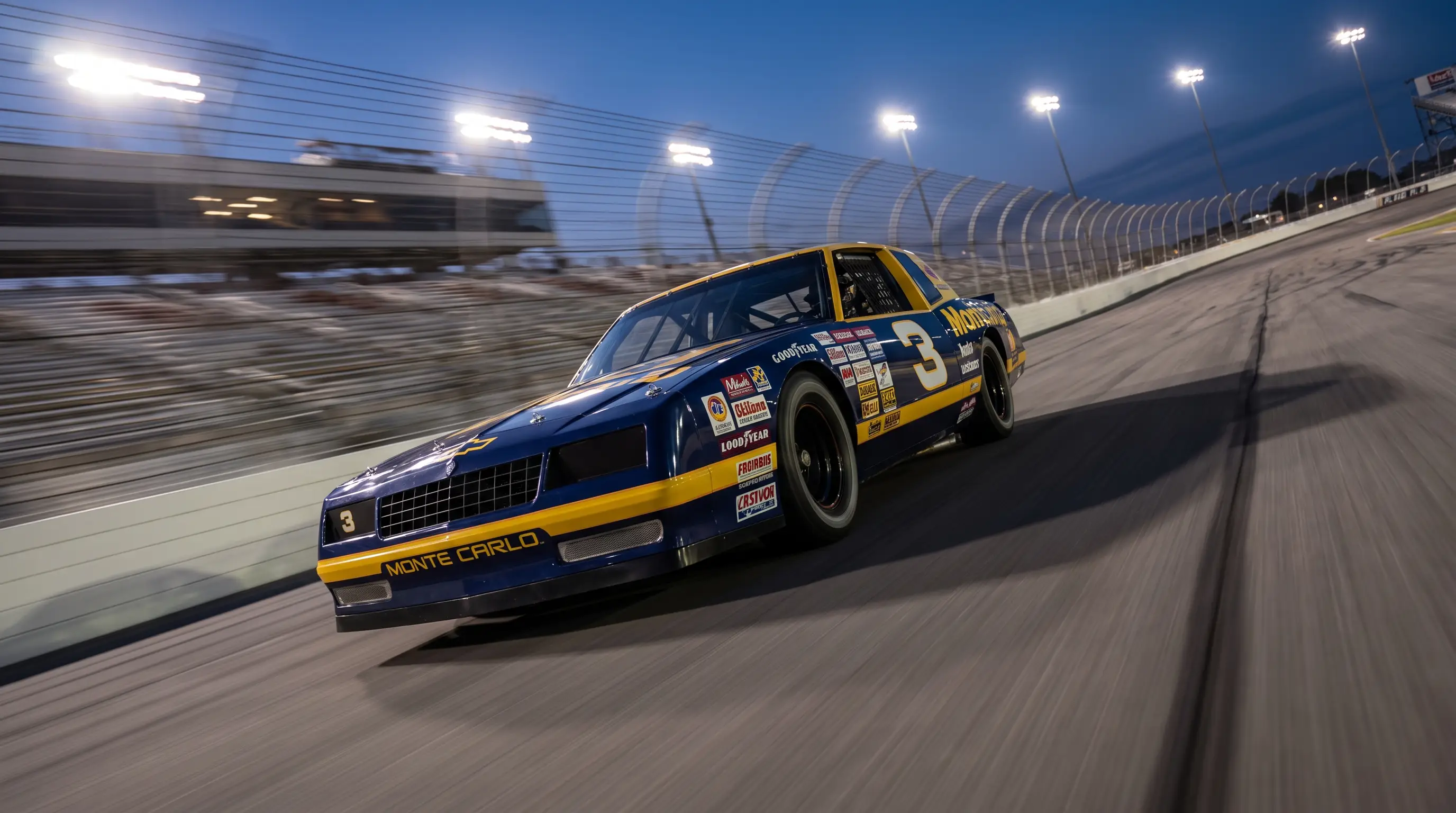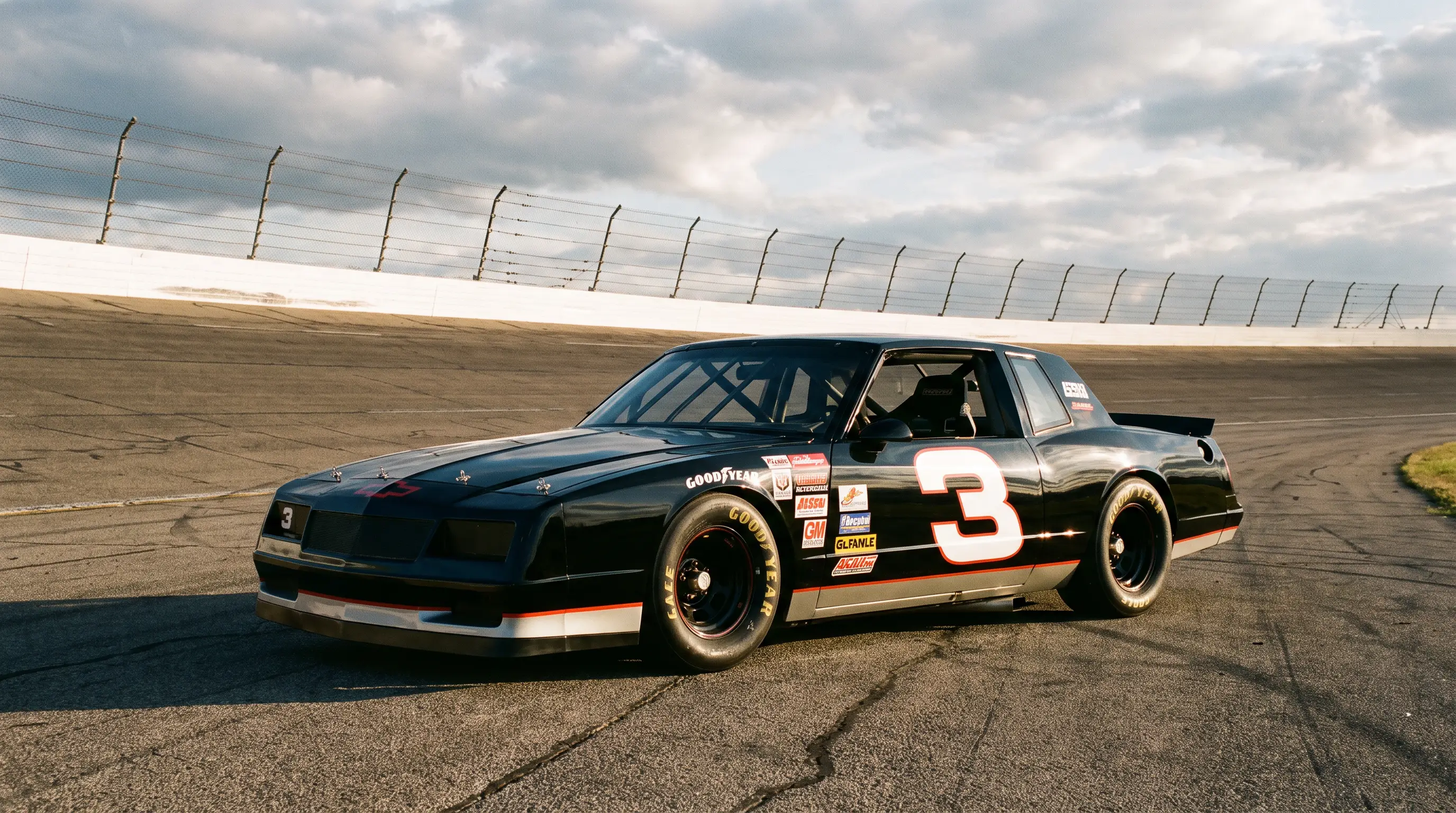
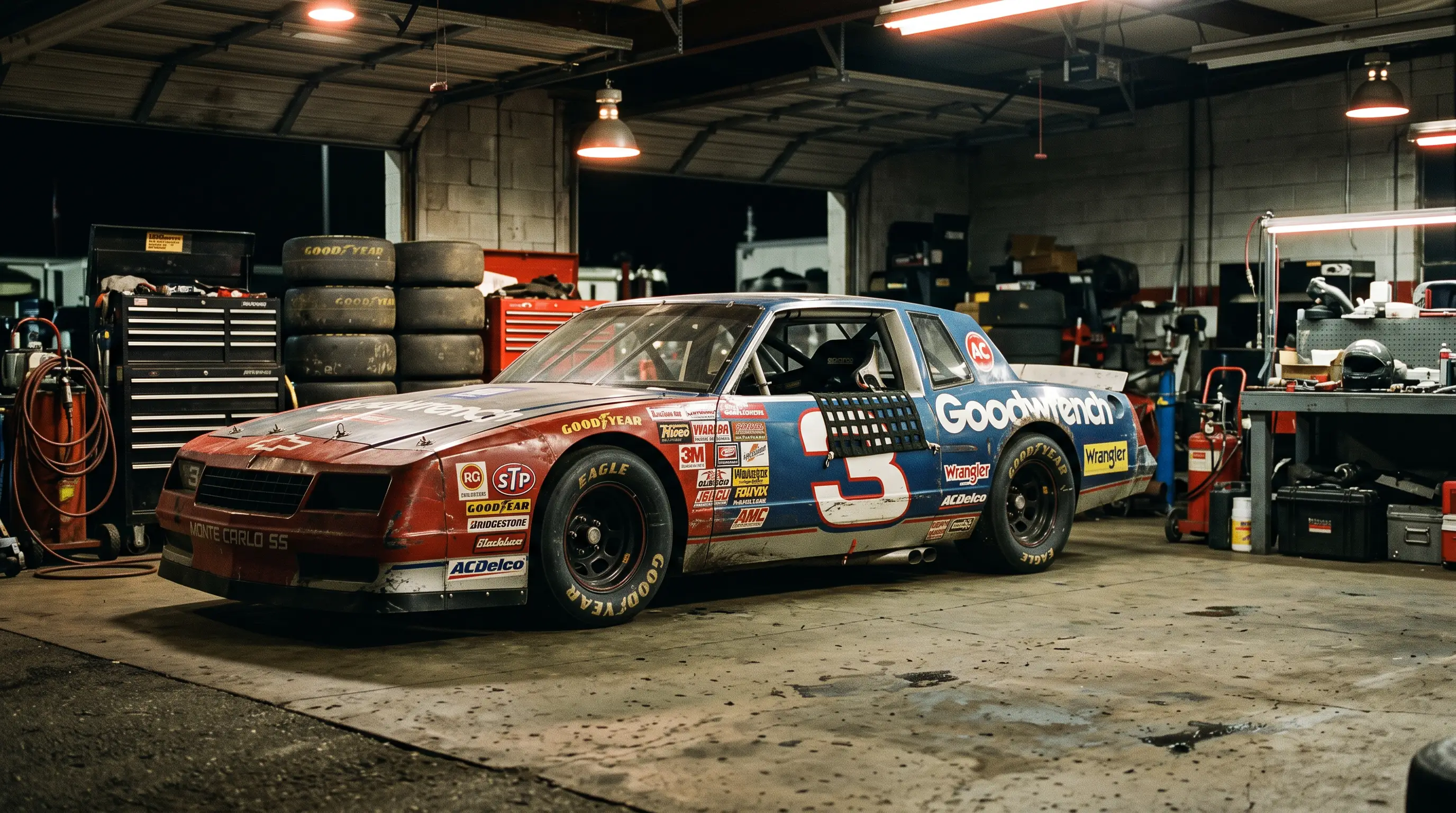
Junior Johnson built race cars the way he ran moonshine as a young man, on instinct, on nerve, and on a refusal to accept that the other guy's equipment was automatically better. By the time his team moved into Chevrolet Monte Carlos in the 1980s, Johnson had already won three straight championships as an owner with Cale Yarborough (1976-1978) and would add three more with Darrell Waltrip (1981, 1982, and 1985), and the Monte Carlo became the car that carried his operation through the back half of a career most people in the garage still talk about in hushed tones.
A team that had already proven it could win with anything
Johnson's shop in Ronda, North Carolina had a reputation for finding an edge nobody else had thought of, whether that meant a slicker body panel or a setup trick borrowed from short track racing back home. When his team fielded Monte Carlos, that reputation followed the car. Waltrip drove for Johnson from 1981 through 1986, and the pairing of an aggressive, outspoken driver with an owner who had never once cared what other people thought of his methods made for a Monte Carlo program that other teams watched closely at every race.
The Budweiser-sponsored Monte Carlos that came out of Johnson's shop in that era were not subtle cars. They were built to win now, not to look good finishing fifth, and that philosophy matched Waltrip's own reputation as one of the most polarizing drivers of the decade. Fans either loved that car or hated it, and either way they paid attention to it.
What Johnson's crew brought to the Monte Carlo
Every team running a Monte Carlo in the 1980s had access to roughly the same Chevrolet-supplied body and roughly the same aero data. What separated Johnson's cars from the pack was execution, the small stuff that never shows up in a spec sheet. His engine builders were considered among the best in the sport, and his chassis men had decades of experience setting up cars for the exact mix of short tracks and superspeedways that made up the Cup schedule. A Monte Carlo out of Johnson's shop was rarely the fastest single-lap qualifier, but it was consistently one of the toughest cars to pass late in a long run, which matters more over 500 miles than one hot lap ever does.
That kind of long-run strength became something of a Johnson trademark across every manufacturer he ever fielded, and the Monte Carlo years were no exception. Waltrip's wins in Johnson Monte Carlos tended to come from patience as much as raw speed, a driver willing to let the leaders wear their tires out early while the Johnson car settled into a rhythm it could hold for the last quarter of the race.
"Junior Johnson never cared what badge was on the nose of the car. He cared whether it could go the distance, and his Monte Carlos were built by people who had been solving that exact problem since before most of the competition were born."
- Wayne Coburn
The Ronda shop and its unglamorous discipline
Johnson ran his operation out of the same rural North Carolina shop for most of his ownership career, far from the bigger, more corporate garages that started springing up in Charlotte during the 1980s. Visitors who expected a slick operation to match the team's success often found something closer to a well-run farm shop, and that was intentional. Johnson trusted people he had worked with for years, and his Monte Carlo builds reflected a culture where the same small crew handled a car from bare chassis to race weekend, rather than passing it through a dozen separate departments the way bigger teams did.
That structure meant fewer resources on paper than some of the flashier operations chasing the same wins, but it also meant fewer communication gaps and fewer surprises on race day. A Monte Carlo that left Johnson's shop had been touched by people who understood exactly why every piece was set the way it was, and that kind of continuity is easy to underestimate until you watch a car run flawlessly for 500 miles on a track where half the field is fighting handling problems by lap 100.
The transition years and what came after
By the late 1980s the sport was shifting, sponsorship money was changing hands between teams, and drivers who had defined an era were moving on to new opportunities elsewhere. Johnson's Monte Carlo program eventually gave way to newer arrangements as the decade closed out, but the years his team spent building and racing Monte Carlos left a permanent mark on how the car is remembered in NASCAR circles. Club members who track period race history treat a genuine Junior Johnson Monte Carlo build sheet the way other collectors treat a matching-numbers engine, as proof of a specific and well-documented lineage rather than just another old race car.
The team's legacy also lives on in a less obvious way. Several of the mechanics and engine builders who came up through Johnson's shop during the Monte Carlo years went on to run their own successful programs elsewhere in the garage, carrying his approach to setup and preparation into later decades of the sport. That kind of institutional knowledge rarely gets a headline of its own, but it is as much a part of the Monte Carlo's NASCAR story as any single race win.
Why the Johnson connection still matters to collectors
For anyone researching the Monte Carlo's competition history, Johnson's involvement is a useful marker of which seasons carried the sport's heaviest institutional weight. His shop did not take on projects it did not think could win, and the fact that Monte Carlos were good enough to earn that attention says something about where the car stood in the garage pecking order during his years running it. For the full story of how the Monte Carlo built that reputation across the whole decade, Johnson's team is one of several chapters worth knowing, and it is one of the most colorful.
It also serves as a reminder that a race car's reputation is only partly about the manufacturer that built it. The Monte Carlo shell that left Chevrolet's assembly process was the same for every team that bought one. What Johnson's shop did with that shell, week after week, season after season, is a large part of why certain Monte Carlos from that decade are remembered as genuinely great race cars rather than merely competitive ones.
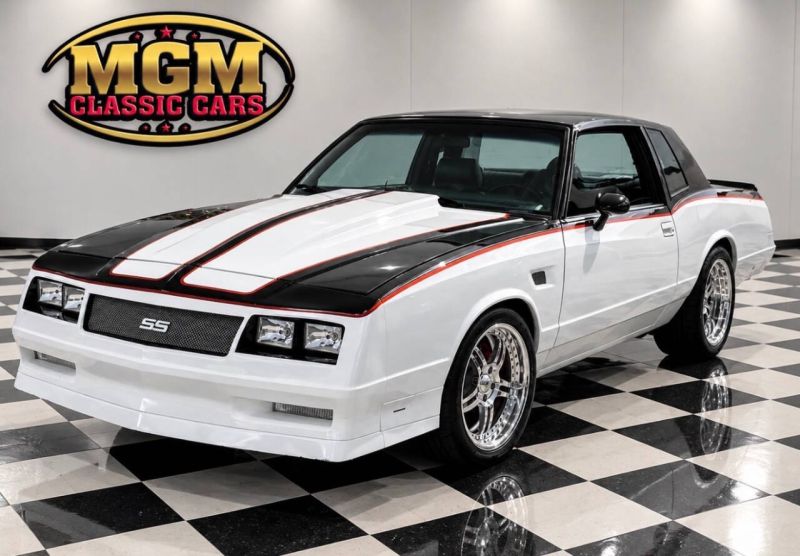
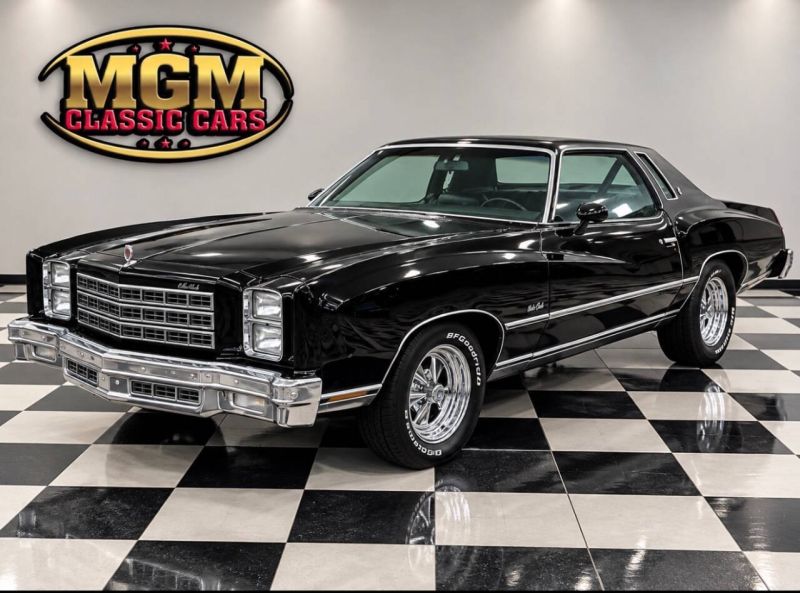
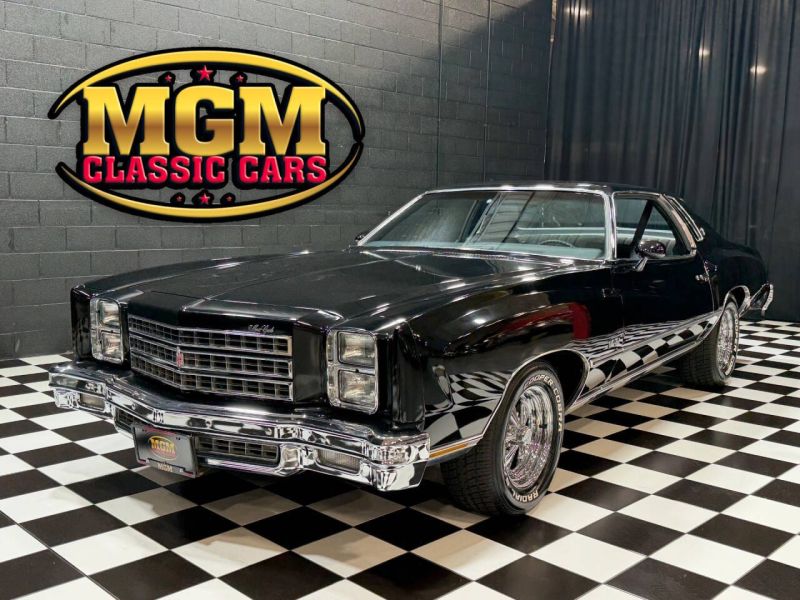
Buyers chasing that same history in a driveway-friendly form can still browse classic Monte Carlo listings and find cars wearing the same body Johnson's shop spent years refining on race weekends, minus the fuel cell and the roll cage.