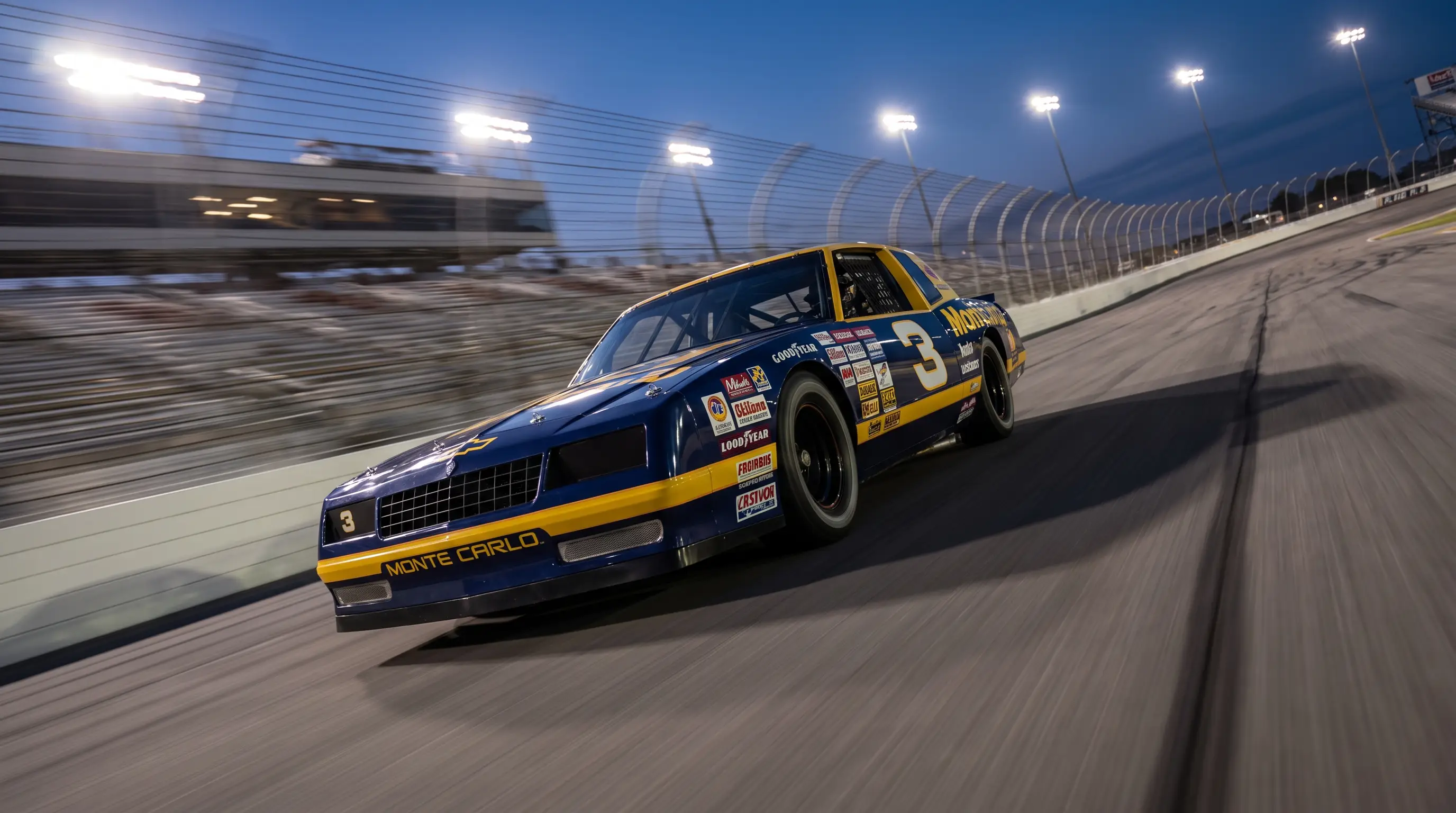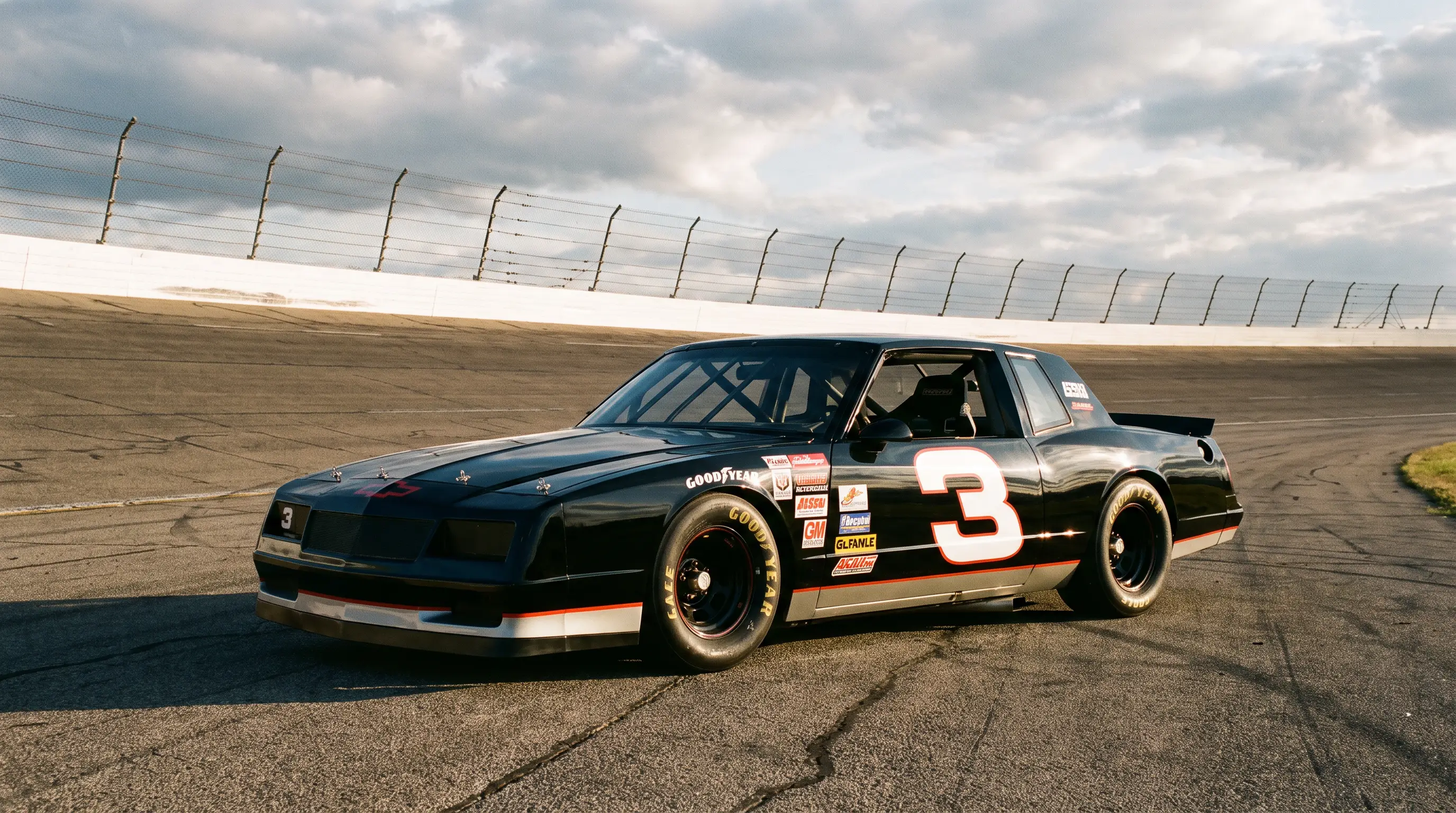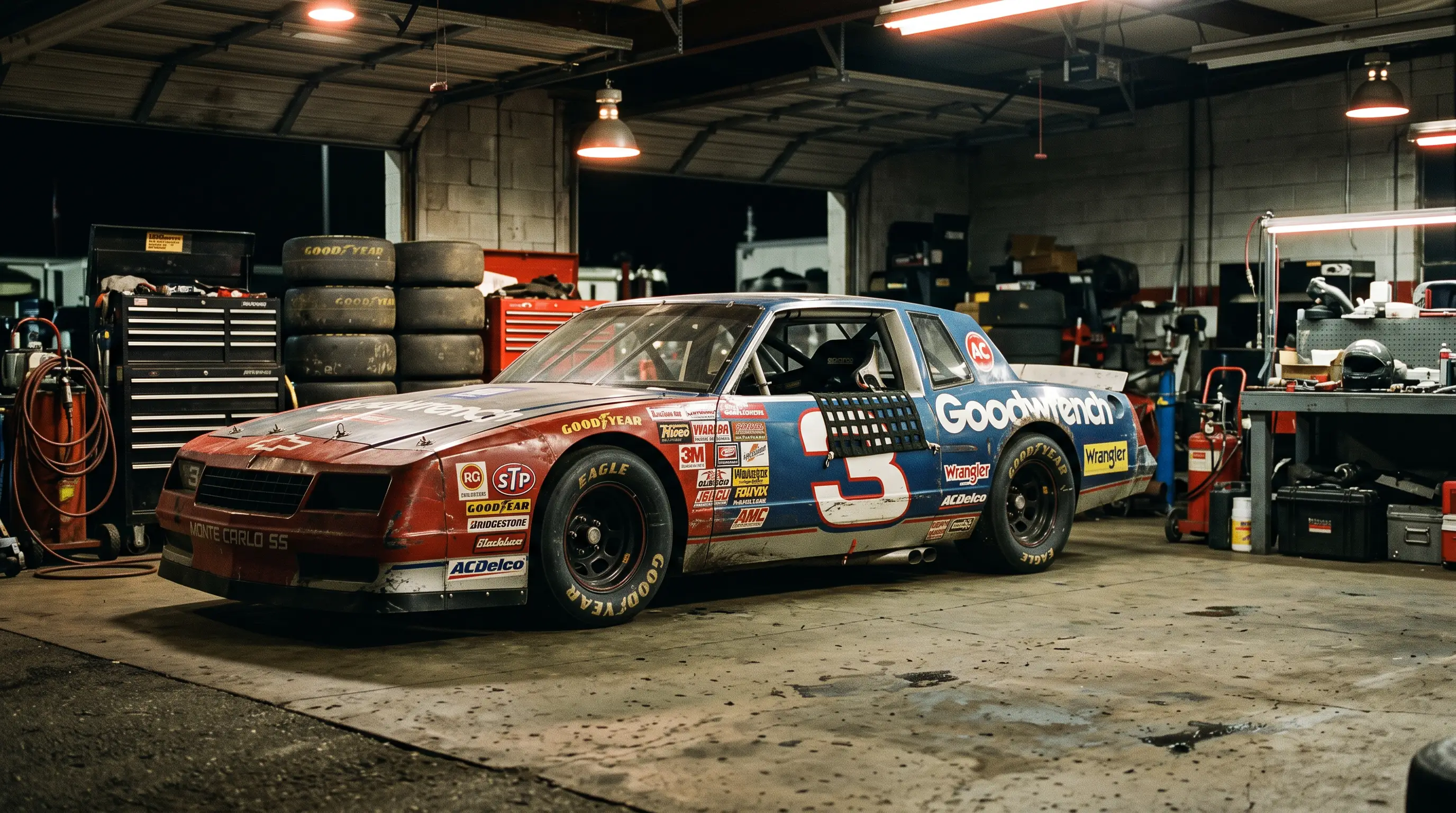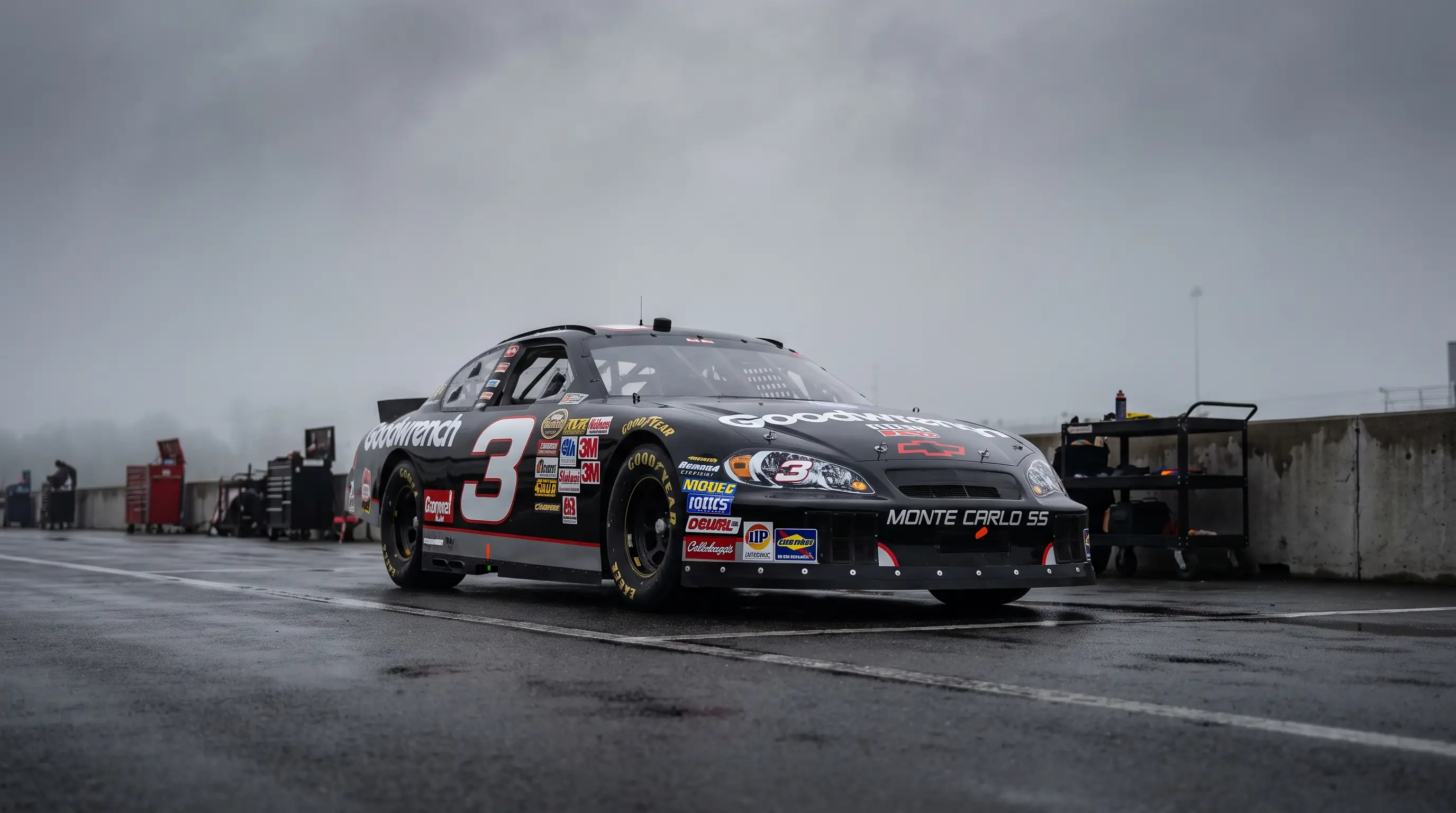
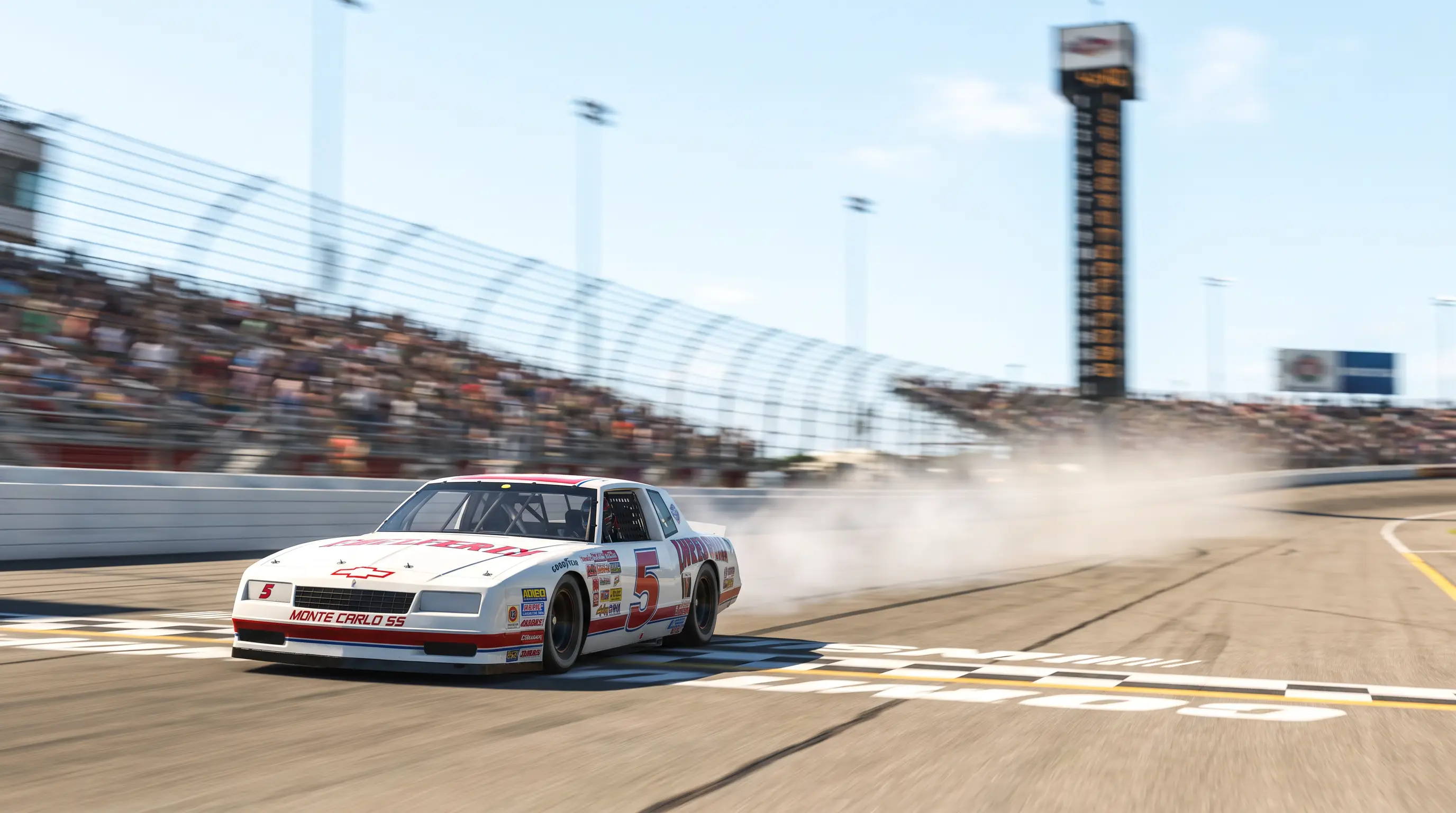
Geoff Bodine climbed out of his Chevrolet Monte Carlo in Victory Lane at Daytona in February 1986 and the first thing anyone noticed was how ordinary he looked doing it, no fist-pumping, no theater, just a driver who had spent years being the guy who almost won finally standing where he belonged. The Monte Carlo NASCAR program had chased the Daytona 500 for years by then, and Bodine's win for Hendrick Motorsports gave the nameplate its signature Daytona moment of the decade.
The win that mattered most
Bodine's 1986 Daytona 500 victory came in Hendrick Motorsports' third season fielding a Chevrolet Monte Carlo at the Cup level, and it was the first Daytona 500 win for an organization that had entered the sport in 1984 as an underdog outfit running on rented equipment. The car ran the notchback body that year, before the Aerocoupe became the standard superspeedway weapon, and it still had enough straight-line pull to hold off the Ford contingent that had dominated Daytona speed trials for much of the early 1980s.
That win did something for Chevrolet's Daytona reputation that no amount of marketing could have bought. It told every crew chief in the garage that a Monte Carlo, built right, could win the biggest race on the calendar without the aero package that arrived a year later. It also told Rick Hendrick, then a young car dealer turned team owner, that his gamble on fielding his own Cup team was going to pay off, and Hendrick Motorsports has never stopped fielding Chevrolets at Daytona since.
Daytona as the proving ground for the aero war
The Daytona 500 was never just another points race for a Monte Carlo team. It was the race that decided which manufacturer's aerodynamic package was actually working, because Daytona's high banking and long straights punished anything that was not slippery enough to draft efficiently. Chevrolet's answer through the mid-1980s was to keep refining the Monte Carlo's nose and glass angle year over year, and Daytona qualifying speeds became the public scoreboard for whether that work was paying off against Ford's Thunderbird.
Speeds at Daytona climbed into territory that made everyone nervous well before NASCAR stepped in with restrictor plates in 1988. A Monte Carlo capable of drafting a Ford lap for lap at over 200 mph in qualifying trim was proof the aero program was working, and it is part of why Chevrolet kept investing in the Monte Carlo's shape even as the production car it was based on was aging out of its own model cycle.
"Daytona does not care about your paint scheme or your fan base. It cares whether the air goes over your car the way the wind tunnel said it would. That is the whole reason the Monte Carlo kept changing shape through the 1980s."
- Patrick Walsh
The near misses that built the reputation
For every Monte Carlo win at Daytona there were several close calls that fans still bring up, cars that led late and came up short to fuel strategy or a caution at the wrong moment. Those near misses matter to the story as much as the wins do, because they are why Chevrolet kept pouring development money into the car rather than treating a single Daytona win as mission accomplished. A program that wins once and stops investing does not produce a decade of Aerocoupe development. A program that keeps losing heartbreakers at Daytona and refuses to quit does, and that is closer to what actually happened with the Monte Carlo through the 1980s.
Earnhardt himself famously went through a long stretch without winning the Daytona 500 despite dominating nearly everywhere else in Monte Carlos and later Luminas, a drought that became one of the sport's most talked-about storylines precisely because the car underneath him was clearly capable of winning that race. The gap between how well the Monte Carlo ran at Daytona in general and how rarely it delivered the 500 itself became its own strange chapter in the nameplate's history.
What the Daytona program taught the street car
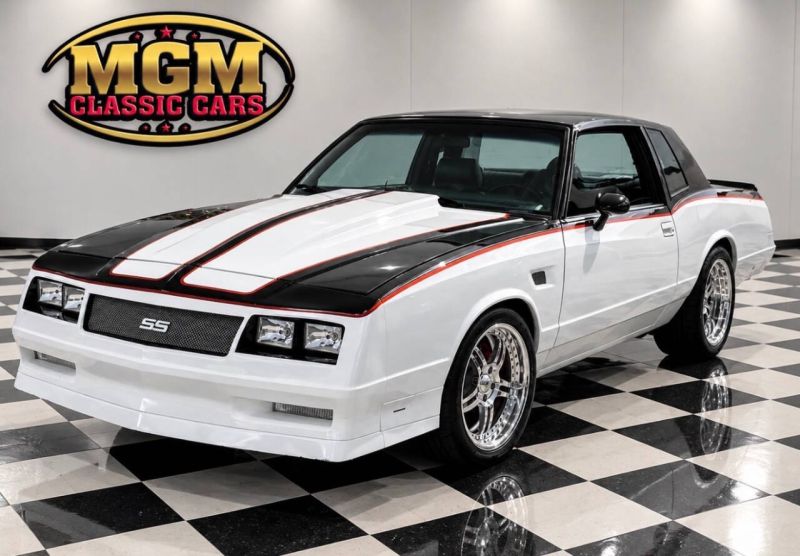
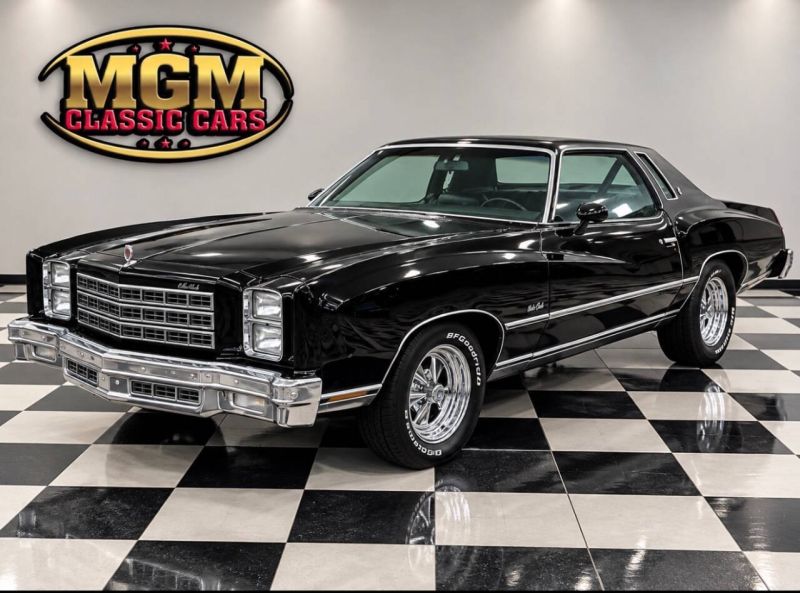
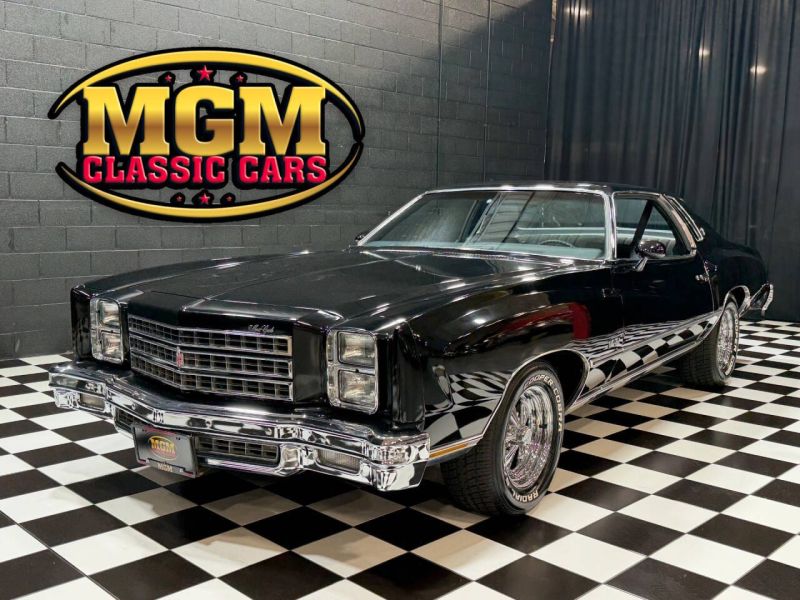
None of the aero refinement stayed locked inside the race shop. Chevrolet's production Monte Carlo SS, and later the Aerocoupe with its sloped backlight, existed largely because of lessons learned chasing tenths of a second at Daytona. A showroom buyer in 1986 who ordered the SS package was, whether they knew it or not, buying a car whose front clip and roofline had been shaped by what worked at 190 mph on the high banks. That relationship between racetrack and dealership floor is part of what makes the Monte Carlo's Daytona story different from a generic list of race results. The cars people could actually park in their driveway carried a visible fingerprint of the speedway work.
Dealers leaned on that connection in advertising, and buyers who wanted a piece of the Daytona reputation without the roll cage had a real option sitting on the lot. It is part of why Monte Carlo SS and Aerocoupe production cars from the mid-1980s still draw a premium among collectors who care about the racing pedigree behind the shape, rather than treating it as just another two-door coupe from the era.
Why Daytona still defines the car's racing legacy
Ask a NASCAR historian to name the single race that mattered most to any manufacturer's stock car reputation in the 1980s and most will say Daytona before they say anywhere else. For the Monte Carlo, that meant every February brought a fresh referendum on whether the previous year's aero work had been worth it. Bodine's 1986 win is the answer fans point to first, but the real legacy is the accumulated speed record the car built at that track across an entire decade, one that where this started traces back to the car's earliest competitive seasons before the aero program existed at all.
The Monte Carlo's Daytona story is really a story about persistence disguised as a highlight reel. One win gets remembered, a decade of incremental development gets forgotten, and yet it is that decade of development that made the Monte Carlo a car worth building a NASCAR legacy around in the first place. Anyone who wants to see the road-going version of that same body can still find a classic Monte Carlo for sale today, wearing a shape that was refined, in no small part, by what Chevrolet learned chasing speed at Daytona.
Restorers who take on a Daytona-era Monte Carlo SS today are, in a small way, keeping that lineage visible. The car does not need a period-correct paint scheme or a set of decals to carry the story. The shape alone tells anyone who knows the era where it came from, and that is a rarer thing for a production coupe to earn than most people realize.