
Numbers matching nova doesn't mean what most sellers imply when they use the phrase. It means the engine block casting number and date code line up with what the VIN and the factory documentation say should be sitting between the frame rails. That's it. It's not a vibe, it's a verifiable fact, and a lot of Nova ads use the phrase without the paperwork to back it.
Car Features
6 min read
Numbers-Matching Novas: The Value Story
Numbers matching nova is a specific, verifiable claim about the block's VIN stamp, casting number, and date code, not a vague selling point.
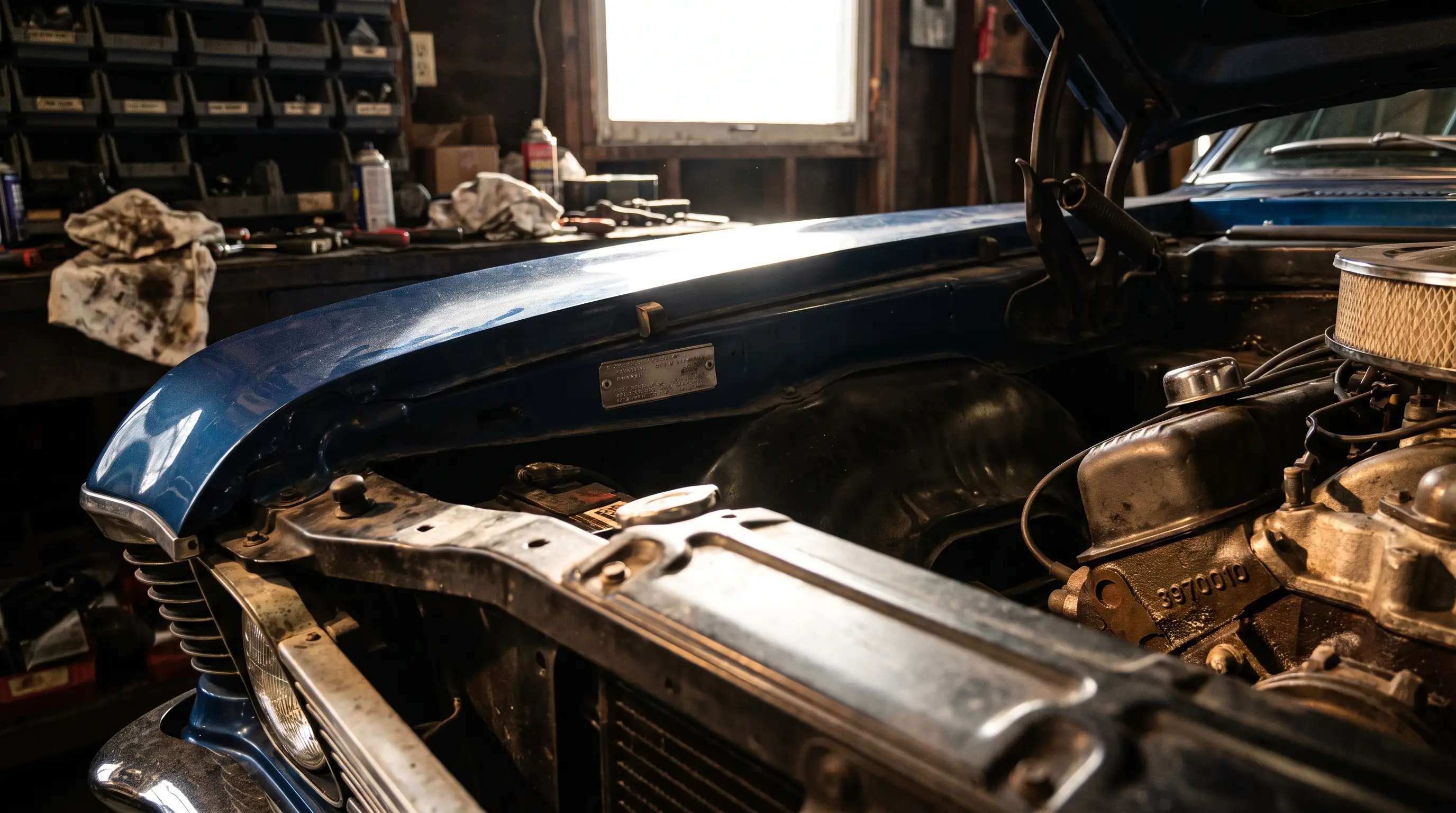
What the term actually checks
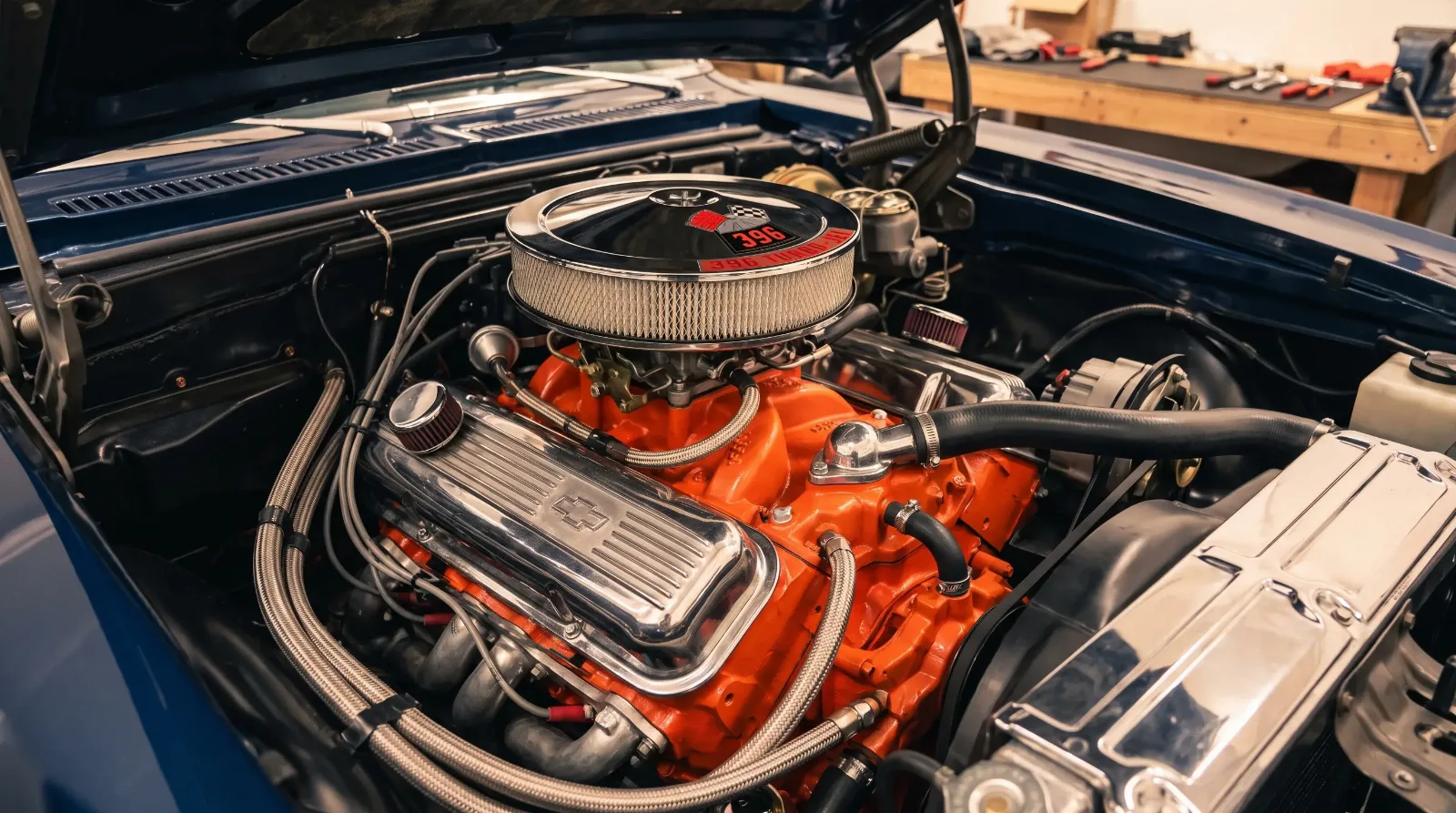
A real numbers-matching claim rests on three things lining up: the VIN derivative stamped on the engine block, the casting number matching the correct part for that model year and engine size, and a date code on the block that predates the car's build date by a plausible margin, usually a few weeks. Miss any one of those and the claim falls apart. A block that's the right casting number but the wrong date code was pulled from a different car of the same generation. A block with the right date but wrong casting number is a different engine entirely, just from the same era.
| Check point | What it confirms | Common failure |
|---|---|---|
| VIN derivative stamp | Engine was installed at the assembly plant for this specific car | Stamp reground or missing entirely |
| Casting number | Correct block for the stated displacement and year | Right family, wrong casting for the claimed engine |
| Date code | Block cast before the car's build date | Date code after the build date, which is impossible for an original engine |
Why the premium is real, but not automatic
A documented numbers-matching Nova brings a real premium over an otherwise identical car with a replacement engine, sometimes a substantial one on the higher performance variants. But the premium follows the paperwork, not the claim. A Protect-O-Plate, the original build sheet found under a seat or in a door panel, or a factory invoice does more for the price than any amount of seller enthusiasm. Buyers who've been burned once stop trusting adjectives and start asking for the stamp.
Where the fakes come from
Nobody wakes up planning to fake a numbers-matching Nova. It usually starts practical: an original engine failed decades ago, got swapped for a period-correct replacement of the same family, and somewhere along the way the swap stopped being mentioned in the sale. By the third or fourth owner, nobody's lying exactly, they just don't know. That's why the burden sits on the buyer to verify, not on the seller to have never made a mistake. Read the Nova engine story to know which casting numbers and displacement combinations are even possible for your car's year before you start checking a specific block.
There's also a more deliberate version of the problem, and it shows up more often on the higher value big block cars where the price gap between matching and non-matching is large enough to tempt someone. A correct-year, correct-family block gets sourced, the casting number checks out, and the only thing standing between that engine and a false claim is the VIN derivative stamp, which can be reground and re-stamped by someone with the right tooling. This is rarer than the honest mistake version, but it's exactly why a stamp that looks slightly off, too clean, too shallow, or oddly spaced, deserves a second opinion from someone who's looked at a hundred of these rather than one.
"I don't care how good the story is. I care what's stamped on the block and what date is cast into the iron. A seller can tell me anything. The block can only tell me one thing."
Dan Reeves
Beyond the block: the tags that back up the claim
The engine block isn't the only place the paper trail lives. The cowl tag, stamped into the firewall on most GM cars of this era, encodes the build date, the assembly plant, and trim and paint codes. The trim tag inside the door jamb carries similar information in a different format depending on the model year. Neither tag proves the engine is original by itself, but a cowl tag build date that's inconsistent with the engine's date code is a fast way to catch a mismatch before you've spent any real money on verification. Cross-referencing all three, the block stamp, the cowl tag, and any surviving factory paperwork, is how a serious buyer builds confidence instead of just taking someone's word.
What this means for what you pay
If you're buying, treat "numbers matching" as a claim to verify, not a fact to accept. Ask for photos of the stamp pad and the casting number before you make an offer, and get an in-person inspection before you close if the premium being asked is significant. If you're selling, get the documentation lined up before you list, because a vague claim without paperwork will get discounted by cautious buyers regardless of whether the engine is actually original. The transmission behind that engine tells its own story too, and a related deep-dive covers how to check whether the gearbox matches the drivetrain the car left the factory with. For cars where the documentation is already sorted, there are classic Chevy Novas for sale with build sheets and Protect-O-Plates included in the sale.
None of this means an engine-swapped Nova is a bad car. Plenty of great driving Novas carry a correct-family replacement engine and cost less as a result, which makes them a better buy for someone who wants the experience without paying the documentation premium. The problem only shows up when a car with a swapped engine gets sold at a numbers-matching price. Know which one you're buying, and pay accordingly.
Sources and notes
Related Reading

Have a
Chevrolet Nova
for Sale?
Reach thousands of serious classic car collectors across the US.
Sell It Here →
Are You a Classic Car Dealer?
List your full inventory and connect with targeted classic car buyers.
Join as a Dealer →

About the author
Dan Reeves
Performance engine builder from North Carolina's motorsports corridor, focused on swaps, forced induction and making real, repeatable power.
Related Listings - Chevrolet Nova



Comments
Be the first to comment on this article.