
Small block vs big block Nova comes down to one trade: fifty extra pounds of front end weight against seventy five extra horsepower. Everything else people argue about, the sound, the "feel," the collector value, gets built on top of that one number. Get the trade right and the rest sorts itself out.
Car Features
6 min read
Small-Block vs Big-Block Nova
Small block vs big block Nova is a trade between weight and horsepower. Here's what actually changes in how the car drives, costs, and holds value.
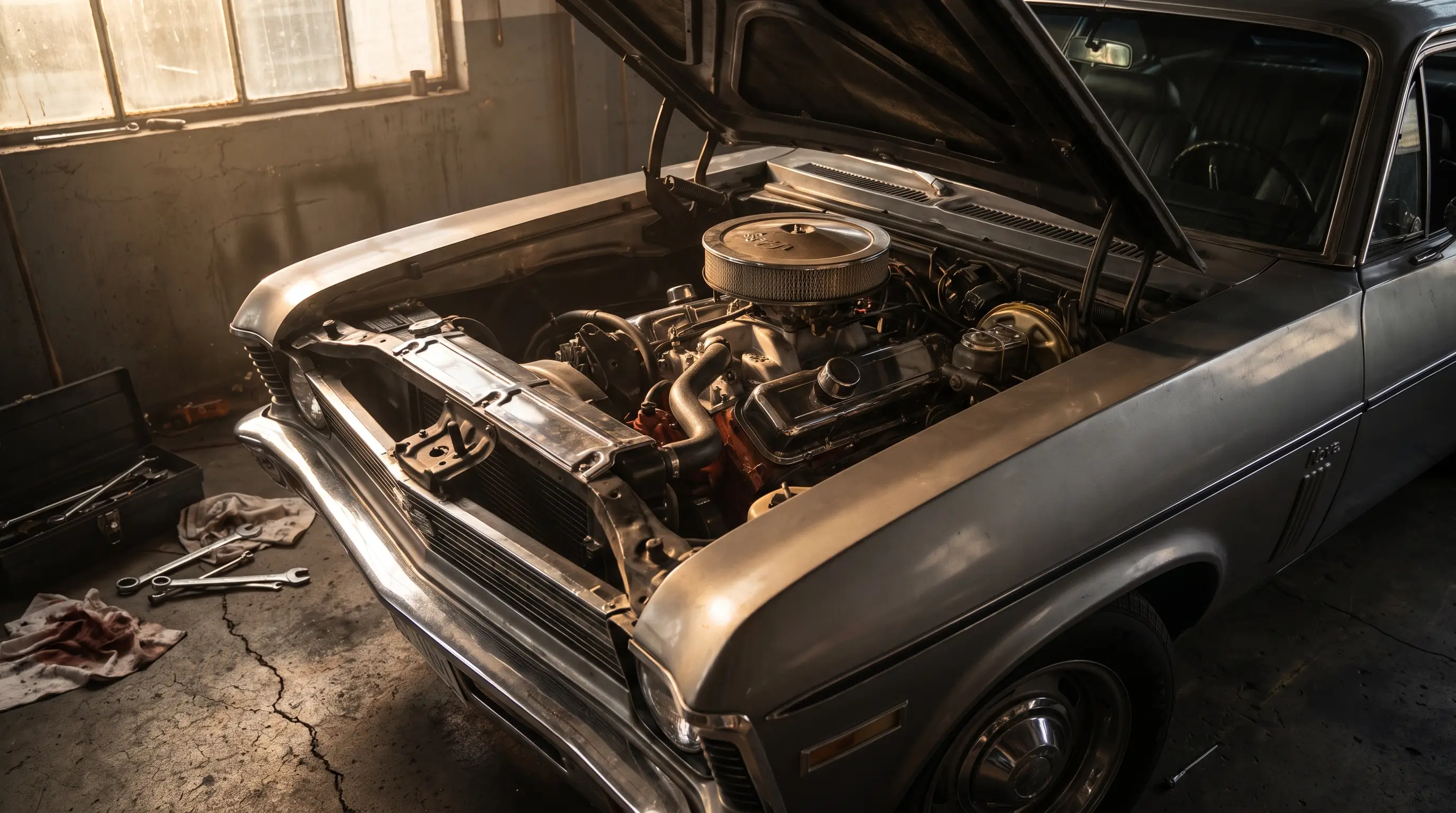
What "small block" actually meant across the Nova's life
From 1962 through 1979, Chevrolet put a lot of different small blocks in a Nova. Early cars got the 283 and later the 327. By the SS era the 350 cubic inch small block was the volume performance choice, offered in outputs from a mild 250 hp two barrel version up to the 300 hp L48 four barrel (rated that way for 1969 and 1970, before net-rating rules and lower compression cut it to around 200 hp net by 1972). The small block's real advantage was never a horsepower ceiling. It was weight distribution. A 350 small block sits noticeably further back and lighter than a big block of similar output, and in a unibody compact like the Nova that matters more than the spec sheet lets on.
What "big block" meant, and how short its run actually was
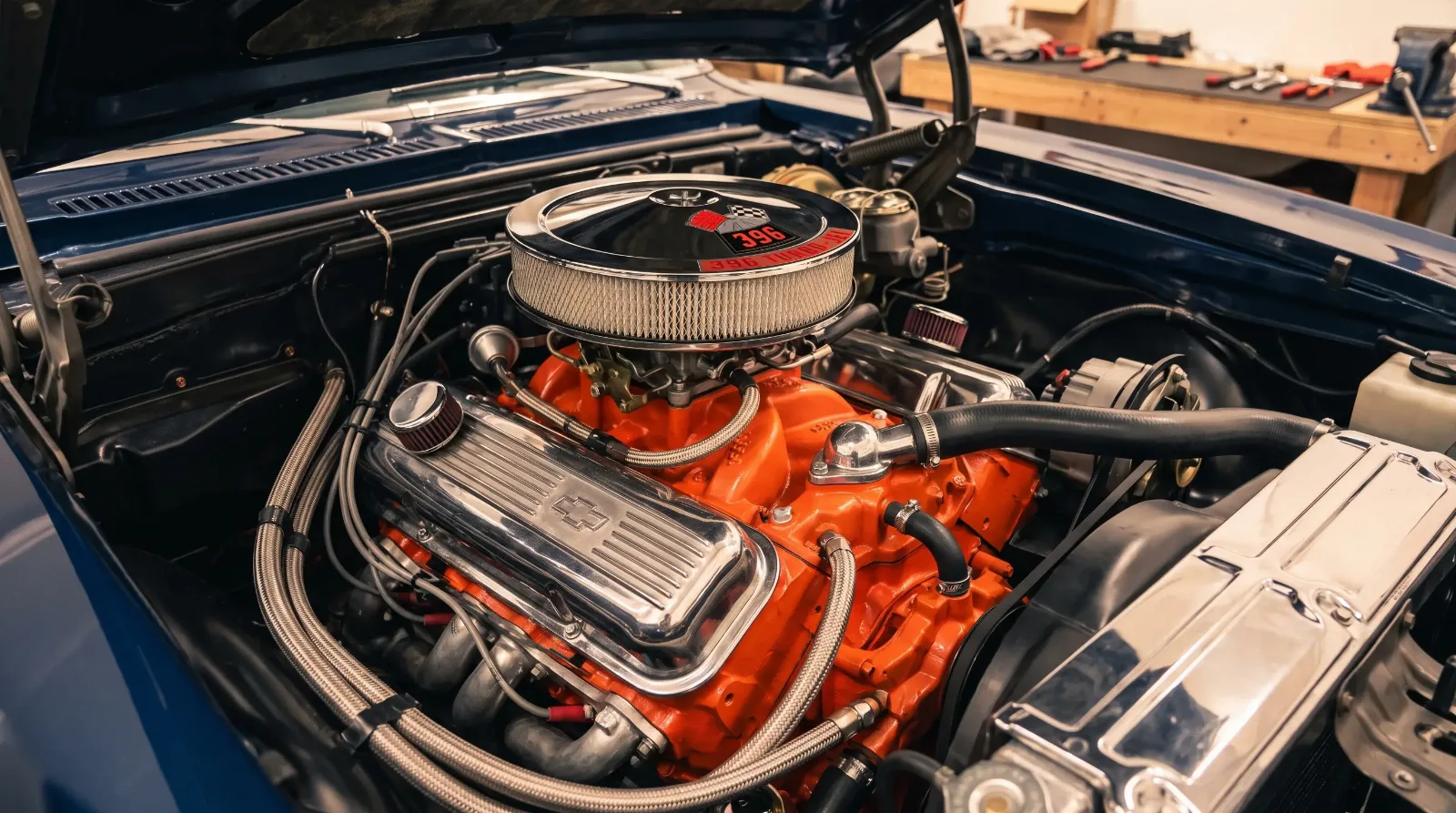
The 396 arrived as a factory option in 1968, and it only stuck around through 1970 before Chevrolet pulled big blocks from the Nova lineup entirely (by 1970 the actual displacement had grown to 402 cubic inches, though Chevrolet kept the 396 badging for recognition). That's a three year window out of a seventeen year production run. People talk about the big block Nova like it defines the car. It doesn't. It's a loud, fast footnote inside a much longer story, one covered in full in the Nova engine story if you want every engine option in order.
| Configuration | Typical curb weight | Peak factory output | Years available |
|---|---|---|---|
| Small block (327/350) | around 3,100-3,300 lbs | 300 hp (L48, 1969-70) | 1968-1979 |
| Big block (396/402) | around 3,200-3,600 lbs | 375 hp (L78, 1968-69) | 1968-1970 |
Where the extra weight actually goes
The 396 doesn't just weigh more sitting on the engine stand, it weighs more in exactly the place a compact car can least afford it: over the front wheels. Add the heavier duty radiator, the 12 bolt rear axle Chevrolet mandated behind the L78, and the F41 suspension components most big block buyers ordered to compensate, and the front to rear balance shifts noticeably. A small block Nova turns in eager. A big block Nova has to be muscled into a corner unless the front springs and sway bar have been upgraded to match. That's not opinion, that's what happens when you add roughly 300 pounds ahead of the firewall.
Which one actually costs less to live with
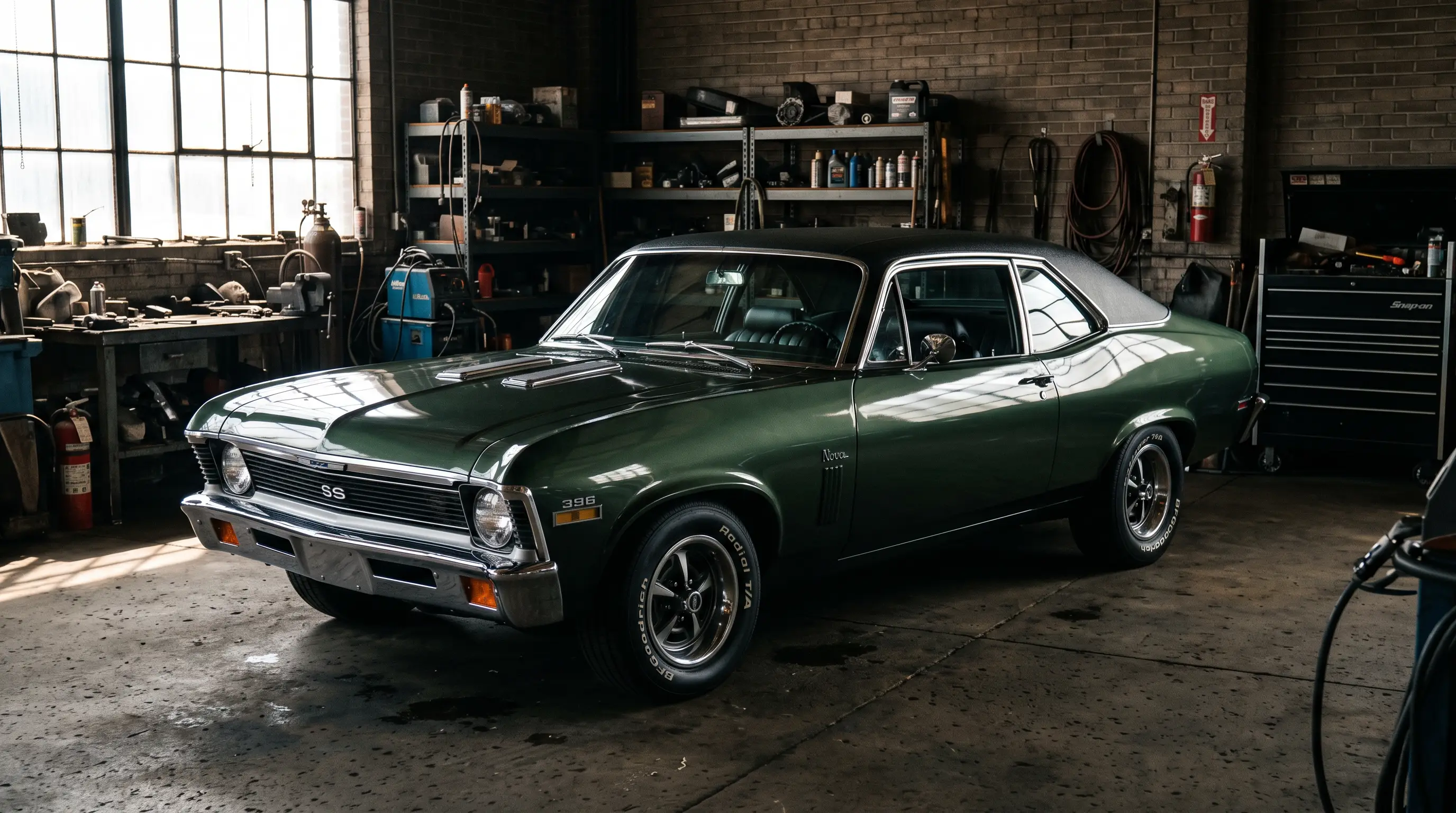
Small block Novas are cheaper to insure, cheaper to feed, and cheaper to find parts for, because GM built millions of 327s and 350s across dozens of models. Big block Novas draw a premium at sale because they're rarer and because the number on the door jamb tag says something specific happened at the factory. But rare doesn't mean better for every buyer. If you want a car you can drive every weekend without wincing at the fuel bill, the small block wins outright. If you want the fastest factory Nova money can buy and you don't mind feeding a four barrel, the big block wins, full stop.
Parts availability plays out the same way. A cracked head or a worn timing chain on a 350 small block is a same-week fix from a dozen suppliers at a reasonable price. The equivalent job on a 396 means hunting for big block specific parts, paying more for them when you find them, and waiting longer for shipping. None of that is a reason to avoid the big block if that's what you actually want. It's just the honest cost of ownership most sellers leave out of the pitch.
The two engines also age differently in daily use. A well maintained small block Nova can rack up highway miles without much drama, largely because the engine isn't working near its limits at a steady cruise. The big block, by contrast, was tuned from the factory to make its power higher in the rev range, which means it spends more of its life working harder just to keep pace with traffic. Over decades, that shows up as more wear on the valvetrain and more frequent rebuilds if the car was driven hard, which most L78 cars were, being purpose built for exactly that. Buyers looking at a 50-plus year old big block Nova should budget for a compression check and a look at the timing chain before assuming the numbers on the tag still match reality under the valve covers.
"Everybody wants the big block until they fill the tank twice in one afternoon. The small block Nova isn't the exciting answer, but it's the honest one for most people who actually want to drive the thing."
Dan Reeves
The real decision point
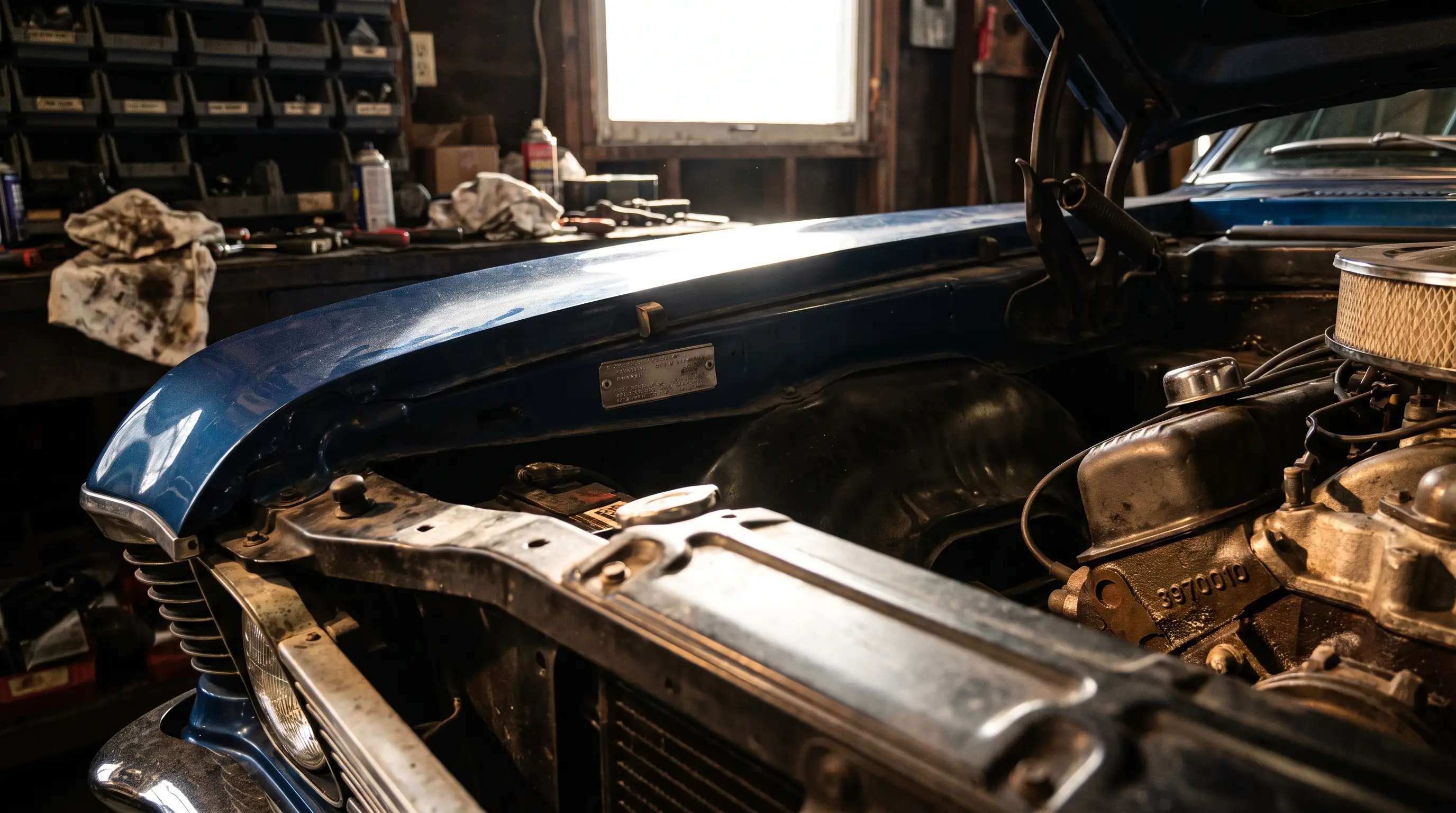
If you're cross-shopping, don't ask which engine is "better." Ask what you're using the car for. A small block Nova set up right will keep pace with plenty of traffic and won't punish you on a long drive. A big block Nova is a straight-line tool first, and everything else is a compromise you accepted to get there. For another angle on how these engine choices affect what a Nova is worth today, the numbers-matching question changes the math on both sides. And if you want the full arc of the model from 1962 to the end, the complete Nova saga covers every generation, not just the engine bay.
Sources and notes
Related Reading
Have a
Chevrolet Nova
for Sale?
Reach thousands of serious classic car collectors across the US.
Sell It Here →
Are You a Classic Car Dealer?
List your full inventory and connect with targeted classic car buyers.
Join as a Dealer →

About the author
Dan Reeves
Performance engine builder from North Carolina's motorsports corridor, focused on swaps, forced induction and making real, repeatable power.
Related Listings - Chevrolet Nova

Comments
Be the first to comment on this article.