
Every few weeks somebody calls me with the same question, dressed up different ways. Nova SS 350 vs 396, which one do I buy. I've pulled apart enough of both to give a straight answer, and it's not the one most guys want to hear. The 396 isn't automatically the right call just because it's bigger. Depends what you're doing with the car.
Car Features
6 min read
Nova SS 350 vs SS 396
Choosing between a small-block and big-block Nova SS comes down to more than horsepower. Here is what each one actually costs to own and maintain.
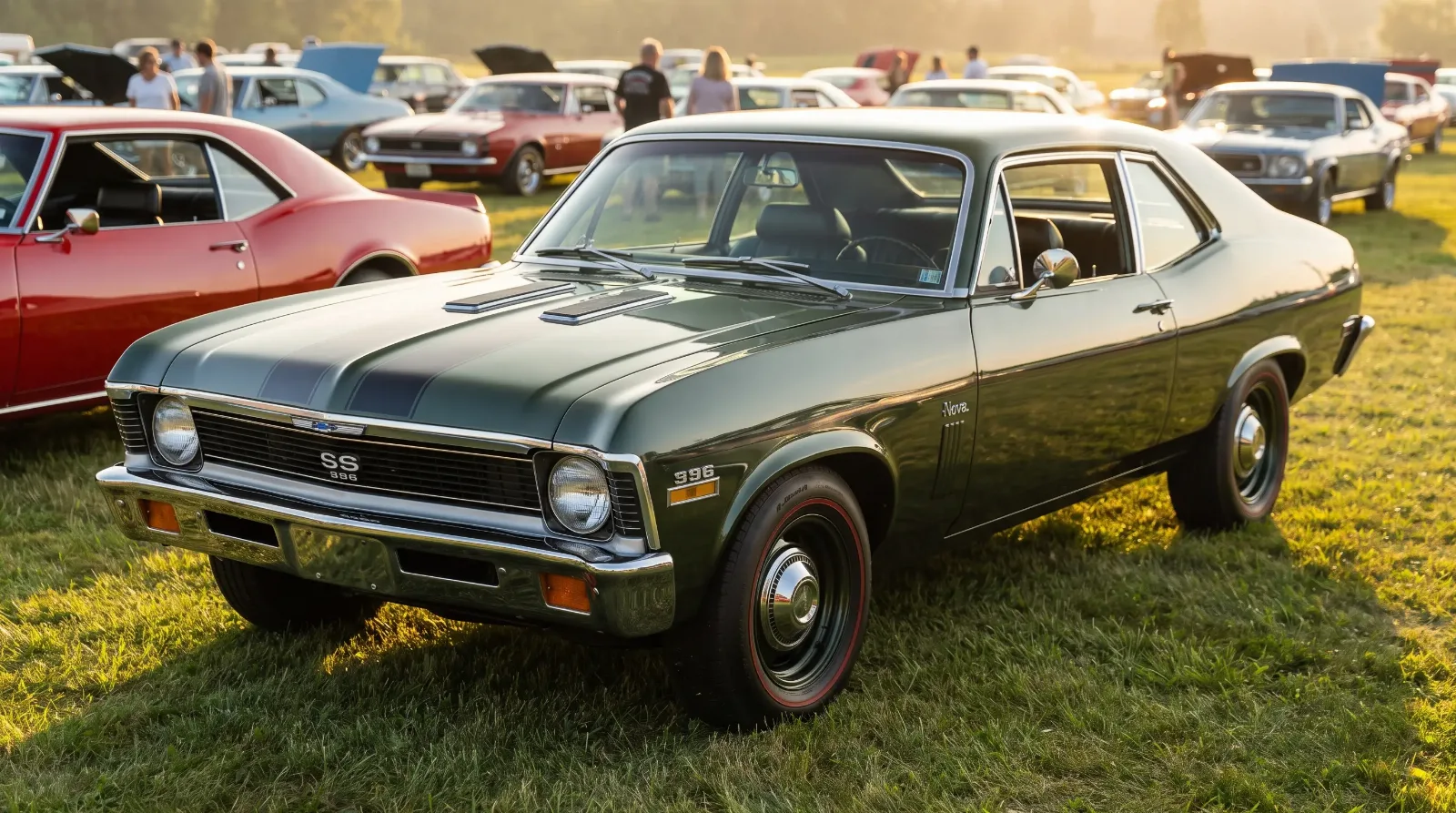
What you're actually buying with the 350
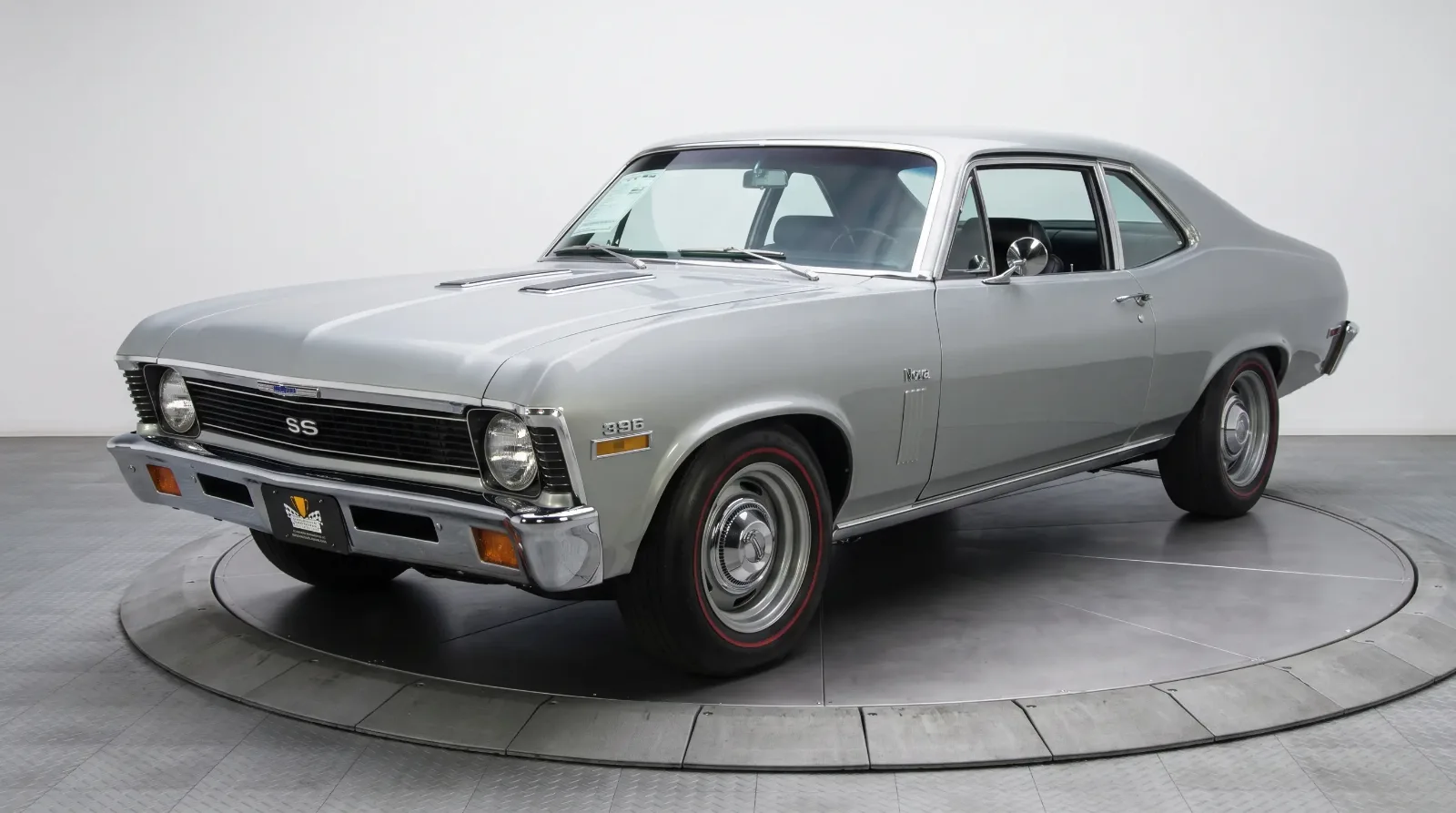
The SS 350 is the small-block Nova with the SS trim, the F41 suspension pieces, the stripes and the badges, and a 350 cubic-inch V8 making somewhere around 295 hp in the higher-output tune. It's lighter over the nose than the big-block car. Steers better. Costs less to insure, less to rebuild, and parts are everywhere because Chevy put small-block 350s in half of everything it built for twenty years. If you want a Nova you can actually drive on a Saturday without babying the cooling system, the 350 is the honest choice.
I've had guys tell me the 350 Nova feels gutless next to a 396. It doesn't, once you've actually driven both back to back on the same road. The 350 revs out cleaner and it's better balanced. It's just not going to win a stoplight fight against the big-block, and if that's what you're after, you already know the answer.
What the 396 costs you that nobody mentions
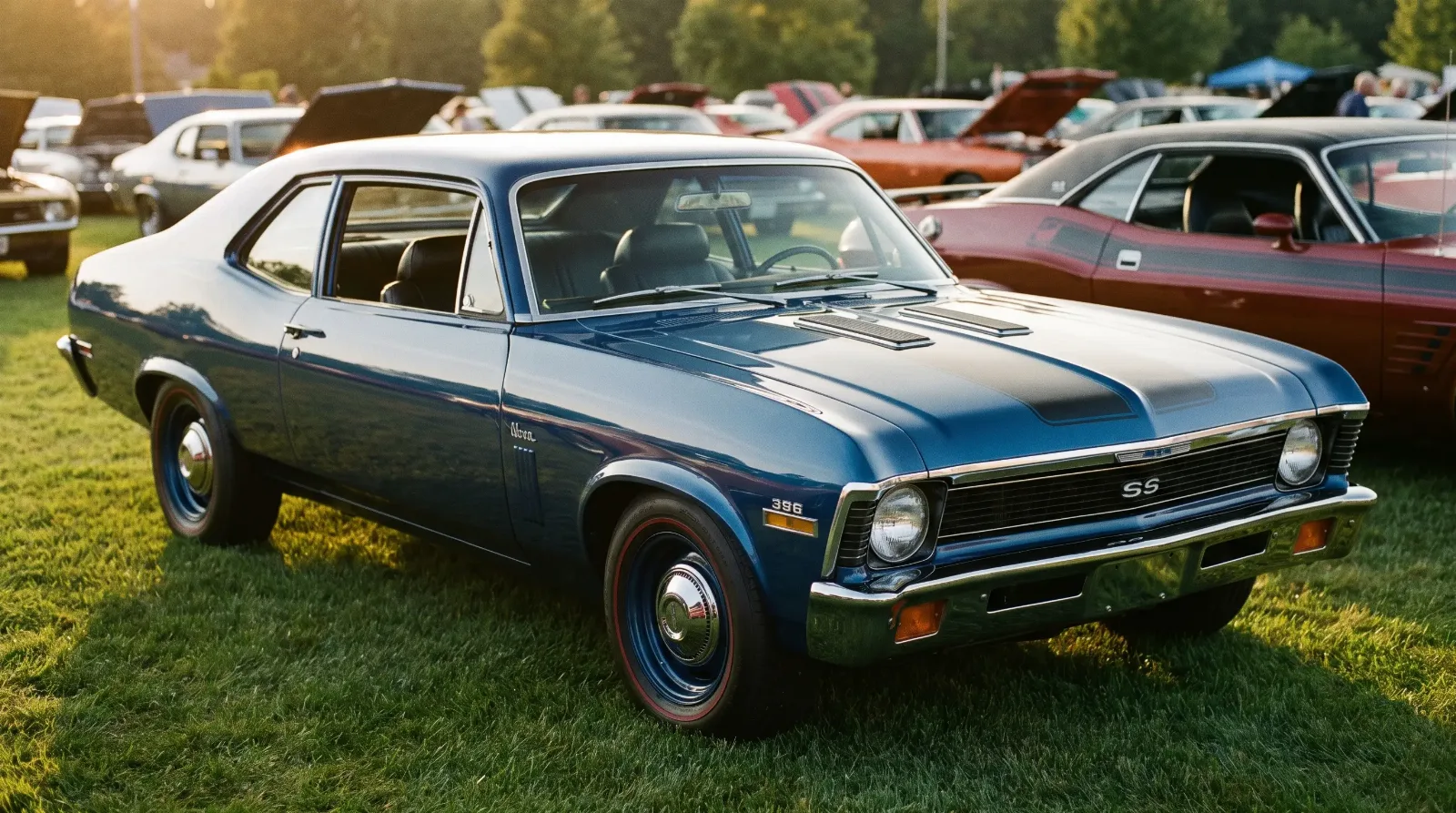
The 396 Nova is quicker in a straight line, no argument there. But you're carrying real weight over the front tires now, and the factory knew it, which is why the big-block cars got the heavier front springs, a bigger radiator, and usually the wider ring-and-pinion in back. All of that means more to fix when it breaks. I've seen 396 Novas with cooked transmissions because somebody bought the car, loved the power, and never upgraded the cooling to match. The engine will outrun the rest of the car's original specification if you're not paying attention.
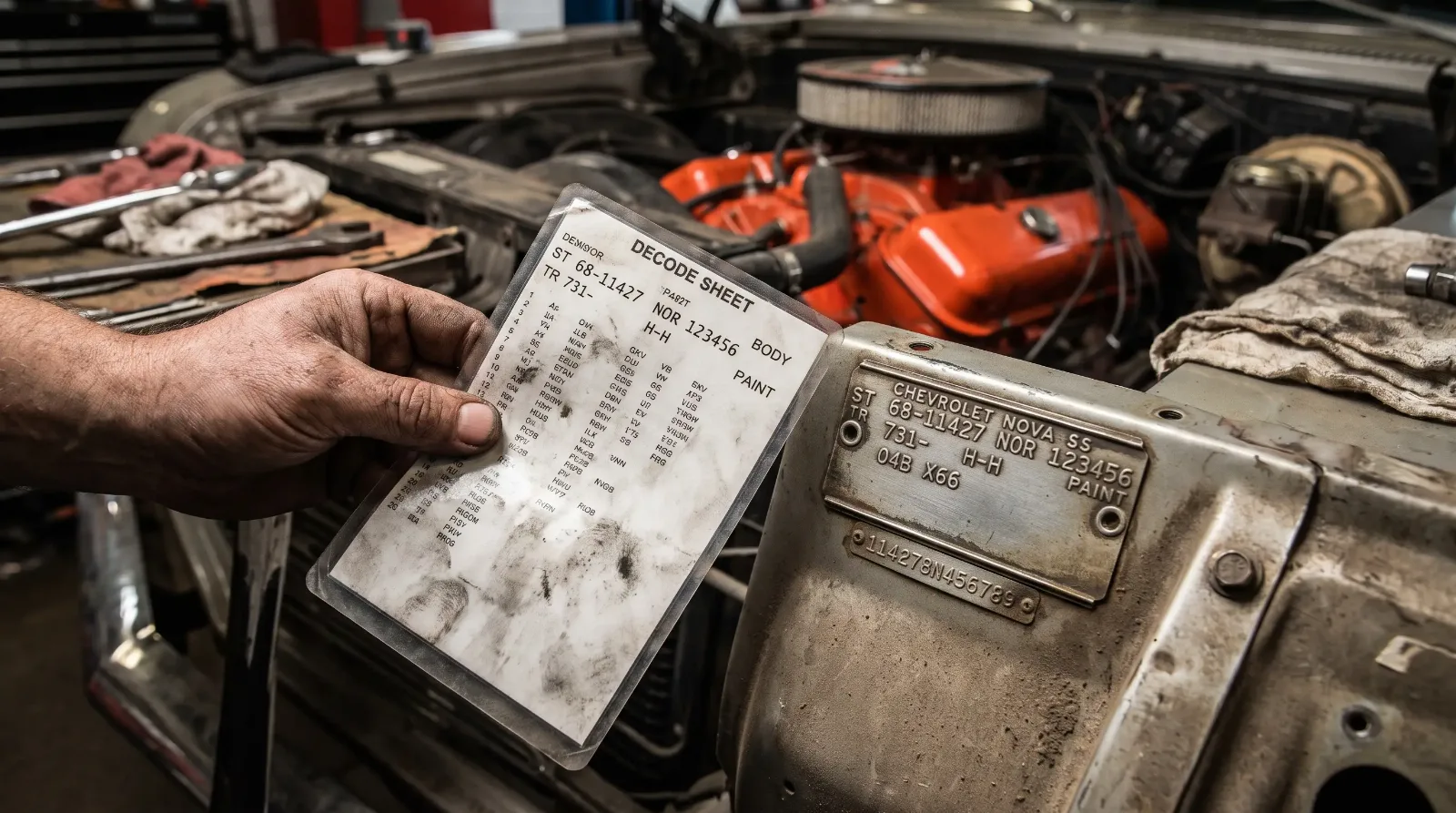
Parts for the 396 itself aren't hard to find. Correct casting-number blocks and heads are a different story if you care about matching numbers, and a lot of 396 Novas on the market today have been through an engine swap at some point in fifty-plus years. Verify before you pay a premium for "original" anything.
| Spec | SS 350 | SS 396 (L34) |
|---|---|---|
| Advertised horsepower | ~295 hp | 350 hp (L34) |
| Front-end weight bias | Lighter | 200+ lbs heavier |
| Cooling system | Standard capacity | Heavy-duty radiator required |
| Typical rebuild cost today | Lower | Higher, more labor-intensive |
Purchase price is only the first number. A clean SS 350 usually costs less to buy than a comparable SS 396, and that gap holds up through ownership too. Insurance is cheaper on the small-block in most cases, since some insurers still price partly on displacement and reputation. Routine maintenance parts, water pumps, alternators, brake components, are all cheaper and easier to source for the 350 simply because Chevrolet built so many small-block cars across so many model lines that the aftermarket never stopped supporting it.
The 396 flips that math on anything specific to the big-block itself. Head gaskets, intake manifolds, and exhaust manifolds correct to the 396 cost more and take longer to find than the small-block equivalents. None of it is impossible to source. It's just a different budget conversation, and I'd rather a buyer know that going in than get surprised by it after the first big repair bill.
The inspection difference between the two
On a 350 car, I'm looking at the usual small-block wear points. Timing chain slop, a leaky intake gasket, the corrosion you always find where the cowl meets the fender on any Nova of this era. Nothing exotic. On a 396 car, I'm doing all of that plus checking the front subframe mounts harder, because that added weight has been working those bushings for five decades. I'm also checking the transmission cooler lines and the radiator core, because that's where the previous owner cut corners if they cut any.
"Buy the small-block if you want to drive it every weekend. Buy the big-block if you want to win the argument at the show. Just don't buy either one thinking it fixes a rusty frame."
Mike Sullivan
What the ownership experience is actually like
Daily reality matters more than spec sheets once you own the thing. A 350 Nova starts easy, idles clean, and doesn't punish you for driving it in traffic on a hot day. I've had customers bring in 396 cars running warm at stoplights because the factory cooling system was never designed for stop-and-go modern traffic patterns, and the fix usually means an upgraded radiator and maybe an electric fan conversion if you want to actually enjoy the car in July. That's not a deal-breaker, but it's a cost most sellers don't mention and most buyers don't ask about.
Fuel is the other quiet cost. A 396 running any real compression wants better gas than the small-block does, and if you're driving the car regularly instead of trailering it to shows, that adds up over a season. None of this means skip the big-block. It means go in knowing the whole picture, not just the horsepower number on the window sticker.
My actual recommendation
If you're new to Nova ownership, start with the 350. It's cheaper to own, cheaper to fix, and it teaches you the platform without punishing your wallet the first time something goes wrong. If you already know these cars and you want the performance history the SS chapter of this platform actually delivers, the 396 is worth the extra work, provided you go in with your eyes open about what you're maintaining. I'd also read a related deep-dive on how many real 396 Novas are actually left before you pay a premium for "rare."
For the full history of how this trim came together, the complete Nova guide covers it end to end. And when you're ready to go look at real cars instead of spec sheets, there's usually a classic Nova SS for sale worth a Saturday drive to go inspect in person.
Sources and notes
Related Reading
Have a
Chevrolet Nova
for Sale?
Reach thousands of serious classic car collectors across the US.
Sell It Here →
Are You a Classic Car Dealer?
List your full inventory and connect with targeted classic car buyers.
Join as a Dealer →

About the author
Mike Sullivan
Detroit-area muscle car enthusiast and restoration specialist with three decades of hands-on experience working on American iron.
Related Listings - Chevrolet Nova




Comments
Be the first to comment on this article.