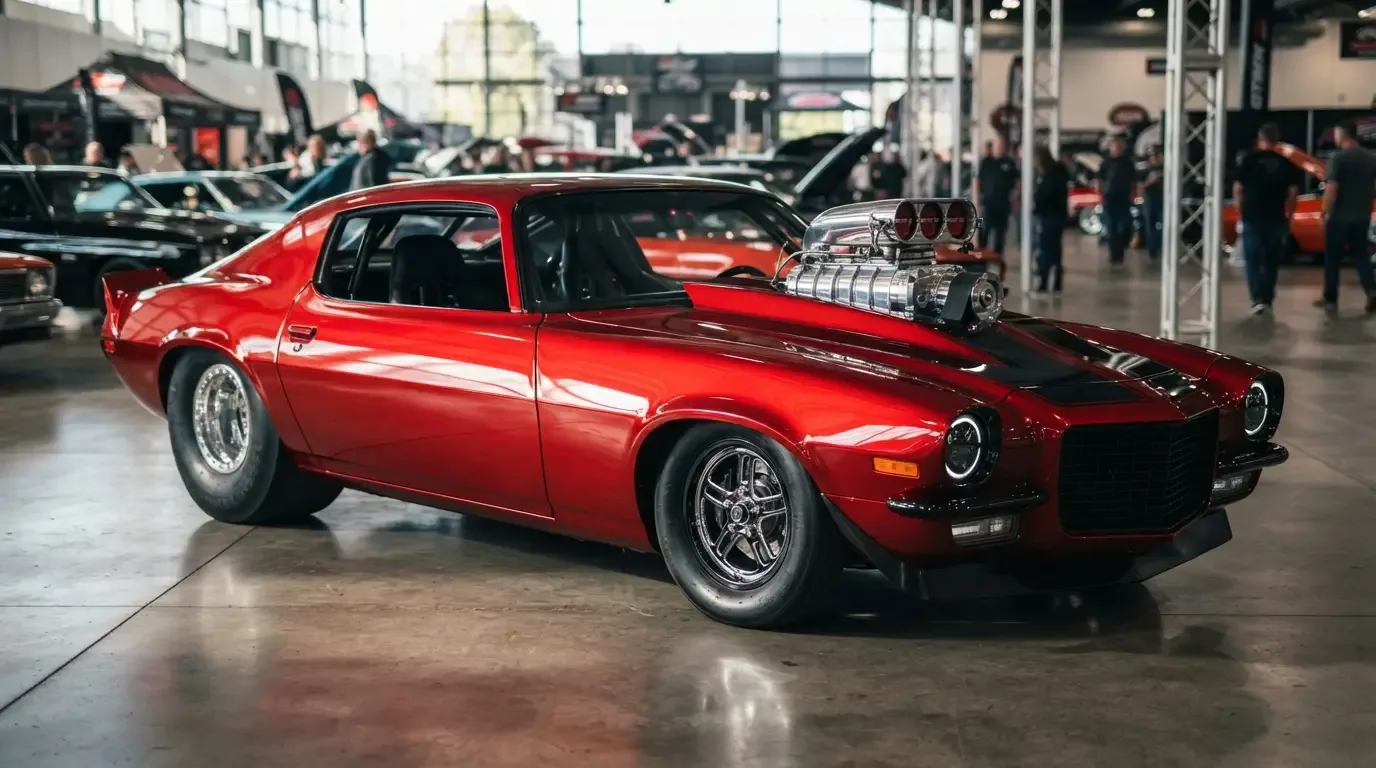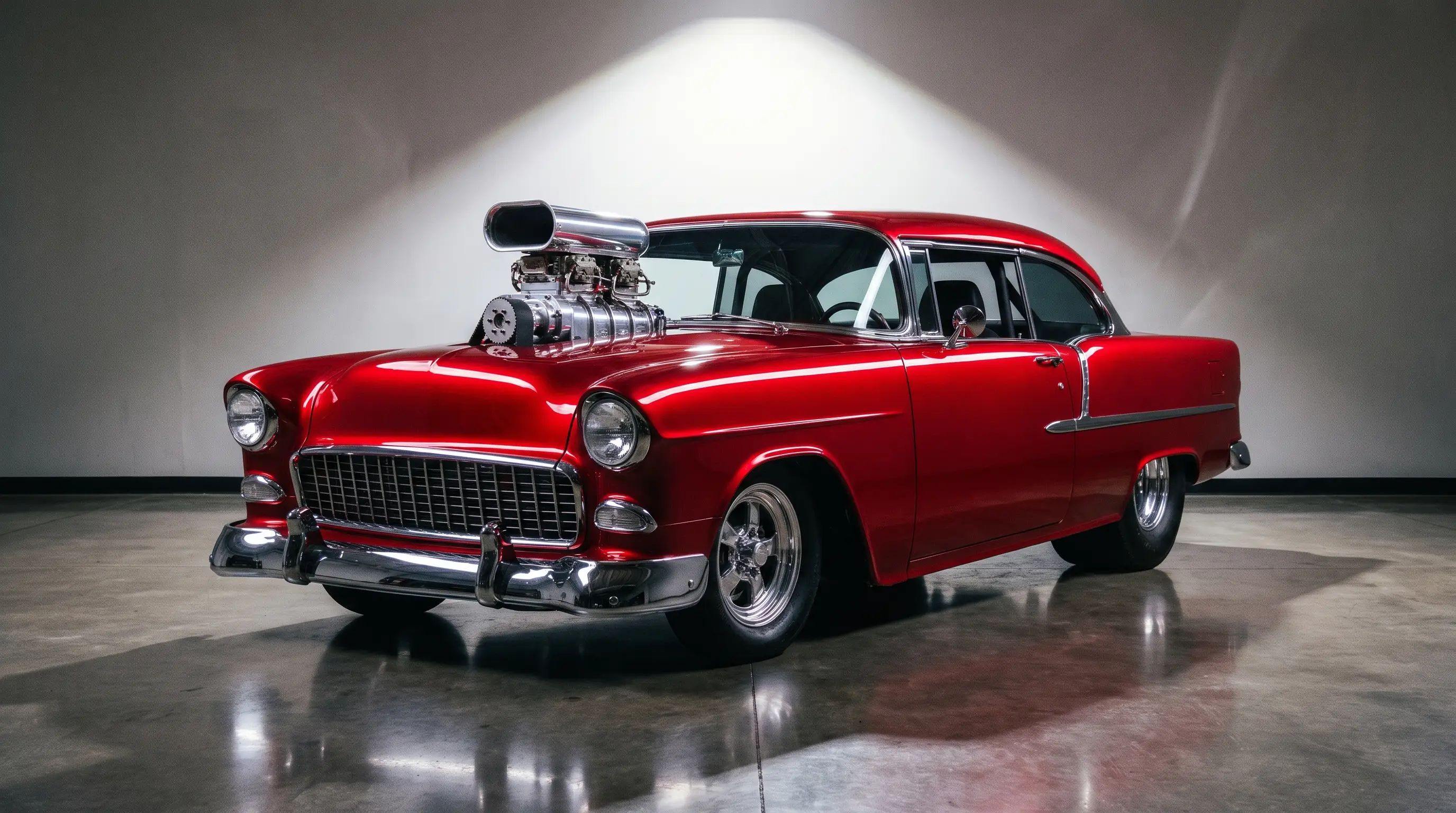
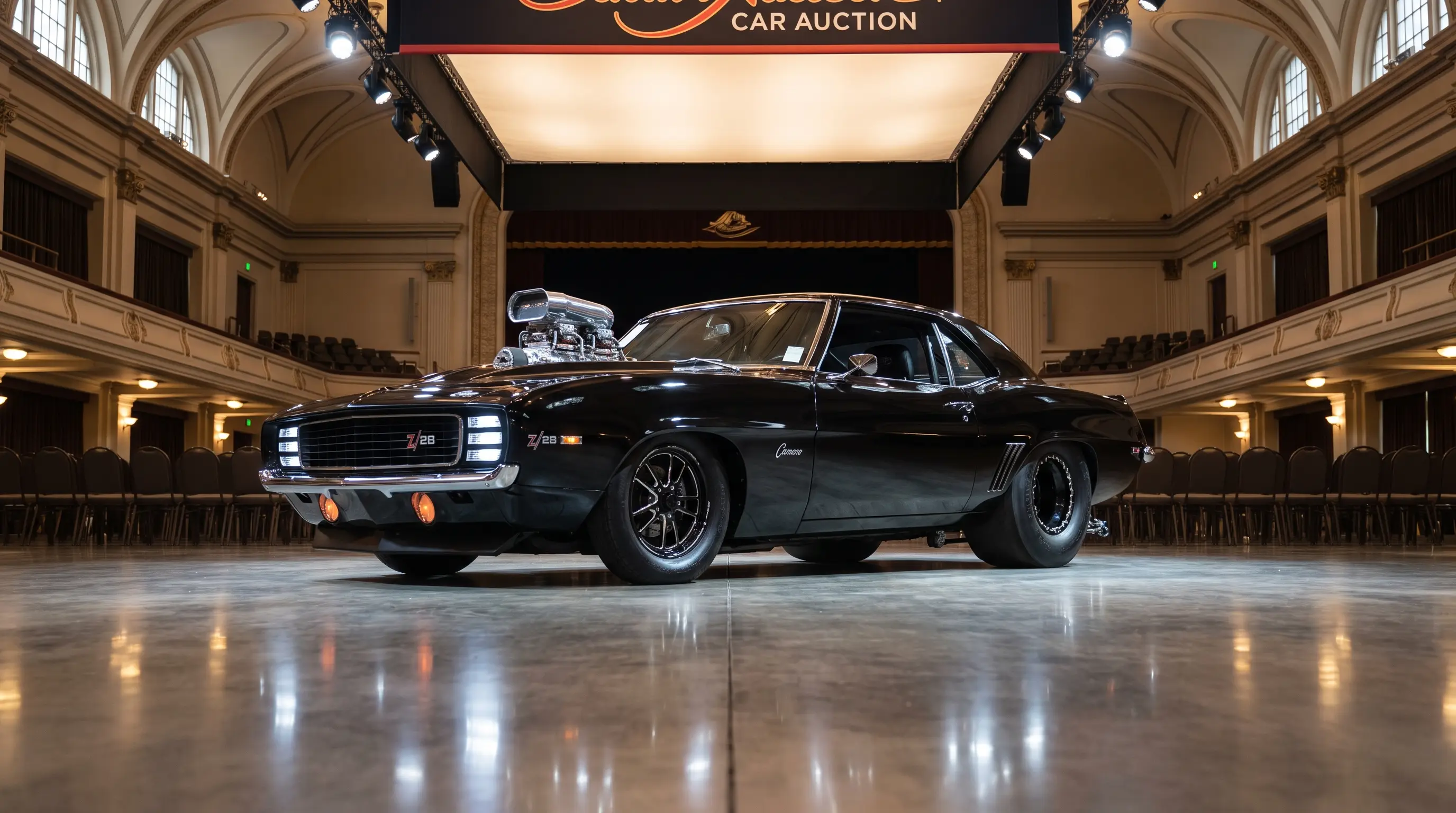
Pro street value has moved in a pattern that will look familiar to anyone who tracks modified-car auction data over the past decade: a slow climb through the 2010s, a sharper jump during the broader collector car surge of 2021 and 2022, and a leveling off since as the market absorbs a wave of newly built and freshly restored examples. The numbers tell a clearer story than the nostalgia usually does.
The long-run trend line
A decade ago, a well-built Pro Street car with a tubbed rear end, a strong small block, and clean paint routinely sold in the $15,000 to $25,000 range at regional auctions. That baseline has shifted meaningfully higher. Comparable builds today more often land in the $30,000 to $50,000 range, with documented shop builds and cars with magazine history pushing well past that.
The growth has not been evenly distributed. Entry-level examples, cars with a Pro Street look but questionable fabrication quality or no documented history, have appreciated modestly. The middle and upper tiers of the market, cars with verified builders, clean paperwork, and strong photographic history, have appreciated far faster. That divergence is the single most important trend in this category right now.
What is driving demand
Three factors show up consistently in the data. First, the generation that grew up watching Pro Street cars dominate magazine covers in the 1980s and early 1990s is now in its peak collecting years, with the disposable income to chase cars they could only dream about as teenagers. Second, events like Hot Rod Drag Week and a renewed presence at major indoor shows have kept the style visible to a younger audience that might otherwise never have encountered it. Third, supply of genuinely period-correct builds is shrinking. Cars get parted out, converted to other styles, or simply lost to neglect faster than new period-correct examples can be created.
| Segment | Typical range today | 5-year trend |
|---|---|---|
| Entry-level, undocumented build | $12,000 - $22,000 | Modest increase |
| Solid driver, partial documentation | $25,000 - $45,000 | Steady increase |
| Documented shop build, strong history | $50,000 - $90,000 | Strong increase |
| Magazine-featured or record-adjacent car | $90,000+ | Sharp increase, high volatility |
Where the risk sits
Every appreciating market has a soft spot, and for Pro Street it is the middle tier. Cars in the $25,000 to $45,000 range are the most numerous at auction, and quality varies enormously within that band. A buyer paying $40,000 for a car with average fabrication and no real documentation is exposed if the market corrects, while a buyer paying the same amount for a documented build with a traceable history has a floor under the price that the average car does not.
"The data is consistent across every auction house I track. Documentation compresses risk. Two cars can look nearly identical in photos and sell forty percent apart because one has a paper trail and the other has a story. Buy the paper trail."
- David Mercer
A market still catching up to its own history
Part of what makes pro street value harder to pin down than other collector segments is that the category spent years undervalued relative to the engineering and labor that went into these builds. A tubbed chassis with a fabricated four-link rear and a period-correct big block represents real skilled labor, often more than a comparable stock restoration, yet Pro Street cars sold for a fraction of what a numbers-matching muscle car brought for most of the 2000s and early 2010s. The current appreciation looks less like a bubble and more like a market correcting a long-standing undervaluation. Readers who want our complete history of how the style went from mainstream to niche and back again will find useful context for why that gap existed in the first place.
That undervaluation thesis has limits, though. It applies most clearly to documented, well-built cars, not to the broad middle of the market where quality is inconsistent. Buyers chasing appreciation should focus on the segments where the trend is strongest rather than assuming a rising tide lifts every tubbed Camaro equally.
What this means for buyers right now
For a buyer entering the market today, the data points toward a straightforward strategy: prioritize documentation over cosmetic appeal, and be willing to pay a premium for a verified build history rather than chasing the cheapest example with the most aggressive stance. That is where the appreciation has concentrated, and where it is likely to keep concentrating as supply of genuine period builds continues to shrink.
Buyers who want to see current asking prices across the full range of this market can browse classic Pro Street car listings and compare documentation quality against price directly, which is the single best way to judge whether a given ask reflects the trend or is chasing it.
How regional auctions differ from marquee sales
National televised auctions get most of the attention, and they set the headline numbers everyone quotes, but the bulk of Pro Street cars actually change hands at regional auctions and private sales that never make a highlight reel. Prices at those venues tend to run ten to twenty percent below the marquee-auction comps for a comparable car, largely because the buyer pool is smaller and less competitive. That gap matters for anyone using auction results as a pricing guide. A headline sale from a major televised event is useful as a ceiling reference, not as a typical transaction price.
Regional data also tends to lag the marquee market by six to twelve months. When national auction results show a segment heating up, regional sales usually follow with a delay, which creates a window for buyers paying attention to regional listings before local sellers adjust their expectations upward. That lag has been especially visible over the past two years as documented builds pulled away from the rest of the market first at the national level, then regionally.
Reading condition reports the right way
Auction condition reports for Pro Street cars require a different kind of scrutiny than the same reports for stock classics. A description that leans heavily on subjective language, striking, aggressive, head-turning, without listing a builder name, a completion date, or a documented power figure is a red flag for a data-driven buyer. The absence of specifics is itself a data point, and it should be priced accordingly rather than filled in with optimism.
The best condition reports read almost like an invoice: builder name, completion year, dyno figure with a date attached, and a service history since. That level of detail is rare, which is exactly why it commands a premium when it shows up. Treat its absence as a discount factor built into the price, not a reason to raise your own offer to match the seller's confidence.