
A man in Albuquerque drives a white El Camino down a two-lane highway, dust rising behind him like a memory he cannot outrun. That image, from the final scenes of Breaking Bad and later the film that carries the car's name, did more to fix the El Camino in the public imagination than any advertisement Chevrolet ever ran. The Ranchero has never had a moment like that. This is the story of why one cartruck became a cultural shorthand and the other became a footnote, even though both were built for the same simple idea: a car up front, a truck bed out back.
Car Features
7 min read
The Cultural Legacy of the Cartruck Rivalry
One cartruck became a pop culture symbol, the other stayed a quiet family driveway staple. Here is why the El Camino and Ranchero left such different marks.
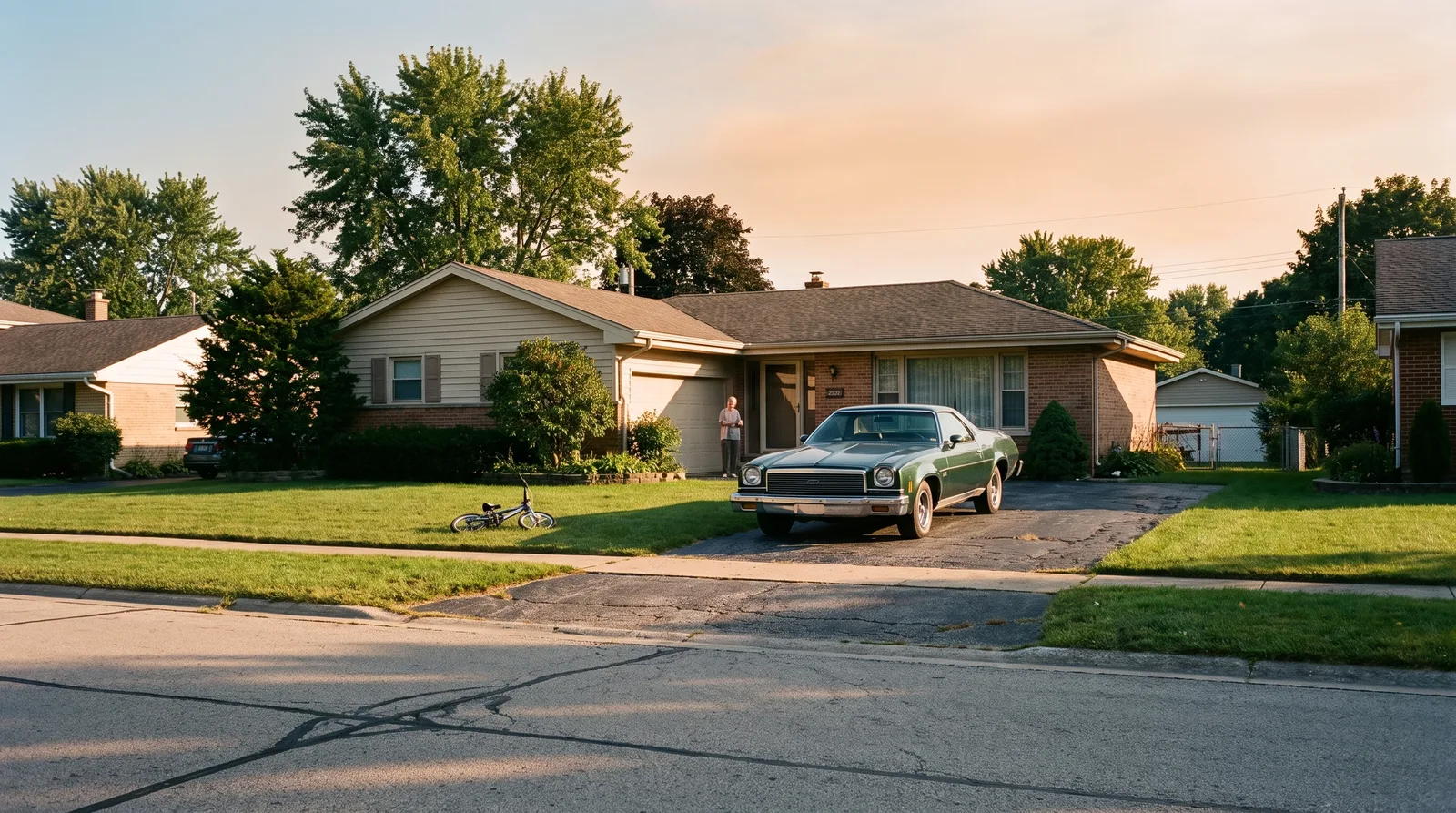
A shared origin, a divergent afterlife
Both vehicles trace back to the same practical impulse, the Australian coupe utility concept that Ford Australia designer Lewis Bandt is credited with formalizing, releasing the first coupe utility in 1934 after a farmer's wife wrote asking for a vehicle she could drive to church on Sunday and haul pigs in on Monday. Ford brought that idea to America first, in 1957. Chevrolet followed two years later. Our complete history traces that back-and-forth in full, generation by generation, and it is worth reading if the practical side of this story interests you as much as the cultural one does.
What happened after those early years is where the two nameplates truly split. The Ranchero settled into a long, respectable, largely unremarked career, a solid seller that never became a symbol of anything beyond itself. The El Camino, by contrast, kept finding its way into places its designers never could have planned for, and each of those appearances added another layer to a reputation that eventually outgrew the car itself.
How the El Camino became shorthand for something bigger
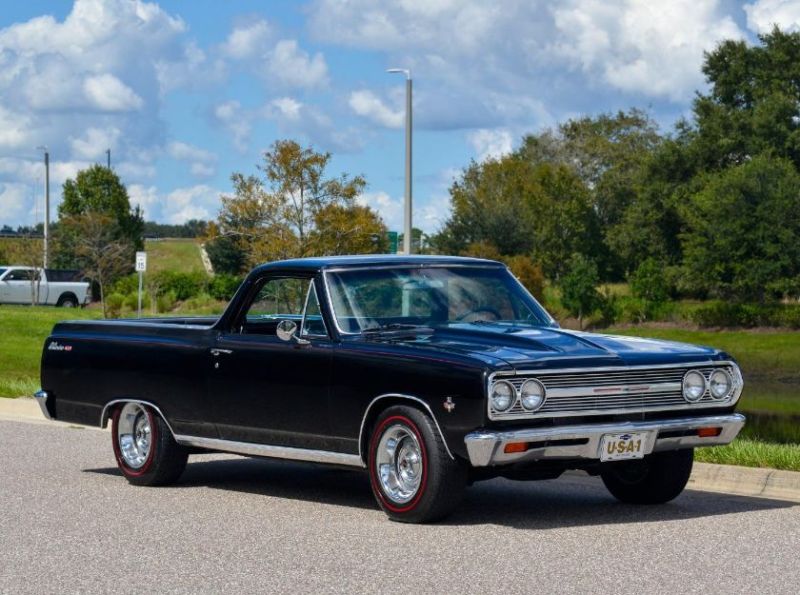
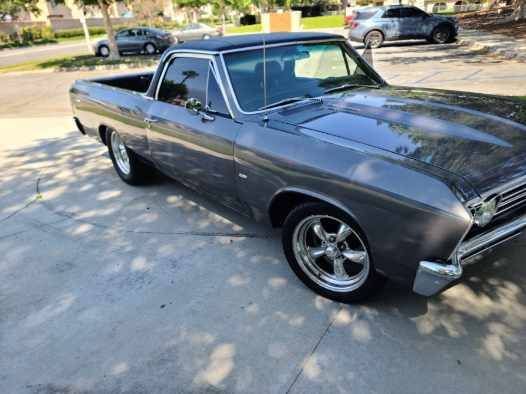
Lowrider culture claimed the El Camino early, particularly in the Chevelle-based generations, and that adoption gave the car a second life in Southern California car culture that had nothing to do with Detroit's original marketing plan. Hip-hop lyrics referenced it. Custom builders lowered it, painted it in candy colors, and turned it into rolling art. By the time the SS 454 generation reached its collector years, the El Camino was carrying cultural weight that a straightforward big-block muscle car rarely accumulates on performance credentials alone.
Then came Breaking Bad, and later El Camino: A Breaking Bad Movie, and the nameplate crossed into a kind of recognition most classic vehicles never reach. People who could not tell a Chevelle from a Malibu suddenly knew what an El Camino was, because a television show had made the name itself part of its title. That kind of cultural placement cannot be bought, and it cannot really be replicated by any amount of advertising spend.
The soundtrack that followed one car and not the other
Music tells the same lopsided story. The El Camino turns up by name in verses across country, rock, and hip-hop over several decades, a shorthand for a certain kind of American cool that songwriters kept reaching for long after the last one rolled off the G-body line in 1987. It is the kind of recurring reference that suggests the writers were not thinking about a specific model year or engine option. They were reaching for an image, and the image already existed in the culture before they wrote the line.
I have never found a comparable body of Ranchero references, and I went looking. That absence is not an accident of taste, it is a reflection of how differently the two cars entered the public imagination. The El Camino got adopted by subcultures, by musicians, by filmmakers, each new reference building on the ones before it until the car meant something beyond its own specifications. The Ranchero stayed a car, a good one, but never a symbol that anyone outside its own dedicated owners felt compelled to write about.
What the Ranchero got instead
The Ranchero's legacy is quieter, and quieter is not the same as lesser. It lived in the background of family driveways and small businesses for over two decades, a genuinely useful vehicle that did exactly what Ford promised without asking for attention in return. It shows up occasionally in period television and film as background rather than as a character in its own right, the kind of car that grounds a scene in its era without anyone in the audience noticing it was there at all.
There is something honest about that kind of legacy, even if it does not sell posters. The Ranchero's owners tend to describe an almost private pride in the car, a sense of keeping alive something that never asked to be famous. Talk to enough of them and you hear the same sentiment in different words: they like that their car is not the one everybody already has an opinion about.
"I once watched an eight year old point at a parked El Camino and say the name out loud before her father had even told her what it was. She had seen it in a movie poster. That is not a car anymore, that is a piece of the culture."
- Nora Beckett
Car shows tell a smaller version of the same story every summer. Walk a show field and watch which vehicle draws the bigger crowd of strangers, not just the knowledgeable regulars who already know both platforms by heart. It is almost always the El Camino, and it is almost always because someone in that crowd already has a story attached to the name before they ever look at the paint or the engine bay. The Ranchero owner standing three spots down usually has to work harder to get anyone to stop, and once they do, the conversation tends to be more informed and more respectful, because the person asking actually wanted to learn something rather than just point and say a name they already knew.
Two legacies, worth the same respect
It would be easy to write this as a story about a winner and a loser, the famous car and the forgotten one. That framing sells the Ranchero short. Cultural fame is a strange, unpredictable thing, often disconnected from the actual merit of the object it attaches to, and the El Camino's brush with pop culture immortality says as much about the timing of a television show's ending as it does about anything Chevrolet engineered in 1968. The Ranchero's quieter path through American life is its own kind of legacy, one built on decades of ordinary, dependable service rather than a single unforgettable scene.
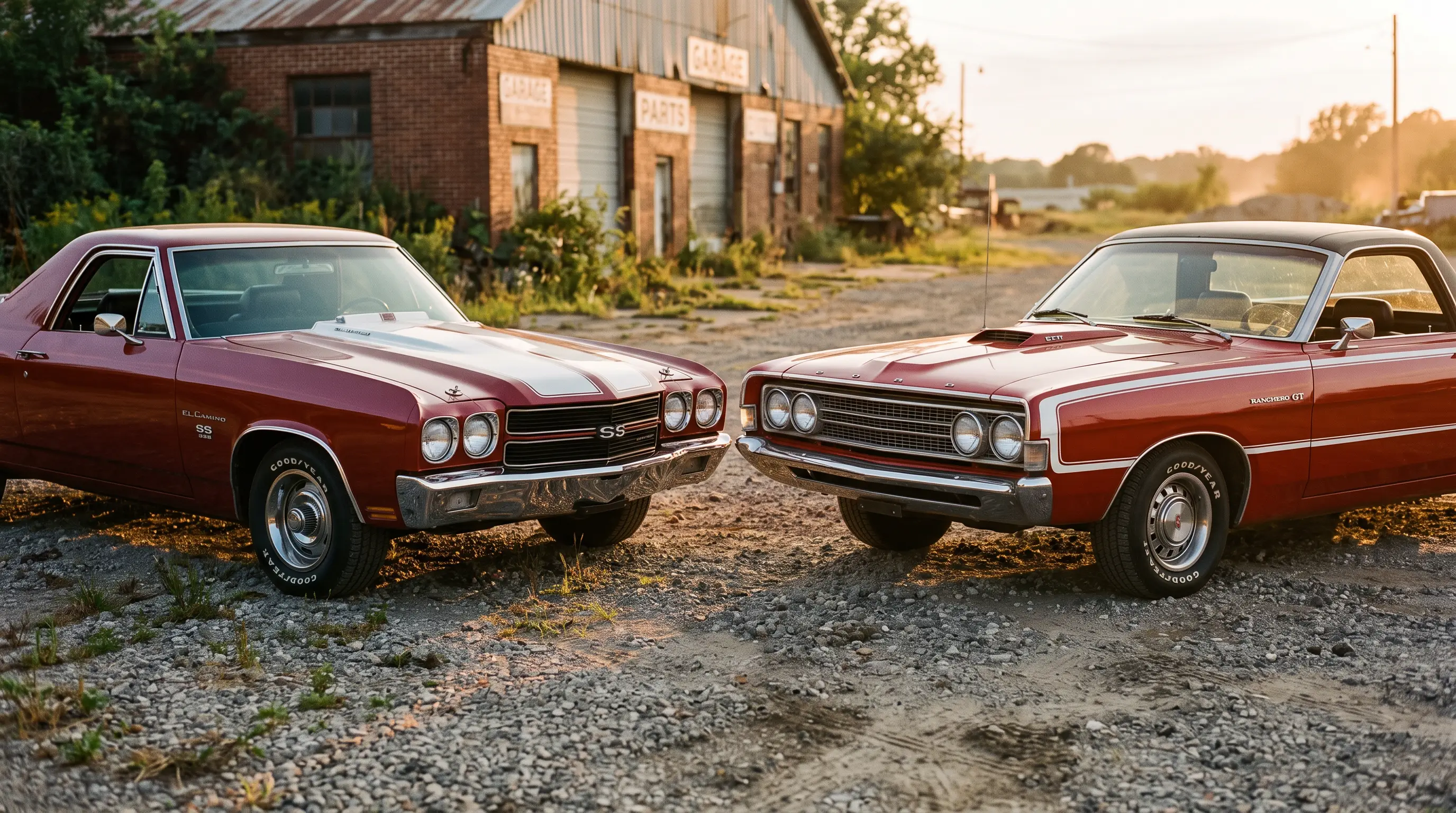
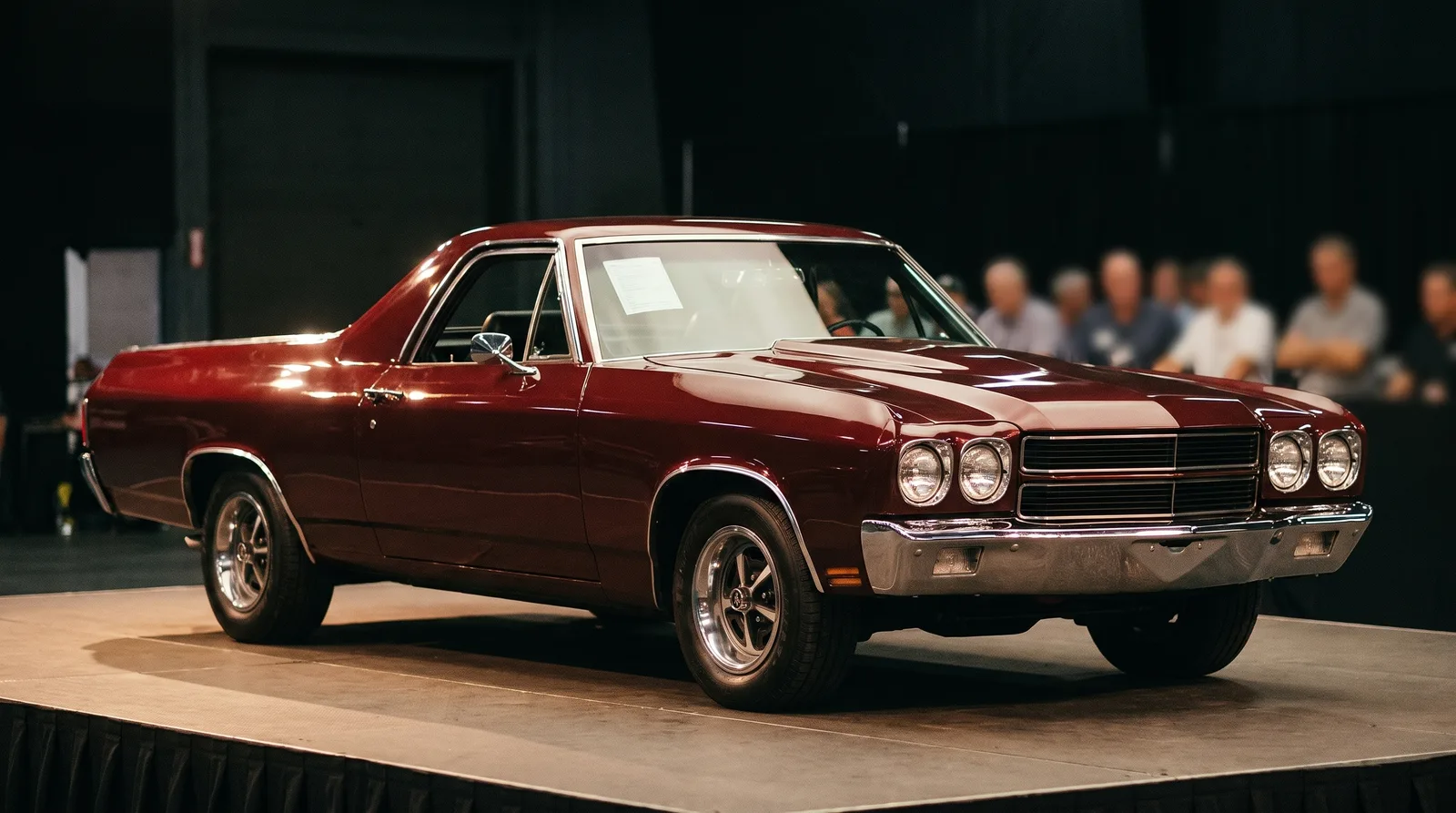
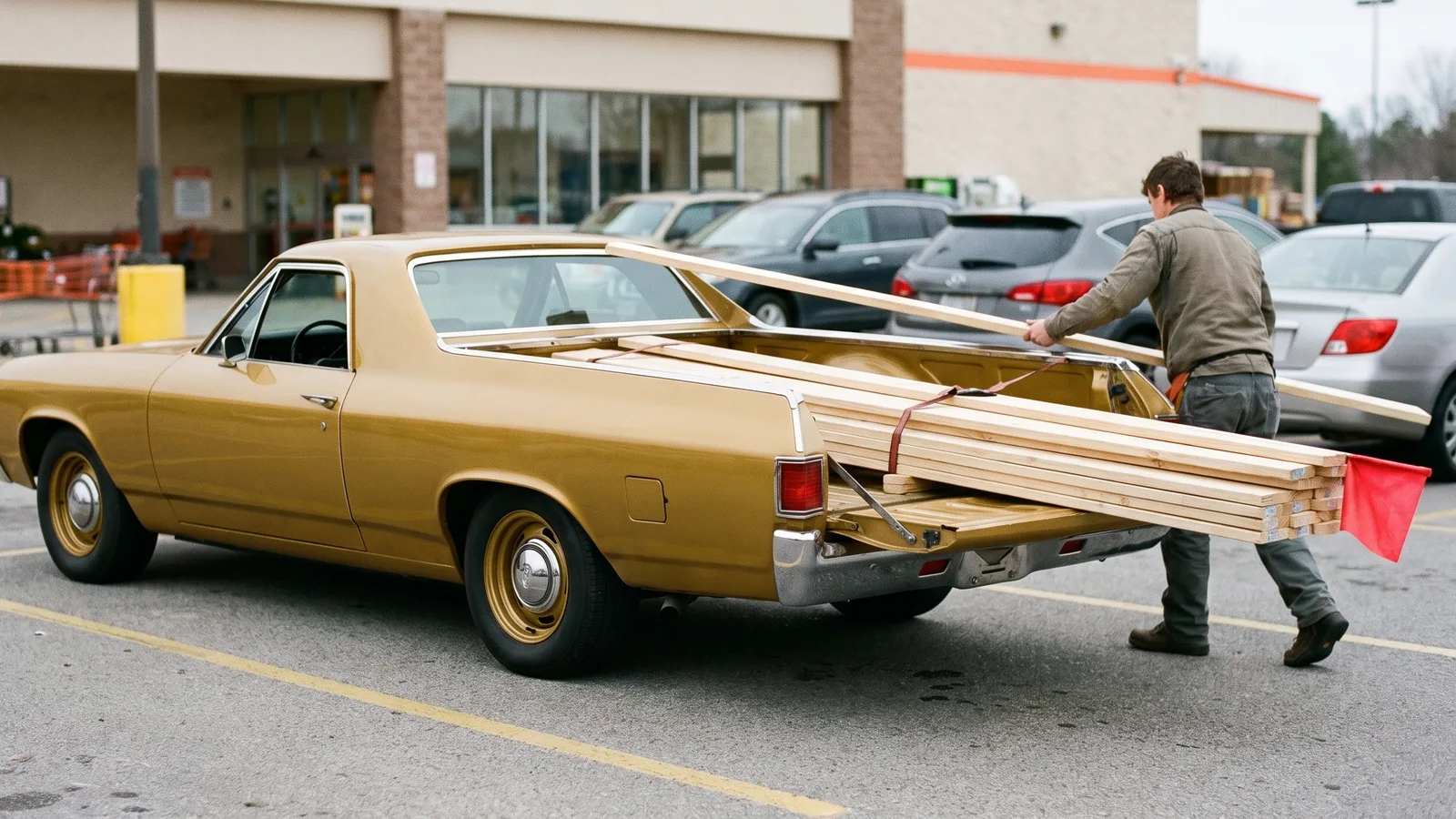
If you want to keep exploring how these two cars actually feel to live with day to day, that comparison gets into the ground-level experience behind both reputations. And if the pull of that dusty highway shot has you wanting one of your own, you can find classic El Camino for sale listings and decide whether the legend matches the car once you are standing next to it.
Sources and notes
Related Reading

About the author
Nora Beckett
Automotive features writer and photographer who tells the human stories behind the cars, from show fields to cross-country road trips.
Related Listings - Chevrolet El Camino



Comments (1)
R
RotaryRon
1 week ago
Did any of the other car-trucks get a moment in the States? Subaru had the BRAT, Mazda sold the rotary pickup in the 70s. Never heard either one in a song. I keep an RX-3 and an RX-7, so I'm used to explaining the car nobody recognizes. Brap.
One, briefly, and from an unlikely place. Ronald Reagan kept a Subaru BRAT at his ranch above Santa Barbara, and photos of him in it still get passed around among BRAT owners. The rotary pickup I never found in a single lyric, and I suspect its owners like it that way.