
Auction results are where theory about a car meets what someone actually paid, and Yenko Nova sales over the past decade tell a clear story about how thin this market is at the top. These cars do not come up often, and when a genuinely documented example does cross the block, the result tends to reset expectations for whatever sells next. The most recent proof came at Mecum's Kissimmee auction in January 2026, where a numbers-matching 1969 Yenko Nova 427 sold for $852,500, more than doubling the previous record of $418,000 set in 2015.
Car Features
6 min read
Yenko Nova Auction Records
Yenko Nova sales are rare enough that a single auction result can reset the market. Here is what separates a record-setting sale from a disappointing one.
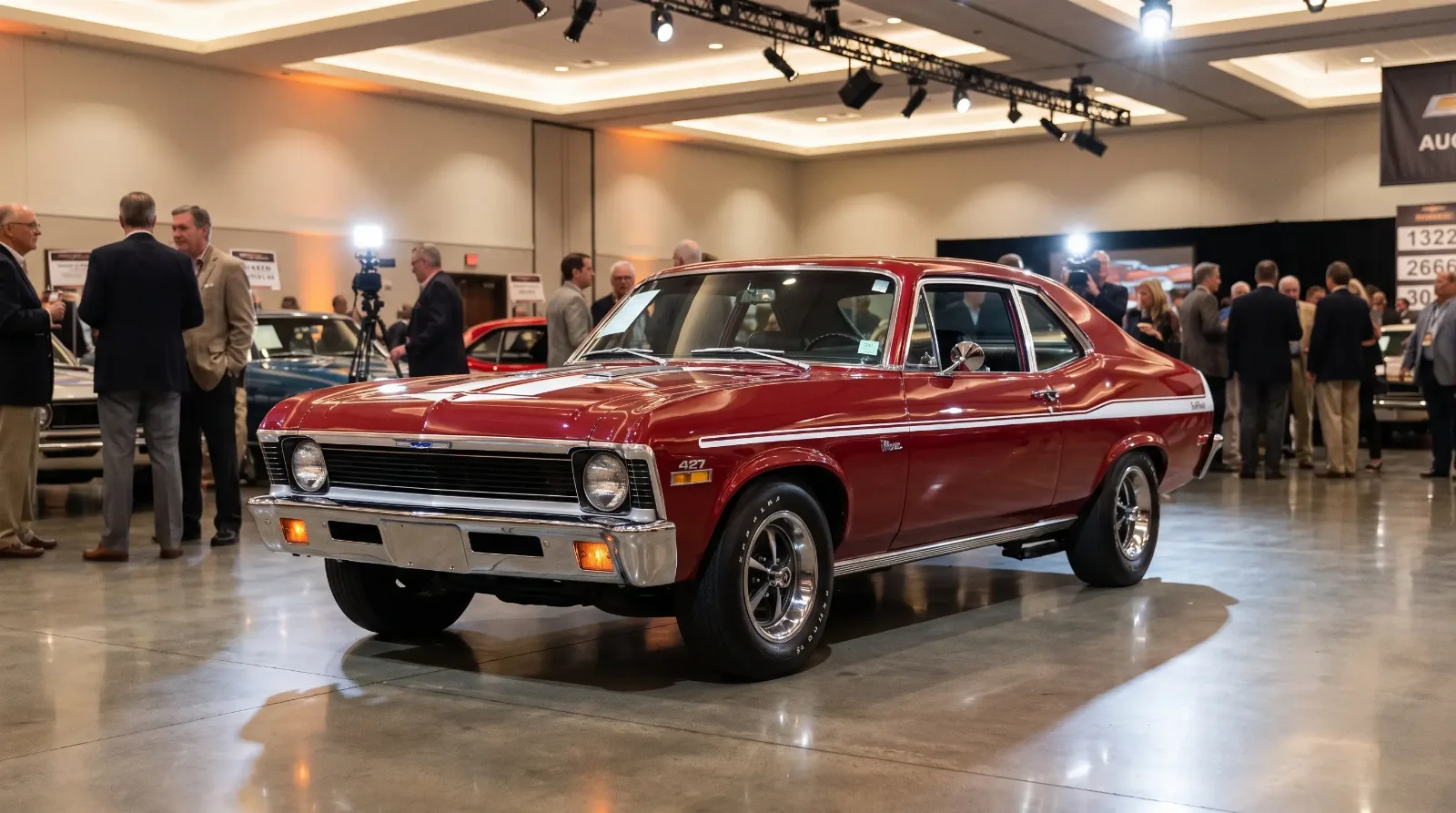
Why Yenko Nova sales are so sparse
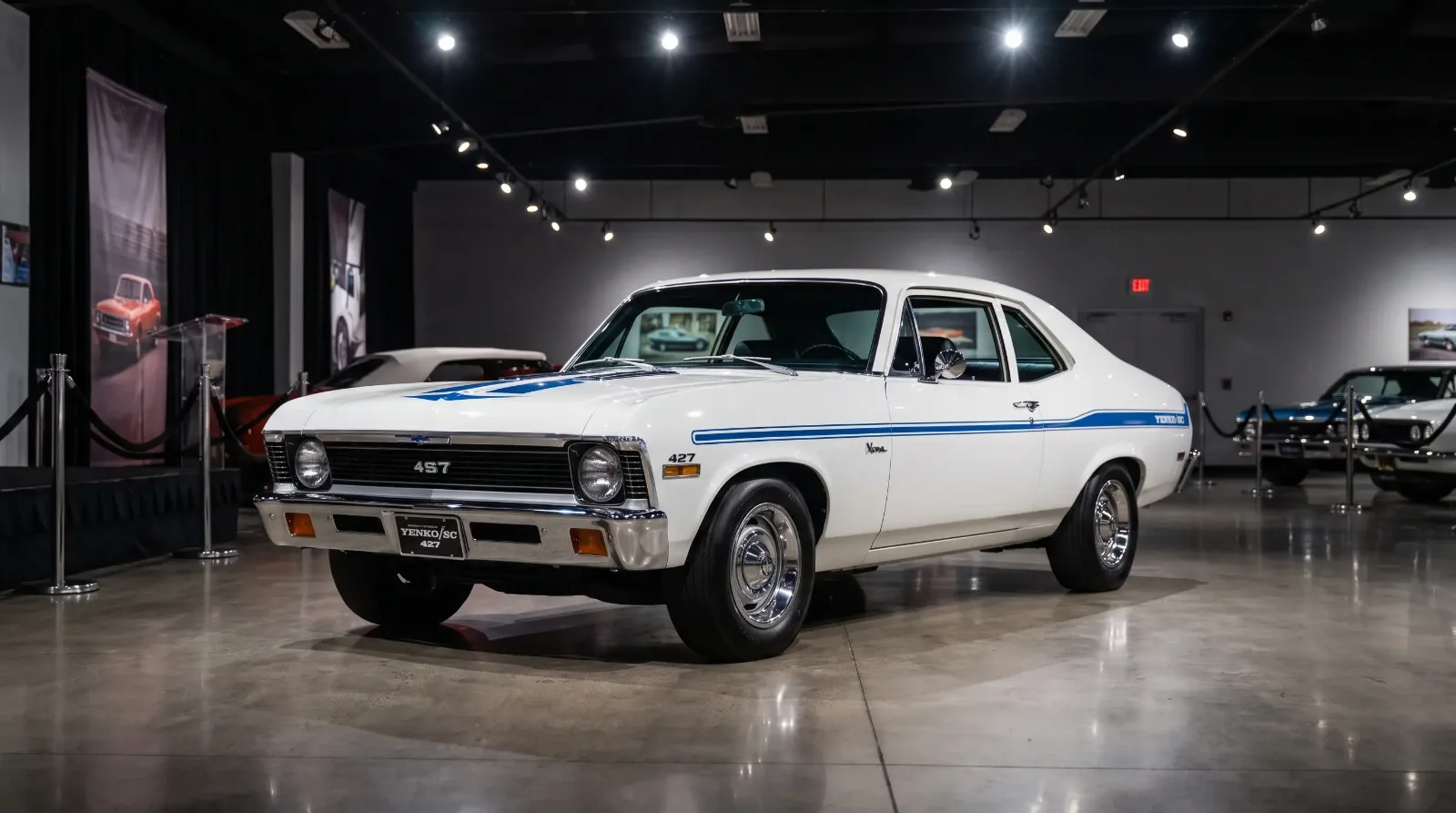
Start with the production numbers. Don Yenko converted only 37 to 38 Novas to 427 power in 1969, all through his own dealership rather than any factory order, and the subset of those cars with a verifiable, fully documented Yenko trail is smaller still. Compare that to the COPO Camaro program, which produced roughly a thousand factory L72 cars in the same window, and you get a Nova market where a single auction season might see one or two Yenko-documented examples change hands, not a dozen.
That scarcity means each sale carries outsized weight. A single strong result at a major auction house can move the perceived ceiling for the entire niche, and a single soft result, a car that fails to meet reserve or sells for less than expected, can just as easily suppress it for a year or two afterward. This is a market where the sample size is small enough that you have to read individual results carefully rather than relying on a broad price index.
What separates a strong result from a disappointing one
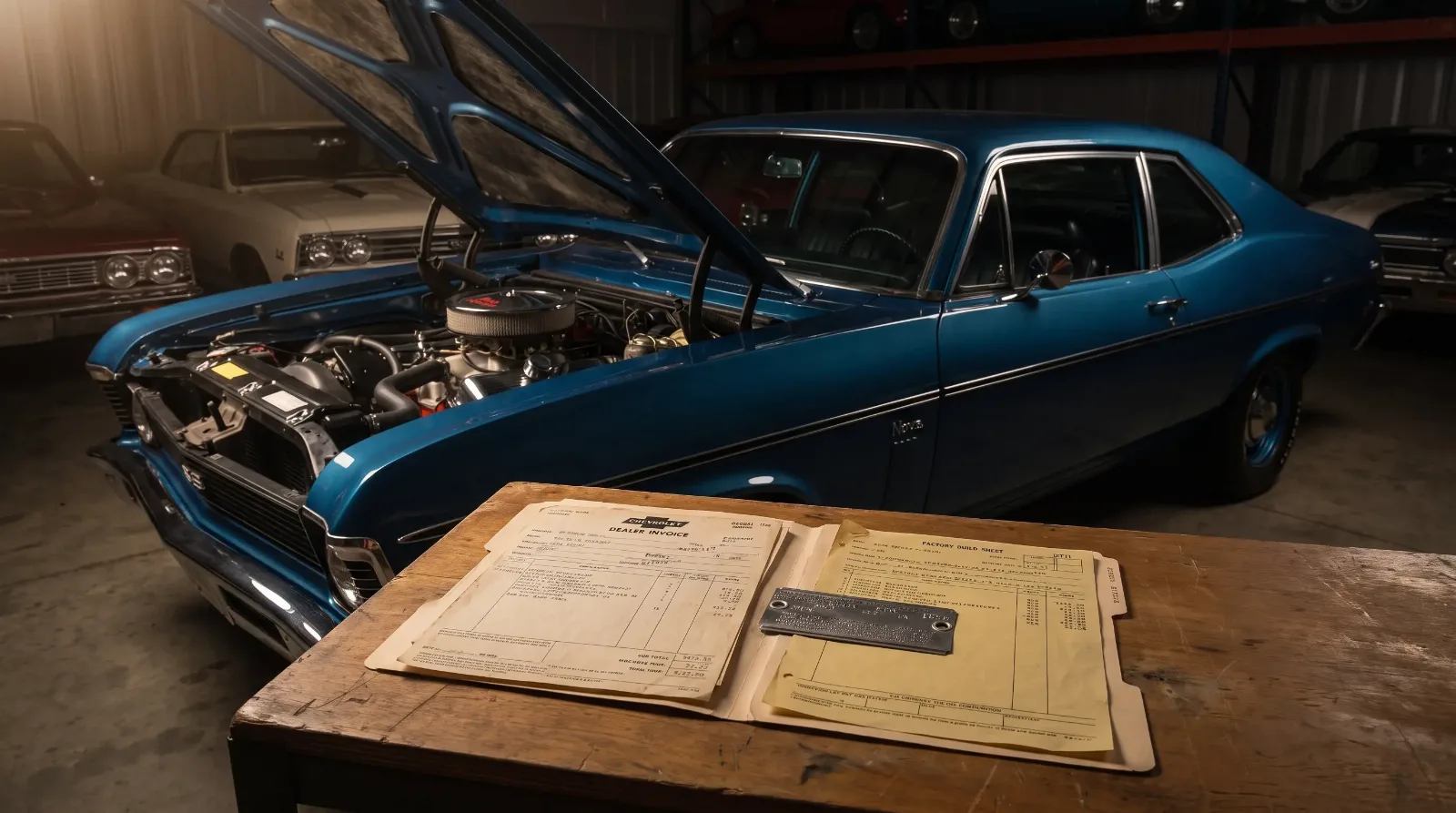
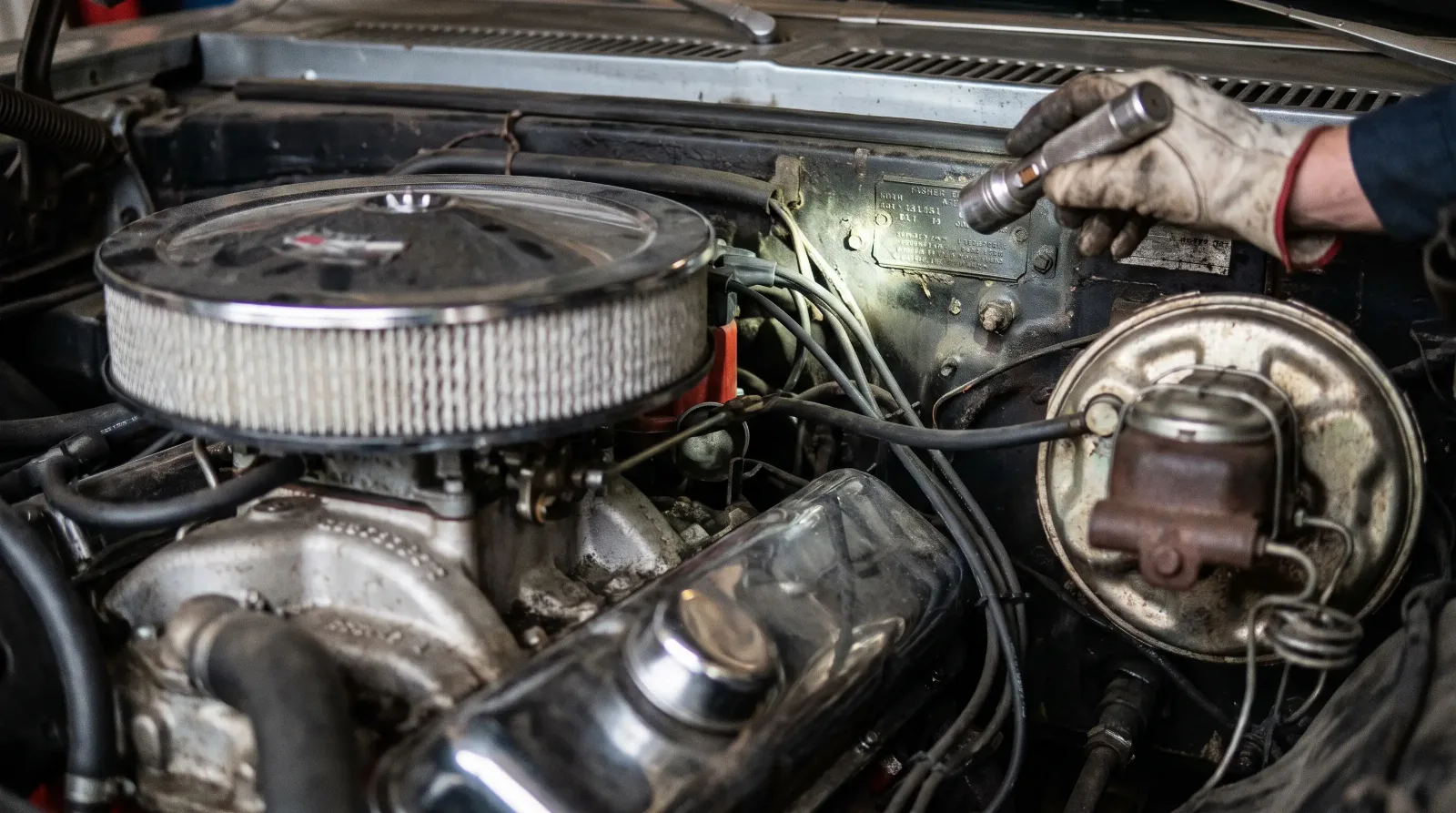
I have watched enough of these cross the block to say the pattern is consistent. The sales that set records share three things: a clean, verifiable body tag and COPO order number, a documented Yenko dealer trail with invoices or period paperwork rather than just a plaque, and condition that supports the claim, meaning the car has not been over-restored past what a period-correct build would have looked like.
Cars missing any one of those three elements sell for meaningfully less, even when they present well in photographs. I have seen visually similar Novas differ by a wide margin at auction, five figures and sometimes more, purely because one had a paper trail a specialist could stand behind and the other relied on a seller's story. Buyers in this segment have gotten sharp about asking for documentation before bidding, not after.
| Factor | Effect on hammer price |
|---|---|
| Verified Yenko dealer invoice + body tag | Establishes the baseline premium over a standard Nova SS396 |
| Documented Yenko dealer trail | Adds a further premium on top of the COPO base |
| Matching-numbers drivetrain | Meaningful additional value, especially with the original L72 |
| Unverified or claimed-only Yenko history | Discounted relative to fully documented cars, sometimes steeply |
| Over-restoration beyond period correctness | Can soften results with concours-focused buyers |
Reading these results as an investment signal
My honest read of this segment is that documented Yenko Novas have behaved less like a broad market and more like a small handful of trophy assets. Prices have trended upward over the long run, consistent with the scarcity, but individual sales bounce around enough from auction to auction that anyone buying purely for appreciation should expect volatility, not a smooth line. This is a car you buy because you want the specific history, with the appreciation as a secondary benefit, not the other way around.
The broader context matters too. These are, at their core, the 427 super Novas that came out of a narrow window in Chevrolet's history where a performance dealer, rather than the factory, gave a compact car a big-block engine it was never supposed to have. That story is what collectors are actually paying for, and auction results reflect how convincingly a given car can prove it belongs to that story.
"I tell people the same thing every time a Yenko Nova comes up for sale. Look at the paper before you look at the paint. The cars with a clean trail have outperformed everything else in this niche, and the gap is not closing."
David Mercer
How this compares to the rest of the muscle car market
Set a documented Yenko Nova next to a documented COPO Camaro from the same year and the Nova usually wins on rarity, and often on price per unit of production, even though the Camaro remains the more recognized nameplate to a broader buying public. That is a common pattern in this hobby. The car with the smaller production run and the less obvious name frequently carries a scarcity premium that a more famous sibling cannot match, once buyers actually understand the numbers involved.
It also means the Yenko Nova market is less liquid than the Camaro side of the same story. Fewer cars trade in a given year, fewer comparable sales exist to anchor an appraisal, and a seller who needs to move a car quickly may find fewer active bidders than a Camaro seller would. That illiquidity cuts both ways. It protects long-term holders from the kind of broad market swings that hit more heavily traded segments, but it also means a single motivated or unmotivated bidder can swing a result further than it would in a deeper market.
What to watch going forward
With production numbers fixed and the pool of surviving, well-documented cars only shrinking as some go into long-term private collections, expect the sparse-sale pattern to continue. A buyer who wants to compete for one of these cars should have documentation review lined up before the auction, not after the hammer falls, because by the time a bidding war is underway there is no opportunity to slow down and check the paperwork.
Watch which auction houses are handling upcoming consignments in this segment as well. The houses that have built a track record vetting COPO and Yenko documentation tend to attract the better-documented consignments, which in turn produces cleaner comparable sales for the rest of the market to reference. A car appearing through a house without that track record is not automatically suspect, but it does mean a buyer should do more of the verification work independently rather than leaning on the catalog description.
If you want to understand how buyers and appraisers actually confirm that paperwork before it reaches the auction block, the next story in this set walks through the specific red flags that separate a genuine Yenko Nova from a well-built tribute car wearing the same badges.
Sources and notes
- 2026 Mecum Kissimmee Sale Top Auction Results
- 1969 Chevrolet Yenko Nova sold at Mecum Kissimmee 2026, Classic.com
- CRG Research Report - COPO 427, camaros.org
- 1969 Yenko Nova: The Incredibly Rare 427-Powered "Almost Lethal" Nova, Skillset
- Here Is The Rarest Chevy Nova Ever Produced, HotCars
- 1969 Yenko 427 Novas, The Supercar Registry
Related Reading
Have a
Chevrolet Nova
for Sale?
Reach thousands of serious classic car collectors across the US.
Sell It Here →
Are You a Classic Car Dealer?
List your full inventory and connect with targeted classic car buyers.
Join as a Dealer →

About the author
David Mercer
Classic car market analyst with two decades of experience tracking collector car valuations, auction results, and investment trends.
Related Listings - Chevrolet Nova




Comments
Be the first to comment on this article.