
Ask a Chevelle guy what changed in 1969 and most of them shrug before they answer. Nothing changed, they'll say, at least not up front. The car still had the same long hood, the same Coke-bottle hips through the doors, the same 396 rumbling under it if you checked the right box. But something did change that year, and it was the kind of change that only shows up when you go looking for the SS badge on the fender and can't find a corresponding line item that says "SS" is what you're actually buying.
History & Heritage
7 min read
1969: SS Becomes an Option, Not a Model
In 1969 the Chevelle SS stopped being its own model and became RPO Z25, a package on the Malibu. Here's what changed and why it matters to buyers now.
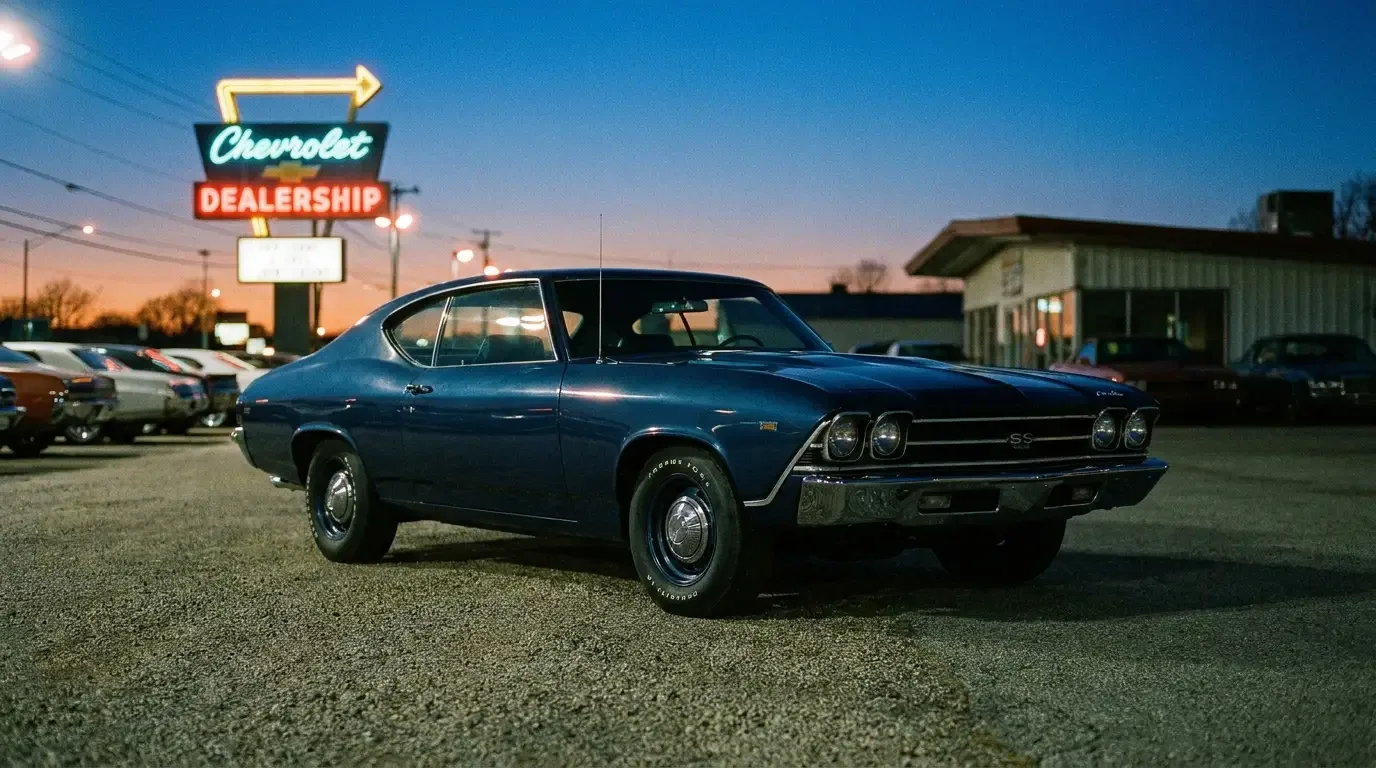
By 1969, Super Sport had stopped being a model. It had become RPO Z25, a package you added to a Malibu, not a car you ordered by name. That single shift, invisible on paper, tells you a lot about where Chevrolet's marketing department had its head that year, and it's worth understanding before you go chasing the SS heritage back further.
From its own model line to a checkbox
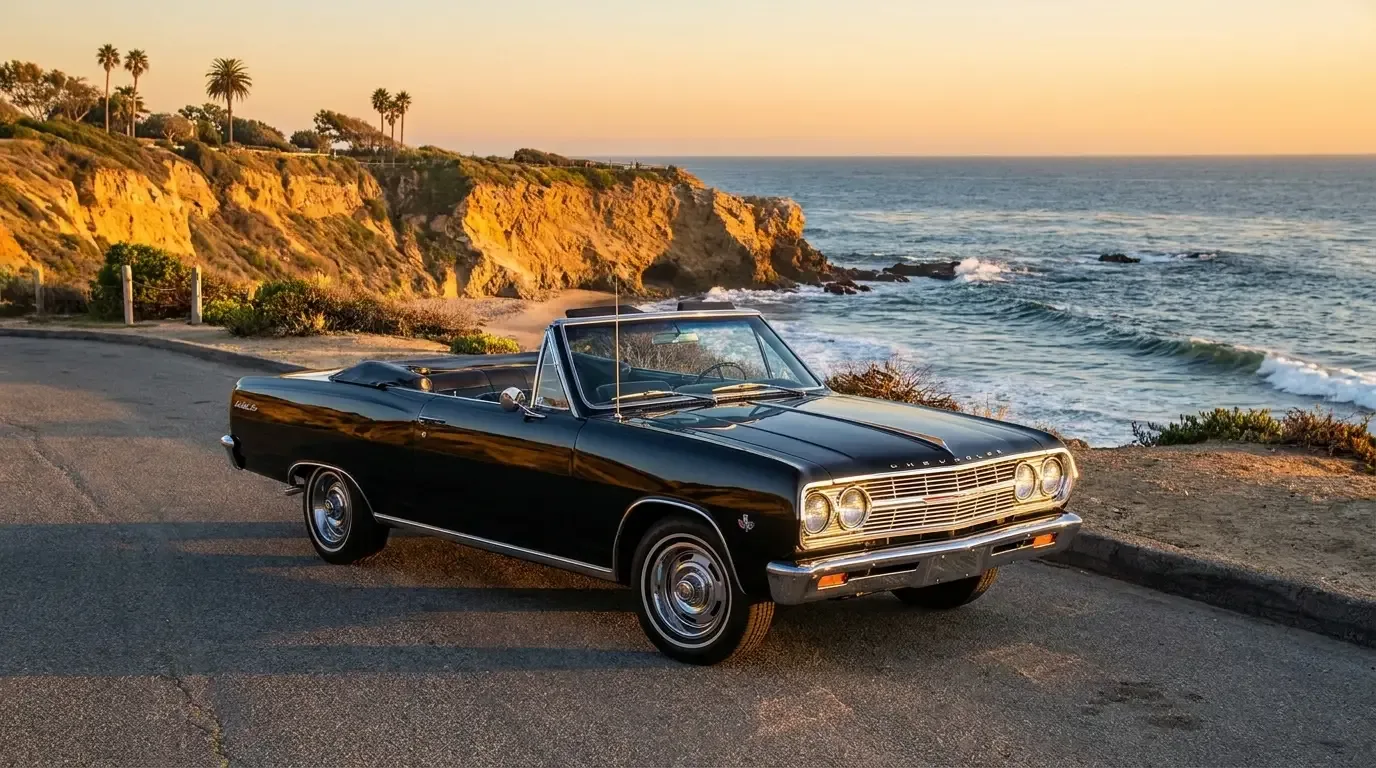
Through the mid sixties, Chevrolet had let the SS 396 stand on its own in the sales brochure, its own model designation sitting next to Malibu and the base 300 series. For 1969, that changed. The SS became option package Z25, ordered on top of a Malibu Sport Coupe, hardtop, or convertible. You didn't buy an SS. You bought a Malibu and told the dealer to add Z25.
It sounds like a small bit of GM bookkeeping, and in a sense it was. But it also reflected something real happening across the industry heading into 1970: insurance companies were starting to notice muscle cars by name, and a car that existed as its own model with its own line in the price guide was an easier target than one buried inside an option code on a Malibu order form. Whether that was the whole reason for the change or just a convenient byproduct, nobody at Chevrolet was writing it down for future historians. But the timing lines up with the broader industry mood, and it's part of the Chevrolet Chevelle story that gets skipped over in the shorthand version.
What Z25 actually put on the car
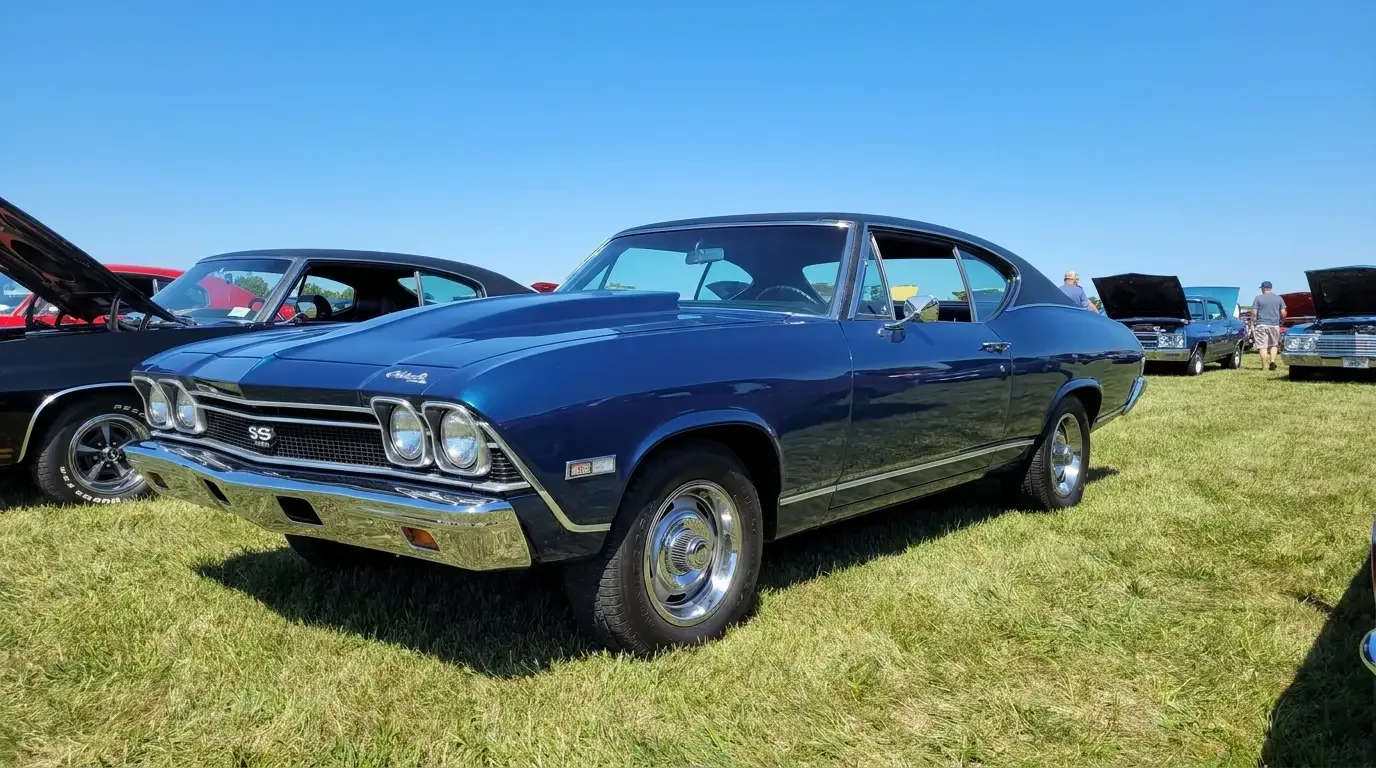
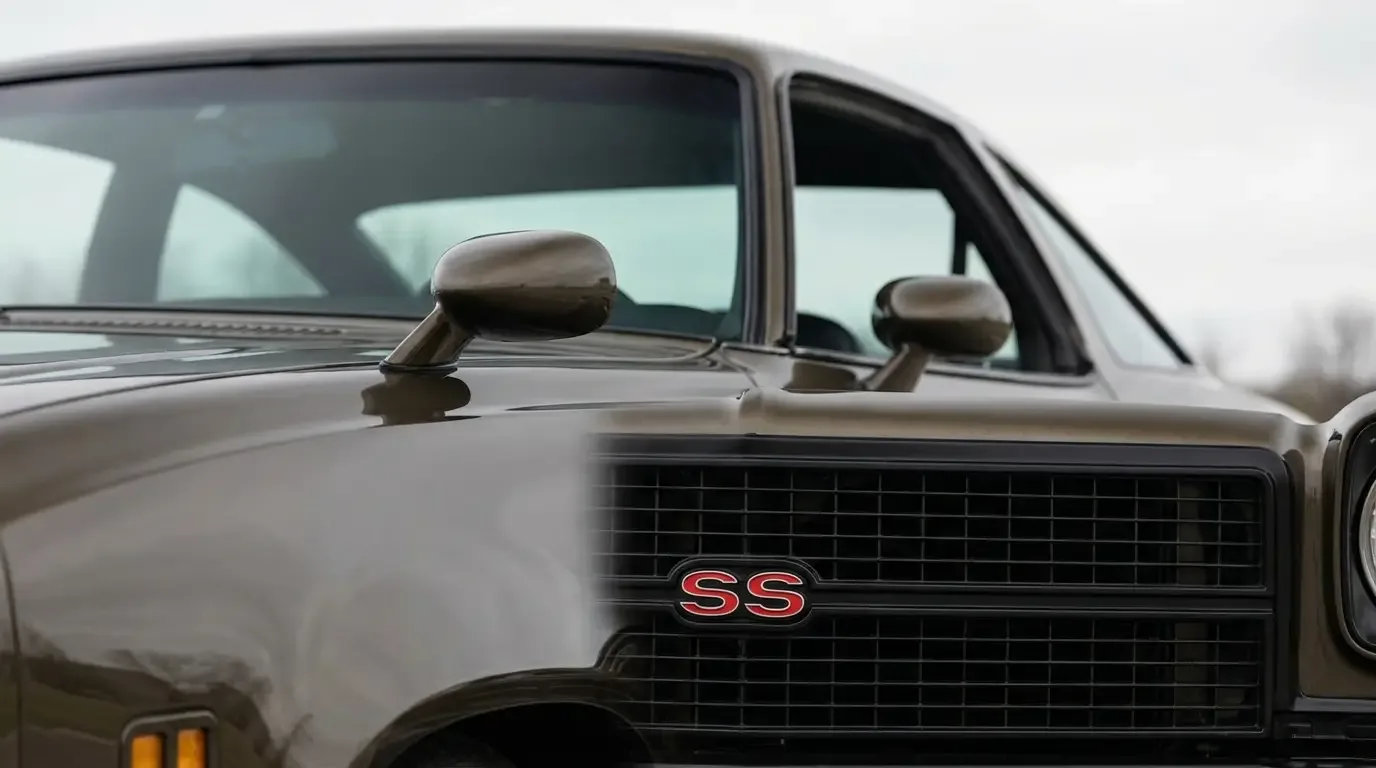
Ordering the SS package got you the blacked-out grille, the SS badging front and rear, the dual exhaust, a heavier-duty suspension with stiffer springs and shocks, and the wider F70-14 tires on 14-inch wheels. Inside, buyers got the choice of the SS-specific instrument cluster with a tachometer if they checked that box separately, plus the trim touches that told anyone glancing into the car this wasn't a base Malibu somebody dressed up with a badge kit from the parts counter.
What Z25 required, and this is where 1969 gets specific, was one of the big-block engines. You couldn't order the SS package with a small-block that year. The 396 in one of its several states of tune was mandatory, which meant the SS badge on a 1969 Chevelle was at least a guarantee of displacement, even if the exact horsepower behind that badge varied more than casual buyers realized.
The engine choices under the badge
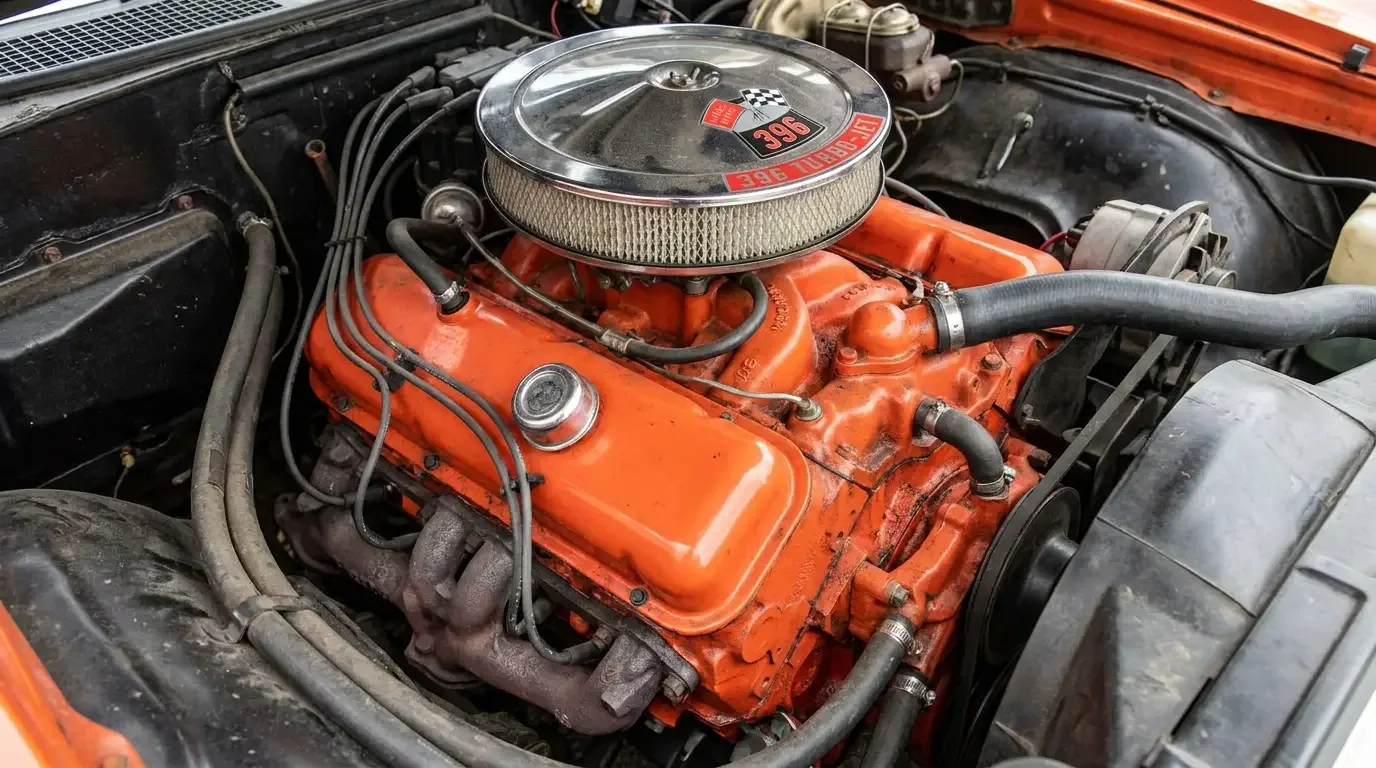
The base SS 396 came with the L35, rated at 325 horsepower at 4,800 rpm with 410 lb-ft of torque, a torque-heavy version tuned more for street manners than redline theatrics. Step up to the L34 and you got a warmer cam, 10.25:1 compression, and a bump to 350 horsepower at 5,200 rpm. At the top of the regular order sheet sat the L78, the solid-lifter 396 that Chevrolet rated at 375 horsepower at 5,600 rpm, a figure that muscle car people still argue was conservative even by the standards of the era's underrating games. Combined, Chevrolet built 86,307 Z25 SS 396 Chevelles across both body styles for 1969.
Then there was the car most people ask about and almost nobody actually saw on a dealer lot: the COPO 427. Ordered through Central Office Production Order 9562 rather than the regular option sheet, a small number of 1969 Chevelles left the factory with a 427 cubic inch L72 big-block shoehorned under the hood, a car Chevrolet never advertised and dealers had to know to ask for by the right paperwork. The figure most often cited is around 323 to 358 cars, starting with a 99-car order from Yenko Chevrolet before other dealers caught on, but the paper trail is thin enough that any exact count should be treated as an estimate rather than gospel. That scarcity is exactly why they command the attention and the money they do today.
Why the quiet year gets overlooked
1969 doesn't get talked about with the same reverence as 1970, when the LS6 454 showed up and rewrote what a Chevelle could do in a straight line. It's an in-between year in most people's mental timeline of the Chevelle SS, sandwiched between the more famous 1968 restyle and the 454-powered cars that followed it. That's a mistake, and it's one Chevelle people who've actually owned both years tend to correct pretty quickly once you get them talking.
The truth is 1969 offers something the 1970 cars don't: a Chevelle that still wears the more conservative early SS-era styling cues while carrying an engine lineup that, at the L78 end, holds its own against almost anything else on the street that year. It's a car that rewards people who know what they're looking at rather than people chasing the biggest number in the brochure. There's a reason the community keeps circling back to it once the LS6 hype settles down, and it connects directly to next: 1971, where the story takes a very different turn.
"The 1969 cars get treated like a footnote between two bigger years, and that's backwards. It's the last year you could order a genuinely serious 396 Chevelle before the whole conversation shifted to who had the biggest cubic inches. Guys who know the L78 cars won't trade you for a base 454 without thinking twice."
Patrick Walsh
Finding a real one today
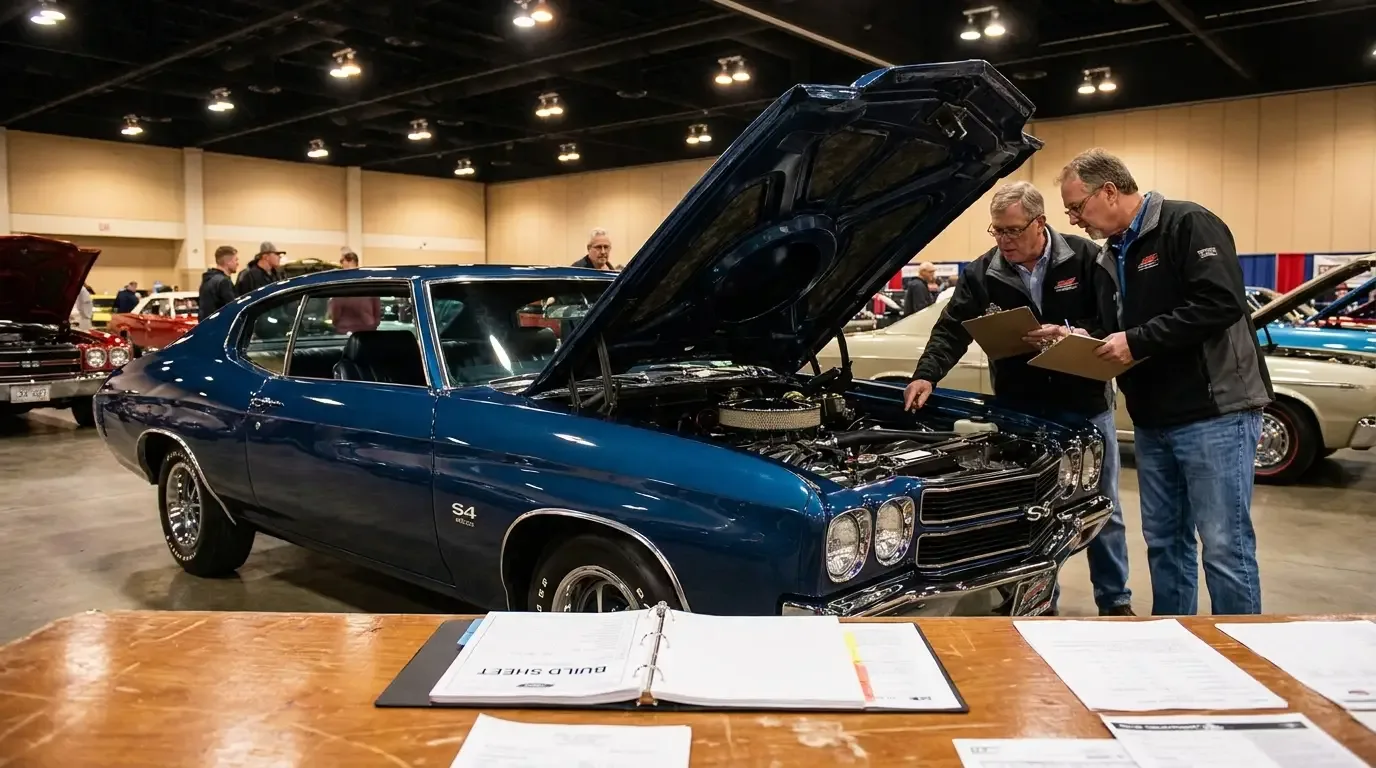
The hard part with any 1969 SS Chevelle is verifying that the badge on the car matches the paperwork that built it. Since SS was an option rather than a model, there's no VIN-level shortcut that guarantees a car is what the seller says it is. Buyers lean on cowl tags, broadcast sheets when they survive, and dealer invoice copies to confirm the Z25 package and the specific engine code actually left the factory together. It's more legwork than checking a model designation, but it's also part of what makes tracking down a documented example satisfying rather than routine.
Prices for genuine L78 cars with solid documentation have climbed steadily as more buyers have learned to look past the flashier LS6 years, and clean, numbers-matching 396 cars from 1969 aren't the bargain they were a decade ago. For anyone actually shopping, it's worth starting with cars that have paper trail first and cosmetic condition second, since the badge alone tells you almost nothing you can trust. Buyers ready to go looking can see 1969 SS Chevelles for sale and start comparing what's actually documented against what's just wearing the right stripes.
Sources and notes
- 1969 Chevrolet mid-size cars fact sheet, Over-Drive Magazine
- 1969 Chevelle's "SS" option (300 Deluxe & Malibu series), ChevelleStuff.net
- 1969 Chevrolet Chevelle COPO 427, Sports Car Market
- '69 COPO 427 production totals discussion, Team Chevelle forum
- 1969 Chevrolet Chevelle COPO 427: A Profile of a Muscle Car, HowStuffWorks
Related Reading
Have a
Chevrolet Chevelle
for Sale?
Reach thousands of serious classic car collectors across the US.
Sell It Here →
Are You a Classic Car Dealer?
List your full inventory and connect with targeted classic car buyers.
Join as a Dealer →

About the author
Patrick Walsh
Automotive journalist covering classic car shows, events, and the enthusiast community across North America.
Related Listings - Chevrolet Chevelle
More in History & Heritage
Comments
Be the first to comment on this article.