
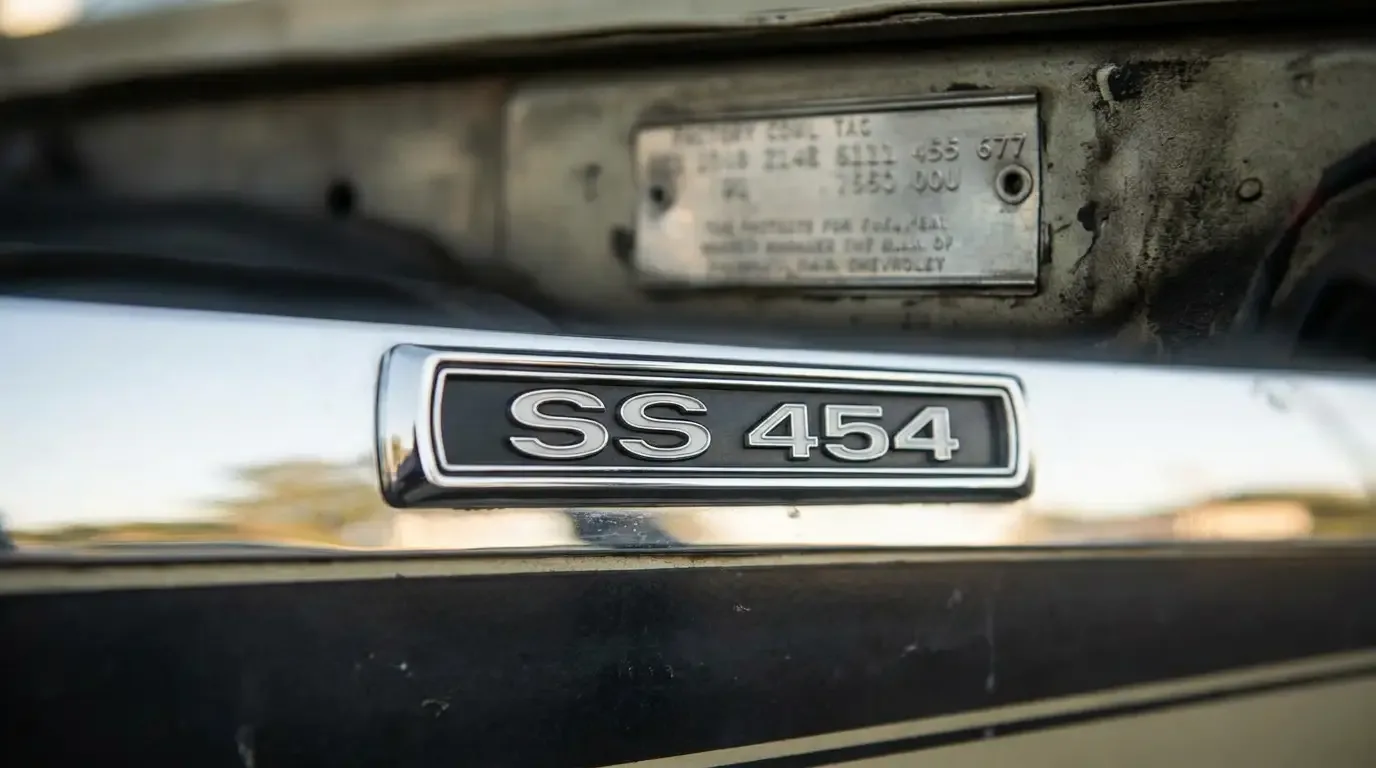
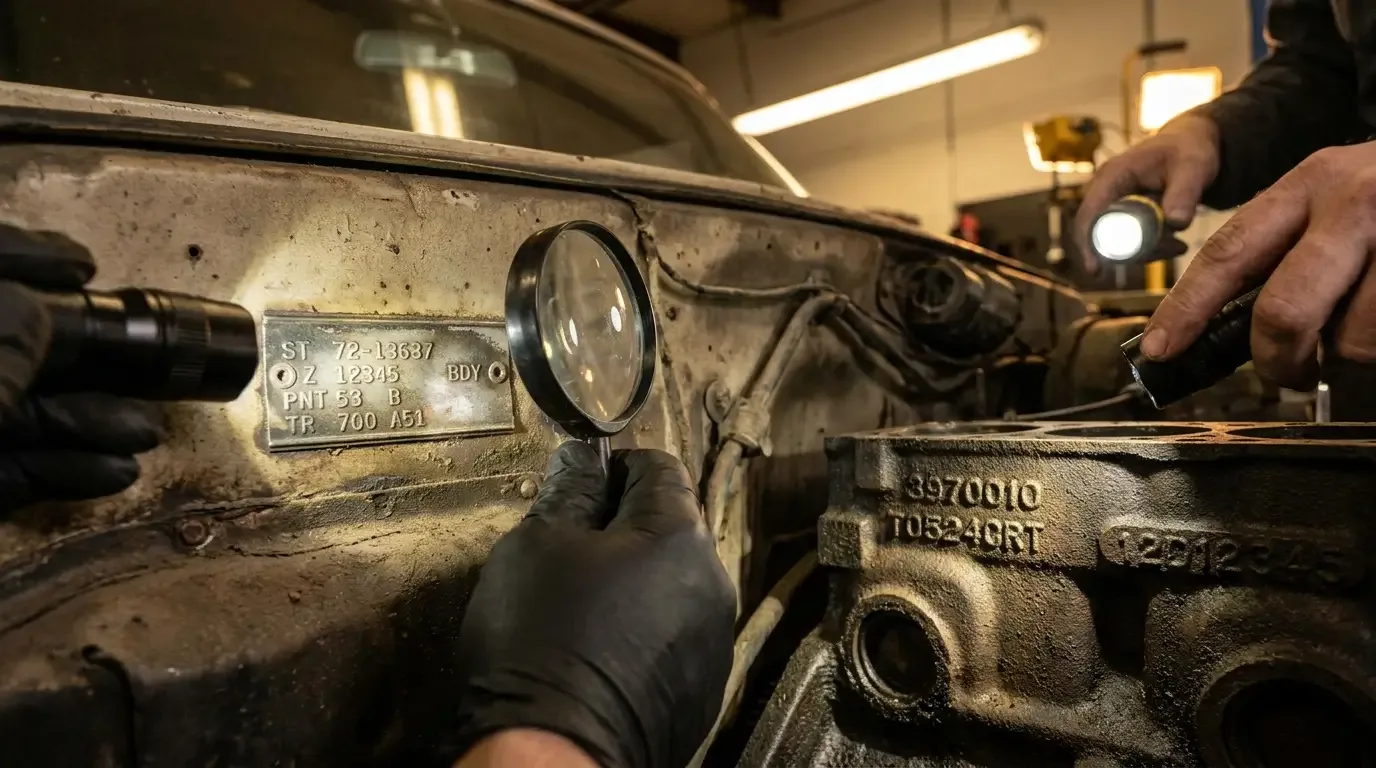
The tank sticker and the build sheet tell you more about a Chevelle SS than any amount of chrome ever will. Not because the chrome doesn't matter, it does, but because the SS designation was a specific factory package with specific codes attached to it, and those codes are what separate a genuine Super Sport from a well-dressed base Malibu wearing borrowed badges.
History & Heritage
8 min read
The Chevelle SS Story: Super Sport Heritage
The factory-documented history of the Chevelle SS package from the 1965 Z16 through the 1970 LS6 454, and what paperwork proves a genuine SS.
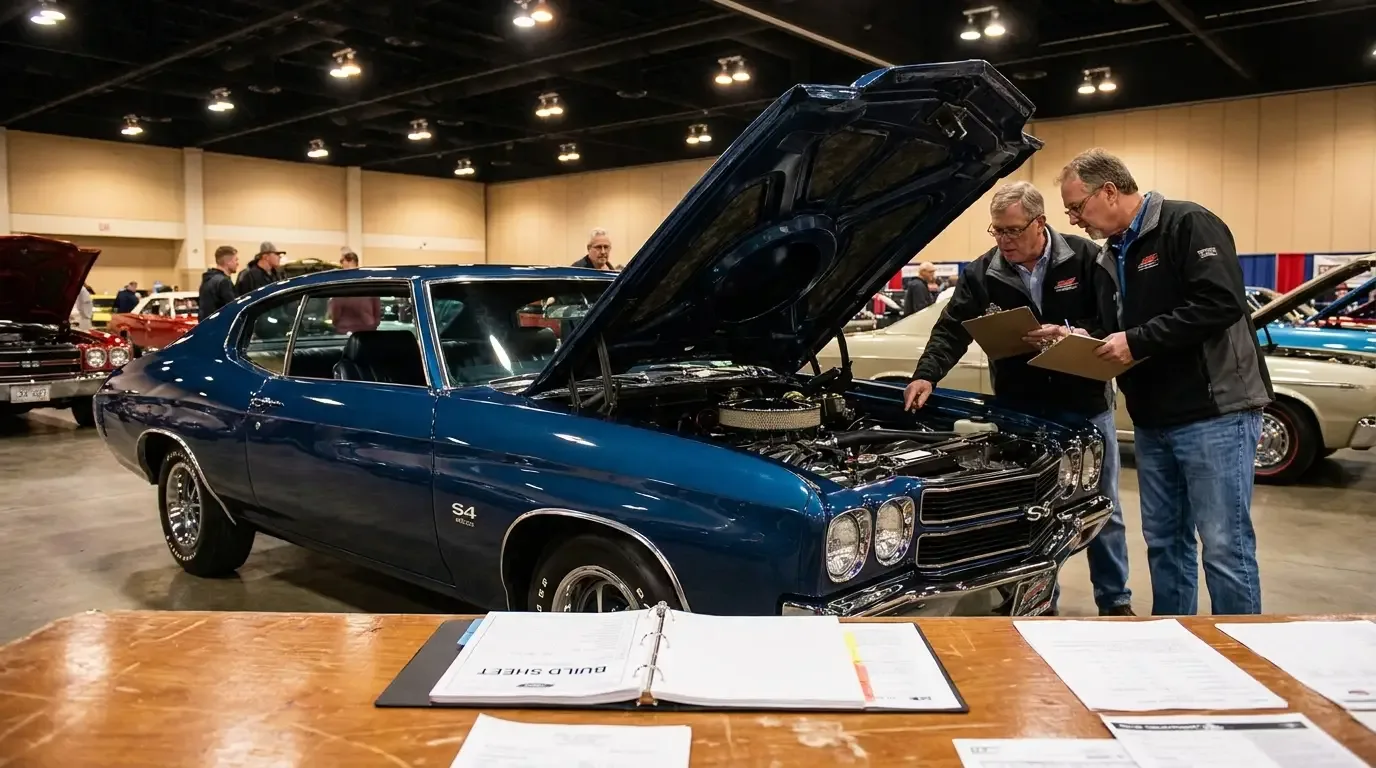
I want to walk through what the SS package actually was, year by year, what documentation should exist for a car claiming the name, and where the factory record and the popular story diverge. This is the classic Chevelle story narrowed down to one specific package, told from the paperwork out rather than the other way around.
What the SS package actually was in 1964-1965
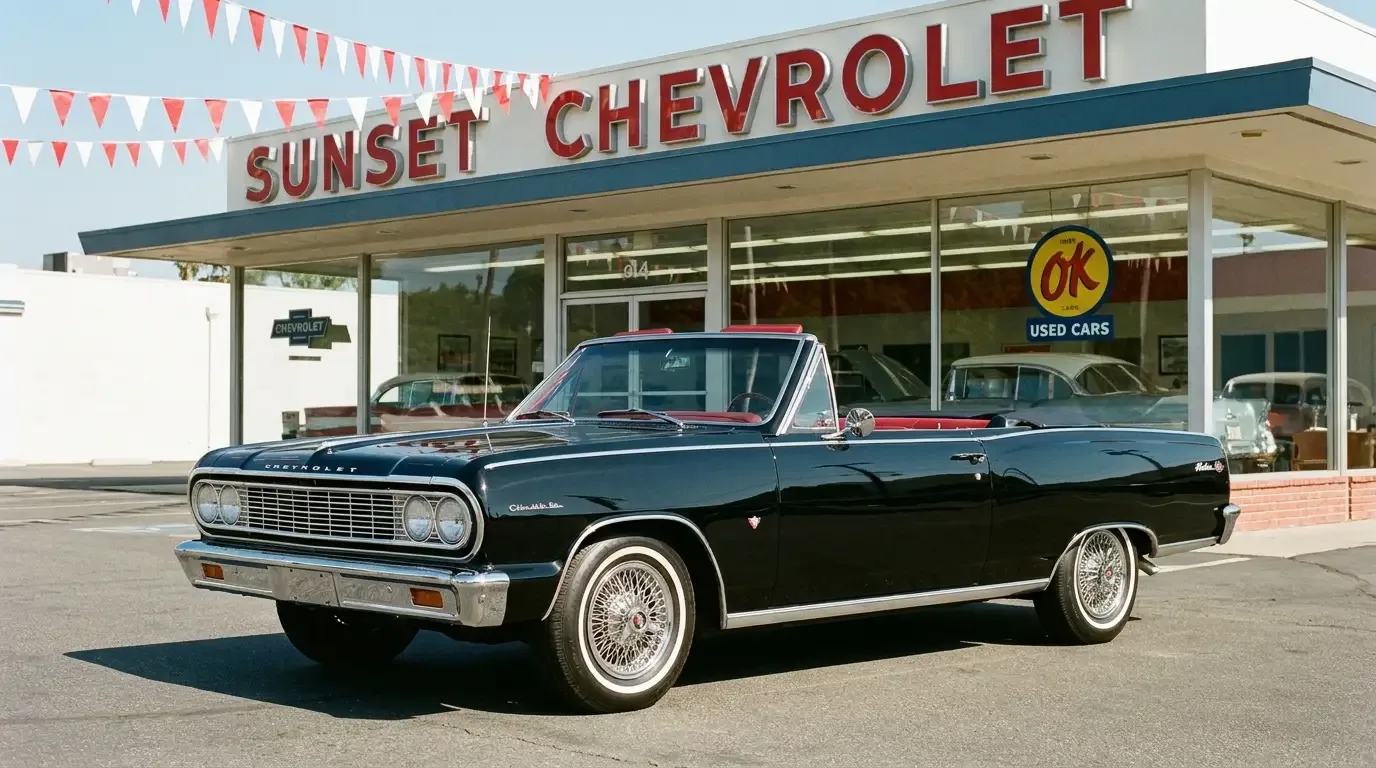
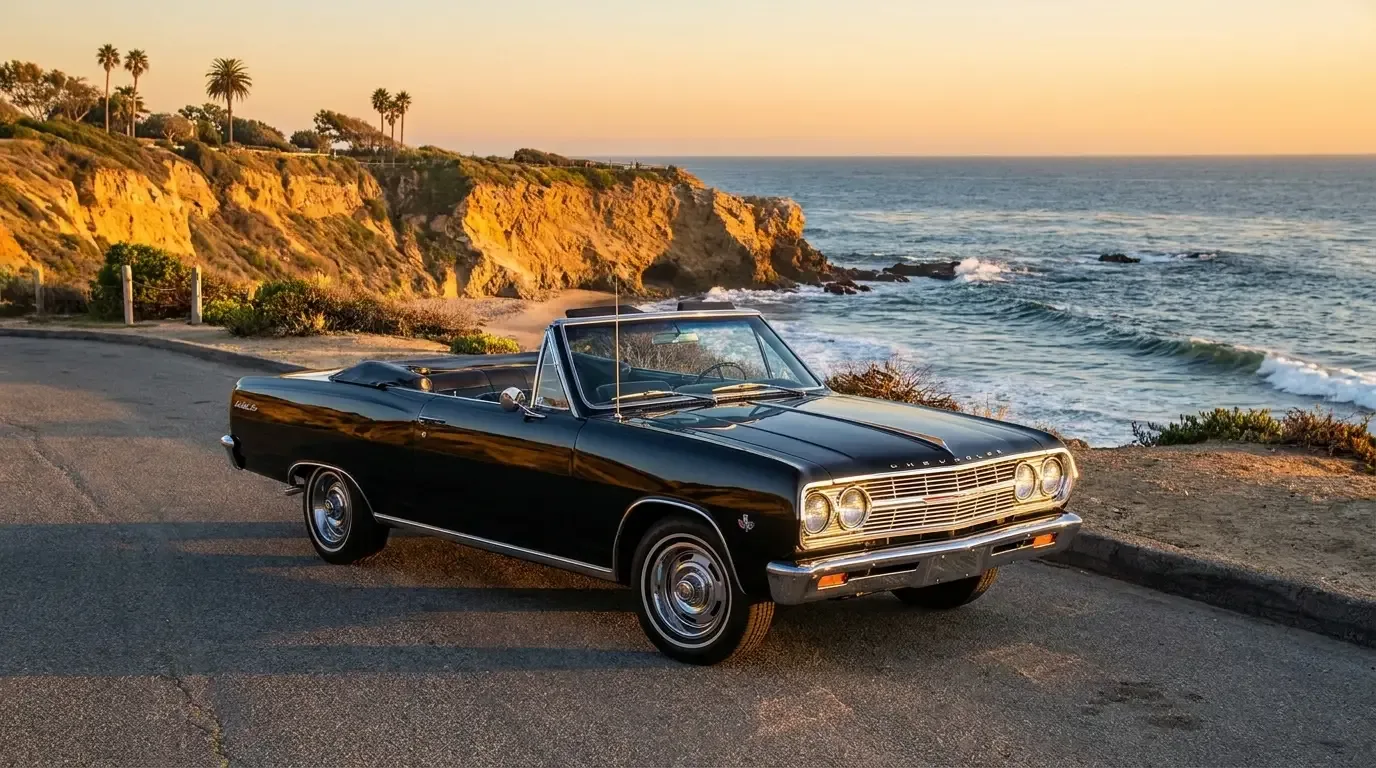
The Super Sport option debuted on the Chevelle for the 1964 model year, but that first SS was a trim-level package only: bucket seats, console, upgraded trim, and a sportier suspension tune, paired with the Chevelle's existing small-block engine lineup rather than any big-block. The car most people picture when they hear "SS396" didn't exist yet in 1964.
The big-block variant arrived midway through the 1965 model year as RPO Z16, and it was its own animal entirely: a limited run of just 201 cars built around a 375 hp 396, heavy-duty suspension, and a unique frame designed to handle the extra weight and torque. Production on the Z16 was small enough that surviving, documented examples are treated almost like a separate model within the collector world, not just a trim variant, and the Z16 was never repeated in later years.
The confusion is understandable. Chevrolet's own dealer literature from the period wasn't always precise about which combination of options constituted "the" SS versus an SS-trimmed car with a small-block underneath, and decades of casual retelling have compressed all of it into a single mental image of a 396-powered coupe. The factory record doesn't support that flattening. A 1964 or 1965 SS with a 283 or a mild 327 is a legitimate, correctly-built factory SS. It's just not the car most people picture when they hear the name, and that gap between the paperwork and the popular image is where a lot of buyer confusion starts.
1966-1967: the SS396 becomes standard fare
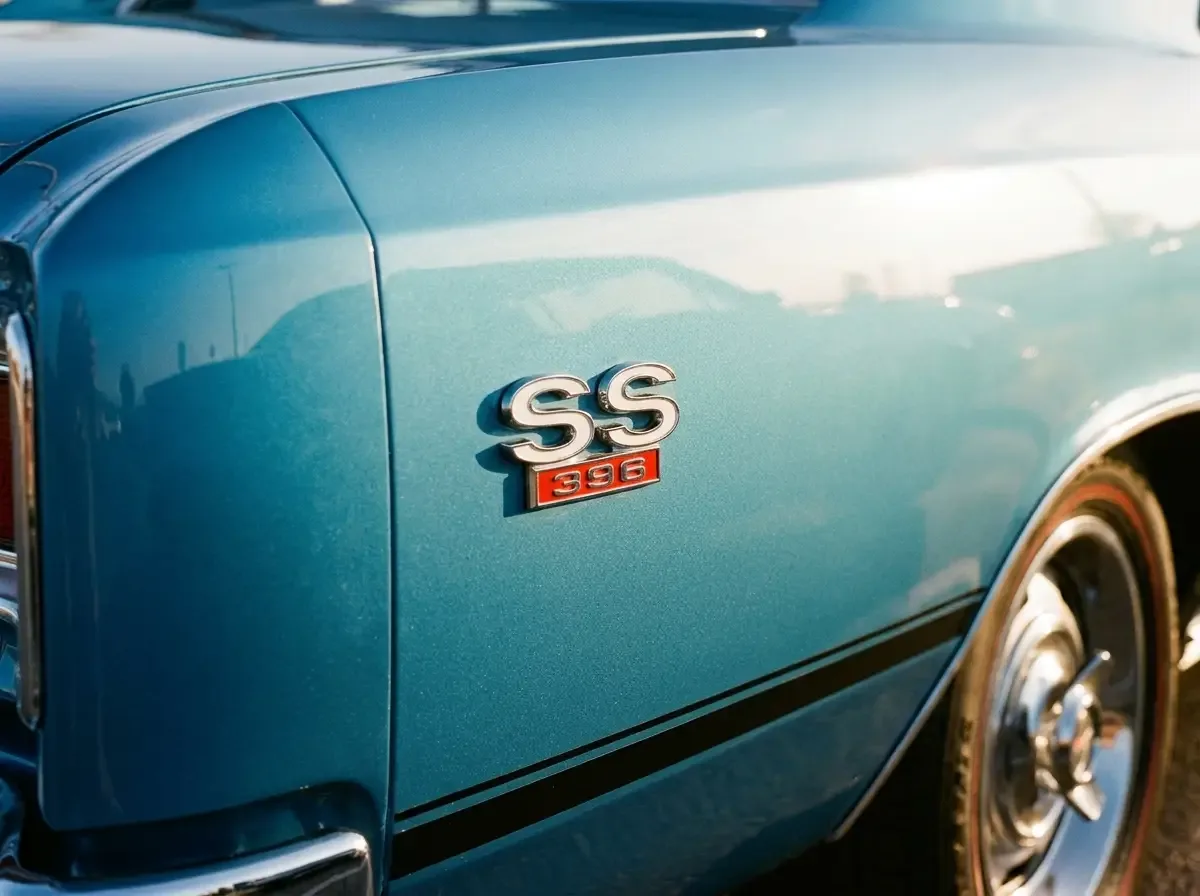
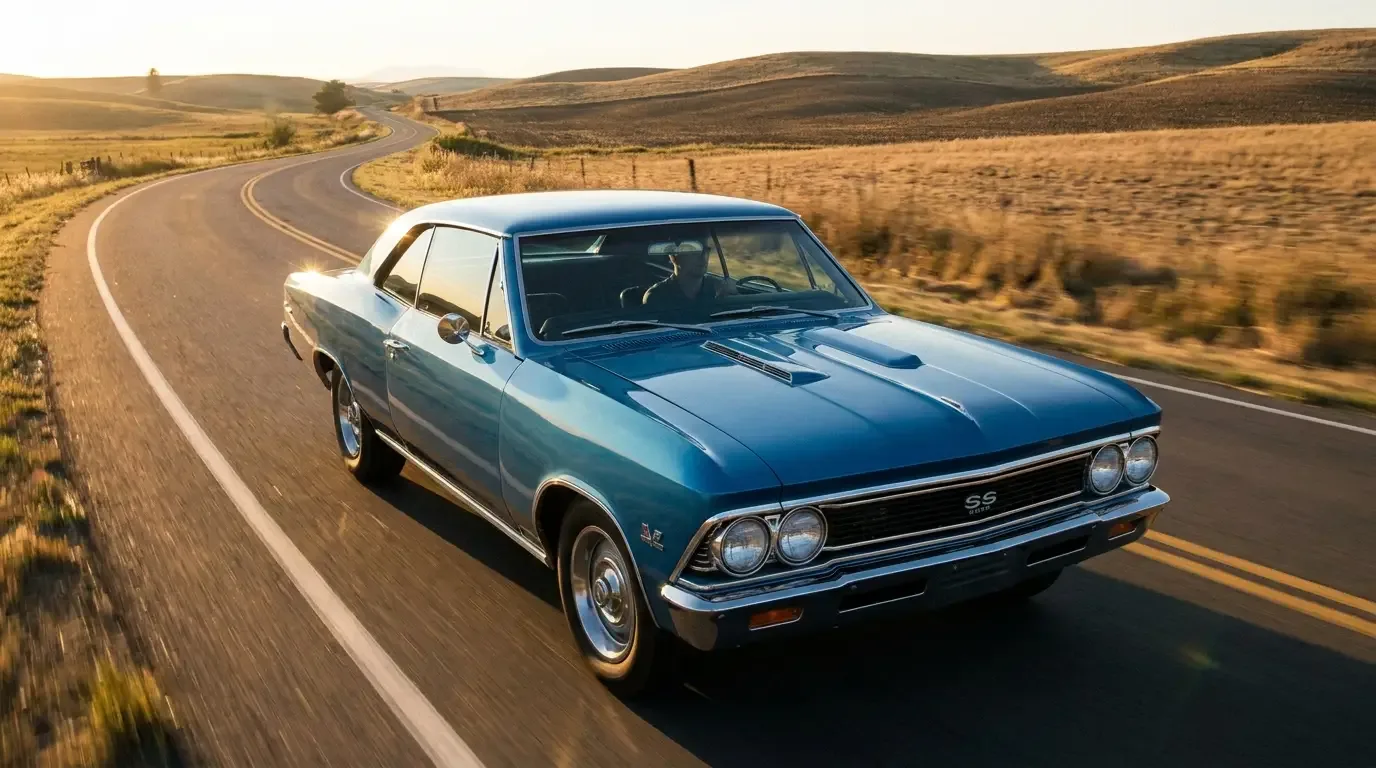
The Z16 was a one-year-only preview. For 1966, Chevrolet made the 396 a regular production option under the newly formalized SS396 package, available as the L35 (325 hp) and L34 (360 hp), with the solid-lifter L78 arriving midway through that model year rated at 375 hp. This is where the SS identity most people carry in their heads actually solidified, and the L78 became the performance benchmark for the nameplate through the rest of the decade. Option codes matter enormously for verifying these cars. The RPO sheet, if it survives with the car, will show the engine code, the rear axle ratio, and whether the car left the factory with the M21 close-ratio four-speed or one of the automatic options.
A lot of what gets called an SS396 from these years is actually a well-restored SS with a period-correct or later-added 396, and there's nothing dishonest about that as long as it's represented accurately. The trouble starts when a seller implies factory-original numbers-matching status without the documentation to back it. I don't assume bad faith. I assume paperwork exists somewhere and it's worth finding before money changes hands.
| Years | SS engine highlights | Notable RPO codes |
|---|---|---|
| 1965 | 396 (Z16 package, limited, L37) | Z16, L37 |
| 1966-1967 | 396 L35, L34, L78 | L35, L34, L78, M21 |
| 1968-1969 | 396/402 L34, L78 | L34, L78 |
| 1970 | 454 LS5, LS6 | LS5, LS6 |
| 1971-1972 | 454 LS5 (reduced compression) | LS5 |
1968-1969: the redesign and the SS396's peak years before the 454
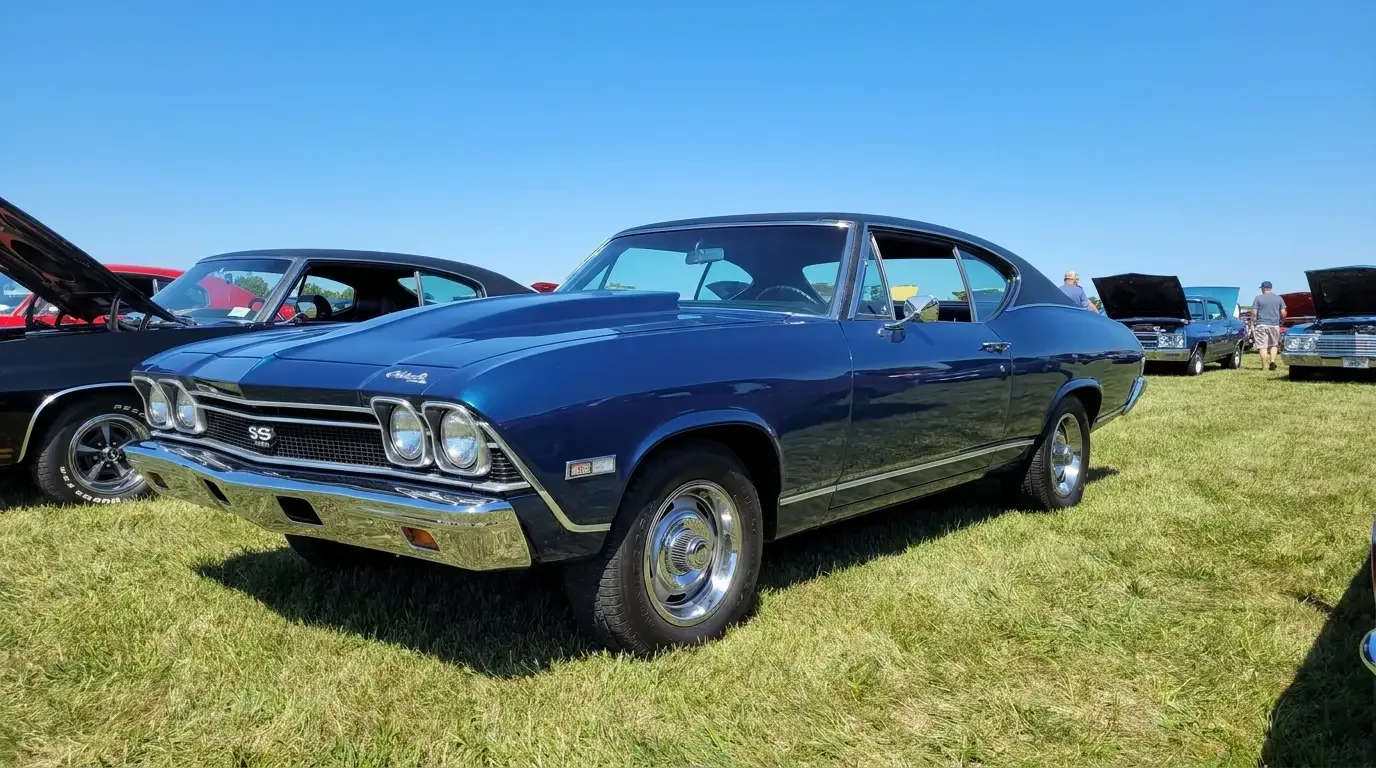
The 1968 redesign carried the SS forward on the new body with the L34 and L78 396-family engines still leading the option sheet. This is a well-documented couple of model years, and the factory records from this window are generally easier to cross-reference than the earliest cars, simply because more of the original paperwork survived along with better recordkeeping practices industry-wide.
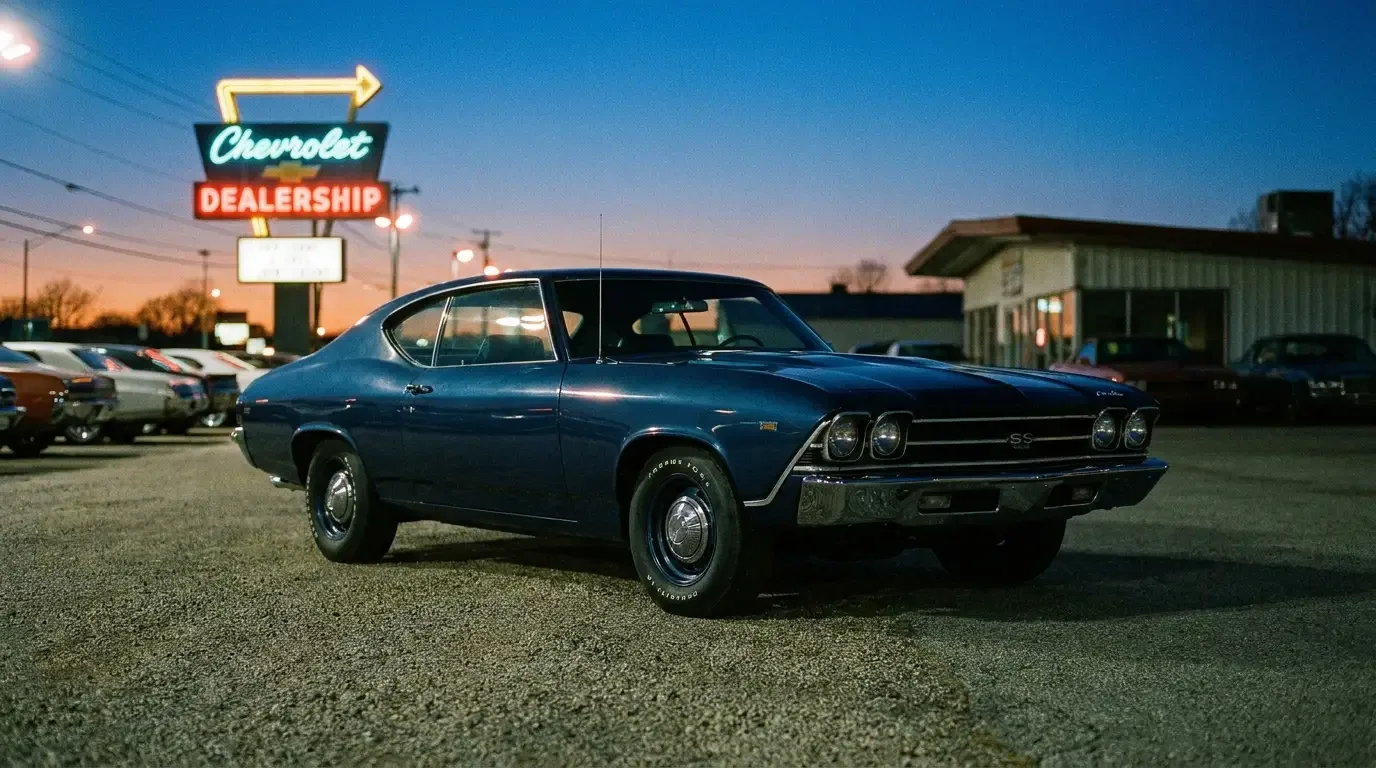
What I'd tell anyone shopping a 1968 or 1969 SS396: the cowl tag and the engine block casting number need to agree with each other before anything else matters. The cowl tag gives you the trim, paint, and build date. The casting number and date code on the block tell you whether the engine physically in the car was built close enough to the car's own assembly date to be plausible as original equipment. When those two don't line up, ask why, and don't accept "it's been that way a long time" as a full answer.
Transmission codes are worth the same scrutiny. The M22 close-ratio four-speed, sometimes called the "rock crusher" for the gear whine it's known for, was a legitimate factory option on the higher-output SS396 combinations, and a car claiming M22 equipment should have documentation showing that pairing rather than just a four-speed that could be any of several Muncie variants. The difference between an M20, M21, and M22 isn't visible from the driver's seat without knowing what to listen for, but it shows up clearly on the paperwork, and it shows up in the price a documented M22 car commands over an undocumented one.
1970: the LS6 454 and the high-water mark
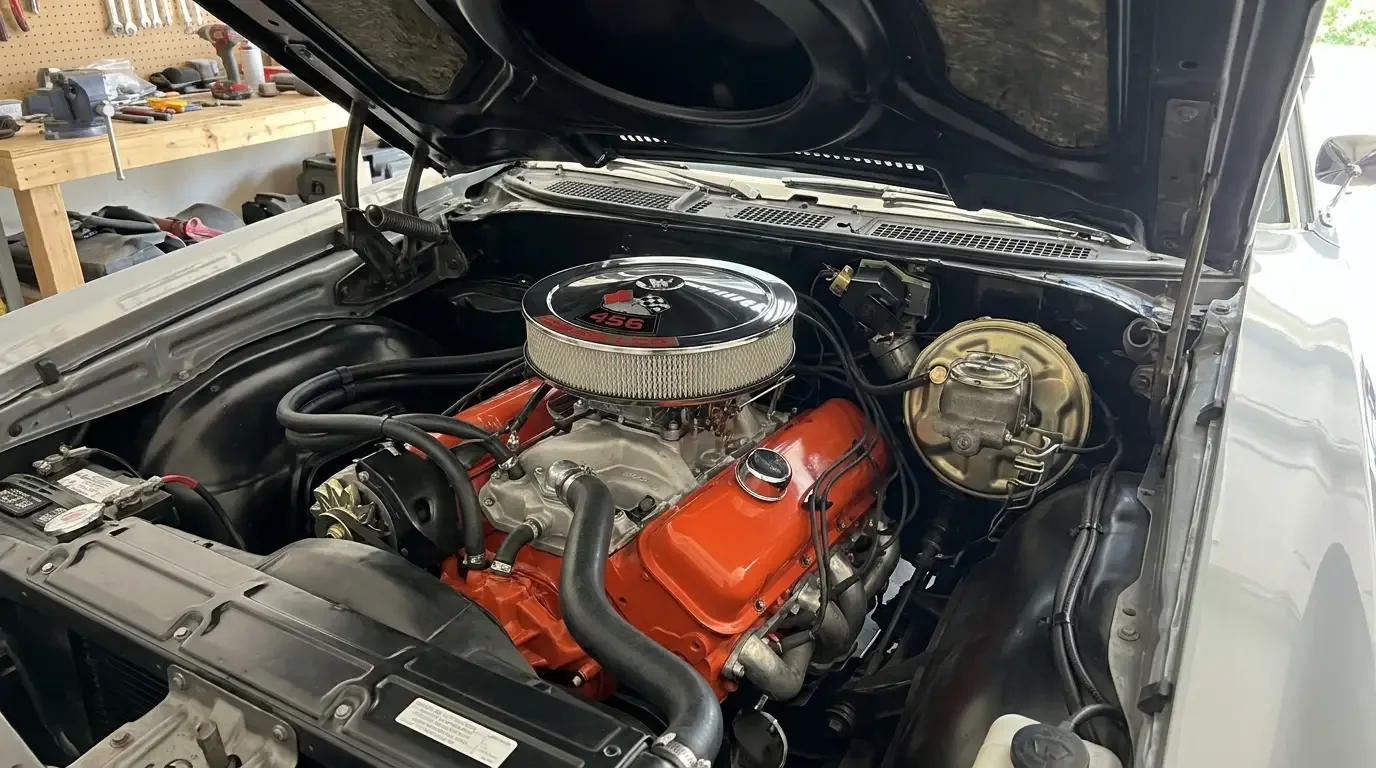
1970 is the year the SS story reaches its factory-rated peak. The LS6 454, rated at 450 hp, was among the highest factory horsepower ratings Chevrolet ever published for a production engine, and the SS454 package built around it is the single most requested documentation search I get asked about. The LS5 454, rated lower but still a legitimate big-block SS option, gets overshadowed by the LS6 in casual conversation, which isn't entirely fair to it as a car.
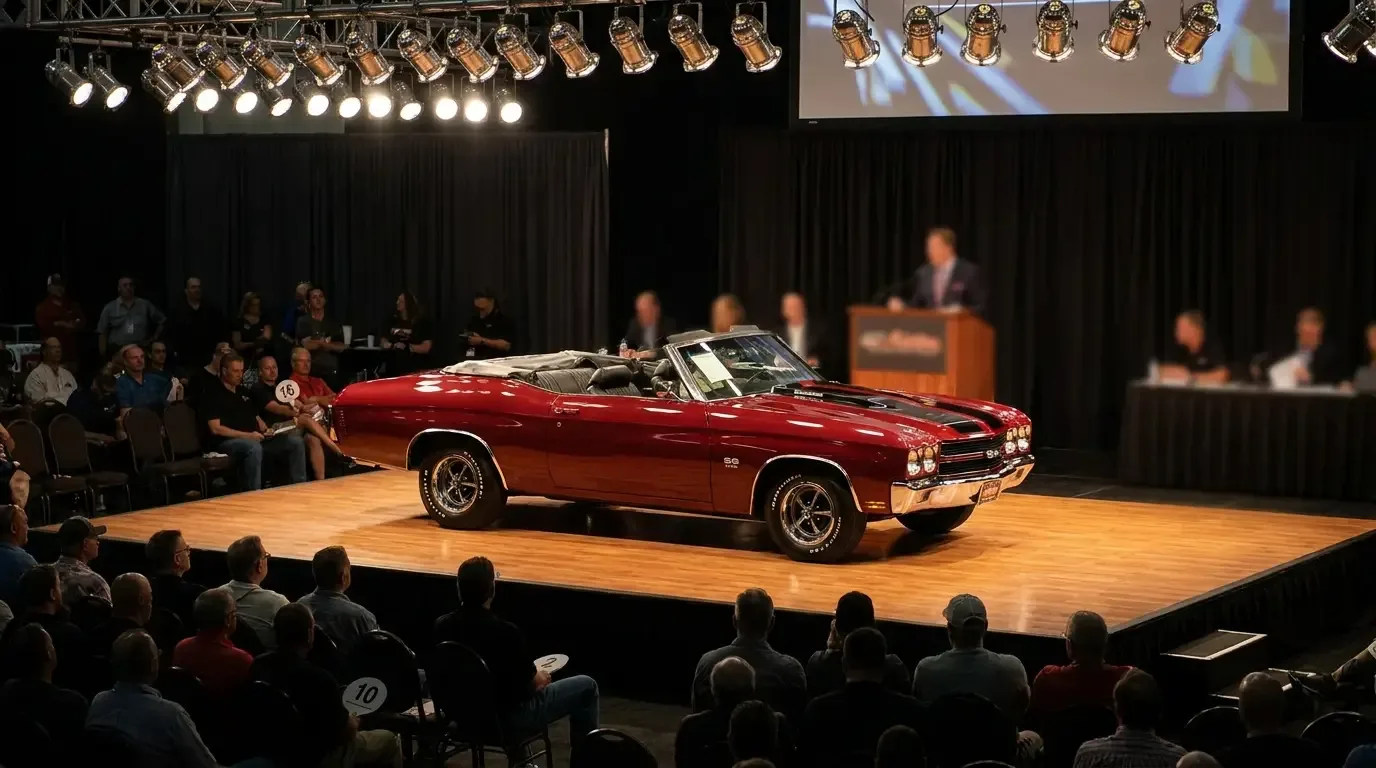
Production numbers for the LS6 specifically were low relative to the SS396/402 volume that came before it, and that scarcity is exactly why documentation carries so much weight in this segment of the market. A cowl tag, a broadcast sheet, an authenticated build sheet, these aren't decorative. They're the difference between a car the market prices as a genuine LS6 and a car the market prices as a clone, no matter how correct the clone might be mechanically.
"The paperwork matters. Not because it tells you everything about the car, it doesn't, but because it's the factory's own record of what left the line. A 1970 SS454 without documentation isn't worthless, but it's a different conversation. I'd rather tell a buyer honestly what they're looking at than let them assume more than the paper trail supports."
Tom Ramirez
1971-1972: the SS package winds down
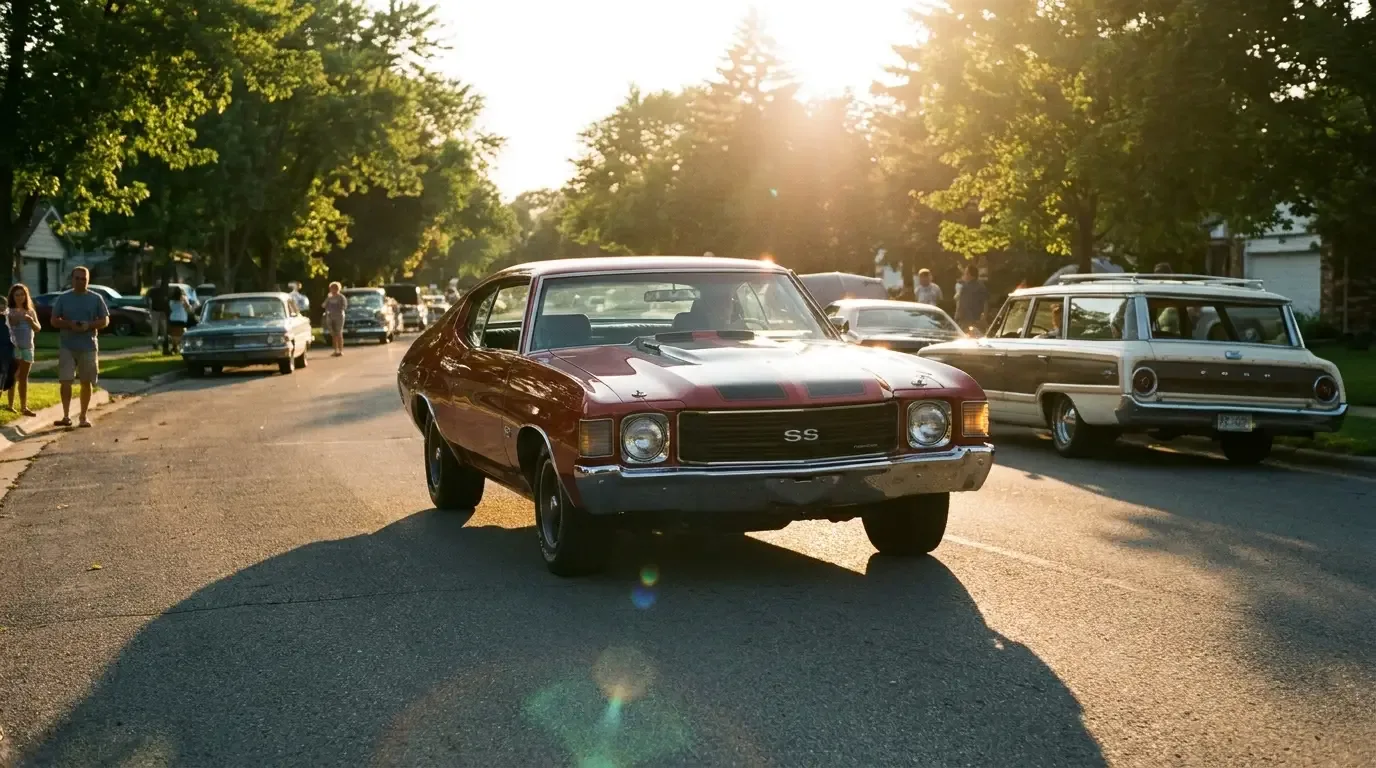
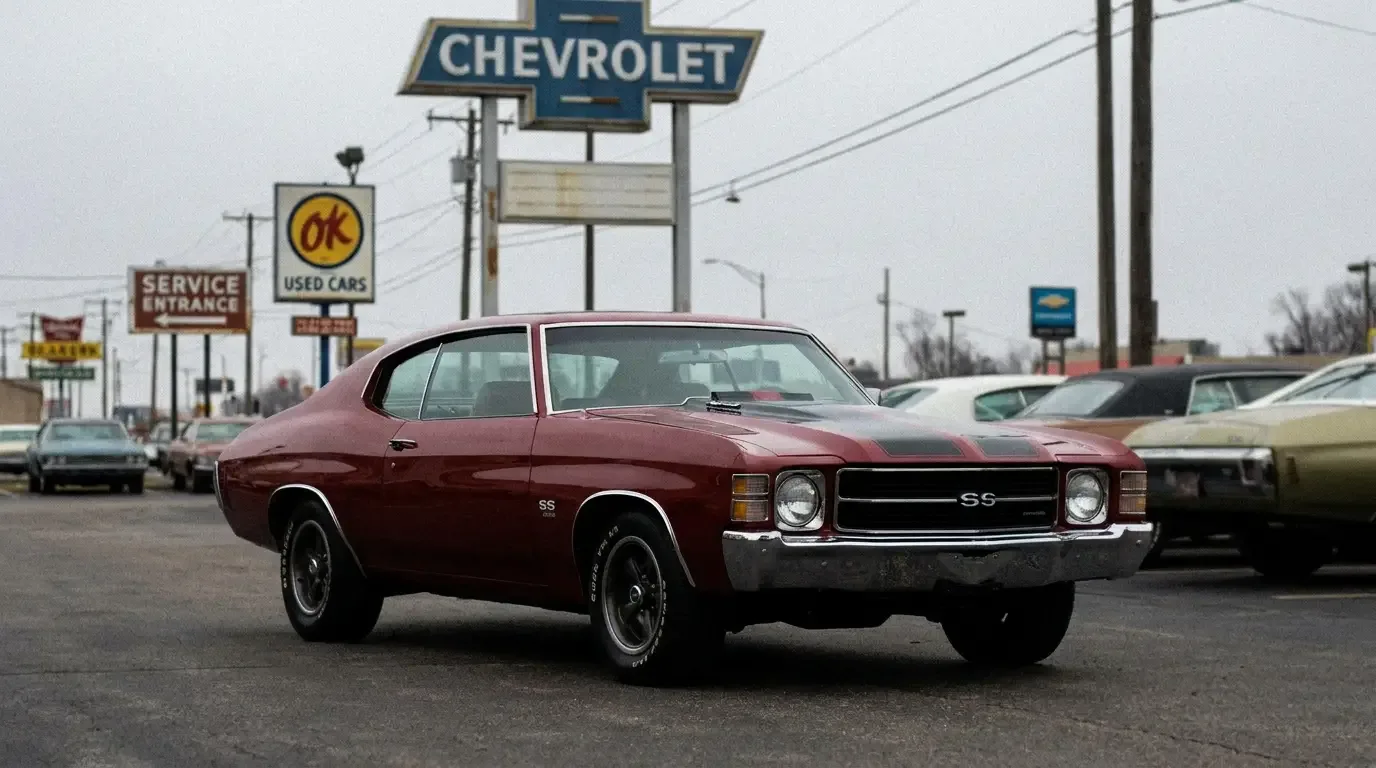
The SS package continued through 1971 and 1972, still available with the 454 as the LS5, but compression dropped across the board as Chevrolet prepared for unleaded fuel and tightening emissions standards. Horsepower ratings on paper declined accordingly, and by 1973 the SS designation as most collectors define it was effectively over, folded into option packages that traded on the name without carrying the same mechanical weight.
If you want to follow where the platform went from here, the story continues with onward to First-Generation Chevelle (1964-1967), which covers the earliest cars this SS history builds on in more detail, including the A-body's original design brief and how the platform grew into a car capable of carrying these engines in the first place.
Buying an SS today: what documentation should exist
For any SS you're seriously considering, ask for the cowl tag, the engine casting numbers and date codes, and, if the seller has it, the original build sheet or tank sticker. None of these guarantee perfection, paperwork can be lost even on a completely legitimate car, but their absence should adjust your price expectations, not just your curiosity. A car sold honestly as "SS-optioned, non-numbers-matching engine" at the appropriate price is a perfectly good buy. A car sold as numbers-matching without anything to support that claim is a negotiation, not a purchase.
Restoration shops that specialize in these cars can often authenticate casting numbers against known production windows even without the original paperwork, cross-referencing date codes and plant codes against published production data. It's not as airtight as an original build sheet, but it's a legitimate second-best option when the factory documentation didn't survive with the car, and it's worth the cost of the consultation before you commit real money to a car claiming a rare engine combination.
There's real inventory to compare against if you want to calibrate what documented versus undocumented cars are actually asking. Browsing current Chevelle SS listings side by side, with attention to which ones include build sheets or verified casting numbers, is the fastest way to see how much the paperwork itself moves the asking price.
Sources and notes
- Curbside Classic: 1965 Chevelle SS396 Z16, 201 Built
- Wikipedia: Chevrolet L78 396/402/427 engine family
- Mac's Motor City Garage: Birth of the Big-Block Chevelle, the 1965 Z16
- Automobile-Catalog: 1970 Chevelle SS 454 (LS6, 450 hp) factory specs
- Team Chevelle forum: 1970-1972 horsepower rating decline (gross vs. net, compression drop)
- HotCars: Chevy Built 201 Big-Block Chevelles and Refused to Advertise Them
Related Reading
Article
The Classic Chevrolet Chevelle Story
Article
First-Generation Chevelle (1964-1967): The A-Body Is Born
Article
Rare and Collectible Chevelles
Article
What "SS" Actually Meant on a Chevelle
Article
The Evolution of the SS, 1964-1972
Article
1966: The SS396 Debut
Article
1968: The SS396's Last Year as Its Own Series
Article
1969: SS Becomes an Option, Not a Model
Article
1971: The Quiet SS Year
Article
1972: The Last True SS
Article
The SS Convertible Story
Article
SS Badges and Stripes Lore
Article
SS Interior and Trim Character
Article
The SS Wheels Story: Rally, SS, Magnum 500
Article
SS and Turbo-Jet: The Marketing Lore
Article
SS vs the Muscle Car Rivals
Article
The SS Name's Legacy After 1972
Have a
Chevrolet Chevelle
for Sale?
Reach thousands of serious classic car collectors across the US.
Sell It Here →
Are You a Classic Car Dealer?
List your full inventory and connect with targeted classic car buyers.
Join as a Dealer →

About the author
Tom Ramirez
Corvette researcher and historian based in Bowling Green, Kentucky. Two decades documenting Corvette production history from original factory records.
Related Listings - Chevrolet Chevelle
More in History & Heritage
Comments
Be the first to comment on this article.