
For two model years, General Motors sold you a mid-size car with a hood that could clearly swallow a big-block and a corporate rulebook that said no. The 400 cubic inch displacement ceiling on intermediates was never a law, never an EPA mandate, never anything an engineer asked for. It was a policy memo, and in 1970 it disappeared. That single administrative change is the reason the Chevelle SS454 exists at all, and the record of how it happened is more specific than most enthusiasts realize.
History & Heritage
7 min read
1970: The Year GM Lifted the Displacement Cap
How a corporate policy, not an engineering limit, kept big-blocks out of the Chevelle until 1970 and how its removal created the SS454.
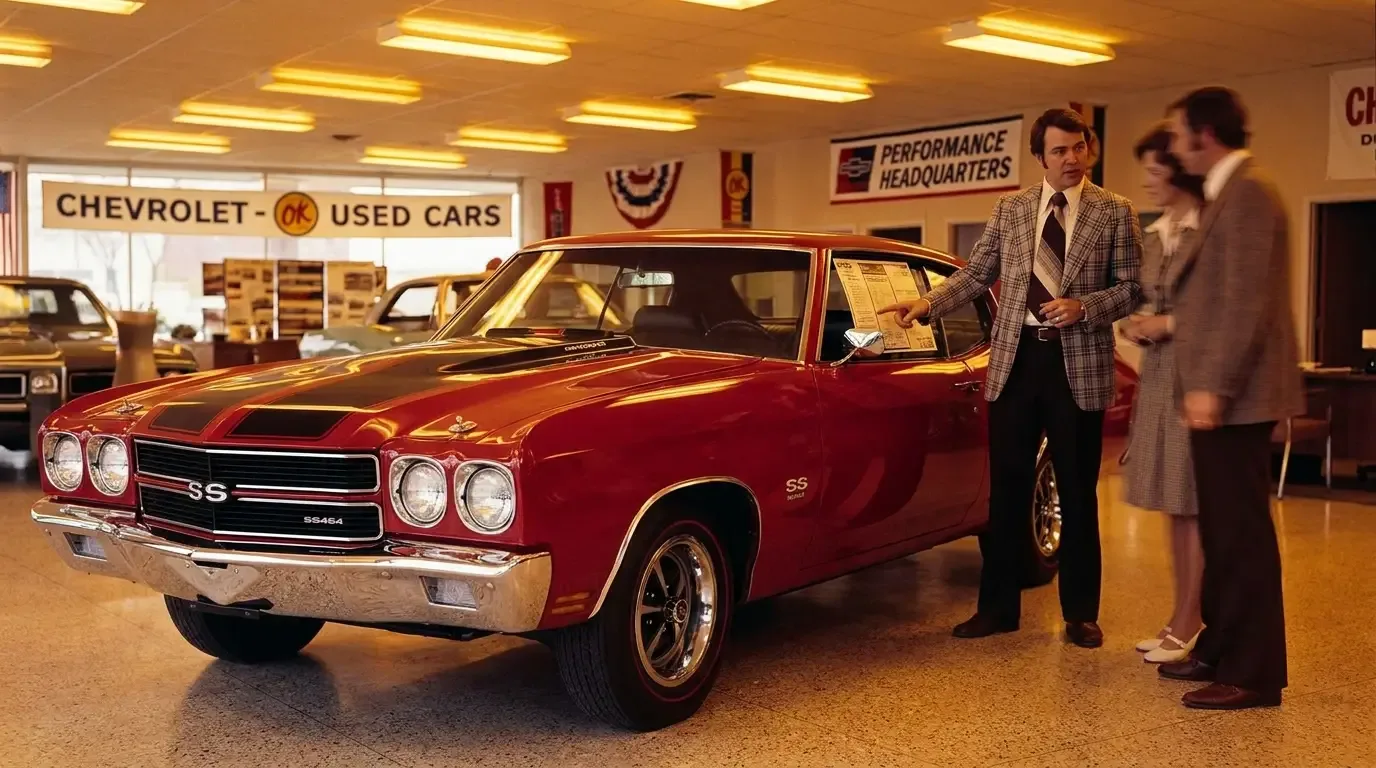
I've spent a lot of time with build sheets and internal Chevrolet documentation, and the displacement cap is one of those stories where the paperwork tells you more than the folklore does. The folklore says GM "banned big engines in small cars" out of some vague safety concern. The documented reasons are more specific and, honestly, less dramatic: a self-imposed corporate policy that kept anything over 400 cubic inches out of the A-body intermediate line, driven by two things at once. One was protecting the Corvette's standing as the performance flagship, keeping a mid-size car from out-muscling GM's own halo model. The other was controlling the insurance and liability exposure that came with putting big-inch power into cheaper, higher-volume cars. Pontiac felt the ceiling. Oldsmobile felt it. Chevrolet felt it most, because Chevrolet had the 396 and the corporate limit sat right at the edge of it.
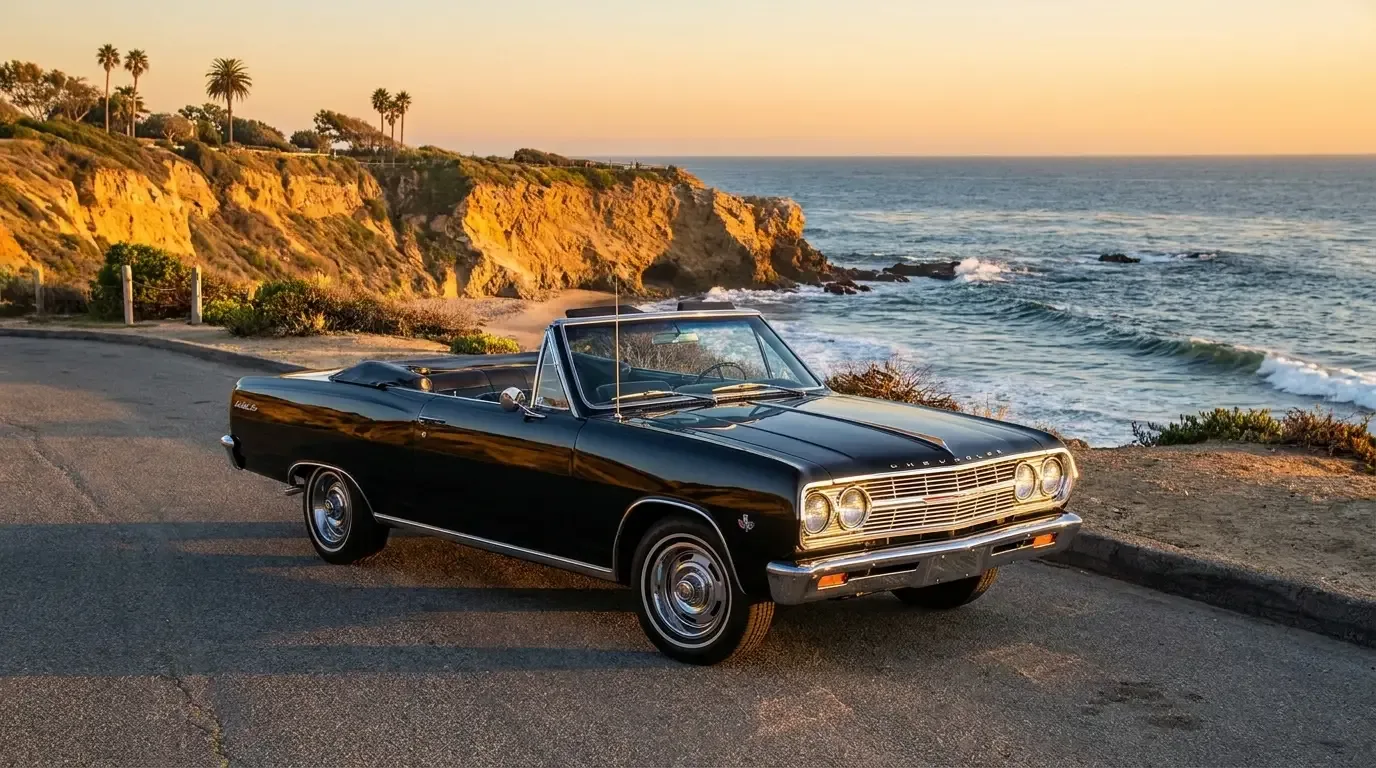
That limit wasn't always 400 cubic inches, either. When the A-body intermediates launched for 1964, GM's internal ceiling was actually 330 cubic inches. Pontiac blew past it that same year by badging the 389-powered GTO as an option package rather than a distinct model, and the GTO's sales success is what pushed GM to raise the corporate limit to 400 cubic inches for 1965, opening the door for the 396 in Chevrolet's own intermediate. The 400 cid line held from 1965 through 1969, which is the window most people mean when they talk about "the cap."
What the cap actually restricted
Through 1969, the biggest engine you could order in a Chevelle was the L78 396, rated at 375 horsepower in solid-lifter form. That is a genuinely strong engine. It is not a 454. Buyers who wanted more had to look sideways at the full-size Impala or Caprice, where GM's corporate policy did not apply, and where a 427 was available with no fuss. That mismatch, a mid-size car objectively capable of carrying a bigger engine but corporately forbidden from it, is exactly what created demand pressure inside Chevrolet's own ranks to get the rule changed. It also explains why Chevrolet dealers spent 1968 and 1969 quietly encouraging serious buyers toward COPO orders and toward the full-size cars for the engines the Chevelle couldn't legally carry.
The policy wasn't unique to Chevrolet. Buick's GS400 and Oldsmobile's 442 lived under the same 400 cubic inch line. When the corporate cap lifted for 1970, it lifted across the board, which is why you see 455s show up in Buicks and Oldsmobiles that same model year, not just 454s in Chevrolet's cars. That's worth knowing if anyone tells you this was a Chevrolet-specific decision. It wasn't. It was a GM-wide policy reversal that happened to land hardest on the divisions with the most demand for it.
Why 1970 was the year it broke
The pressure had been building since at least 1968, when the ceiling started looking obviously artificial next to what Ford and Chrysler were putting in comparable intermediates. Ford had the 428 Cobra Jet in the Torino and Mustang. Chrysler had the 440 in the Road Runner and Super Bee, and the 426 Hemi in the Charger and Road Runner. GM's own intermediates were sitting at 396 while the competition ran bigger displacement with less corporate hand-wringing. Read the second-generation story and the pattern is clear: 1968 and 1969 were the years Chevrolet built the best-looking Chevelle body it had yet produced and then handed buyers an engine lineup that undersold the car's own presence.
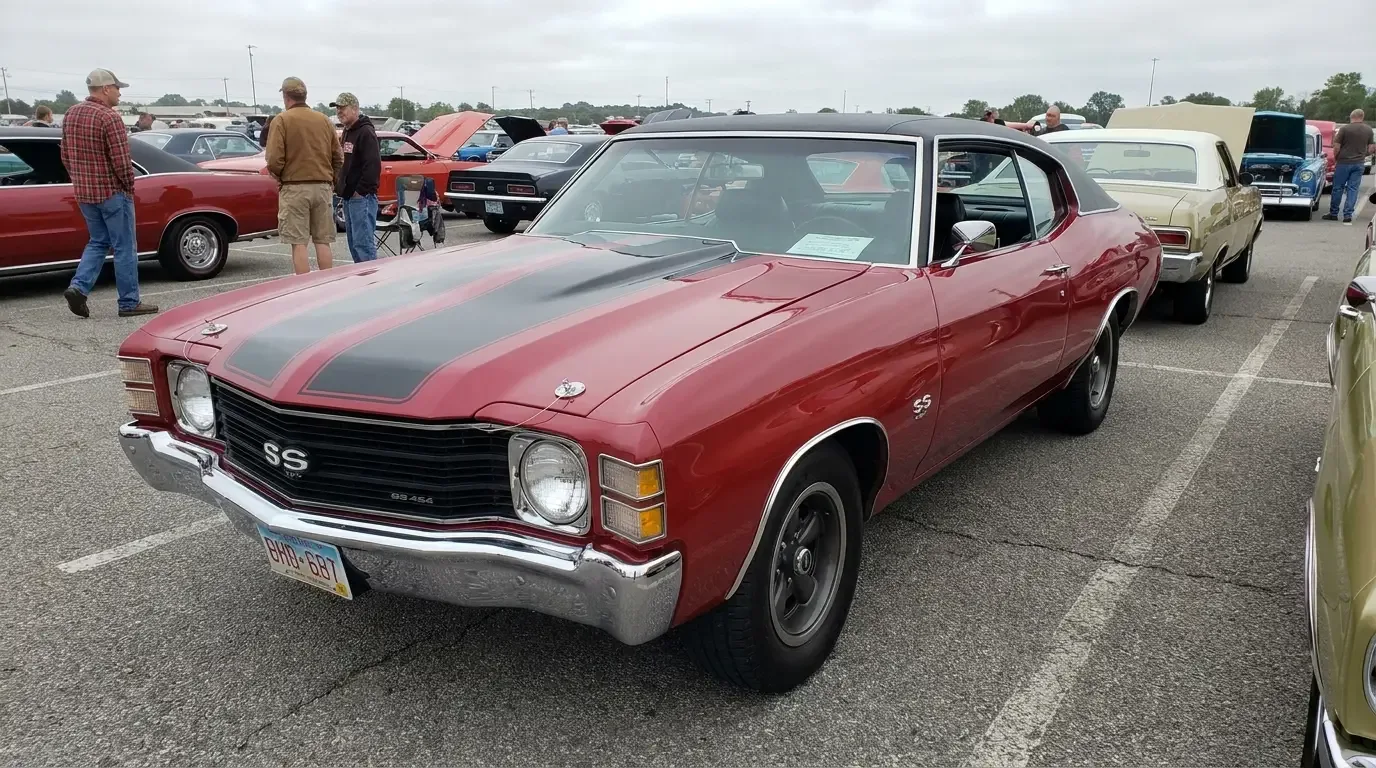
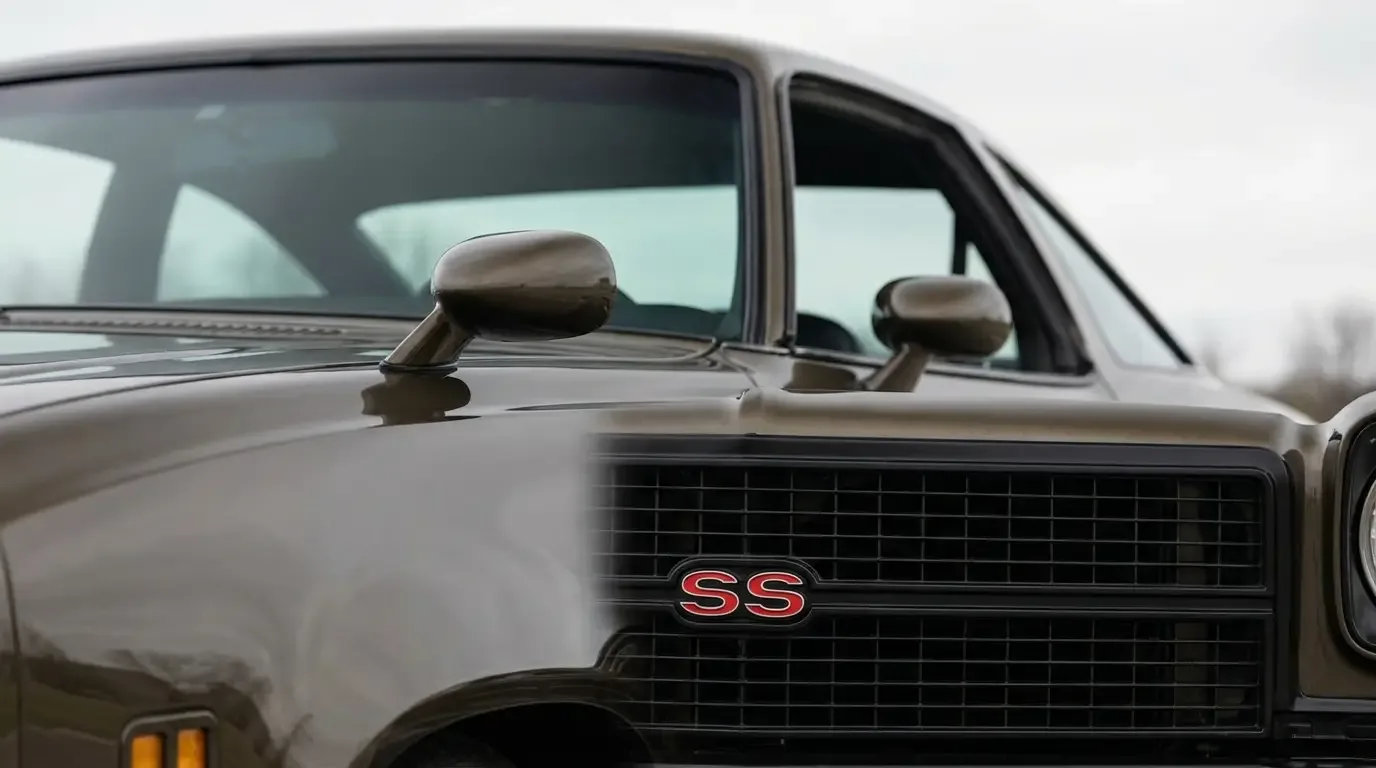
When the cap lifted for 1970, Chevrolet didn't ease into it. The SS454 option arrived with two versions of the 454 cubic inch big-block right out of the gate: the LS5, rated at 360 horsepower, and the LS6, rated at an official 450 horsepower, which remains one of the highest factory horsepower ratings GM ever put on a regular production intermediate. Whether the LS6's 450 number reflected true flywheel output or was, like a lot of period ratings, conservative for insurance purposes is a debate that still runs in Chevelle circles, and I won't pretend to settle it here. What isn't debatable is that a 450 hp rating on a mid-size car simply couldn't have existed under the old policy, regardless of what the engine could actually produce on a dyno.
The LS6 and the production numbers worth knowing
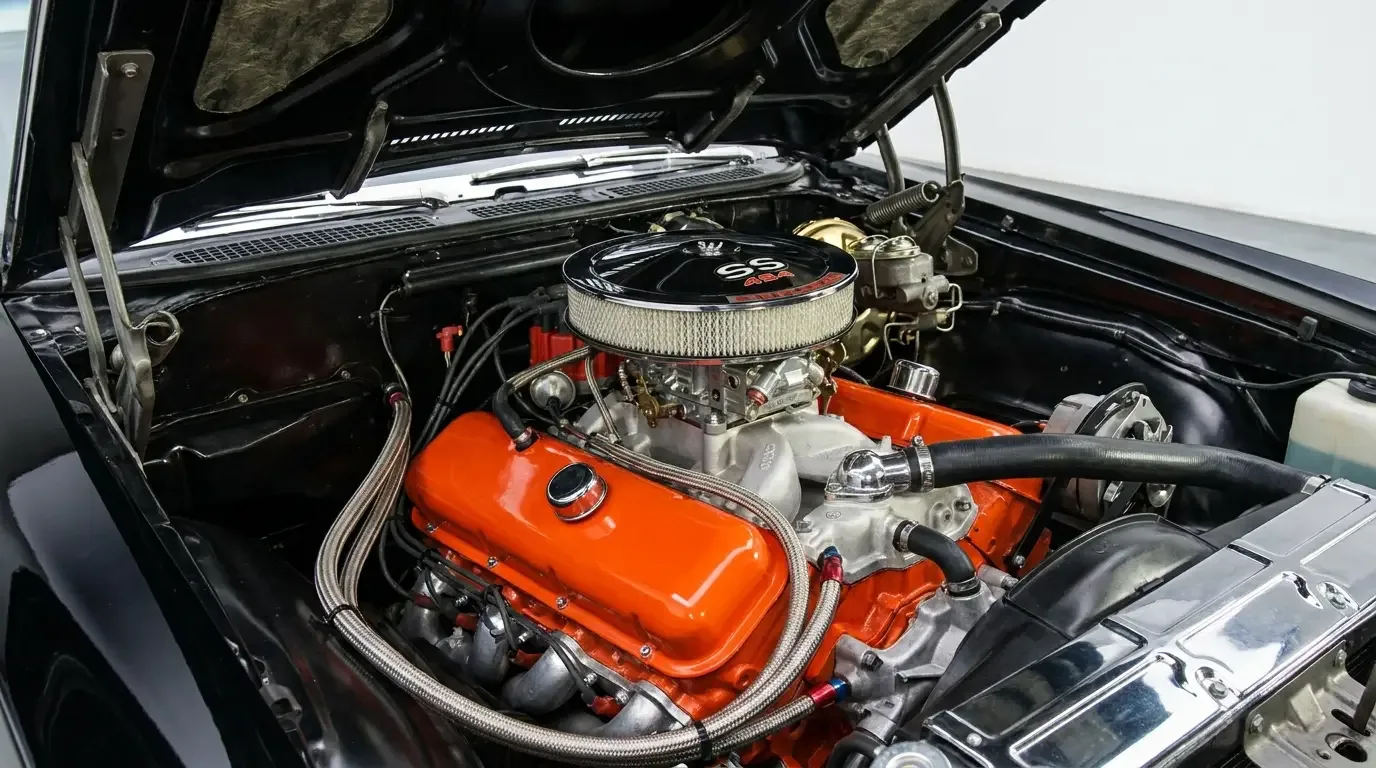
The LS6 454 in 1970 form used solid lifters, a Holley four-barrel on an aluminum intake, 11.25:1 compression, and a forged-steel crank with forged aluminum rods, a bottom end built along the same lines as the L88 Corvette program, though the two are not identical engines. Chevelle LS6 production for 1970 is documented at 4,475 units, including roughly 500 El Camino installations, out of 8,773 Chevelles built that year with a 454 of any kind, LS5 or LS6. Chevrolet's own records for the exact split by body style (coupe, convertible, El Camino) were largely lost, so registry researchers work from surviving cars and dealer paperwork rather than a single factory-stamped breakdown. The LS5 360 hp version was the more common SS454 engine by a wide margin, and it's the one most SS454s on the market today actually carry.
Option code discipline matters here more than almost anywhere else in the Chevelle lineup, because the LS6's rarity and price premium have made it one of the more commonly misrepresented engines in the muscle car market. A correctly documented LS6 has a cowl tag, broadcast sheet, and engine casting numbers that all agree with each other and with the VIN. When any of those three disagree, you don't have an LS6, you have an LS5 or a 396 car wearing LS6 badging, and the price should reflect that regardless of what the seller believes the car to be.
| Engine | Displacement | Horsepower (factory rating) | Compression | Notes |
|---|---|---|---|---|
| L78 396 | 396 cid | 375 hp | 11.0:1 | Top engine available through 1969, capped by policy |
| LS5 454 | 454 cid | 360 hp | 10.25:1 | Most common SS454 engine, hydraulic lifters |
| LS6 454 | 454 cid | 450 hp | 11.25:1 | Solid lifters, rarest and most valuable SS454 configuration |
What this means for buyers looking at 1970 cars today
If you're shopping a 1970 Chevelle, the displacement cap story isn't just trivia, it's the reason the SS454 carries the premium it does. A 1970 is the first year a Chevelle could legally leave the factory with a 454, and it's also the only two-year window (1970 and 1971) where the LS6 existed in the Chevelle at all before compression ratios and emissions requirements made an 11.25:1 solid-lifter big-block impossible to build for the street. That narrow window is exactly why documentation matters so much on these cars. A build sheet or cowl tag that confirms LS6, M22 close-ratio four-speed, and the correct rear gear isn't paperwork for its own sake, it's the difference between a six-figure car and a nicely optioned LS5 clone.
"People ask me why the LS6 gets treated like a different species from the LS5 when they're both 454s out of the same block family. It's not the iron, it's the rarity and the documentation trail behind it. A 450 hp rating on a car that couldn't legally exist a year earlier is a story worth verifying properly, not one worth taking on faith from a windshield sticker."
Tom Ramirez
The bigger context here connects directly to the classic Chevelle story, where the 1970 SS454 sits as the high-water mark of the second generation's performance era. It didn't last. Compression ratios started falling almost immediately afterward, which is exactly where the story picks up in next: 1971 Restyle, when the single-headlamp cars arrived with a very different relationship to horsepower numbers.
Sources and notes
- Hagerty: "Displacement unleashed: 1970 brought several flavors of GM 455"
- Wikipedia: Pontiac GTO, origin of GM's A-body displacement policy
- Wikipedia: General Motors A platform (RWD)
- Chevy Hardcore: 1970 Chevelle SS 454 LS6 specifications
- California Speed Shop: 1970 Chevelle SS 454 LS6 identification and specs
- TopSpeed: History and mystery of the rarest Chevy Chevelle, LS6 production data
Related Reading
Have a
Chevrolet Chevelle
for Sale?
Reach thousands of serious classic car collectors across the US.
Sell It Here →
Are You a Classic Car Dealer?
List your full inventory and connect with targeted classic car buyers.
Join as a Dealer →

About the author
Tom Ramirez
Corvette researcher and historian based in Bowling Green, Kentucky. Two decades documenting Corvette production history from original factory records.
Related Listings - Chevrolet Chevelle
More in History & Heritage
Comments
Be the first to comment on this article.