
There is a photograph of Clark Gable leaning against a Duesenberg, and you do not need to know a thing about cars to understand exactly what it is saying. That was the whole point. For most of the twentieth century the luxury car was the clearest statement a famous person could make about who they were and what they had. The car did some of the talking. A movie star, a bandleader, a gangster, a king, each reached for a different machine, and the choice said as much about them as any interview. The cars outlasted most of the people, and today they carry those stories forward like a kind of provenance you cannot fake.
History & Heritage
6 min read
Famous Owners of Classic Luxury Cars Through History
From Clark Gable's Duesenberg to Elvis's pink Cadillac and Lennon's psychedelic Rolls, how famous owners turned classic luxury cars into living history.
If you want the wider frame around all this, start with the classic luxury car's full history. This piece is about the people who actually sat behind the wheel.
Hollywood and the Duesenberg
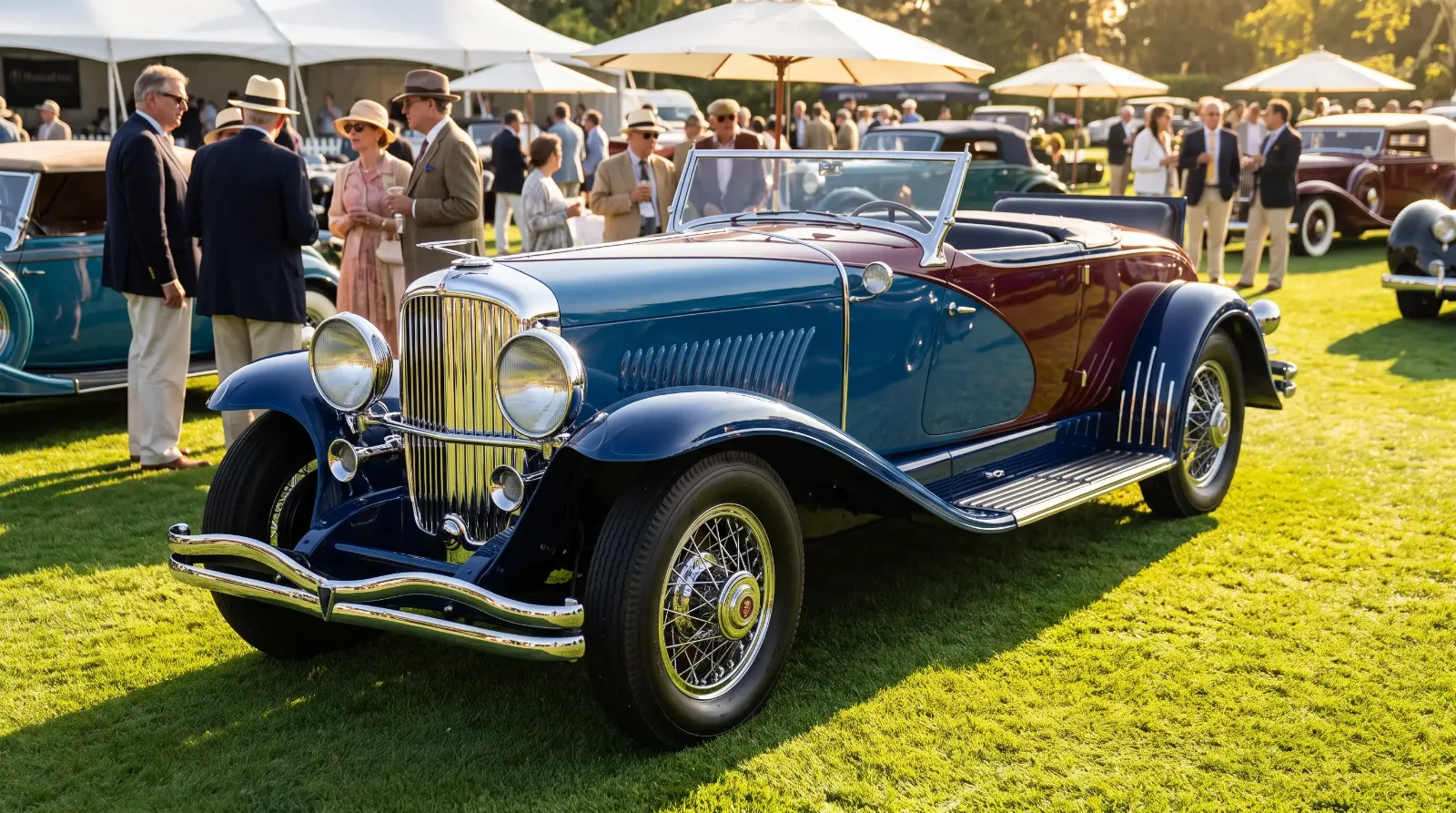
In the 1930s, if you had truly arrived in Hollywood, you bought a Duesenberg. The Model J was the most expensive American car of its day, and the studios' biggest names lined up for them. The story everyone tells, and this one is real, is about the two short-wheelbase SSJ roadsters Duesenberg built in 1935. One went to Clark Gable. The other went to Gary Cooper. Two of the biggest stars in the world, each with one of only two examples of the fastest Duesenberg made, a rivalry playing out in aluminum and chrome.
They were not alone. Mae West, Greta Garbo, and the newspaper magnate William Randolph Hearst all ran Duesenbergs. To own one was shorthand for having beaten the odds in an industry that chewed people up. The car did not whisper about money. It announced it, and in that town announcing it was the correct move.
Elvis and the Cadillac
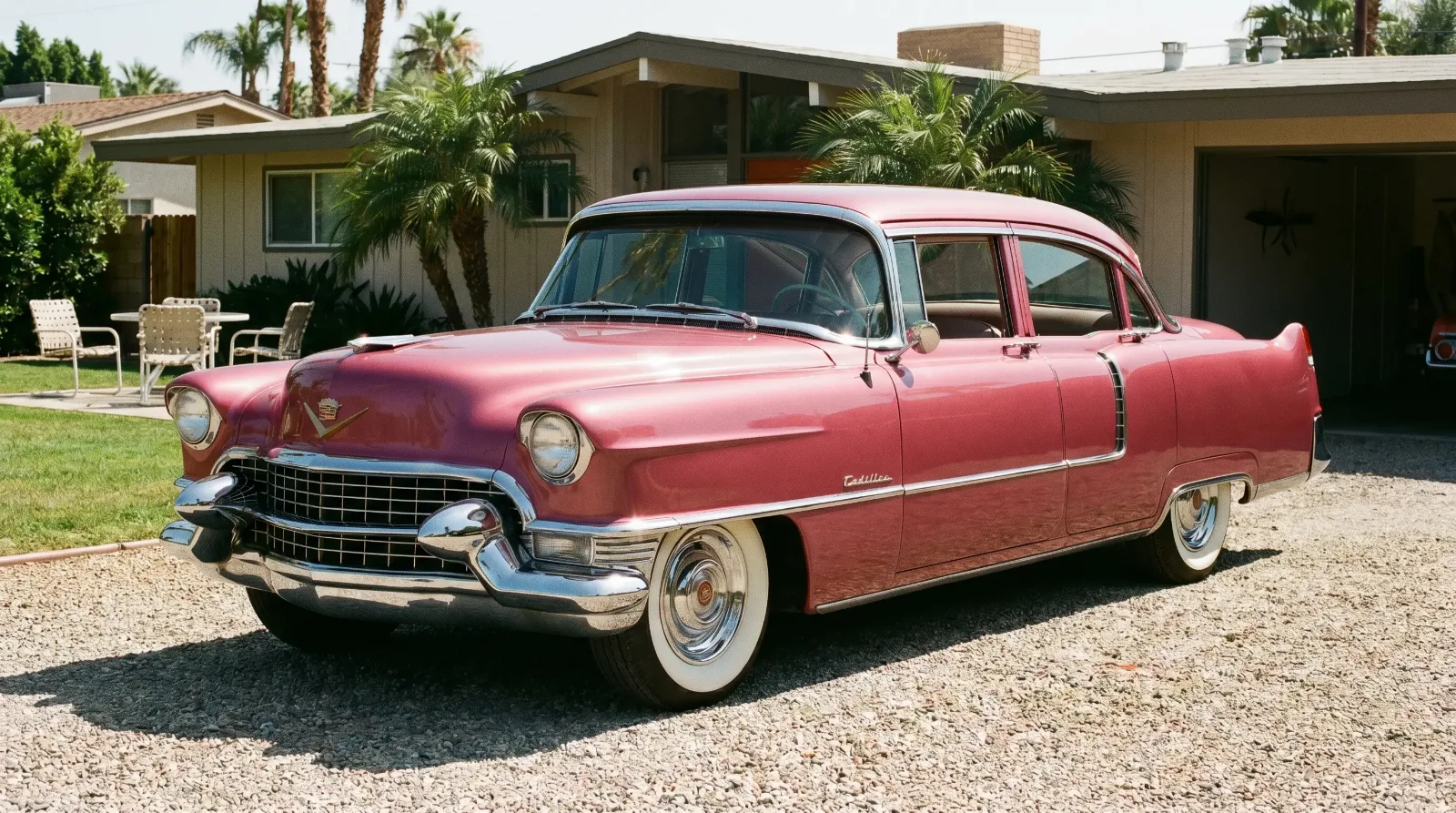
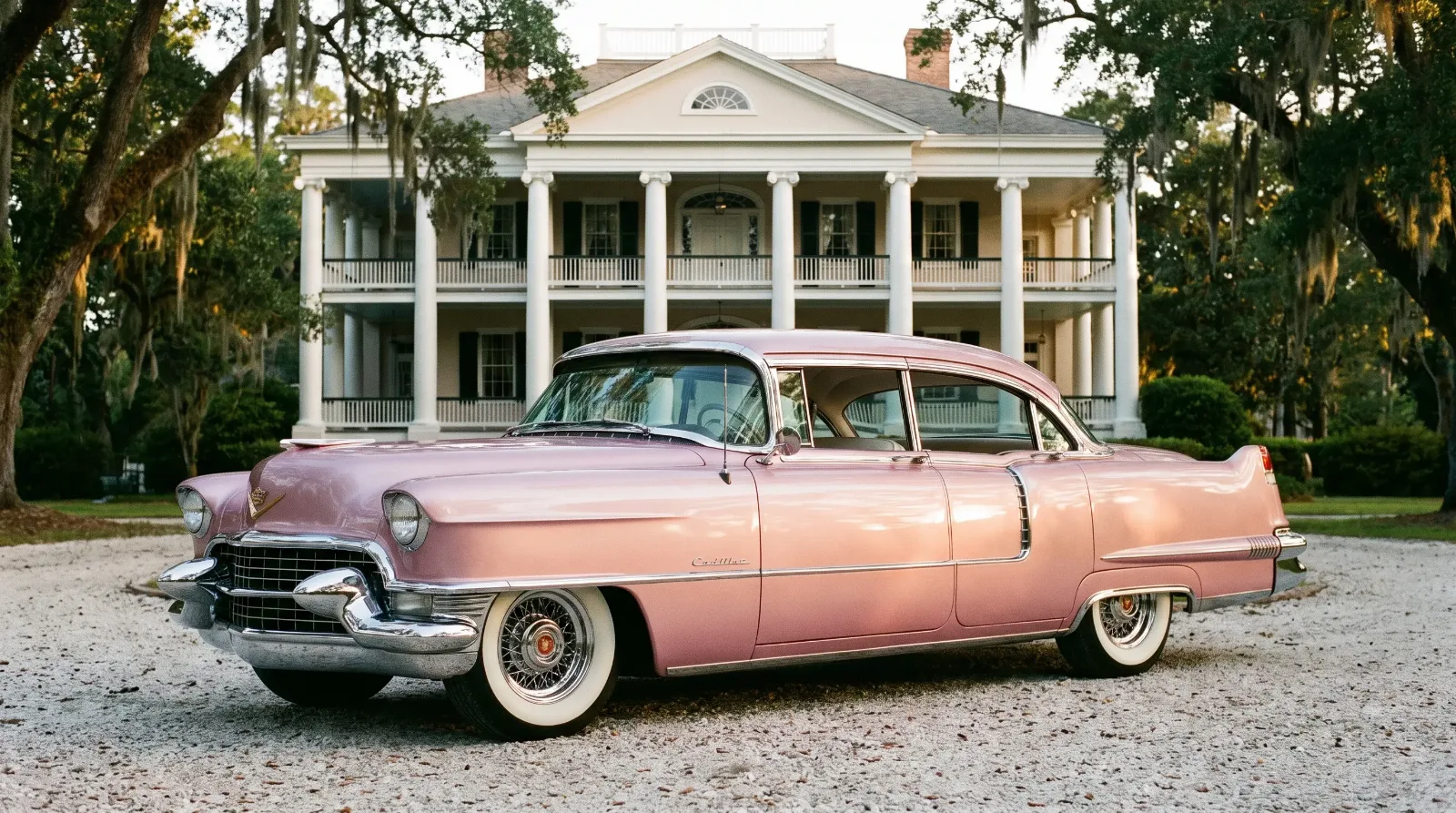
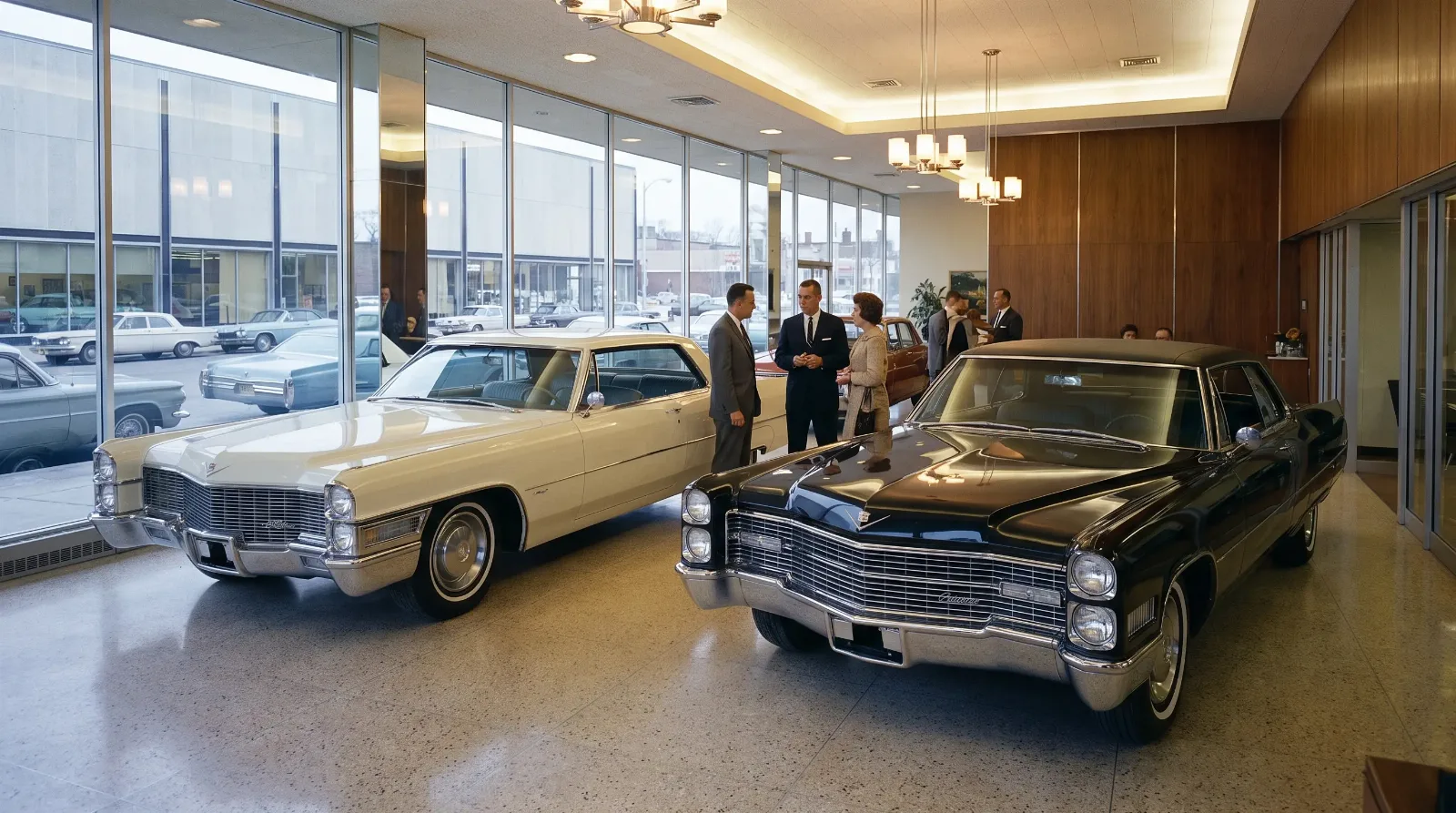
By the 1950s the center of gravity had shifted, and so had the car. For a generation of American entertainers the Cadillac was the trophy, and nobody loved them like Elvis Presley. He bought them constantly, for himself and for other people, sometimes handing the keys to near strangers. The most famous of the lot is the 1955 Fleetwood he had repainted a custom pink, a car tied up with the story of his mother Gladys, who could not even drive.
That is what makes Elvis and Cadillac such a clean fit. The brand had spent decades building itself into the American symbol of having made it, and here was a poor kid from Tupelo who made it bigger than almost anyone, buying the symbol by the dozen and giving it away. The car and the man were telling the same story.
Royalty, rock stars, and the Rolls-Royce
Cadillac was the American answer. The European one, then and now, was Rolls-Royce, and its owner list ran from actual royalty to the people who became royalty of a different kind. Kings and maharajas ordered them by the fleet in the prewar years, often with coachwork specified to a degree that would bankrupt an ordinary buyer.
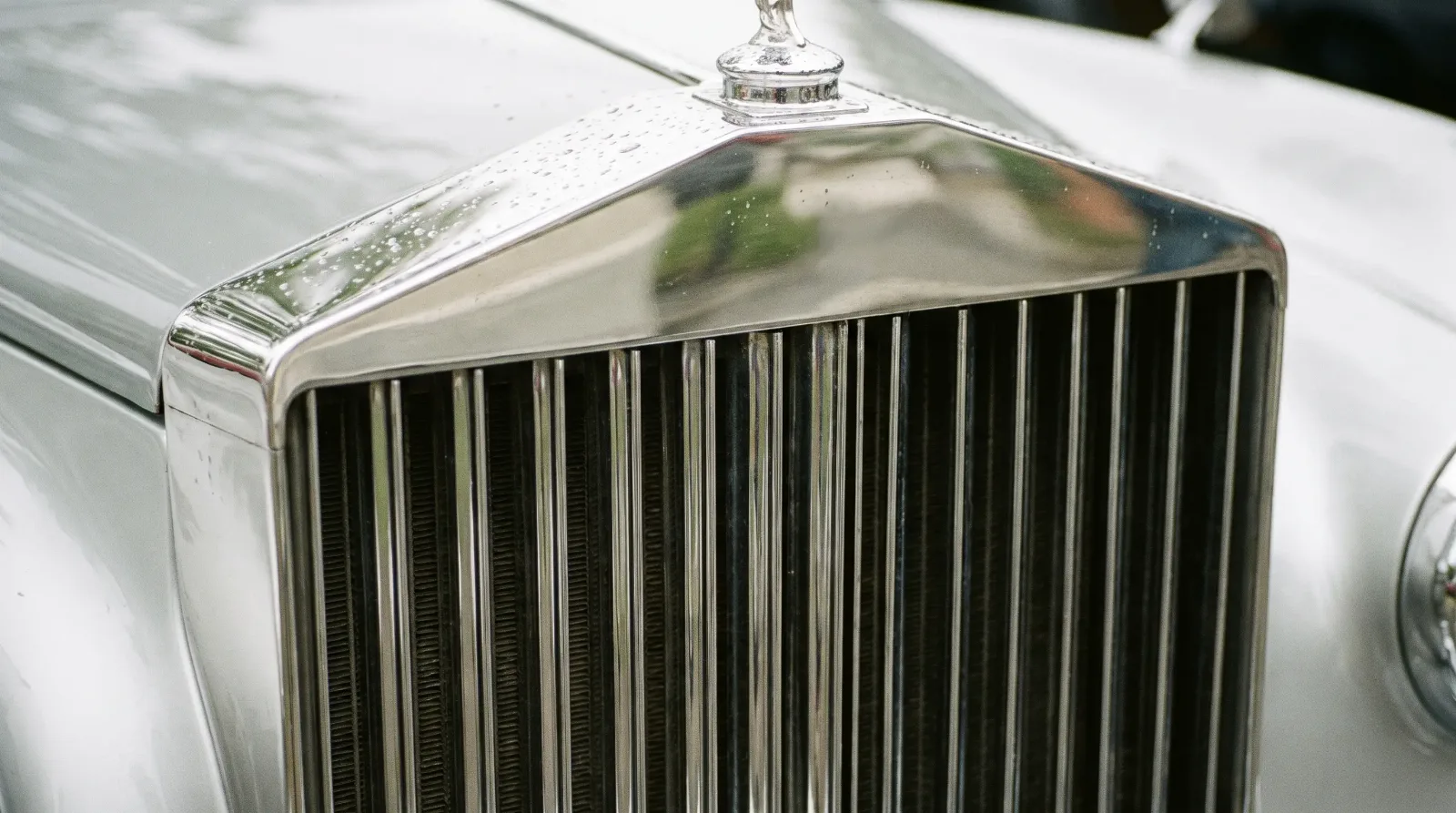
The car's meaning shifted in the 1960s in a way that tells you a lot about the decade. When John Lennon had his 1965 Phantom V repainted in swirling psychedelic yellow in 1967, older owners were reportedly appalled, and that was the point. The most establishment car in the world had been taken over by the counterculture. A Rolls-Royce still said you had arrived. It just stopped saying you were respectable, and for a while that made it more interesting, not less.
| Owner | Car | Era |
|---|---|---|
| Clark Gable & Gary Cooper | Duesenberg SSJ (two built) | 1935 |
| Al Capone | Armored Cadillac Town Sedan | 1928 |
| Elvis Presley | Pink Cadillac Fleetwood | 1955 |
| John Lennon | Rolls-Royce Phantom V | 1965 |
Why the ownership story still moves the market
Here is the part that matters if you are looking at these cars today rather than just admiring the photographs. A documented famous owner can change what a car is worth by a wide margin, sometimes a shocking one. The mechanical car is the same. What changes is the story attached to it, and buyers pay real money for a story they can prove.
The word collectors use is provenance, and it has a hierarchy. A car merely associated with a name is one thing. A car with paperwork, period photographs, and an unbroken chain of ownership back to the famous first buyer is another entirely. That documentation is exactly what turns a nice old luxury car into a piece of history someone will fight over at auction. If you start browsing classic luxury cars for sale, the ones with a real name attached and the paper to back it up sit in their own price bracket, and they earn it.
"I've stood next to cars that famous people owned, and the strange thing is you can feel it before anyone tells you the name. Somebody drove this to a premiere, or a funeral, or across the country running from something. The car kept the story when the person couldn't. That's the part specs never capture, and it's the part that keeps this hobby alive."
Patrick Walsh
The thread that runs through all of it
Across a century the car changed and the names changed, but the impulse did not. People at the top of their world have always wanted an object that says so without a word, and for a long stretch of the twentieth century the luxury car was the best object going. Gable had his Duesenberg. Elvis had his Cadillacs. Lennon had his psychedelic Rolls. Each one is a snapshot of what success looked like in its moment, parked in a driveway.
Not every great luxury car came from a brand that survived to tell about it. Some of the most storied names on those old ownership documents belong to companies that no longer exist at all. next: Luxury Car Nameplates That Vanished Entirely.
Related Reading
Have a
Classic Car
for Sale?
Reach thousands of serious classic car collectors across the US.
Sell It Here →
Are You a Classic Car Dealer?
List your full inventory and connect with targeted classic car buyers.
Join as a Dealer →

About the author
Patrick Walsh
Automotive journalist covering classic car shows, events, and the enthusiast community across North America.
More in History & Heritage
Comments
Be the first to comment on this article.