
The classic luxury car did not arrive fully formed. It grew out of the carriage trade, out of a moment when the automobile stopped being a mechanical novelty and started being a possession that said something about the person who owned it. Understanding that shift is the whole of classic luxury car history, and it runs from hand-built coachwork on a bare chassis to the chrome-heavy sedans that closed out the pre-emissions era. The machines changed enormously across those decades. The impulse behind them, the desire to own the best-made thing on the road, did not.
History & Heritage
8 min read
The Complete History of the Classic Luxury Car
Classic luxury car history from hand-built coachwork through the great pre-war marques to the chrome era. How the form began, peaked, and changed.
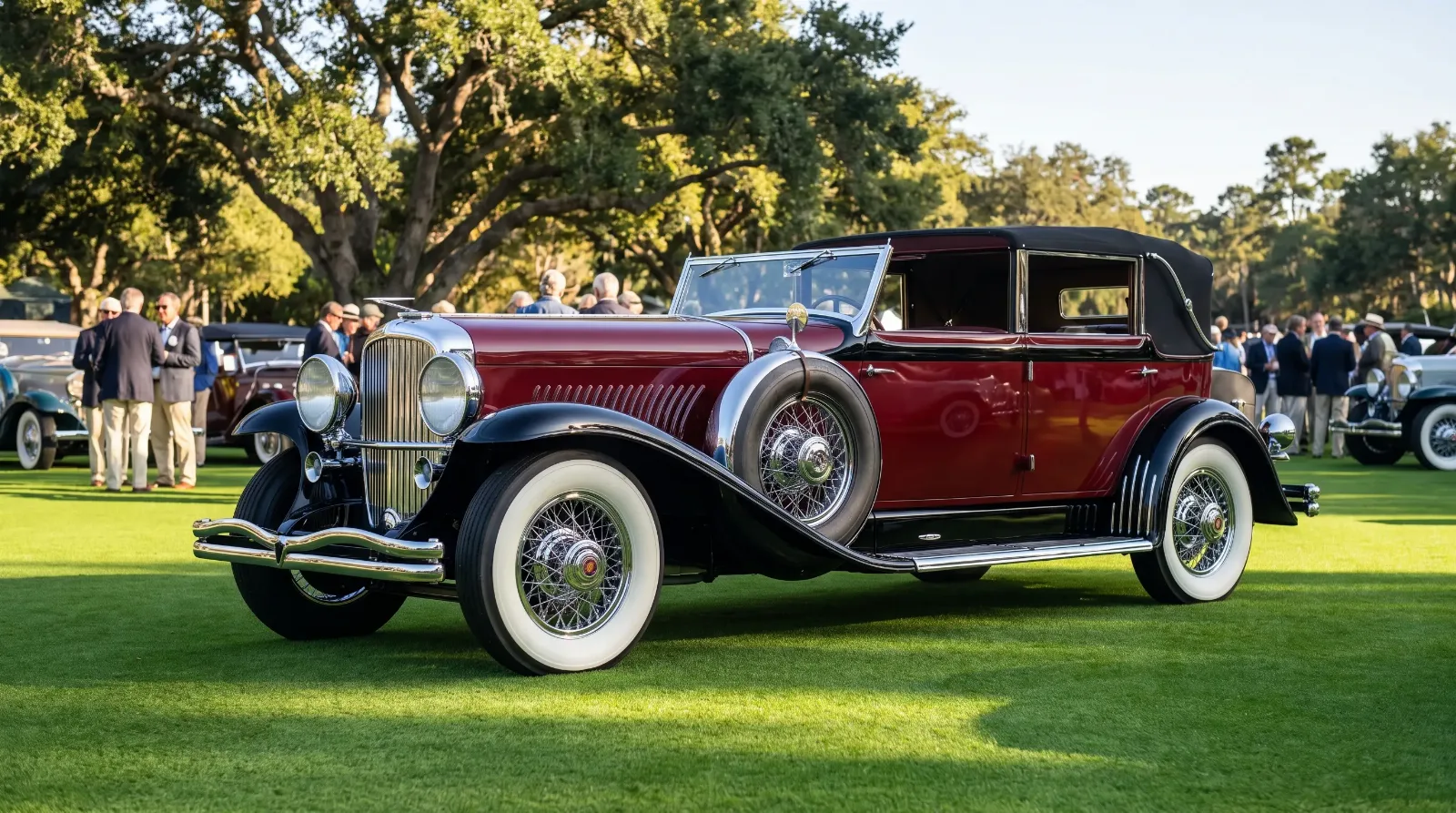
What follows is the arc as collectors and concours judges tend to trace it. If you want the wider framing of why these cars still matter, this piece sits alongside the full classic luxury car story, but here the concern is chronology: how the form began, where it peaked, and what happened to it.
The coachbuilt beginnings
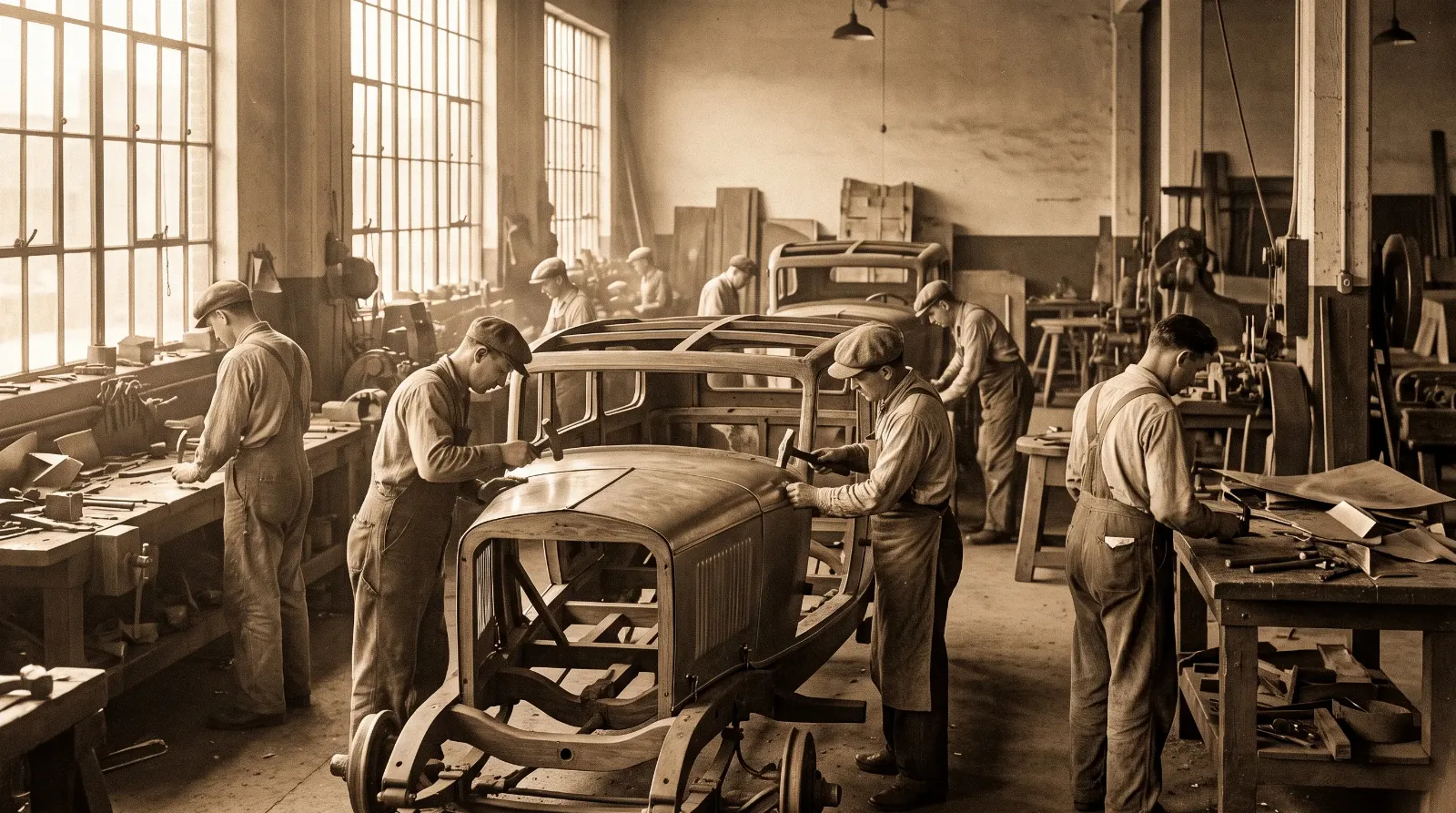
Before roughly 1915, a luxury automobile was sold as a rolling chassis. The buyer took the frame, engine, and running gear from one company, then commissioned a body from a separate coachbuilder. Firms like Brewster in New York, or Barker and Mulliner in Britain, built those bodies the way they had built horse-drawn carriages, by hand, in wood and aluminum panel, to the customer's specification.
This is the first thing to understand about the early luxury car. It was not a product you bought off a floor. It was a collaboration. Two owners of the same chassis might end up with cars that looked nothing alike, because the coachbuilder answered to the client, not to a factory catalog. The result was extraordinary variety and, for the modern collector, a documentation problem that never fully goes away.
The classic era and the great American marques
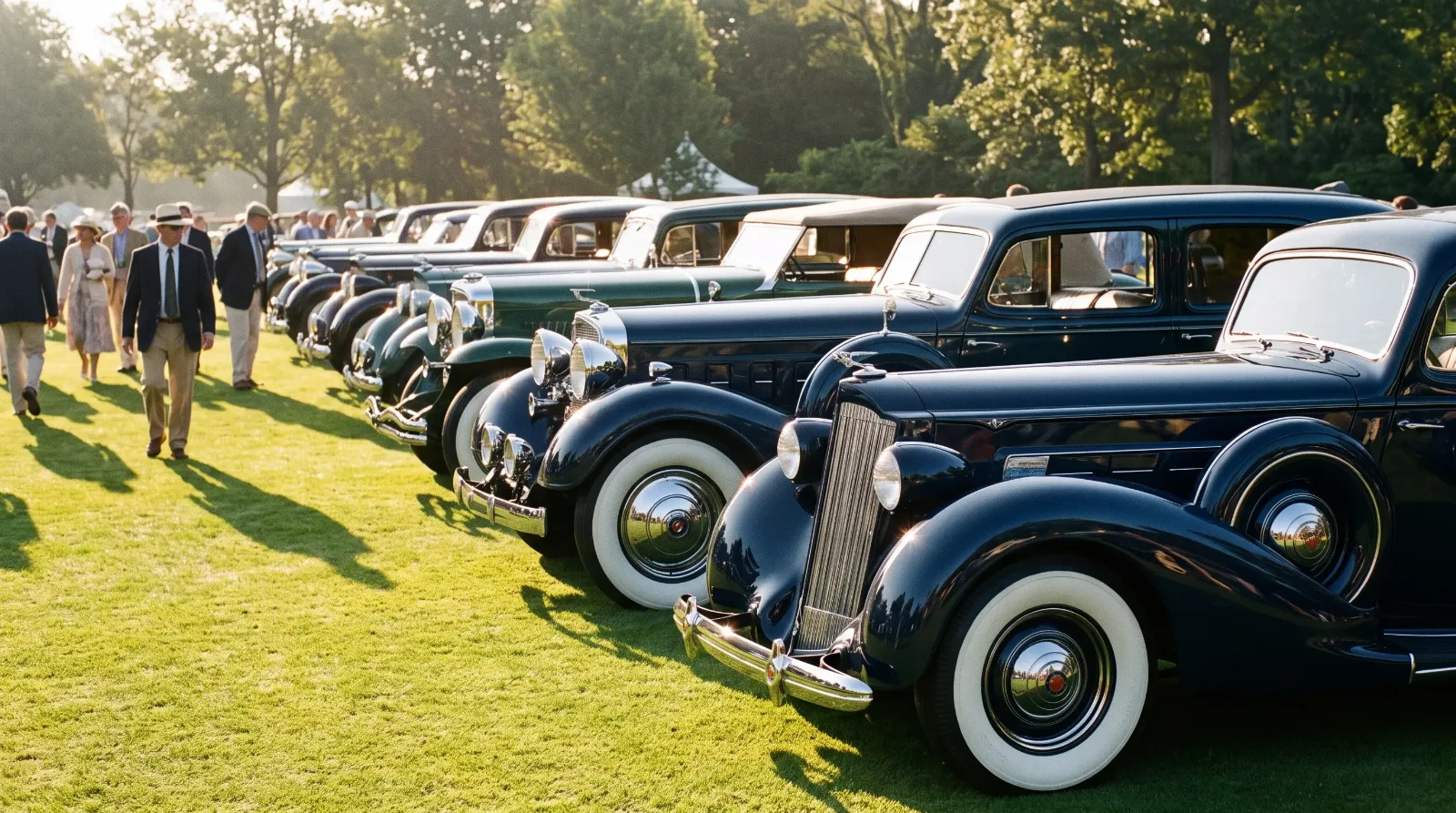
The stretch from the mid-1920s to about 1942 is what serious collectors mean when they say "the classic era." American industry, flush and confident, built some of the finest automobiles the country has ever produced, and it did so at the very moment the Depression was killing off the companies that made them.
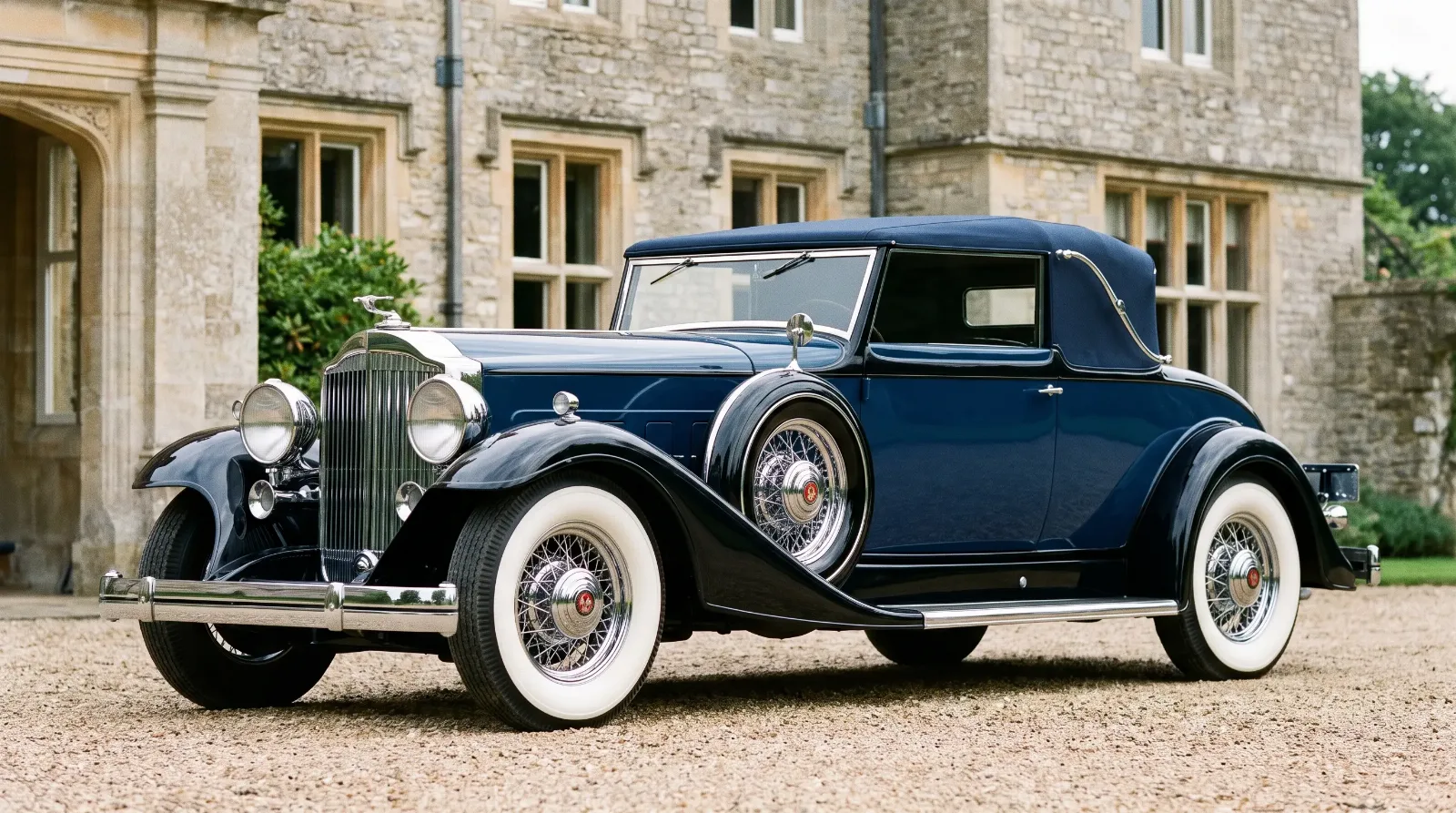
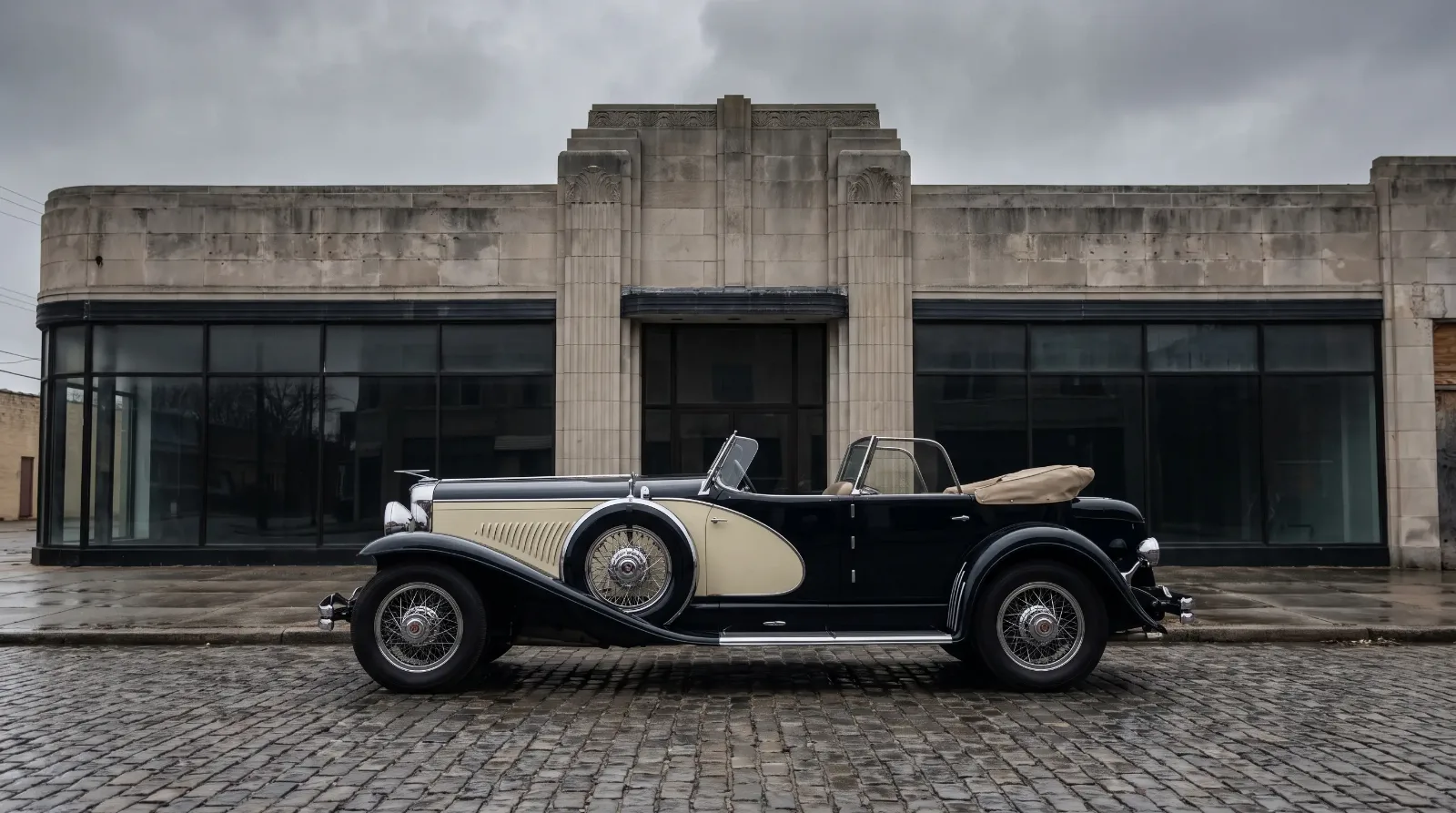
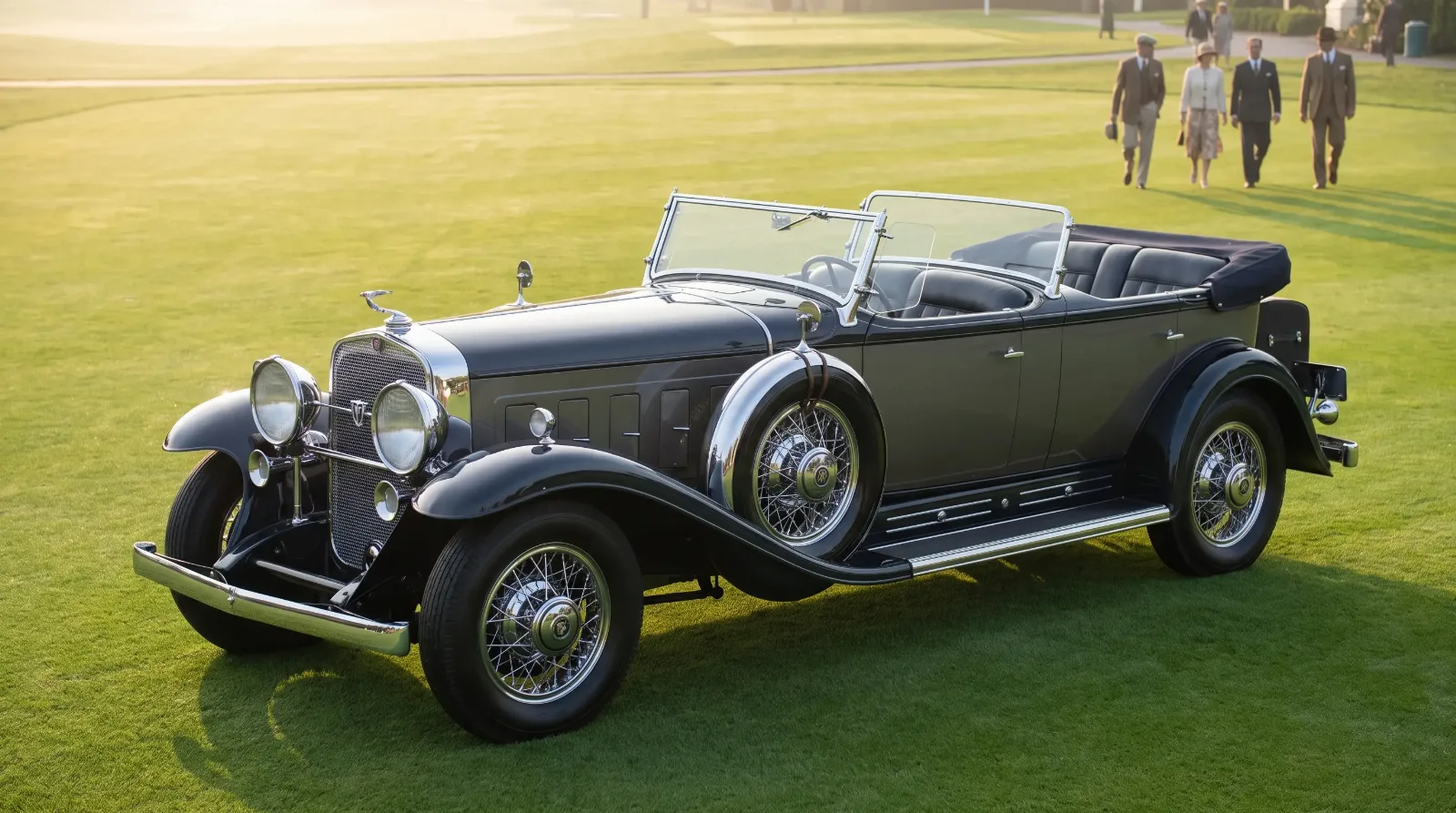
Duesenberg sits at the top of most lists. The Model J, introduced in 1928, carried a twin-cam straight-eight producing roughly 265 horsepower, an astonishing figure for the period. The supercharged SJ variant is usually quoted at around 320 horsepower. Duesenberg sold the chassis and let the great coachbuilders, Murphy of Pasadena chief among them, dress it. Packard answered with the Twin Six and later the Packard Twelve, cars built to a standard of engineering finish that rewarded, and still rewards, close inspection. Cadillac and Marmon both fielded V16 engines, Cadillac's arriving in 1930, in an era when a sixteen-cylinder engine was as much a statement as a specification.
| Marque / Model | Approx. years | Engine | Notes |
|---|---|---|---|
| Duesenberg Model J / SJ | 1928-1937 | Straight-eight, ~265 hp (SJ ~320 hp) | Chassis sold to coachbuilders |
| Cadillac V16 | 1930-1940 | 452 cu in V16, ~165 hp | First American production V16 |
| Packard Twelve | 1933-1939 | V12 | Benchmark for finish quality |
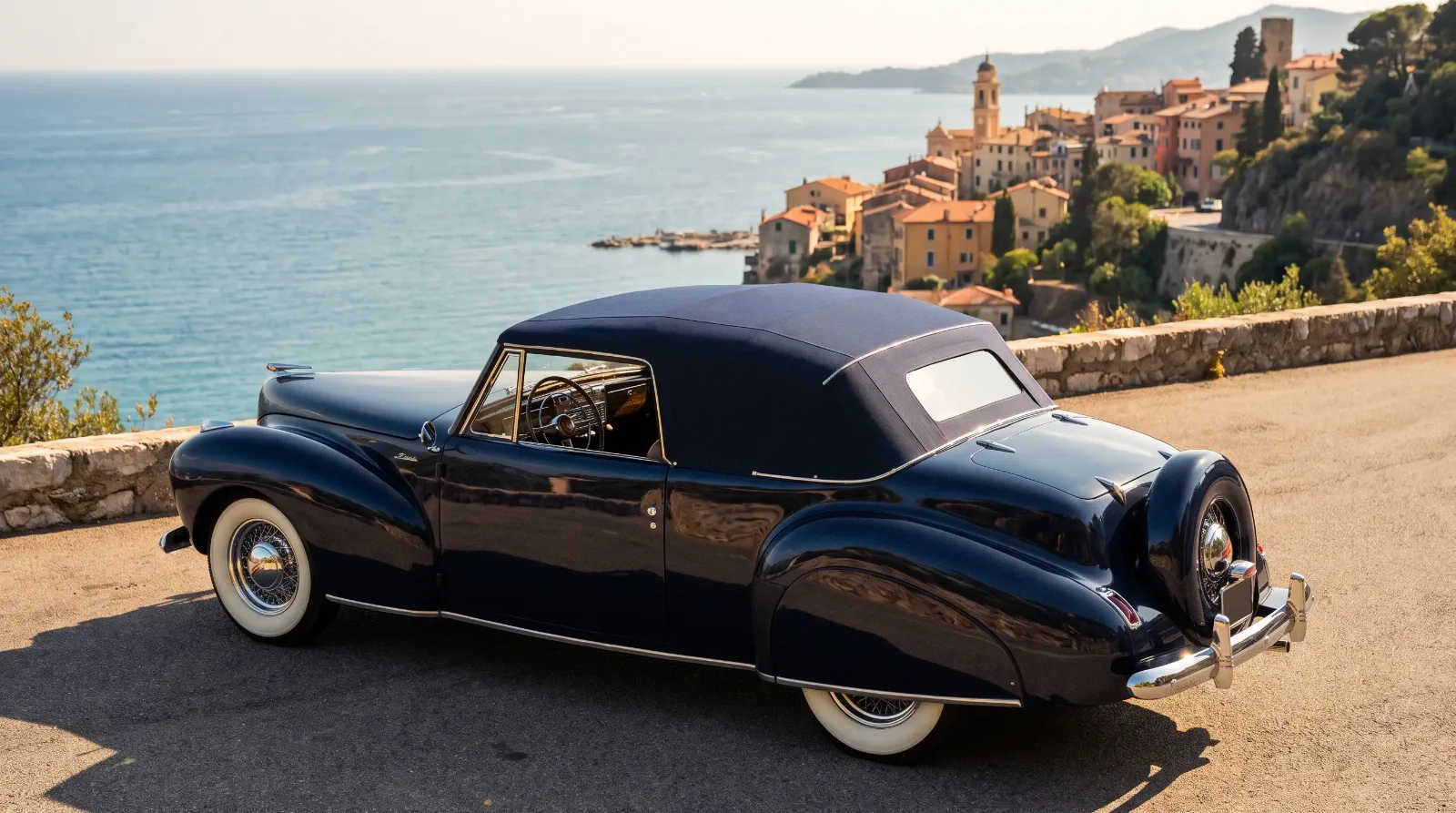
| Lincoln Model KB | 1932-1940 | V12 | Leland engineering, Ford resources |
"When I look at a Model J for the first time, I am not looking at the engine. I am looking at where the coachbuilder let two panels meet. That seam, or the absence of it, tells me who built the body and how carefully. The mechanical figures are in every reference book. The craftsmanship is only in the metal."
Sarah Whitfield
The European tradition
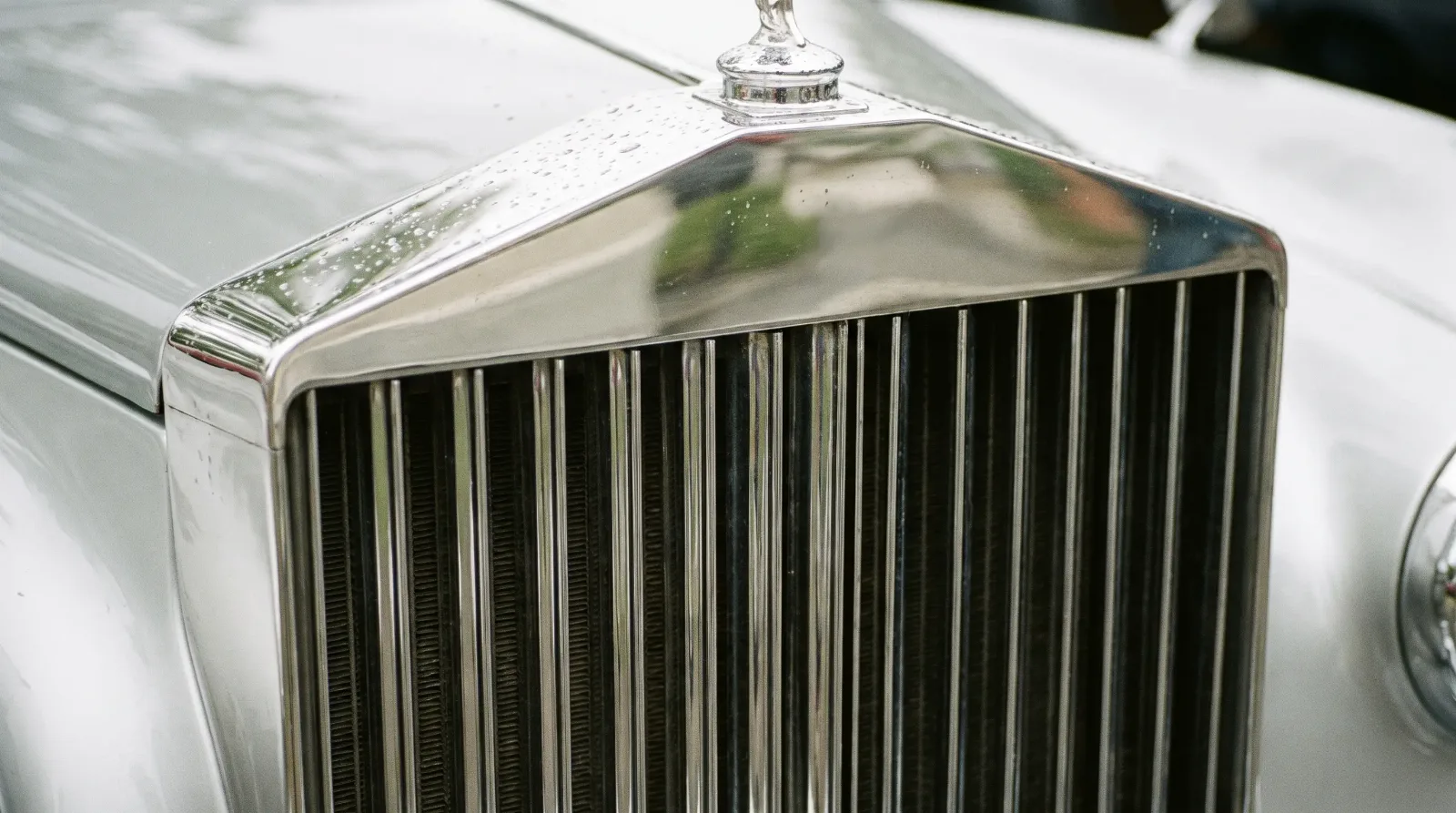
Europe approached the same problem from a different direction. Rolls-Royce built its reputation on the Silver Ghost, produced from 1907 to 1926, a car whose fame rested less on outright power than on refinement and reliability. The Phantom models that followed carried that reputation forward. In France, Hispano-Suiza built the H6 with aircraft-derived engineering, and Bugatti pursued a more artistic, more temperamental idea of the luxury car entirely.
The European makers shared the American reliance on outside coachbuilders, but their body houses had their own character. A car bodied by Figoni et Falaschi in Paris reads very differently from a Murphy Duesenberg, all sweeping fenders and theatrical line where the American car favors restraint. Both are luxury. They simply disagreed about what luxury should look like, and that disagreement is a large part of what makes the period rewarding to study.
Postwar reinvention
The war ended the classic era in a hard, practical sense. The independent coachbuilders that had defined pre-war luxury could not survive in a market that now wanted standardized production. Duesenberg was already gone. Packard limped through the 1950s and disappeared. The luxury car did not die, but it changed owners, moving decisively into the hands of the big manufacturers who could build a complete, finished car in volume.
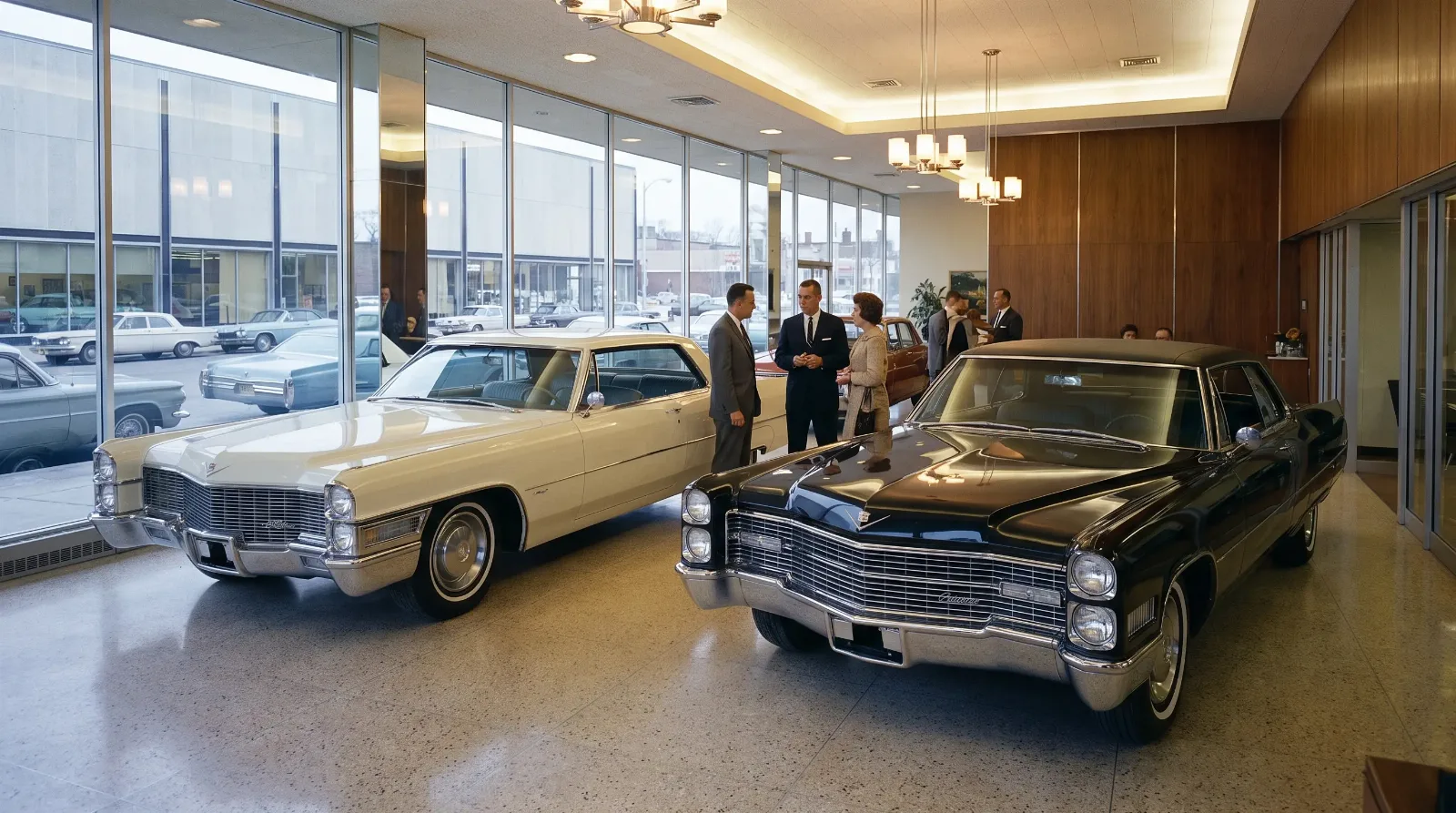
What emerged after 1945 was a different animal. Cadillac and Lincoln now built the whole car, body included, and the definition of luxury shifted from bespoke craftsmanship toward equipment, power, and presence. The hand-formed body gave way to the pressed-steel body. Something was lost. Something was also gained, because for the first time a luxury car could be bought, serviced, and understood without a coachbuilder's ledger.
The chrome and horsepower years
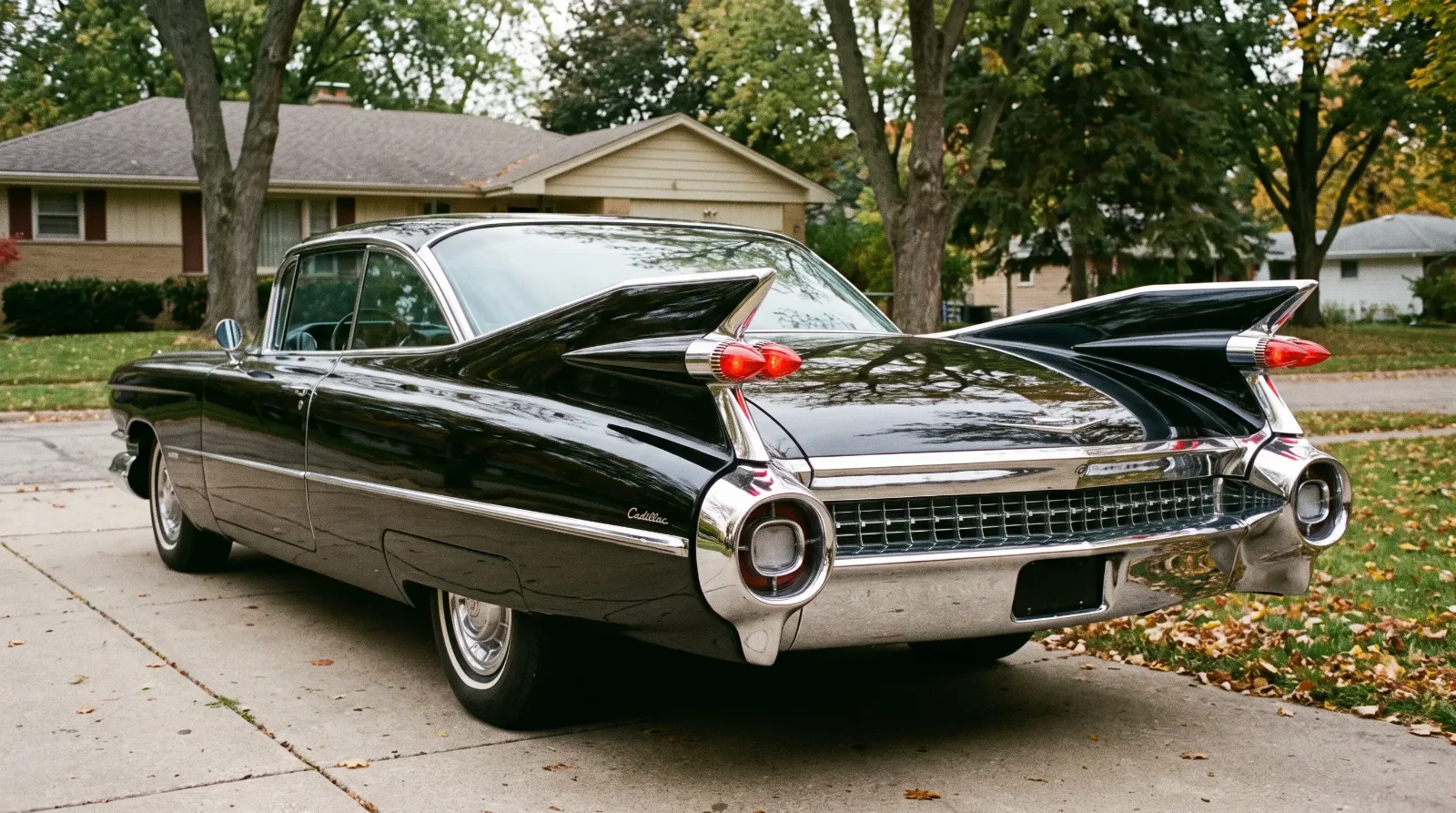
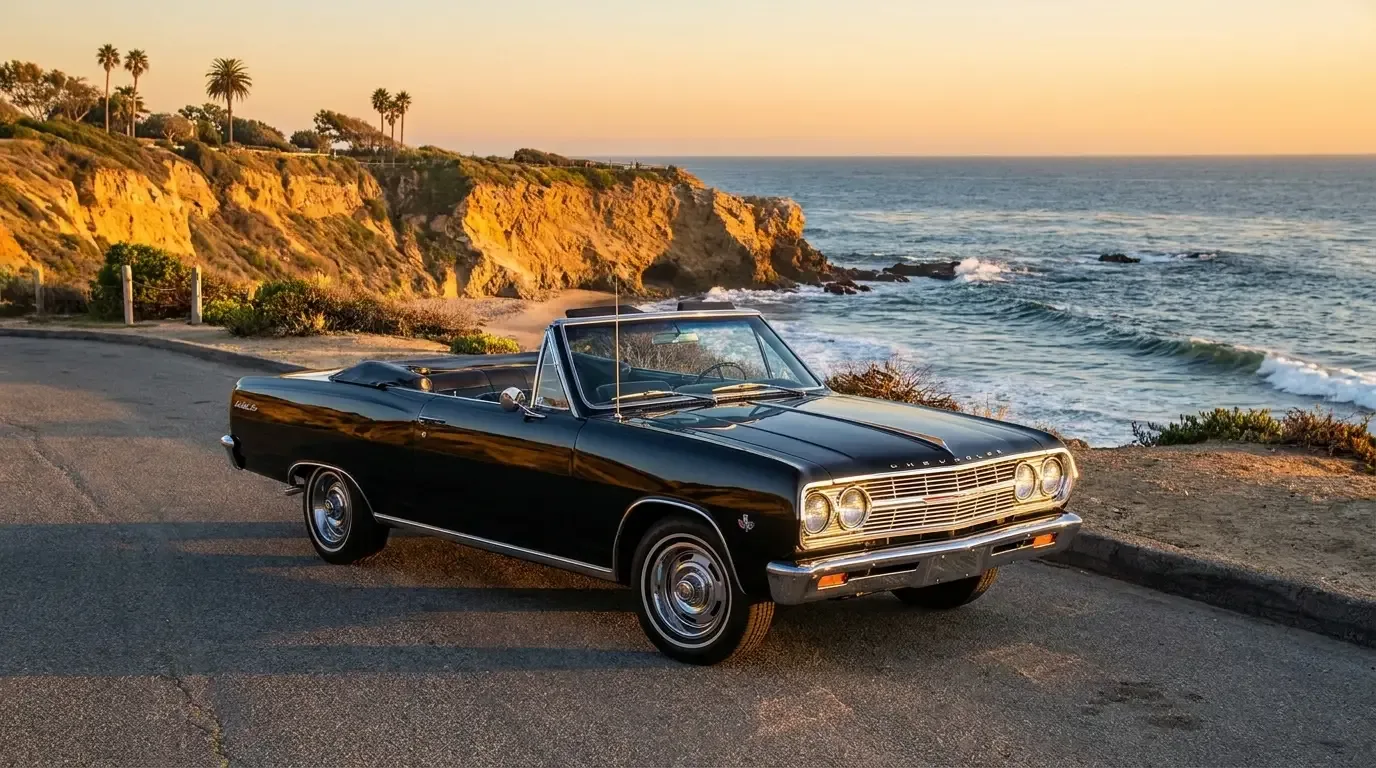
By the mid-1950s the American luxury car had committed fully to size, brightwork, and visual drama. This is the period most people picture when they hear the phrase, the long sedans with acres of chrome and rising rear fenders. It is also where the luxury car became, briefly, enormous. That story deserves its own telling, and it continues onward to The Land Yacht Era, which is where the postwar impulse toward scale reaches its logical extreme.
These cars are, mechanically, the most approachable classics of the whole history. Parts are more available, the engineering is conventional, and a competent shop can keep one running. That accessibility is exactly why they remain a sensible entry point for a first collector car, and why the market for well-kept examples has stayed steady rather than speculative.
The independents who did not survive
A full history has to account for the makers who lost. The classic era was crowded with independent luxury firms that built cars every bit the equal of Cadillac or Packard and then vanished. Pierce-Arrow of Buffalo, famous for headlamps faired into the fenders, built superb machinery into the 1930s before folding. Peerless, once ranked with Packard and Pierce-Arrow as one of the "three P's" of American luxury, gave up cars entirely and turned to brewing. Franklin persisted with air-cooled engineering until the Depression took it. Stutz, Marmon, and others followed the same downward path.
The lesson in these failures is economic, and it matters to the collector because it shapes rarity. A luxury car sells in small numbers by definition, which means the manufacturer cannot spread its costs the way a volume maker can. When the Depression erased the pool of buyers, the independents had no cheaper models to fall back on and no corporate parent to absorb the losses. Cadillac survived because it had General Motors behind it. Lincoln survived because it had Ford. The great independents had only themselves, and one by one the market took them. Their scarcity today is the direct result of that vulnerability, and it is why a surviving Pierce-Arrow or Peerless draws such attention on the concours field.
What classic luxury means to collectors now
The modern collector inherits all of this at once. A pre-war Packard, a postwar Cadillac, and a late-1950s land yacht are all "classic luxury," yet they ask entirely different things of an owner. The pre-war car is an artifact, valued for its coachwork and its paper trail. The postwar car is a usable object, valued for condition and completeness. Neither is more correct. They are simply different chapters.
What has not changed is the reason people buy these cars. They were built to be the best of their moment, and that ambition still reads in the metal decades later. If you want to see what the current market actually holds, from concours pre-war machinery down to solid postwar drivers, the range of classic luxury cars for sale is the clearest snapshot of where collector interest sits today. Study the history first. Then look at the cars with the history in mind, because in this corner of the hobby the two are never really separate.
Related Reading
Article
The Classic Luxury Car Story
Article
The Land Yacht Era: Why American Luxury Cars Got So Big
Article
Restoring and Collecting a Classic Luxury Car
Article
The Gilded Age Origins of the American Coachbuilder
Article
The Golden Age of American Coachbuilders: LeBaron, Fleetwood, Brunn
Article
Duesenberg and the Birth of the CCCA “Full Classic” Era
Article
Packard's Rise to America's Premier Prewar Luxury Marque
Article
How the Great Depression Killed America's Independent Luxury Makes
Article
Cadillac's Rise to GM's Flagship Marque
Article
The Birth of the Lincoln Continental, 1939-40: Edsel Ford's Personal Car
Article
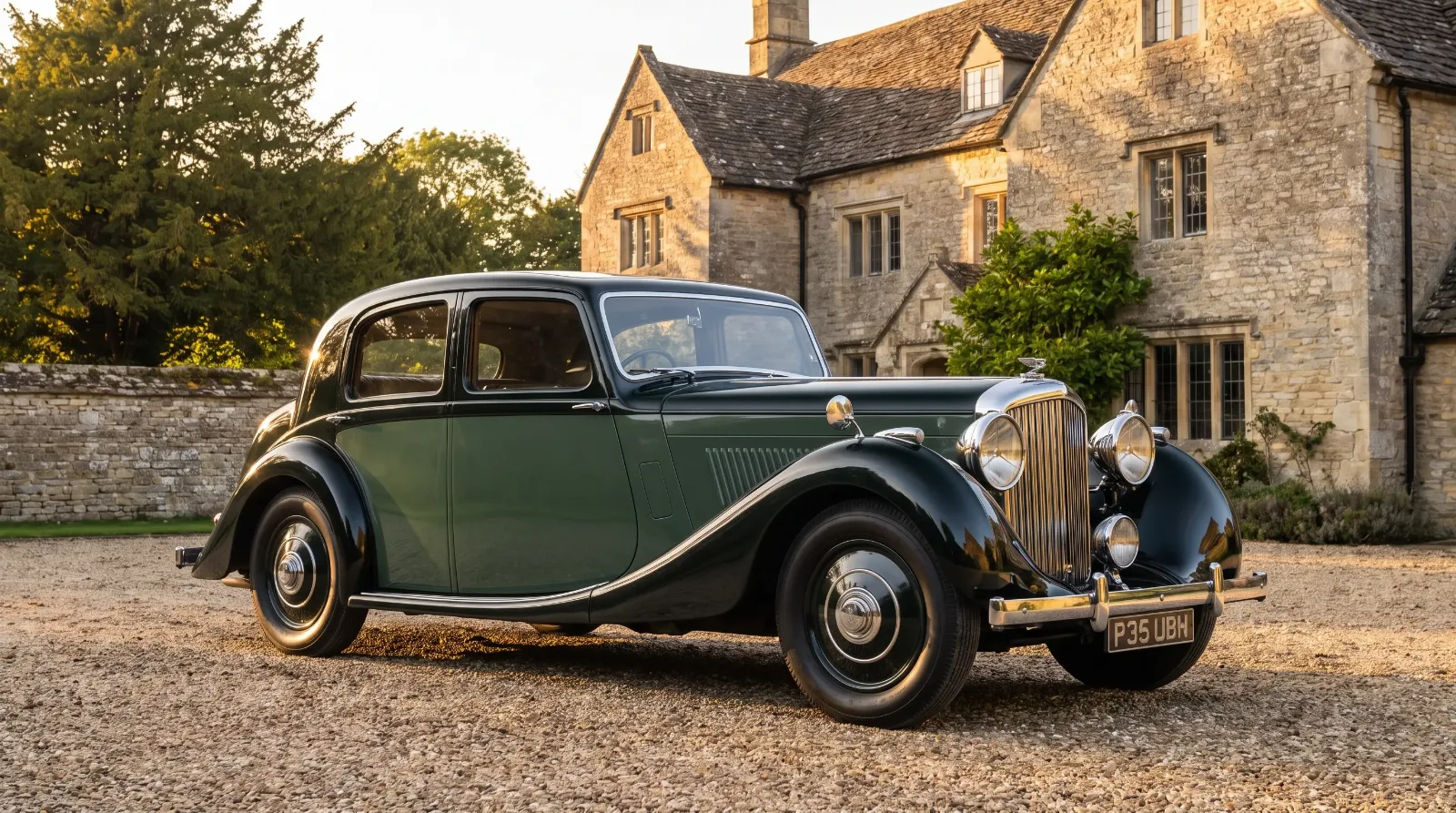
Rolls-Royce and Bentley's Shared Prewar Heritage
Article
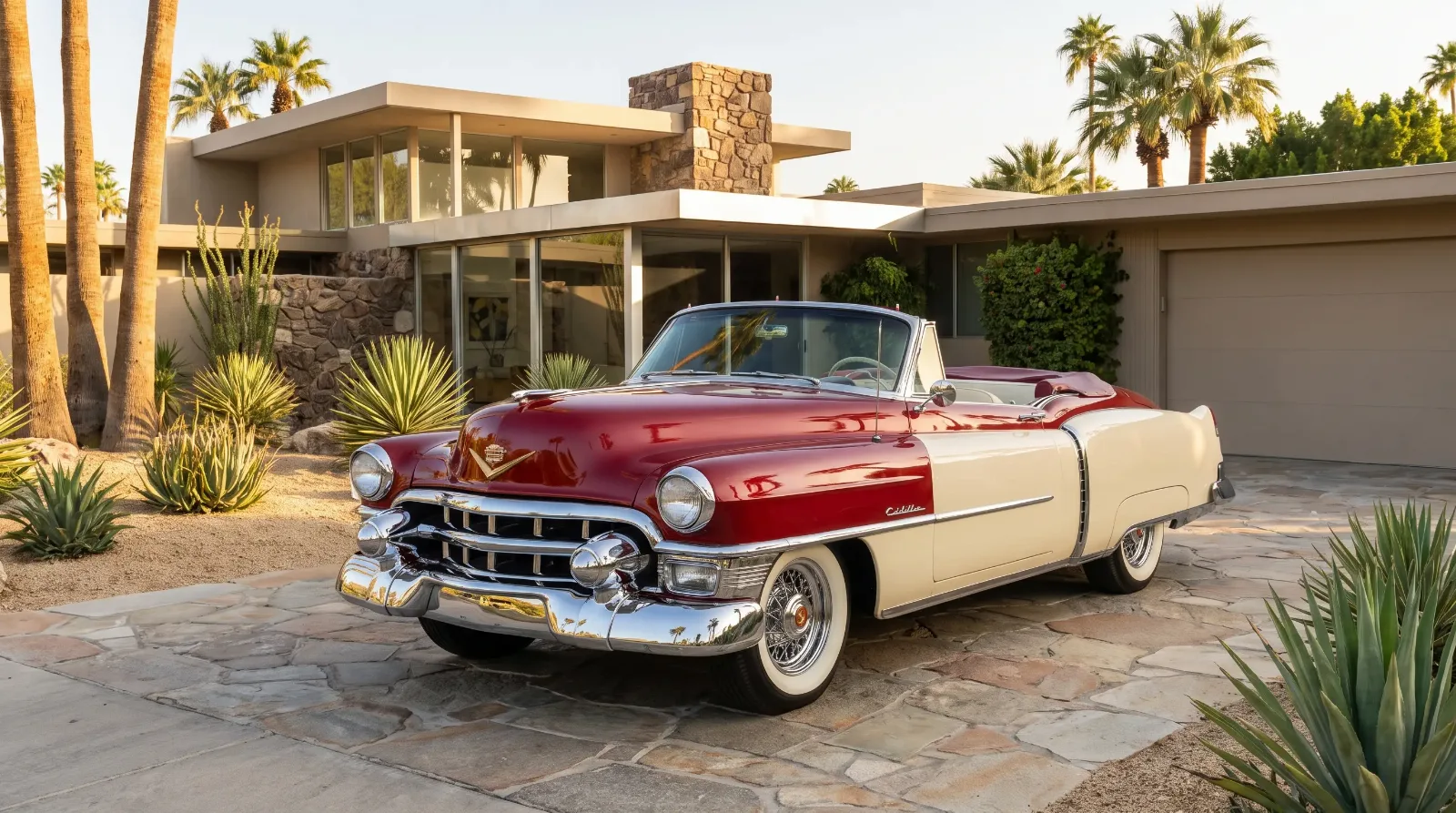
The Postwar Luxury Boom and the “Longer, Lower, Wider” Era
Article
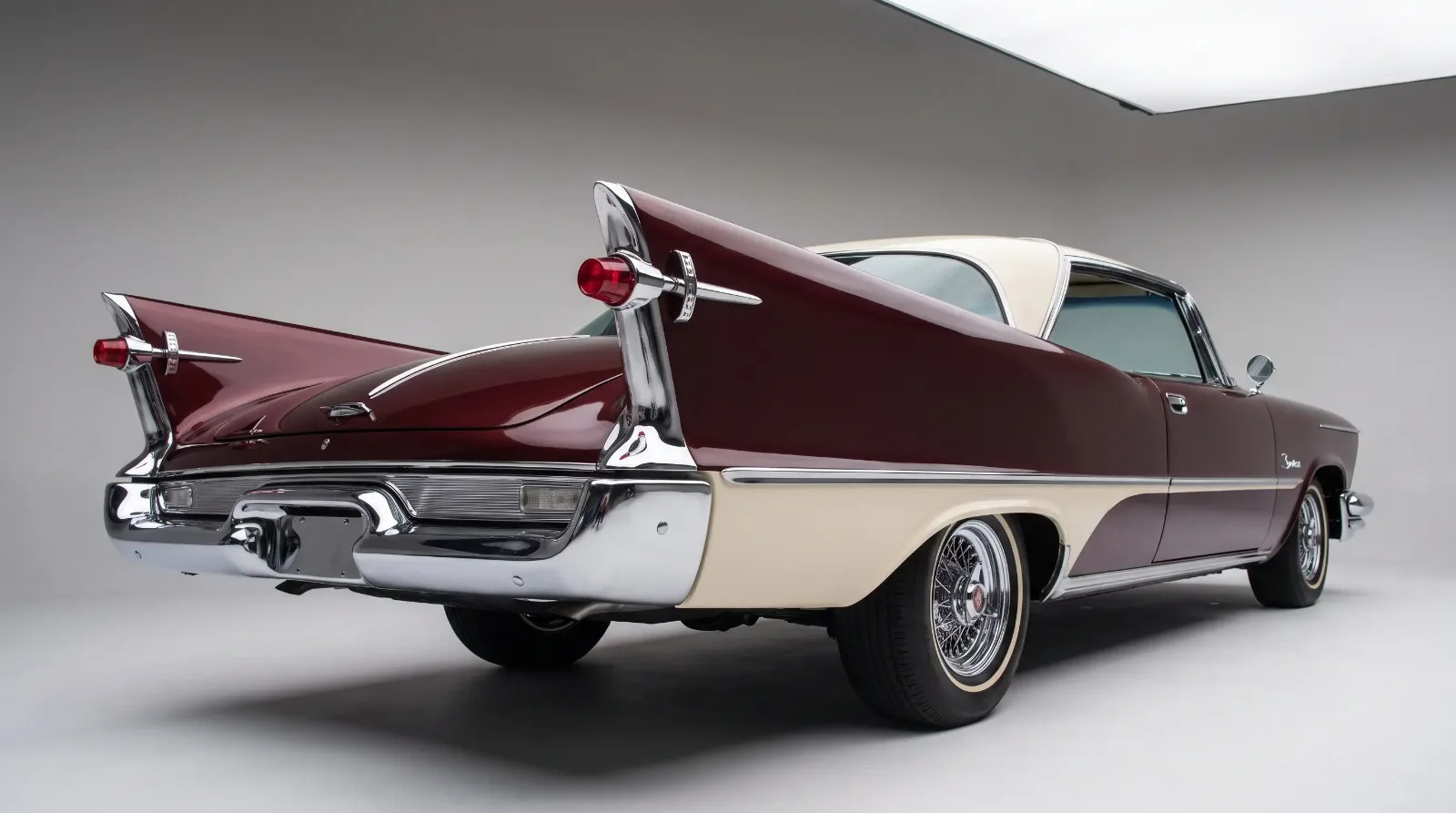
How Imperial Tried to Be Chrysler's Cadillac-Fighter
Article
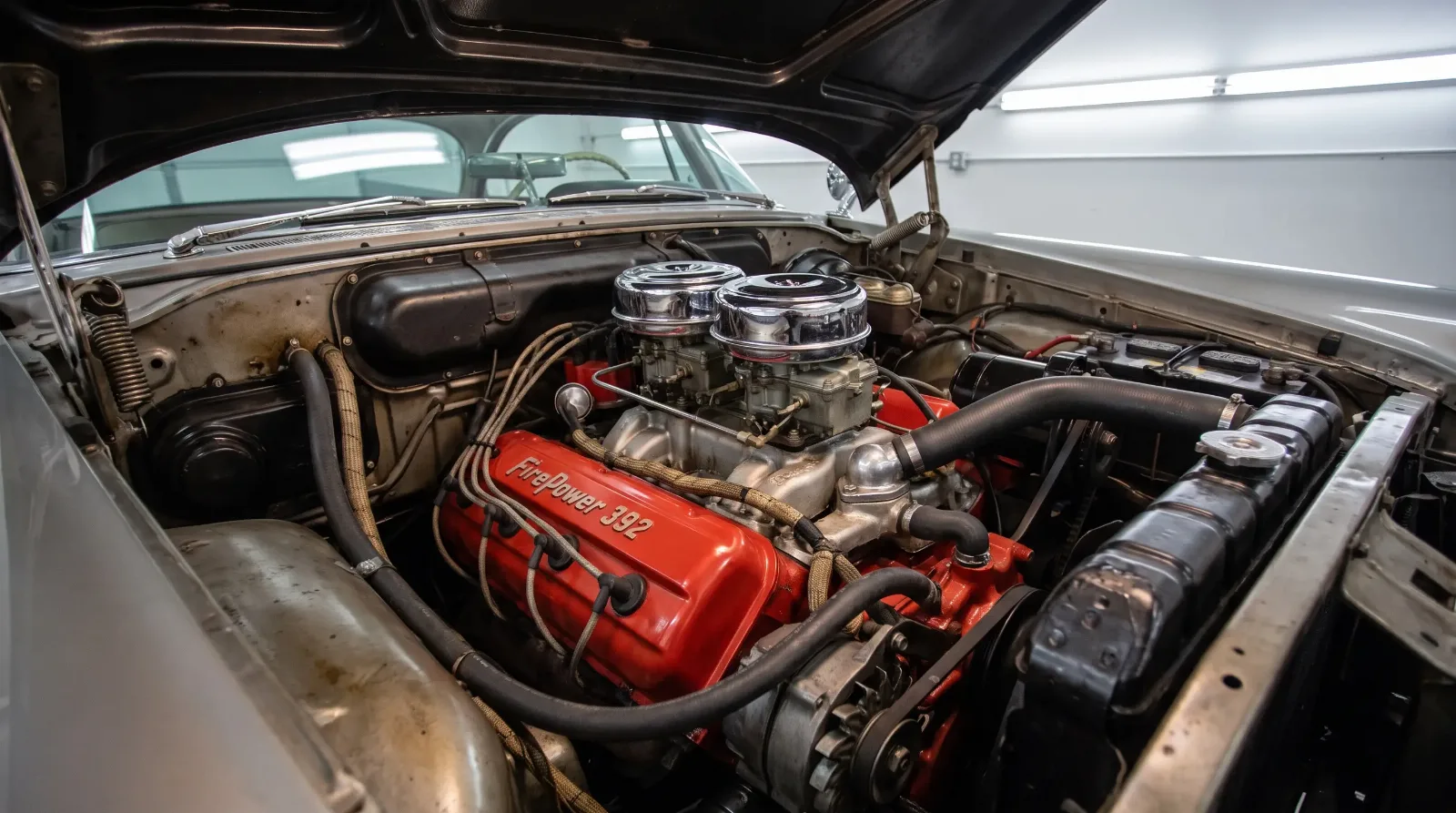
The 1950s-60s Luxury Car Horsepower Race
Article
The Personal Luxury Coupe Era: Eldorado and Continental Mark
Article
The 1973 Oil Crisis and the Downsizing of American Luxury
Article
Cadillac's Badge-Engineering Decline in the 1980s
Article
When Rolls-Royce Motors Split from Aerospace
Article
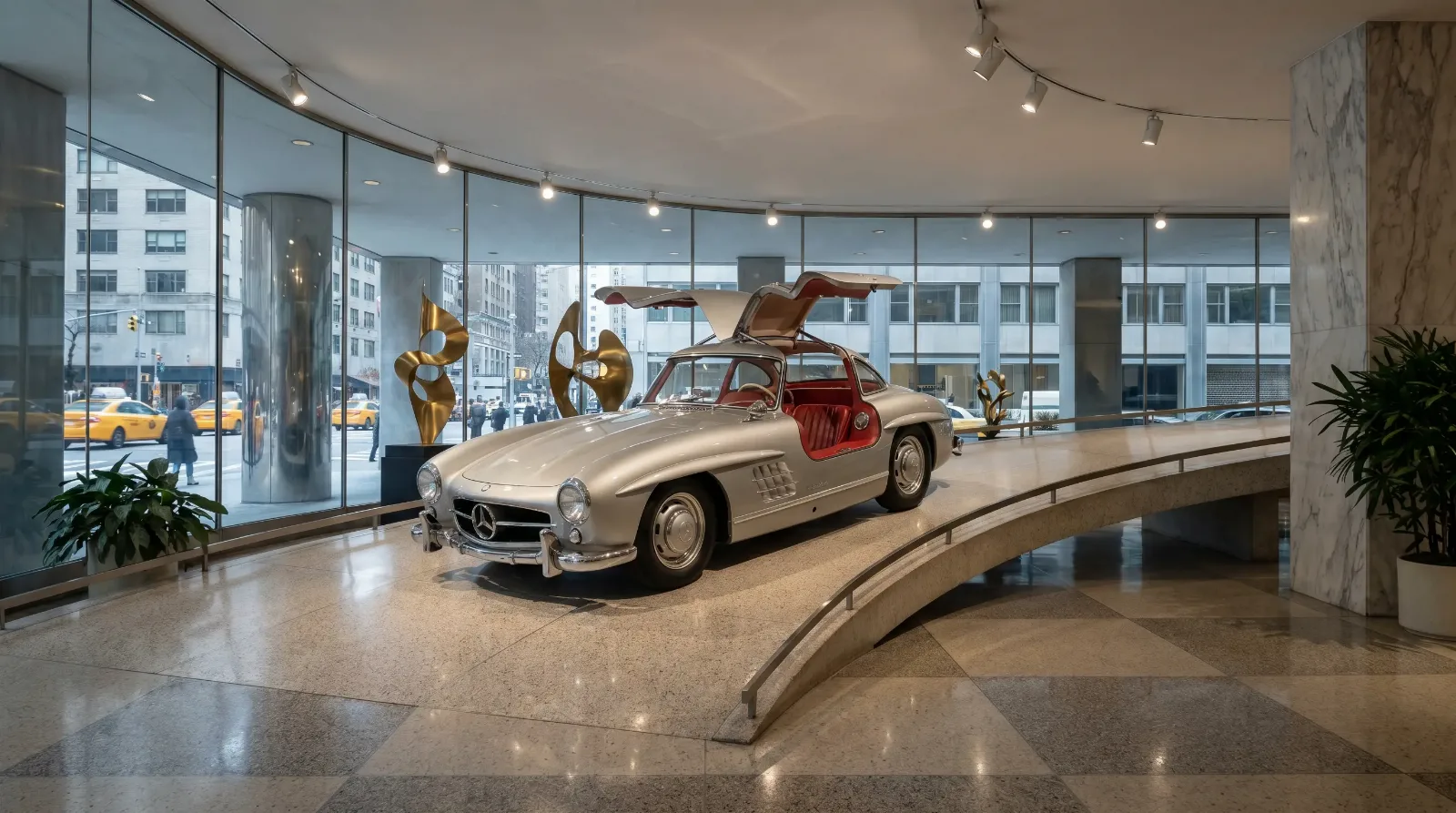
When Mercedes-Benz and Jaguar Entered the American Luxury Conversation
Article
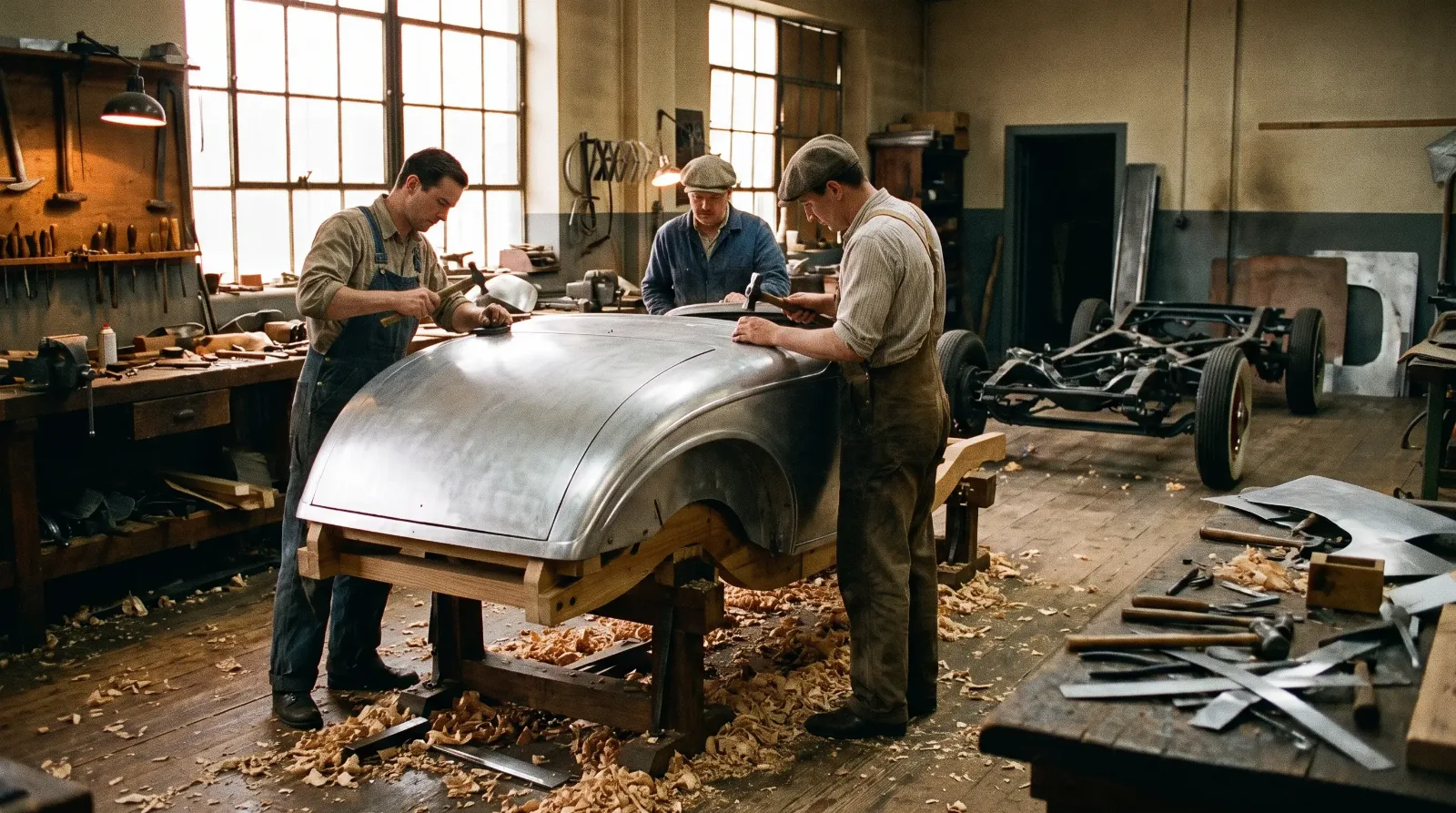
The Death of True Coachbuilt Luxury
Article
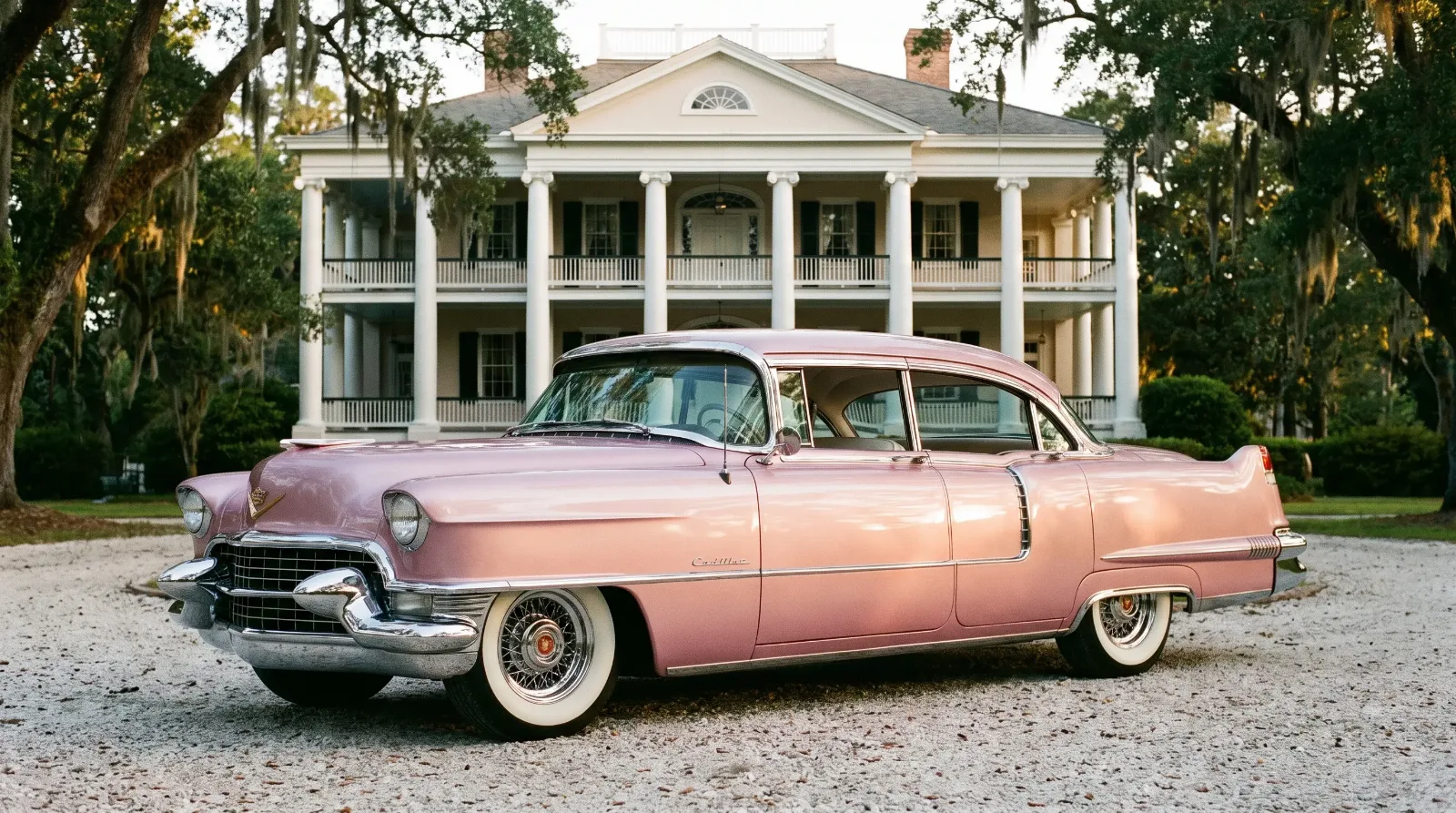
Famous Owners of Classic Luxury Cars Through History
Article
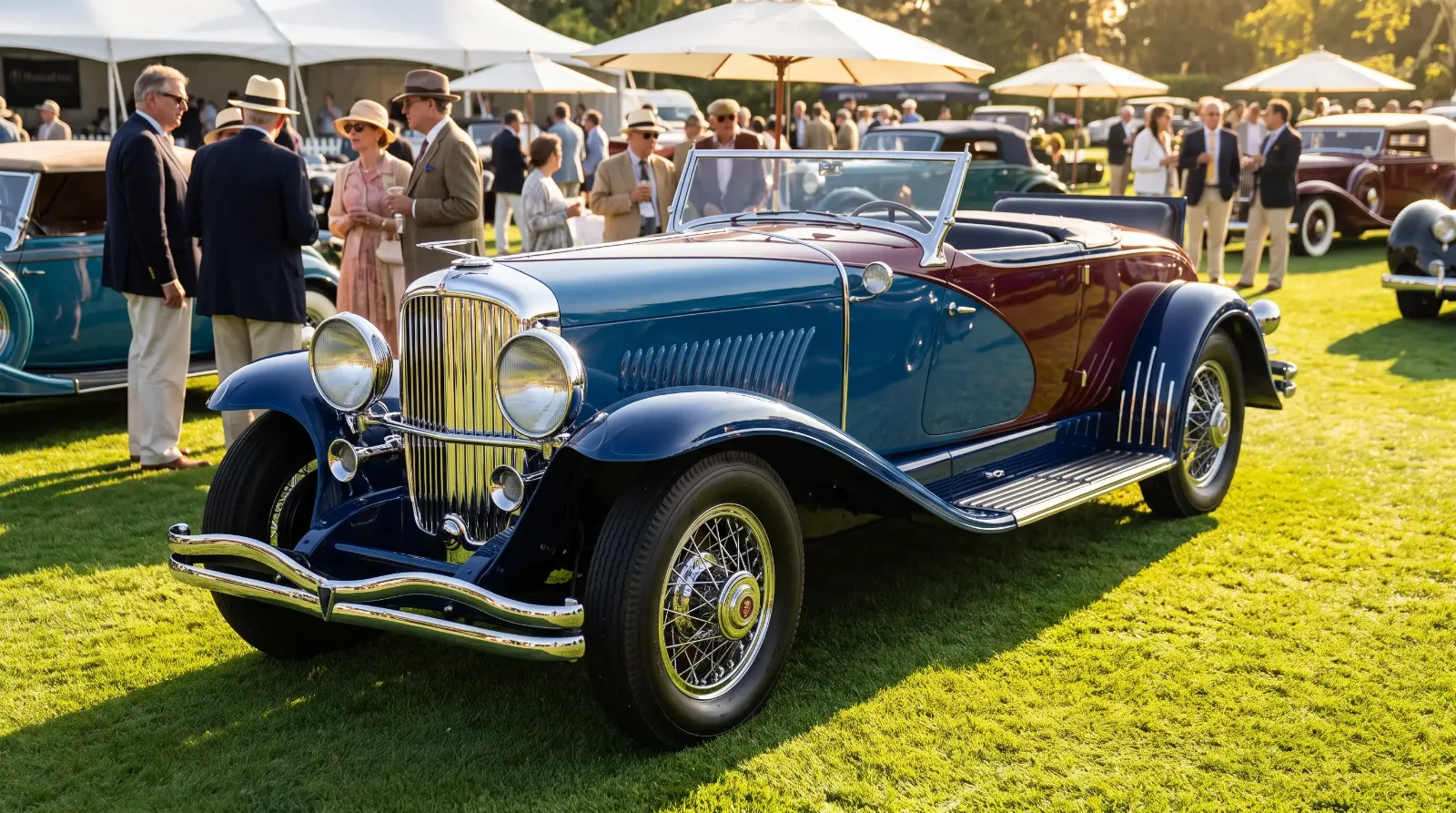
Luxury Car Nameplates That Vanished Entirely
Have a
Classic Car
for Sale?
Reach thousands of serious classic car collectors across the US.
Sell It Here →
Are You a Classic Car Dealer?
List your full inventory and connect with targeted classic car buyers.
Join as a Dealer →

About the author
Sarah Whitfield
Third-generation classic car collector specializing in pre-war American and European coachbuilt automobiles. Researcher and concours enthusiast.
More in History & Heritage
Comments
Be the first to comment on this article.