A formula that changed American motoring
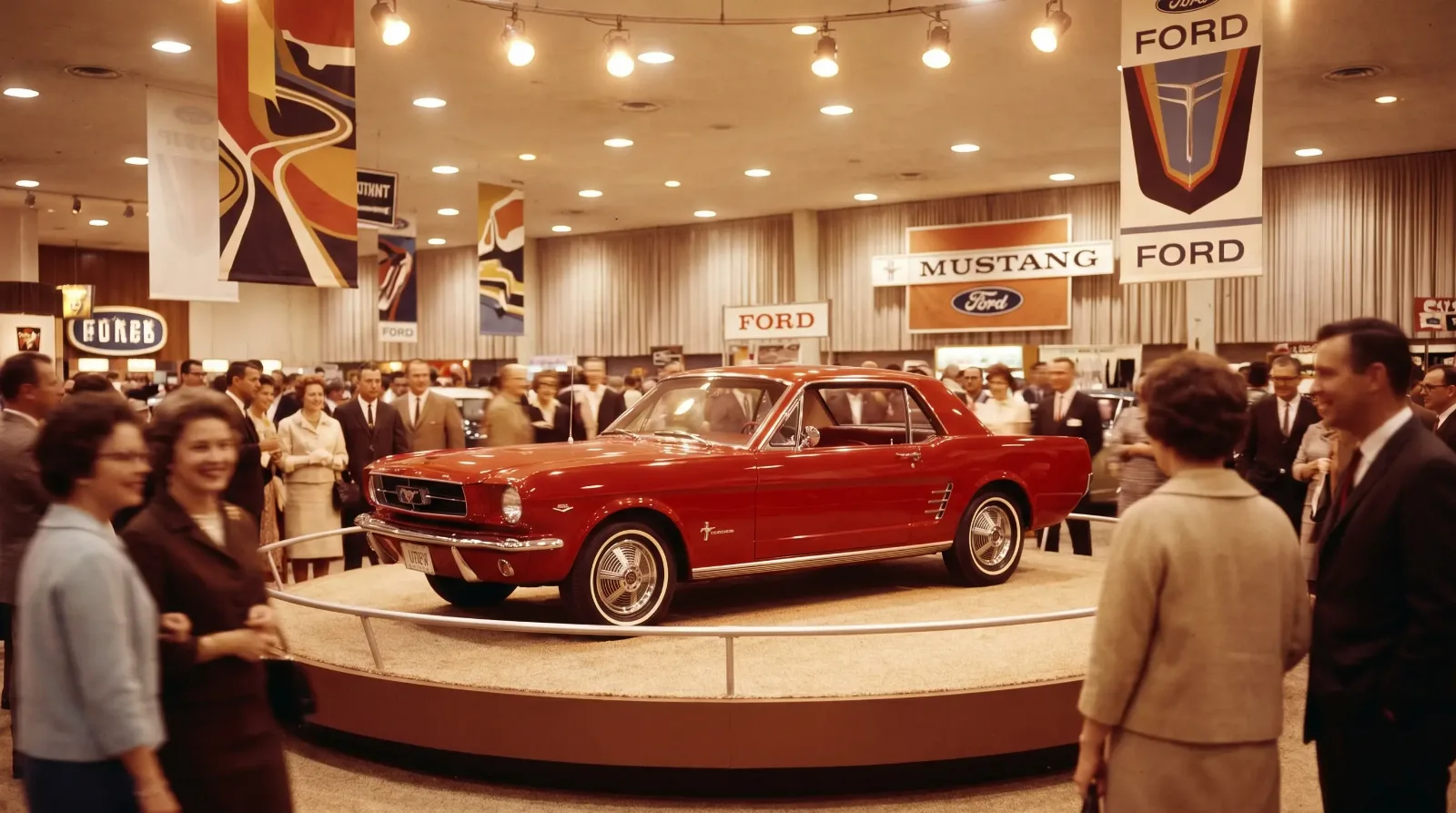
Before April 1964, the American car market sorted itself into two familiar camps: big, expensive cars for the well-heeled, and small, dull economy boxes for everyone else. What the Ford Motor Company introduced at the New York World's Fair on April 17, 1964 was something the industry had never codified before. The Mustang did not merely sell well. It defined an entirely new category of automobile, the pony car, and the template it established was so clear and so compelling that every competitor spent the rest of the decade trying to replicate it.
To understand what that template was, and why it mattered, you have to understand what the 1964½ Mustang actually offered, not in abstract marketing language, but in cold specification and price-list reality. The full story of how that car created an entirely new market is explored elsewhere in this silo. Here, the focus is narrower: the pony car formula itself, what its defining characteristics were, and how one car invented them from scratch.
What the pony car formula actually means
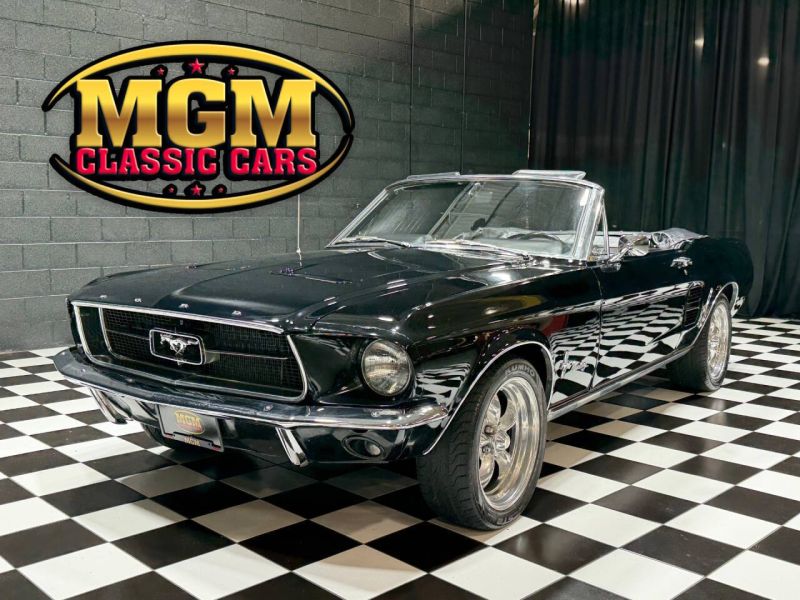
The term "pony car" did not appear in any Ford press release or dealer brochure. It entered the automotive vocabulary because journalists needed a category name, and the Mustang's own badge gave them one. The running pony on the grille and the tri-bar emblem became so synonymous with the new style of car that the car's animal gave the segment its permanent name. Smaller than a muscle car, more affordable than a European sports coupe, the pony car occupied a middle ground that turned out to be enormous.
The formula had four distinct elements, and all four had to be present simultaneously for a car to qualify.
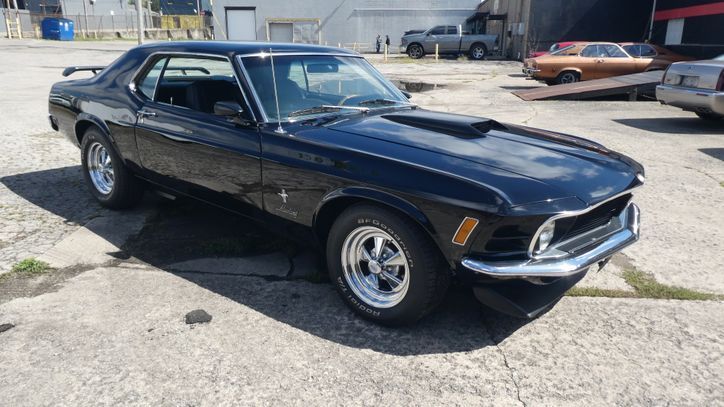
- Long hood, short rear deck. The proportion was aesthetic before it was mechanical. The long hood implied a big engine even when the base car came with a modest six-cylinder. The short deck gave the car a fastness and visual tension that traditional American sedans lacked entirely.
- Affordable base price with a long options list. The 1964½ Mustang started at $2,368 for the hardtop coupe, low enough to attract first-time buyers and young professionals. But a buyer who checked every option box could spend considerably more, which meant Ford captured both the budget shopper and the serious enthusiast with a single platform.
- Sporty image across the whole line. Every Mustang, regardless of engine, looked like a sports car. The coupe, fastback, and convertible body styles all wore the same long-hood proportions and running-pony badge. You did not have to spend money on performance to feel like you were driving something special.
- Multiple engine choices, same basic shell. The 1964½ offered a 170-cubic-inch inline-six at the base, a 260-cubic-inch V8, and a 289-cubic-inch V8 in multiple states of tune. The shell was identical. This gave the car genuine mechanical range from economy commuter to weekend performer without building separate models.
How the 1964½ Mustang set the template
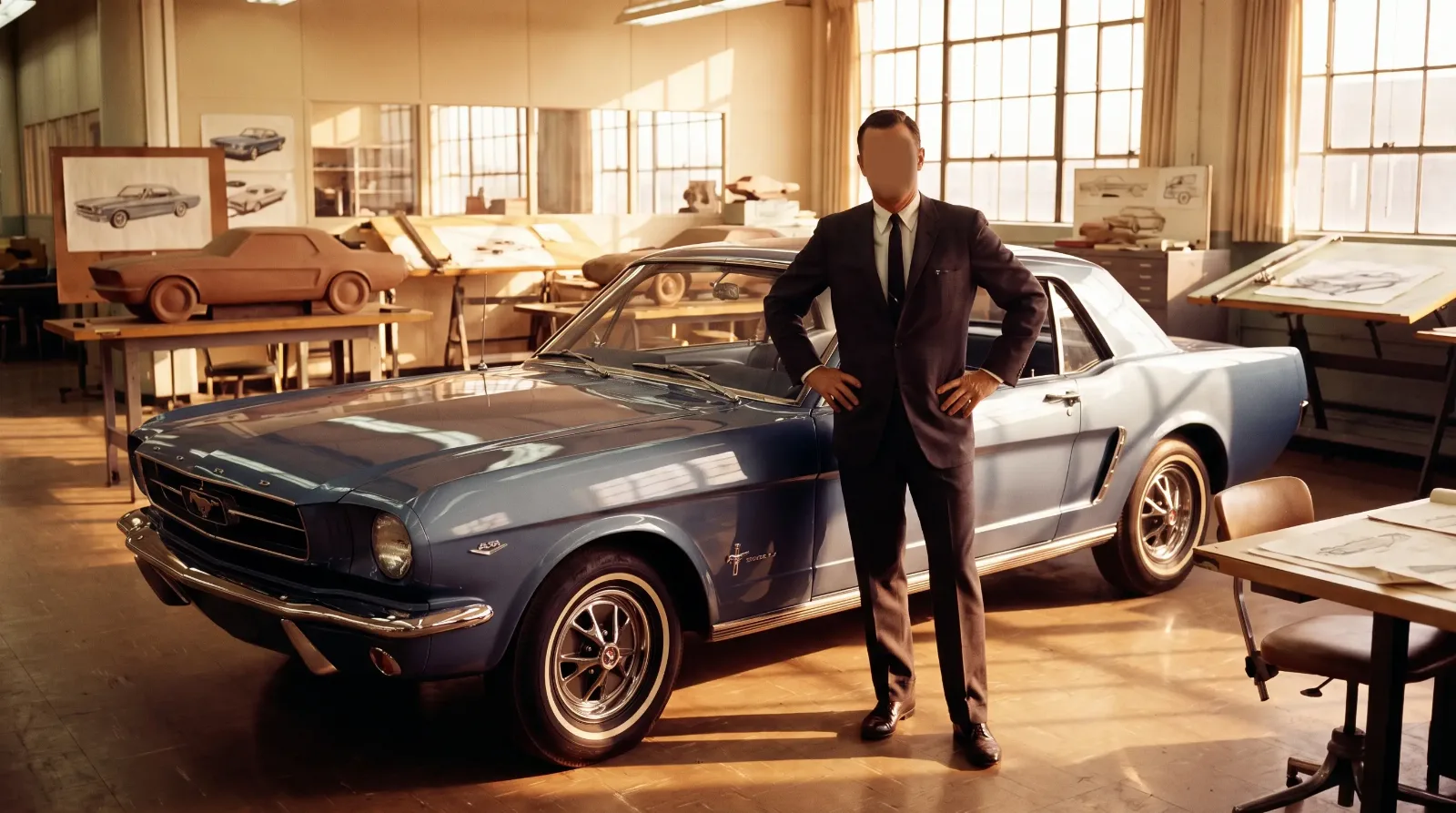
The formula described above was not assembled from focus groups or incremental planning. It was the result of Lee Iacocca and his team at Ford identifying a specific buyer who did not yet exist in the automakers' thinking: the young, aspirational American who wanted to feel sporty without paying sports-car prices. The chassis was borrowed from the Falcon, which kept engineering costs manageable and helped hold the sticker price down. The body was entirely new, drawn by a team that understood proportion before it worried about mechanical content.
The 260 V8 available at launch gave the car genuine performance credentials, and when the 289 arrived in high-performance K-code trim in June 1964 producing 271 horsepower, the Mustang could hold its own against machinery costing far more. But the genius was that most buyers did not order the K-code. They ordered the six or the base 289, got the long-hood body and the options they could afford, and felt they had bought a sports car. The image outran the specification on the base model, and Ford had planned it exactly that way.
The options list became its own selling mechanism. You could add a four-speed manual gearbox, a Pony Interior package with galloping horses embossed on the seat backs, wire wheel covers, a center console, rally-pac gauges on the steering column, a fold-down rear seat, or a GT equipment group that added fog lights and stripes. A single buyer could configure a near-unique car from a production assembly line. That personalisation impulse was new in the affordable market, and it worked on a scale Ford had not fully anticipated.
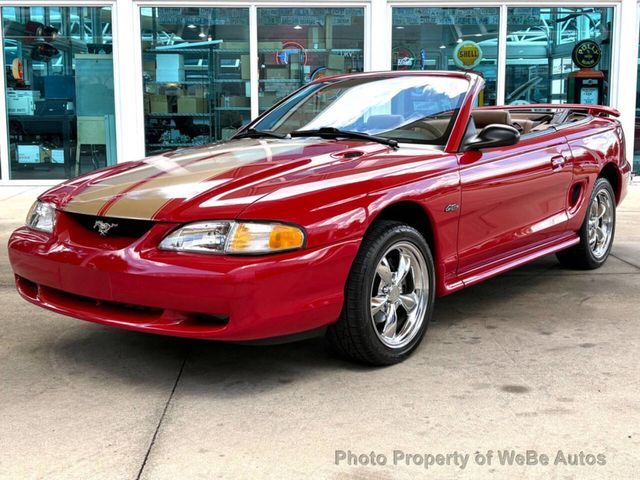
To browse the cars this template produced and to find examples of the real thing, classic Mustangs are listed with full specification and history across the site.
"The pony car formula sounds simple in retrospect, but simplicity is only obvious after someone makes it look easy. Before the Mustang, nobody had put affordable price, genuine style, and a long options list on the same car and aimed it at young buyers. Ford did not discover a market, they invented the playbook that created one."
— Patrick Walsh
The term "pony car" and where it came from
Credit for coining the specific term "pony car" is most often given to Dennis Shattuck, editor of Car Life magazine, and to writers covering the segment in 1964 and 1965, though the precise origin is debated. What is not debated is why the name stuck: the Mustang's running pony badge was so visible, so central to the car's identity, and so immediately associated with the new category that naming the segment after the car's own mascot was simply logical. The Mustang did not borrow a name from somewhere else. It lent its name to an entire class of vehicle.
That naming dynamic matters because it tells you how complete the Mustang's dominance of the new category was in those first years. For full context on the pony car story and how the segment evolved through the late 1960s, the dedicated history traces each generation of competitors and what they borrowed from the original formula.
The template every competitor copied
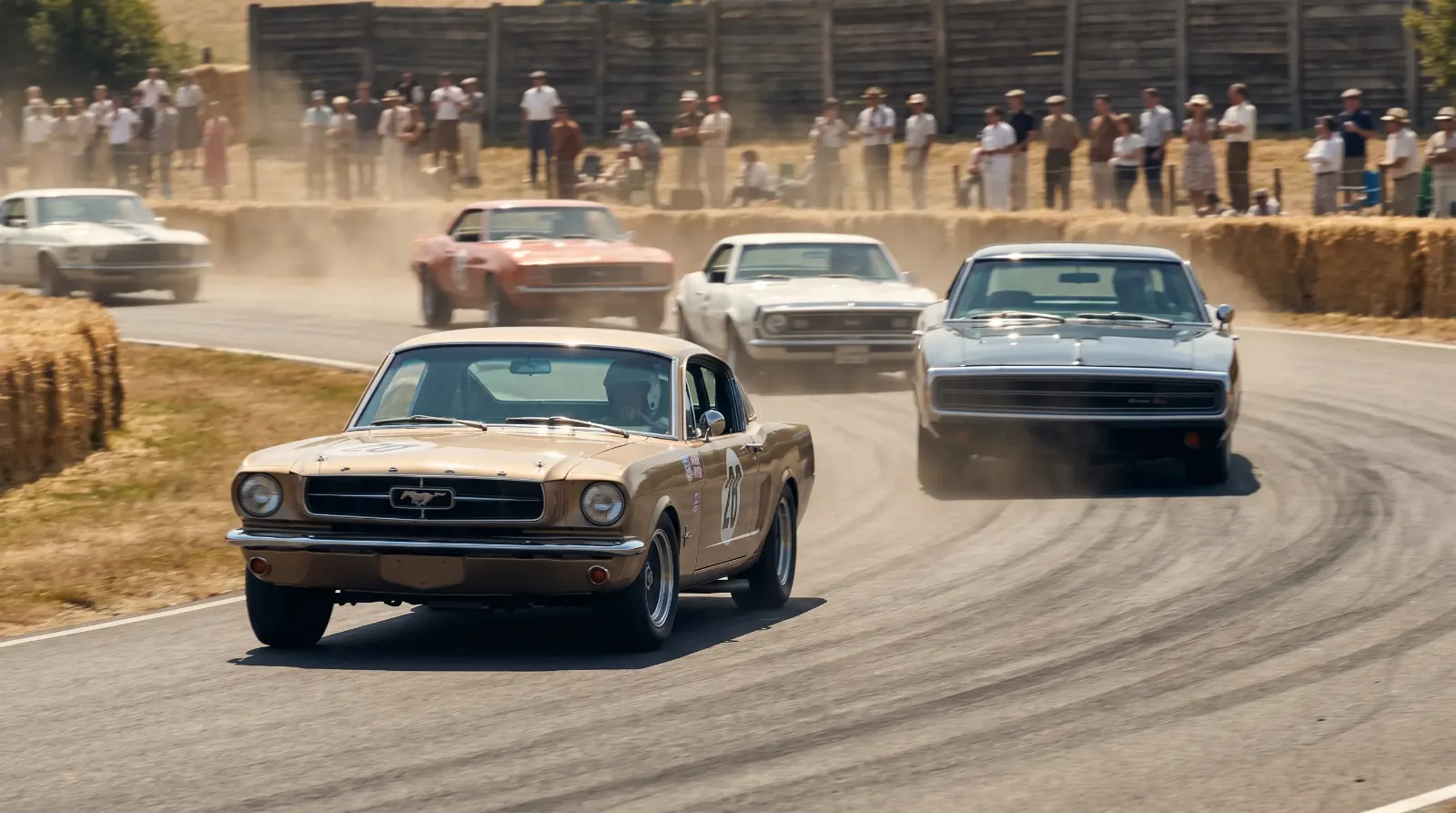
The Mustang's first full year of production ended with sales figures that sent shock waves through Detroit. General Motors, Chrysler, and American Motors all understood they were looking at a new segment, not a flash trend, and all of them moved to produce answers. Each car that followed revealed exactly which elements of the Mustang formula were considered non-negotiable.
The Chevrolet Camaro, which reached showrooms for the 1967 model year, wore the long-hood, short-deck proportion as explicitly as any car GM had ever built. The Pontiac Firebird, sharing the Camaro's F-body platform, arrived in the same year. Chrysler's response was the Plymouth Barracuda, which had actually gone on sale on April 1, 1964, about two weeks before the Mustang, but in a form closer to a sporty Valiant-based compact; after the Mustang's success, the 1967 Barracuda was redesigned to match the pony car proportions more directly. American Motors fielded the Javelin in 1968, again leaning on the same visual language.
In each case the recipe was identical: long hood over a large engine bay, truncated rear deck, a base model priced for accessibility, V8 options for the performance buyer, and an options list long enough to allow personalisation. The competitors refined specific aspects, and some of them produced genuinely excellent cars. But the structure they were working within was the one Ford had drawn in 1964.
The proportions, the price strategy, the image-over-specification approach on base models, and the options-driven revenue model were all features of the original Mustang that competitors recognised as essential and copied with varying degrees of directness. The Mustang did not just sell well. It produced a blueprint specific enough that four major manufacturers built their answers to a template Ford had already written.
That is what it means to invent a category. Not to be first with a feature, but to define the combination so precisely that every subsequent entry is measured against the original, and found to have followed where the Mustang led.
Sources and notes
This article was fact-checked against the sources below. Key figures verified: the 1964½ Mustang hardtop base price of $2,368; roughly 22,000 first-day orders on April 17, 1964; and the 271-horsepower rating of the K-code 289 High Performance V8, which became available in June 1964. The attribution of the term "pony car" to Car Life editor Dennis Shattuck reflects the most commonly cited account; the precise origin remains debated. Period figures and dates can vary slightly between sources, and some details are best understood as well-supported estimates rather than exact records.