
I have pulled apart enough self-leveling and air-sprung luxury cars to tell you where the money hides, and it is almost never where the buyer is looking. People fixate on the paint and the engine. Then the car sits at a funny angle in the driveway three weeks after they bought it, and they learn what air suspension classic car problems actually cost. On a big luxury sedan, the suspension is not a set of springs you swap in an afternoon. It is a system, and systems fail as a whole.
Ownership & Lifestyle
6 min read
Air Suspension: The Hidden Complexity Buyers Underestimate
Air and hydraulic suspension on classic luxury cars fails in predictable ways. Real repair costs, inspection tests, and what to check before you buy.
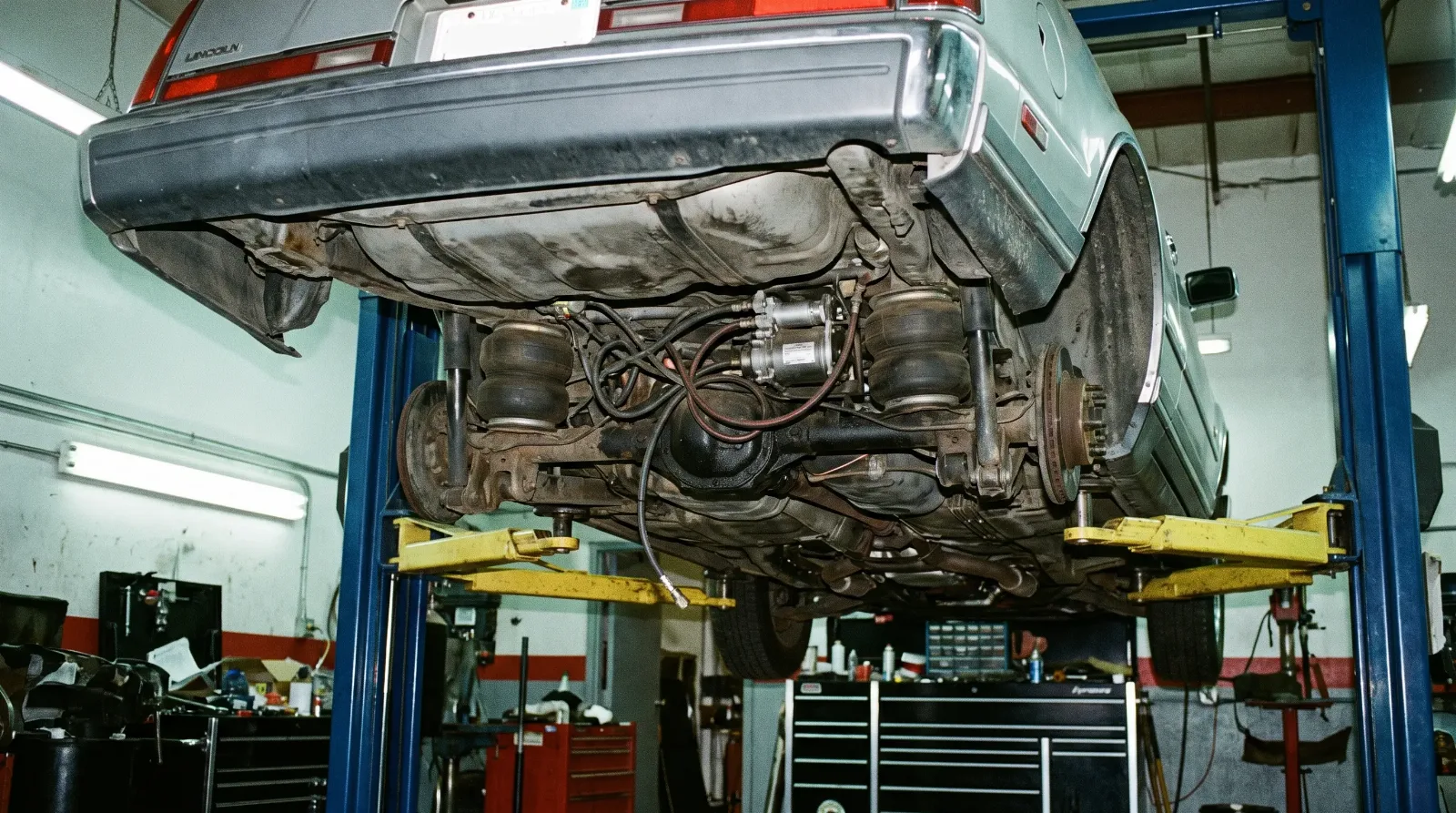
The reason these cars rode the way they did is the same reason they are a headache now. Cadillac, Lincoln, Mercedes, Citroen, and later BMW and Range Rover all chased that magic-carpet feel, and they got there with air bags, hydraulic spheres, compressors, height sensors, and control logic. Forty years later every rubber part in that chain is old, and rubber does one thing when it gets old. It leaks.
How these systems actually work
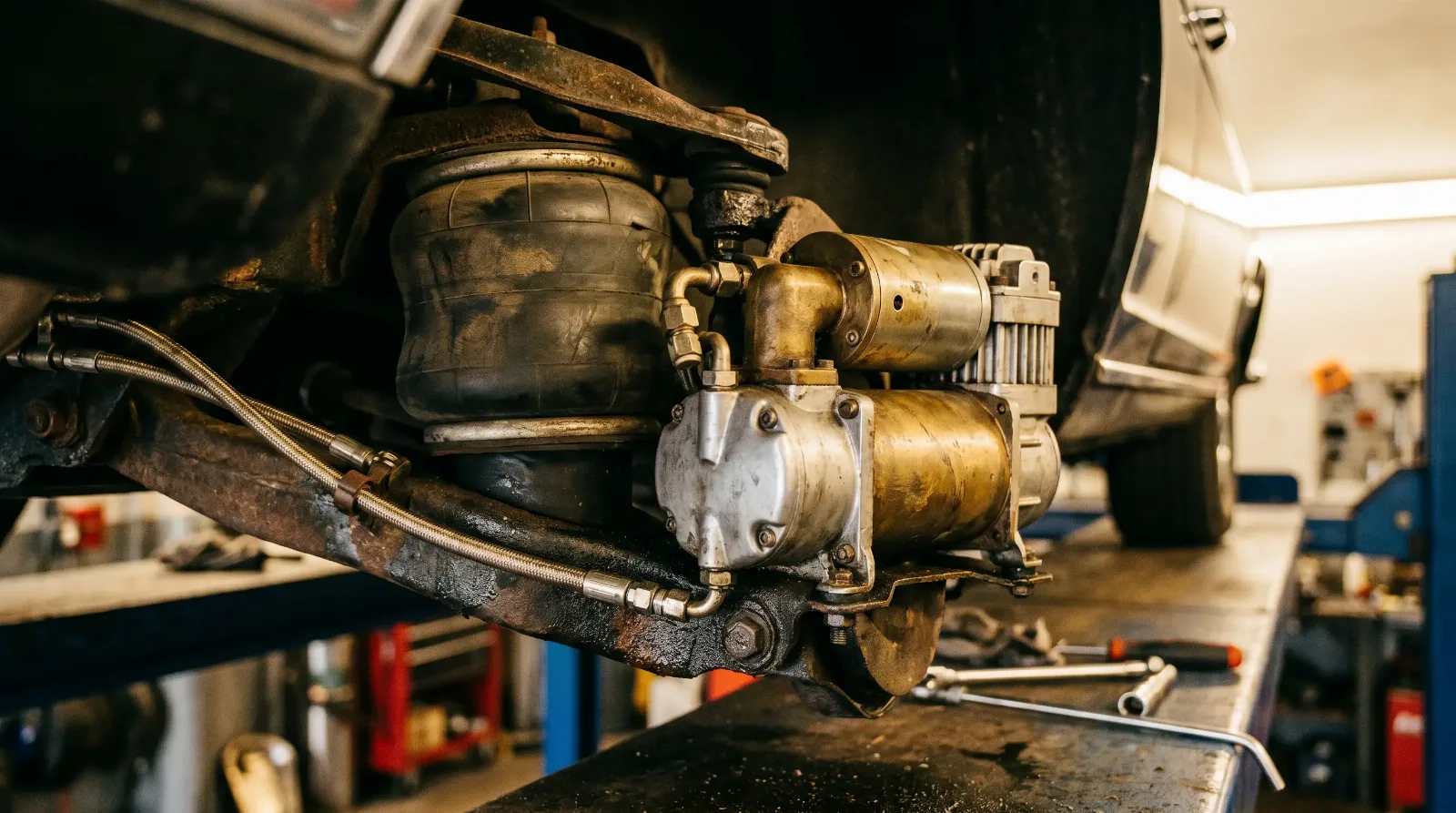
There are two families here and buyers mix them up constantly. The first is true air suspension, where rubber air springs replace the coils and an onboard compressor keeps the car at ride height. Think 1980s Lincoln Continental and Mark VII, later Cadillacs, and a lot of German iron from the 1990s on. The second is hydropneumatic or self-leveling, where nitrogen-charged spheres and hydraulic fluid do the work. That is the Citroen way, and it is also how Rolls-Royce and self-leveling Mercedes handled the rear or the whole car.
Both give a wonderful ride when healthy. Both share the same weakness: they are always working. A coil spring just sits there for fifty years. An air or hydraulic system runs a pump, holds pressure, and relies on seals every single time you drive. That is more parts, more wear, and more ways to fail. If you are weighing this segment against a simpler classic, our buyer's guide to the segment lays out how much complexity you are signing up for.
What goes wrong, and what it costs
Here is the honest breakdown. The failures are predictable, which is good news, because predictable means you can inspect for them before you write the check.
Air springs crack and leak first, usually at the folds where the rubber flexes. A leaking bag drops a corner overnight, and the compressor runs itself to death trying to keep up. Replace the bag and you often replace the compressor too, because it burned out doing overtime. On the hydraulic side, the spheres lose their nitrogen charge and the ride goes hard and crashy. Seals in the pump and the height correctors weep fluid. Height sensors and the control module fail on the electronic cars, and a bad sensor makes the car ride wrong even when the mechanical bits are fine.
| Failure | Symptom | Approx. repair |
|---|---|---|
| Air spring / bag | Corner sags, compressor runs constantly | $300-$1,000 per corner in parts, plus labor |
| Compressor / pump | Car won't rise, no pressure | $400-$1,200 plus labor |
| Hydraulic sphere | Hard, jarring ride | $150-$400 each, several on the car |
| Height sensor / module | Wrong ride height, warning lights | $200-$800 per part, diagnosis heavy |
Add it up and a neglected system can want $3,000 to $6,000 to bring back to correct, sometimes more on a marque with scarce parts. That is the number that turns a cheap car expensive. And these failures cascade. A leaking bag overworks the compressor, the dying compressor lets the car sag, the sagging car wears the dampers unevenly, and pretty soon you are not replacing one part, you are chasing the whole corner. That is why buying a car with a fresh, documented system is worth real money over one that has been limping along.
🔧 Inspection Priorities
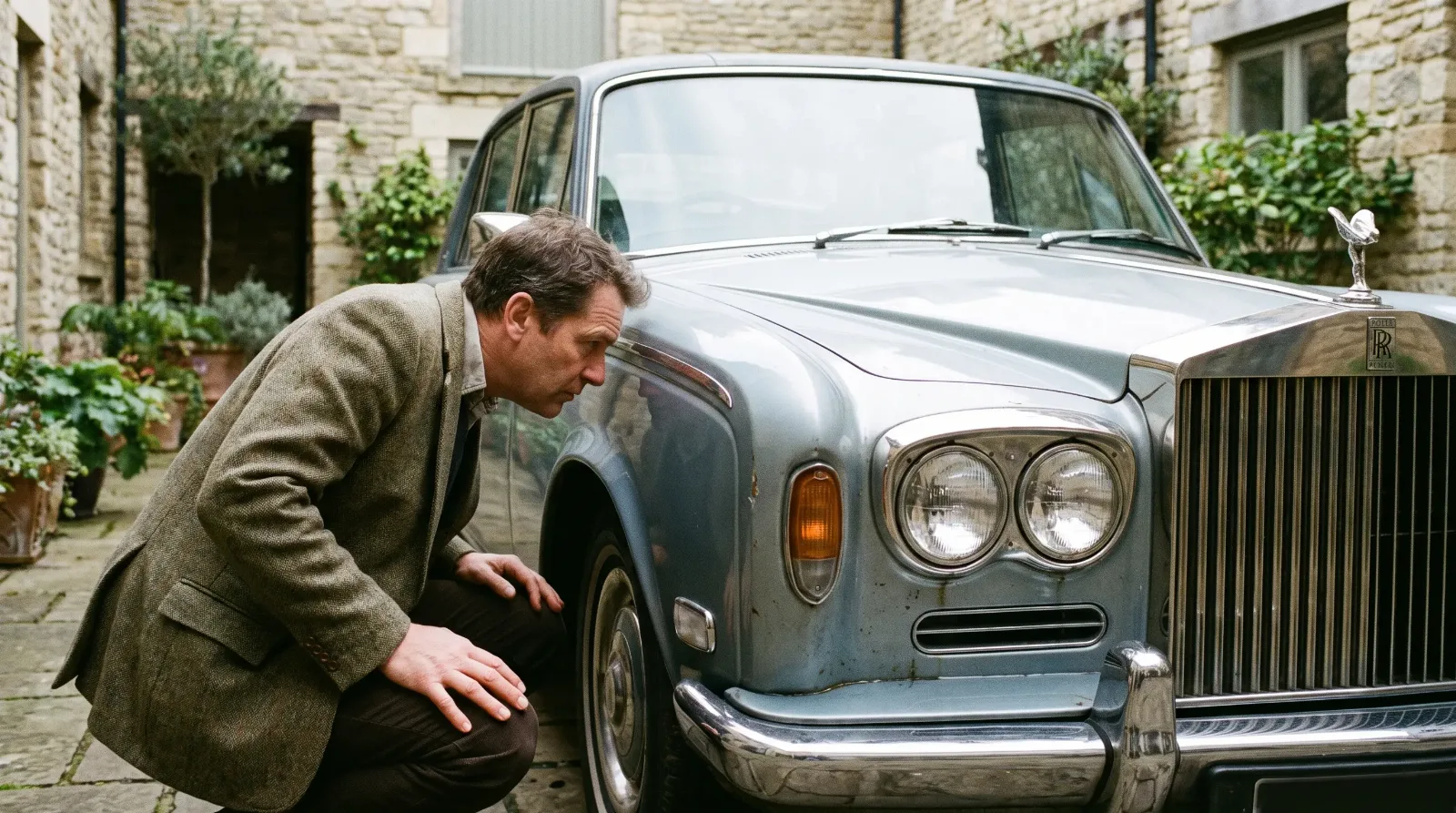
- Check ride height after it has sat. Leave the car parked overnight if you can. A corner that has dropped by morning is a leaking bag or sphere. This is the single most telling test.
- Listen to the compressor. On start-up and while driving, it should cycle occasionally, not run nonstop. Constant running means it is chasing a leak.
- Feel the ride quality. A healthy system floats. Harsh, crashy, or bouncy means dead spheres or blown dampers. Drive it over a rough road, not just a smooth lot.
- Look for fluid and warning lights. Hydraulic weep under the car and any suspension warning on the dash both point at money. No lights should be a working system, not a disconnected one.
"Somebody always tells me the air ride is fine because the car sits level on the lot. Of course it does. The compressor pumped it up ten minutes before you got there. Come back tomorrow morning and look at it cold. That is the truth."
Mike Sullivan
Should the complexity scare you off?
Not if you go in clear-eyed. A well-maintained air or hydraulic system rides better than any coil-sprung car of the era, and that ride is the whole point of buying luxury. The mistake is assuming it is fine because it looks fine. The second mistake is the cheap fix. There are conversion kits that swap air for coils on some models, and I understand the temptation, but you are throwing away the character you paid for and often making the car ride worse. Fix the system that is there, or buy a car where somebody already did.
The smart play is the same as with everything on these cars. Buy the example with a paper trail showing the suspension has been serviced, budget for a sphere or a bag as a normal wear item, and use a specialist who has seen the system before. A generalist guessing his way through a hydraulic circuit will cost you more than a specialist who knows it cold. And keep in mind that parts supply varies wildly by marque, which is a whole subject on its own, covered next: next: Parts Availability Across the Classic Luxury Marques.
Related Reading
Have a
Classic Car
for Sale?
Reach thousands of serious classic car collectors across the US.
Sell It Here →
Are You a Classic Car Dealer?
List your full inventory and connect with targeted classic car buyers.
Join as a Dealer →

About the author
Mike Sullivan
Detroit-area muscle car enthusiast and restoration specialist with three decades of hands-on experience working on American iron.
More in Ownership & Lifestyle
Comments
Be the first to comment on this article.