
Two cars can look identical on a spec sheet and cost wildly different amounts to keep on the road, and the reason is rarely the engine. It is the parts network behind the badge. Classic luxury car parts availability is the variable most first-time buyers ignore, and it is the one that decides whether a repair is a phone call or a six-month quest. I have watched buyers pay a premium for the rarer, more exotic marque and then spend years hunting a single trim piece. The badge that impresses at the show is not always the one that is cheap to feed.
Ownership & Lifestyle
6 min read
Parts Availability Across the Classic Luxury Marques
Parts supply varies wildly across classic luxury marques. Mercedes to Maserati, what's easy, what's a hunt, and how supply should shape your budget.
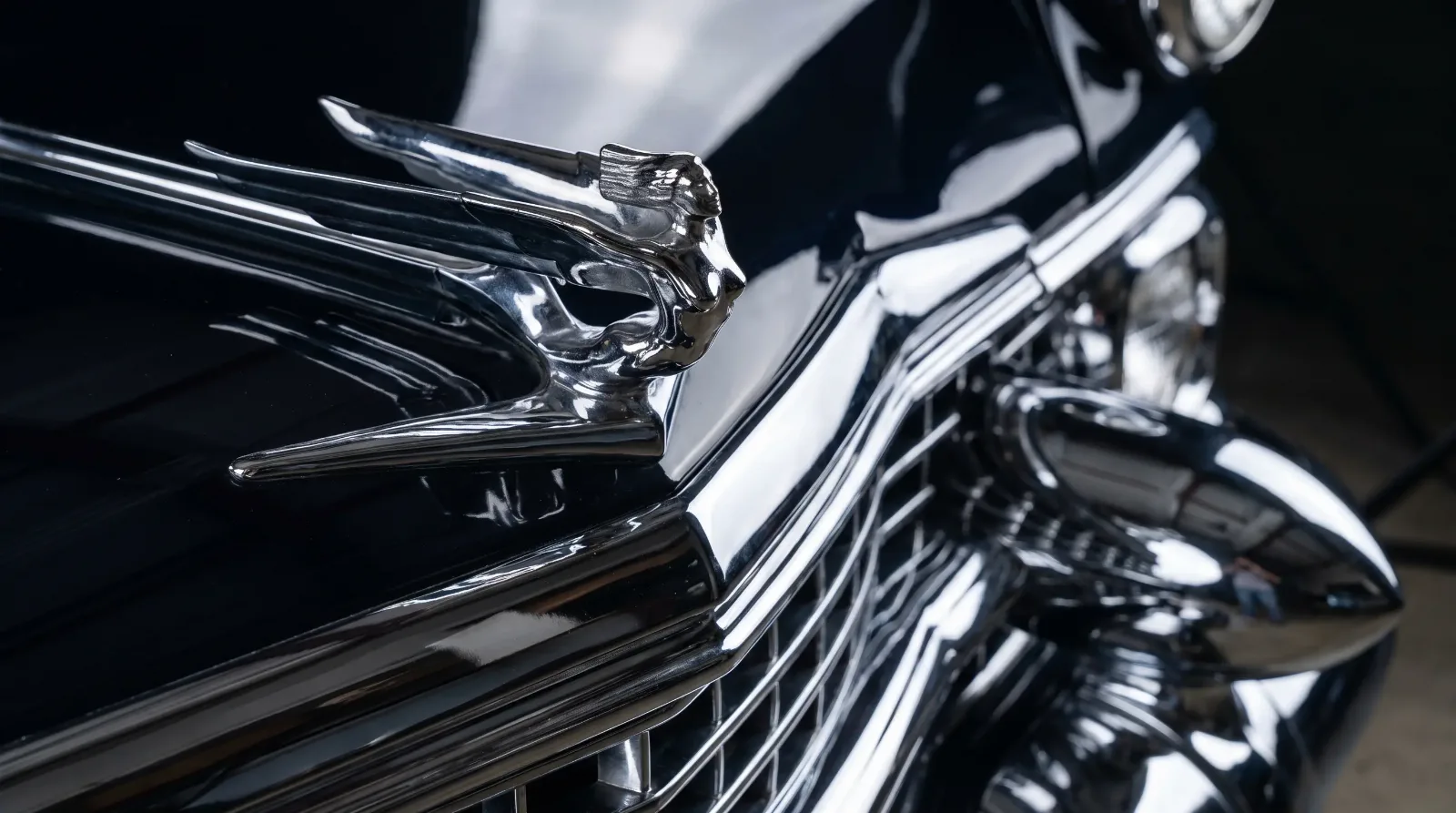
The pattern is consistent across the segment. High-production luxury cars from makers with deep parts support are livable. Low-production flagships, coachbuilt cars, and anything from a marque that changed hands or went bankrupt are a different proposition. Before you fall for a specific car, it pays to understand where its marque sits on the supply spectrum. That single factor moves the true cost of ownership more than almost anything else on the car.
The marque-by-marque reality
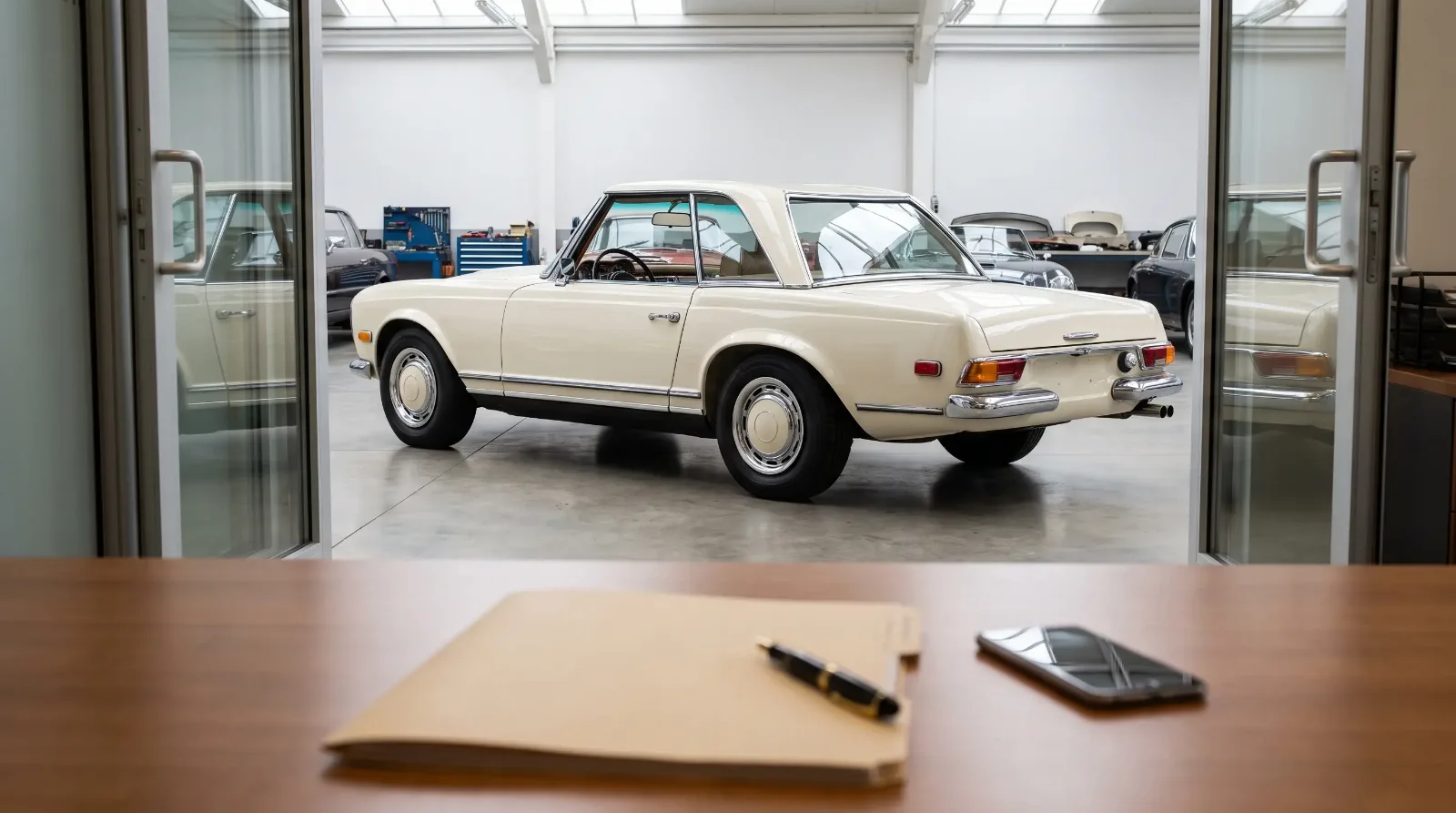
Mercedes-Benz sits at the friendly end, and it is not close. The W123, W116, W126, and R107 were built in enormous numbers, and Mercedes still supports a remarkable range of parts through its Classic Center, with a healthy aftermarket and specialists filling the rest. You can keep a W126 S-Class running on catalog parts. That alone makes it the sensible entry point into the segment.
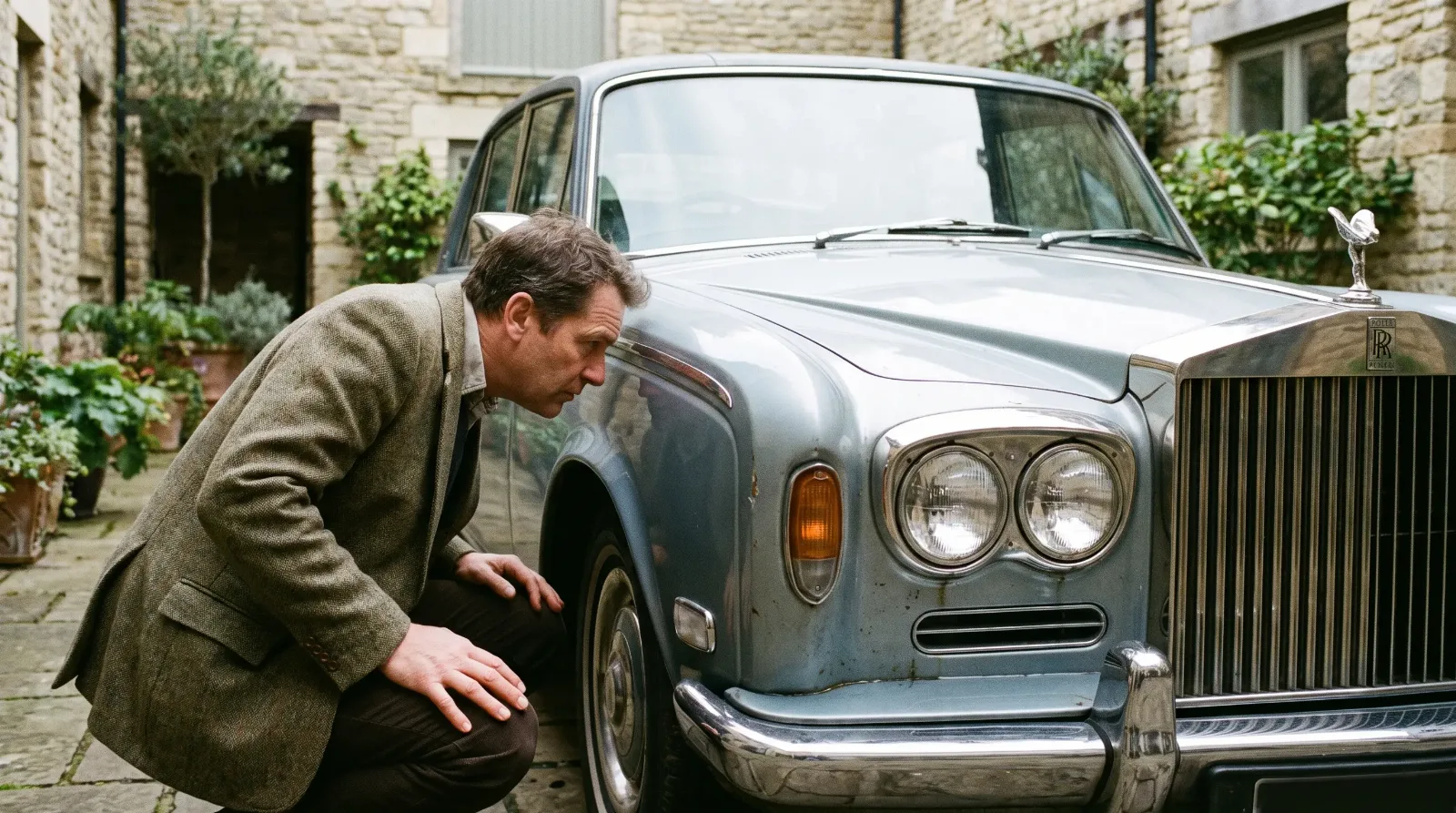
Rolls-Royce and Bentley from the Silver Shadow and later era are better supplied than their mystique suggests, largely because Crewe shared components across a long production run and a strong specialist network exists on both sides of the Atlantic. Mechanical parts are findable. Where it gets expensive is the coachwork trim, the wood, and the interior, which were often hand-fitted and are correspondingly hard to source and dear to restore. Jaguar sits in a similar place: mechanicals and body panels for the XJ and E-Type era are well served by the aftermarket, but originality-correct trim gets pricey.
Where parts get genuinely hard
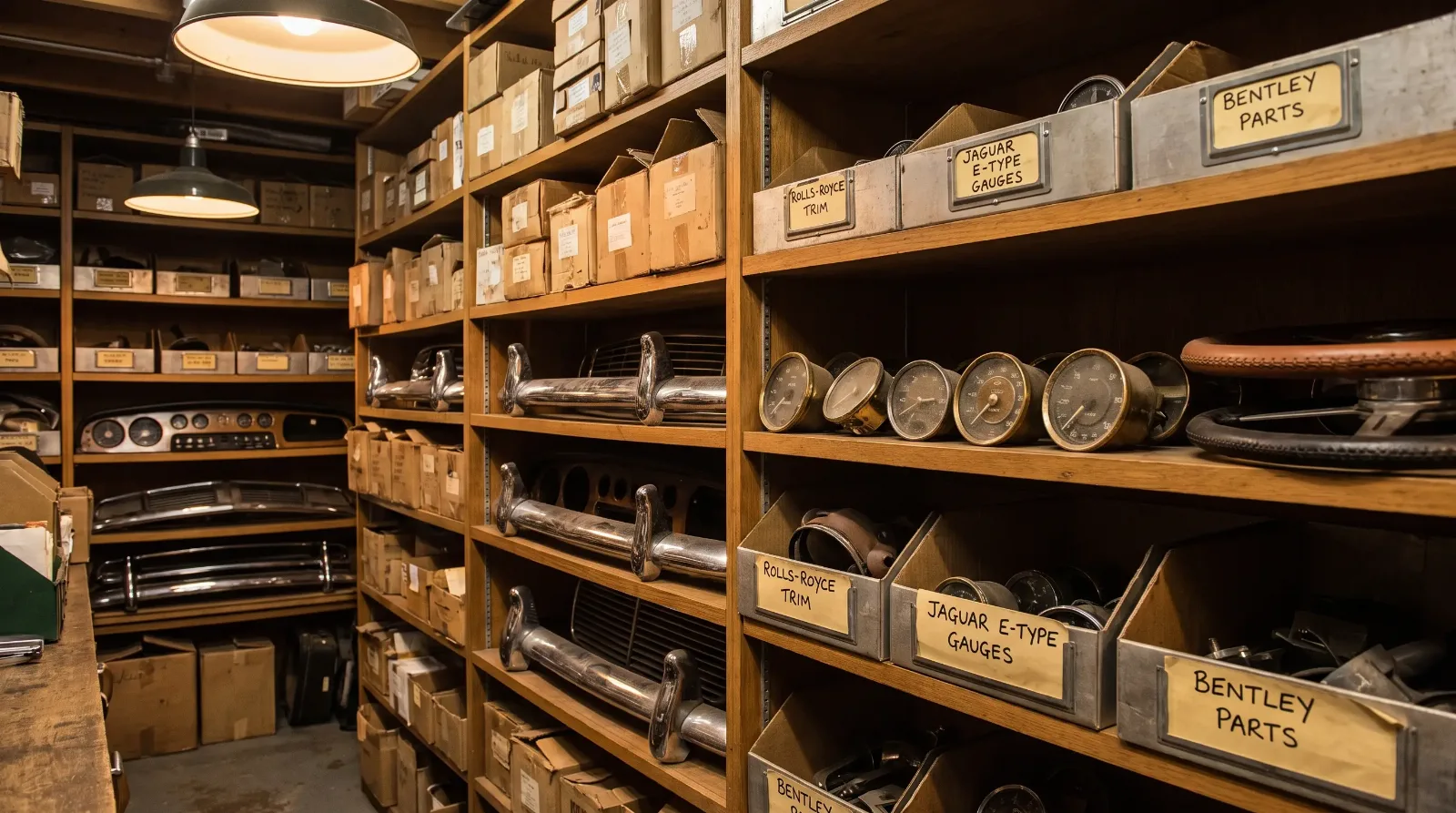
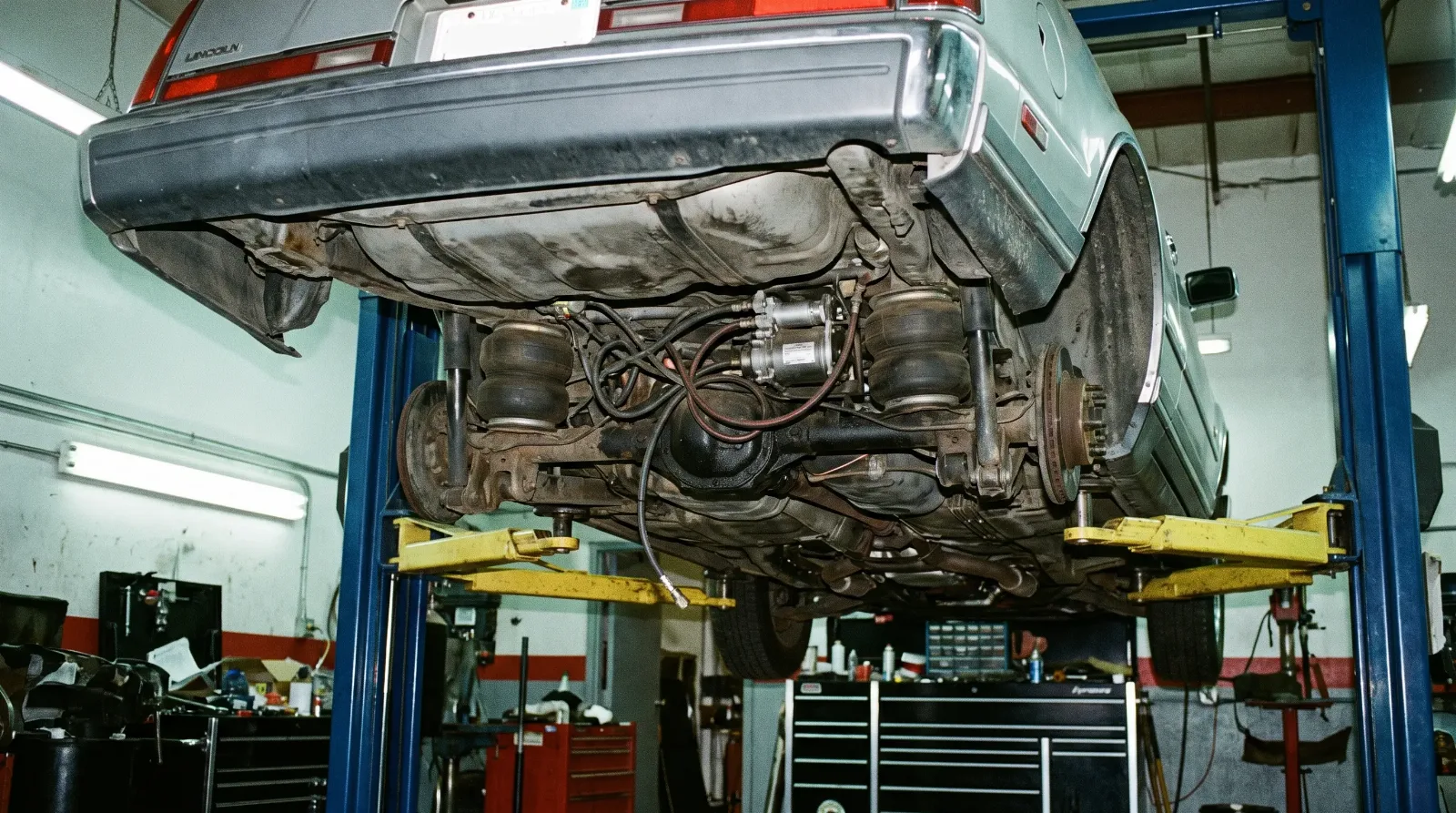
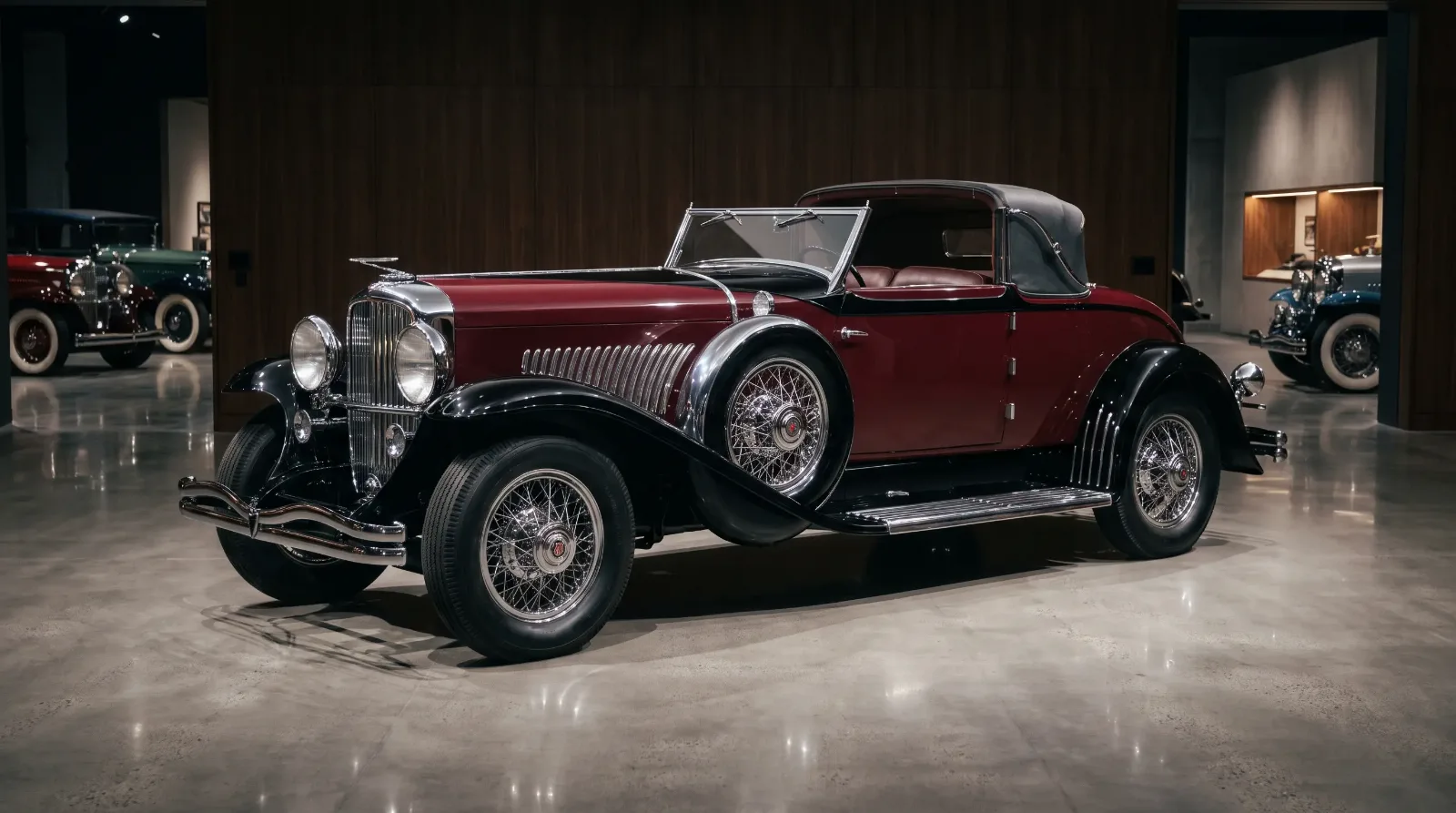
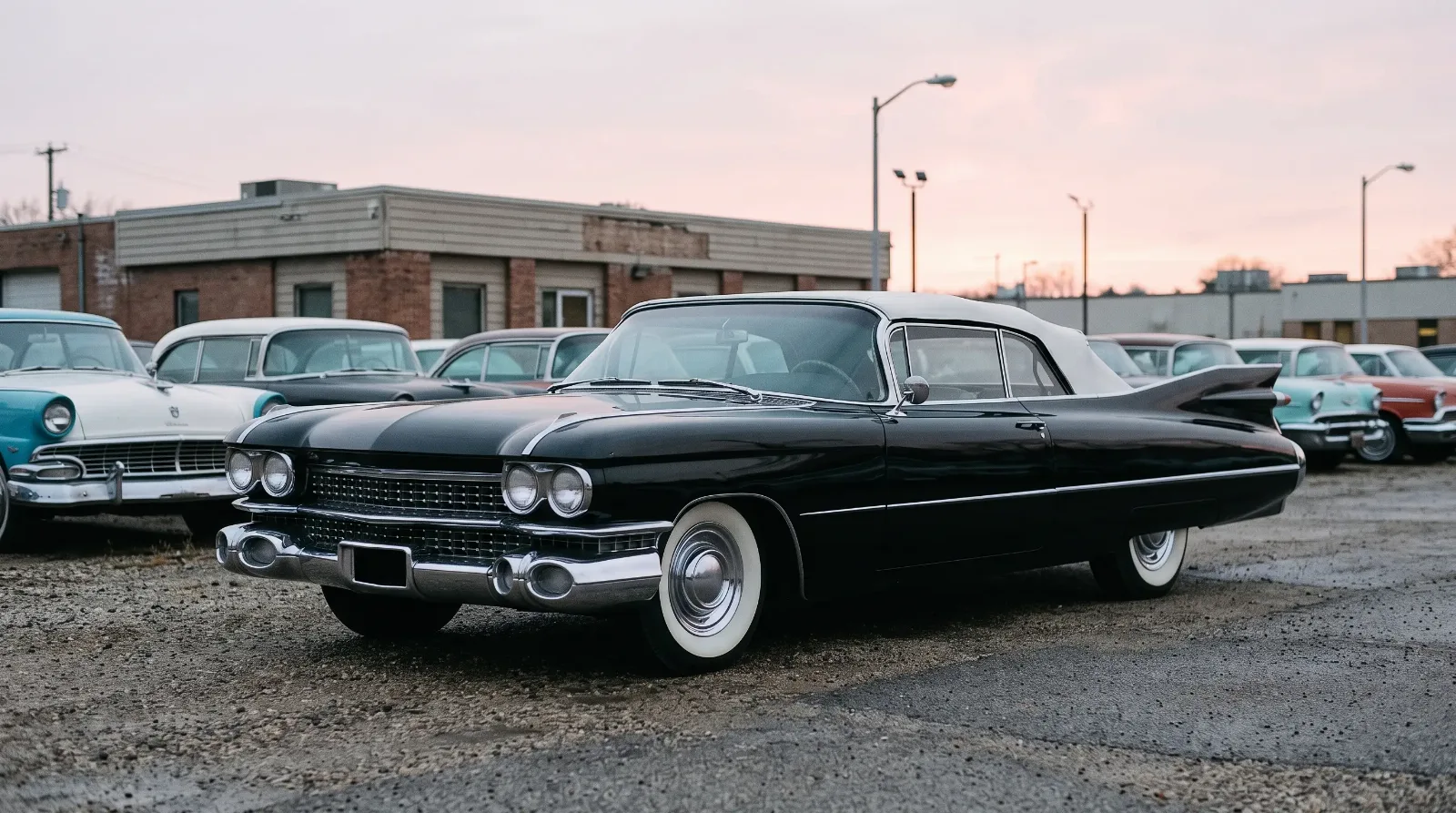
The trouble starts with low volume and orphaned brands. A Maserati or an Iso from the postwar decades, a Facel Vega, a Citroen SM with its Maserati engine, these were built in the hundreds or low thousands, and the supply chain reflects it. Trim, glass, and marque-specific electrical parts can take months to find, and when you find them the price has no ceiling because there is no competing supply. American luxury from Cadillac and Lincoln is a split case: mechanical and common parts are cheap and everywhere, but model-specific brightwork, interior pieces, and the fussy power accessories on a loaded Brougham or Mark can be surprisingly scarce.
| Marque / era | Parts support | Watch out for |
|---|---|---|
| Mercedes W116/W126/R107 | Excellent, factory + aftermarket | Little; the easy end of the segment |
| Rolls-Royce / Bentley (Shadow era on) | Good mechanicals, strong specialists | Wood, hides, hand-fitted trim |
| Jaguar XJ / XJ-S | Strong aftermarket | Correct interior and chrome |
| Cadillac / Lincoln | Common parts cheap and plentiful | Model-specific trim and power accessories |
| Maserati / Citroen SM / low-volume exotics | Thin, specialist-only | Almost everything; long lead times |
🔧 Inspection Priorities
- Missing or damaged trim. On a scarce marque, a cracked dash bezel or missing brightwork can be a multi-month, open-ended hunt. Photograph everything and price the gaps before you buy, not after.
- Marque-specific electrics. Unique switches, relays, and modules are where orphaned brands bite hardest. Confirm every accessory works, because the replacement may not exist.
- Glass and lenses. Windshields and tail lamp lenses for low-volume cars are frequently unobtainable new. A single crack can become a years-long search.
- Correct engine and drivetrain parts. A shared-engine exotic can be a trap. Confirm which components are marque-only versus shared, because that determines whether a rebuild is affordable.
How supply should shape your buying budget
Parts availability is not an abstraction. It is a line item, and it belongs in your buying math from the first day. On a well-supported Mercedes you can budget maintenance the way you would for any old car, because the parts have prices you can look up. On a low-volume exotic you have to budget for the search itself: the time, the shipping from overseas specialists, and the premium that scarcity commands. A cheap purchase price on a car nobody supports is not a bargain. It is a deposit on a problem.
"I have seen a $30,000 Mercedes cost less to keep than a $30,000 exotic, and it is not close. The Mercedes runs on catalog parts with real prices. The exotic runs on whatever you can find, and scarcity sets that price, not you."
David Mercer
Buying with supply in mind
The practical advice is simple. If this is your first luxury classic, weight the decision toward the well-supported marques, because a strong parts network forgives a lot of mistakes. Save the orphaned exotic for when you already have a specialist relationship and the patience the car demands. When you evaluate any specific example, price the parts you can already see are missing or worn, and add a contingency for the ones you cannot. Shopping the broader market teaches this fast, and browsing current classic luxury cars for sale across marques will show you how differently the well-supported and the orphaned cars are priced once buyers factor supply in.
None of this should push you toward the boring choice by default. It should push you toward the informed one. A rare car with a thin parts network can absolutely be worth it if you go in knowing the commitment. Get the full framework in our guide on how to buy a classic luxury car, and once you have parts sorted in your head, the next thing that separates a good buy from a bad one is the paperwork behind the car, covered next: next: Why Provenance Matters More for Luxury Classics Than Muscle Cars.
Related Reading
Have a
Classic Car
for Sale?
Reach thousands of serious classic car collectors across the US.
Sell It Here →
Are You a Classic Car Dealer?
List your full inventory and connect with targeted classic car buyers.
Join as a Dealer →

About the author
David Mercer
Classic car market analyst with two decades of experience tracking collector car valuations, auction results, and investment trends.
More in Ownership & Lifestyle
Comments
Be the first to comment on this article.