
Here is the pattern I have watched play out at auction previews and in private sales for two decades. A buyer finds a gorgeous 1985 Mercedes 500SEL or a Rolls-Royce Silver Spirit priced at what looks like used-Camry money, does the math on the sticker, and calls it a bargain. The purchase price was never the number that mattered. Classic luxury car ownership costs are what separate the people who keep these cars from the people who list them again eighteen months later at a loss.
Ownership & Lifestyle
6 min read
Why Classic Luxury Cars Are Cheaper to Buy Than to Own
Classic luxury cars sell cheap but cost a fortune to run. Real annual figures, specialist labor, and how to buy so ownership doesn't bury you.
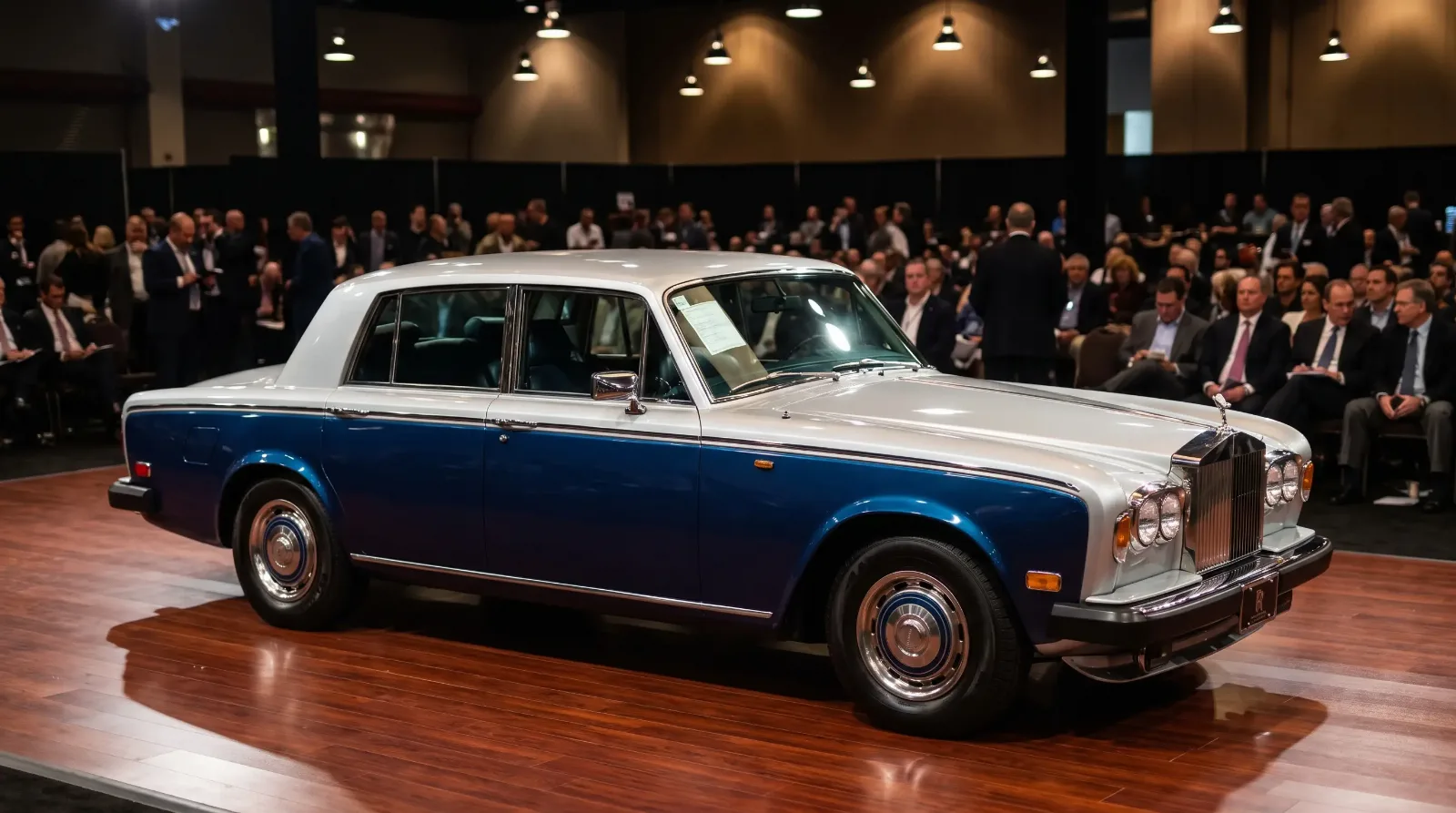
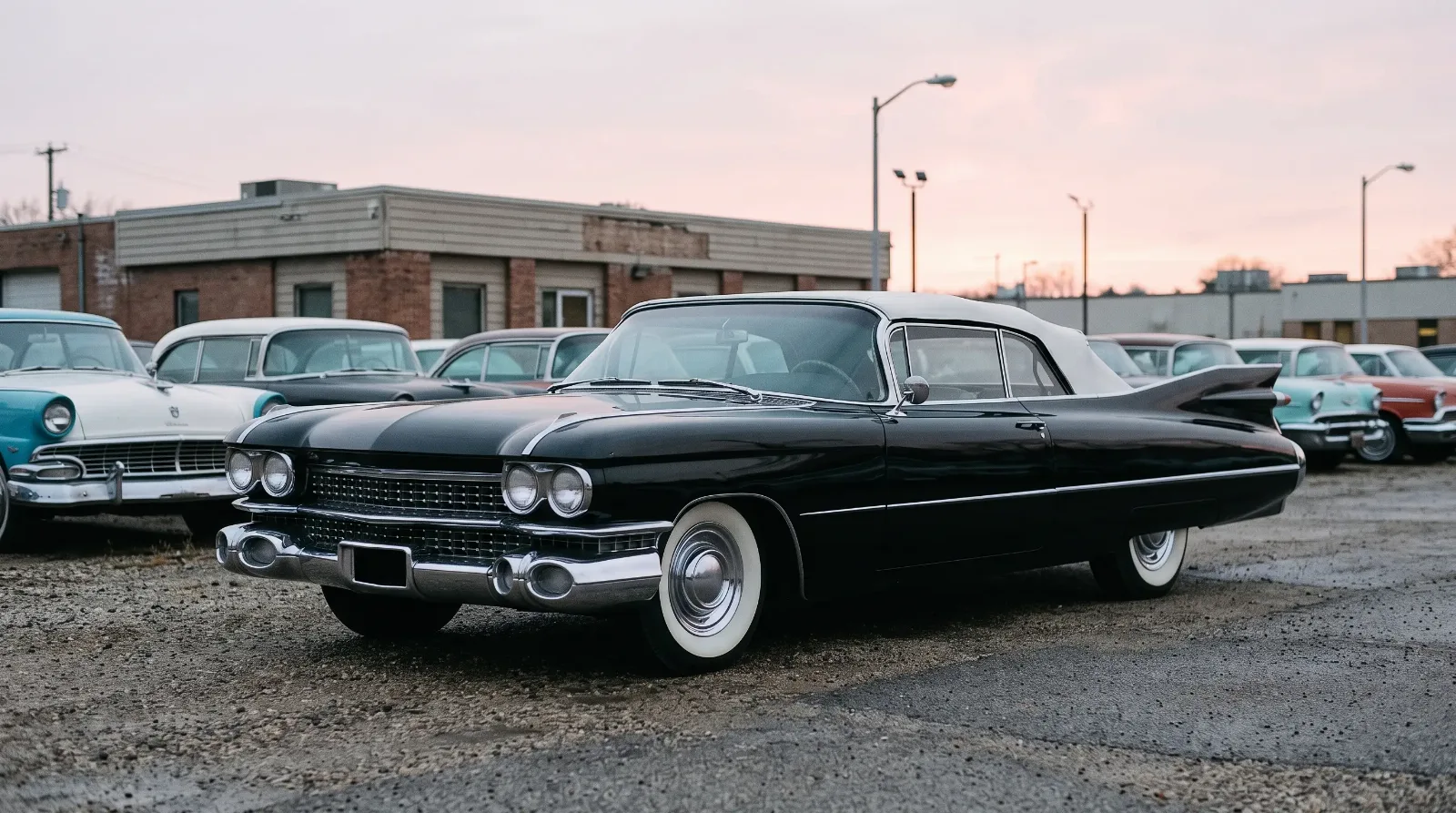
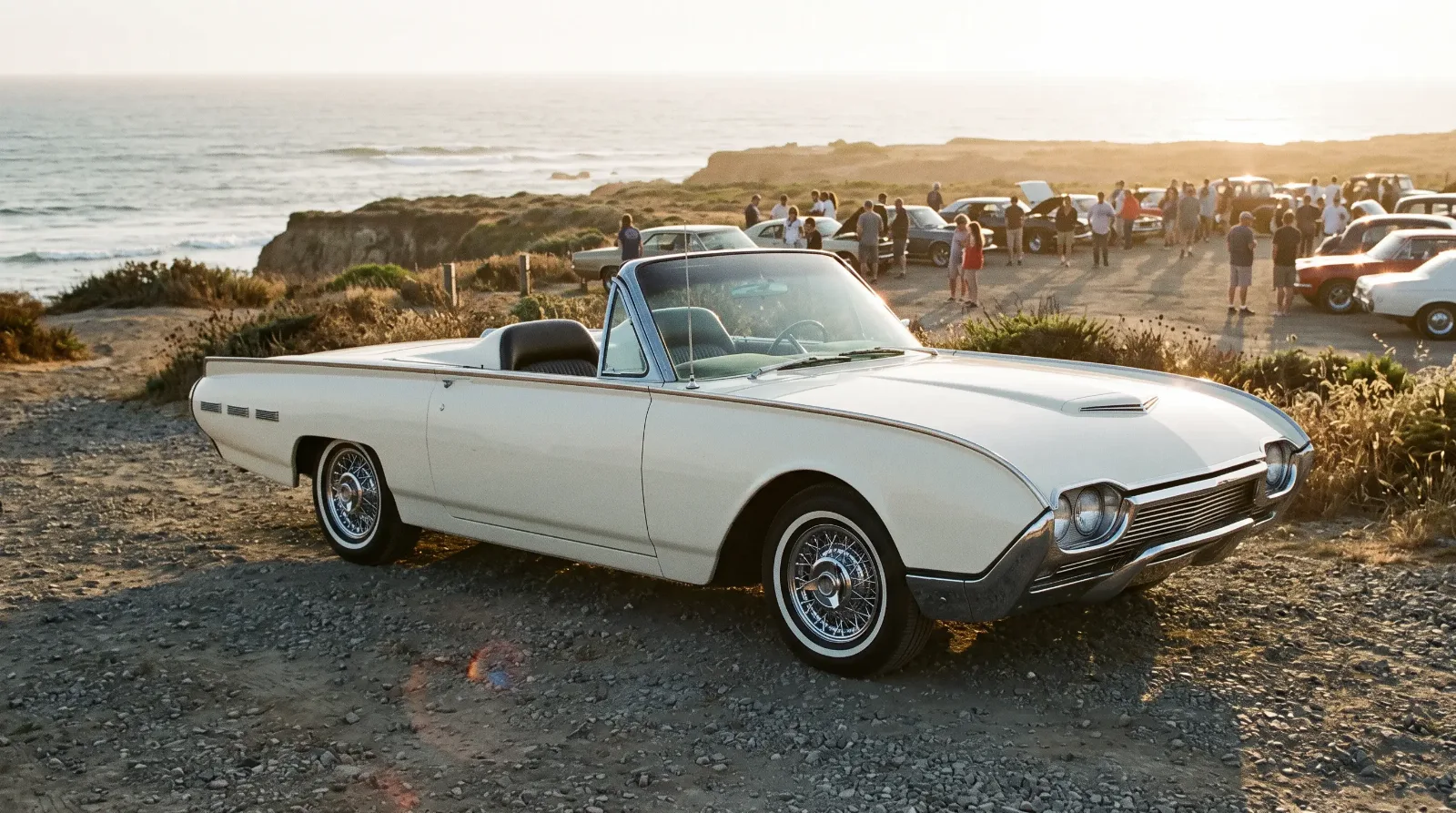
The entry price on a lot of postwar luxury metal has stayed flat or soft for years. A driver-grade Jaguar XJ6, a tidy W126 S-Class, a Cadillac Fleetwood from the Brougham era, these trade in ranges that feel accessible. What the low buy-in hides is that a luxury car was engineered to a standard, not a budget, and every one of those standards has a maintenance bill attached. Understanding that gap before you sign is the single most useful thing a first-time luxury buyer can do.
Why the sticker price is the cheap part
Depreciation did the heavy lifting decades ago. A 1979 Rolls-Royce Silver Shadow II that cost roughly $50,000 new, real money at the time, can change hands today in the low-to-mid five figures for a solid driver. That is a spectacular discount on the original engineering. It is also the trap. The car still contains the same hydraulics, the same hand-fitted wood, the same complexity that justified the original price. None of that got simpler when the value fell.
Compare the segments. A muscle car of the same era is mechanically straightforward: a pushrod V8, a live axle, drum or disc brakes you can rebuild on a bench. A luxury flagship from Stuttgart or Crewe carries self-leveling suspension, climate systems with dozens of vacuum lines, power everything, and interiors trimmed in materials that cost a fortune to restore correctly. You are not buying a cheaper car. You are buying a more expensive car at a cheaper price, and the running costs never got the memo. If you want the full picture on where these cars came from and why they were built this way, the full classic luxury car story is worth the read.
What the annual running numbers actually look like
People ask me for a budget figure and I give them a range, because the honest answer depends on condition and how correct you insist on being. Here is a working framework I use for a large postwar luxury sedan or coupe. These are approximate annual figures for a car you drive a few thousand miles a year and maintain properly, not concours numbers.
| Cost area | Driver-grade annual (approx.) | What moves it |
|---|---|---|
| Routine service | $1,500-$3,000 | Marque, specialist labor rates, fluids and filters |
| Deferred repairs | $2,000-$6,000 | Hydraulics, suspension, electrics, A/C |
| Insurance (agreed value) | $300-$900 | Value, mileage, storage, region |
| Storage | $1,200-$3,600 | Climate-controlled vs. a home garage |
| Tires and consumables | $200-$800 | Correct size availability, how much you drive |
The line that surprises buyers is deferred repairs, because it is lumpy. You can go two quiet years and then a hydraulic accumulator, an A/C compressor, and a headliner all come due in the same season. Budget for the average, not the quiet year. A realistic figure for keeping a driver-grade luxury classic healthy sits somewhere between $4,000 and $10,000 a year once you account for the repairs that arrive on their own schedule.
The specialist labor problem
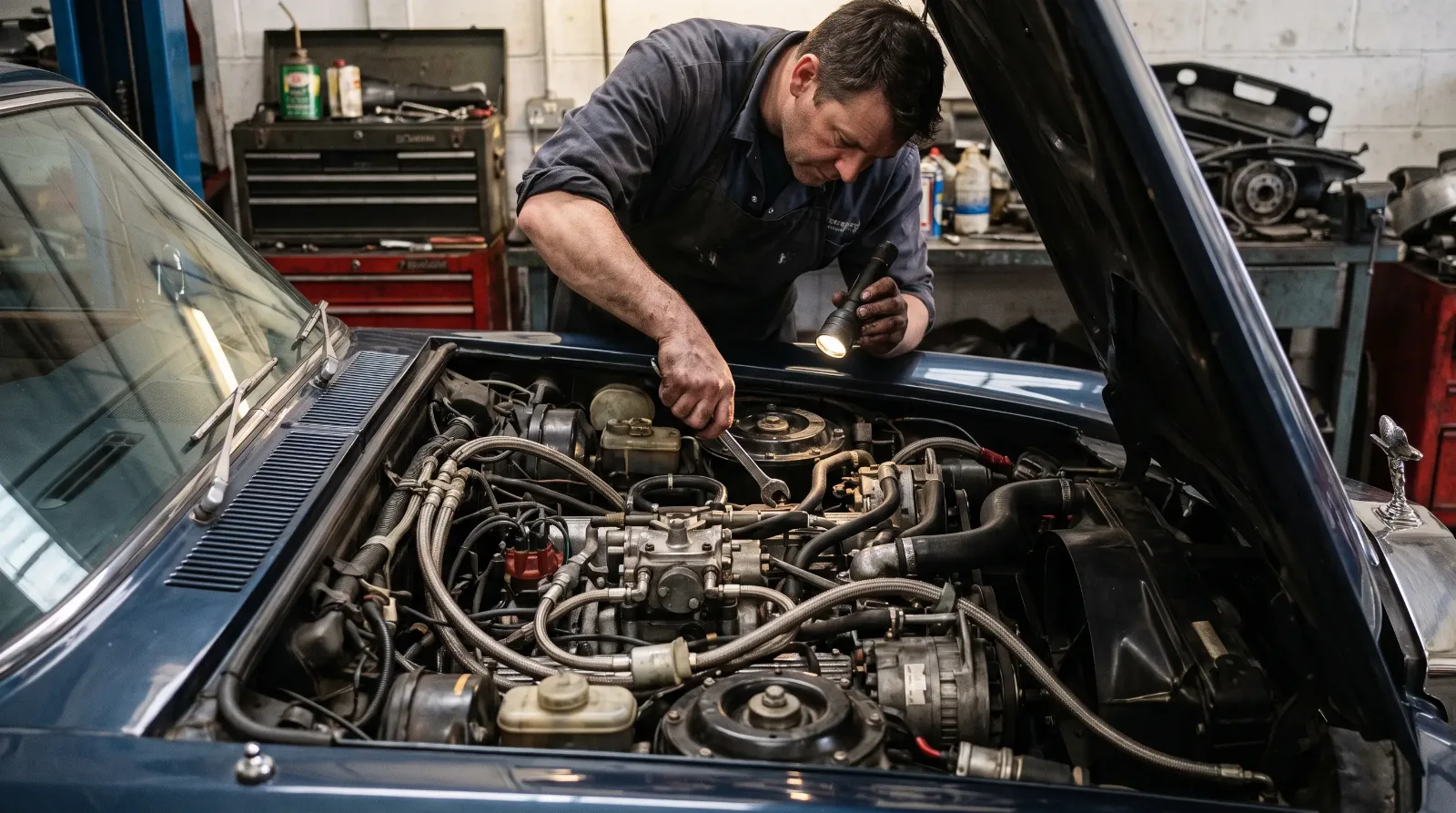
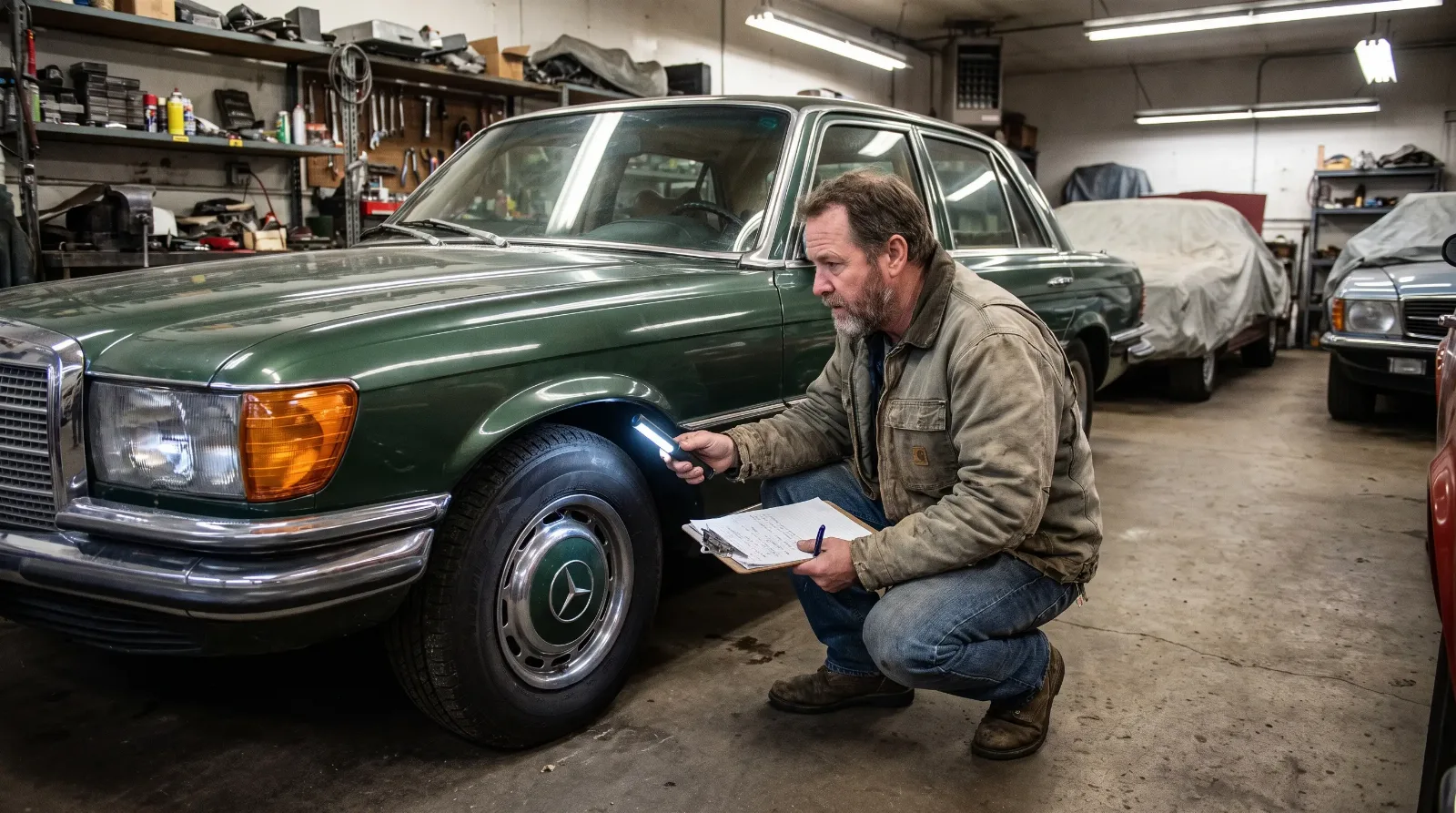
This is where luxury ownership diverges hardest from mainstream classics. A general classic mechanic can service a small-block Chevy in his sleep. Ask him to bleed the twin hydraulic circuits on a Silver Shadow or diagnose the vacuum-actuated door locks on a W116, and you are either paying him to learn or paying a marque specialist premium. Specialist shop rates for Rolls-Royce, Bentley, and older Mercedes flagships routinely run $150 to $250 an hour depending on region, and some jobs on these cars are all hours. A hydraulic system rebuild is not a weekend.
🔧 Inspection Priorities
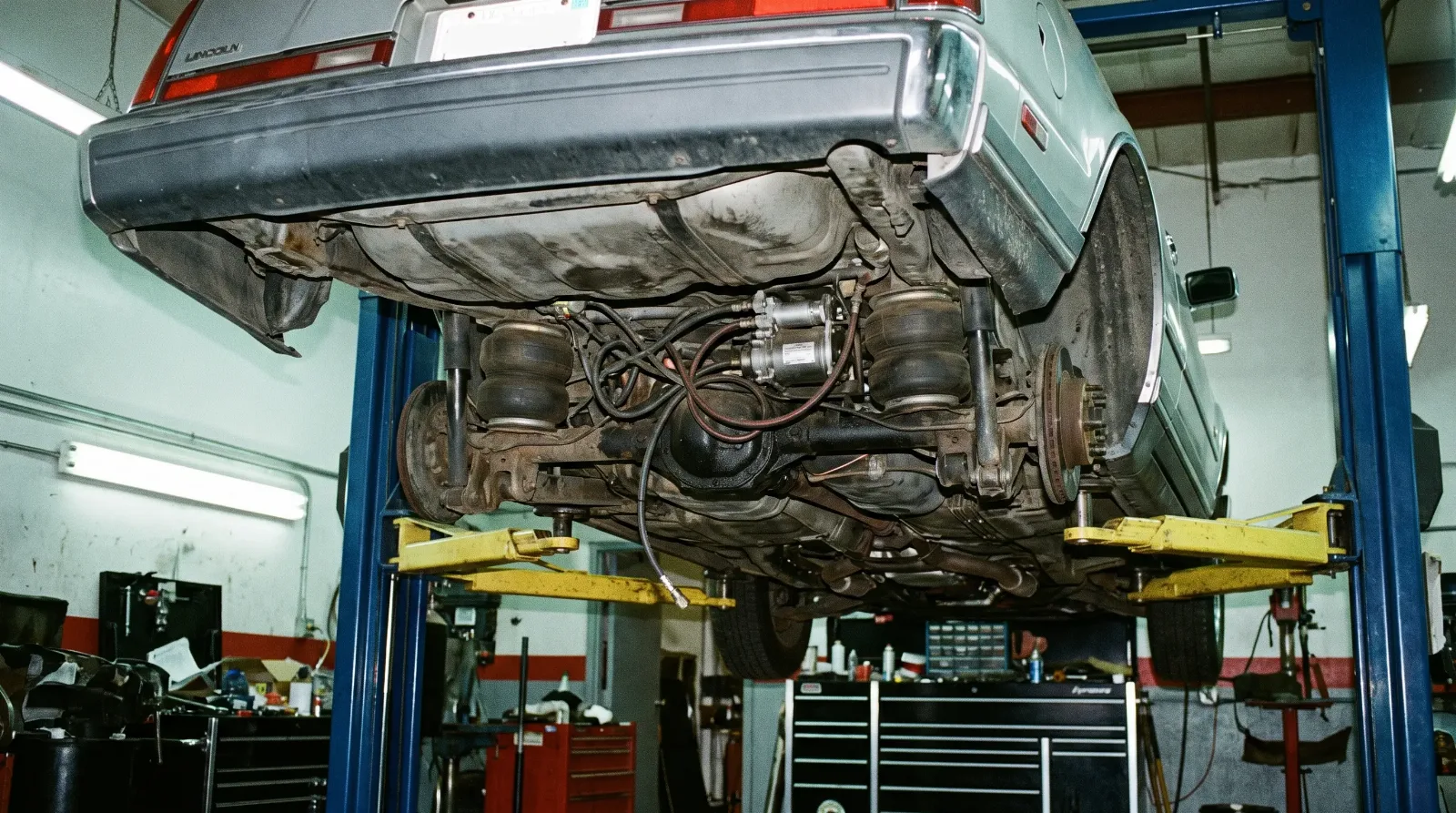
- Hydraulics and self-leveling suspension. On Citroen, Rolls-Royce, and self-leveling Mercedes, a tired system is a four-figure repair. Check ride height, listen for the pump, look for weeping spheres or accumulators.
- Climate control. Vintage automatic A/C is fragile and expensive. A dead system can mean a compressor, evaporator, and a maze of vacuum lines, often $2,000 to $5,000 to make right.
- Electrics and interior actuators. Power seats, windows, locks, and antennas all fail, and the parts are marque-specific. Test every switch before you buy.
- Wood, leather, and headliner. Cosmetic on paper, brutal on the wallet. A cracked dash veneer or sagging headliner is a specialist trim bill, not a home fix.
"The cheapest luxury classic on the lot is almost always the most expensive one to own. Somebody deferred the maintenance to make the sale price look good, and that bill did not disappear. It just got assigned to you."
David Mercer
How to buy so ownership does not bury you
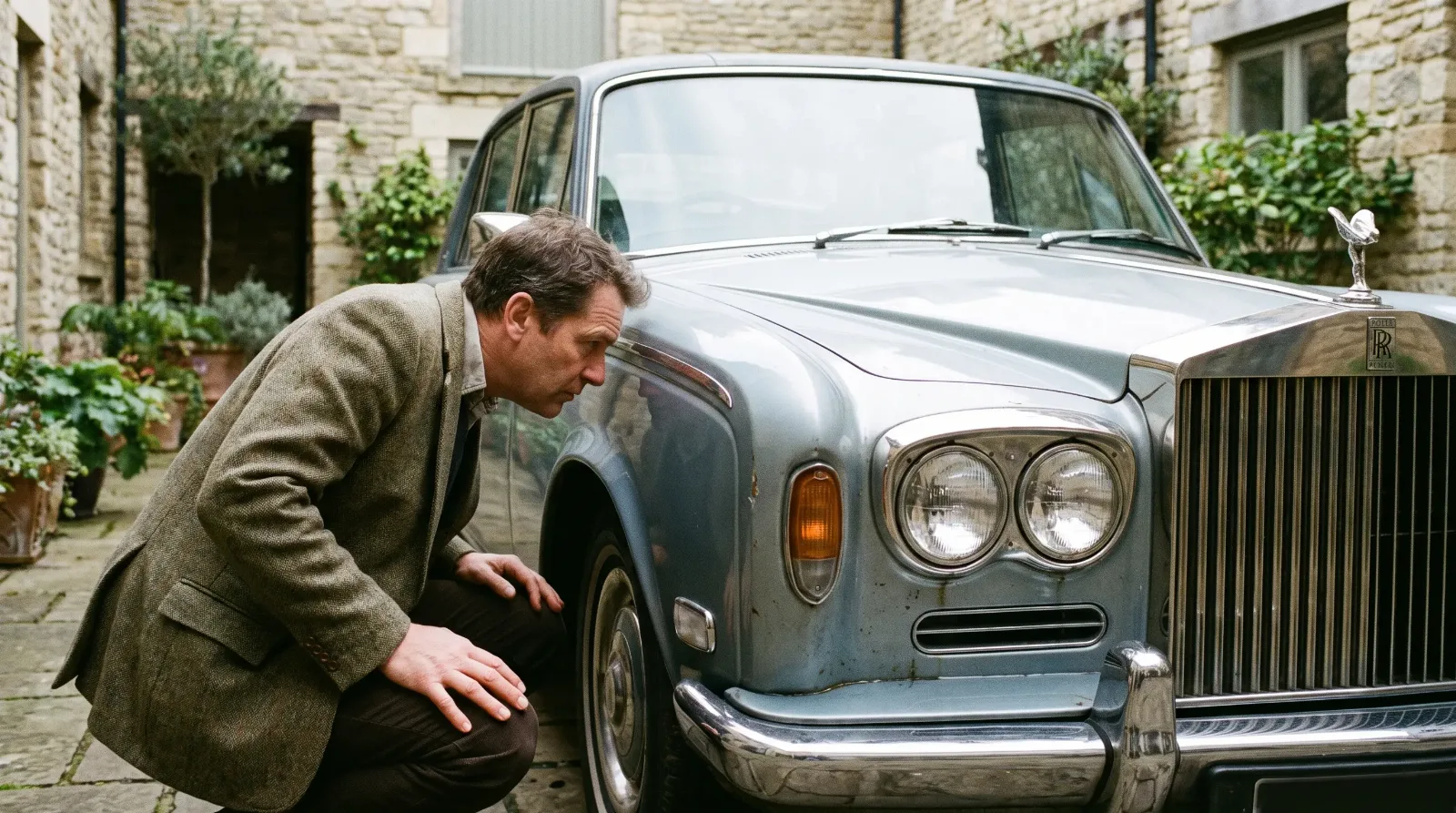
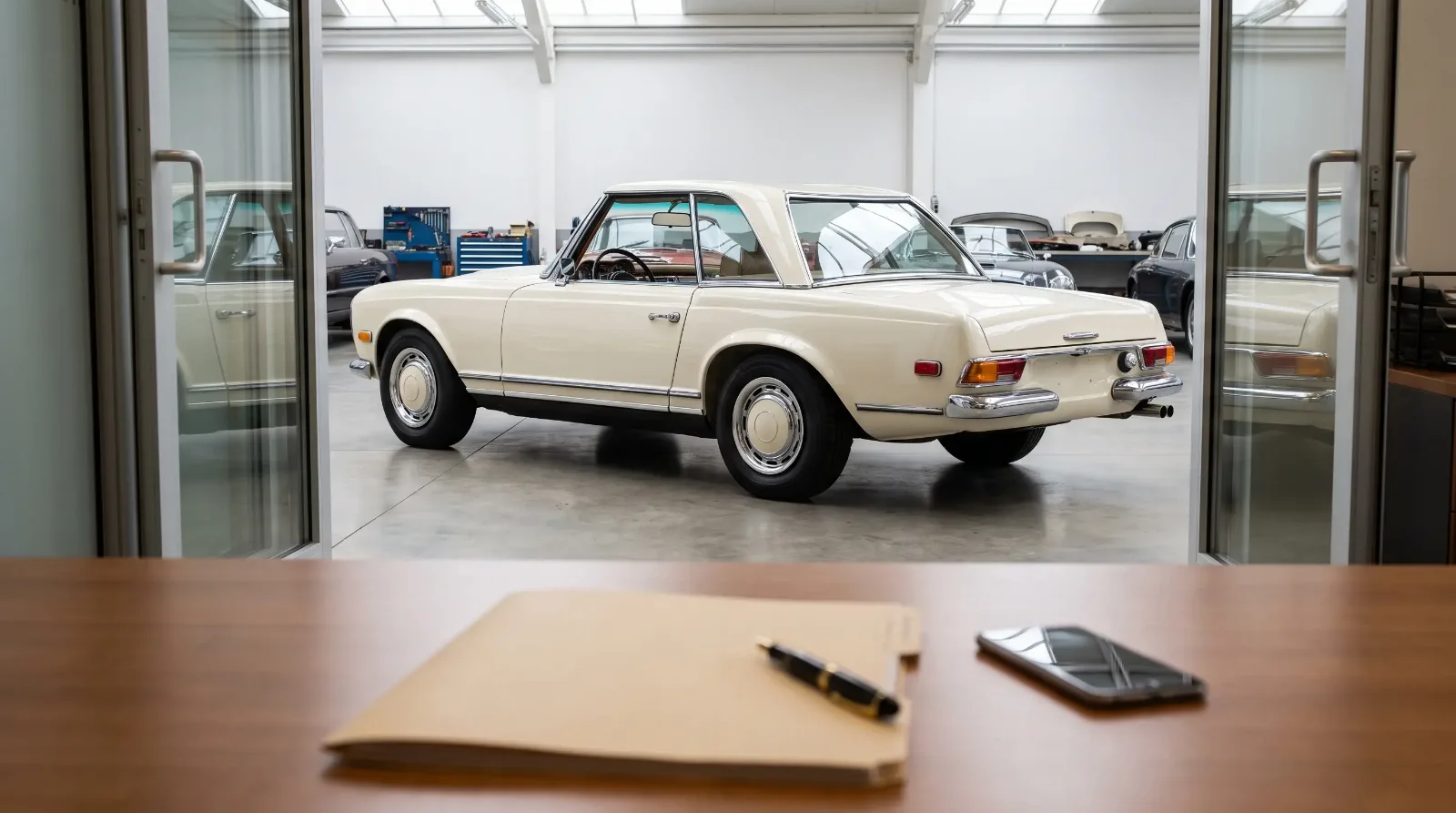
The move that protects you is counterintuitive: pay more up front for a car that has already had the money spent on it. A well-sorted example priced $10,000 above a cheap one is frequently the better deal, because that $10,000 buys you documentation of work already done rather than a queue of repairs you will discover the hard way. Buy the receipts, not just the car. A folder full of specialist invoices from the last five years tells you more than any paint depth reading.
Get a pre-purchase inspection from someone who knows the marque, not a generalist. Budget the first year at the high end of the ranges above and treat anything less as a bonus. And shop with your eyes open about the segment rather than a single car in a vacuum. Browsing what is actually available, from cheap projects to sorted drivers, teaches you the real spread fast, and the current inventory of classic luxury cars for sale is the quickest way to calibrate what a fair price looks like against what it will cost to run.
None of this is a reason to walk away. It is a reason to buy the right example with a clear head. The people who love these cars long-term are the ones who priced ownership honestly before they fell for the sticker. For the full framework on making that decision, the complete buying guide walks through it start to finish. And if hydraulics and self-leveling suspension came up in your reading, that rabbit hole runs deep, which is exactly why we cover it next: next: Air Suspension.
Related Reading
Have a
Classic Car
for Sale?
Reach thousands of serious classic car collectors across the US.
Sell It Here →
Are You a Classic Car Dealer?
List your full inventory and connect with targeted classic car buyers.
Join as a Dealer →

About the author
David Mercer
Classic car market analyst with two decades of experience tracking collector car valuations, auction results, and investment trends.
More in Ownership & Lifestyle
Comments
Be the first to comment on this article.