
Every club has the meeting. Somebody wants to spend the treasury on jackets, somebody else wants a trailer, and halfway through the argument a member asks who decided the president gets a vote on his own motion. Nobody knows. Nobody ever wrote it down. That meeting is why car club bylaws exist, and the best time to write them is before anyone has a reason to fight. This piece covers what goes in them, how to set dues the members will actually pay, and where the tax rules start to matter.
Ownership & Lifestyle
8 min read
Writing Car Club Bylaws and Setting Dues
What car club bylaws should contain, how to set dues members will pay, and the IRS rules a 501(c)(7) club treasurer needs to know.
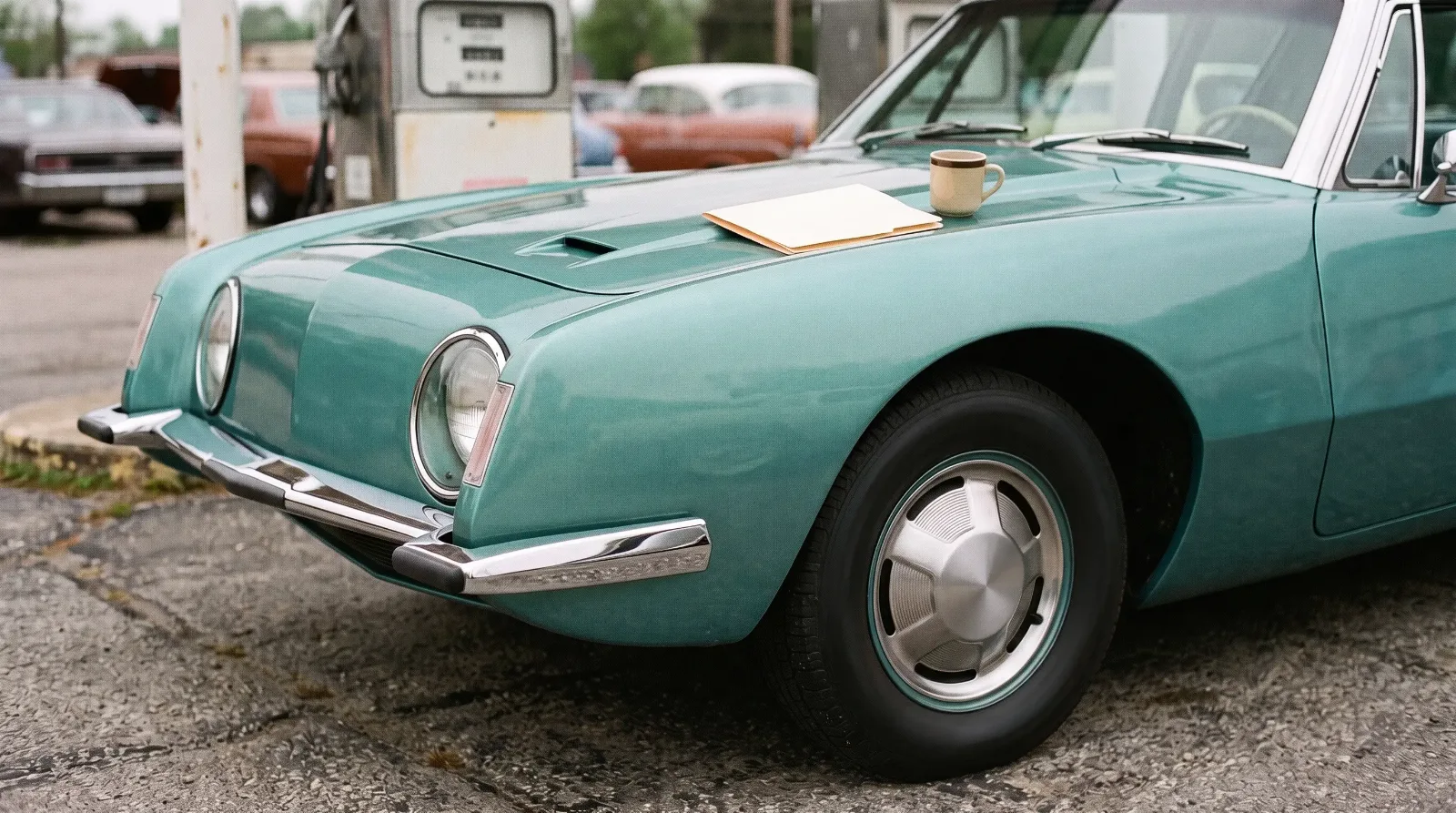
Why car club bylaws come before the first dues check
Bylaws are the club's rulebook: who can join, who runs things, how decisions get made, and how the rules themselves change. A small group of friends can run on handshakes for a while. The day money changes hands, handshakes stop being enough.
Some national clubs are relaxed about it. The Model A Ford Club of America tells new chapters that bylaws are "not required" but are "a guide for the operation" of the chapter, and it publishes a sample set anyone can adapt. That is honest advice. A club can exist without bylaws. It just cannot settle a dispute without them. If you are still at the stage of gathering the first members and picking a purpose, read more here, then come back with a draft and a pot of coffee.
The articles every set of bylaws needs
The Model A club's sample chapter bylaws are a good skeleton because they are short. They run through seven articles:
- Name. The exact legal name, spelled the way it will appear on the bank account.
- Purpose. Three sections in the template, and it calls the club "non-commercial, non-sectarian, and non-partisan." Write yours plainly: what cars, what activities, what the club will not do.
- Members. The template opens membership to anyone interested, not only owners. It leaves the dues amount and the due date blank for the chapter to fill in.
- Meetings. An annual meeting to elect officers, plus regular and special meetings.
- Officers. Five positions: President, Vice President, Secretary, Treasurer and a Director-at-Large.
- Fiscal year. When the books open and close.
- Amendments. How the rulebook changes.
Notice what is missing. The template has no dissolution article. That matters more than it looks. If a club folds with money in the account and a trophy cabinet, someone has to decide where it all goes, and the people still around at the end are rarely in a generous mood. Add one short article that says what happens to club money and property if the club closes. Name a charity, another club, or a method. Any answer beats no answer.
Add a short article on money, too: who can sign checks, what the treasurer can spend without a vote, and that the books get reviewed once a year by somebody who is not the treasurer. That last line has saved more friendships than any rule about parking.
Officers, meetings and the quorum question
The Model A template elects officers at the annual meeting to serve the following calendar year. It lets at least one-tenth of the membership call a special meeting, with between 5 and 40 days' notice. Amendments need a two-thirds vote of members present, with at least 5 days' written notice. Those are one club's choices, not a legal standard, but they are sensible ones to start from.
The quorum is the line most clubs get wrong. The template leaves it to be "set by the membership" at founding. Set it too high and nothing can ever pass, because half the members are at a show two states away. Set it too low and four people at a diner can rewrite the club. A fixed number of members, or a fraction of the roll, both work. Pick one and write it in.
"I have sat through a lot of club fights, and not one of them was about cars. They were about a check nobody approved and a vote nobody could count. Write the boring parts down while everyone still likes each other. That is the whole secret."
Wayne Coburn
How to set dues members will pay
Dues should cover what the club spends every year whether anyone shows up or not. Start with the fixed costs: the club's liability policy, the newsletter, a website, a post office box if you keep one, and the end-of-season banquet if the club pays for it. Divide by the members you can count on, not the members you hope for. Then round up a little, because something always breaks.
Insurance is usually the biggest line, and the hardest to guess. Get a real quote before you set dues. Our guide to insurance for the club walks through what a policy covers and who sells them.
For a sense of scale, here is what a few real clubs charge. These are examples, not a benchmark.
| Club | Dues | Notes |
|---|---|---|
| Antique Automobile Club of America (national) | $45 per year | As listed on the club's join page, October 2026 |
| Dixie Chapter, Buick Club of America | $20 per family per calendar year | $10 for families joining after June 30; national Buick club membership also required; as listed October 2026 |
| Model A Ford Club of America sample chapter bylaws | Left blank | Each chapter sets its own amount and due date |
Two lessons sit in that table. First, the Buick chapter's half-year rate is a smart touch: nobody wants to pay a full year's dues in October. Write a prorated rate into the bylaws. Second, chapter dues often sit on top of national dues. If your club is a chapter, the member is paying twice, so keep the local number modest.
Put the due date, the grace period and what happens to a member who does not pay into the bylaws. Then the treasurer is following a rule, not chasing a friend.
Dues, taxes and money from outside the club
Many car clubs organize as social clubs under section 501(c)(7) of the tax code. The IRS sets out what that takes: the club is organized for exempt purposes, members have personal contact with each other, membership is limited, the club is supported by dues, fees and assessments, no net earnings go to any private individual, and the governing instrument may not discriminate on race, color or religion. Your bylaws are part of that governing instrument, so the purpose and membership articles carry real weight.
Recognition is applied for on Form 1024, which the IRS says must be submitted electronically through Pay.gov. The IRS set the user fee at $600 for 2022, and the IRS revises its user fees each year, so check the current amount on Pay.gov before you budget for it. Once recognized, a club whose gross receipts are normally $50,000 or less files the short Form 990-N each year.
Two money rules belong in every treasurer's head. Dues paid to a social club are not deductible, and gifts to one are generally not deductible as charitable contributions, so never promise members a write-off. And a 501(c)(7) may take in up to 35% of its gross receipts from nonmember sources, with no more than 15% from nonmembers using club facilities or services. Going over does not cost the exemption automatically; the IRS looks at all the facts and circumstances.
That 35% line is where sponsorships, public show gates and referral commissions come in. Some clubs earn a little through car affiliate programs by sharing a link in the newsletter. Whether that income counts as nonmember receipts is a question for an accountant, not a club meeting, so write into the bylaws that outside income is tracked separately and reviewed each year. If the club does share a referral or affiliate link, it must say so clearly and close to the link, as the FTC expects.
Tax treatment depends on how the club is organized and where it operates, so confirm the details with the IRS or an accountant before you file anything. Then get the bylaws voted in, signed and filed somewhere safe. The next club fight is coming. This time, somebody will know where the rulebook is.
Sources and notes
- Model A Ford Club of America: sample chapter bylaws
- Antique Automobile Club of America: membership and dues (checked October 2026)
- Dixie Chapter, Buick Club of America: membership dues (checked October 2026)
- IRS: social clubs under section 501(c)(7)
- IRS: Form 1024 electronic filing and the 2022 user fee
- IRS: Form 990-N e-Postcard, who must file
Related Reading
Have a
Classic Car
for Sale?
Reach thousands of serious classic car collectors across the US.
Sell It Here →
Are You a Classic Car Dealer?
List your full inventory and connect with targeted classic car buyers.
Join as a Dealer →

About the author
Wayne Coburn
Longtime Corvette owner, judge and club figure who knows the cars, the records and the people behind them.
More in Ownership & Lifestyle



Comments
Be the first to comment on this article.