
Most clubs I know were born in a parking lot. A few cars sit nose to tail after a cruise night, the hoods are still ticking, and somebody says, "We should make this official." That sentence is the easy part. Working out how to start a car club that is still meeting years later takes more than a name and a group chat. It takes a reason to exist, a few people willing to hold the clipboard, some paperwork, insurance before the first show, and a plan for money that doesn't sour the friendships that started the whole thing.
Ownership & Lifestyle
12 min read
How to Start a Car Club That Lasts
Purpose, officers, bylaws, a free EIN, club insurance, 501(c)(7) rules and honest referral income: how to start a car club that keeps meeting.
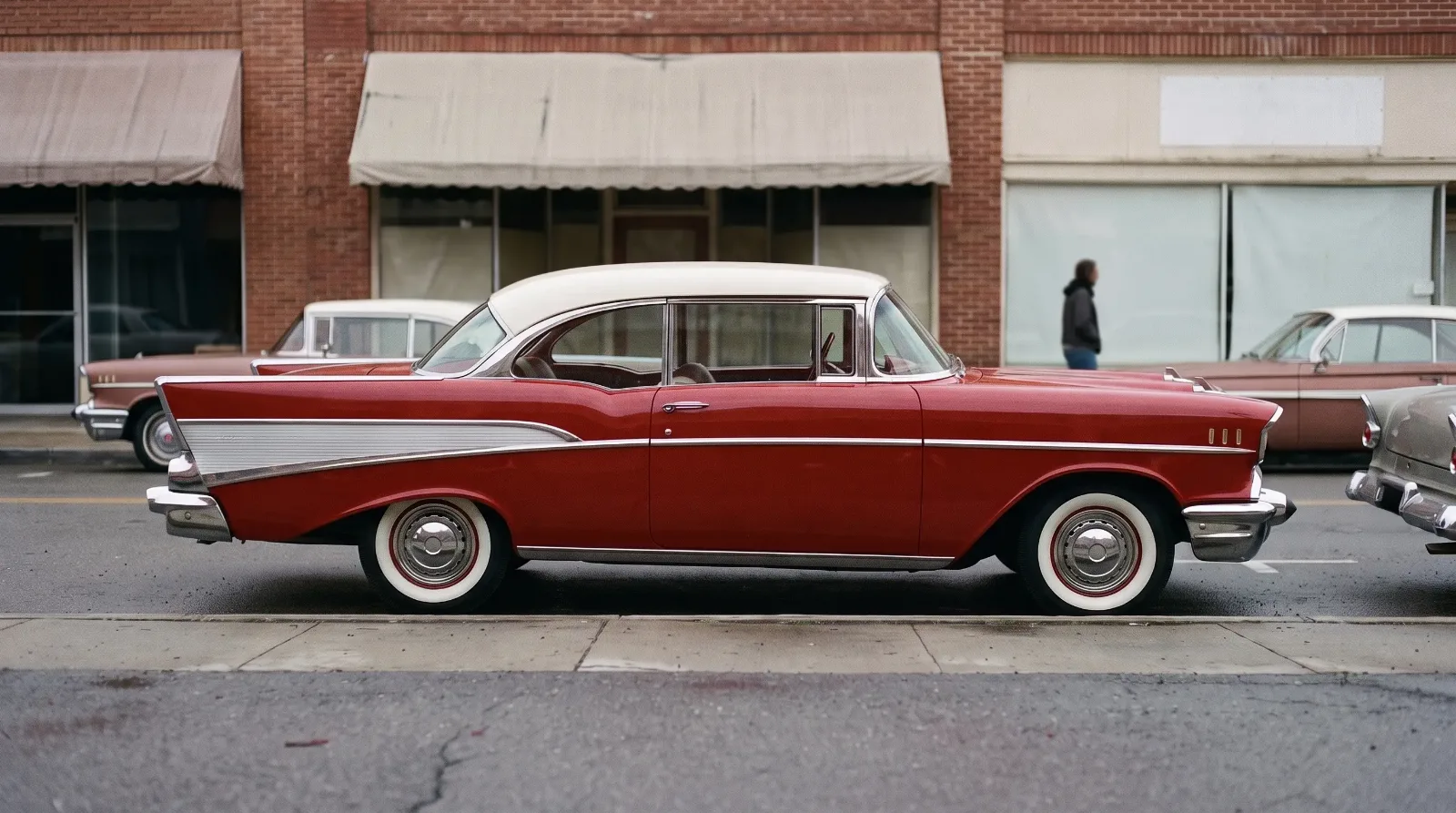
This guide takes those pieces in the order they tend to matter, leaning on what established clubs ask of their chapters, what the IRS says about small clubs and what insurers write into club policies. If you want the wider view of how car people earn from referrals, that piece covers the whole field. This one stays on the club.
Decide what the club is for before you pick a name

Wild Apricot, a company that sells membership software, publishes a step list for starting a car club, and the order is sensible: define the purpose, identify who it's for, set the structure, then branding, a website with a membership form, an interest meeting, spreading the word, and finally a first event. The logo lands fourth. Purpose comes first.
A purpose can be about the cars (one model, one era, one style) or about what you do with them (tours, cruise nights, shows, charity runs). Write it in one or two sentences. "If it's low, clean and somebody built it with their own hands, bring it" is a mission statement. So is "we drive pre-war Fords on back roads once a month." Either one tells a newcomer in ten seconds whether they belong, and that is the whole job of a mission statement.
Narrow clubs and open clubs both work. The narrow one struggles for numbers; the open one fills a lot fast and argues every spring about what kind of show to put on. Pick the argument you'd rather have.
How to start a car club one meeting at a time
The interest meeting matters more than people expect. Hold it somewhere easy to find and easy to park: a diner back room, a shop after hours, a park pavilion. Bring a sign-up sheet that asks for a name, an email, a phone number and what they drive. Then ask three questions out loud. What do you want this club to do? How often? Who will help? The third question decides whether you have a club or an audience.
Hold a first event soon, while people are still excited, and keep it small. A two-hour morning meet with coffee is plenty. Hagerty's Drivers Club runs its HDC Days on exactly that pattern: the South Bend edition was set for Saturday, June 27, 2026, from 8:00 to 10:00 in the morning at Tire Rack's headquarters, with coffee, doughnuts, local cars and giveaways, rain or shine. That's a corporate event with a budget behind it. The shape still fits a new club: early, short, easy to leave and easy to come back to.
After that first meet, set a rhythm and protect it: same day of the month, same place. Move it every month and you teach people not to bother checking.
Officers, bylaws and an EIN
You need fewer officers than you think. A president to run meetings. A treasurer who is not the president. A secretary who keeps the member list and the minutes. Two signatures on club spending is a habit worth starting on day one, not after the first misunderstanding.
If your club will sit under a national marque club, read its chapter rules before you write a word of your own. The Model A Ford Club of America is a good reference. Five current national members can decide to form a chapter and petition for a charter, and the charter isn't granted until every signer has paid national dues. Chapter officers must be national members. MAFCA calls bylaws "not required" but useful as a guide to how the chapter runs, treats incorporation as optional with a suggestion to get professional advice, and suggests renting a PO box without requiring one. No charter fee is listed on its page.
An independent club writes its own bylaws, and they don't need to be long. They should answer a handful of questions: who can join, what dues are and when they're due, how officers are elected and for how long, who can spend club money and up to what amount, and how the club would close and what happens to its money if it does. Write those answers down while everyone still likes each other.
Next comes an Employer Identification Number. Banks usually want one before they open an account in the club's name: one credit union's checklist for unincorporated clubs and associations asks for the EIN letter (or a Form 990 filing) plus bylaws or minutes showing who may open the account. The IRS issues EINs online. The application needs a responsible person with an SSN or ITIN, it has to be finished in one session (it times out after 15 minutes of inactivity), and the IRS allows one EIN per responsible party per day.
Insurance before the first show
The day you put cars on a rented lot, somebody will ask for a certificate of insurance naming the venue as an additional insured. Club insurers expect that: Hagerty says it can quickly provide the certificate when a club rents space. Have the insurance conversation before the flyer, not after.
There are three common routes.
| Route | Who it fits | What the coverage includes | What isn't published |
|---|---|---|---|
| Hagerty collector car club liability | Non-profit collector car clubs; "not available in all states" | Year-round general liability for the club, members and those acting for it; static event coverage for shows, cruise-ins, picnics and meetings; limits up to $2 million per occurrence and $4 million aggregate per year; D&O as an add-on | Premiums; D&O limits |
| MAFCA chapter group insurance | MAFCA chapters, regions and special interest groups in good standing, US and Canada | General liability and D&O; non-owned auto liability; fire legal liability up to $1,000,000 for rented buildings; limited liquor liability | Cost to chapters; other limits |
| AACA regions and Affiliate Club Program | AACA regions; smaller automotive organizations and single-marque clubs whose members all join AACA | Access to AACA's Club Insurance package for events and activities plus D&O coverage | Limits and premiums |
The Hagerty limits are "up to" figures, and Hagerty makes the final call on accepting a club. The AACA route is interesting for an independent club: affiliates keep their independence and can leave at any time, though every member has to belong to AACA.
MAFCA's chapter policy doubles as a list of what clubs actually do: meetings, dances, tours, picnics, flea markets, banquets, shows, shopping-center shows and parades. Two details from it are worth adopting even if you insure elsewhere. Members keep their own auto liability and physical damage coverage, and charging for rides at club functions is discouraged because most personal auto policies exclude it. If your plans include something unusual, ask the insurer before you announce it.
Coverage, limits and what counts as a club activity vary by carrier and by state. Confirm the details in writing with the insurer or agent before each event.
Dues, money and the 501(c)(7) question
A car club that seeks federal tax exemption usually fits section 501(c)(7) of the tax code, the social club category. The IRS sets out what that requires: the club is organized for exempt purposes, there is personal contact among members, membership is limited, the club is supported by dues, fees and assessments, no net earnings go to private individuals, income from nontraditional sources stays de minimis, and the governing documents can't discriminate on race, color or religion.
Two consequences catch new clubs off guard. First, gifts to a social club generally aren't deductible as charitable contributions. IRS Publication 526 lists social clubs and civic leagues among nonqualified organizations. So nobody should tell a sponsor that a check to the club is a write-off. When a club wants to raise money that donors can deduct, it raises it for a qualifying charity, which is exactly what a show fundraiser is for. If that's on your calendar, read our guide to running your first car show before you book the lot.
Second, small exempt organizations still file every year. Those with gross receipts normally of $50,000 or less file Form 990-N, the e-Postcard. Above that, it's Form 990 or 990-EZ. Skip filing three years in a row and the exemption is revoked automatically, and getting it back takes a new application and a fee. Put the date on the treasurer's calendar.
Set dues to cover what the club actually spends (insurance, website, coffee, trophies, a small reserve) and publish the budget once a year. Members forgive a dues increase they can see the reason for.
Tax treatment depends on how the club is organized and where it operates. Confirm with an accountant before you file anything or promise anyone a deduction.
Referral income without turning the club into a sales pitch
Clubs recommend things to each other all day long: a paint shop, a transporter, a place to list a car. Some of those recommendations can bring a little money back to the club treasury. Our partner program pays 25% of every listing package and upgrade a referred customer buys, and 20% of a dealer's subscription payments for the dealer's first 12 months, both calculated on what the customer actually paid after discounts. The attribution cookie lasts 60 days and the most recent partner link wins. Each commission is confirmed 30 days after the sale, a payout can be requested once the confirmed balance reaches $50, and it is paid by PayPal after review. Joining is free, and US partners provide a W-9 before the first payout.
The natural home for it is a referral link in the club newsletter, in the corner where members already trade parts and post cars for sale. Wherever it goes, the link must be disclosed. The FTC wants a clear statement, close to the recommendation, that you earn a commission, and its own example wording is "I get commissions for purchases made through links in this post." Our partner program requires the same disclosure and also bans paid ads, coupon or cashback sites, and spam. Commissions aren't paid on your own purchases or on customers who were already with us.
For example, if a member sells a car and buys a listing package through the club's link, the club's commission is 25% of what that member paid. That's arithmetic, not a forecast; budget as if the referral line were zero.
Other programs exist. ClassicCars.com runs one through Awin at 5% on listings purchased with a 30-day cookie, as read on Awin's merchant profile on October 19, 2026. Compare terms, pick one or two links that fit what your members actually do, and keep the newsletter a newsletter.
One tax wrinkle to raise with the accountant: a 501(c)(7) club's tax break covers its member dues and fees, not everything else. The IRS taxes a social club on its other gross income, caps nonmember receipts, and allows only de minimis income from nontraditional sources. Referral commissions sit outside the dues base, so ask how they count before they become a habit.
"A club newsletter is a letter to friends. If a link in it doesn't help the person reading it, take it out, no matter what it pays."
Hector Morales
What keeps people coming back
Nobody has good numbers on why car clubs fold, so what follows comes from inside the hobby rather than from a study. The clubs that last seem to share a few habits, and none of them cost money.
They say thank you by name. The guy who showed up at six to cone off the lot, the woman who kept the books for four years, the kid who shot every event on his phone: they get named at the meeting, out loud, in front of everyone. Recognition is the only pay a volunteer gets, so pay it generously.
They rotate the work and hand new members a job early. When one person does everything, the club lasts exactly as long as that person's patience. A newcomer who runs the sign-up table at the second meet has a reason to come to the third.
And they keep the calendar sacred. Same day, same place, every month, even when only six cars show up. Especially then. For a closer look at what keeps a muscle car club together, the stories from long-running clubs say the same thing in different words: show up, keep showing up, and make it easy for the next person to do the same.
Sources and notes
- IRS: Get an employer identification number
- IRS: Social clubs, 501(c)(7) requirements and nonmember income limits
- Model A Ford Club of America: Starting a chapter
- Hagerty: Collector car club insurance
- IRS Publication 526: Charitable contributions
- FTC: Endorsement Guides, what people are asking
Commission rates, payout terms, insurance limits and IRS rules are as read on October 19, 2026. Check each program's current terms before you rely on them.
Related Reading

Article
Automotive Affiliate Programs: How the Classic Car Crowd Gets Paid in 2026
Article
How to Host a Car Show Fundraiser

Article
Car Dealer Referral Programs: What They Pay and Who Qualifies
Article
Car Club Ideas: Events and Projects That Keep Members Coming
Article
Writing Car Club Bylaws and Setting Dues
External
/affiliate-program
Have a
Classic Car
for Sale?
Reach thousands of serious classic car collectors across the US.
Sell It Here →
Are You a Classic Car Dealer?
List your full inventory and connect with targeted classic car buyers.
Join as a Dealer →
#car clubs
#how to start a car club
#car club bylaws
#car club insurance
#501(c)(7)
#club referral income
#car meets

About the author
Hector Morales
East LA lowrider builder and lifelong member of the car-club scene, writing lowrider culture, hydraulics and custom paint from the inside.
More in Ownership & Lifestyle


Comments
Be the first to comment on this article.