
Insuring a classic luxury car is where a lot of buyers make an expensive assumption. They put the car on a standard auto policy, or they carry the same coverage the dealer suggested, and they never find out the number is wrong until they file a claim. On a six-figure Mercedes 600 or a rising Silver Shadow, the gap between what you think you are covered for and what an insurer will actually pay can run into tens of thousands of dollars.
Ownership & Lifestyle
6 min read
Insuring a High-Value Classic Luxury Car
Insuring a classic luxury car the right way, why agreed value beats actual cash value, how collector policies work, and keeping your number current.
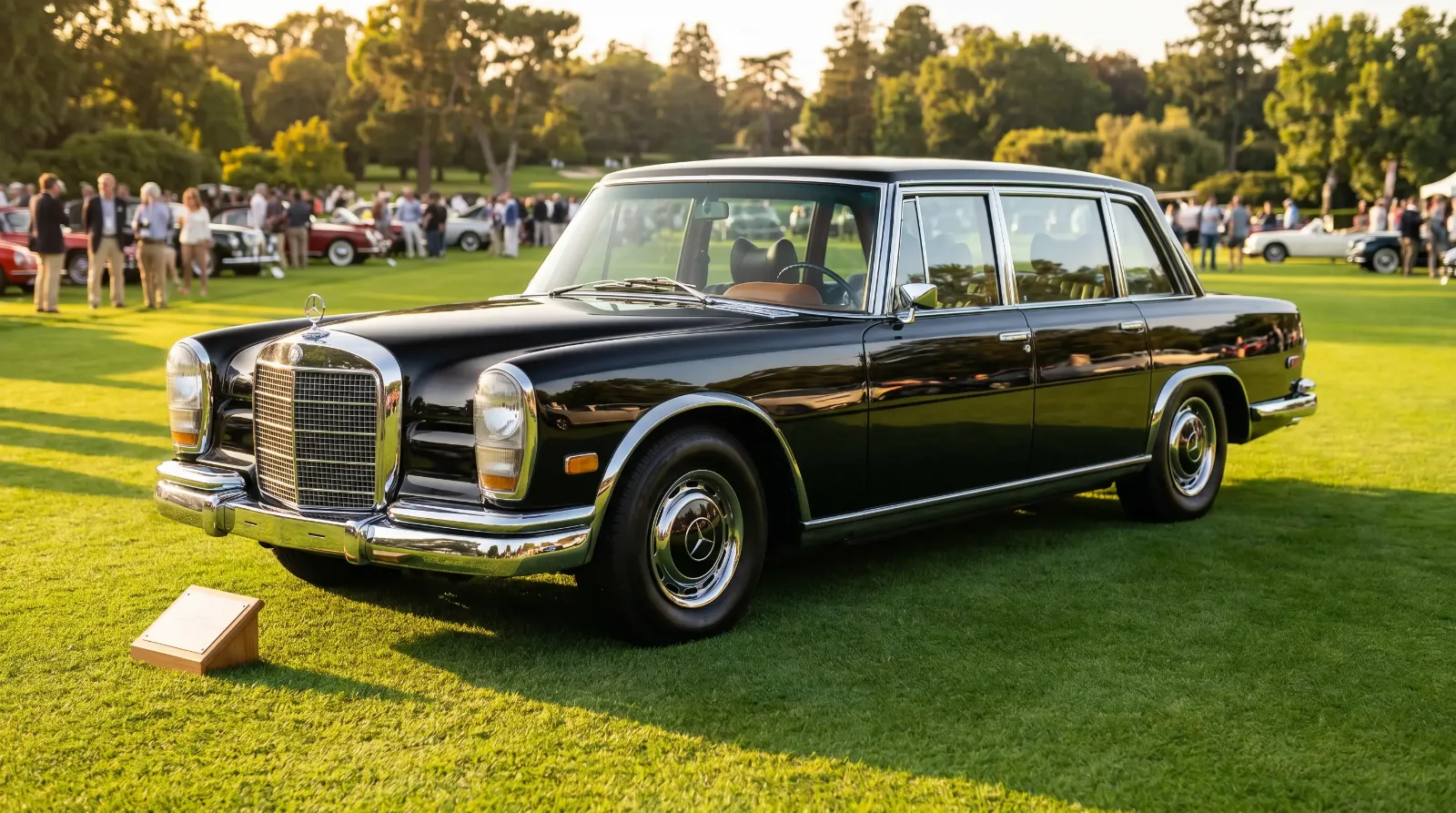
The market for these cars has moved enough over the past decade that old valuations are routinely stale. A policy written three years ago on yesterday's number is under-insured today. If you are working through how to buy a classic luxury car, treat the insurance as part of the purchase math, not an afterthought you handle the week you take delivery.
Agreed value is the only number that matters
The single most important term in collector car insurance is agreed value. On a standard auto policy, the insurer pays actual cash value at the time of loss, which means they depreciate the car and hand you their number, not yours. On a proper collector policy you and the insurer agree on a set value up front, document it, and that is what gets paid if the car is totaled. No depreciation argument, no lowball, no fight while you are already down a car.
Watch the language, because it is not all equal. Agreed value is a contractual figure fixed in the policy. Stated value, which sounds similar, often lets the insurer pay the lower of the stated amount or actual cash value, which defeats the entire purpose. On a high-value classic you want agreed value in writing, backed by a current appraisal or documented comparable sales. That is the difference between a settlement that makes you whole and one that funds half a replacement.
Collector policies cost less, and here is why
The counterintuitive part is that agreed-value collector coverage is usually cheaper than daily-driver insurance on the same car, not more expensive. Specialist carriers write these policies against a set of conditions that lower their risk, and they price accordingly. The trade is that you accept the conditions.
Those conditions typically include a mileage cap, a requirement that the car is not your daily transportation, a secure and enclosed storage requirement, and a clean driving record. Some carriers use a flexible or higher mileage tier for cars that get driven more, priced up from the base. The point is that the low premium is tied to limited, hobby use. If you plan to drive the car hard and often, tell the insurer, because a claim on a car used outside the policy terms is where coverage gets denied.
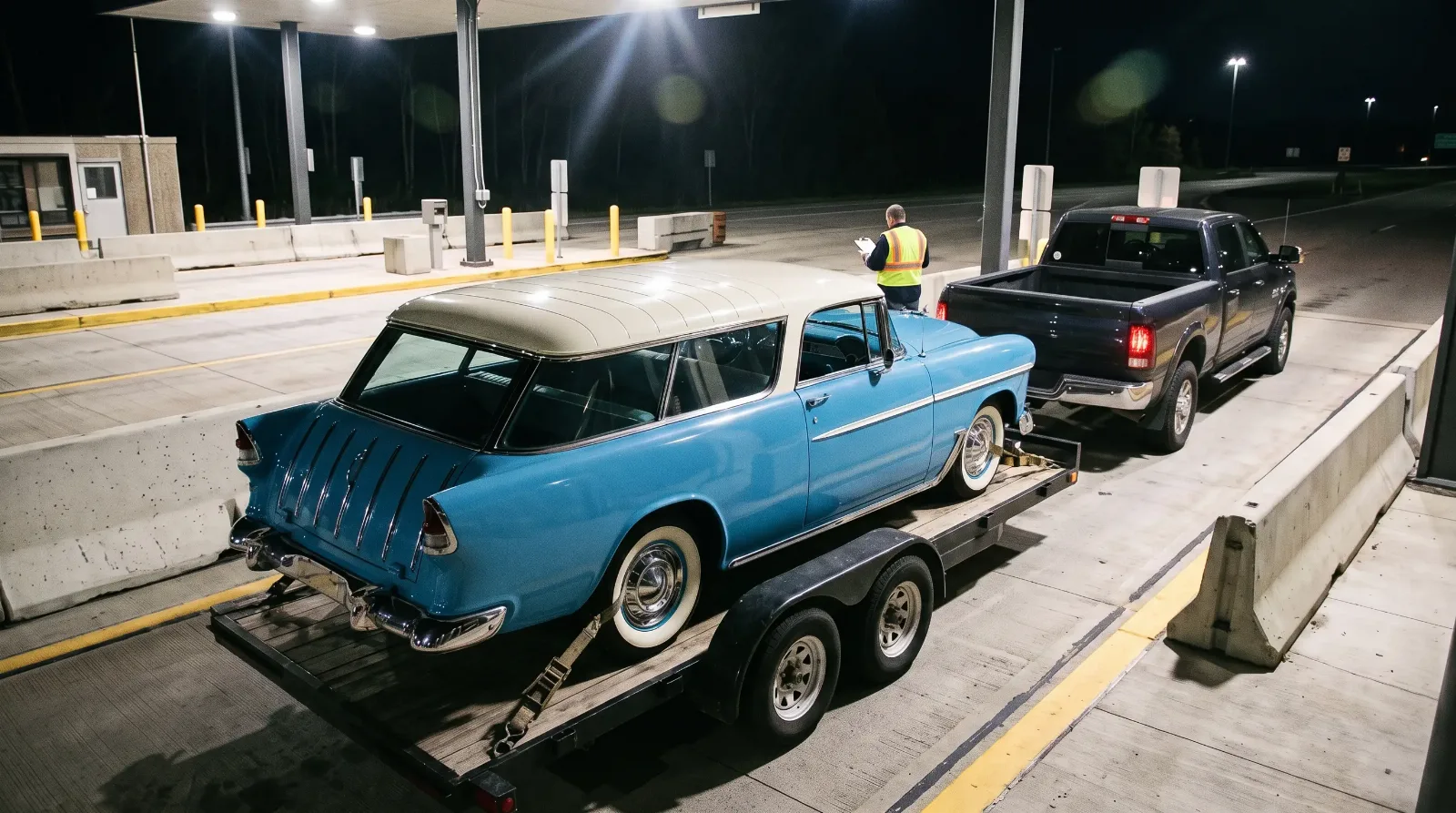
Good collector policies also bundle coverages a standard auto policy handles poorly or not at all. Many include agreed-value protection on spare parts and tools, coverage while the car is at a show or in transit on a trailer, and roadside assistance geared to classics rather than a flatbed that arrives with a hook and no soft straps. Some offer a diminishing or waived deductible for cars kept to the mileage terms. Read what is included, because two policies at the same premium can differ sharply once you are standing next to a broken-down car three states from home.
| Coverage type | How a total loss pays | Best for |
|---|---|---|
| Actual cash value (standard auto) | Depreciated market value set by insurer | Not appropriate for appreciating classics |
| Stated value | Often the lower of stated amount or ACV | Weak protection, read the fine print |
| Agreed value (collector policy) | The full documented value, no depreciation | High-value classic luxury cars |
Appraisals and keeping the value current
An agreed-value policy is only as good as the number behind it, and on these cars the number moves. When the segment appreciates, an old agreed value quietly turns into under-insurance, and you are the one exposed. The fix is a documented appraisal at purchase and a review whenever the market shifts or you complete significant work.
Use a qualified appraiser who knows the marque and can support the figure with recent comparable sales, not a round number pulled from a price guide. Keep the appraisal, the sales comps, service records, and photographs on file, because that documentation is what a carrier leans on if a large claim ever gets scrutinized. Revisit the agreed value roughly every two to three years on a stable car, and sooner on anything in a rising market. The cost of a fresh appraisal is trivial next to the exposure of carrying a stale one. Classic Cars Arena's appraisal guide explains which kind to order and what it should cost.
"I have watched owners insure a car for what they paid, then get genuinely surprised when the market ran and their agreed value was suddenly forty percent light. The premium difference to carry the right number is small. The gap at claim time is not. Insure the car for what it is worth today, not what you paid."
David Mercer
What to confirm before you bind coverage
Before you sign, get the terms in front of you and read the parts that only matter after a loss. The premium is easy to compare. The claim behavior is what separates a good policy from a cheap one.
Coverage is one of the recurring costs that makes a classic luxury car cheaper to buy than to own, and it belongs in the budget before you commit. Get the agreed value right, keep it current, and match the usage terms to how you actually plan to drive. With the car protected, the next decision is where you buy in the first place, so continue with next: Auction vs Private Sale.
Related Reading

Have a
Classic Car
for Sale?
Reach thousands of serious classic car collectors across the US.
Sell It Here →
Are You a Classic Car Dealer?
List your full inventory and connect with targeted classic car buyers.
Join as a Dealer →

About the author
David Mercer
Classic car market analyst with two decades of experience tracking collector car valuations, auction results, and investment trends.
More in Ownership & Lifestyle
Comments
Be the first to comment on this article.