
Two 1972 Cadillac Eldorados can sit fifty feet apart at the same auction and carry a price gap of five to one. Same year, same body, same running gear. The difference is condition tier, and in the classic luxury market that single variable moves more money than engine option, color, or mileage. Buyers who do not understand where a car sits on the scale from a usable driver to a show-judged example tend to overpay for one and underestimate the cost of turning the other into something it is not.
Ownership & Lifestyle
6 min read
Driver-Quality vs Concours-Quality Classic Luxury
What driver-quality and concours-quality really mean, why the price gap is so wide, and which condition tier most classic luxury buyers should target.
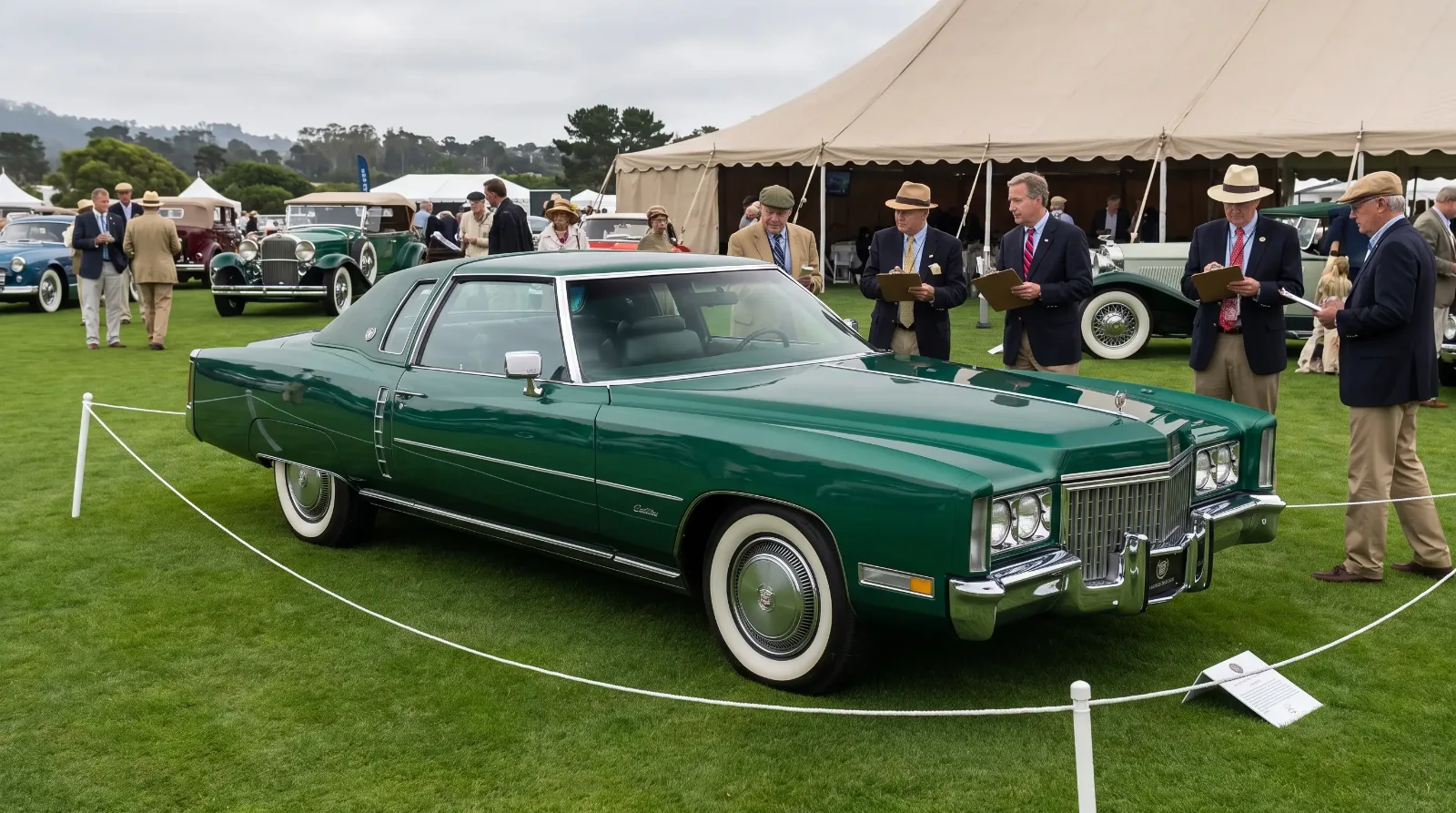
The hobby has a shorthand for this, borrowed from the condition scale most valuation guides use. A number 1 car is concours, essentially flawless. A number 2 is an excellent car with minor age. A number 3 is a solid, presentable driver. A number 4 is a rougher driver that needs work. The terms driver-quality and concours-quality sit at opposite ends of that range, and the money between them is where most buying mistakes happen. If you want the full framework around this, our the buying guide lays out how condition fits the rest of the decision.
What the two terms actually mean
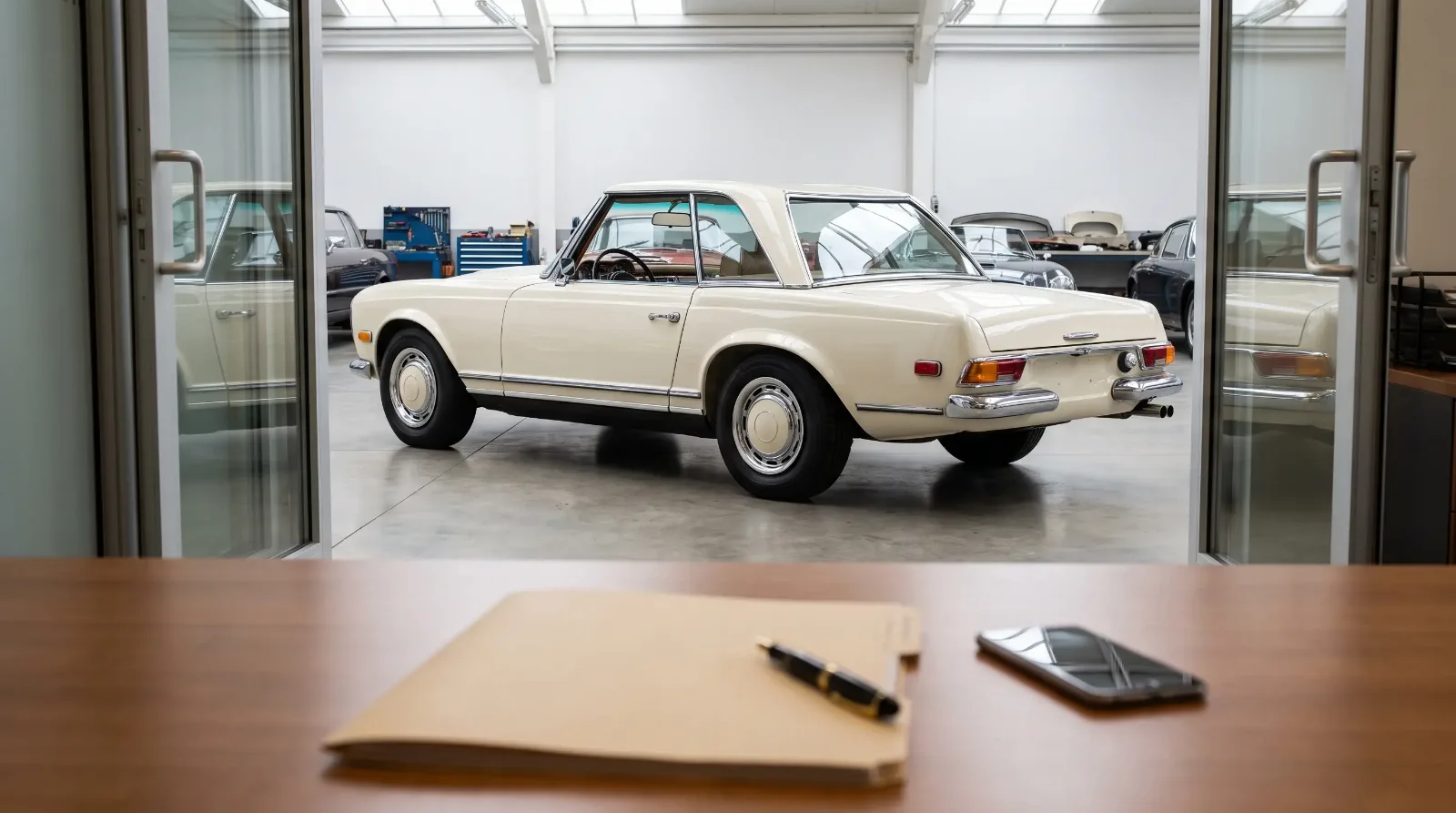
Concours-quality means a car restored or preserved to a standard where a trained judge deducts points for details most owners never notice. Correct plating finish. Date-coded glass. Paint that matches the factory process, not just the factory color. Underhood hardware finished the way the plant did it. A true concours luxury car has usually had tens of thousands of dollars spent chasing the last five percent, and that last five percent is where the cost curve goes vertical.
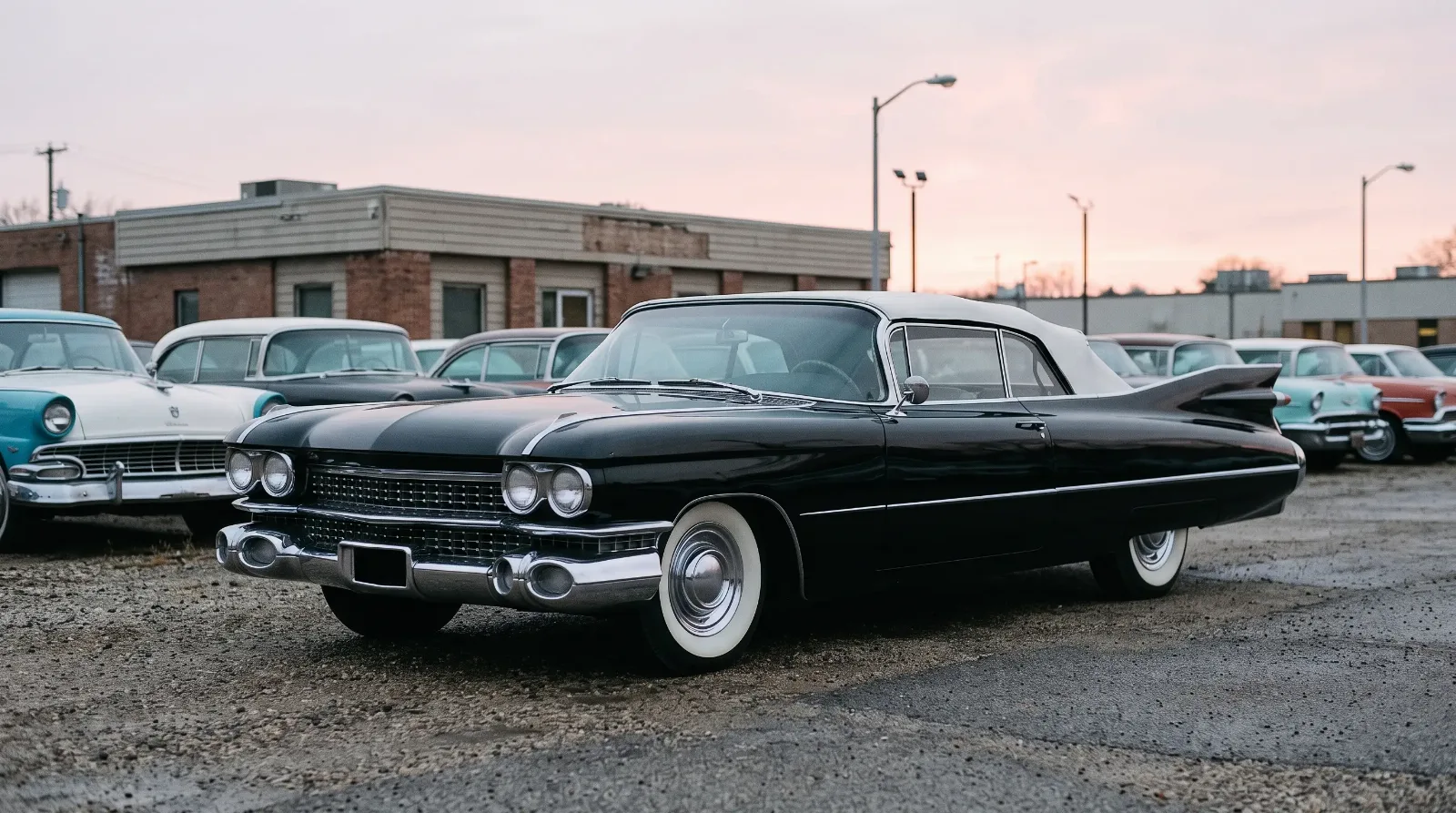
Driver-quality means a car you can get in and enjoy. The paint may be an older respray. The chrome shows light pitting. The interior is honest rather than perfect. Mechanically it runs and stops as it should, and cosmetically it looks good from normal viewing distance without pretending to be a trailer queen. For most buyers of classic luxury cars, this is the sweet spot, because the car does what these cars were built to do, which is cover ground in comfort.
Why the price gap is so wide
The market pays a steep premium for the top of the scale because supply thins fast up there. Take a mainstream classic luxury coupe from the 1970s. A number 3 driver might trade in the low-to-mid five figures depending on marque and options. A strong number 2 can bring well over that, often close to double. A genuine number 1 concours car can double the number 2 figure again or more, because the pool of cars restored to that standard is tiny and the cost to create one is brutal. The gap is not linear. Each step up the condition ladder costs more than the last, and the final step costs the most of all. Check recent auction results for your specific marque and model before you put a number on any of it.
"The most expensive mistake in this segment is buying a number 3 car at a number 2 price because it photographed well. The second most expensive is buying a number 2 and trying to make it a number 1. That last point of condition can cost more than the car."
David Mercer
Which one you should actually buy
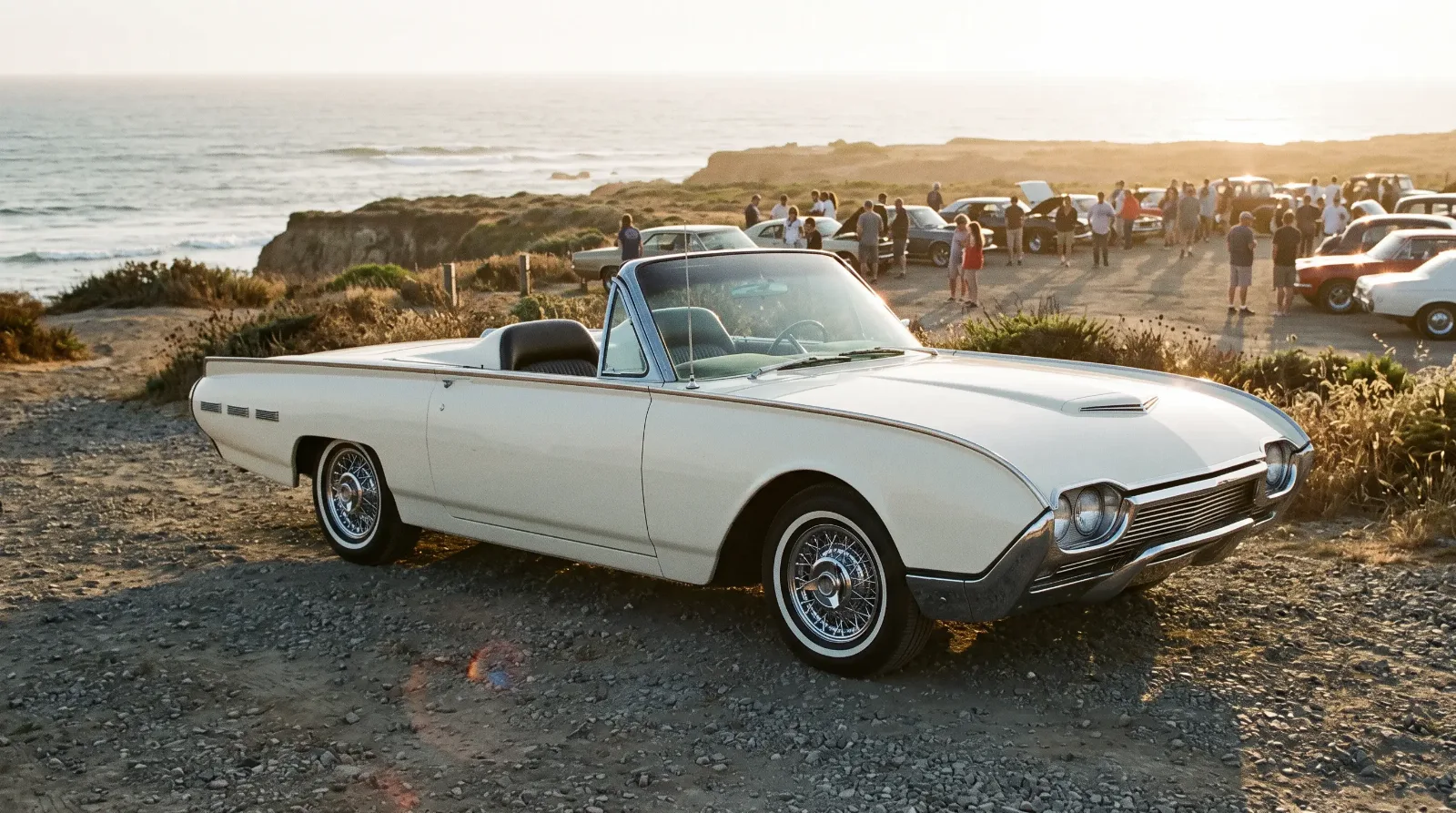
The honest answer is that most buyers should buy the driver and stop pretending they want the concours car. A number 2 or a strong number 3 gets you a car you can use without agonizing over a stone chip, and it protects you from the worst math in the hobby, which is paying concours money for a car that will never be judged. The concours car makes sense in two cases. You genuinely intend to show it and compete, or you are buying a blue-chip example where originality and top condition are what the market rewards at resale.
There is a further wrinkle that catches buyers of luxury cars specifically. Restoring one to concours standard costs far more than restoring a mainstream muscle car or sports car to the same tier, because the correct materials are low-volume specialist items. Correct-grain leather, real wood veneer, marque-specific brightwork, and factory-finish plating all cost more and take longer to source. That is why the concours premium on a luxury car can look steep and still not cover what the seller spent. It also means a half-finished restoration is often worth less than an honest, untouched driver, because the next owner has to redo the compromises the first restorer made.
| Factor | Driver-quality (No. 2-3) | Concours-quality (No. 1) |
|---|---|---|
| Typical use | Weekend driving, tours, events | Judged shows, static display |
| Cosmetic standard | Good at normal distance | Flawless under scrutiny |
| Relative cost | Baseline to 2x | 3x to 6x a driver |
| Ongoing worry | Low, use it and enjoy it | High, every mile is a risk |
| Best for | Most buyers | Showers and blue-chip cars |
How to protect yourself on price
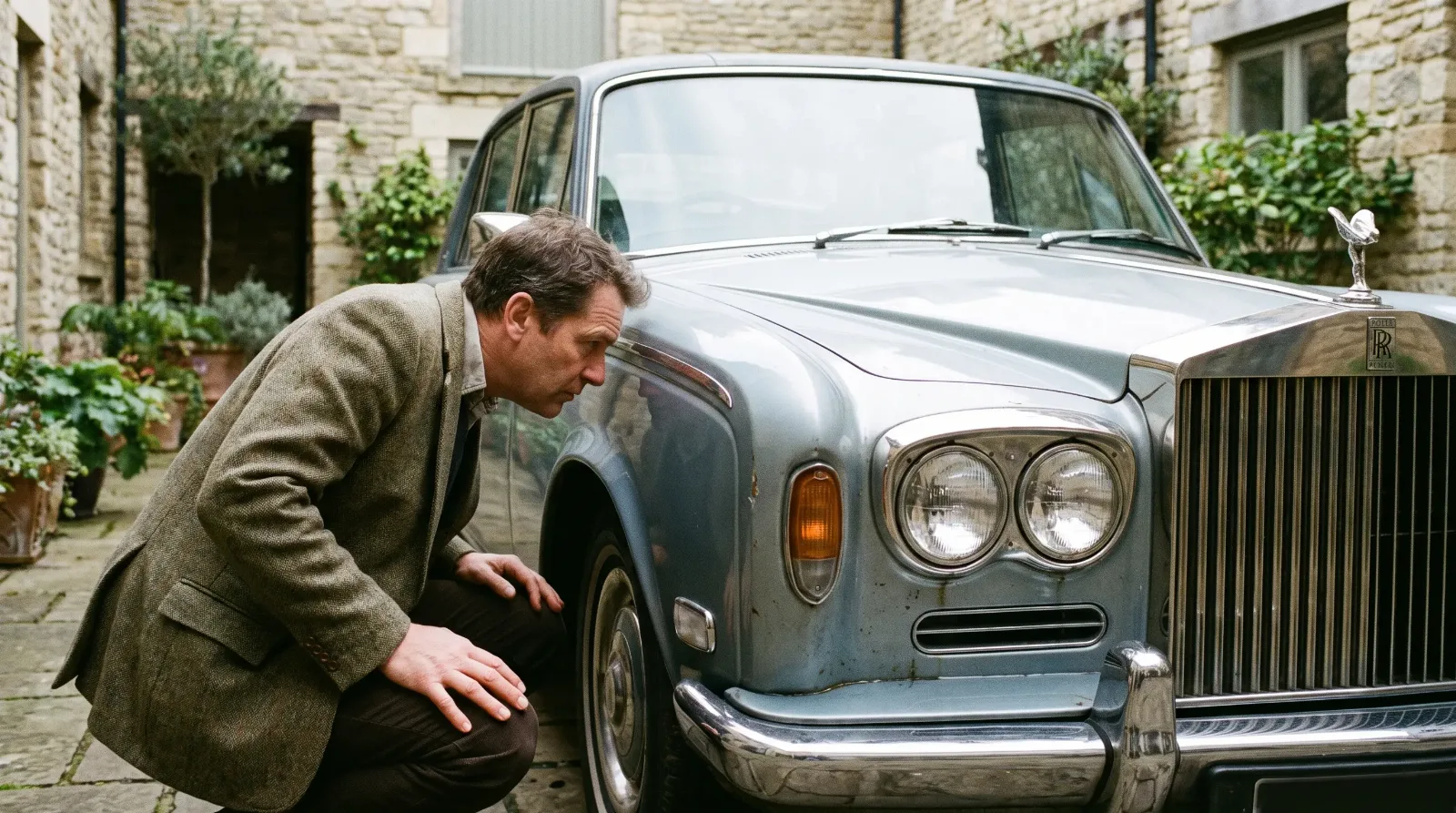
The defense is simple to say and hard to do. Grade the car honestly before you agree on a number, ideally with someone who has no stake in the sale. Sellers routinely describe a number 3 as a number 2, not always dishonestly, because owners see their own cars generously. Look at the areas that separate the tiers: panel gaps, the quality and age of the paint, the correctness of underhood finishes, and whether the interior is original or reproduction. Then price the car for what it is, not what the listing calls it.
Comparison shopping is the cheapest tool you have. Scanning the current classic luxury cars for sale across a range of asking prices trains your eye for where each condition tier actually sits, so you can spot a number 3 wearing a number 2 price tag before you write a deposit check.
Condition is only half the equation, though. Where a car spent its life shapes what condition even means, because a dry-climate car and a road-salt car age in completely different ways. That regional dimension is the subject of next: Regional Buying Considerations for Classic Luxury Cars.
Related Reading
Have a
Classic Car
for Sale?
Reach thousands of serious classic car collectors across the US.
Sell It Here →
Are You a Classic Car Dealer?
List your full inventory and connect with targeted classic car buyers.
Join as a Dealer →

About the author
David Mercer
Classic car market analyst with two decades of experience tracking collector car valuations, auction results, and investment trends.
More in Ownership & Lifestyle

Comments
Be the first to comment on this article.