
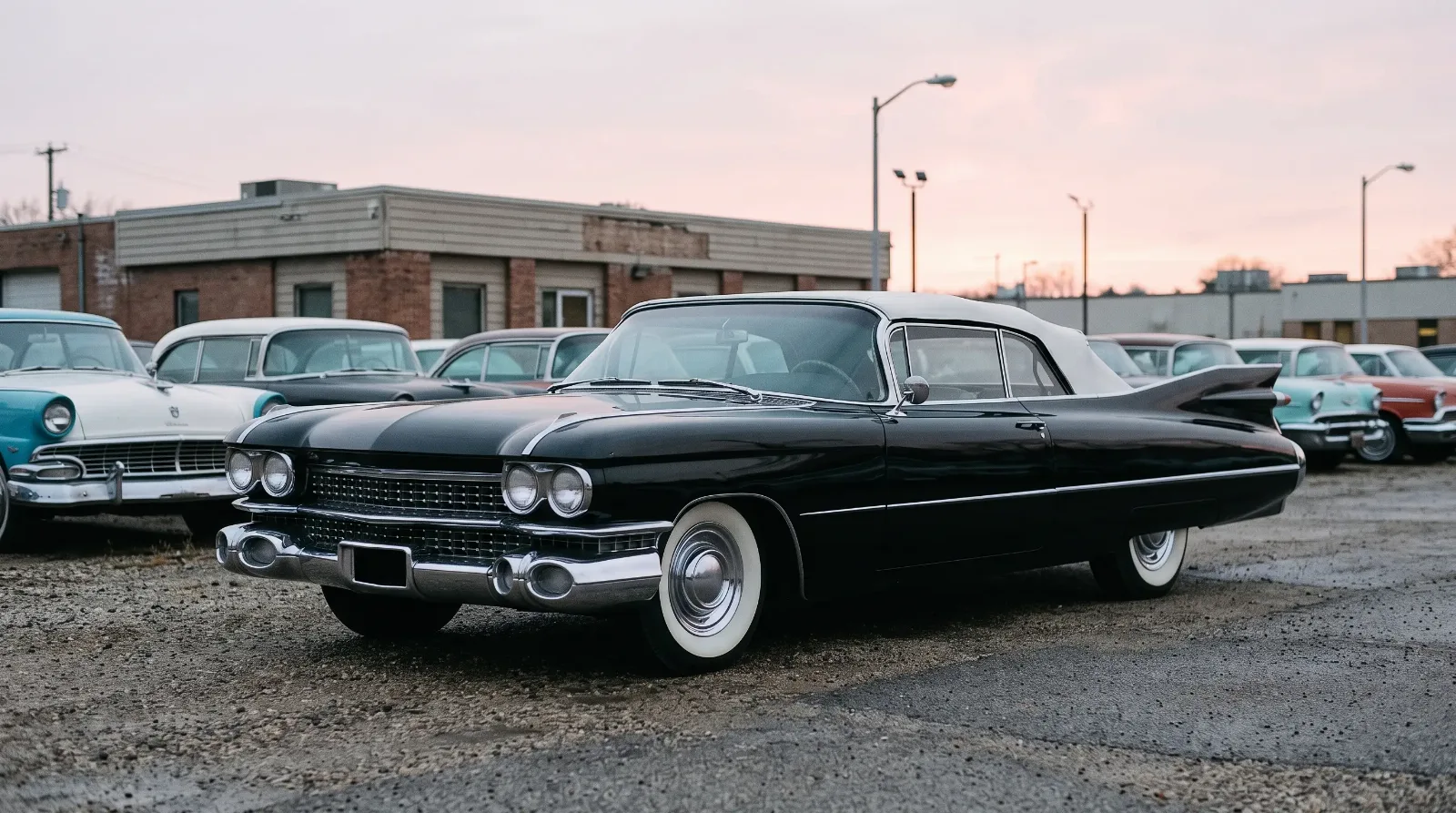
Where a classic luxury car spent the last fifty years tells you more about its real condition than the odometer does. A Cadillac that lived its whole life in Phoenix and a mechanically identical one that saw forty Michigan winters are not the same car, and no amount of fresh paint changes that. The rust belt and sun belt split is the first regional filter serious buyers apply, and it shapes everything from what you inspect to what you should pay. It also explains why so many restored northern cars hide problems that only surface after the deposit clears.
Ownership & Lifestyle
6 min read
Regional Buying Considerations for Classic Luxury Cars
Rust belt vs sun belt classic luxury cars: what road salt and UV each destroy, what to inspect first, and how region should shape what you pay.
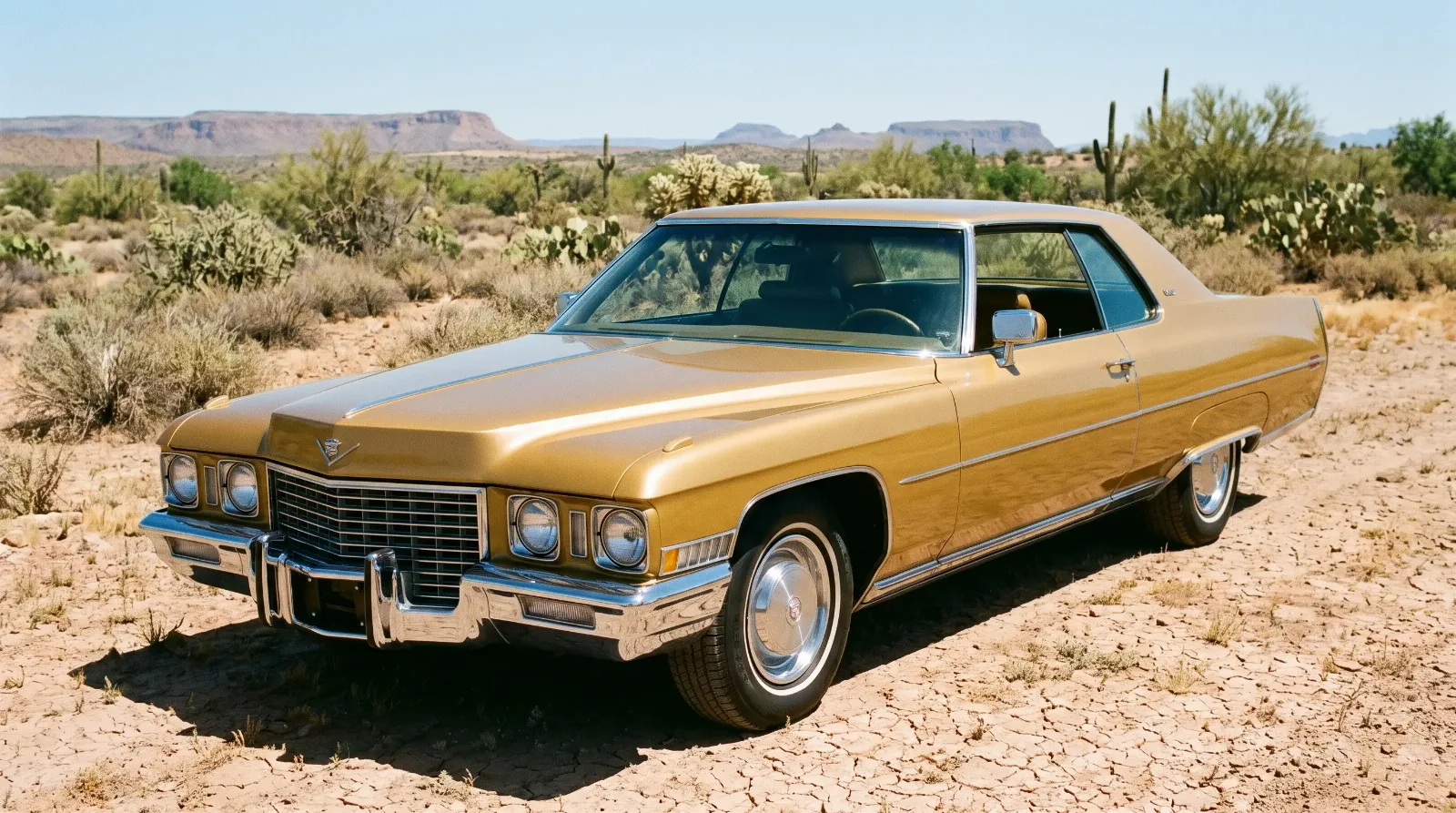
This matters more for heavy luxury cars than for most classics, because these were big, complex machines with a lot of steel, a lot of trim, and a lot of places for water and salt to hide. A thorough read of the complete buying guide covers the general inspection points. This piece is about the regional layer that sits on top of them.
Rust belt cars and what salt does
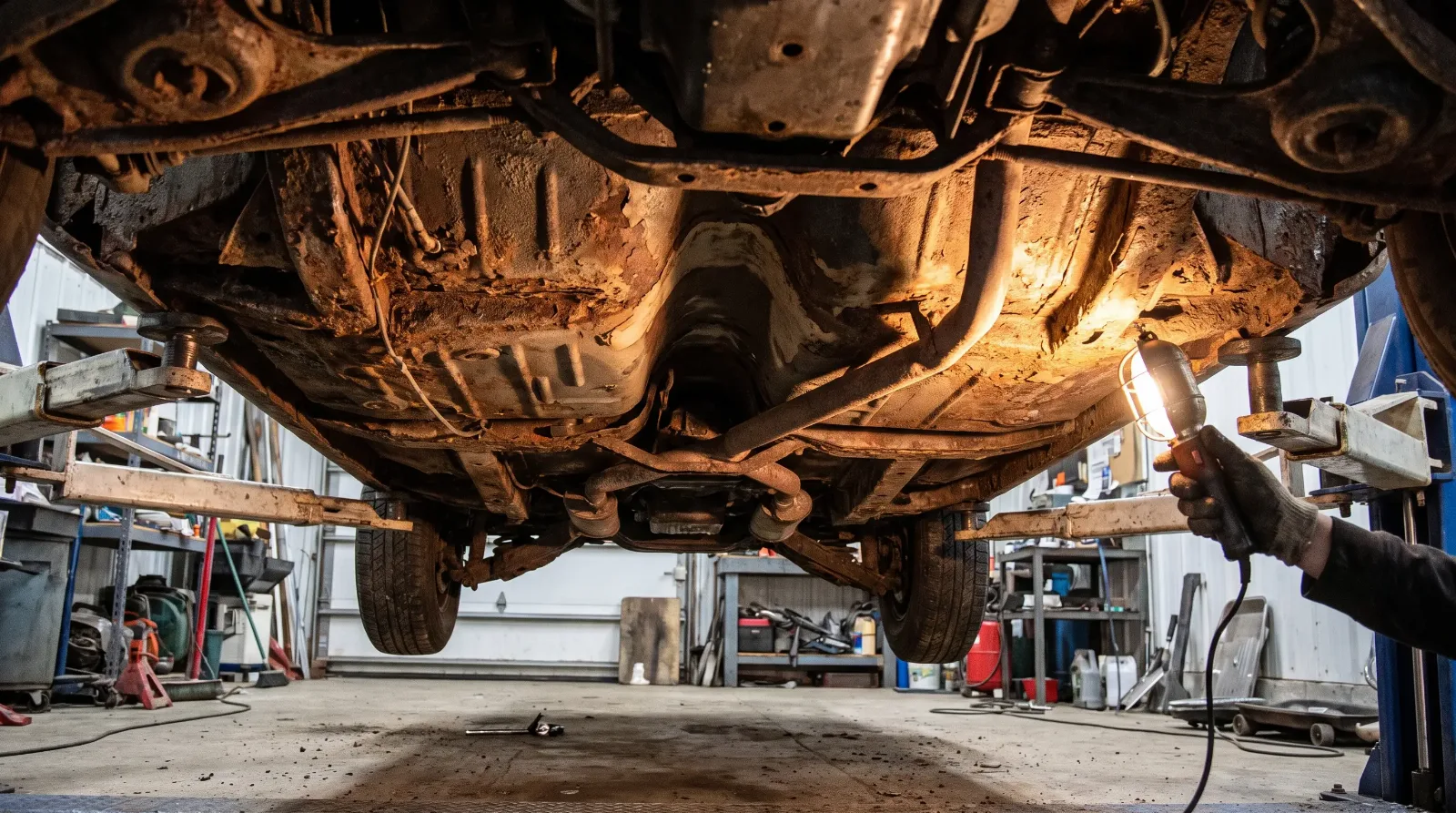
The rust belt runs roughly across the upper Midwest and Northeast, where road salt is used heavily through long winters. Salt is the enemy of any classic, and it attacks a luxury car in expensive places. Frame rails, floor pans, rocker panels, trunk floors, and the lower sections of doors and fenders corrode from the inside out, so by the time you see bubbling paint the metal behind it is often past saving. On a body-on-frame luxury car, frame rot is the finding that can total the project outright, because a compromised frame is a structural repair, not a cosmetic one.
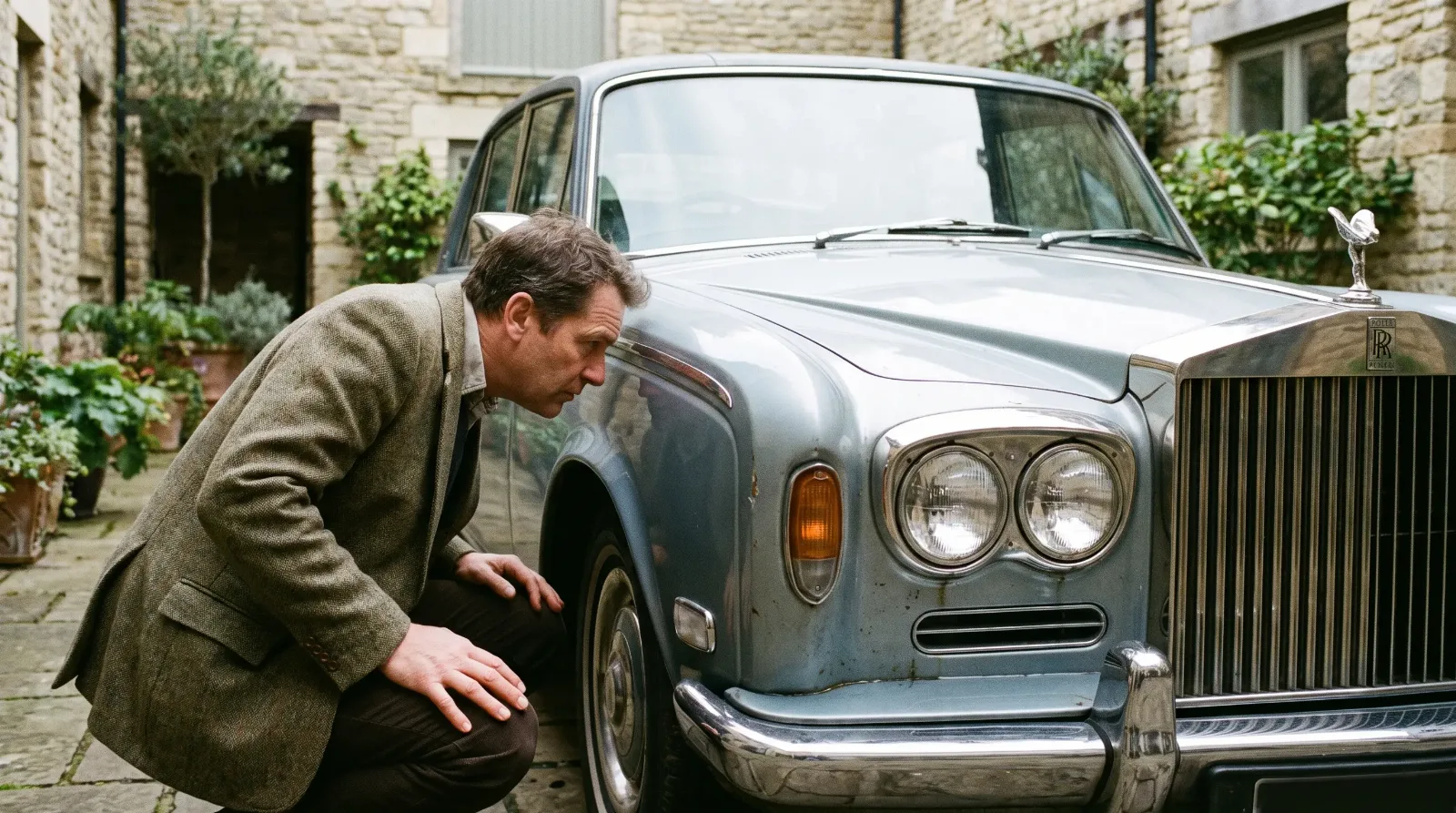
None of this makes a northern car a bad buy automatically. Plenty were stored well, driven only in summer, or rescued early. But the burden of proof is higher. A northern car needs to be inspected from underneath with a light and a probe, not admired from the driver's seat. And a northern car that has already been through rust repair needs that work verified, because a quick cosmetic patch over corroded metal is common and the corrosion keeps working underneath.
Sun belt cars and the trade-offs people ignore
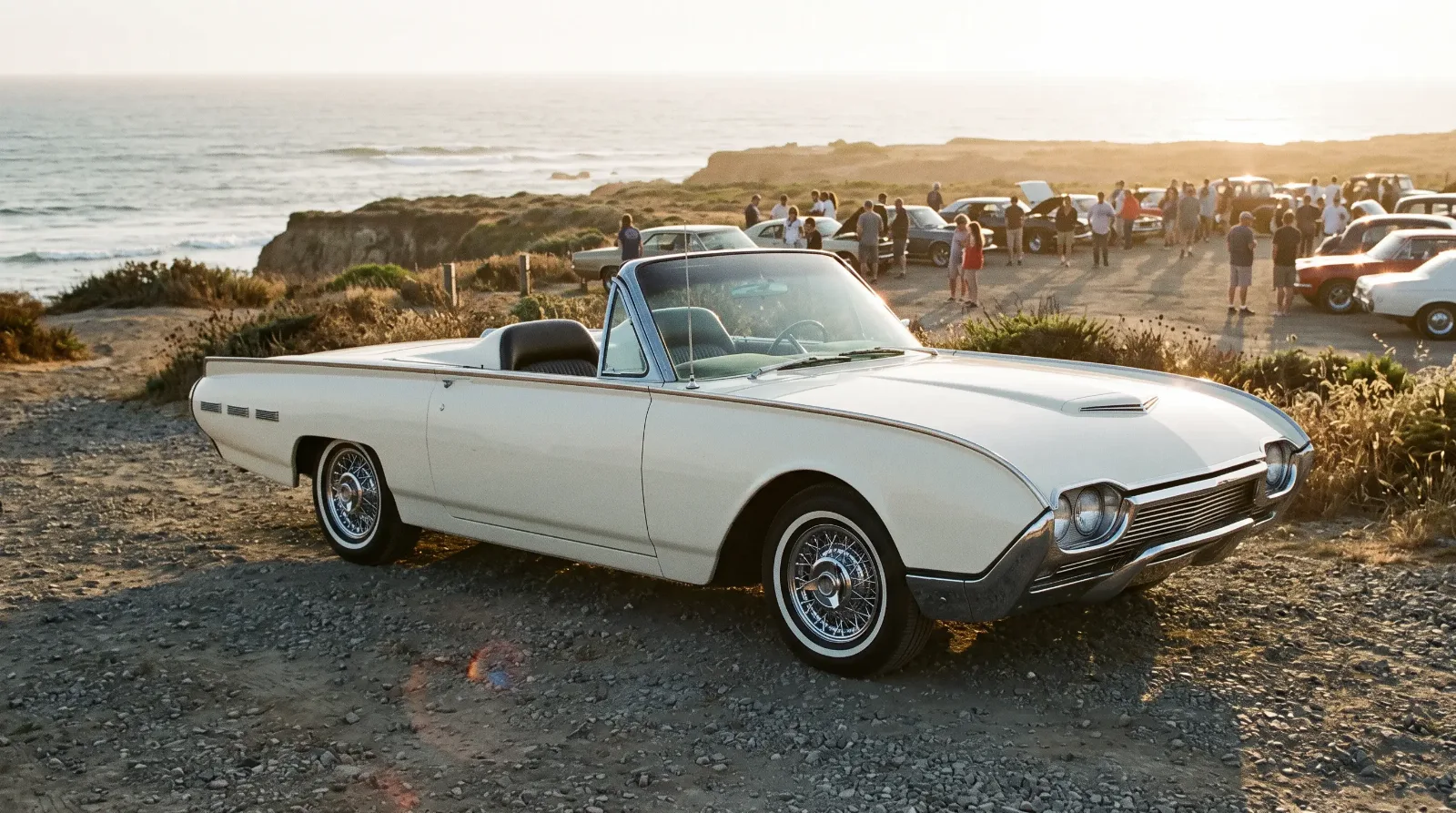
The sun belt, across the South and Southwest, is prized because the dry climate slows rust dramatically. A car from Arizona, Nevada, or inland California often has clean floors and a solid frame even at high age, which is why buyers pay a premium for documented dry-climate cars. That premium is real and usually justified. But dry-climate cars are not free of problems, and buyers who assume sun belt means perfect miss the other half of the picture.
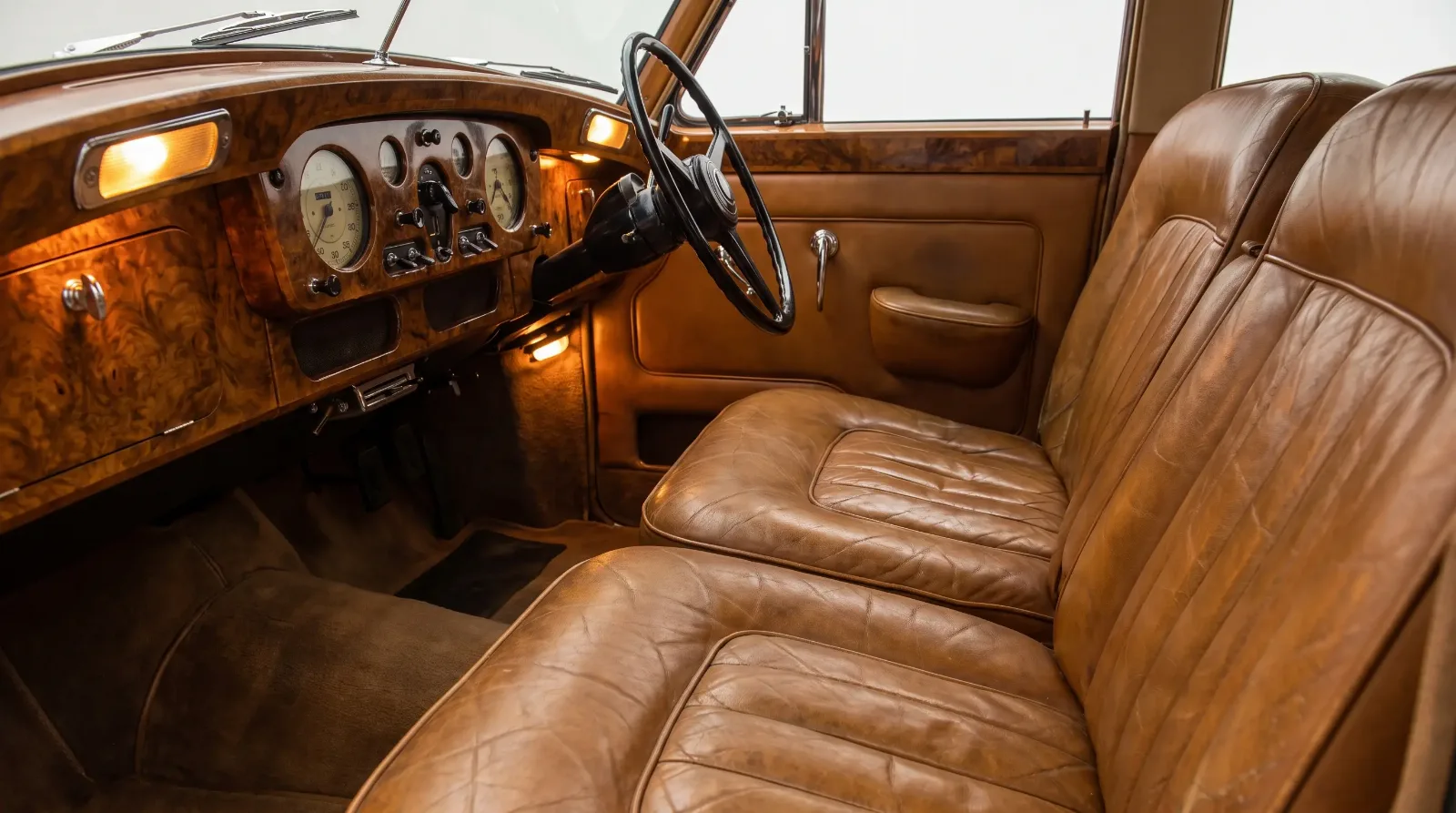
Sun and heat destroy the things that make a luxury car luxurious. Decades of UV bleach and crack leather, split dashboards, fade carpets, and harden rubber seals until they leak. Convertible tops and vinyl roofs bake and tear. Interior restoration on a high-end car is not cheap, and a correct leather interior, wood refinishing, and new weatherstripping can run well into five figures on the wrong car. So the northern car risks the metal and the southern car risks the trim, and you price each accordingly.
🔧 Inspection Priorities
- Frame and floors on any northern car. Get underneath with a light and a probe. Frame rot on a body-on-frame luxury car can end the project, and repair runs into the thousands even when it is possible.
- Rust repair quality on rebuilt cars. Verify past corrosion work rather than trusting fresh paint. A cosmetic patch over bad metal keeps corroding and is a hidden liability.
- Interior and trim on any southern car. Check leather, dash, seals, and top for UV damage. A correct interior restoration on a luxury car can reach five figures.
- Rubber and glass seals everywhere. Hardened, cracked weatherstripping lets water in and is expensive to source correctly for older luxury marques.
"I would rather buy a sun belt car with a tired interior than a rust belt car with fresh paint. Trim is money and time. Frame rot can be the end of the story. Buy the metal first, because you can always redo the leather."
David Mercer
The cost of buying at a distance
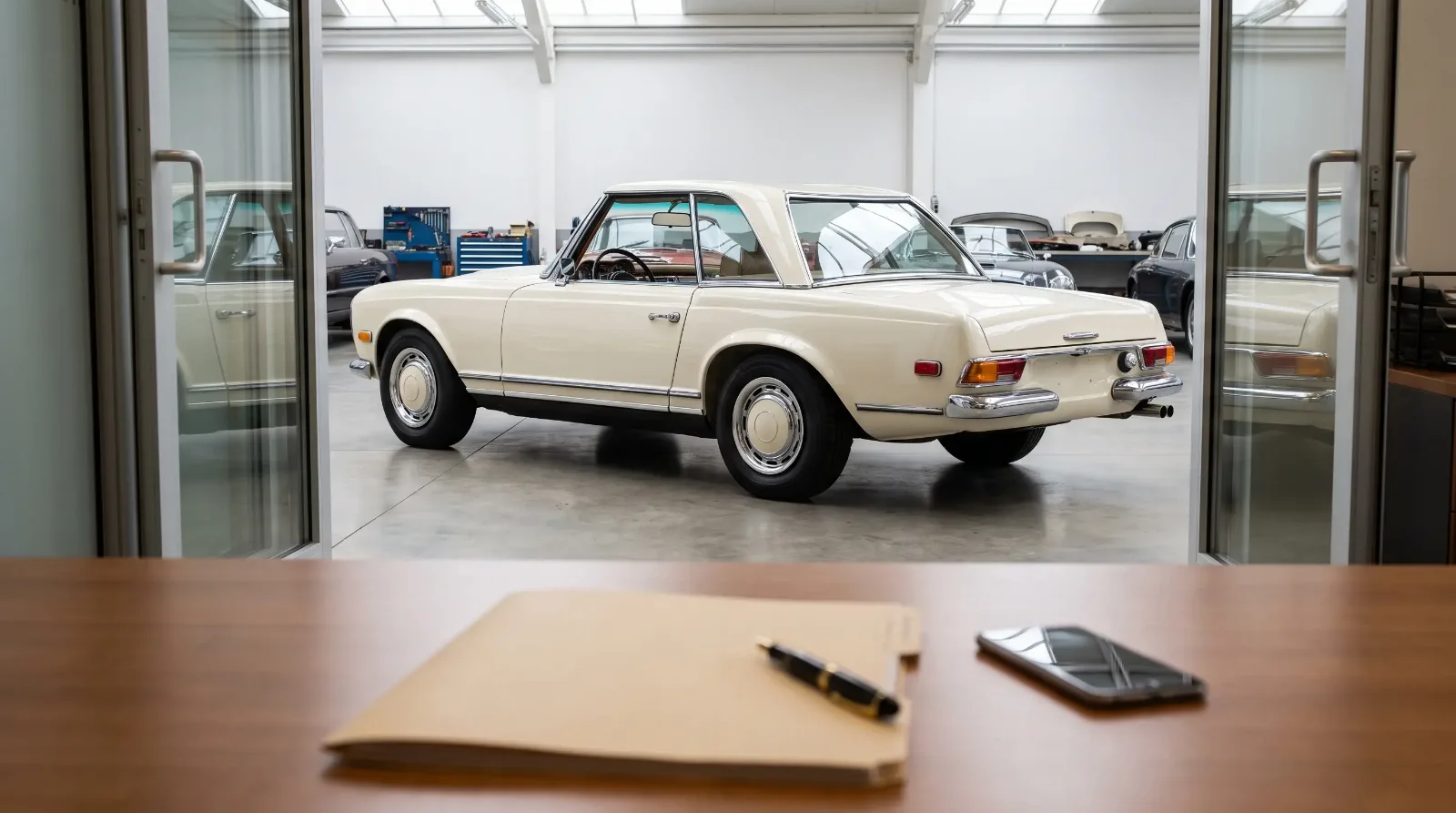
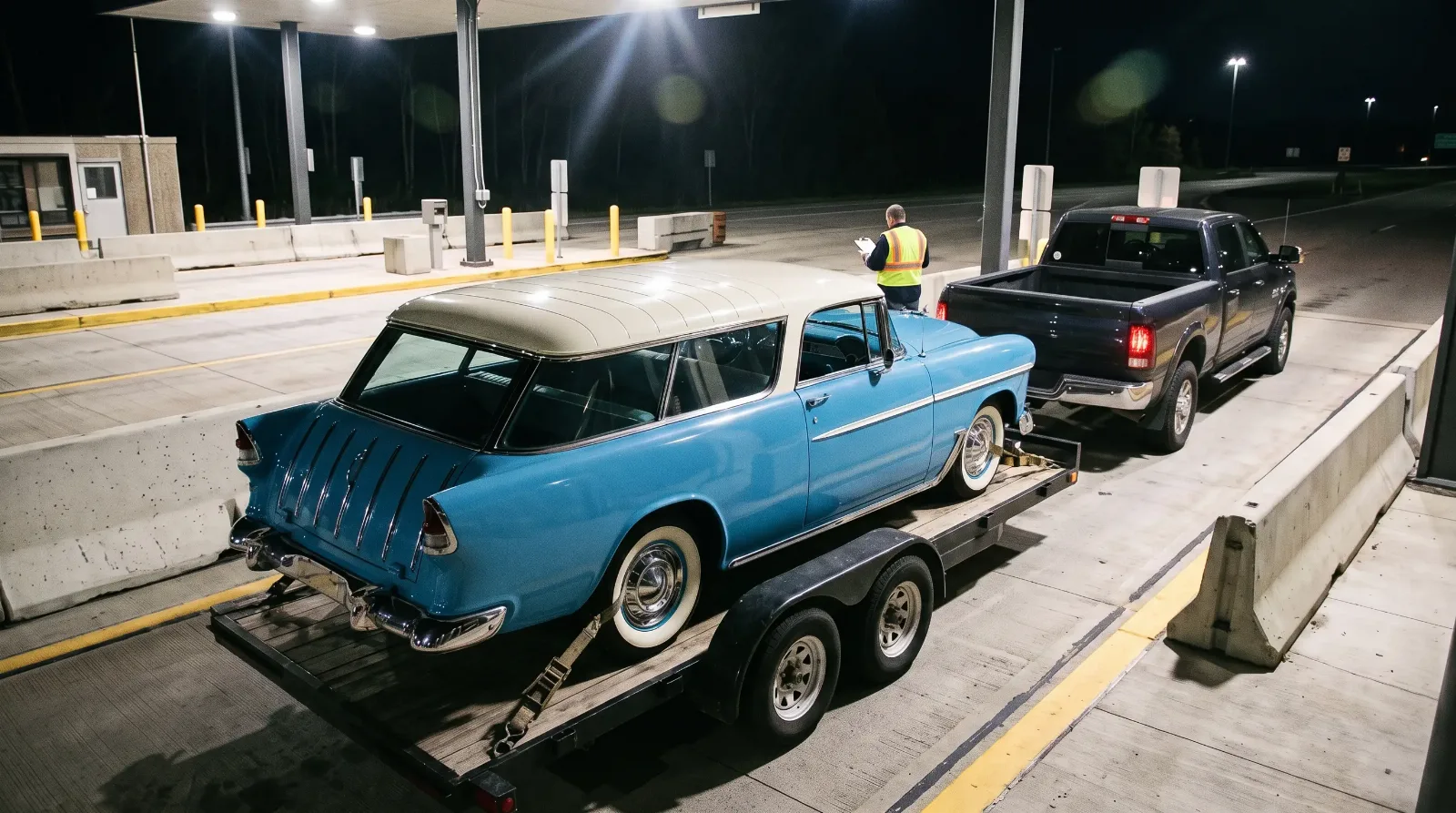
Region also shapes the transaction itself. The best examples of a given marque often sit far from where you live, which means the sun belt car you want may be two thousand miles away. Enclosed transport for a valuable classic typically runs a couple thousand dollars or more cross-country depending on distance and season, and that cost belongs in your budget from the start, not as a surprise at the end. A pre-purchase inspection by a local specialist, usually a few hundred dollars, is the cheapest insurance you can buy on a distant car and routinely pays for itself by catching a problem the photos hid.
| Factor | Rust belt car | Sun belt car |
|---|---|---|
| Main risk | Frame, floors, rocker corrosion | UV damage to trim and interior |
| Cheapest to fix | Nothing structural is cheap | Interior, though still five figures |
| Inspect first | Underside with light and probe | Leather, dash, seals, top |
| Typical premium | Discount for corrosion risk | Premium for clean metal |
How to weigh region against price
The practical rule is to match the car's origin to your appetite for the two kinds of work. If you have a trusted upholsterer and a trim budget, a solid-metal southern car with a rough interior can be a smart buy at a fair discount. If you cannot stomach frame work, do not talk yourself into a cheap northern car because the price looks good, because the price looks good for a reason. Comparing asking prices across regions on the current classic luxury cars for sale shows how the market discounts corrosion risk and rewards clean underbodies, which helps you judge whether a given car is priced for what it really is.
Once you have settled the regional question, the next place a luxury car reveals its history is the cabin, where wear tells you how the car was used and what restoration will cost. That is the focus of next: Evaluating Interior Condition in a Classic Luxury Car.
Related Reading
Have a
Classic Car
for Sale?
Reach thousands of serious classic car collectors across the US.
Sell It Here →
Are You a Classic Car Dealer?
List your full inventory and connect with targeted classic car buyers.
Join as a Dealer →

About the author
David Mercer
Classic car market analyst with two decades of experience tracking collector car valuations, auction results, and investment trends.
More in Ownership & Lifestyle
Comments
Be the first to comment on this article.