
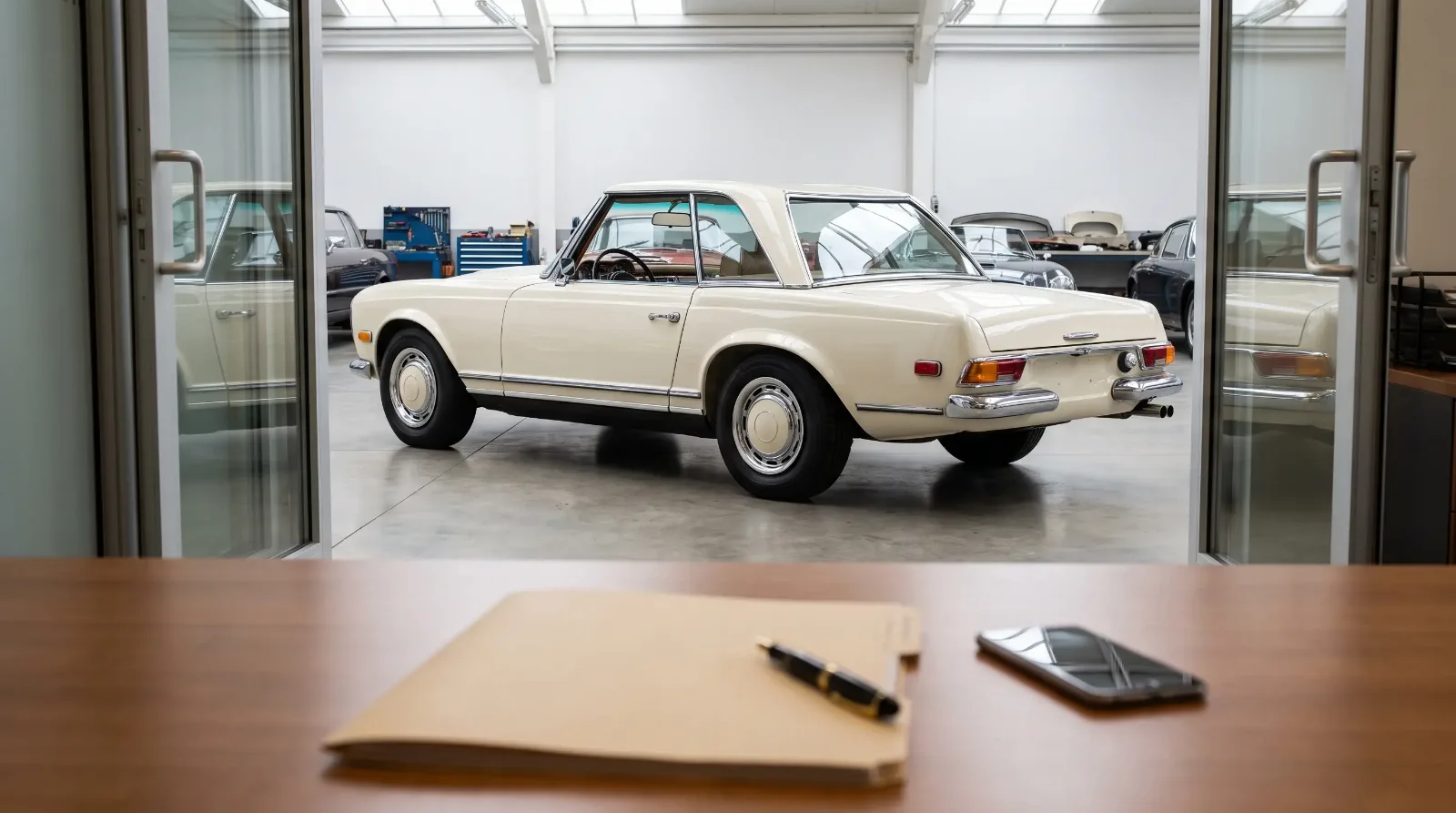
A large share of the desirable classic luxury cars in America never came through a factory US distributor. Mercedes-Benz, BMW, Jaguar, Rolls-Royce, Bentley, and Porsche models built for European or other overseas markets arrived through the grey market, a legal parallel channel that imported cars directly and then converted them to meet US rules. Through the 1980s the economics made sense often enough that tens of thousands of cars came in this way. That history still moves prices today, and if you are shopping the segment it pays to know which car you are actually looking at.
Ownership & Lifestyle
6 min read
Grey-Market Imports: What Luxury Classic Buyers Should Know
How grey-market classic luxury cars reached America, why the window closed, and the conversion paperwork to check before you buy an imported example.
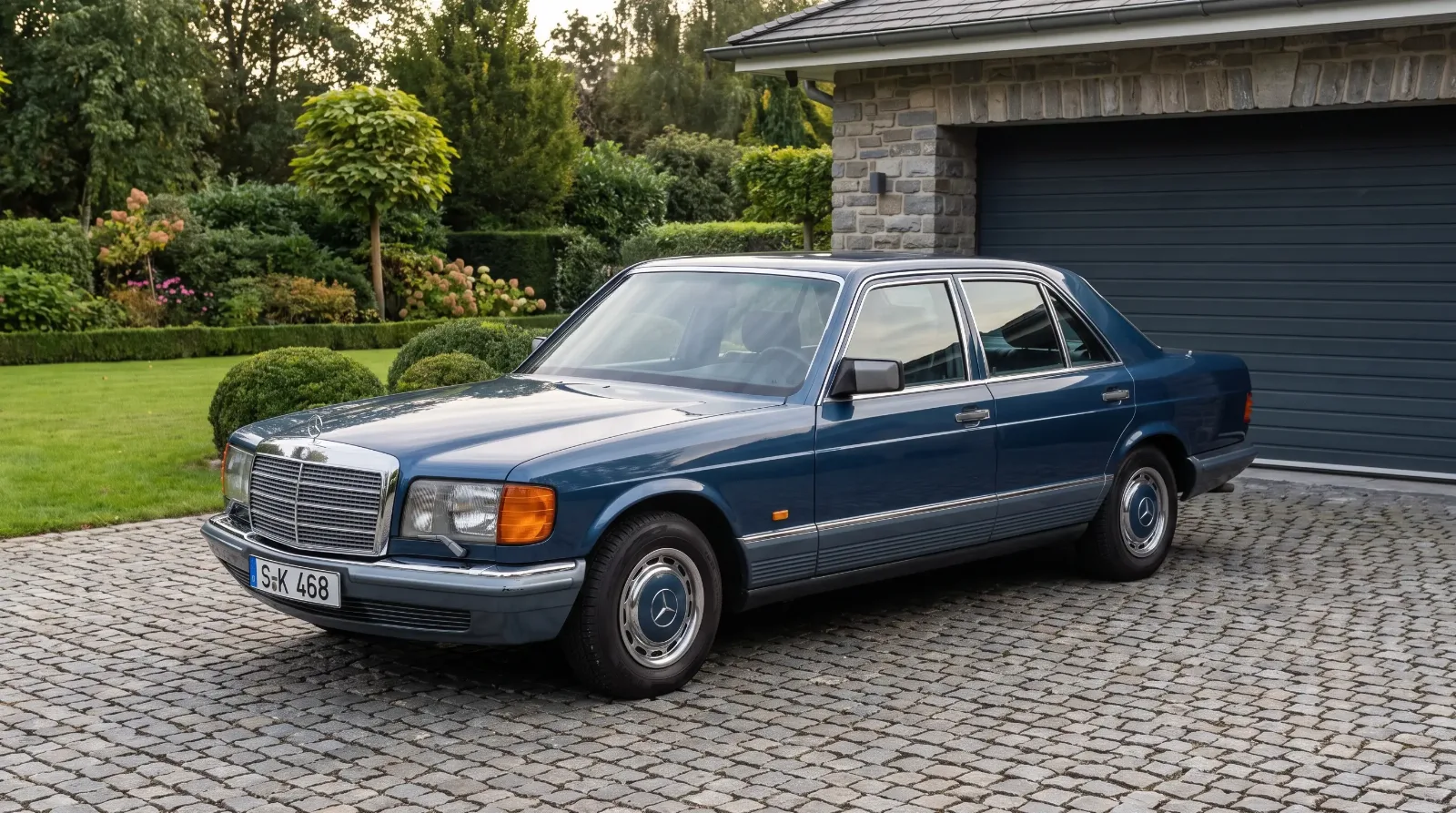
The phrase gets misread constantly, so define it precisely. A grey-market car is not a stolen or smuggled car. It is a legally imported vehicle brought in by an independent importer or a private buyer, then federalized to satisfy US standards. That distinction runs through everything that follows, because it controls how the car is titled, insured, and valued. If you want the wider context on where imports sit in the segment, start with a clear sense of how to buy a classic luxury car before you narrow down to an imported example.
Why the grey market existed
The engine of the whole thing was arbitrage. A European-market car could be bought abroad and imported for meaningfully less than the US list price of the federalized equivalent, even after conversion costs. Currency swings through the early and mid-1980s widened that gap at times, and a strong dollar against the Deutsche Mark made German cars especially attractive to bring over. Add specifications never officially sold in the States, and a real market formed for buyers willing to trade paperwork for savings.
There was also a genuine car-quality argument. A home-market car had not been altered for US sealed-beam headlamps, the heavier 5-mph bumpers mandated here, or emissions hardware that could soften throttle response. Some buyers wanted the car exactly as the factory built it and accepted the compliance burden to keep it that way. That preference is why certain grey-market examples still hold a following among purists, provided the conversion was done sympathetically and the documentation survived.
What federalization actually required
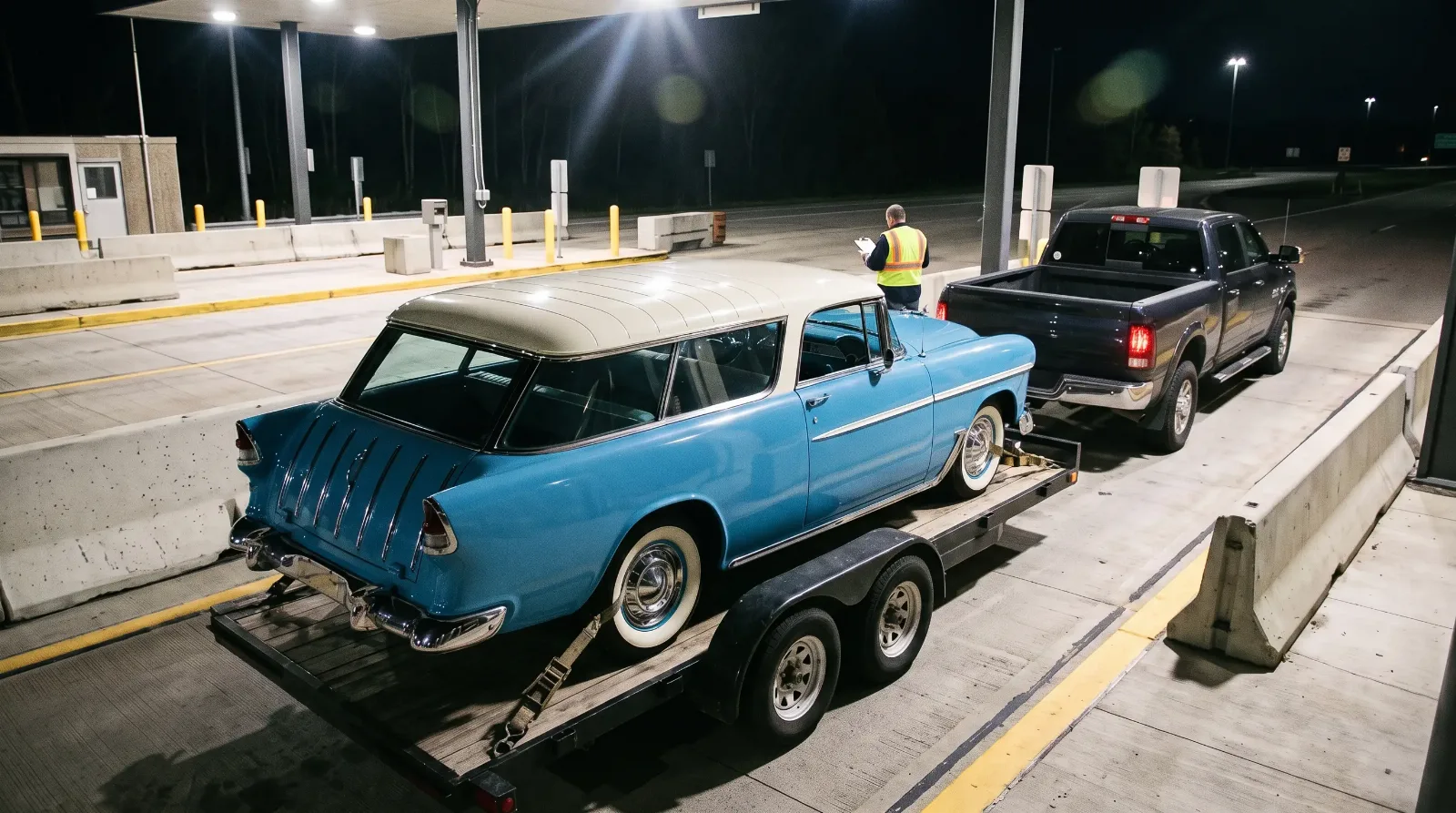
To register an overseas car here, it had to clear two separate federal regimes, and this is where buyers should slow down. On safety, the car had to meet the Federal Motor Vehicle Safety Standards administered through NHTSA, covering lighting, bumpers, and glazing. On emissions, it had to satisfy the EPA. A car could pass one and fail the other, and both had to be cleared before the vehicle could be legally titled. Some conversions were done well by competent shops. Plenty were done badly, and a poor federalization job still surfaces in the market decades later as mismatched hardware, hacked wiring, or a title that raises questions.
🔧 Inspection Priorities
- The conversion file. A complete, legible federalization record with the shop named is worth more than any cosmetic detail. A thin folder should knock money off the price, not be waved away.
- Lighting and bumpers. Check whether US-market headlamps and bumpers were fitted crudely or cleanly. A butchered conversion can cost several thousand dollars to correct and often signals what else was rushed.
- Emissions hardware. Confirm what was added or removed to pass. Missing or improvised emissions equipment can block registration in stricter states and is expensive to reverse.
- Title and VIN consistency. Make sure the VIN, title, and import paperwork agree. A discrepancy here is a resale and insurance problem, not a footnote.
"A grey-market car lives or dies on its conversion paperwork. Two identical cars can be worlds apart in value if one has a clean, documented federalization file and the other has a folder full of question marks. The mechanical condition can be excellent and the title can still cost you at resale."
David Mercer
Why the window closed
The casual grey market largely ended when federal law tightened at the close of the 1980s. The Imported Vehicle Safety Compliance Act of 1988, effective at the start of the 1990s, restructured how non-conforming vehicles could enter, requiring importation through a registered importer against a recognized compliance path rather than by any private buyer with a willing shop. That change cut the flow sharply. Separately, the well-known 25-year rule exempts a vehicle from the DOT safety standards a newer car must meet once it passes that age, which is why older imports now move so much more easily than cars stuck in the awkward middle. Many of the very cars that once came in grey are now old enough to import without the original headache. The EPA, for its part, handles age exemptions separately, generally for vehicles at least 21 years old in original configuration.
| Consideration | Official US import | Grey-market import (1980s) |
|---|---|---|
| Channel | Factory US distributor | Independent importer or private buyer |
| Specification | US-federalized from the factory | Overseas spec, converted after arrival |
| Typical appeal | Warranty, support, resale ease | Lower entry price, unavailable specs |
| Main risk | Higher purchase cost | Conversion quality, documentation gaps |
| Status after 1990 | Continued | Largely curtailed by law |
What it means for a buyer now
Documentation is the whole game. A car with a complete federalization history, a clean title, and records of who did the conversion is a fundamentally more liquid asset than one with gaps, and the price should reflect that difference. Expect a well-documented grey-market car to trade at a modest discount to a domestically delivered equivalent, and expect a poorly documented one to trade at a real discount, often 15 to 30 percent below a clean-paperwork car of the same condition, because you are pricing in future friction. None of this makes a grey-market car a bad buy. Many are well sorted and correctly converted, and the segment can offer value. The due diligence is simply weighted toward paperwork and provenance rather than condition alone.
Before you commit, it helps to see how the market prices documentation across the segment. Browsing the current classic luxury cars for sale shows how asking prices move with a car's paper trail, and it is a cheap education compared with buying the wrong car. For the deeper background on why these marques carry the weight they do, read the complete classic luxury car story.
Imports are only one variable in this segment. The next one that separates a good buy from a money pit is condition tier, the gap between a car you drive and a car judged at a show, which is the subject of next: Driver-Quality vs Concours-Quality Classic Luxury.
Related Reading
Have a
Classic Car
for Sale?
Reach thousands of serious classic car collectors across the US.
Sell It Here →
Are You a Classic Car Dealer?
List your full inventory and connect with targeted classic car buyers.
Join as a Dealer →

About the author
David Mercer
Classic car market analyst with two decades of experience tracking collector car valuations, auction results, and investment trends.
More in Ownership & Lifestyle
Comments
Be the first to comment on this article.