
The classic luxury car auction vs private sale question comes down to what you are willing to trade. An auction gives you a deadline, a crowd, and a hammer that falls whether you are ready or not. A private sale gives you time, room to negotiate, and the burden of doing all the legwork yourself. Neither is automatically the smart buy. The right channel depends on the car, the documentation, and how much homework you have actually done.
Ownership & Lifestyle
6 min read
Auction vs Private Sale: Buying a Classic Luxury Car
Classic luxury car auction vs private sale, buyer's premiums, inspection access, provenance, and how to match the channel to the car you want.
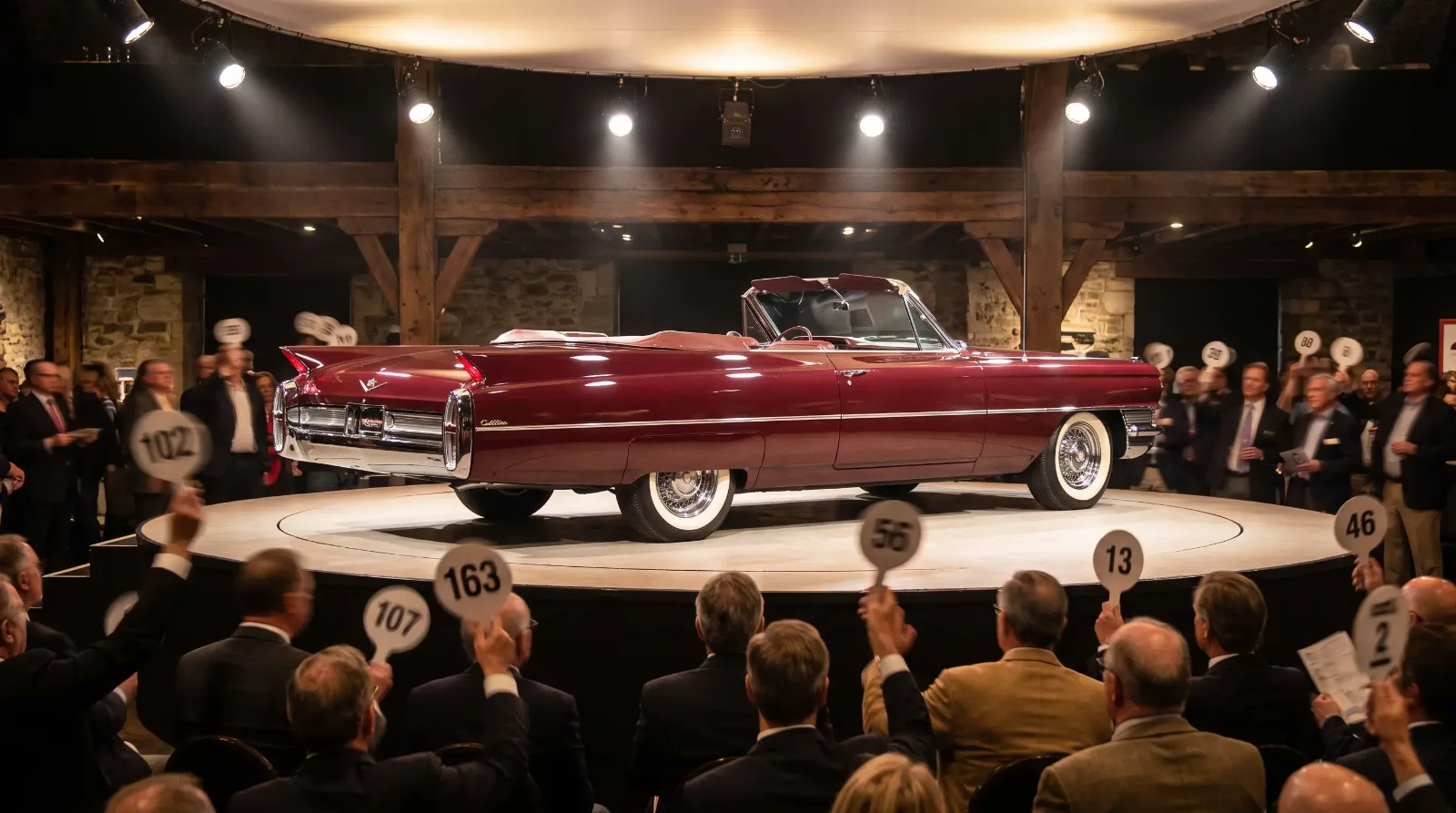
I have tracked results at Scottsdale, Monterey, and the online sales for years, and the same pattern holds. Buyers who understand the mechanics of each channel pay fair money. Buyers who wander into an auction on adrenaline, or into a private deal without an inspection, are the ones who overpay. If you have worked through the buying guide, this is the decision that puts it into practice.
What the auction actually costs

The headline number at an auction is never the number you pay. On top of the hammer price sits the buyer's premium, which at the major collector houses typically runs somewhere around 10 to 15 percent, depending on the house and the price of the lot. On a $150,000 hammer, that premium alone is real money, and it is not negotiable. Add applicable sales tax and any transport, and the all-in cost climbs well past what the room heard called out.
The other cost is time, or the lack of it. You get a preview, not a proper inspection. You cannot put the car on a lift, you cannot run it cold overnight to check the hydraulics, and you usually cannot bring your own specialist under it. You are buying on the catalog description, the visible condition, and whatever documentation the consignor supplied. For a car with a thin file, that is a gamble dressed up in good lighting.
Where the auction wins
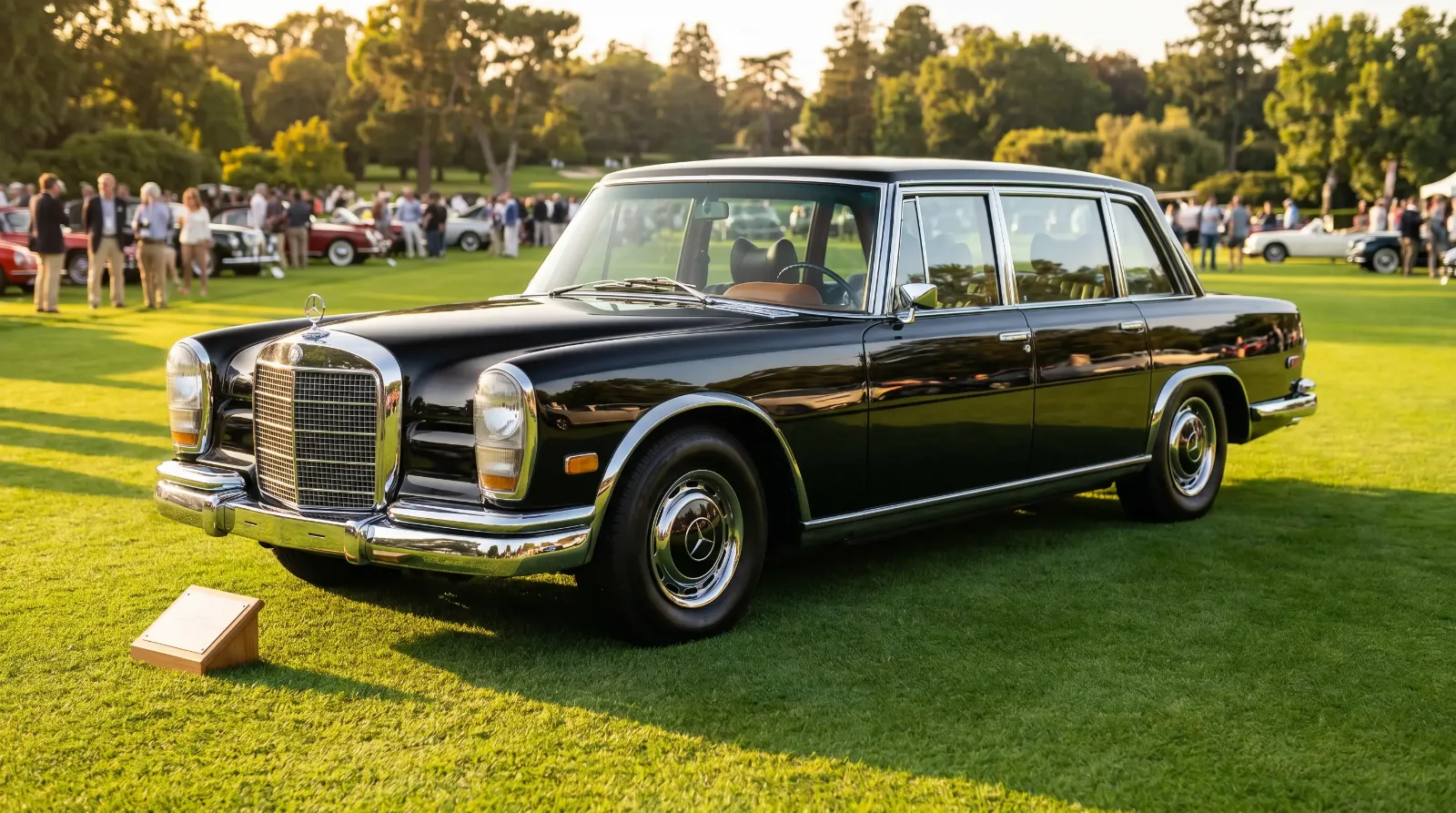
For all that, the auction is the right channel for a specific kind of car. When a luxury classic carries deep provenance, a documented history, matching records, and a known ownership chain, the major houses are where those cars surface and where the market sets the price in public. The catalog research the top houses do on a significant car is genuine, and a well-cataloged lot with real paperwork gives you a comparable, transparent basis for value.
Auctions also compress the search. Instead of chasing private listings for months, you see a curated field of cars in one place, with published estimates you can measure against recent results. If you know the segment cold and you set a hard walk-away number before the paddle goes up, the auction is an efficient way to buy a documented car at a market-tested price. The discipline is entirely on you, because the room is built to pull you past your limit.
| Factor | Auction | Private sale |
|---|---|---|
| True cost | Hammer plus buyer's premium plus tax | Negotiated price, no premium |
| Inspection | Preview only, no lift, no cold start | Full pre-purchase inspection possible |
| Timeline | Fixed, decide on the day | Open, negotiate at your pace |
| Best for | Documented, high-provenance cars | Cars you can inspect and research |
What the private sale gives you
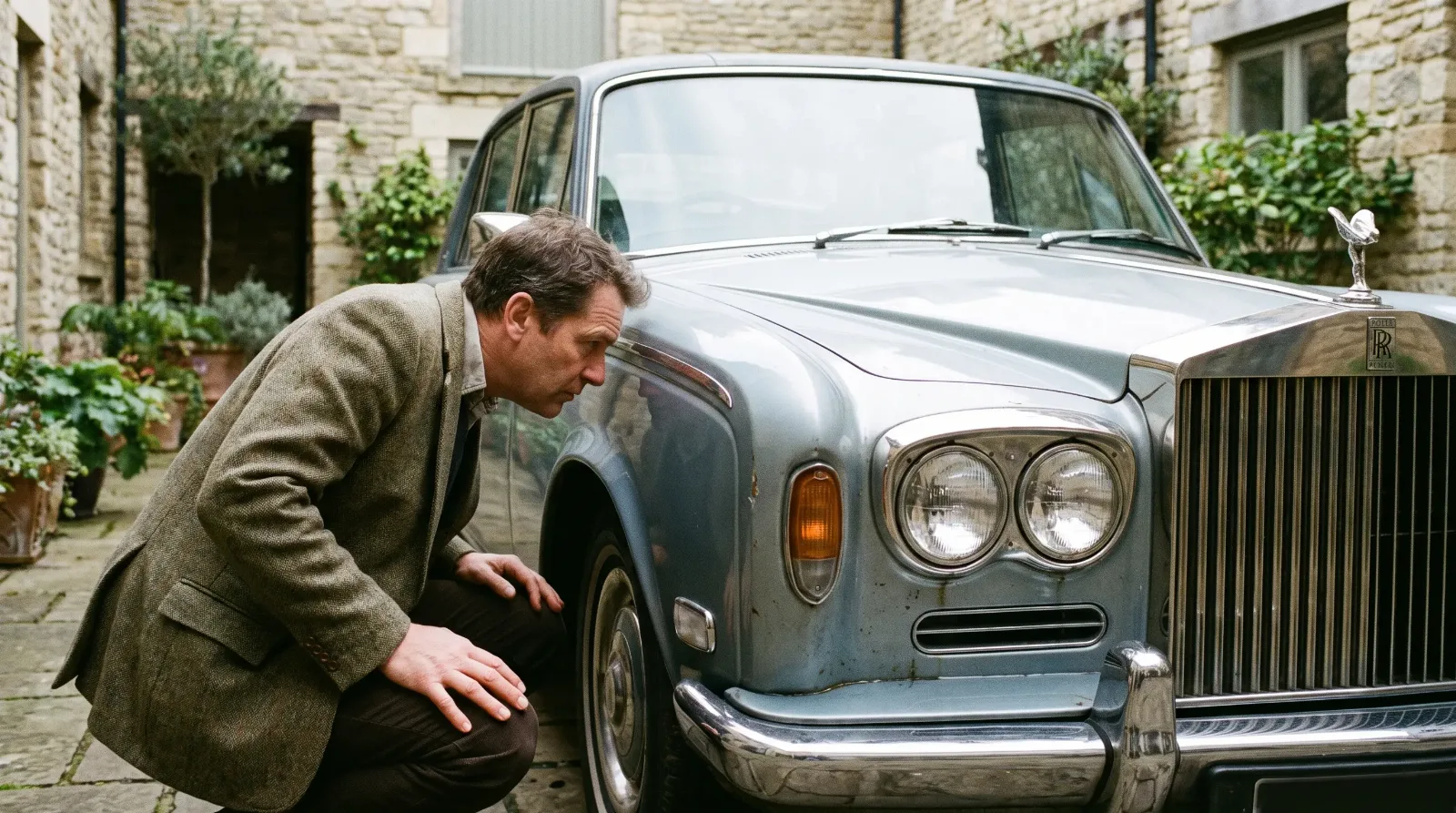
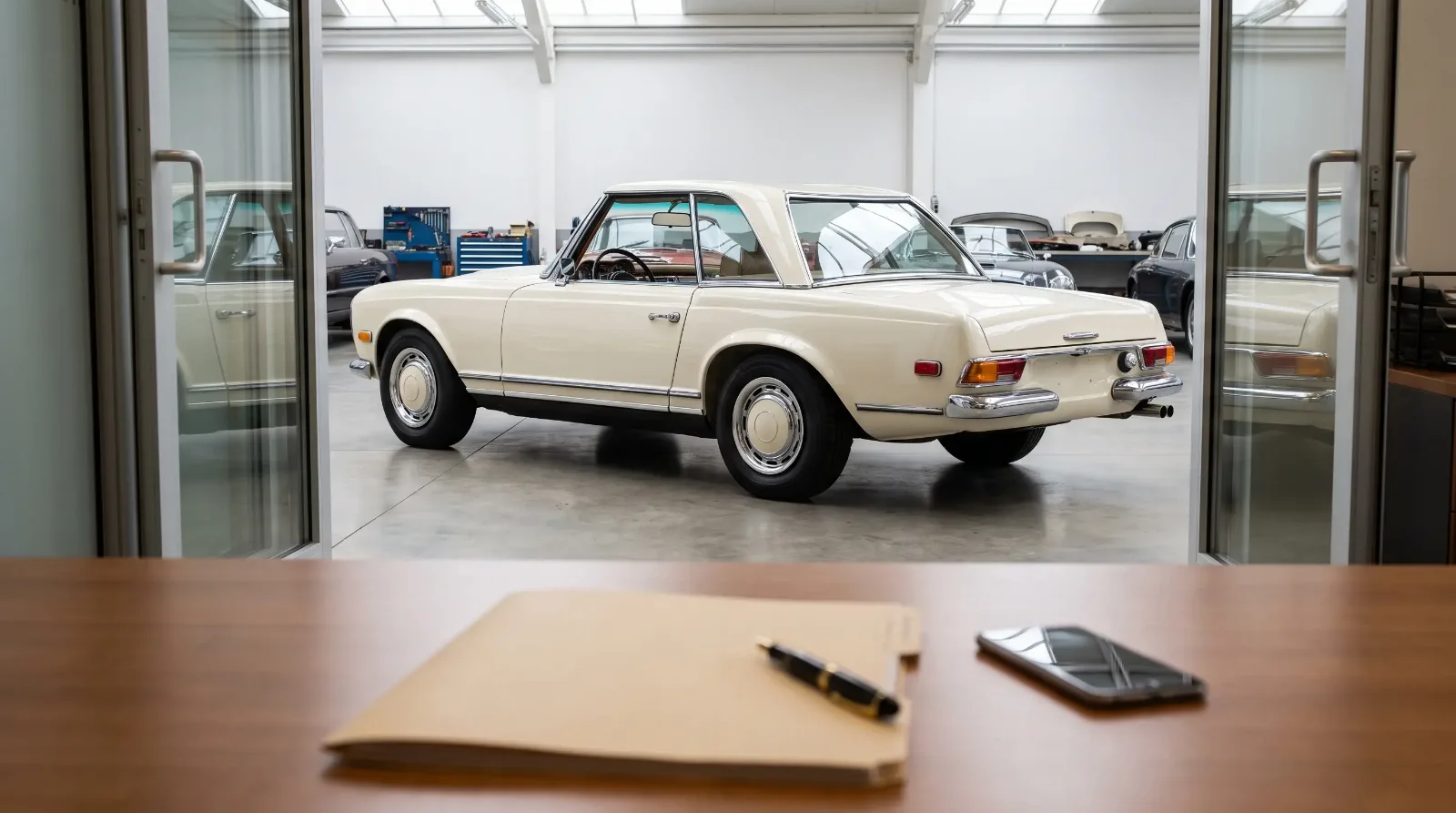
A private sale flips every constraint. There is no buyer's premium, so the whole budget goes to the car and the negotiation is real. More important, you get time. You can arrange a proper pre-purchase inspection with a marque specialist, put the car on a lift, run it cold to check for the leaks and smoke that a warm engine hides, and read the file page by page before you commit a dollar.
The trade is that the work is yours. There is no catalog department vetting the history, no estimate to anchor against, and no auction record to establish the price. You verify the documentation, you set the value from your own comparable research, and you carry the risk if the seller's story does not hold up. For a patient buyer who does the diligence, that control is worth more than the convenience of a saleroom, and it usually produces a better-informed purchase. Sellers face the mirror image of this choice, and the dealer-versus-private-party decision is laid out from their side in a separate guide.
Online auctions sit somewhere between the two. The photo-heavy listings and multi-day bidding windows give you more time to study a car and ask the seller questions in the comments than a live saleroom ever allows, and the buyer's premiums often run lower than the traditional houses. What you still do not get is the car on a lift or a cold start in your presence, so the same discipline applies. Read the whole listing, weigh the seller's history, and where you can, arrange a local specialist to look at the car before the timer runs out. The format is convenient, but it does not replace an inspection on a high-value purchase.
"The auction sells you convenience and a public price. The private sale sells you time and control. I tell people to buy documented, blue-chip cars at the houses where the paperwork is vetted, and to buy driver-grade cars privately where they can put them on a lift first. Match the channel to the car, not to the excitement."
David Mercer
Choosing the channel for your car
The decision resolves cleanly once you separate the car type from the sales pitch. A significant, well-documented luxury classic with real provenance belongs at auction, where that history is valued in public and priced against comparable lots. A driver-quality or lightly documented car belongs in a private deal, where you can inspect it thoroughly and negotiate on what you find rather than what the catalog claims.
Before you commit to either, see what is trading right now. Browsing current classic luxury cars for sale gives you a live sense of asking prices and condition across the segment, which is the baseline you carry into any negotiation or bidding hall. For the deeper background on why these cars command the money they do, read the classic luxury car story. Whichever channel you choose, the worst outcome is buying a car that needs everything, so continue with next: Why a Project Luxury Car Is a Bigger Gamble.
Related Reading
Have a
Classic Car
for Sale?
Reach thousands of serious classic car collectors across the US.
Sell It Here →
Are You a Classic Car Dealer?
List your full inventory and connect with targeted classic car buyers.
Join as a Dealer →

About the author
David Mercer
Classic car market analyst with two decades of experience tracking collector car valuations, auction results, and investment trends.
More in Ownership & Lifestyle
Comments
Be the first to comment on this article.