
The phrase "matching numbers" carries enormous weight in one corner of the collector world and much less in another. On a muscle car it can be the difference between a five-figure car and a six-figure one. On a coachbuilt luxury classic the same term matters, but it does not sit at the center of value the way buyers coming from the muscle side often assume. Understanding why keeps you from overpaying for the wrong reassurance, or dismissing a car that is actually correct.
Ownership & Lifestyle
6 min read
Matching Numbers and Why It Matters Less for Luxury Classics
Matching numbers on a classic luxury car matters less than on muscle cars. Why coachwork and provenance drive value in coachbuilt classics.
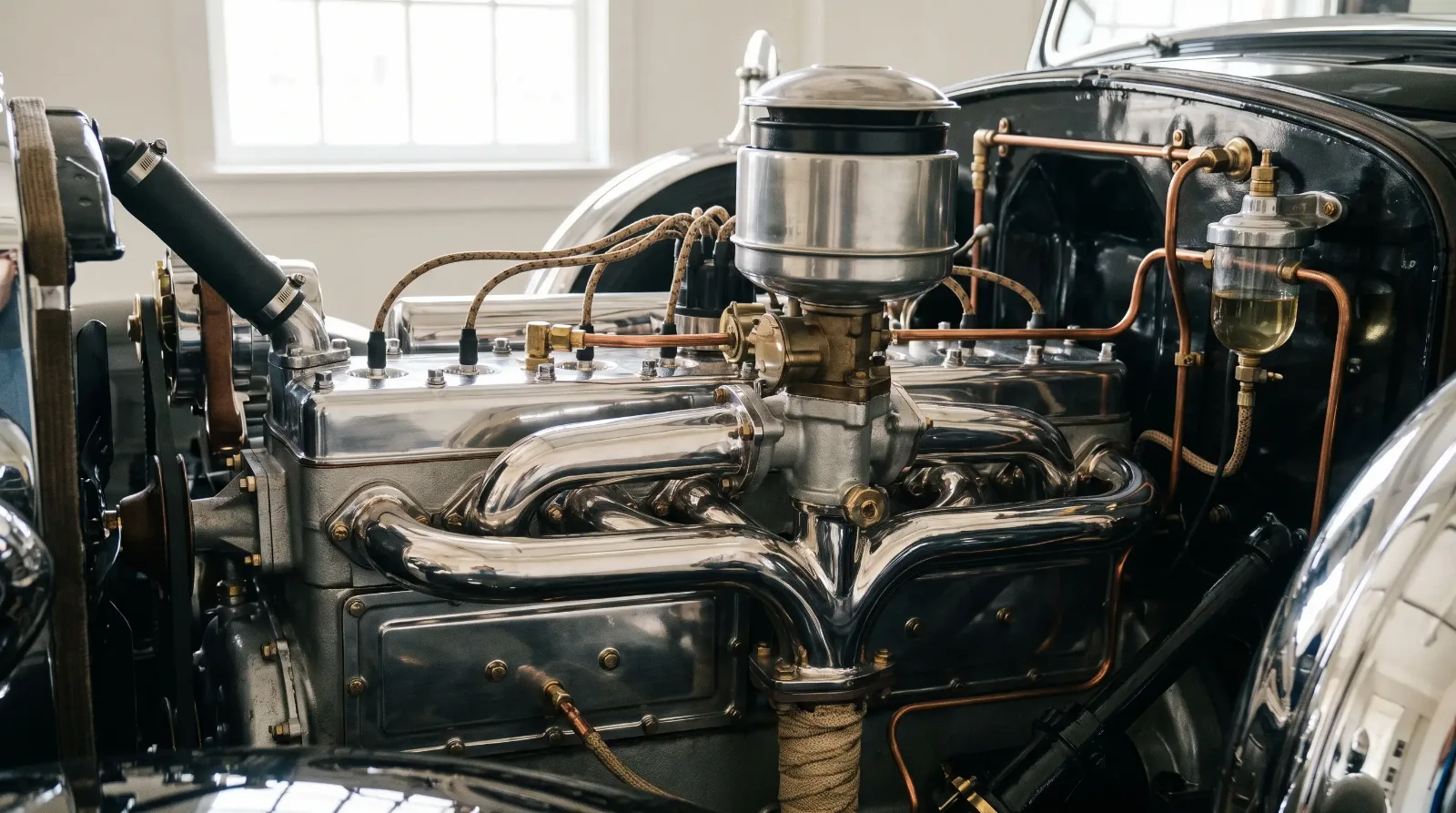
The short version is that a luxury classic and a muscle car derive their value from different things. The muscle car's identity lives in its drivetrain. The coachbuilt car's identity lives in its body and its history. That distinction is worth understanding before you buy, and it runs alongside the wider guidance in our buyer's guide to the segment.
What matching numbers means, and where it came from
Matching numbers describes a car whose major components, most often the engine, and sometimes the transmission and rear axle, carry the identifying stampings that tie them to that specific chassis or VIN. The concept became central to the American muscle era because the engine option defined the car. A big-block car with its original, correctly stamped block is a fundamentally different object, and a different value, from the same body shell with a replacement engine dropped in.
For those cars the logic holds because the drivetrain is the point. Buyers pay a premium for the exact factory engine because the performance option is the reason the car exists and the reason it is collectible. The stamping is the proof, and restampers exist precisely because the premium is so large. In that world, verifying the numbers is one of the most important things a buyer does.
Why the coachbuilt world values differently
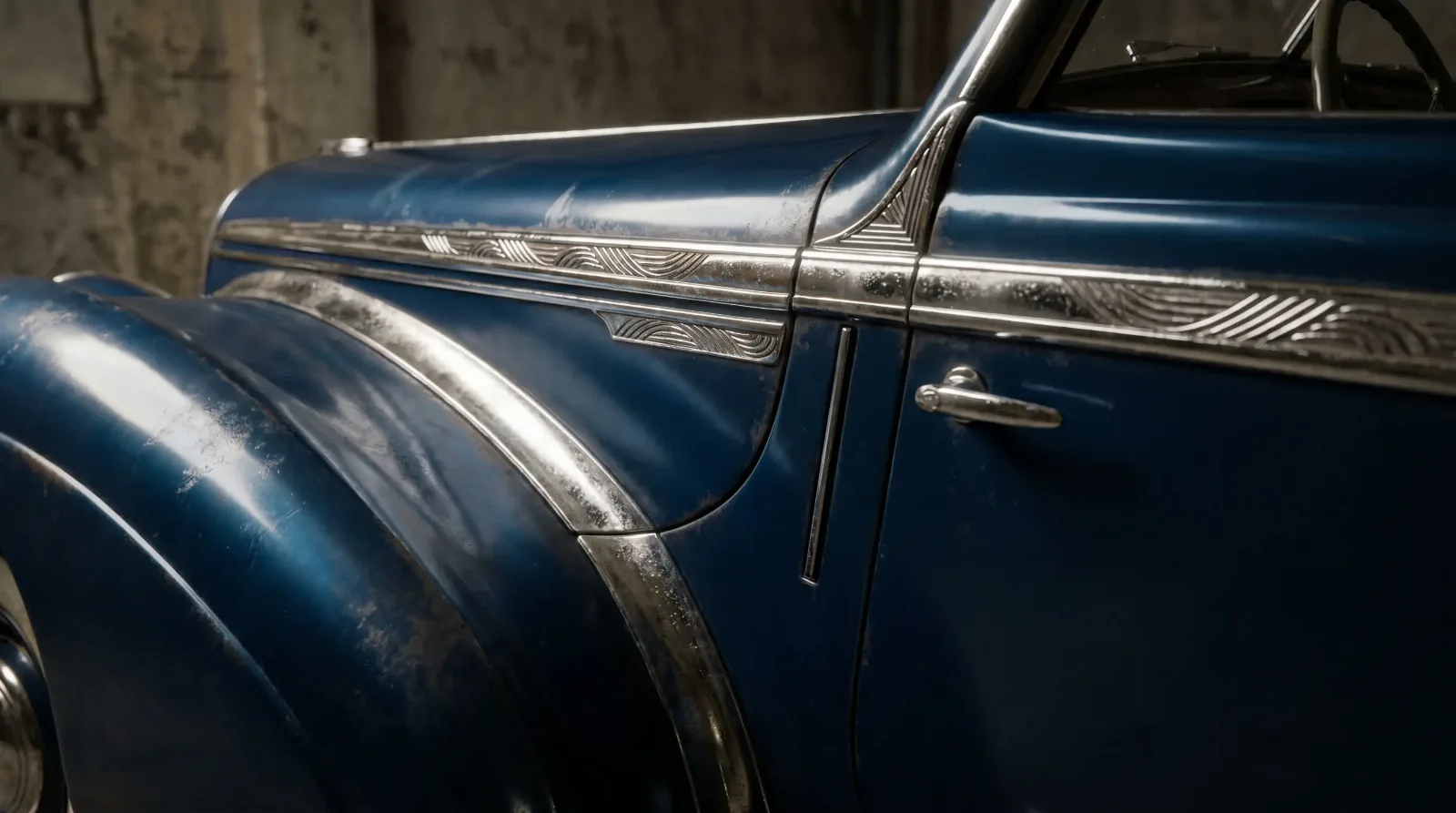
A coachbuilt luxury car was assembled on a different premise. The great pre-war and early post-war luxury makes sold a rolling chassis, and the body was commissioned separately from a coachbuilder. A Duesenberg Model J might wear coachwork by Murphy, Rollston, or LeBaron, and it is that body, its coachbuilder, its lines, and its survival that drive the value far more than the casting number on the engine.
In this world the engine is a component that was expected to be serviced, rebuilt, and sometimes replaced over a long working life, and doing so was routine maintenance, not a value crime. What a serious buyer of a coachbuilt car scrutinizes is the body: is the coachwork original to the chassis, is it by the coachbuilder the records say, and has it survived without being rebodied or heavily reworked. A correct, original body by a celebrated coachbuilder is the thing the market pays for, and no engine stamping substitutes for it.
Provenance outweighs the stamping
What replaces matching numbers as the dominant value driver in the luxury world is provenance. The documented ownership history, the factory build records, the coachbuilder's records, period photographs, and the chain that ties a specific car to its past matter more than whether the engine block was ever removed. A car with a distinguished history and a documented, original body commands a premium that an engine stamping alone never could.
This is not a lower standard, it is a different one, and in many ways a more demanding one. A restamped engine on a muscle car can fool a casual buyer. A fabricated provenance on a significant coachbuilt car has to survive scrutiny from marque registries, concours judges, and researchers who have seen the real records. The evidence a luxury buyer weighs is archival and physical: the body, the coachwork details, and the paper trail, assessed together.
It is worth drawing one line inside the luxury category, because it is not uniform. The coachbuilt argument applies most strongly to the pre-war and early post-war chassis that were bodied to order. As you move toward the later factory-bodied sports-luxury cars, certain models, particular Mercedes and the more collectible sporting variants, do begin to reward original, correct drivetrains more, because the factory built the whole car and the specification is part of the identity. Even then, provenance and body originality lead. The point is not that engine numbers never matter on a luxury car. It is that they rarely sit at the top of the value stack the way they do on a muscle car.
| Value driver | Muscle car | Coachbuilt luxury classic |
|---|---|---|
| Engine numbers | Central to value | Relevant but secondary |
| Body originality | Important | Primary value driver |
| Coachbuilder | Not applicable | Often decisive |
| Documented provenance | Adds value | Frequently the largest factor |
How this changes what a buyer inspects
The practical result is that a luxury buyer spends inspection time differently than a muscle car buyer. Confirming the engine numbers is still worth doing, and originality throughout always adds to a car. But it does not carry the same make-or-break weight, and a correctly maintained car with a rebuilt or period-replaced engine is not the compromised object the same situation would represent on a numbers-critical muscle car.
Instead, put your effort into the body and the history. Verify the coachwork against the records. Confirm the chassis and body belong together. Read the provenance file and test it against what the registries hold. When you look at the current market, whether in the auction results or across the classic luxury cars for sale listings, you will see that the cars commanding the strongest money are the ones with original coachwork and documented history, not simply the ones advertising matching numbers.
"On a coachbuilt car, the question is never only whether the engine numbers agree. It is whether the body is the one the records say, by the coachbuilder they name, on the chassis it was built on. A rebuilt engine is maintenance. A rebodied car is a different car, and the paperwork has to tell you which one you are looking at."
Sarah Whitfield
None of this diminishes the value of originality, which always matters. It reframes where a luxury buyer should focus, on the coachwork and the documented history rather than a single engine stamping. That same emphasis on documentation carries into the murkier corners of the market, so continue with next: Grey-Market Imports.
Related Reading
Have a
Classic Car
for Sale?
Reach thousands of serious classic car collectors across the US.
Sell It Here →
Are You a Classic Car Dealer?
List your full inventory and connect with targeted classic car buyers.
Join as a Dealer →

About the author
Sarah Whitfield
Third-generation classic car collector specializing in pre-war American and European coachbuilt automobiles. Researcher and concours enthusiast.
More in Ownership & Lifestyle
Comments
Be the first to comment on this article.