
A muscle car is authenticated by its metal. The block casting, the trim tag, the cowl date, the numbers stamped where the factory stamped them. Verify the parts and you have largely verified the car. A luxury classic asks a different question, and the answer lives as much in paper and history as in castings. Provenance for a classic luxury car is the documented story of who commissioned it, who owned it, and how it was cared for, and on the finest examples that story is worth as much as the coachwork itself.
Ownership & Lifestyle
6 min read
Why Provenance Matters More for Luxury Classics Than Muscle Cars
Muscle cars are authenticated by metal; luxury classics by history. What provenance documents to demand and what a gap in the story should cost.
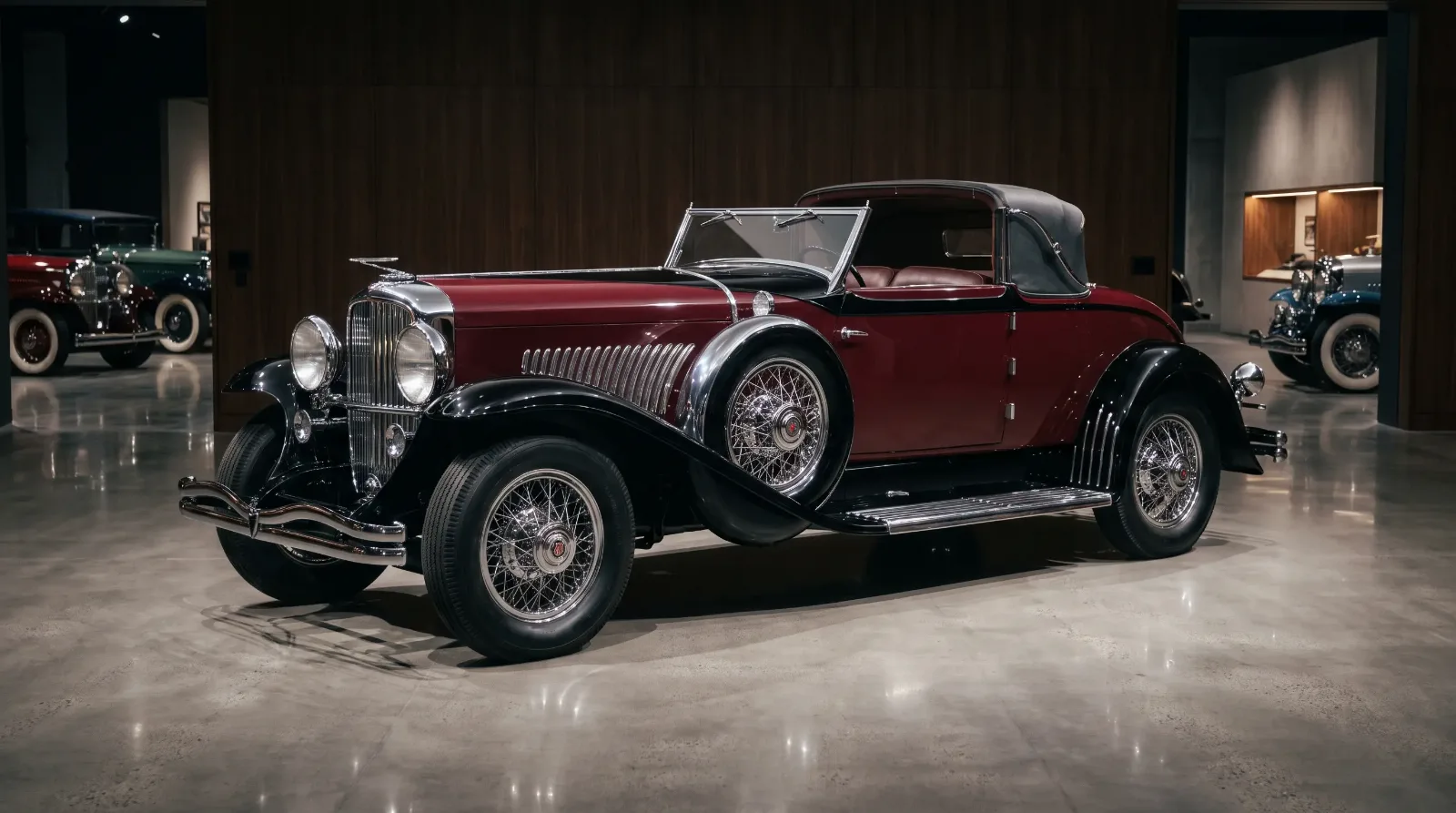
The distinction matters because these two kinds of cars were made for different reasons. A muscle car was a production performance model, valuable for what it is. A great luxury car was frequently a bespoke or semi-bespoke object, valuable for what it is and for whom it was made and how it has survived. That difference changes what a buyer should chase, and it changes where the money hides.
Why the metal tells only part of the story
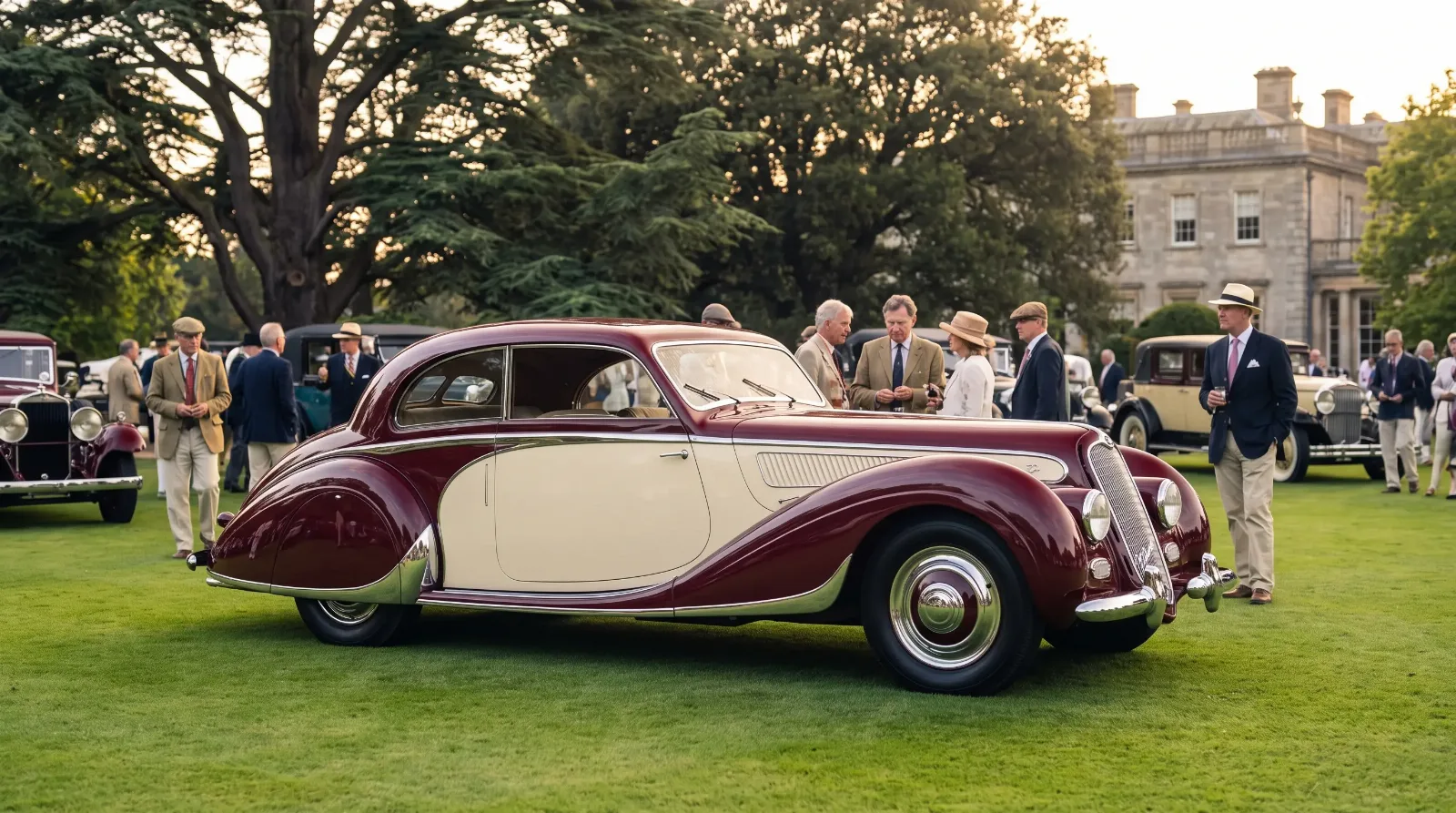
Consider a coachbuilt prewar classic, a Duesenberg or a Rolls-Royce Phantom bodied by a named carrossier. Two cars can share a chassis and an engine and be worth multiples of each other, and the difference is the body, the history, and the documentation. Who ordered the coachwork. What the original specification was. Whether the car survives in the configuration it left the coachbuilder in, or whether a later owner rebodied it. None of that is stamped in the block. It is established through records, photographs, factory build sheets, and the paper chain of ownership.
Even postwar, the principle holds. A Mercedes 600 that served a head of state, a Rolls-Royce with an unbroken chain of fastidious owners and a folder of marque-specialist invoices, a one-family car with its original commissioning correspondence, these carry a premium that a mechanically identical car with a blank history simply does not. The car is the artifact. The provenance is what tells you the artifact is genuine and important. For the longer arc of how these cars came to be treated as artifacts in the first place, the classic luxury car story is the fuller account.
What documentation actually looks like
Provenance is not a vague notion of "history." It is a specific set of documents, and a buyer should know what to ask for. The chain of ownership, ideally unbroken, with names and dates. Original factory build records or the coachbuilder's records where they survive. Period photographs showing the car in known configurations. Service history from recognized specialists, not just receipts but a coherent record of care. And for the most significant cars, judging history from concours events and any correspondence tied to the original order.
| Document | What it proves | Why it matters |
|---|---|---|
| Chain of ownership | Continuous, named custody | Guards against a hidden gap where a car was rebodied or swapped |
| Factory / coachbuilder records | Original spec and configuration | Establishes whether the car is as-built or altered |
| Period photographs | Historical configuration | Corroborates originality claims independently |
| Specialist service history | Standard of care | Predicts condition and future cost, supports value |
| Concours / judging record | Verified condition and originality | Third-party confirmation the story holds up |
🔧 Inspection Priorities
- Verify the ownership chain has no gaps. A missing decade is where rebodies, engine swaps, and invented history hide. An unexplained gap should lower the price, not be waved away.
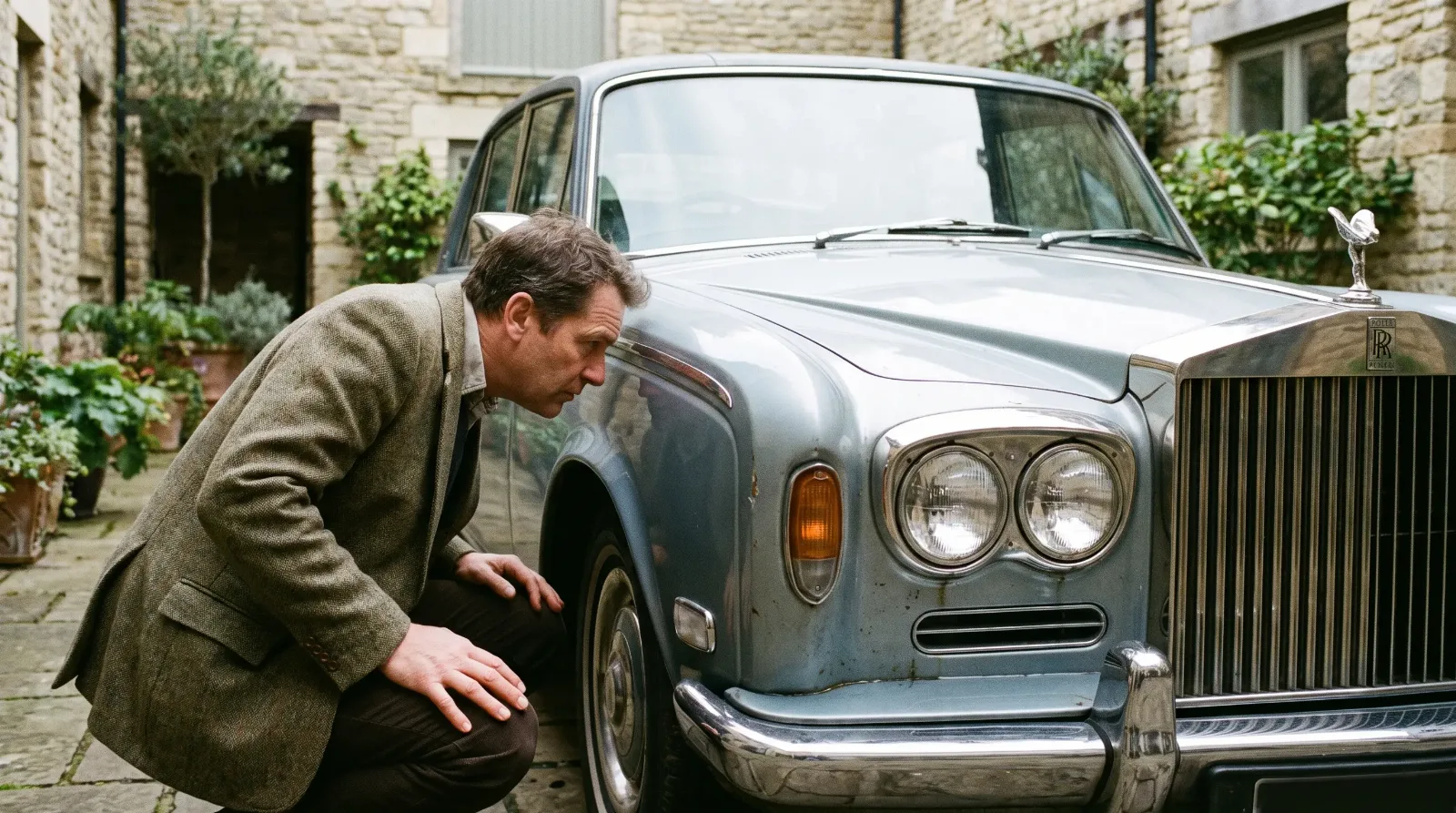
- Cross-check documents against the car. Do the build records match the body, the trim, the engine on this car? Paperwork for a different car is a real and common problem at this level.
- Confirm originality claims independently. Period photographs and coachbuilder records should corroborate what the seller says. One source is a claim; two agreeing is provenance.
- Weigh the service record for coherence. A thick folder of unrelated receipts is not the same as a documented history of care from recognized specialists. Look for continuity.
"With a muscle car you authenticate the parts. With a great luxury car you authenticate the story, because the story is often what you are paying for. A car with a gap in its history is not a bargain. It is a question you have not answered yet."
Sarah Whitfield
What provenance is worth to a buyer
Two practical truths follow from all this. The first is that a documented car costs more up front and is usually the safer purchase, because you are buying certainty along with the car. The second is that a car with thin history is not automatically a poor buy, provided the price reflects the gap. The mistake is paying documented-car money for an undocumented car on the strength of a good story told well. Ask for the paper before you fall for the patina.
If you are buying to enjoy rather than to collect at the highest level, provenance still matters, just proportionally. A driver-grade luxury classic does not need a museum dossier, but a coherent service history from marque specialists will save you money and tell you the car was loved. As you look at what is out there, the difference between a documented example and a mystery car becomes obvious quickly, and browsing current classic luxury cars for sale is a good way to see how sellers price history into the ask.
Provenance is the discipline that separates a considered purchase from an expensive impulse. Learn to read it, insist on it in proportion to what you are paying, and treat any gap as a number to negotiate rather than a detail to ignore. Our full framework on the segment lives in the buying guide, and once you understand how history shapes value, the natural next question is what these cars actually cost across the range, covered next: next: The Price Range Reality Check Across Classic Luxury.
Related Reading
Have a
Classic Car
for Sale?
Reach thousands of serious classic car collectors across the US.
Sell It Here →
Are You a Classic Car Dealer?
List your full inventory and connect with targeted classic car buyers.
Join as a Dealer →

About the author
Sarah Whitfield
Third-generation classic car collector specializing in pre-war American and European coachbuilt automobiles. Researcher and concours enthusiast.
More in Ownership & Lifestyle
Comments
Be the first to comment on this article.