
Ask ten owners what a restomod is worth and you will get ten answers, most of them optimistic. I appraise them for a living, and the market is less kind than the owners. A restomod is a hand-built car, and like any hand-built thing, its value depends far more on who built it and how than on the badge on the fender. Two 1969 Camaros with the same LS3 and the same wide tires can hammer a year apart for numbers that differ by six figures. That gap is the whole story of restomod resale value. Before you treat one as an asset instead of an expensive hobby, it is worth understanding where that gap comes from.
Ownership & Lifestyle
9 min read
Restomod Resale Value
Why two identical restomods sell six figures apart, what quietly destroys resale value, and why a builder's name can be worth more than the parts.
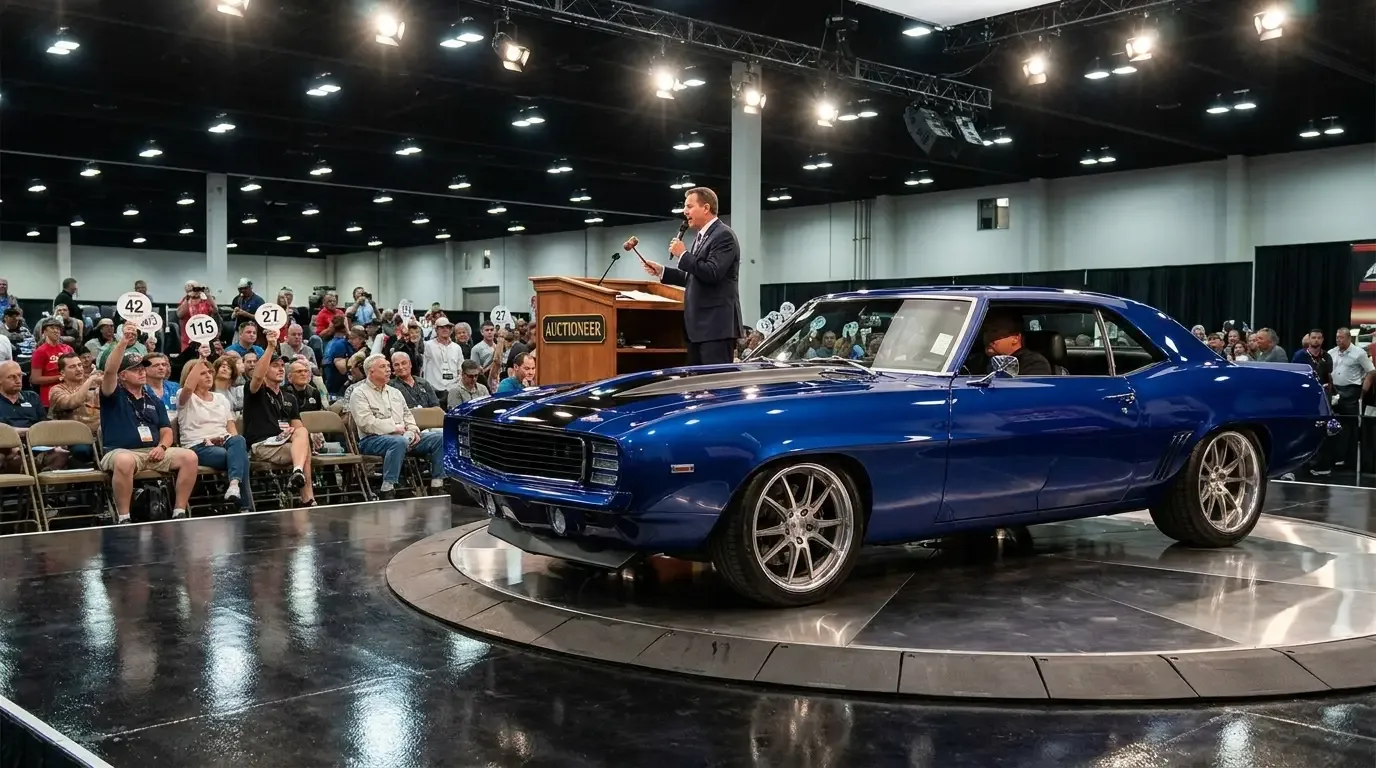
This piece looks at what actually holds money in a resale, what quietly destroys it, and why a builder's name can be worth more than the parts under the car. If you want the wider argument about how these cars sit against factory-correct examples, that lives in the discussion of restomod value and the originality debate. Here we stay narrow: the second sale.
What actually holds value in a restomod
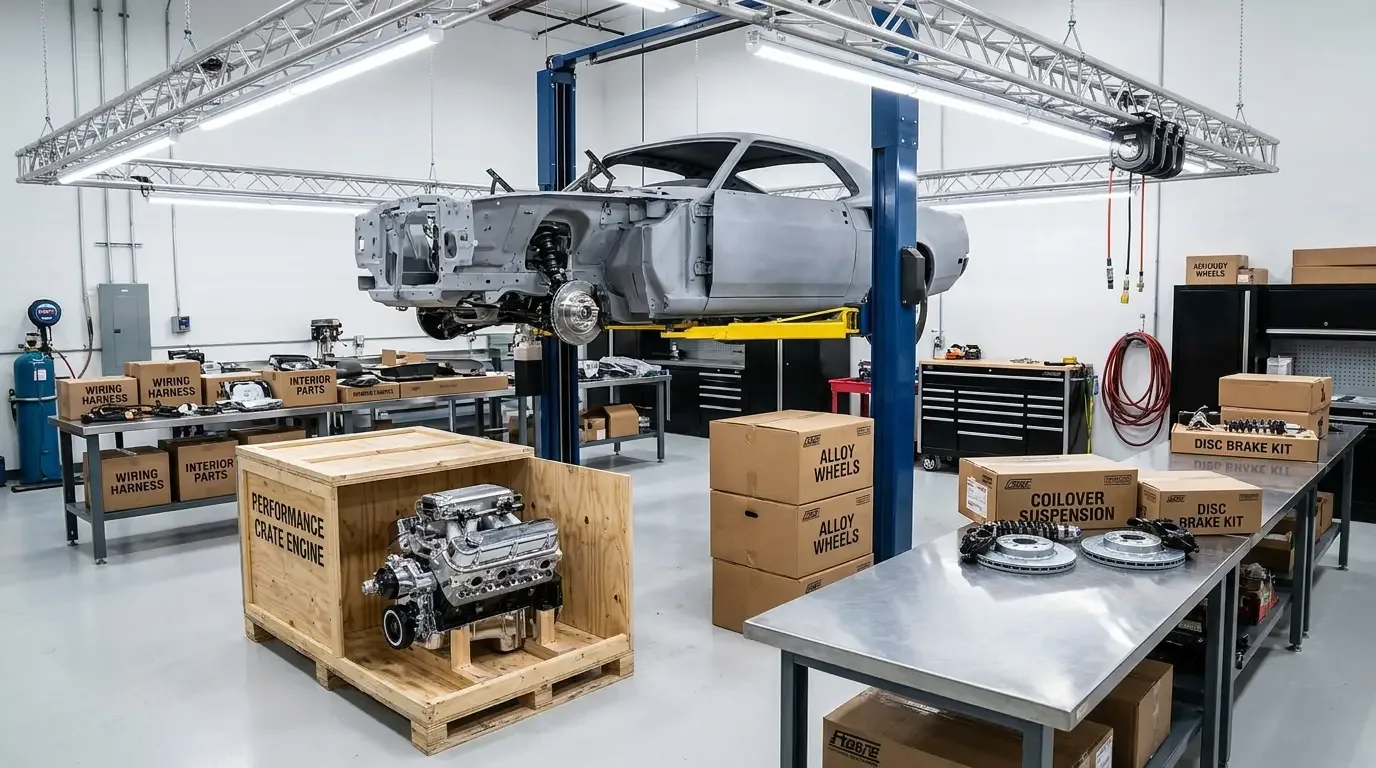
The first thing buyers pay for is build quality they can see and, more importantly, quality they cannot see. Panel gaps, paint depth, and shut lines get the Instagram attention, but the real money sits in the parts nobody photographs: clean wiring looms, a properly plumbed fuel system, brake lines that are double-flared and routed, a drivetrain that was assembled by someone who torqued to spec and kept the receipts. A car that presents beautifully and drives like it was finished in a hurry gets found out on the first test drive.
Documentation is the second pillar, and it is the cheapest value you will ever add. A binder of receipts, a build log with photos of the car in bare metal, dyno sheets, and alignment specs tells a buyer the car is exactly what the seller claims. Cars sold with a full paper trail consistently clear more than identical cars sold on a shrug and a story. The paperwork is not decoration. It is the only proof a buyer has that the work under the paint matches the work on top of it.
Tasteful, mainstream choices are the third pillar. The restomod market rewards restraint. A subtle color, a period-plausible stance, a clean interior in a colour that will not date, and a well-known drivetrain all widen the pool of people who might want the car. The most liquid restomods are the ones that offend nobody. That sounds boring, and at resale, boring is exactly what pays.
What quietly tanks resale value
Oddball taste is the most common value killer, and the most avoidable. Wild custom paint, a highly personal interior theme, a wheel choice that only made sense in one owner's head, or a drivetrain nobody has heard of all narrow the buyer pool to almost nobody. You built the car you wanted. That is a fine reason to build. It is a terrible reason to expect the next person to pay for your specific taste.
Cut-corner work is the killer that hides until inspection. A car can look show-ready and still hide a bodged wiring job, filler where metal should be, mismatched fasteners, and a drivetrain that was assembled to a deadline instead of a standard. Experienced buyers know where to look, and one bad discovery poisons the whole car. If the wiring is a mess, the buyer assumes the brakes are too.
Then there is the money problem that has nothing to do with the build: most restomods sell for less than they cost to make. The parts and labor that go into a proper build rarely come back in full on the first resale. Buyers pay for the finished car in front of them, not for the hours you spent or the invoices you paid. The full breakdown lives in What a Restomod Costs to Build, but the short version is that build cost sets your floor of pain, not the market's ceiling of generosity.
🔧 Inspection Priorities
- Wiring and electrical. Pull a kick panel and look. Clean, loomed, labeled wiring signals a careful build. A rat's nest signals corners cut everywhere, and re-wiring a car properly runs into the thousands.
- Underbody and floors. Fresh paint over old filler or hidden rust is the most expensive surprise. Budget nothing here and you will spend everything.
- Drivetrain provenance. Ask for the engine and transmission receipts and any dyno sheet. No paper means you are buying a guess.
- Brake and fuel plumbing. Double-flared lines, proper fittings, and modern fuel delivery are cheap to check and costly to fix if they were done wrong.
The builder-name premium
Nothing moves restomod resale value like the name on the build. A car from a shop with a national reputation, Ringbrothers, Roadster Shop, Singer in the Porsche world, and a handful of others, sells for a premium that a functionally identical anonymous car cannot touch. The premium is not irrational. A known shop is a warranty of process. Buyers are paying for the near-certainty that the hidden work matches the visible work, and for the resale liquidity that the name itself provides.
The effect compounds. A named build is easier to sell, which makes it more valuable, which makes it easier to sell again. An anonymous build, even a genuinely excellent one, has to prove itself from scratch to every buyer. This is why a documented build from a respected regional shop often out-resells a mystery car that may be objectively better screwed together. The market cannot see quality directly. It reads reputation as a proxy for it.
"I tell clients the same thing every time: you are not buying the car, you are buying the confidence that the car is what it looks like. A known builder sells that confidence for you. An unknown builder makes you generate it yourself, and most buyers will not do the work. They just bid less at the hammer."
Marcus Feld
If you are building with any eye on resale, the practical takeaway is uncomfortable but simple: a slightly less ambitious build from a shop with a name will usually resell better than an ambitious one from a garage nobody can vouch for. That does not mean home builds have no value. It means they carry a discount you should price in from the first day, not discover on the last. When that last day comes, Classic Cars Arena's guide to selling a modified car walks through pricing and where to list it.
The auction picture, read honestly
Auction results are where restomod values get made public, and where owners get misled. The headline numbers, the six-figure and occasional seven-figure sales, are almost all named-shop, magazine-feature cars. They are the top slice of the market, not the middle of it. Reading them as the going rate for restomods in general is how people end up disappointed by their own reserve.
The broad shape, drawn from public results across the major collector-car auction houses, looks roughly like this. Treat these as directional ranges, not quotes.
| Restomod tier | Typical public sale range | What defines it |
|---|---|---|
| Home / unknown builder | Around $40k to $90k | Good driver, thin or no documentation, personal taste choices |
| Respected regional shop | Around $90k to $200k | Documented build, mainstream drivetrain, tasteful spec |
| National-name builder | $250k and well up | Marquee shop, feature-car pedigree, full provenance |
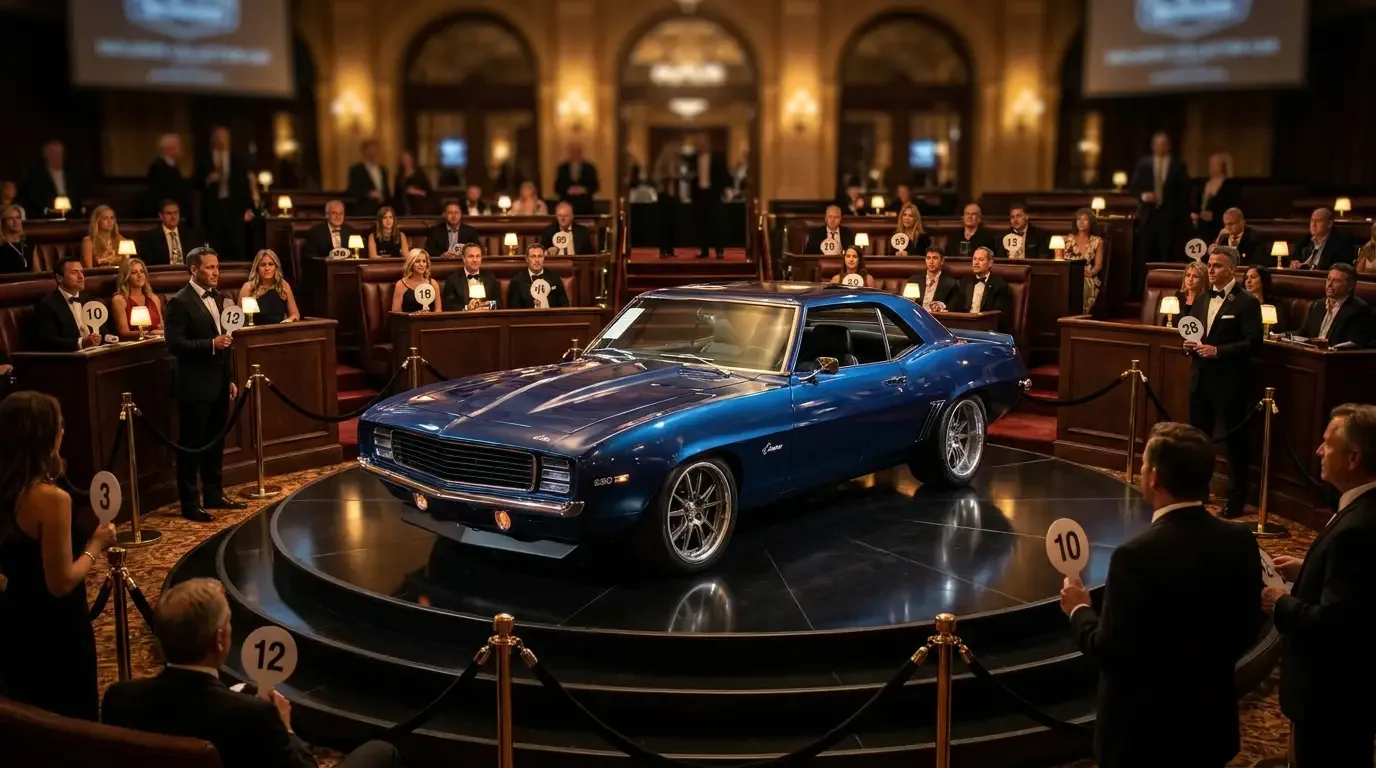
Two more auction realities matter. First, the fees are real: a buyer's premium on top of the hammer and a seller's commission underneath it mean the number you see is not the number anyone actually nets. Second, a no-sale is not neutral. A car that gets bid to a public number and fails to meet reserve can carry that soft result forward, making the next attempt harder. If you take a restomod to auction, know your real floor before the gavel, not after.
None of this should stop anyone from building the car they want. It should only stop them from confusing that car with an investment. If the goal is joy, build for taste and drive it for years. If the goal is resale, build the way the market reads value: known name where you can, and airtight documentation where you cannot. For the wider framing of whether the money makes sense at all, the debate over restomod value is the place to keep reading, and the origins of the whole movement sit in the restomod story.
Sources and notes
- Public collector-car auction records from major houses, used for directional price ranges rather than exact quotes.
- Marque and engine references for drivetrain and build-spec context.
- Builder and shop interviews for the reputation-and-provenance discussion.
- Period and current enthusiast press covering restomod market trends.
- Auction figures reflect public collector-car results and are given as directional ranges rather than exact quotes.
Related Reading
Have a
Classic Car
for Sale?
Reach thousands of serious classic car collectors across the US.
Sell It Here →
Are You a Classic Car Dealer?
List your full inventory and connect with targeted classic car buyers.
Join as a Dealer →
#restomod resale value
#restomod value
#restomod market
#builder-name premium
#collector car auctions
#restomod build quality

About the author
Marcus Feld
Accredited collector-car appraiser who reads the market through hammer prices, condition tiers and risk.
More in Ownership & Lifestyle
Comments
Be the first to comment on this article.