
People ask me which car makes the best restomod, and they always want a single answer. There isn't one. A good restomod candidate is less about the badge and more about supply. You want a body that was built in huge numbers, a chassis that dozens of aftermarket companies already support, and a starting point cheap enough that you are not sick to your stomach the first time you cut a floor pan out. Chase those three things and the actual make sorts itself out.
Ownership & Lifestyle
7 min read
The Best Cars to Restomod
A good restomod donor isn't about the badge. It's about supply, parts support and not destroying a rare original. Here are the best candidates across muscle, trucks and Euro.
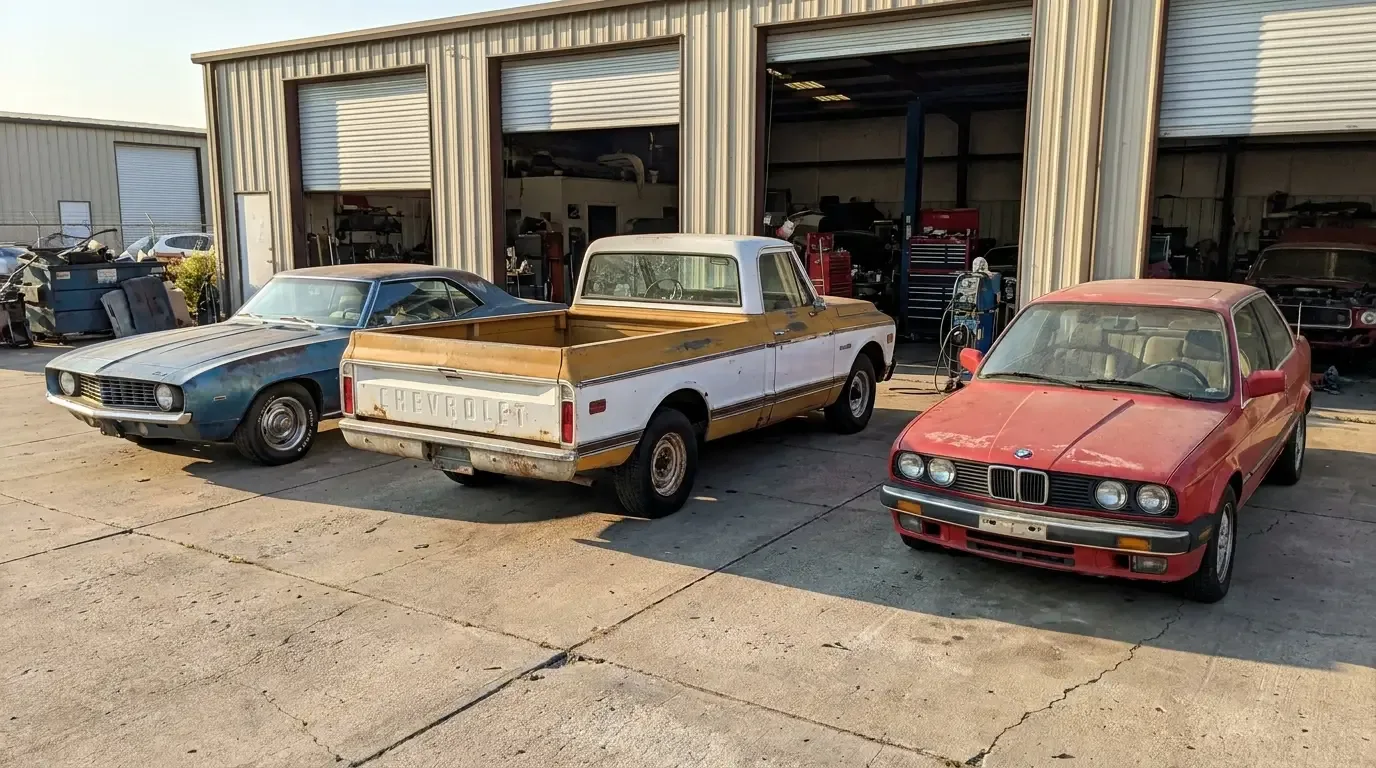
The mistake I see over and over is somebody buying the rarest, cleanest car they can afford and then taking a grinder to it. Don't do that. If you are still fuzzy on where the line sits between a restomod and a preservation job, this pairs well with a quick read on the difference between restomod value and the case for leaving a special car alone.
What actually makes a car a good candidate
Before we name names, get the criteria straight. A car earns its spot on the build list for boring, practical reasons, not because it looks cool in a magazine. Here is the checklist I run through in the shop before I take on a project or tell a customer to walk away.
- Body count. How many were made, and how many survive? High production means cheap panels, cheap glass, and reproduction sheet metal on the shelf.
- Parts support. Are there catalogs of bolt-in suspension, brake, and interior kits? If three or more companies fight for your money, you win.
- Engine bay room. A big, square engine bay swallows a modern V8 or an electric crate motor without heroic fabrication.
- Starting price. The car should be common enough that a rough one is affordable and you are not destroying value by modifying it.
Notice that "fast" and "beautiful" aren't on that list. Those come from the build. The donor just needs to be plentiful, supported, and unremarkable enough that nobody cries when you modernize it.
Muscle cars: the obvious, correct choice
American muscle earns its reputation as restomod territory honestly. The cars were mass produced, the engine bays are cavernous, and the aftermarket treats them like a bottomless market. First and second generation Camaros, Mustangs from 1965 through 1970, Novas, Chevelles, and the various Mopar A and B bodies all check every box. You can buy a full bolt-in front subframe, a coilover rear, and a big brake kit for most of them without ever picking up a welder.
The one rule I will not bend: don't restomod a genuine rare one. A base six-cylinder Mustang coupe or a plain-Jane small-block Nova is a perfect canvas. A documented Boss 429, a real Yenko, a numbers-matching Hemi car, those you leave alone. Modifying a rare original destroys money and history at the same time. Build the common car and let the rare ones stay rare.
"The best donor is the car nobody's precious about. I want the tired small-block coupe with a rusty trunk, not the pampered survivor. One of those you improve. The other one you ruin."
Jim Vasquez
Trucks: the sleeper pick that keeps winning
If I had to point a first-time builder at one category, it might be classic pickups. Chevy and GMC C10s from 1967 to 1972, and Ford F-100s from the same era, have become the darlings of the restomod world for good reason. The frames are simple ladder rails, so a modern chassis or a bolt-on IFS clip goes in cleanly. The cabs are roomy. Parts support exploded over the last decade, and you can still find rough project trucks for less than a comparable muscle car.
Trucks also forgive a first build. A pickup bed hides a lot of learning-curve mistakes, the interiors are simple, and nobody expects a work truck to be a concours piece. You get all the fun of a modern drivetrain and air conditioning in a shape people love, without the six-figure entry price a clean muscle car now demands.
| Candidate | Segment | Why it works | Watch out for |
|---|---|---|---|
| 1967-72 Chevy C10 | Truck | Simple frame, huge parts support, roomy cab | Cab corner and bed rust |
| 1965-70 Ford Mustang | Muscle | Endless reproduction sheet metal and kits | Don't cut up a real Boss or Shelby |
| 1968-74 Chevy Nova | Muscle | Cheap, light, cavernous engine bay | Floor pan and frame rail rot |
| 1990s BMW E30 / E36 | Euro | Cheap donors, strong tuning support | Rust in unibody seams, tired bushings |
| Datsun 240Z | Euro/Import | Light body, popular V8 and modern-six swaps | Rare clean shells, heavy rust hunting |
European and import candidates: pick carefully
The rules shift when you cross the ocean. European classics can make fantastic restomods, but supply and the don't-destroy-a-rare-one rule get stricter. A 1990s BMW E30 or E36 is fair game. They were built in big numbers, tuning parts are everywhere, and a tired one costs little. The Datsun 240Z is another favorite, light and endlessly swappable, though clean rust-free shells are getting hard to find.
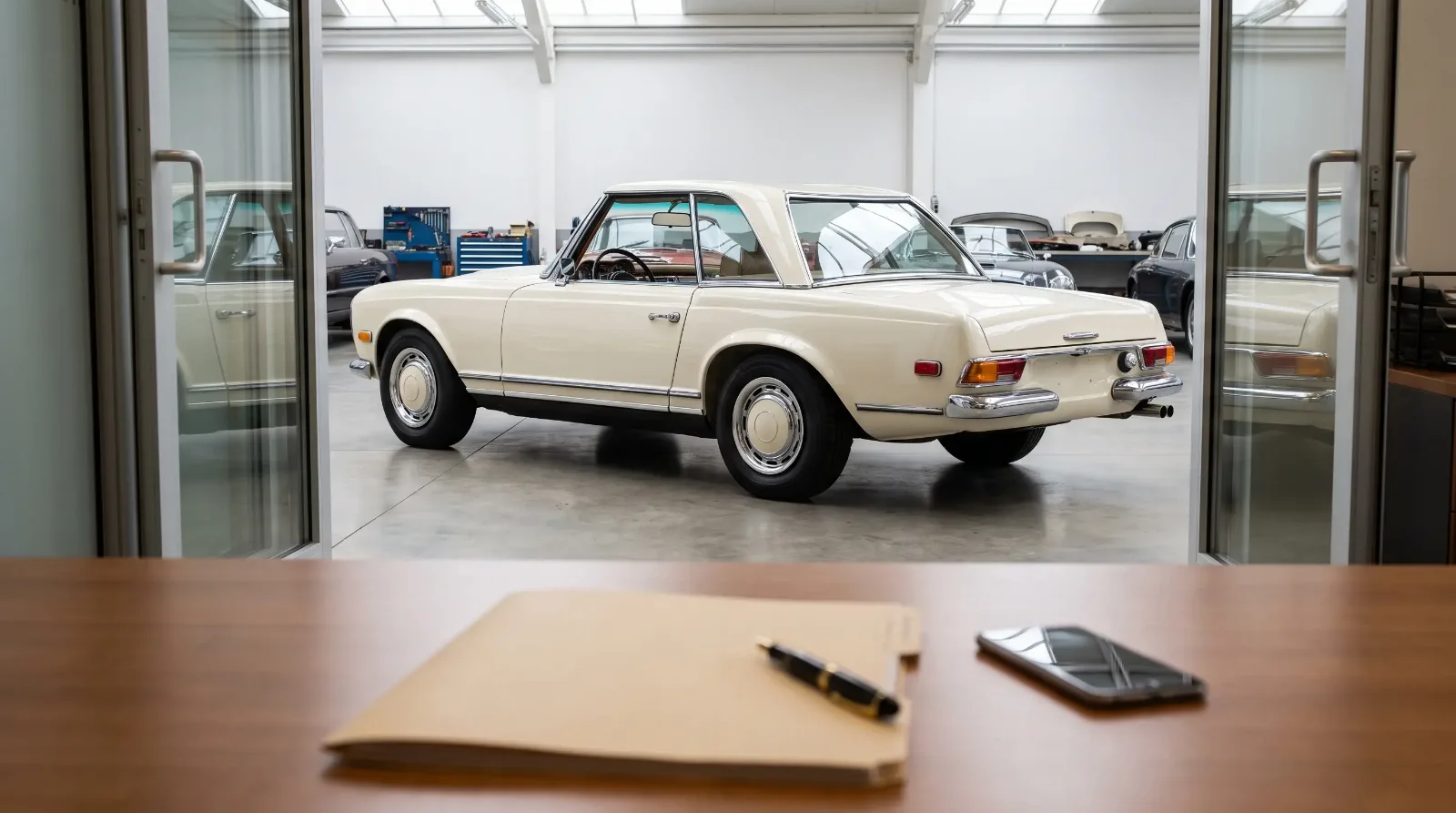
Where I pump the brakes is on genuinely scarce European metal. An early air-cooled Porsche 911, a real Alfa, a proper vintage Mercedes coupe, those live on the leave-it-alone list unless the car is already too far gone to save originally. The parts support is thinner, the donors are pricier, and the value penalty for modifying a desirable original is brutal. Plenty of builders do gorgeous 911 restomods, but they start with rough, non-collectible cars, not clean survivors. When you are weighing one of these against a domestic build, it helps to think through Restomod Resale Value before you commit, because the Euro market rewards restraint differently.
Match the car to your skill and budget
The final filter is you. A first-time builder with a two-car garage and hand tools should start with a truck or a common muscle coupe where everything bolts in. Someone chasing a specific look or a track-focused build can justify a harder donor and more fabrication. There is no shame in the easy path. A finished C10 in the driveway beats a half-cut Chevelle sitting on jack stands for five years.
Whatever you land on, the concept matters more than the badge: plentiful body, deep parts support, and a starting point common enough that modernizing it doesn't destroy something irreplaceable. Get those three right and almost any of these candidates rewards the work. When you are ready to see what finished builds and viable donors actually change hands for, browse the current restomods for sale to calibrate your budget against reality before the first bolt comes off.
Sources and notes
- Period muscle-car and pickup production figures from marque references and factory build records.
- Aftermarket parts availability drawn from restoration and chassis catalog listings.
- Builder observations from shop interviews and restomod project experience.
- Market and donor pricing informed by collector auction and classified records.
Related Reading
Have a
Classic Car
for Sale?
Reach thousands of serious classic car collectors across the US.
Sell It Here →
Are You a Classic Car Dealer?
List your full inventory and connect with targeted classic car buyers.
Join as a Dealer →

About the author
Jim Vasquez
Southern California hot rod and custom car builder with roots in the traditional kustom kulture scene.
More in Ownership & Lifestyle
Comments
Be the first to comment on this article.