
A classic luxury car was engineered to do one thing above all: isolate you from the road. That design goal is also your best diagnostic tool. When a big Cadillac, a Mercedes-Benz, a Jaguar, or a Rolls-Royce is right, the test drive feels effortless in a specific, repeatable way. When it is wrong, the effortlessness breaks down, and the places where it breaks tell you exactly what needs money. A test drive is not a formality on these cars. It is the single most revealing twenty minutes you will spend before you buy.
Ownership & Lifestyle
6 min read
What a Smooth Test Drive Should Feel Like in a Classic Luxury Car
What a classic luxury car should feel like on the test drive, from cold start to the quiet cruise, and which faults to negotiate or walk away from.
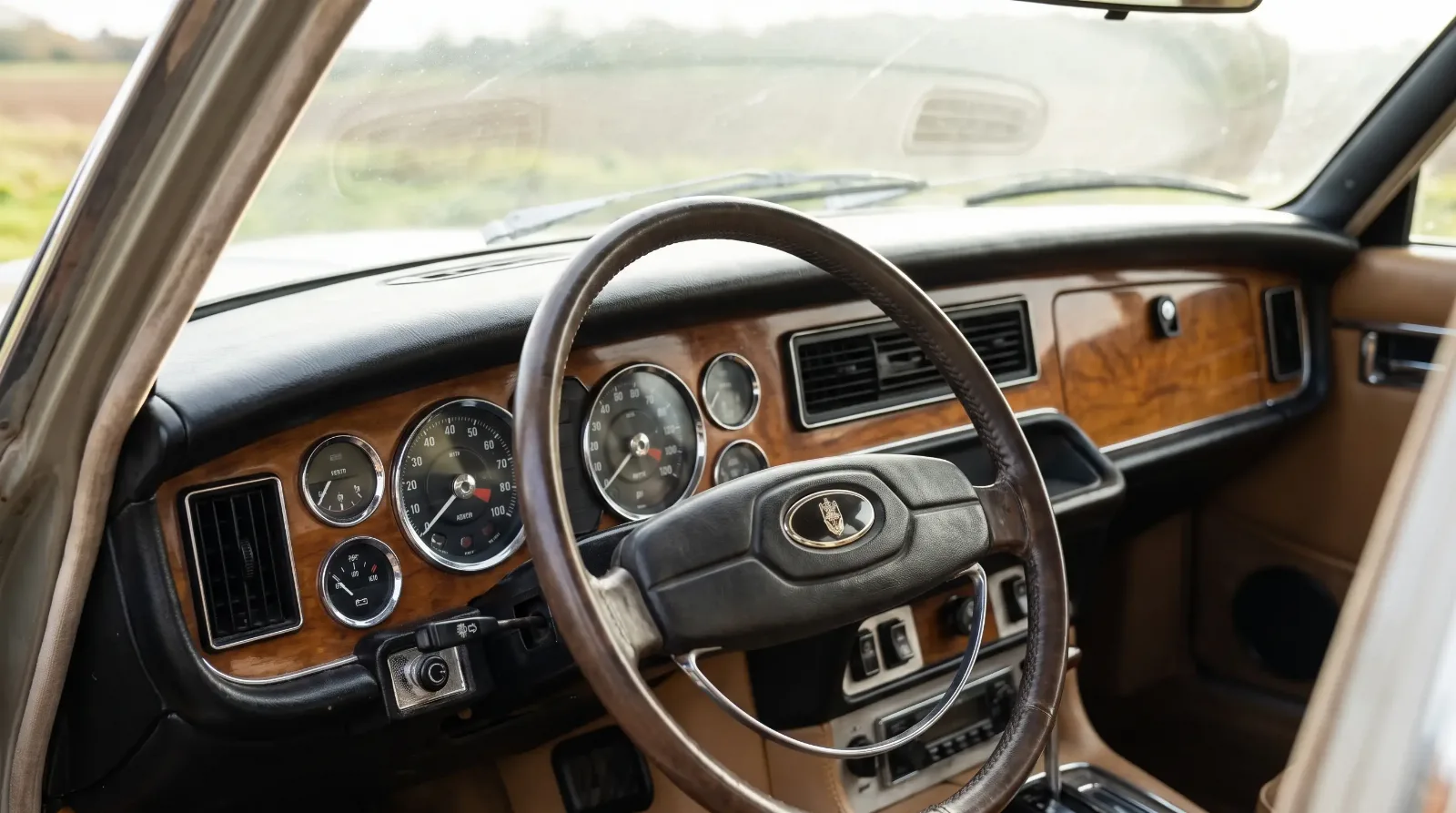
The mistake most buyers make is driving one of these cars the way they would test a sports car, listening for sharpness and response. That is the wrong standard. You are testing for smoothness, quiet, and the absence of the small failures that undermine it. Before you get behind the wheel, it helps to know where the drive fits the wider process of how to buy a classic luxury car, because the drive confirms or kills what the inspection suggested.
The cold start and the first minute
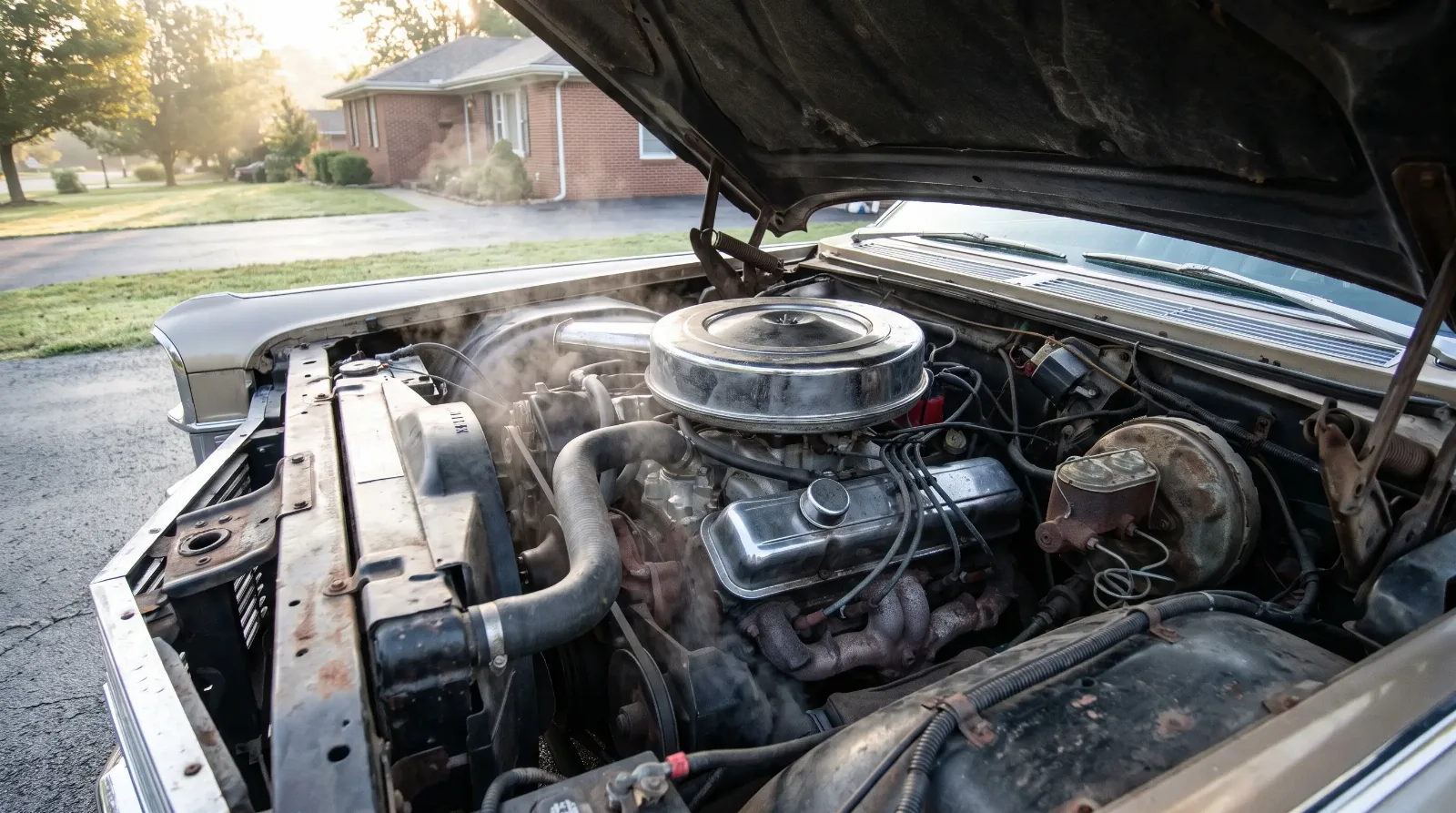
Insist on a genuine cold start. A seller who has warmed the car before you arrive may be hiding a hard-starting engine, a smoking cold engine, or a battery that no longer holds. On the cold start you want an engine that catches promptly and settles to a steady idle without a lot of smoke. A brief puff on startup can be normal on an old engine. Persistent blue smoke means oil burning, and white smoke that does not clear can mean coolant, which on a luxury V8 or V12 is a serious and expensive direction.
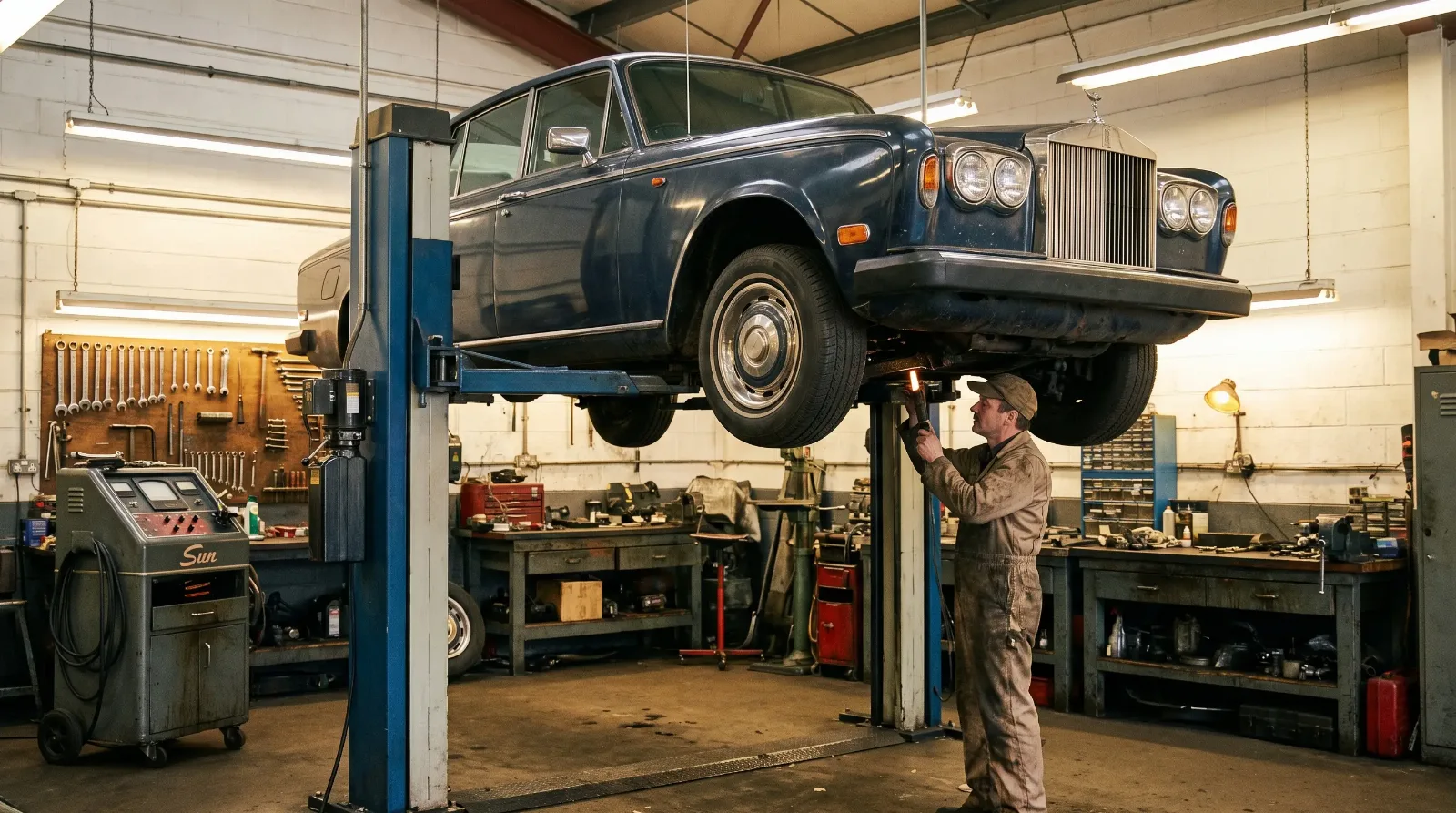
Let it idle and watch the gauges come alive. Oil pressure should rise and hold. Temperature should climb to normal and stop there, not keep climbing. On a car with air suspension or self-leveling, this is the moment to confirm the car rises evenly and does not sit lopsided or sag, because those systems are among the most expensive to repair on a classic luxury car and a sagging corner is a warning worth thousands.
What the drivetrain should feel like
Pull away gently and pay attention to the transmission. On an automatic, which most of these cars have, shifts should be smooth and almost imperceptible, not harsh, slurring, or delayed. A clunk into gear, a flare where the engine revs before the gear catches, or a shift that arrives late all point to a transmission that is tired or low, and a rebuild on a luxury automatic is a four-figure job at minimum. Accelerate moderately and confirm the engine pulls cleanly without hesitation, misfire, or a flat spot, since fuel and ignition faults on these engines can be fiddly and marque-specific to chase.
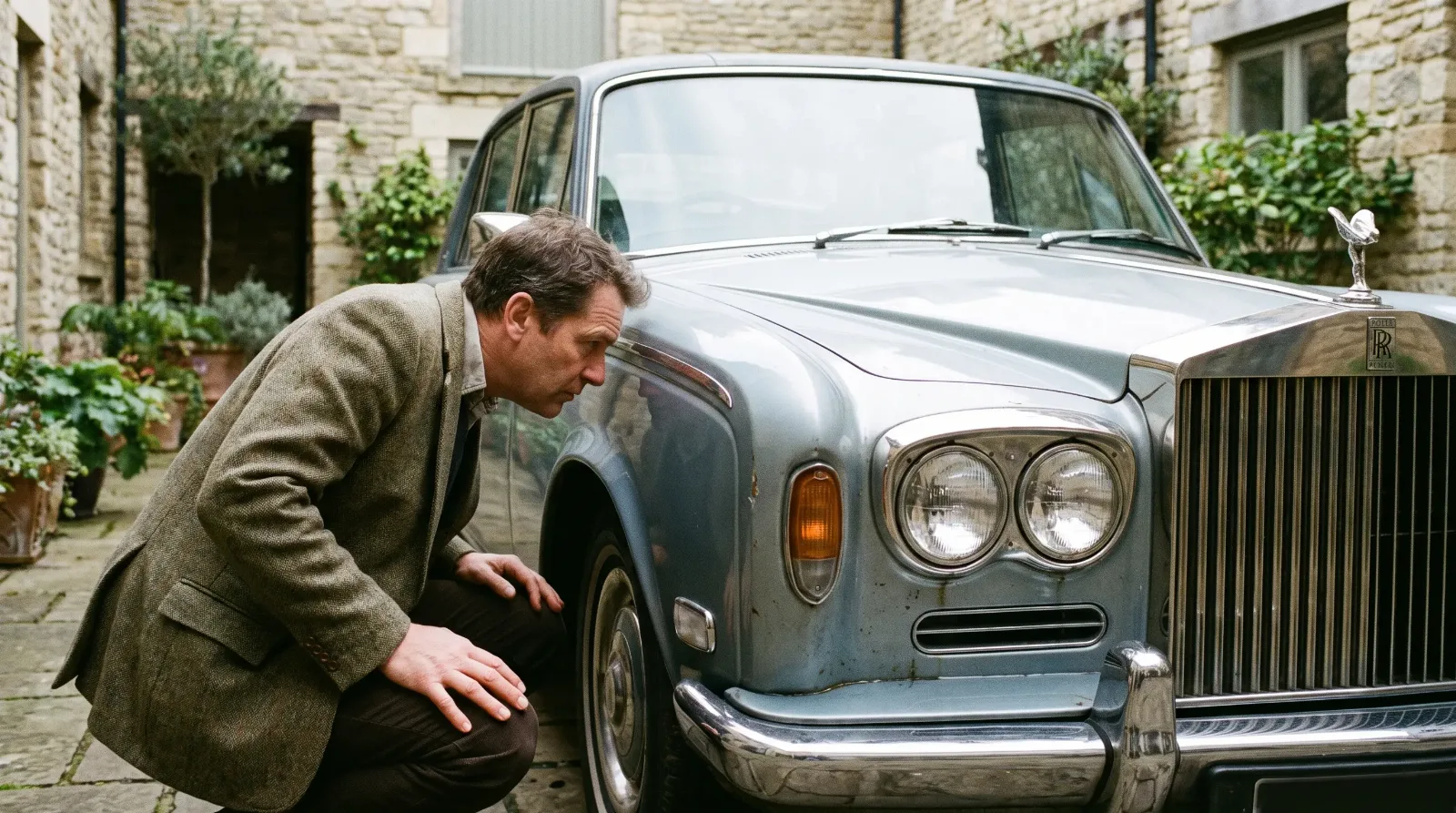
The steering should be light but not vague, and it should track straight without constant correction. Excessive play at the wheel, wander, or a pull to one side signals worn steering or suspension components, or a car out of alignment. On a heavy luxury car those parts are large and the bushings, ball joints, and steering box are not cheap. Listen underneath as you turn and go over bumps. Clunks and knocks from the suspension are the sound of worn components you will be paying to replace.
🔧 Inspection Priorities
- Cold start behavior. Demand a genuine cold start. Persistent blue or white smoke points to oil burning or coolant intrusion, both serious on a luxury V8 or V12.
- Transmission shift quality. Harsh, slurring, flaring, or delayed shifts signal a tired automatic. A rebuild runs into four figures at minimum.
- Air or self-leveling suspension. Confirm the car sits and stays level. A sagging corner is among the most expensive faults on a classic luxury car.
- Brakes and steering. Test for straight, confident stops and tight, tracking steering. Wander, pull, and clunks mean worn heavy-duty components.
"On a luxury car I am not driving for thrills, I am driving for silence. Every rattle, every harsh shift, every wobble is the car telling me where the previous owner stopped spending. The quietest example in the field is usually the one that was maintained, and it is worth paying for."
David Mercer
Brakes, ride, and the quiet test
Brakes on these cars should be confident and straight. The pedal should feel firm, not spongy or sinking, and the car should stop without pulling to one side or shuddering through the wheel. A sinking pedal points to a failing master cylinder or a leak. Shudder under braking usually means warped rotors or drums. Neither is catastrophic, but both belong in your price math. Then find some rough pavement and feel the ride. A classic luxury car should soak up bumps and stay composed. If it crashes, floats excessively, or bottoms out, the suspension is worn or the car is riding on the wrong or dead shocks.
Finally, run the quiet test. Turn off the radio, roll up the windows, and just listen at a steady cruise. Wind noise from bad seals, a droning exhaust, a whining differential, or bearing rumble all break the silence these cars were built to deliver. On a car whose entire purpose is refinement, unwanted noise is both a defect and a clue to deferred maintenance.
| What you feel | Good sign | Warning sign |
|---|---|---|
| Cold start | Prompt catch, steady idle | Hard start, lingering smoke |
| Transmission | Smooth, imperceptible shifts | Clunk, flare, or delay |
| Steering | Light, tracks straight | Play, wander, or pull |
| Ride | Composed, absorbs bumps | Crashing, floating, sagging |
| Cabin at cruise | Quiet and settled | Wind, drone, or whine |
Turning the drive into a decision
Treat the drive as a source of leverage, not just reassurance. Every fault you feel is either a reason to walk or a line item to negotiate, and a car that drives quiet and level with crisp shifts and confident brakes earns its asking price in a way a listing photo never can. The hard part is knowing whether a fault you felt is a cheap adjustment or an expensive rebuild, and that judgment often comes down to who works on the car. Whether you trust a marque specialist or a general classic mechanic changes both the diagnosis and the bill, which is the subject of next: Marque Specialists vs General Classic Mechanics.
Related Reading
Have a
Classic Car
for Sale?
Reach thousands of serious classic car collectors across the US.
Sell It Here →
Are You a Classic Car Dealer?
List your full inventory and connect with targeted classic car buyers.
Join as a Dealer →

About the author
David Mercer
Classic car market analyst with two decades of experience tracking collector car valuations, auction results, and investment trends.
More in Ownership & Lifestyle
Comments (1)
L
Lou Vincenzo
1 month ago
Great breakdown of the different years. Most people just want 'one of these' without realizing how much varies between model years.