
The last drive before winter always feels a little different than the others. Maybe it's the light going gold too early in the afternoon, or the way the heater takes longer to catch up now that the mornings have teeth in them. A man I talked to outside a swap meet in October put it simply: he takes his C10 out one more time before the snow, not because it needs the miles, but because he wants the last memory of the season to be the truck running right, not sitting quiet in the garage for four months while he wonders what he forgot to do.
Ownership & Lifestyle
7 min read
Winterizing a Classic C10: Storage Prep and Fluid Care
A season-end ritual for putting a classic C10 away right, covering fuel stabilization, battery care, fluids, and the small habits that keep a truck healthy through a long winter sit.
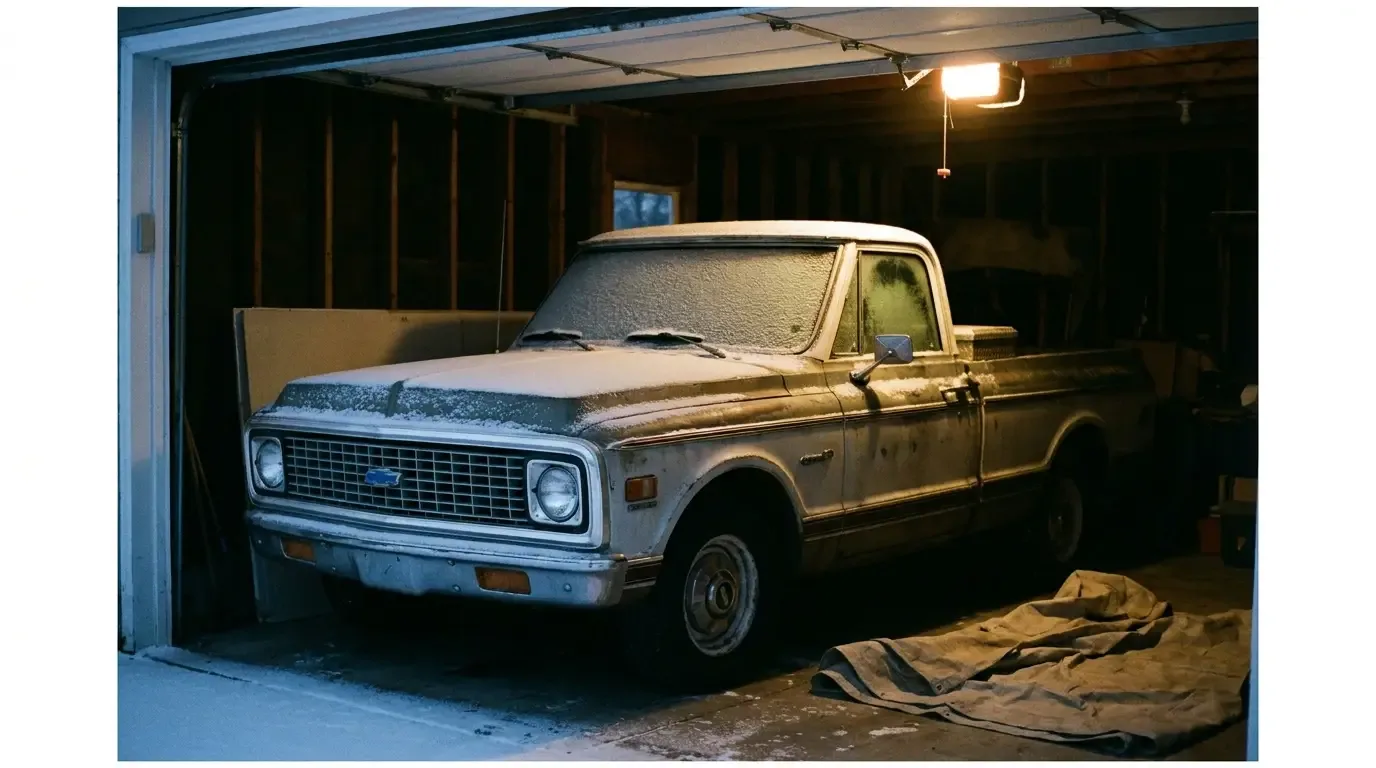
That instinct is the right one. A classic truck doesn't mind winter so much as it minds being ignored during it. Fuel that sits and separates, a battery that slowly bleeds itself dry, moisture that finds every seam a factory gasket left forty years ago and works its way in anyway. None of it is dramatic. It's just neglect, compounding quietly over a season, and it's almost entirely preventable with an afternoon of attention before the cover goes on.
Starting with the fuel system
Ethanol-blended pump gas is the single biggest reason a classic truck comes out of storage running rough in the spring, or not running at all. Left sitting for months, it absorbs moisture from the air inside the tank, separates, and leaves behind a residue that gums up a carburetor's tiny passages with an efficiency that would almost be impressive if it weren't so aggravating. The fix is straightforward. Fill the tank close to full before storage, since a fuller tank means less air space for condensation to form in, and add a stabilizer rated for the amount of time the truck will actually sit.
Run the truck for ten or fifteen minutes after adding stabilizer so treated fuel actually reaches the carburetor bowl and not just the tank. A truck that gets stabilizer poured in and is shut off five minutes later hasn't really protected the part of the fuel system that causes the most trouble come spring.
The battery, and the slow drain nobody notices
A battery sitting in a cold garage all winter with nothing pulling current from it should, in theory, just sit there patiently. In practice, older wiring, aftermarket accessories, and the battery's own internal discharge rate mean a fully charged battery in October can be stone dead by February, and a battery that's been fully drained and left that way for months rarely comes back to full health even after a proper charge.
A trickle charger or a smart maintainer clipped to the battery terminals solves this without any real effort on your part. If the truck's staying somewhere without power access, pull the battery entirely and store it somewhere temperate, checking the charge level every few weeks over the winter. It's a small habit that saves a spring morning spent jump-starting a truck that should have just fired on the first turn of the key.
Fluids, moisture, and the parts you can't see
Old engine oil holds combustion byproducts that turn mildly acidic over time, and a truck stored on old oil all winter is sitting with that acidity working on internal surfaces the entire time it's parked. A fresh oil and filter change right before storage, rather than waiting until spring, means the truck sits with clean oil protecting everything instead of oil that was already due for a change back in September.
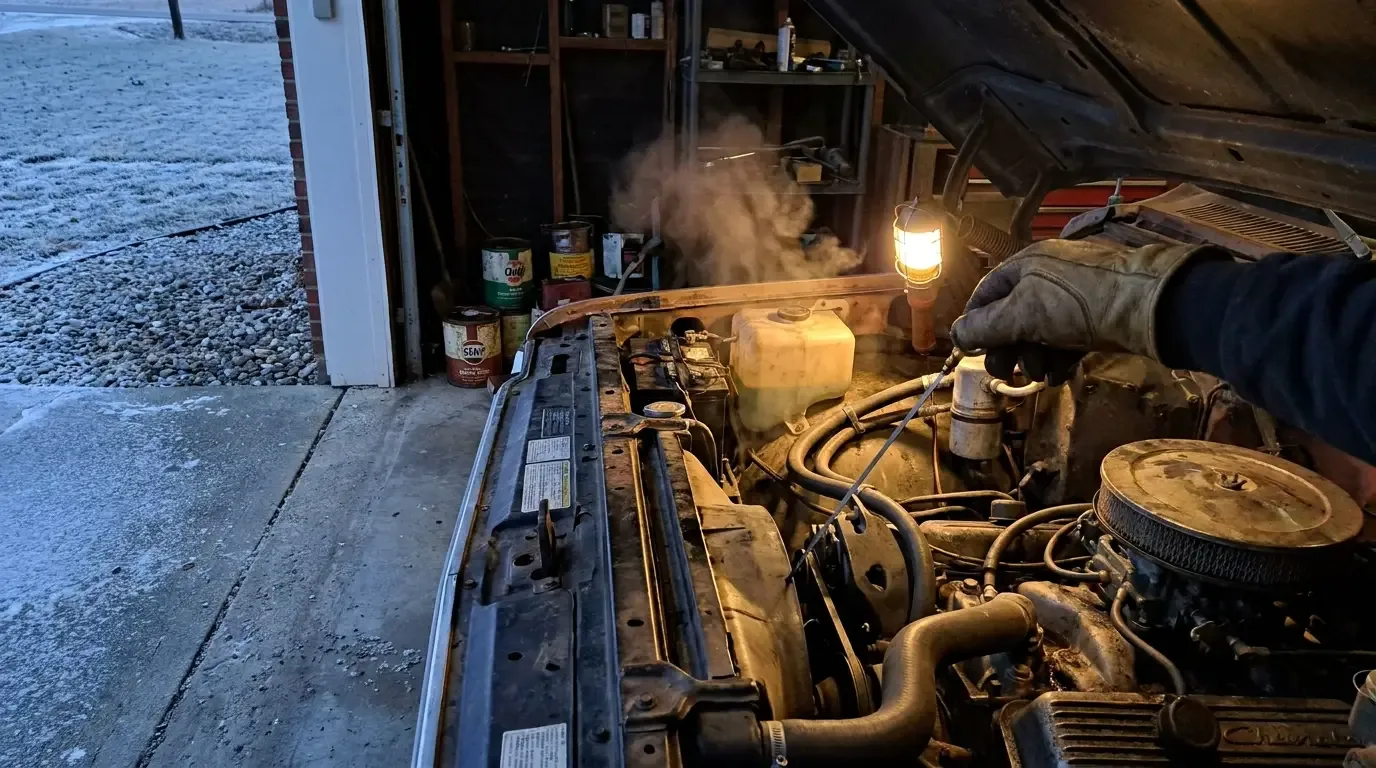
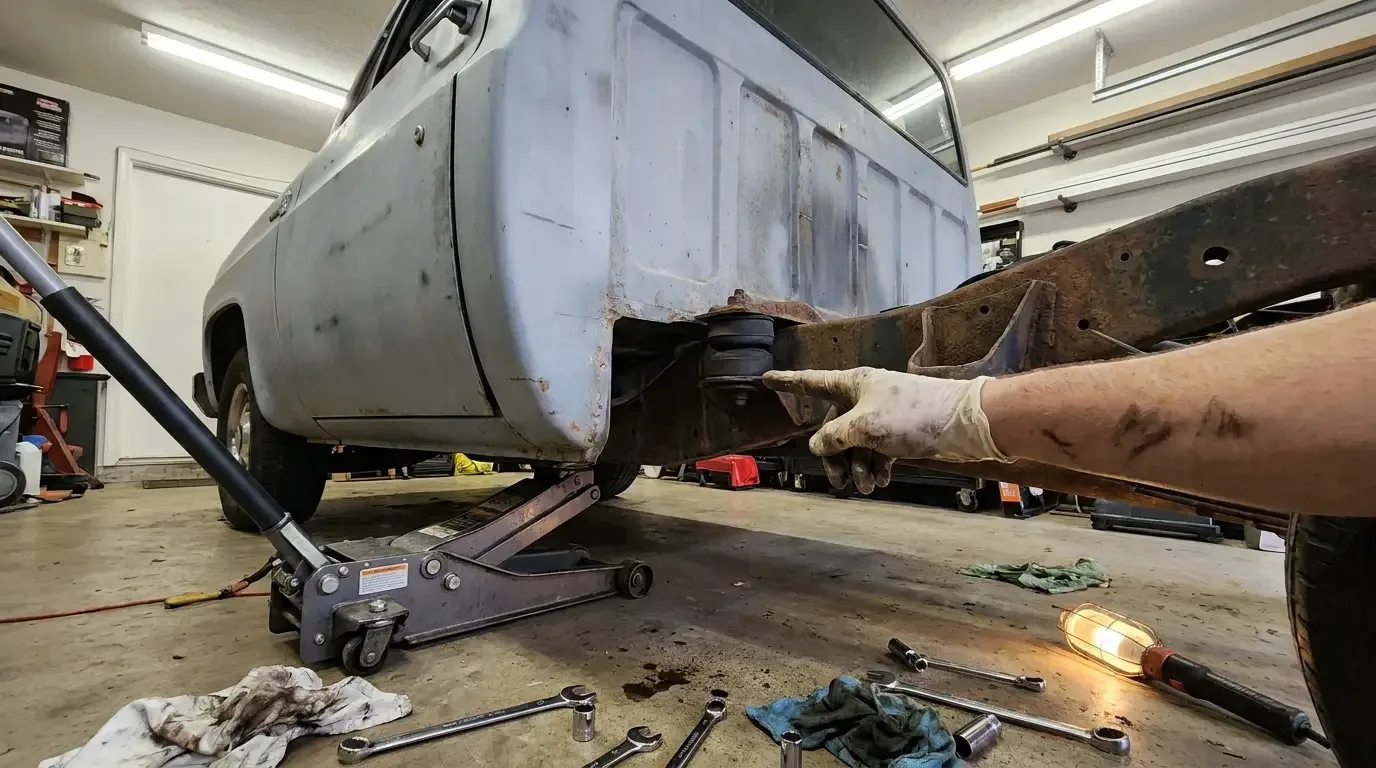
Coolant deserves the same attention, especially in a climate where temperatures actually drop below freezing. Check that the antifreeze mixture is strong enough for the coldest night the truck will realistically see, since a cooling system that freezes and cracks a block over one bad night undoes years of careful ownership in a single cold snap. And while you're under the truck checking fluids, it's worth a look at the body mount bushings worth checking before storage, since a truck sitting stationary on worn, compressed bushings for months can develop new creaks and misalignments that weren't there when it went in.
Tires, seals, and the parts touching the ground
A truck sitting in one spot for months puts constant pressure on the same section of tire, and if the tires are underinflated when storage starts, that pressure can create flat spots that never fully round back out. Bring tire pressure up a few pounds above the normal driving spec before parking the truck, and if there's any way to do it, roll the truck forward a few feet every month or two so the weight isn't always resting on the identical spot of rubber.
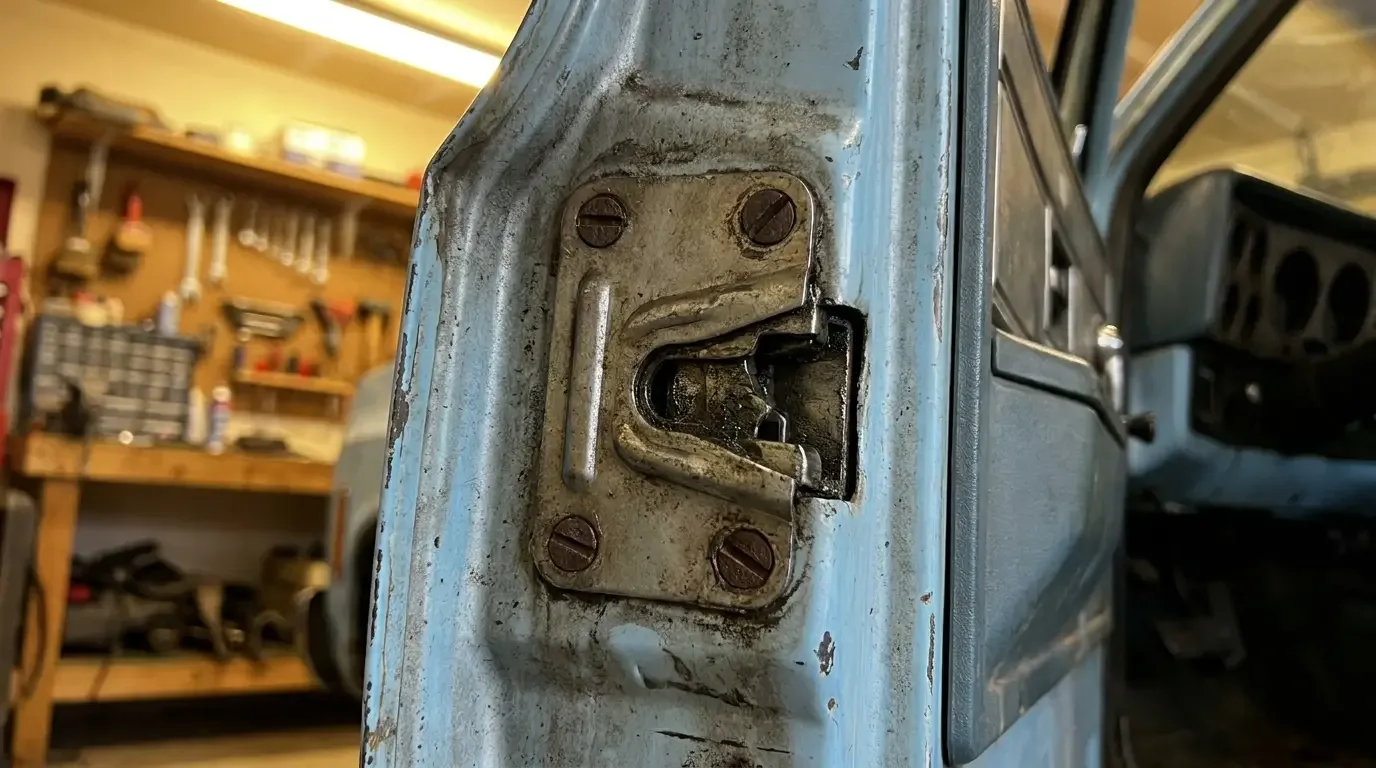
Weatherstripping and door seals that have gone stiff with age let more moisture in during a long winter sit than they would during regular driving, simply because there's more time for the problem to compound. A light coat of rubber conditioner on the door and window seals before storage keeps them supple enough to actually seal, rather than brittle and gapped by the time you go to start the truck in spring.
"People treat storage like the truck is just being put to sleep, and in some ways it is. But sleep isn't nothing. What you do the night before matters, and what you do the morning you wake it back up matters just as much. The trucks that come out of winter running clean are almost never the ones that got lucky. They're the ones somebody spent an afternoon on before the cover went on."
Nora Beckett
There's something almost tender about the ritual of putting a truck away for the season, the same way there's something tender about closing up a family cabin before the first real cold front. You check the things that matter, you leave it in a state that respects what it's been through and what it'll do again once the weather turns, and then you wait. Anyone who wants the fuller picture of what this particular truck has carried through its decades on the road should read the C10 story, and anyone tackling storage prep as part of a bigger seasonal routine will find the rest of what a C10 needs across the year in the full maintenance guide. Come spring, the truck that got this kind of attention starts like it never stopped, and the one that didn't reminds you, slowly and expensively, exactly what you skipped.
Sources and notes
- Hagerty: How to classic car winterization and storage
- Hagerty: best tips for winter car storage and care
- Hagerty: is your fuel stabilizer actually hurting your car
- Classic Motorsports: fuel facts on filling up before winter parking
- Timeless Muscle: why fuel stabilizer is necessary for winter storage
Related Reading
Have a
Chevrolet C10
for Sale?
Reach thousands of serious classic car collectors across the US.
Sell It Here →
Are You a Classic Car Dealer?
List your full inventory and connect with targeted classic car buyers.
Join as a Dealer →
#Lifestyle
#chevrolet c10
#winterizing a classic car
#storage prep
#fuel stabilizer
#seasonal maintenance

About the author
Nora Beckett
Automotive features writer and photographer who tells the human stories behind the cars, from show fields to cross-country road trips.
Related Listings - Chevrolet C10

More in Ownership & Lifestyle



Comments
Be the first to comment on this article.