
Chevrolet built a lot of trucks before the C10 came along, but none of them changed what a half-ton pickup was supposed to be. The C10 showed up for the 1960 model year and it stuck around, in one form or another, for three decades. That's a long run for any vehicle, and it tells you something about how right Chevrolet got the basic idea the first time out. This is the story of how a work truck became one of the most collected vehicles in America, and why guys like me still spend our weekends chasing them.
History & Heritage
15 min read
The Chevrolet C10 Story: America's Half-Ton Icon
From the 1960 redesign to the square body era, the Chevrolet C10 spent three decades proving that a work truck built right never really goes out of style.
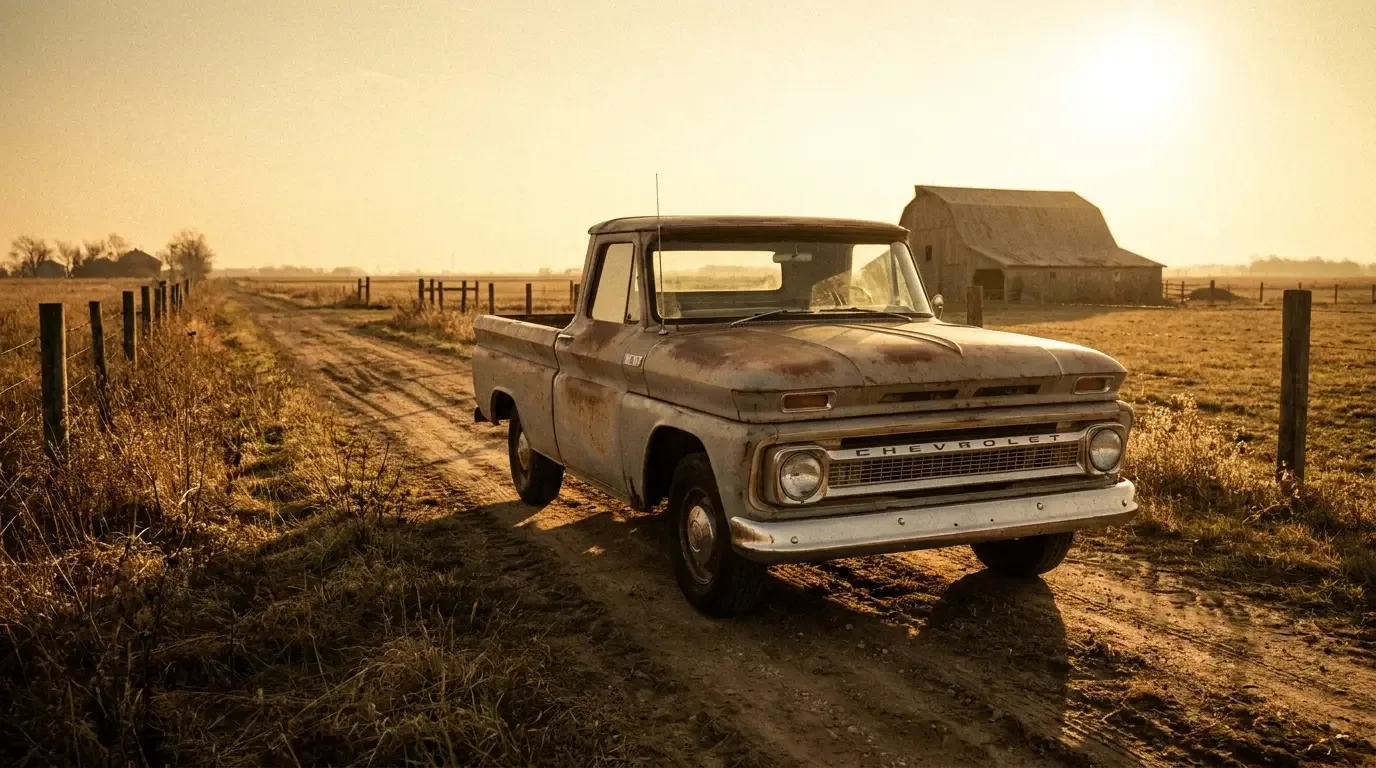
I've been buying, wrenching on, and writing about American pickups since trucks were tools and nobody thought twice about parking one outside in the weather. The C10 sits at the center of that world. It wasn't the fastest truck, it wasn't the prettiest when new, and it sure wasn't expensive. It was just built right, and built right has a way of outlasting flashy.
Why Chevrolet needed a new truck in 1960
Through the 1950s, Chevrolet's trucks were basically dressed-up versions of what came before, with body-on-frame construction that hadn't moved far from prewar thinking. The Task Force trucks that ran from 1955 to 1959 were a real step forward in styling, but underneath they were still riding on a design philosophy that treated the cab as something bolted onto a frame, with not much thought given to ride quality or how the driver actually experienced the vehicle day to day.
By the late 1950s, Ford was pushing hard with its own truck lineup, and the market for light-duty pickups was shifting. Farmers and tradesmen were still the core buyer, but a second kind of customer was emerging, guys who wanted a truck that could double as a family vehicle on weekends. Chevrolet's engineers understood that whoever solved ride quality without sacrificing the truck's working capability was going to win a bigger share of that market.
The result was a completely new platform for 1960, and Chevrolet didn't just tweak the old design. They rebuilt the truck from the ground up, and the changes were bigger than most people realize looking back on it now.
The 1960 redesign that started it all
The 1960 C10 introduced independent front suspension on a Chevrolet half-ton for the first time, a genuine departure from the solid front axle setup that had defined trucks for decades. This wasn't a cosmetic change. Independent front suspension meant a smoother ride over rough roads, better handling, and a driving experience that started to close the gap between a truck and a car. For a farmer running a rutted dirt road every day, that mattered. For the growing number of buyers who wanted their truck to also serve as everyday transportation, it mattered even more.
Chevrolet also introduced a drop-center ladder frame with the cab sitting lower and the body mounted differently than before, which lowered the truck's overall height and improved the driving position. The new cab was wider inside too, giving drivers more shoulder room and a dashboard layout that looked less like an afterthought and more like something designed on purpose.
The naming convention changed as well. Chevrolet split its light truck line into C-series (two-wheel drive) and K-series (four-wheel drive) designations, with the number indicating payload class. The C10 designated a half-ton, two-wheel-drive truck, while the C20 and C30 stepped up into three-quarter-ton and one-ton territory. This naming system stuck around long enough that people still use "C10" as shorthand for the whole first three generations of these trucks, even though technically it only refers to the half-ton variant.
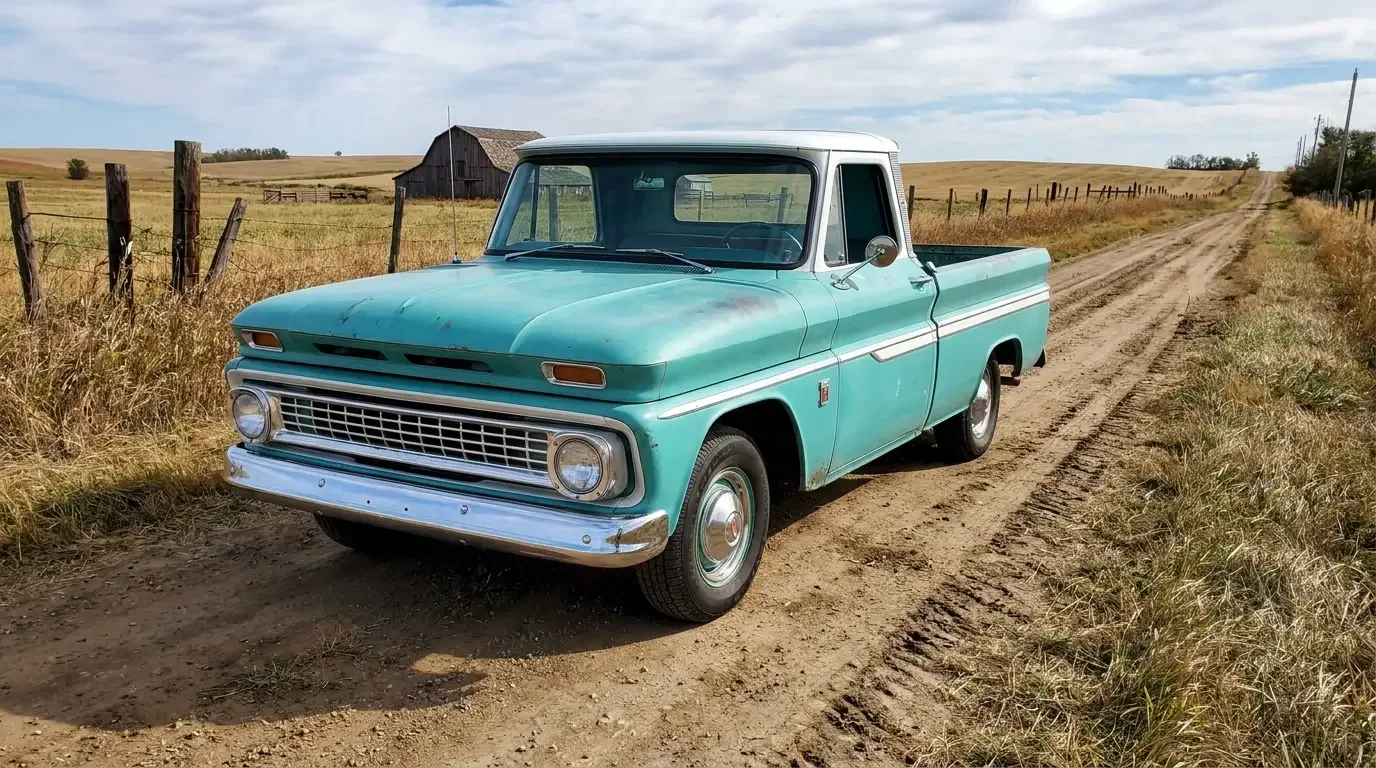
The first generation: 1960 to 1966
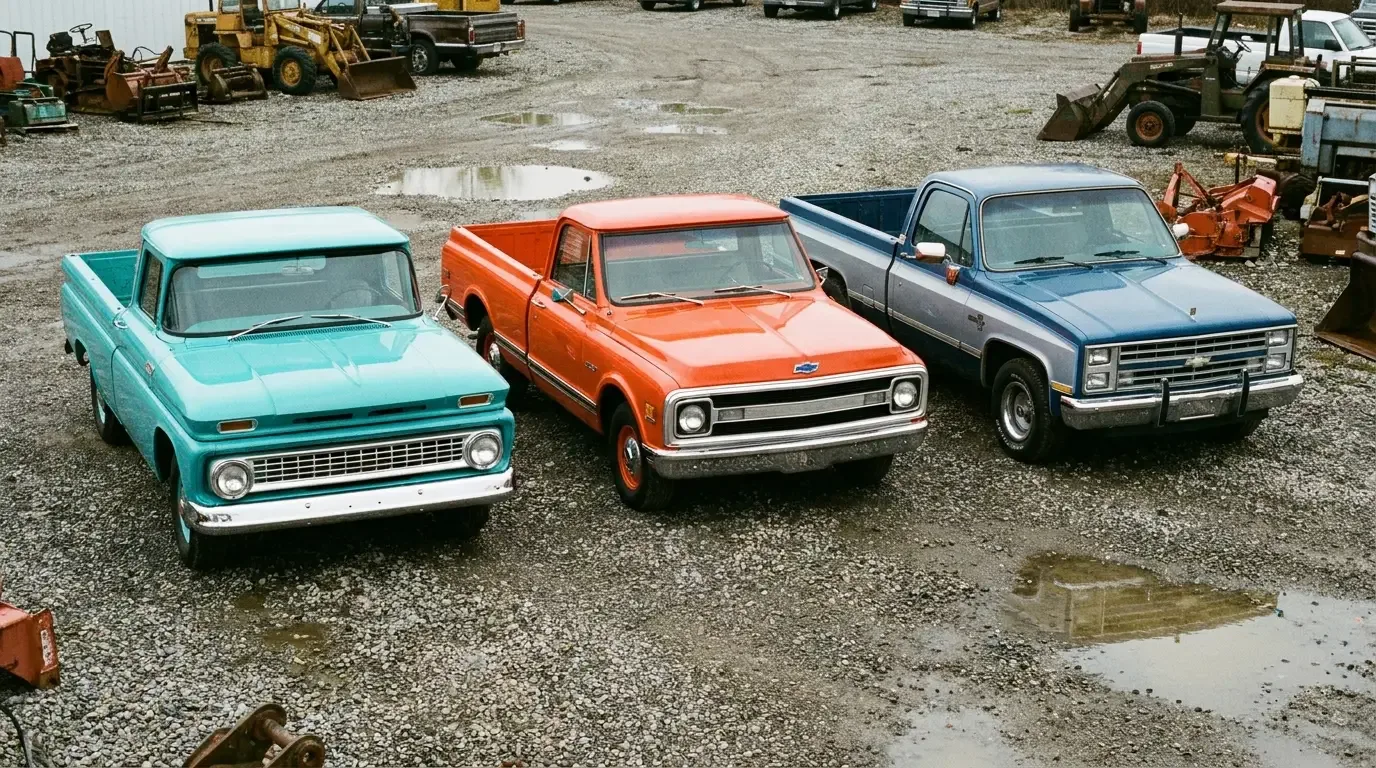
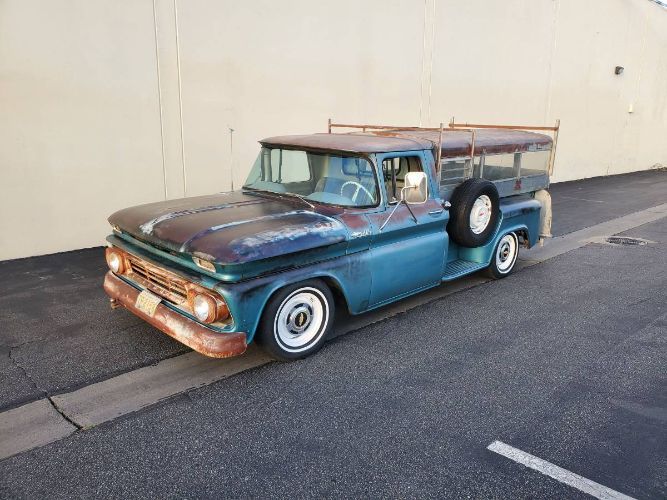
The first-generation trucks, sometimes called the "Apache" era in early years before Chevrolet dropped separate model names for trucks, ran from 1960 through 1966. These trucks are identifiable by their wraparound windshields on early years and a grille design that evolved noticeably across the run. A 1960 truck looks meaningfully different from a 1966 truck at the front end, even though the platform underneath stayed largely consistent.
Engine options through this generation included Chevrolet's inline-six as the base motor, which most buyers actually chose because it was cheap to run and plenty capable for work duty. Small-block V8 options were available too, and that's the engine most collectors chase today because it makes the truck genuinely quick by period standards and because parts support for the small-block is still excellent decades later.
One thing that changed partway through the first generation was the frame design. Chevrolet moved from a design where the cab sat closer to the frame rails to a configuration that improved ride quality further. If you're looking at early first-gen trucks versus late first-gen trucks, you're looking at two distinct sub-eras even within the same generation, and the differences matter if you're trying to source correct parts for a restoration.
In 1963, Chevrolet redesigned the front end again, replacing the torsion bars used since the 1960 introduction with coil springs, a change aimed more at long-term durability and tire wear than at outright ride softness. The coil-spring rear end, meanwhile, had been standard on two-wheel-drive half-ton trucks from the very first 1960 models, with leaf springs reserved for heavier-duty three-quarter-ton, one-ton, and four-wheel-drive configurations.
The second generation: 1967 to 1972
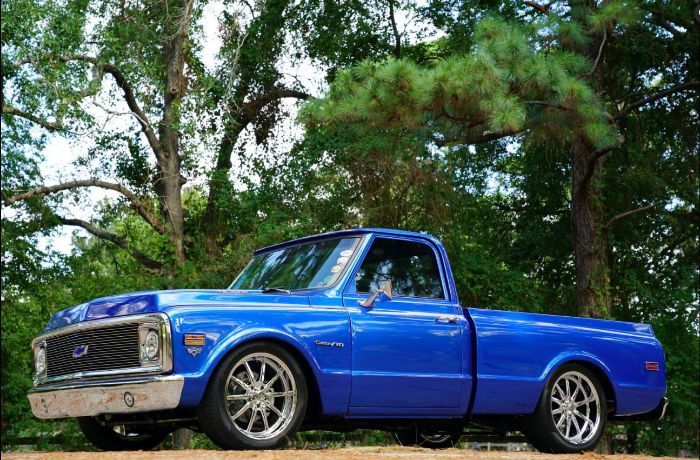
The second generation is where the C10 really found its identity as a design, and it's the generation most people picture when they hear the name. Chevrolet gave the truck a completely new body with cleaner lines, a more integrated look between cab and bed, and styling that has aged about as well as any American vehicle from that decade. These trucks get called the "Action Line" trucks in Chevrolet's own period marketing, and they represented a genuine styling leap from the first generation.
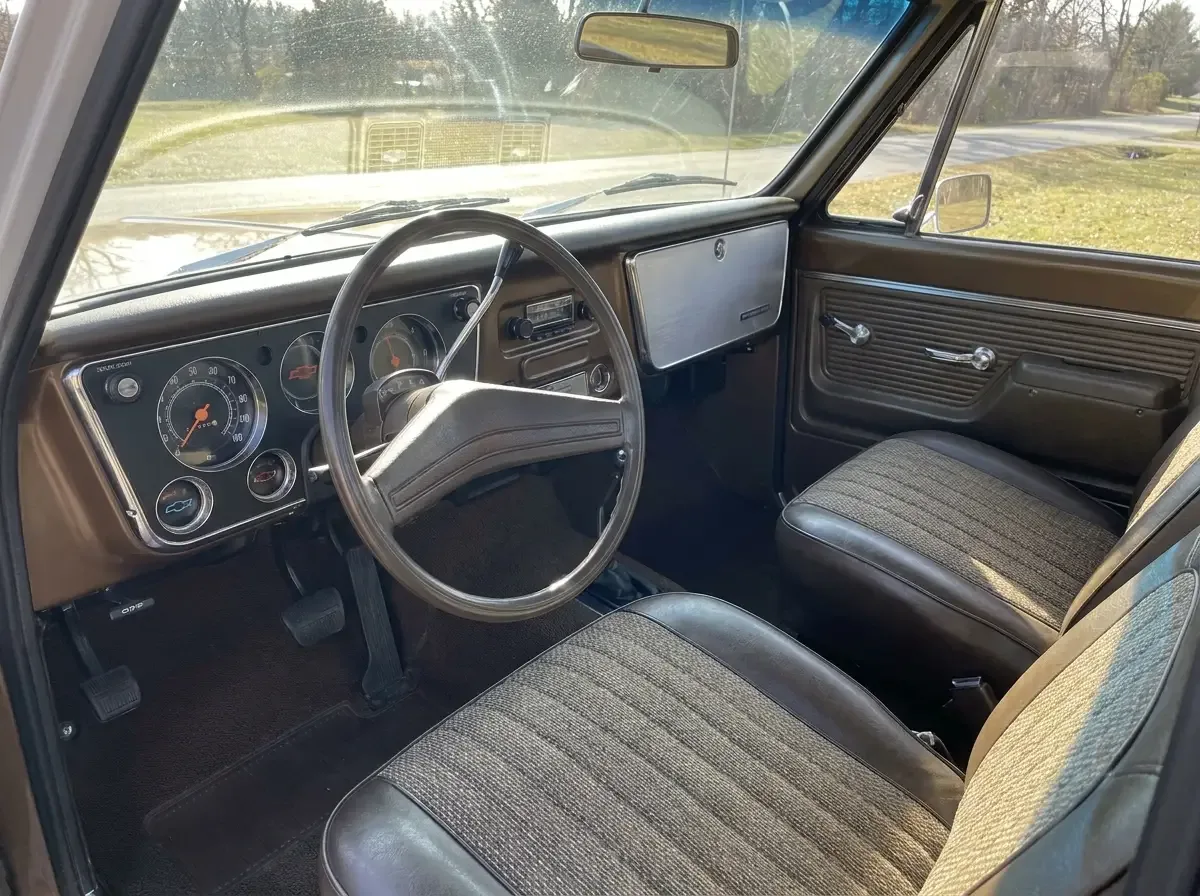
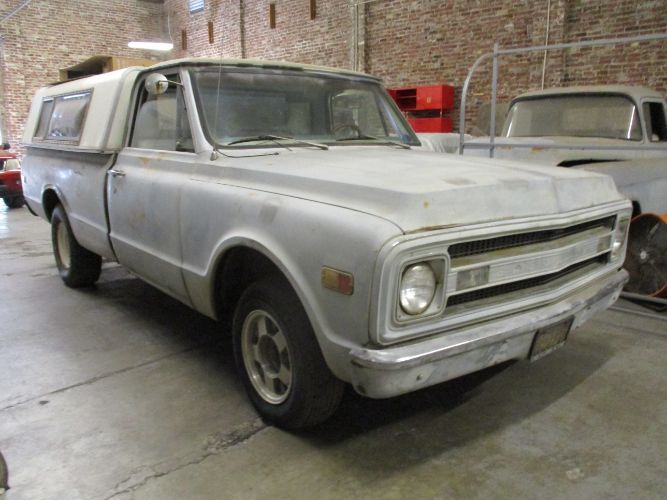
Inside this generation there were meaningful running changes almost every year. The 1967 and 1968 trucks share a grille and side marker treatment that the 1969 through 1972 trucks moved away from, and 1971 brought a new eggcrate grille with the Chevrolet bowtie relocated from the hood back onto the grille itself, along with the parking lamps moved down into the front bumper. The Custom Sport Truck (CST) package, introduced right alongside this generation's 1967 launch, brought bucket seats, extra brightwork, and interior trim that made the truck feel closer to a personal vehicle than a work tool. That package is one of the more desirable configurations for collectors today because it signaled Chevrolet taking the idea of a "nice truck" seriously for the first time.
Engine options expanded through this generation too, with big-block V8 options becoming available in half-ton trucks for buyers who wanted serious power. A second-gen C10 with a 396 or comparable big-block under the hood is a different animal from the six-cylinder work truck version, and the price gap between those two configurations reflects that difference in the current collector market.
"The second-gen trucks are where the C10 stopped apologizing for being a truck. Before that, you bought one because you needed one. After 1967, plenty of guys bought one because they wanted one, and that's a different kind of truck entirely."
Robert Halloran
The third generation: 1973 to 1987, the square body era
The third generation is what most enthusiasts call the "square body" trucks, and it's the longest-running C10 generation by a wide margin. Chevrolet introduced this body style for 1973 and, with a mid-cycle facelift around 1981, kept it in production through 1987 for half-ton trucks (the platform continued longer in heavier-duty and Suburban applications). Fifteen years is an enormous production run for one body style, and it happened because the square body got the fundamentals right: a boxy, upright cab with excellent visibility, a frame that could handle real work, and styling that read as honest rather than dated even as the years rolled on.
The square body era saw the C10 designation phased out partway through in favor of straight "C/K 10" naming conventions, and by 1988 Chevrolet had moved to the GMT400 platform, ending the C10 name for good on new trucks. But by then the C10 had already cemented its reputation, and the used-truck market kept those earlier trucks working on ranches and job sites for decades after production ended.
This is also the generation where rust becomes the biggest conversation for anyone shopping today. A square body that spent its life in a dry climate is a completely different proposition from one that worked through Midwest winters or humid Gulf Coast summers. Overall volume for the square body era was enormous: Chevrolet moved roughly 666,619 C/K trucks in the 1973 debut year alone and hit an all-time production high of about 1.3 million in 1978, but figures broken out by individual trim and engine combination are hard to pin down precisely, and anyone quoting an exact number for a specific configuration should be able to point to where that number came from.
| Generation | Years | Common nickname | Key changes |
|---|---|---|---|
| First generation | 1960-1966 | Apache era | Independent front suspension introduced, new frame and cab design |
| Second generation | 1967-1972 | Action Line | All-new styling, Custom Sport Truck package, expanded big-block options |
| Third generation | 1973-1987 | Square body | Boxy styling, longest production run, 1981 facelift, C/K 10 naming |
Engine options across three decades
One reason the C10 covers such a wide range of personalities is the sheer spread of engines Chevrolet put under that hood over twenty-seven years. The base inline-six changed displacement and output multiple times across the generations, starting with the 235 cubic inch six in 1960 and eventually giving way to the 250 and later the 292 six in bigger applications. These sixes were never fast, but they were cheap to maintain and would run seemingly forever with basic maintenance, which is exactly why so many work-truck buyers chose them over a V8 they didn't need.
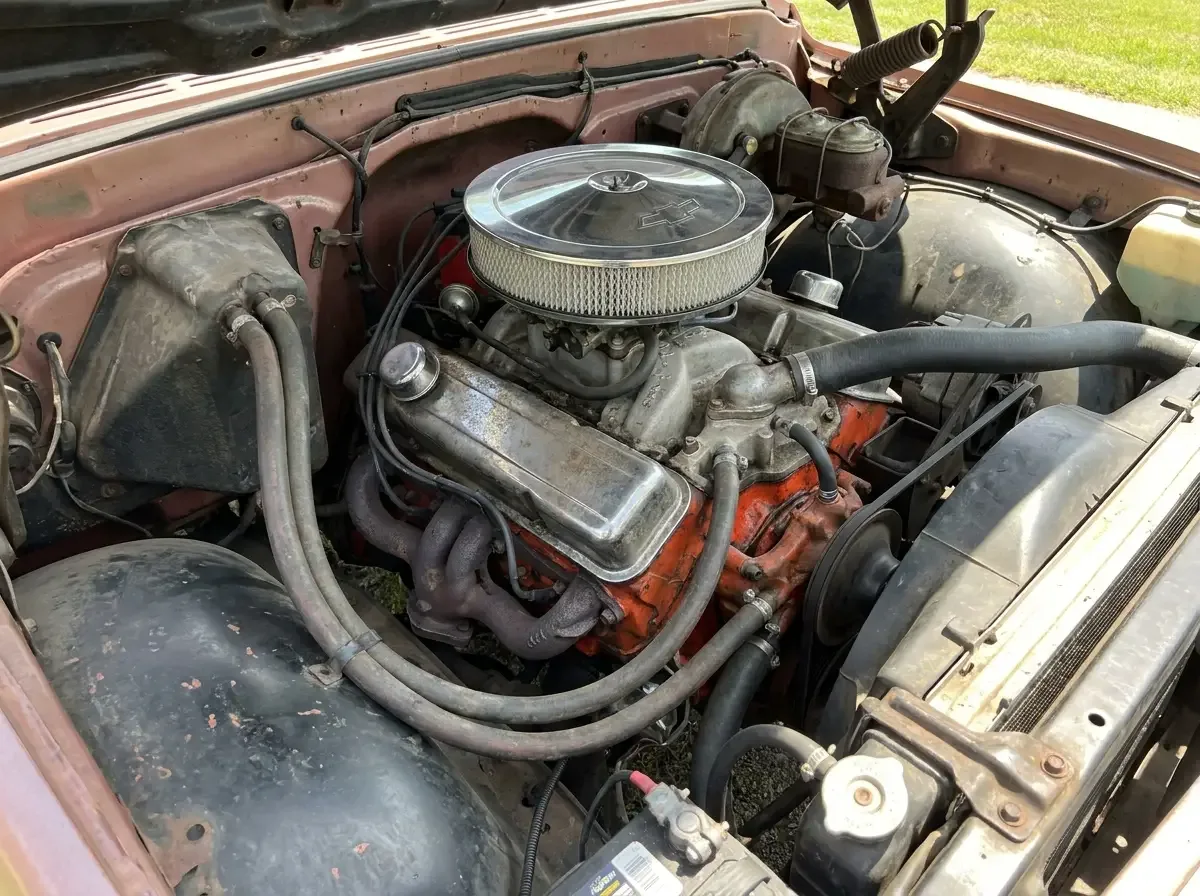
On the V8 side, the small-block family is where most of the collector interest sits today. Early first-generation trucks could be had with a 283, and that engine family grew through the 307, 327, and eventually the 350 that became the small-block of choice for most second- and third-generation trucks. The 350 in particular became so common in these trucks that it's practically synonymous with the C10 platform by the square body era, and parts support for it remains excellent because the same engine saw duty in countless other Chevrolet products.
Big-block options showed up starting in 1968, when the 396 (actually 402 cubic inches under the badge) arrived rated at 325 horsepower and 410 lb-ft of torque, giving buyers a genuine performance option in a vehicle that had started life as a pure work truck. By 1971-1972 that same engine, enlarged again and marketed as the 400, was rated at around 300 horsepower and 340 lb-ft under tightening emissions requirements, a reminder that exact horsepower figures for big-block half-ton applications varied meaningfully by year and emissions equipment, and anyone quoting a specific number for a specific model year should be checking it against factory literature rather than repeating a number they saw on a forum. What's not in question is that a big-block second-gen or early square body truck drives like a completely different vehicle from the six-cylinder work-spec version, and the price difference between the two reflects exactly that gap in desirability in the current collector market.
Special configurations worth knowing
Beyond the standard work-truck trim, Chevrolet offered configurations across all three generations that collectors specifically seek out today. The Custom Sport Truck package in the second generation has already been mentioned, but the third generation brought its own desirable trims, including the Silverado package that added higher-grade interior trim, extra sound insulation, and brightwork that dressed the truck up considerably from the base work-spec cab.
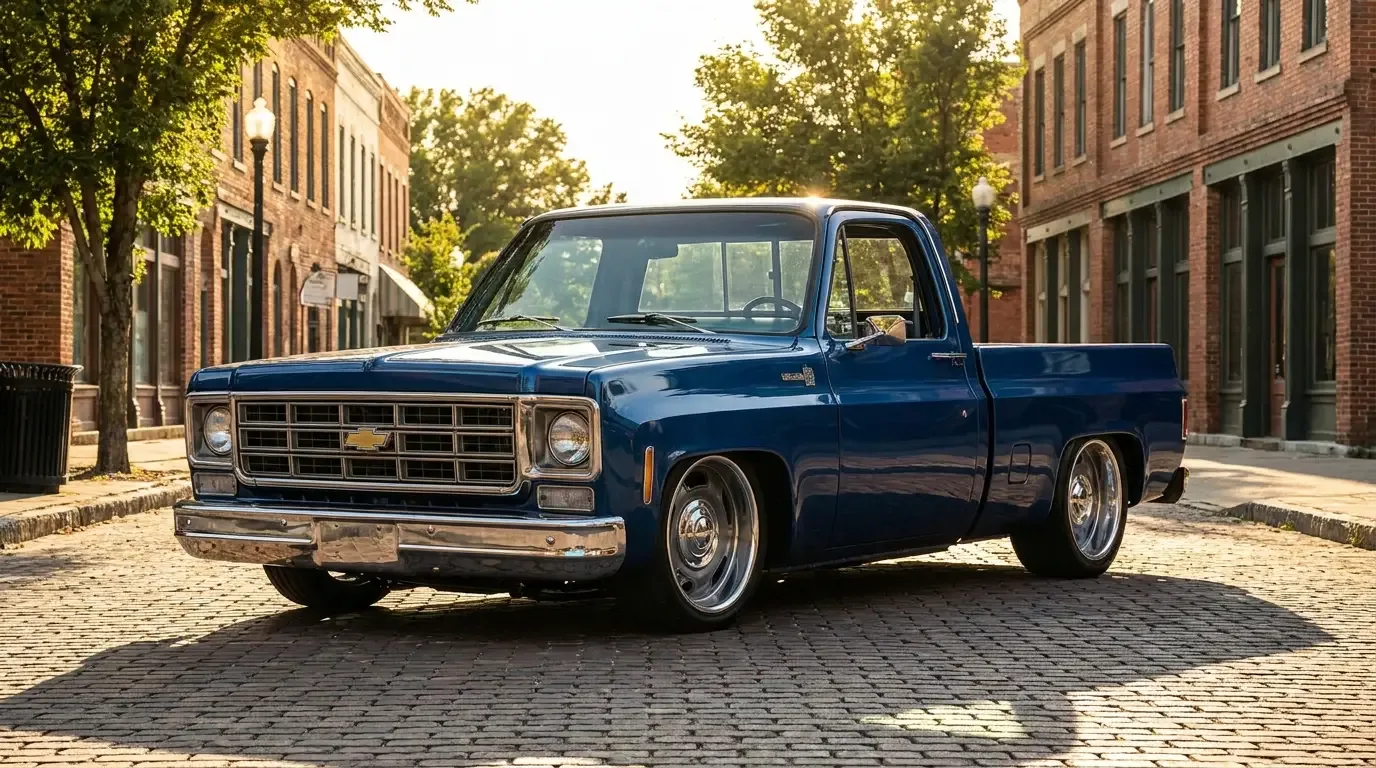
Short-bed and long-bed configurations matter too, and not just for cargo capacity. A short-bed truck on the same wheelbase as a long-bed version has a noticeably different stance, and that stance is part of why short-bed square bodies in particular have become so popular with the restomod crowd. It's a proportion thing, not a performance thing, but proportion sells trucks in this hobby just as much as horsepower does.
Four-wheel-drive versions, badged as K10 rather than C10, deserve a mention here too even though they're technically a different model line. The K10 shared most of its body and cab with the C10 across all three generations, and a lot of buyers use the two names loosely when they're really talking about the broader family of half-ton Chevrolet trucks from this era. If you're shopping and a listing says K10, understand you're looking at the four-wheel-drive sibling, not a two-wheel-drive C10 with a typo in the ad.
"A short-bed square body with the right stance will stop a guy in a parking lot faster than a lot of cars twice its price. There's something about the proportions Chevrolet landed on that just works, and it worked whether the truck cost three thousand dollars or thirty thousand."
Robert Halloran
What made the C10 last on the job
Part of the C10 story that gets lost when people focus only on styling is how genuinely tough these trucks were as work vehicles. The frame designs Chevrolet used across all three generations were built with real payload and towing capacity in mind, not just enough to pass a brochure spec. Ranch owners, contractors, and small businesses bought these trucks because they held up to daily abuse, and that reputation is exactly why so many of them are still around to restore today. A truck that got babied doesn't teach you anything about durability. A truck that worked for twenty years and still runs is the real proof.
Parts availability is another quiet reason the C10 became such a fixture in American truck culture. Because Chevrolet sold so many of these trucks and because the platform shared components across such a long run, the aftermarket built up a massive supply chain of reproduction parts. You can buy nearly complete sheet metal, drivetrain components, and interior pieces for a square body today without much trouble. That's not true for a lot of trucks from this era, and it's a big part of why restoring a C10 remains realistic on a working person's budget rather than a rich collector's budget.
The C10 as a collector truck today
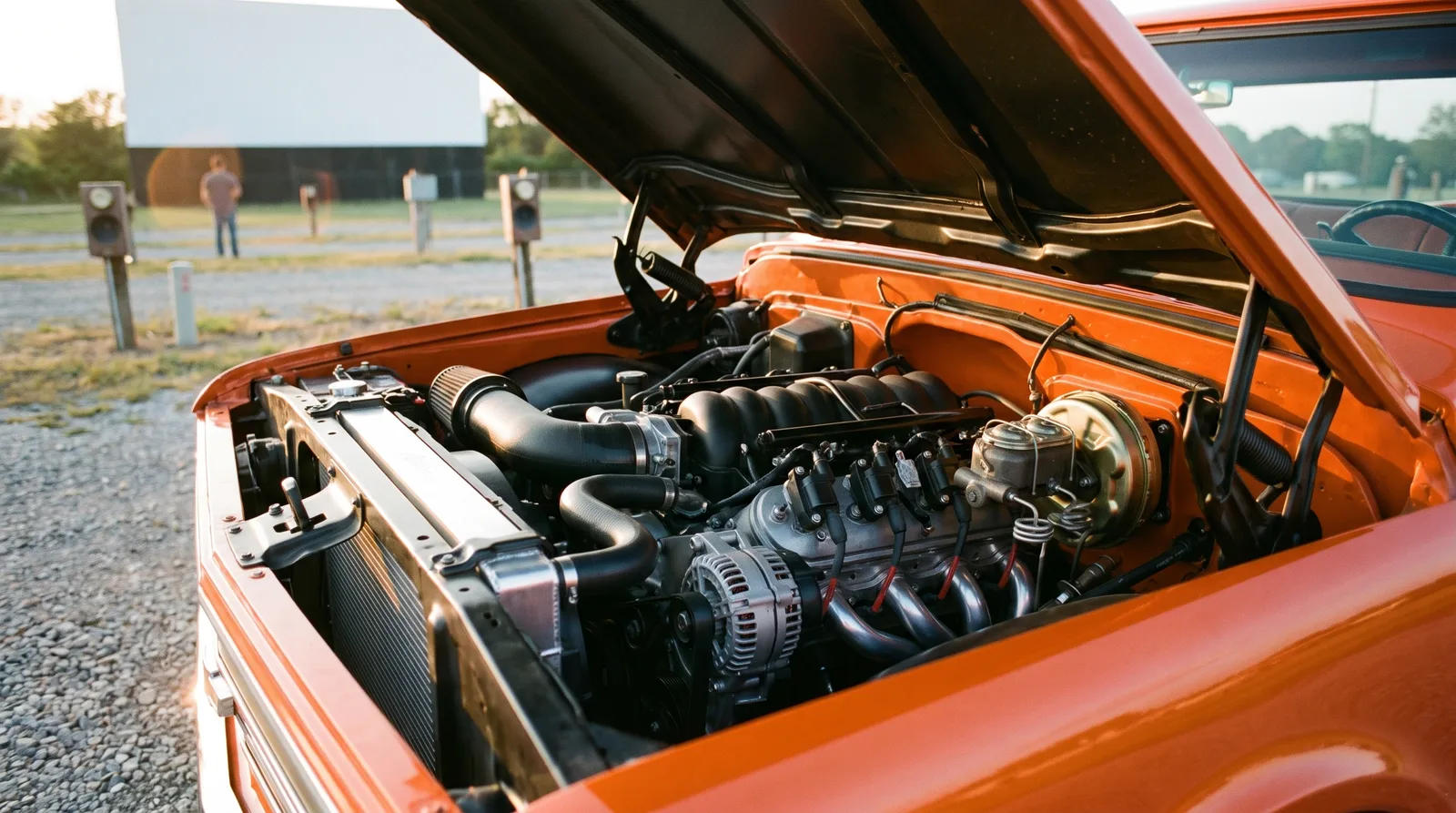
What's happened to the C10 market over the past fifteen years or so mirrors what happened to muscle cars a generation earlier. Trucks that used to sell for a few thousand dollars as work vehicles are now commanding real money, especially clean second-generation and square body examples with desirable engine and trim combinations. Restomod builds, where a classic C10 body gets modern suspension, a fuel-injected engine, and updated brakes, have become their own entire segment of the hobby, and some of those builds sell for prices that would have seemed absurd to the original owners.
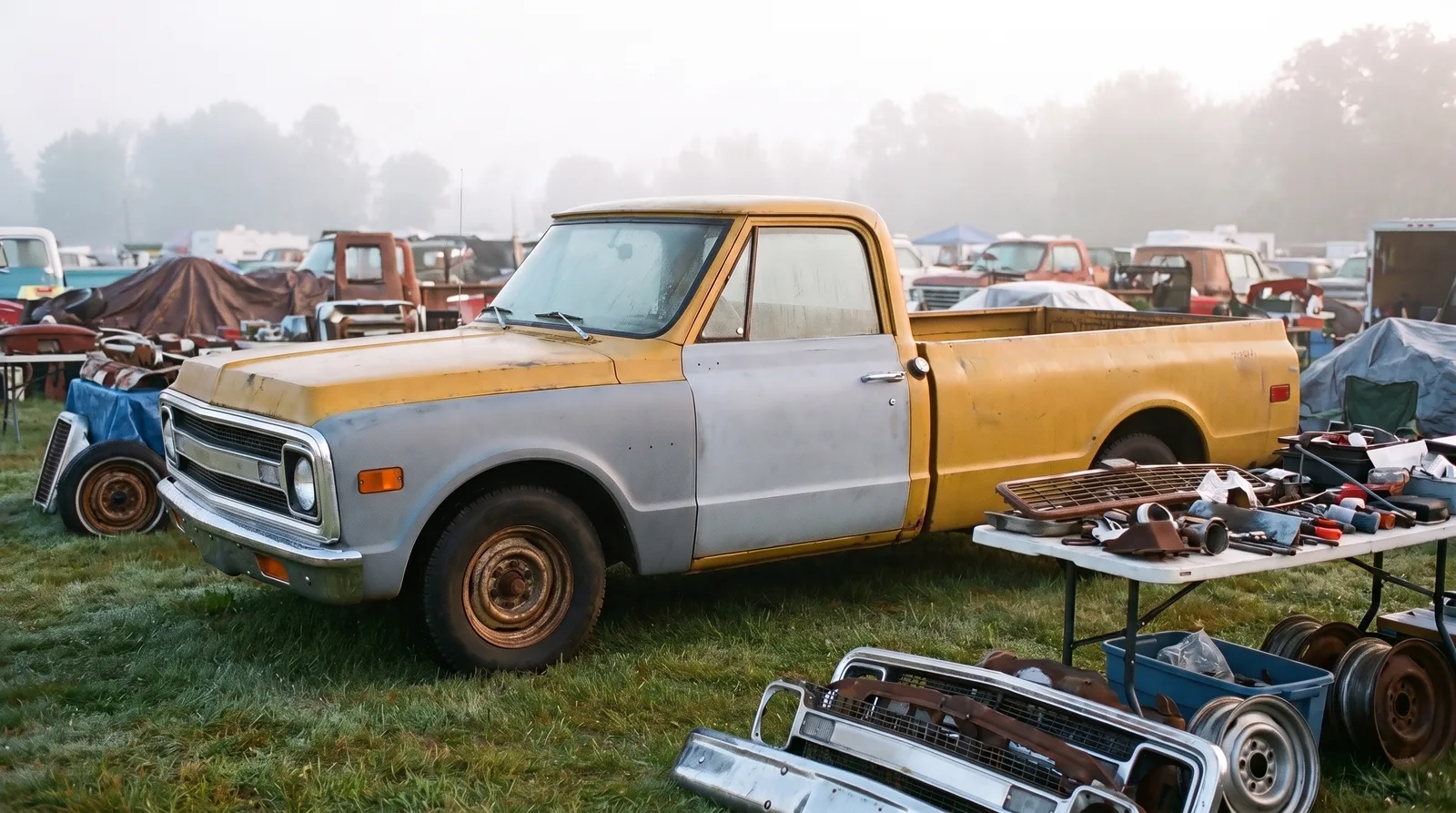
That said, the C10 hasn't lost its accessibility the way some collector vehicles have. You can still find a rough first-generation project truck, a solid driver-quality square body, or a nicely kept second-gen for reasonable money if you're willing to look around and be patient. That's rare in this hobby. Most collector vehicles that get this much attention price out regular buyers within a few years. The C10 built so many trucks across so many configurations that there's still something available at every budget level, from a barn-find project to a fully sorted show truck.
If you're shopping the market right now, spend time looking at classic C10s for sale across all three generations before you settle on which era fits what you actually want to do with the truck. A first-gen buyer chasing originality wants something completely different from a square body buyer planning a restomod build, and knowing that going in saves a lot of wasted time and money.
Why the C10 still matters
I've spent four decades around these trucks, and what keeps bringing me back isn't nostalgia for its own sake. It's that the C10 represents something honest about American manufacturing during a period when Detroit still built things meant to last. These weren't trucks designed around a marketing plan. They were designed to move hay, haul lumber, and start every morning without complaint, and Chevrolet's engineers clearly understood that a truck earns its reputation through decades of unglamorous work, not a single good year on a sales chart.
That's the real story of the C10. Not one redesign, not one famous model year, but three decades of a company getting the basics right and refusing to mess with a formula that worked. Trucks like that don't come along often, and when they do, they earn every bit of the attention collectors give them sixty years later.
Sources and notes
- Chevrolet C/K first generation (1960-1966), suspension and engine details
- Chevrolet C/K second generation (1967-1972), big-block engine and grille changes
- Chevrolet C/K third generation (1973-1991), square body production span
- GMT400 platform overview, 1988 replacement for the square body
- Square Body Trucks: A Brief History of the 1973-1987 Chevy & GMC C/K Pickups
- The History of Chevrolet Trucks in 15 Pickups, on the 1967 Custom Sport Truck package
Related Reading
Have a
Chevrolet C10
for Sale?
Reach thousands of serious classic car collectors across the US.
Sell It Here →
Are You a Classic Car Dealer?
List your full inventory and connect with targeted classic car buyers.
Join as a Dealer →

About the author
Robert Halloran
Texas-based classic truck enthusiast with decades of experience buying, restoring, and writing about American pickups from the 1940s through the 1980s.
Related Listings - Chevrolet C10
More in History & Heritage
Comments
Be the first to comment on this article.