
A door that swings shut but won't catch clean, or catches and then rattles down the highway, isn't a hinge problem most of the time. It's a latch mechanism that's drifted out of adjustment, and on a C10 that's usually a twenty minute fix once you know where to look instead of a parts-cannon repair where you replace half the door hardware chasing a noise.
Restoration & Tech
7 min read
Fixing Loose Door Latch Mechanisms on a C10
How to diagnose a C10 door that won't latch clean, adjust the striker correctly, and know when the latch mechanism itself needs replacing.
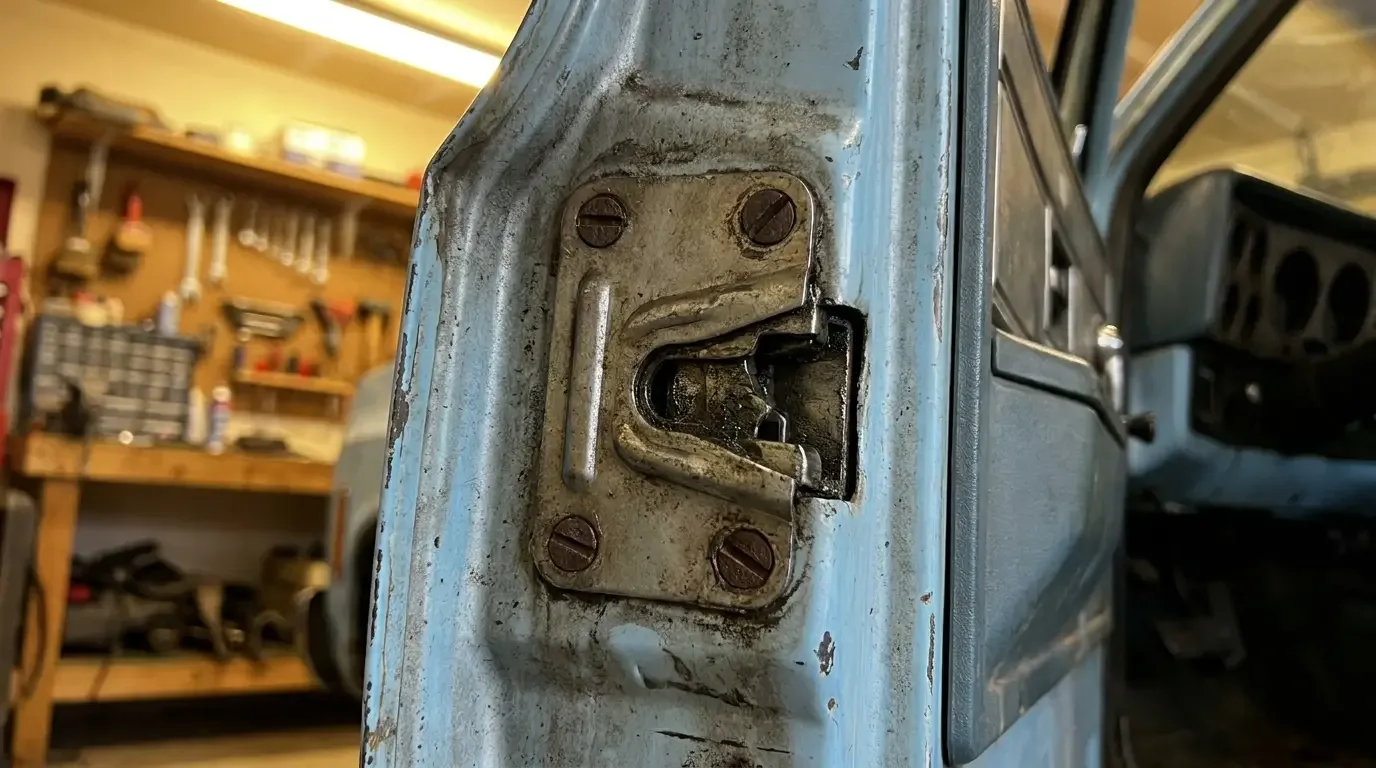
I've had guys tell me they were about to order a whole new latch assembly because the door "wouldn't shut right anymore," and it turned out to be a striker that had backed out a quarter inch over the years. Before you buy parts, figure out whether this is an adjustment problem or a worn-out parts problem. They're not the same fix and they don't cost the same.
What loose latch symptoms actually mean
A door that needs slamming to catch, one that catches on the first notch instead of fully latching, or a door that rattles at speed even though it feels shut, all point back to the same handful of parts: the striker post on the cab, the latch mechanism in the door itself, and the rubber bumpers that keep the door from over-traveling. On these trucks the striker is bolted to the door pillar and it can walk out of position over decades of doors slamming against it, especially on a truck that got used hard as a work truck rather than babied in a garage.
Rattling at speed usually means the door is catching on the safety notch rather than the fully latched notch. It'll hold the door closed well enough to fool you standing still, but at 60 down the highway the wind and vibration find every bit of slop. That's a striker adjustment nine times out of ten, not a worn latch.
Adjusting the striker
Loosen the striker bolts just enough that the striker can be tapped side to side and up and down with a soft mallet, not so loose it falls out of position on its own. Close the door gently, without slamming, and see where it actually catches relative to the latch mechanism. You want the door pulling in flush with the surrounding sheet metal, not proud of it and not sucked in past it.
Move the striker a small amount, snug the bolts down just enough to hold position, and test again. Small movements matter here. A sixteenth of an inch on the striker can be the difference between a door that clicks shut easily and one that needs a shoulder into it. Work in small steps rather than guessing at a big correction and overshooting.
Once the door closes with light pressure and holds flush, torque the striker bolts to spec. Don't skip the final torque step. A striker that's just snug will walk again within a few months of normal use, and you'll be back doing this same adjustment before the truck's even broken a sweat.
When it's the latch mechanism, not the striker
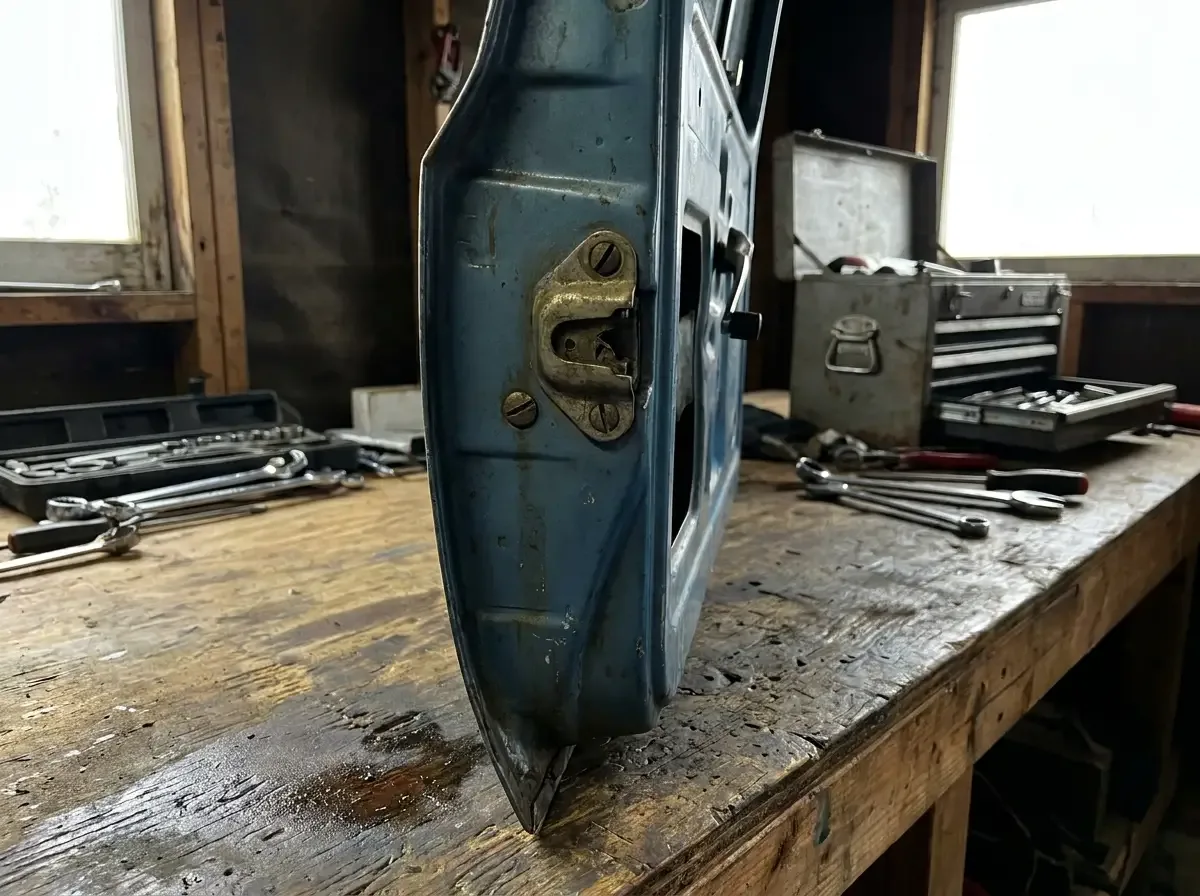
If the striker is properly positioned and the door still won't hold the fully latched position, the latch mechanism inside the door has likely worn to the point where adjustment alone won't fix it. This is more common on trucks that spent years as daily work vehicles, where the door got opened and slammed shut dozens of times a day for years. The pawl and the rotating latch cam wear against each other over that many cycles, and eventually there's not enough engagement left to hold reliably.
Rebuilding or replacing the latch mechanism means pulling the door panel, which is its own small job but not a difficult one on these trucks. Take the opportunity to check the window regulator and door glass channel while you're in there, since those parts live in the same cavity and show their age around the same time as a tired latch.
A remanufactured latch assembly bolts in using the factory mounting points, and if you're not touching the striker, adjustment starts from where the old one was set. Get the new latch bolted in, then walk through the same striker adjustment process again since a fresh latch mechanism can sit slightly differently than the worn one it replaced.
Keeping it adjusted for the long haul
A striker that's just been torqued down properly should hold its position for years, but a few habits make it hold even longer. Check the adjustment any time you notice the door starting to feel different, rather than waiting for it to get bad enough to rattle at speed. Catching a striker that's moved a sixteenth of an inch is a five minute recheck. Catching one that's moved a quarter inch after months of ignoring the early signs is back to the full adjustment process.
Weatherstripping condition matters here too, more than most people expect. A door seal that's gone flat and hard no longer cushions the door the way a supple seal does, which changes how much force the latch actually needs to hold the door shut and can make a properly adjusted striker feel loose again even though nothing's actually moved. Keeping the door seals conditioned is cheap insurance against chasing a latch problem that's really a rubber problem.
"People want to blame the door itself when it won't shut right, and ninety percent of the time the door's fine. It's a striker that walked a quarter inch over forty years of use, and that's a bolt adjustment, not a parts order. Before you spend money, spend twenty minutes with a wrench and see if that's all it needed."
Robert Halloran
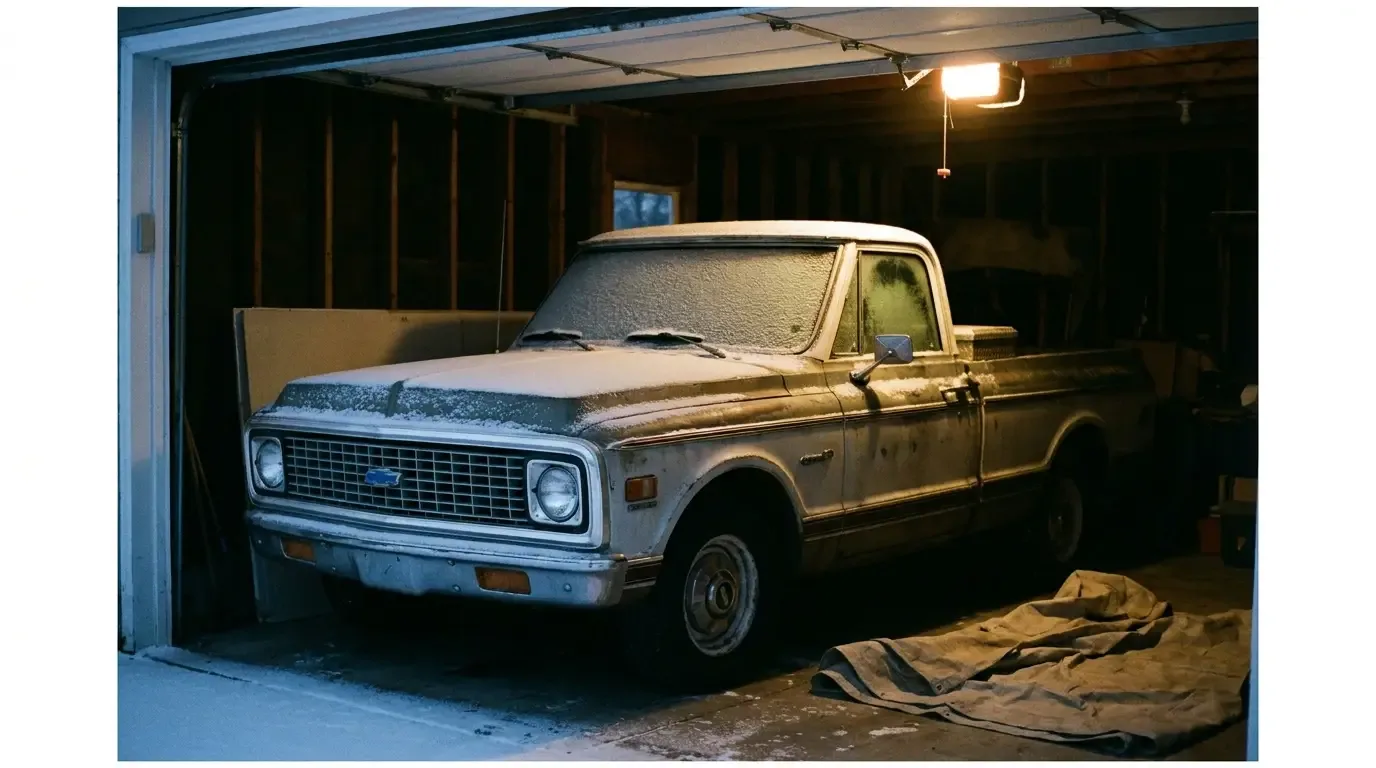
Latch adjustment is one of those small jobs that's easy to put off since it's annoying rather than dangerous, but it's worth handling early since a door that isn't latching right will keep working the striker and hinges loose faster than one that closes clean. If you're planning a broader pass through the truck's wear items, the maintenance guide covers where this fits alongside the rest of the stuff that needs regular attention on a daily driver. And if you're parking the truck for a few months once the weather turns, it's worth handling this kind of small hardware fix before getting the whole truck ready for winter storage, since a door that isn't sealing right will let moisture in over a long sit.
Sources and notes
Related Reading
Have a
Chevrolet C10
for Sale?
Reach thousands of serious classic car collectors across the US.
Sell It Here →
Are You a Classic Car Dealer?
List your full inventory and connect with targeted classic car buyers.
Join as a Dealer →
#Restoration
#chevrolet c10
#body hardware
#door latch adjustment
#door striker
#daily driver maintenance

About the author
Robert Halloran
Texas-based classic truck enthusiast with decades of experience buying, restoring, and writing about American pickups from the 1940s through the 1980s.
Related Listings - Chevrolet C10
More in Restoration & Tech
Comments
Be the first to comment on this article.